Seed Archives: Thabo Weaves a Cocoon for Listening
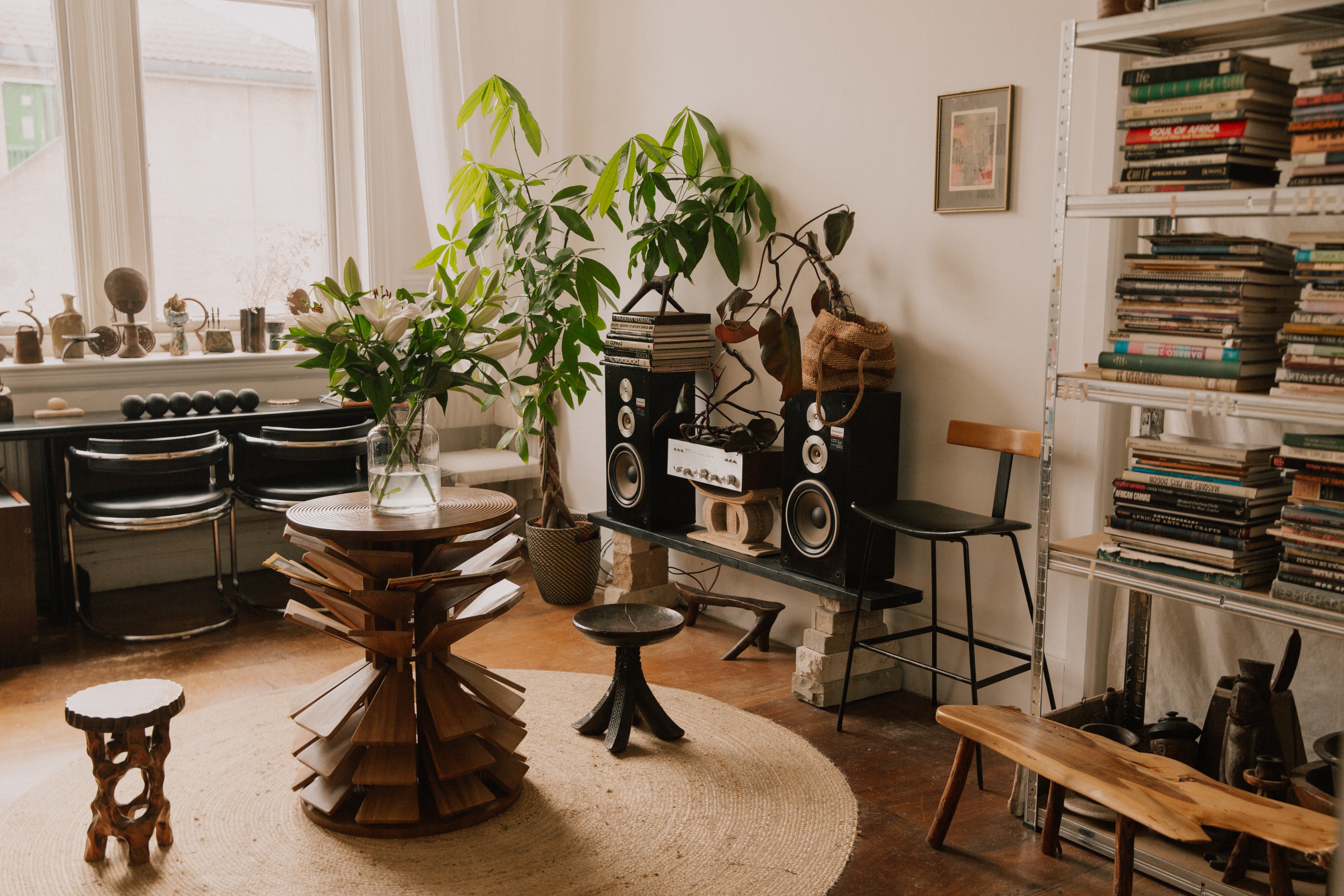
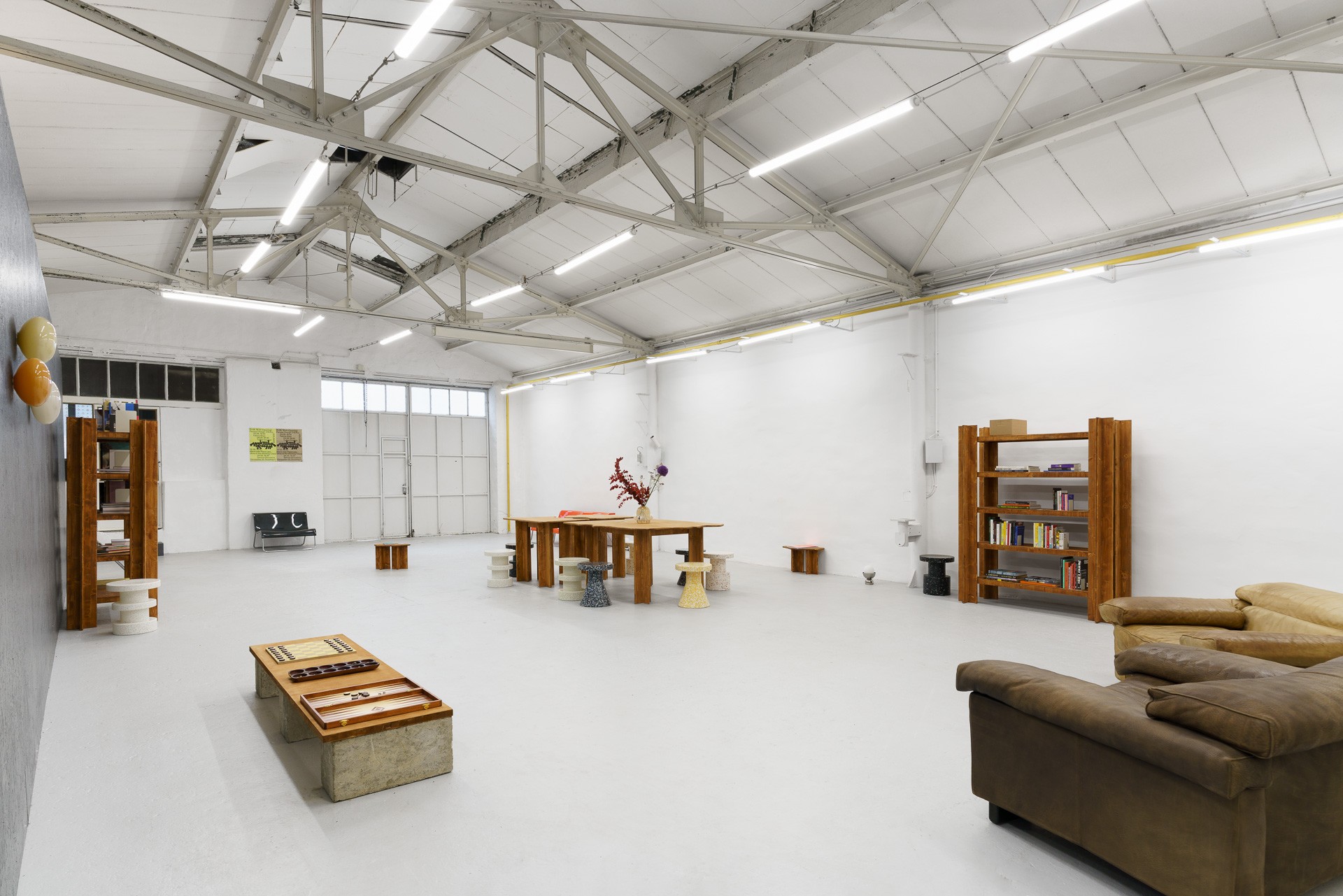
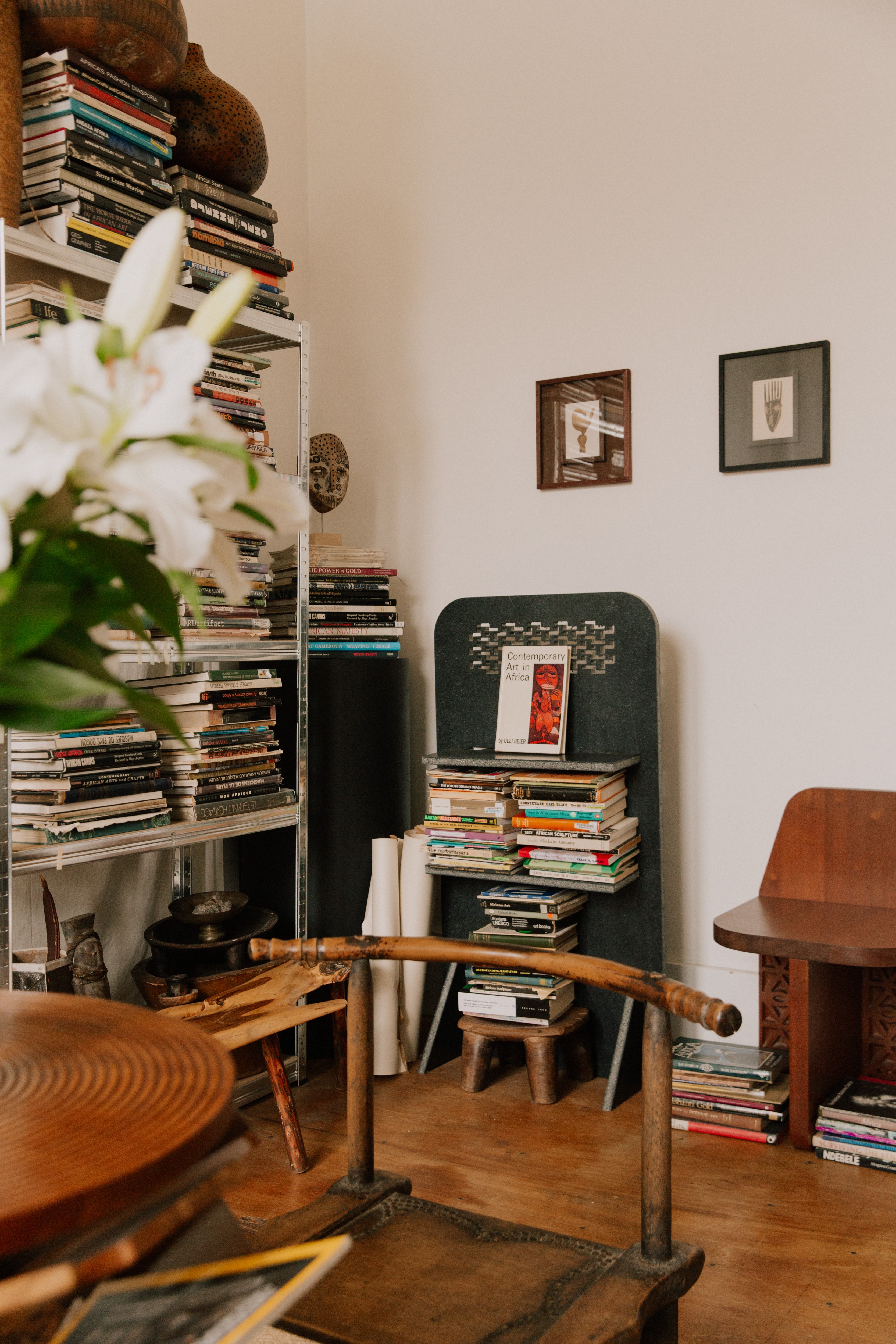
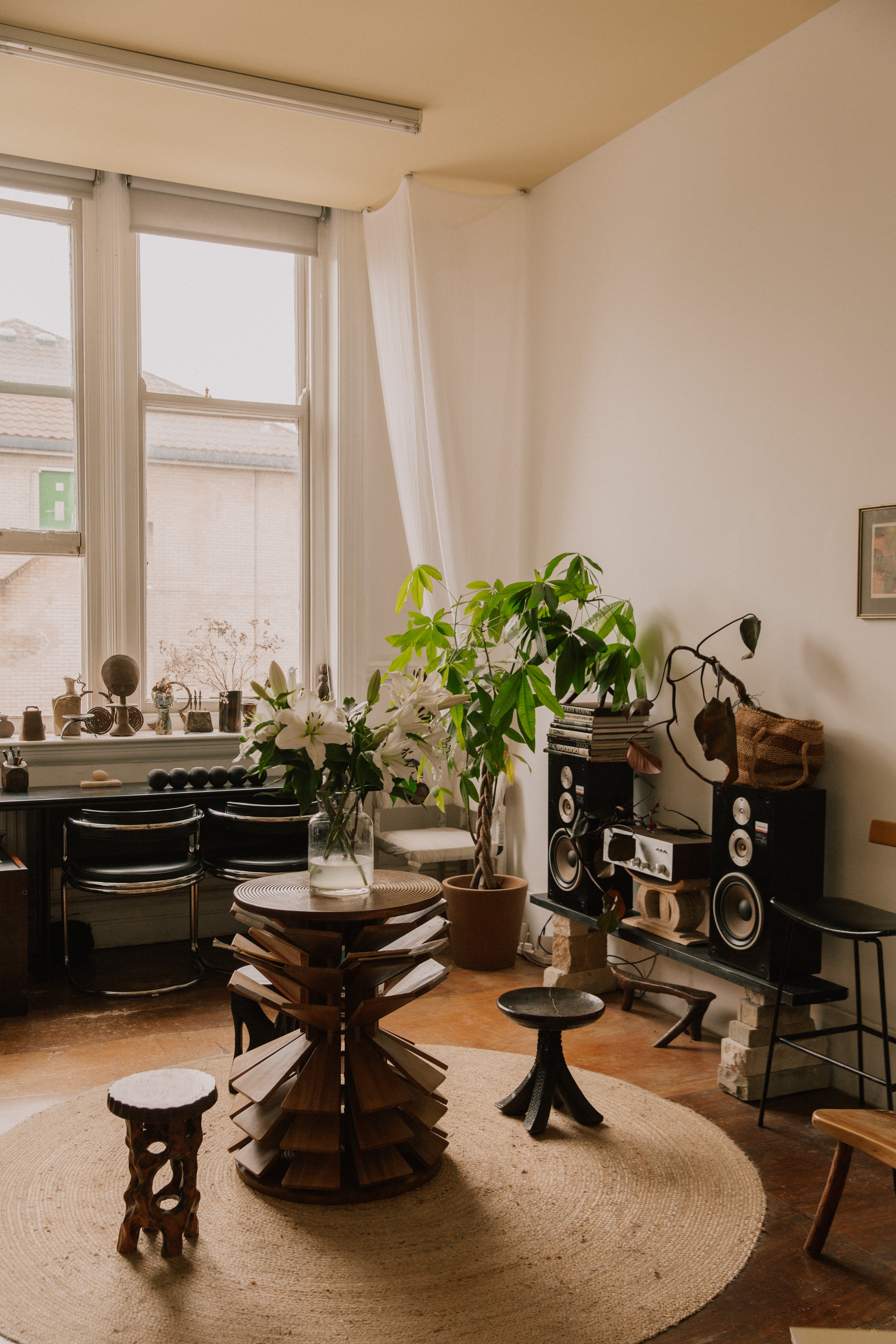
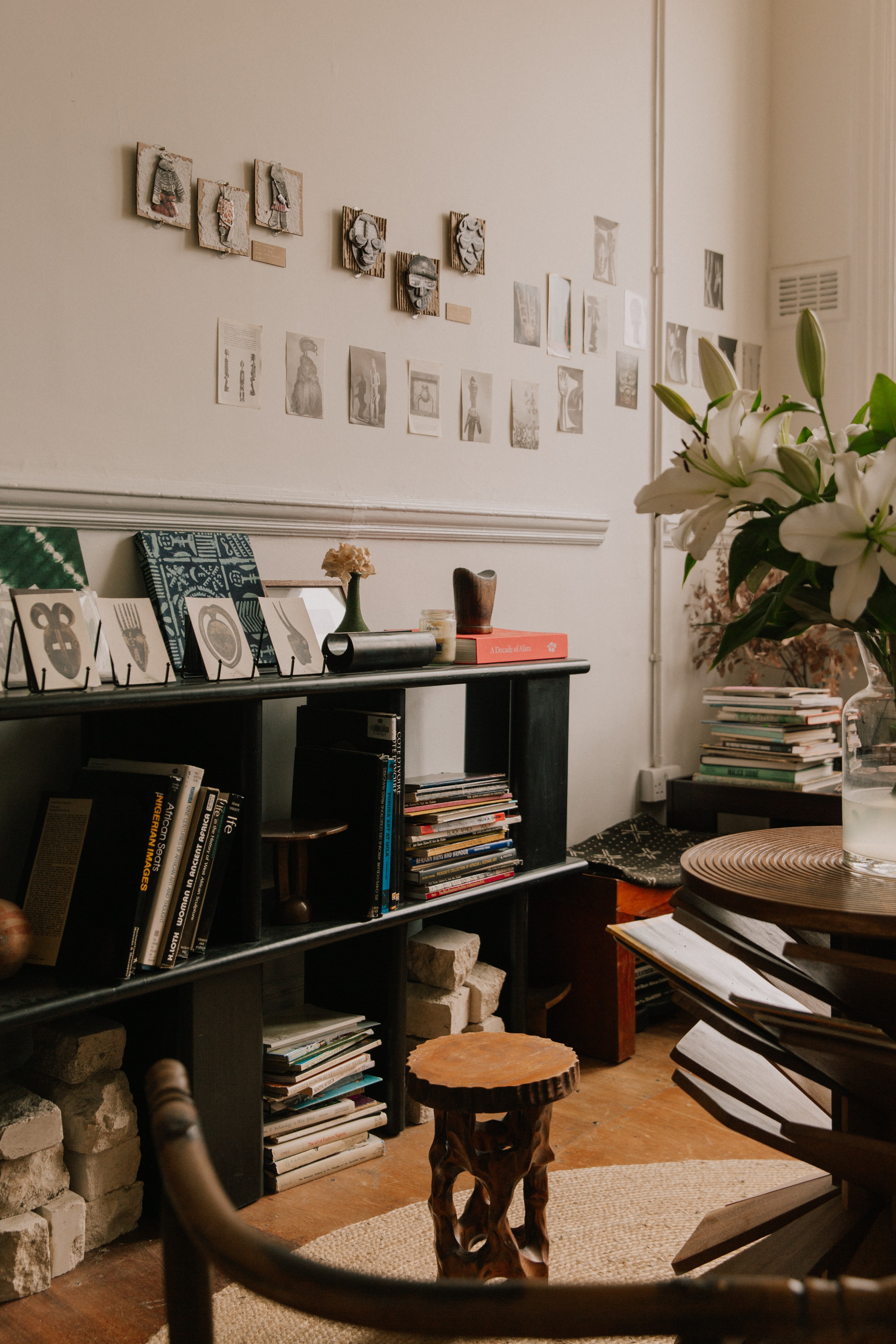
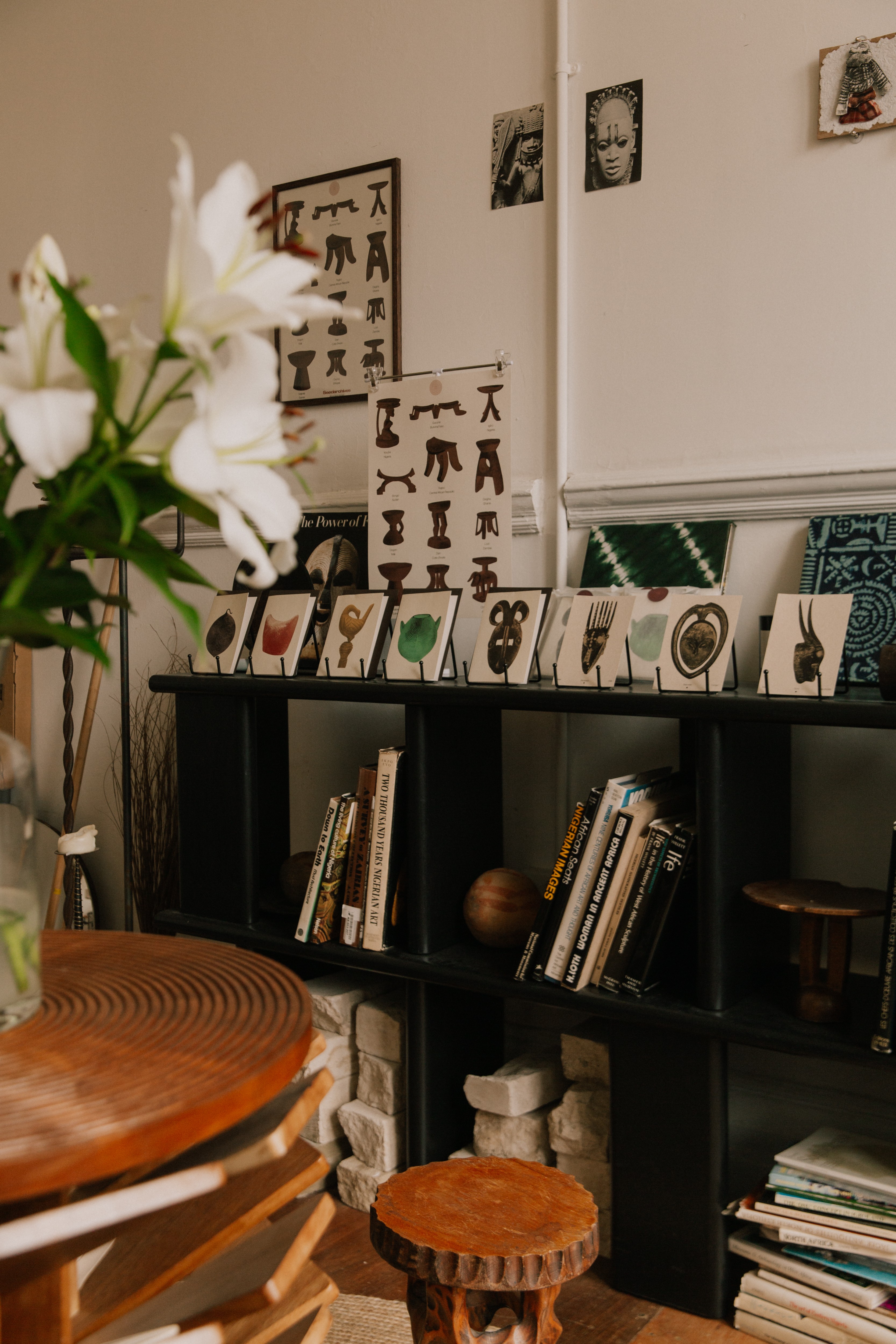
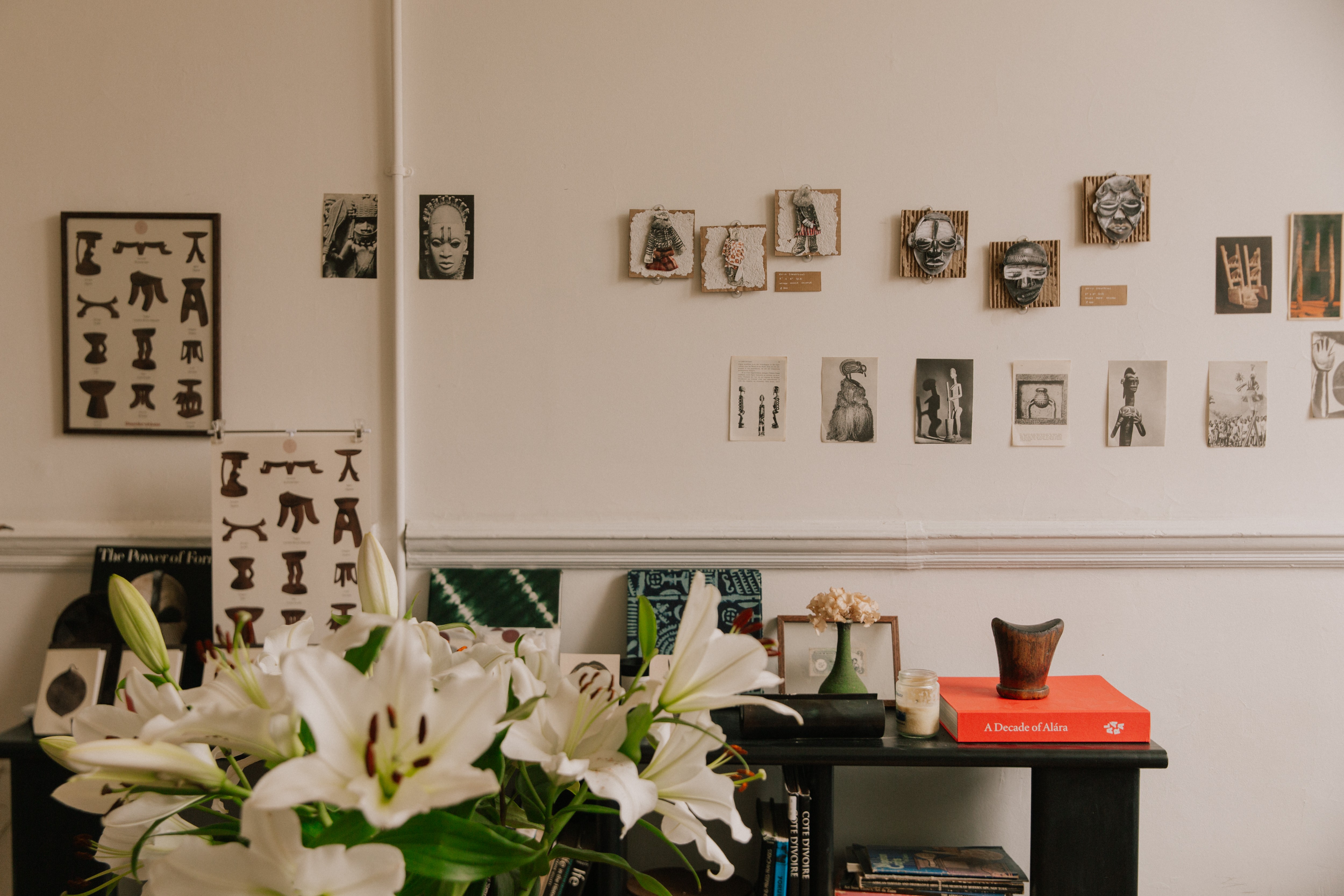
Interior of Seed Archives, 2026. Courtesy of Christian Cassiel.
In his installation ‘LALELA’ at Seed Archives in North London, musician and sound artist Thabo asks: what would an oral history library feel like? The word lalela comes from his mother tongue Ndebele and simply means listen.
On their inaugural residency with Thabo and LALELA, Seed Archives’ founder Christian Cassel notes: “This grew from a long-standing friendship and creative dialogue, conversations about our individual practices, around creating spaces for others, and about how we want people to feel inside them. Having Thabo in residence happened naturally. Both projects began as ideas, slowly nurtured over time before becoming tangible, and having watched each other's work develop over many years makes this collaboration particularly meaningful. This is the first time Seed and LALELA have come together. Seed holding LALELA, and the cocoon holding visitors within both, becoming a sort of '4th' space.”
Seed Archives is a living library and cultural space celebrating African and Caribbean heritage through art, design, and material culture. Its growing collection connects diaspora communities with their histories through free access to books and traditional objects, housed within an intentionally curated home environment.
Reflecting on his sonic intervention in the space, Thabo asks: “Imagine we had recordings of the stories that were passed on from our foremothers and forefathers 500 years ago? Imagine we had recordings of the stories the great sons and great daughters will be listening to 500 years from now? Can you imagine? (as sung by D’Angelo on that song with Snoop and Dre).”
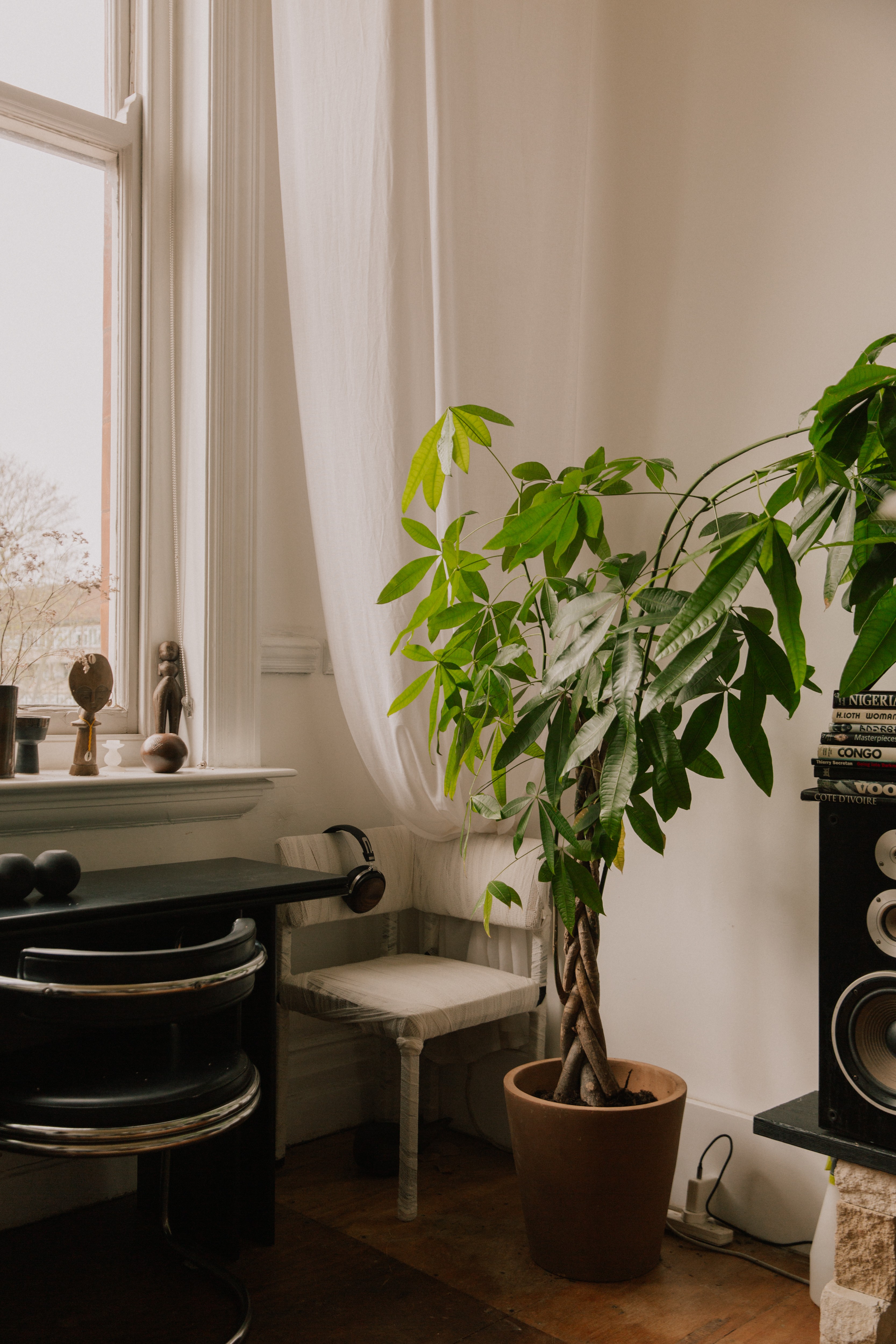
The LALELA installation invites participants to sit on a chair wrapped in white fabric, positioned within a semi-transparent veil and headphones, creating an immersive cocoon for a 25-minute durational sound piece. The experience features compositions drawn from audiobook excerpts of Marlon James’ Black Leopard, Red Wolfand Moon Witch, Spider King.
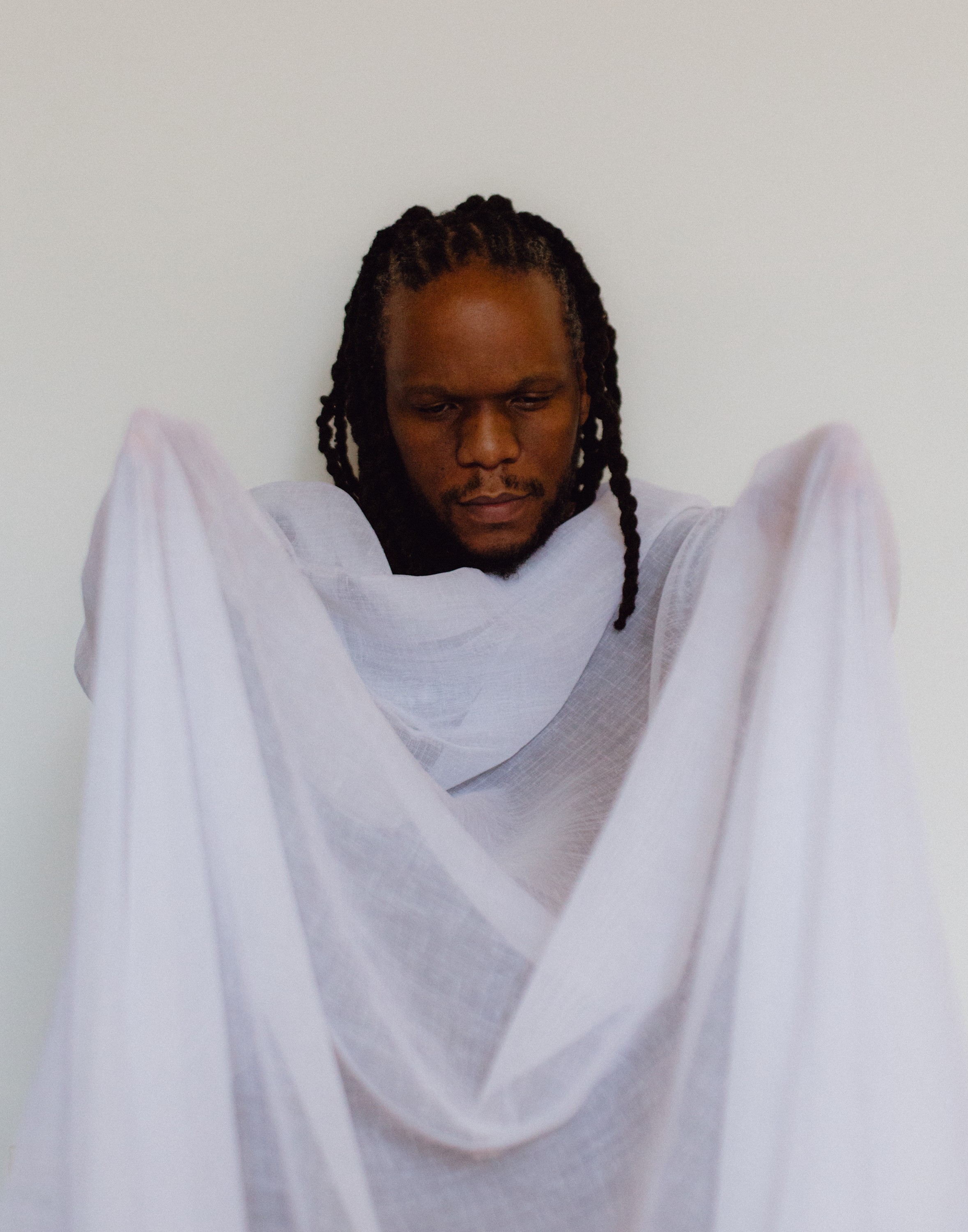
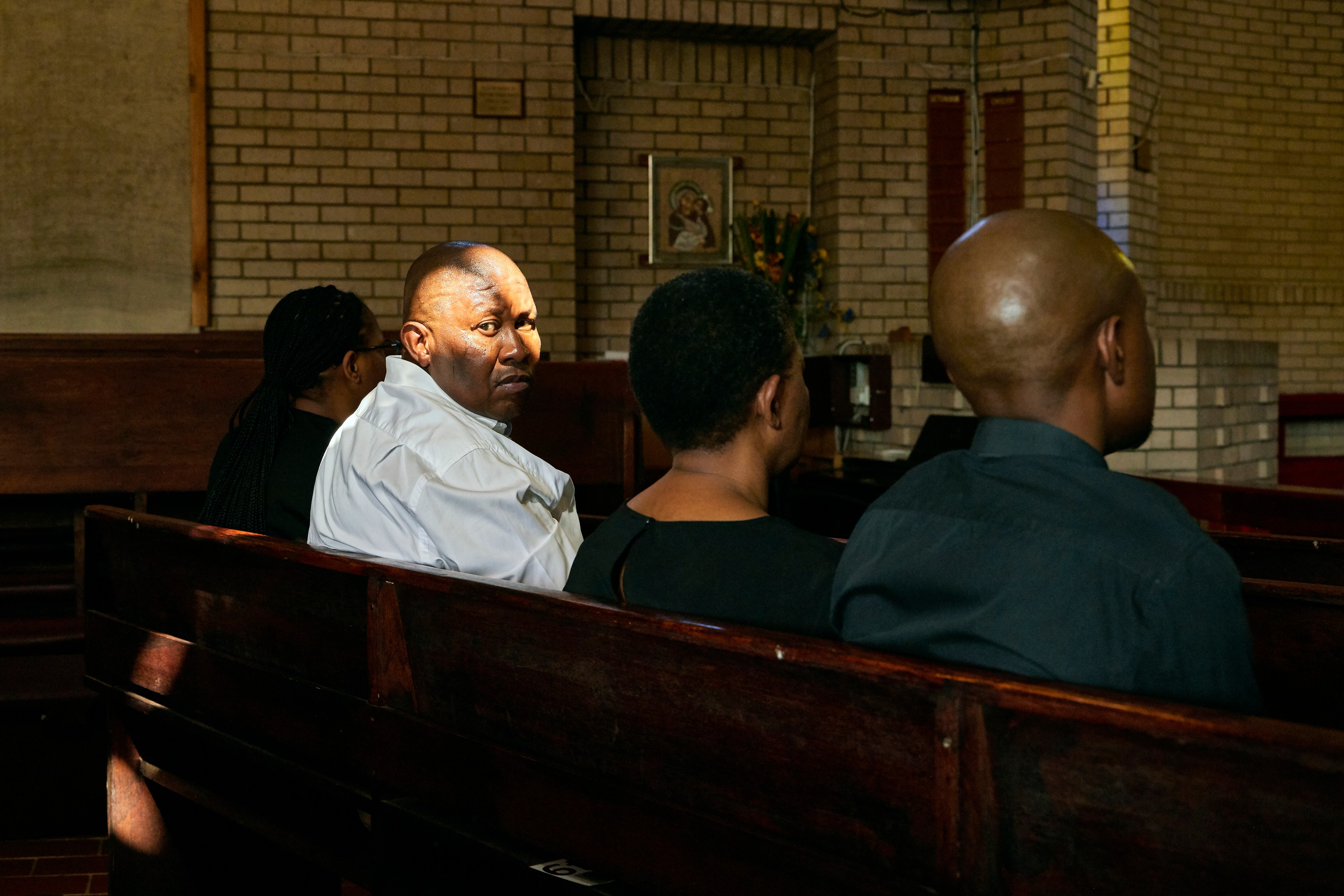
Portrait of Thabo Mkwananzi, Seed Archives, 2026. Courtesy of Christian Cassiel.
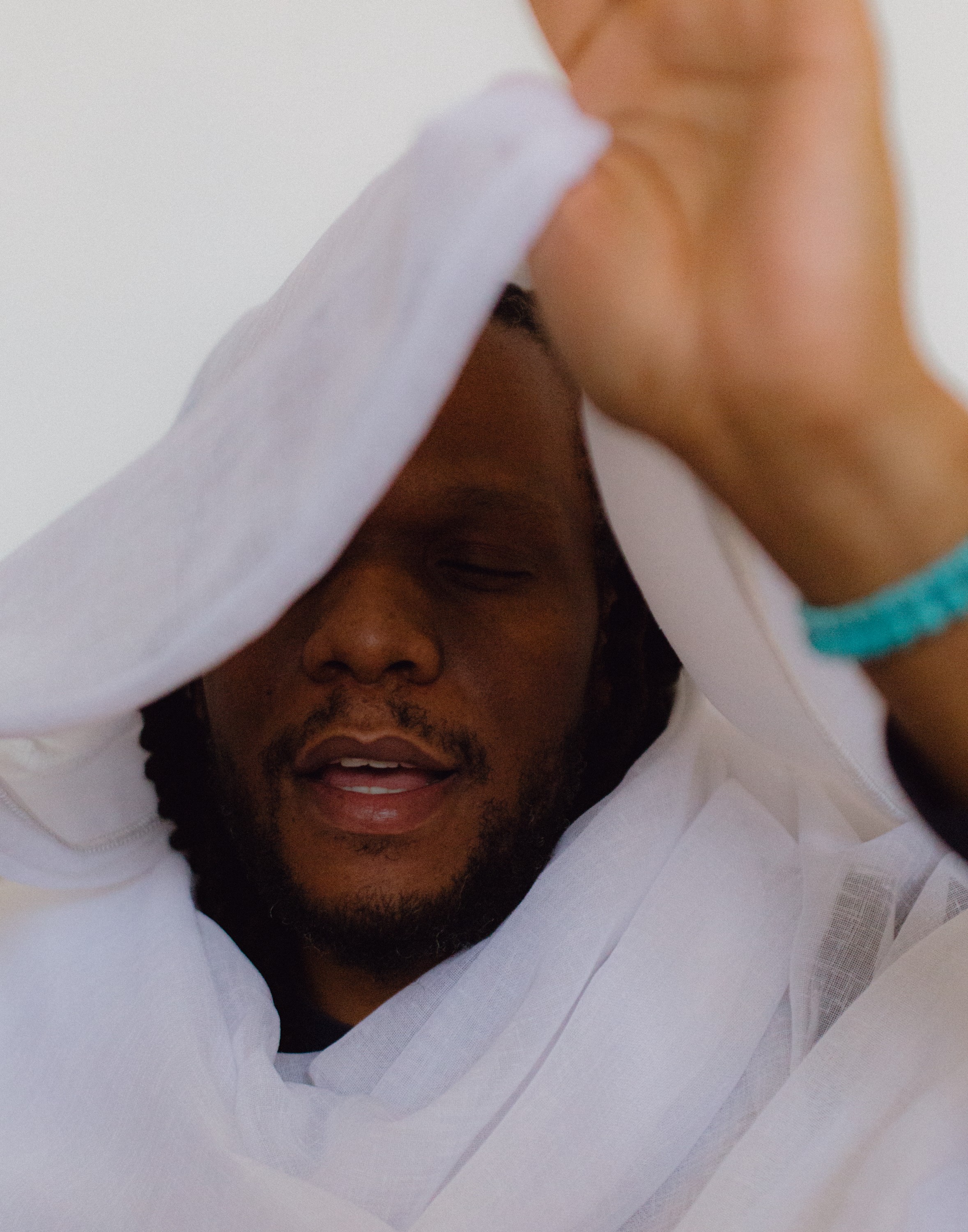
“I draw a lot from text in my practice, so I expected to spend my residency at Seed Archives reading extensively. Instead, I found myself drawn almost entirely to images. Surrounded by so much African visual material, I spent most of my time daydreaming, losing myself in photographs, imagining what happened before the shutter and what unfolded after. It makes sense in retrospect: Seed’s founder Christian Cassiel is a great friend and photographer who once walked me through amazing images by his favourite photographers and kept imagining being there — on the edge of that cliff, in that speedboat, trekking through that remote forest in order to take the shot. Since then,
I have occasionally used images as prompts for composition. This was an opportunity to delve deeper into that sensibility.
When I share my selections here, I'm not talking about what I read but what I saw, and what I heard inside what I saw.”
Here are reflections on four publication selections by Thabo from Seed:
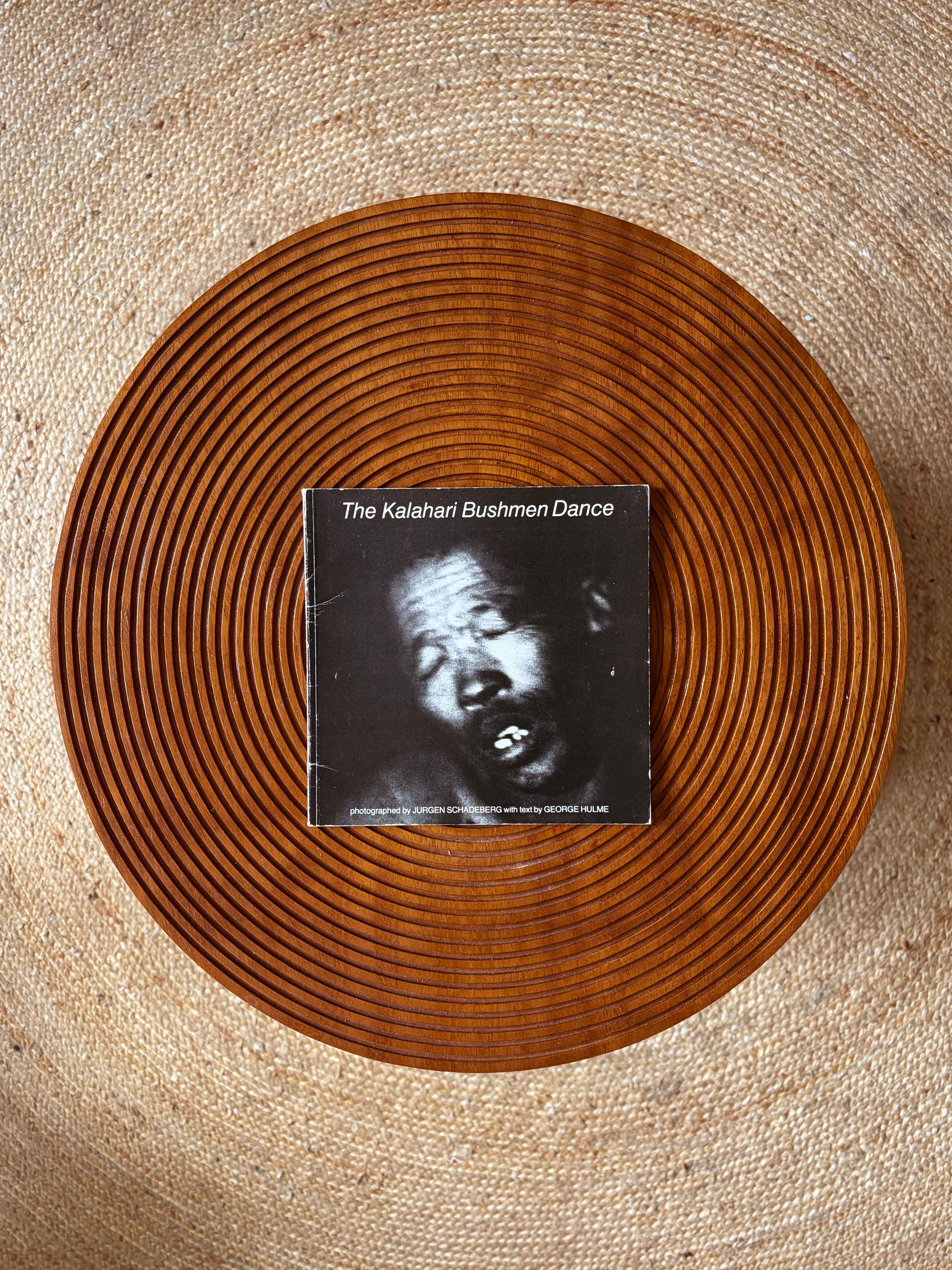
Selected titles in Seed Archives, Jürgen Schadeberg, Kalahari Bushmen Dance (1982), 2026. Courtesy of Christian Cassiel.
THE KALAHARI BUSHMEN DANCE — Jürgen Schadeberg, Text by George Hulme
"The Kalahari Basarwa dance for physical healing and spiritual attunement. This reminded me of a book I once read by Bradford Keeney and Marian Jensen called Kalahari Bushmen Healers which went into great detail about the dance and the cosmology but didn't really have images. In this book though, the images are haunting, intimate, and captivating. The blur is as if the camera itself was participating in the dance."
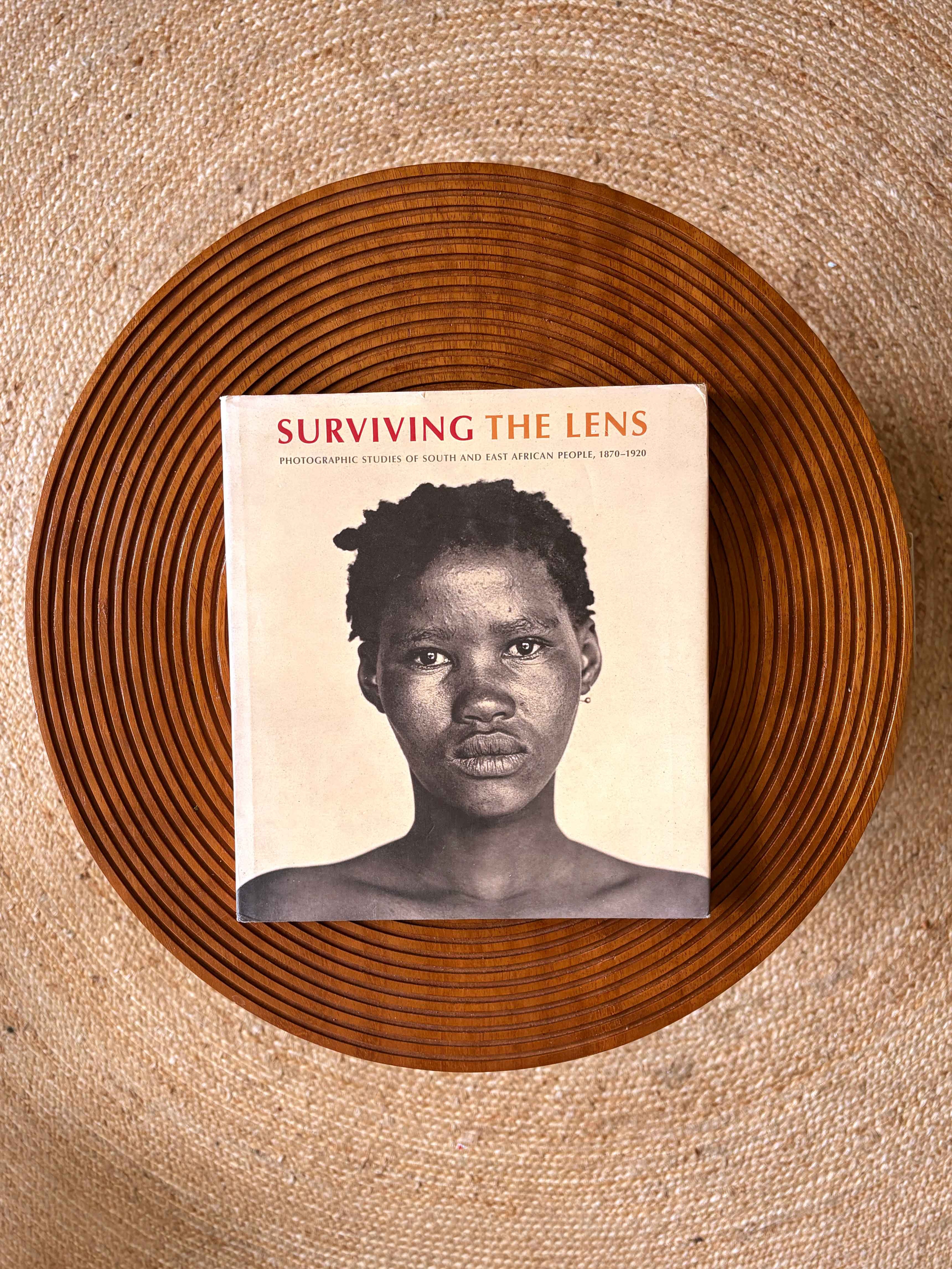
Selected titles in Seed Archives, Michael Stevenson and Michael Graham-Stewart, Surviving the Lens: Photographic Studies of South and East African People, 1870–1920 (2001), 2026. Courtesy of Christian Cassiel.
SURVIVING THE LENS — Various Photographers
“This book stayed with me because of a single image — a group of men from my hometown, Bulawayo, photographed in the late 1800s. I placed it open on the table for several days and could almost hear the conversations they were having: the frustrations, the jokes, the dreams! I am sure, for no reason whatsoever, that one of those men knew someone in my family. It really felt like looking at men who were from the time of my grandfather's grandfather.”
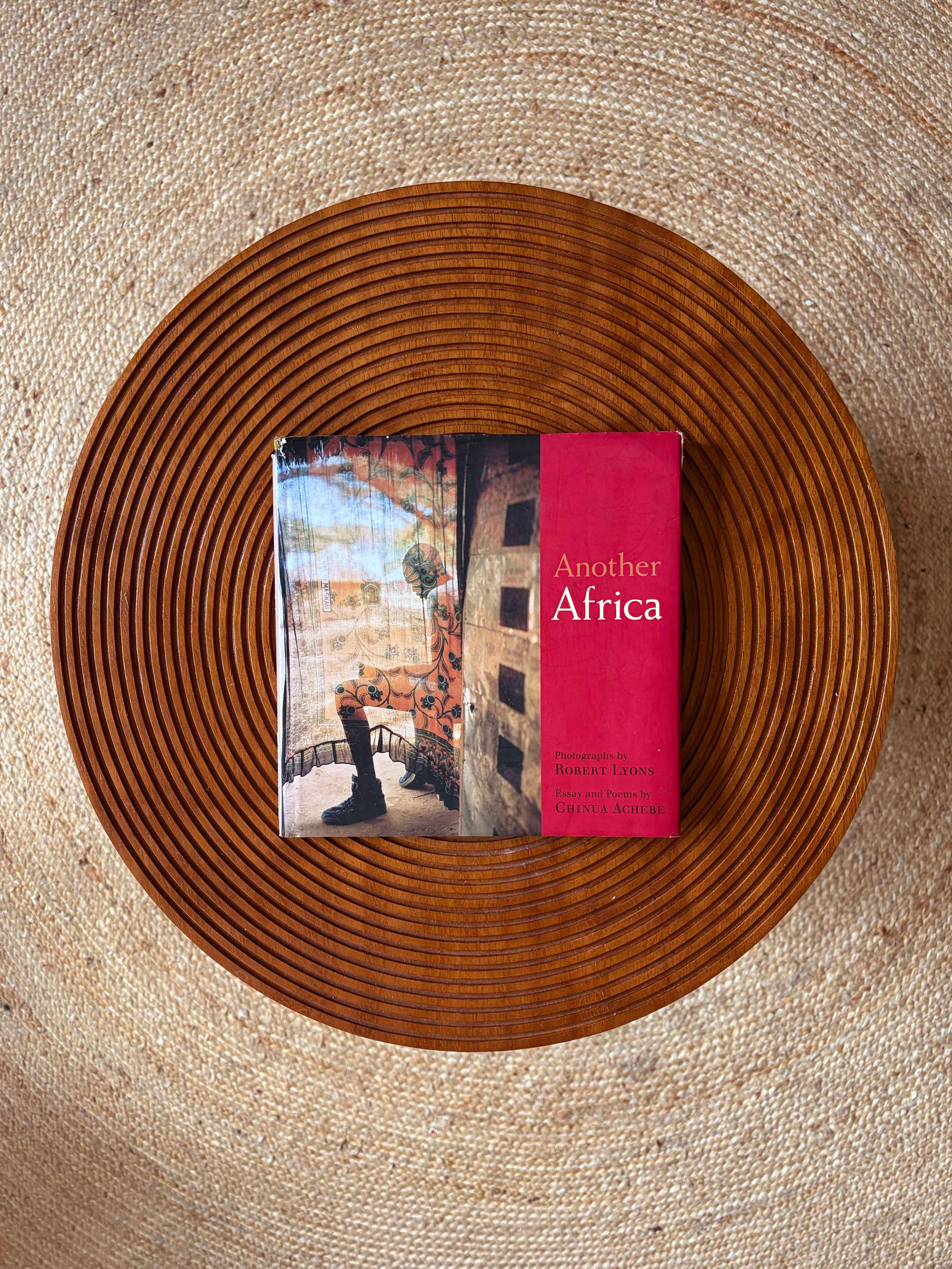
Selected titles in Seed Archives, Robert Lyons, Another Africa: Photographs, text by Chinua Achebe (1991), 2026. Courtesy of Christian Cassiel.
ANOTHER AFRICA — Photographs by Robert Lyons, Text by Chinua Achebe
“I was initially drawn to the cover — a man seated in front of a veiled doorway — apt because I was at Seed Archives to install a veiled listening space, another one of those cosmic coincidences. Then I read Achebe's text and found myself thinking it needs to be heard audibly — so many African authors need their work translated into audiobooks! His prose carries a rhythm and weight that wants to live in the ear. Ancient, precise, and musical. Listen to this:
“The sun will shine on those who stand before it shines on those who kneel under them.”
“A man who calls his kinsmen to a feast does not do so to save them from starving.”
“Until the lions have their own historians, the history of the hunt will always glorify the hunter.”
“When the moon is shining the cripple becomes hungry for a walk.”
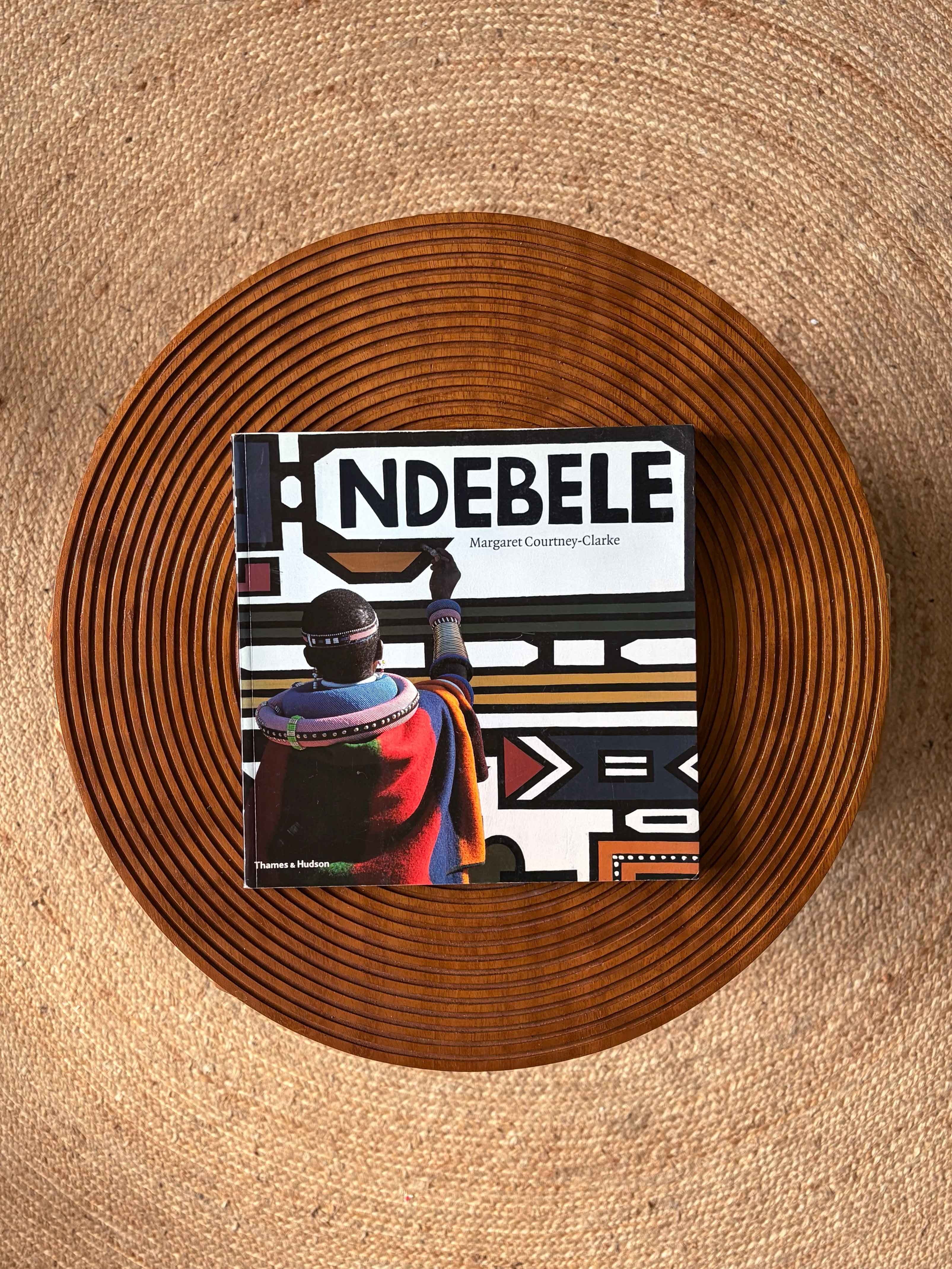
Selected titles in Seed Archives, Margaret Courtney Clarke, Ndebele (1996), 2026. Courtesy of Christian Cassiel.
NDEBELE— Magret Courtney Clarke
"This book speaks to the Southern Ndebele, whose visual language is widely recognized through color, geometry, and pattern. As someone from the Northern Ndebele, I am in awe of the way they communicate identity, history, and belonging entirely through visual form. This is as close to understanding synaesthesia as I get — the idea that color and sound have a relationship. I wonder, can one induce or cultivate synaesthesia? If so, consider me willing, just to hear these patterns and geometries... actually, that's an idea for a new work. Collaboration anyone?"
This text is part of C&'s ongoing Inside The Library series. Our sister publication C& América Latina recently published a feature on Seed Archives, exploring the collection from a Caribbean context. Read it here.