Seed Archives: Celebrating African and Caribbean Design and Culture in London
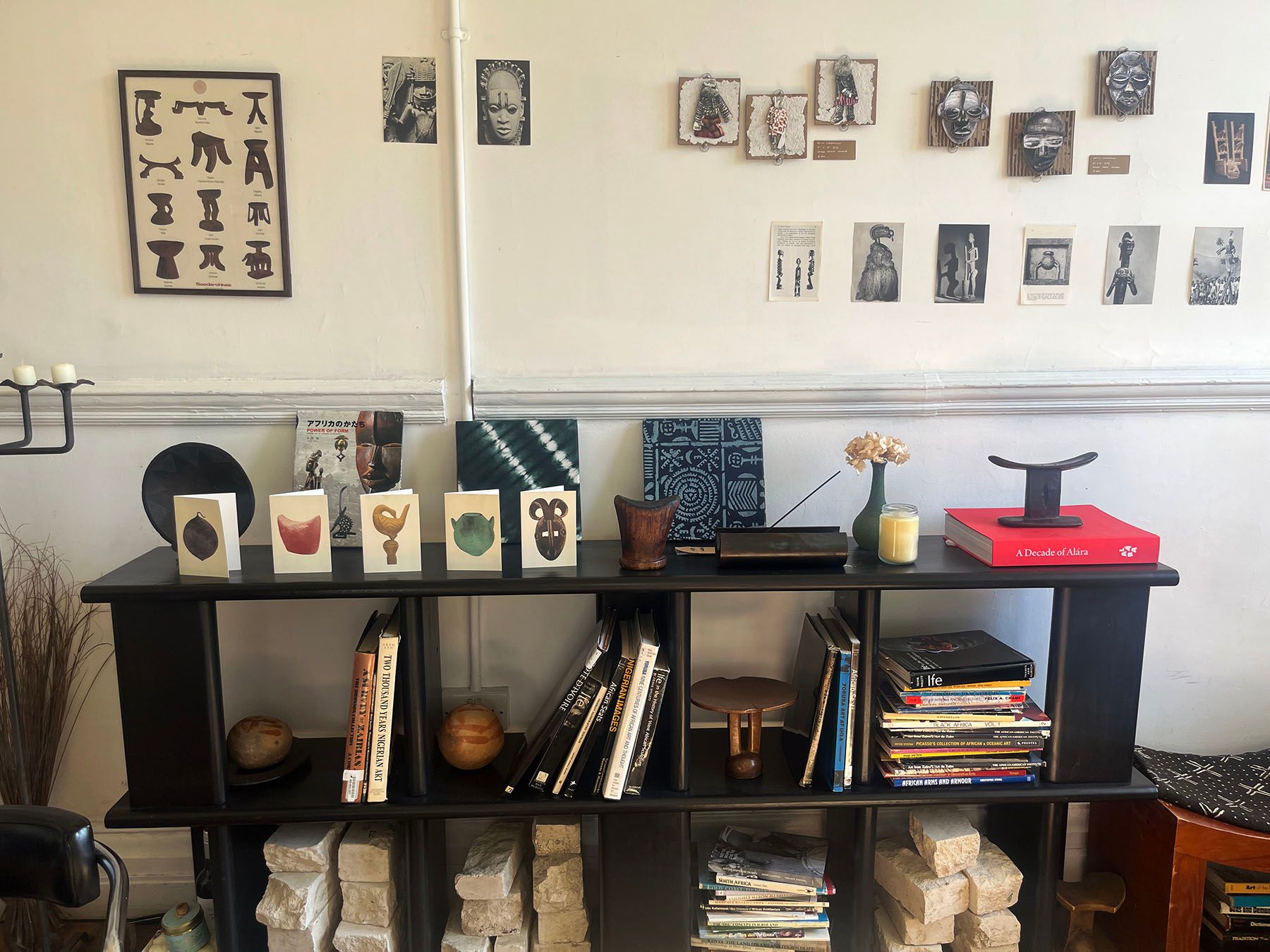
Seed Archives. Photo: Aude Konan
Seed Archives is an unconventional living archive celebrating Black art and books in London. It showcases a unique collection of more than 300 rare print books about Africa and the Caribbean and curated art objects, such as Baoulé statues.
Created by photographer Christian Cassiel, Seed Archives was founded in 2021. It is open to the public on weekends and by invitation on weekdays. Cassiel conceived it as a self-funded cultural archive. Inside, the space looks like a cozy living room and the rare artifacts and books can be held and felt by the visitors. Seed is deconstructing the idea that archives should be experienced from afar and the idea that art should not be touched. Cassiel believes that what people need is a new way of looking at an archive and how culturally sensitive objects can be viewed. For him, there is a need to start a conversation around where ancient Black practices are now. For example, a lot has been said about giving back Benin bronzes and objects looted by Europeans during colonization. However, Cassiel remarks that “there are plenty of living artists and art that we can support and acquire as some of these practices are dying.”
Seed Archives allows the visitors to engage with the art the way it was meant, while also understanding their cultural meaning through publications. Here are five you can find there:
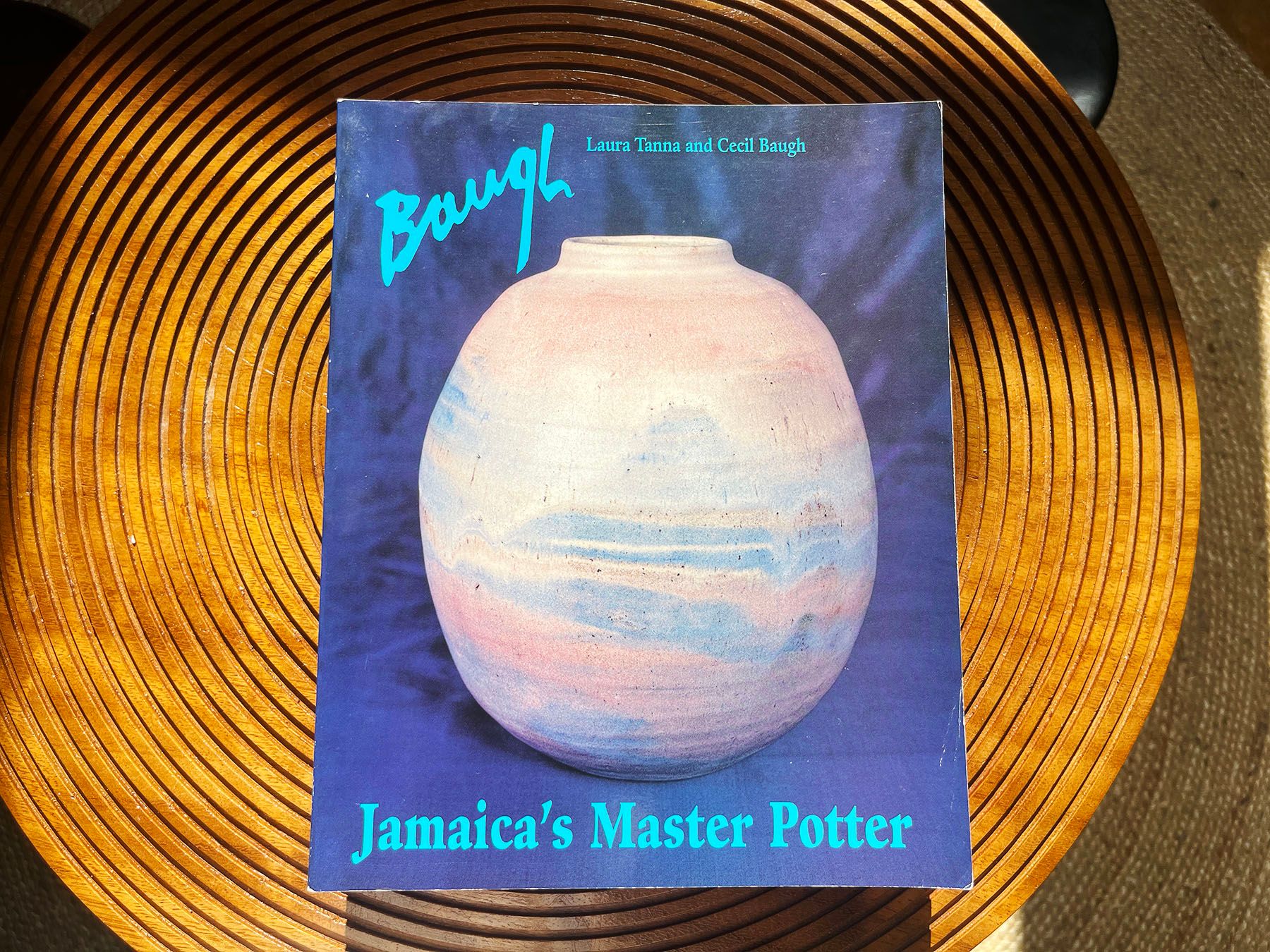
Baugh: Jamaica's Master Potter, a slice of art and Jamaican social history, by Laura Tanna and Cecil Baugh (Kingston, 1999). Photo: Aude Konan
Baugh: Jamaica's Master Potter, a slice of art and Jamaican social history by Dr. Laura Tanna
Cecil Baugh is a Jamaican potter who shaped the history of ceramics in Jamaica in the 20th century. The book explores his incredible life story, from his humble beginnings, growing up as a sawyer’s son to then becoming one of leading potters in Jamaica, inspiring a new generation of potters in the country. The book explores Baugh’s career, offering an important retrospective of his pottery, and showcases some of his rarely seen works.
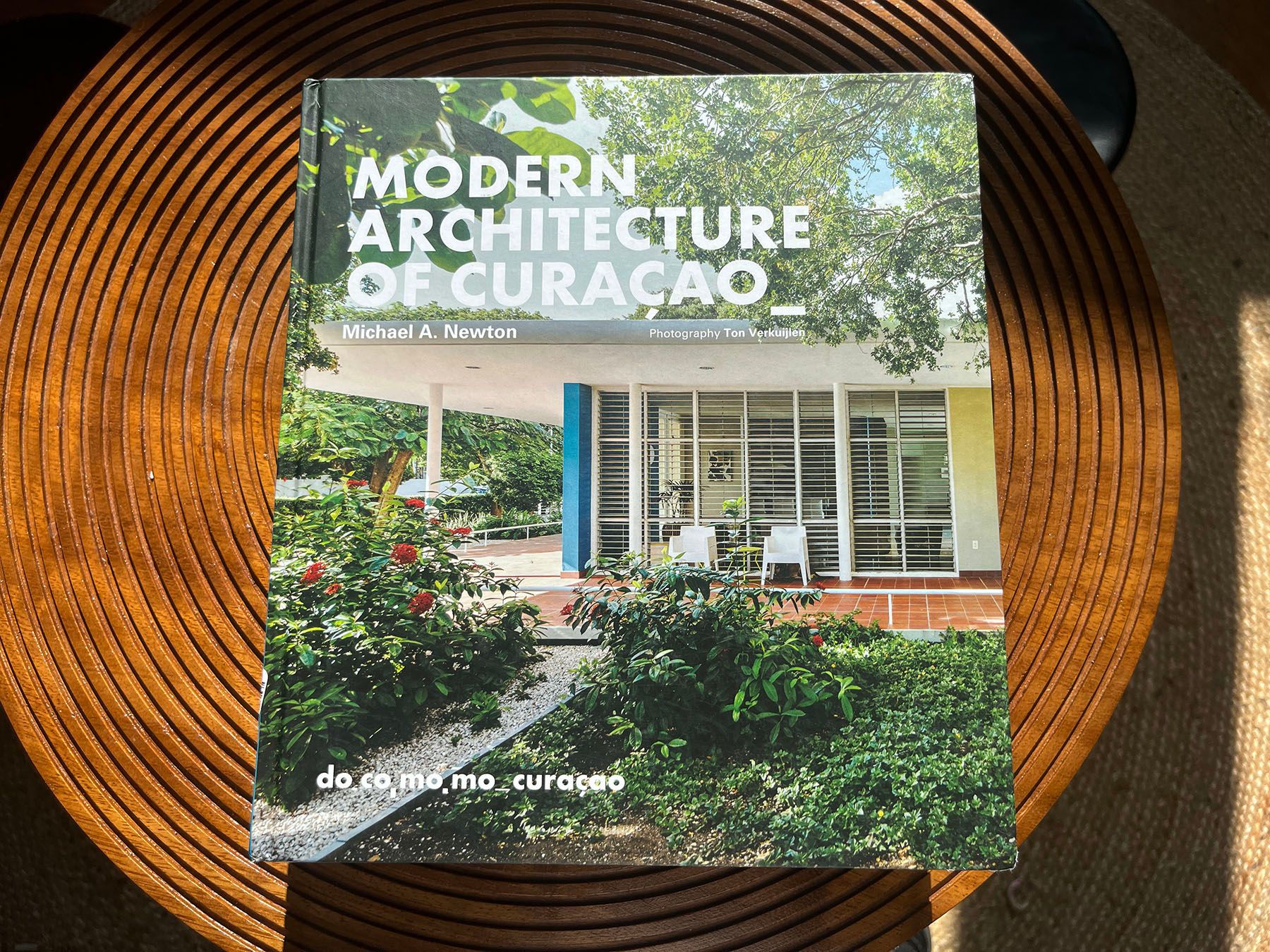
Modern Architecture of Curaçao, by Michael A. Newton (The Netherlands, 2025). Photo: Aude Konan
Modern Architecture of Curaçao by Michael Newton
This book is an exploration of the way modernism is starting to shape the architecture of Curaçao. While the movement is relatively unknown on the island, the book explores how it is slowly becoming a popular choice and how it adapts to the island’s natural landscape. It retraces the 25 different neighborhoods, sites, and buildings that had the most important impact on the movement and how locals are re-appropriating that architectural style.
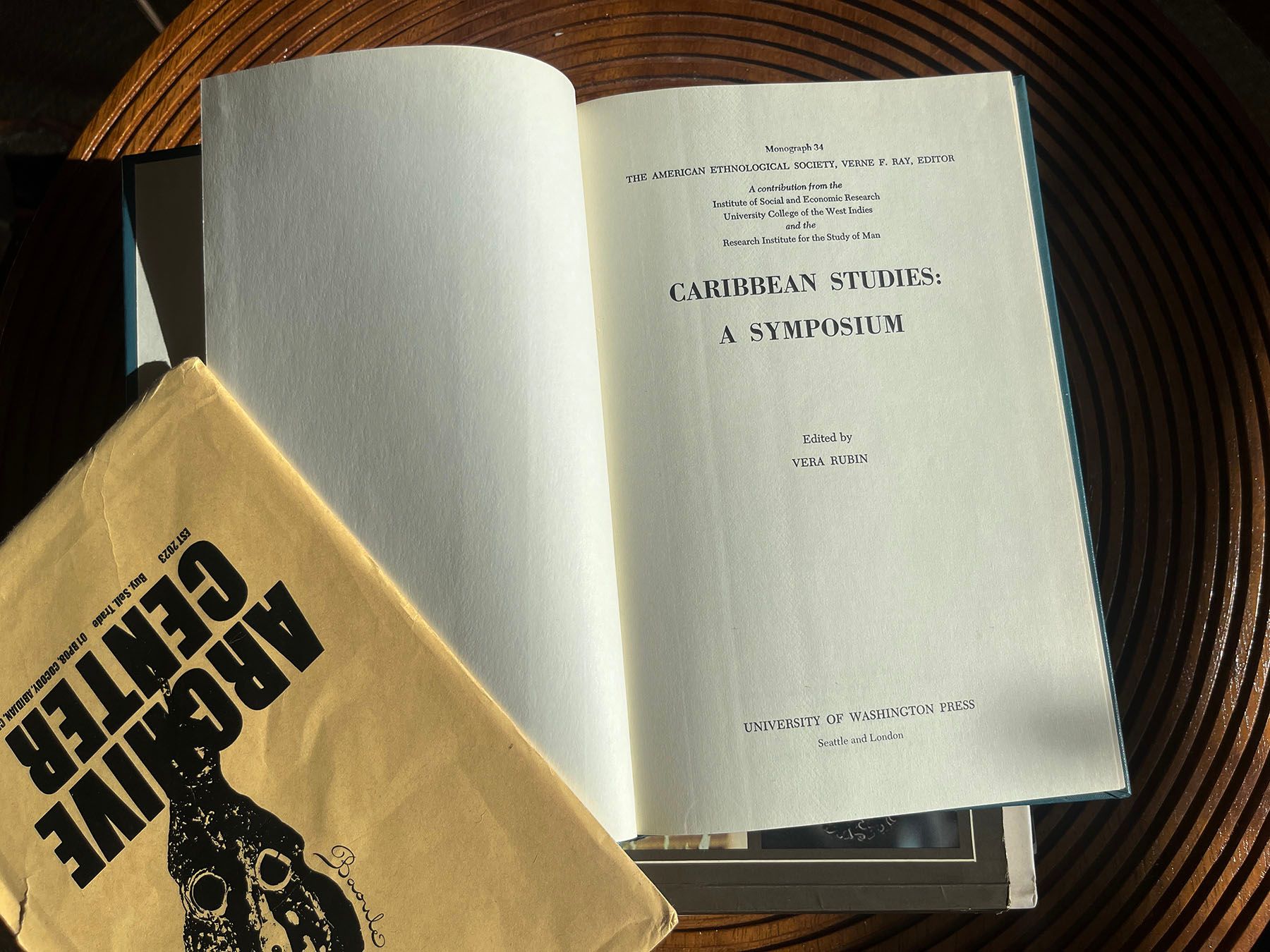
Caribbean Studies: A Symposium, by Vera Rubin (United States, 1960). Photo: Aude Konan
Caribbean Studies: A Symposium by Vera Rubin
This rare book is an anthology of various studies in anthropology and sociology focused solely on the Caribbean, that explores an array of themes, such as the complex race relations in the Caribbean, cultural pluralism and the impact of the plantation systems. This seminal work is still relevant and important today for how it exposes long lasting features of plantation society—including colorism—as foundations of Caribbean contemporary culture.
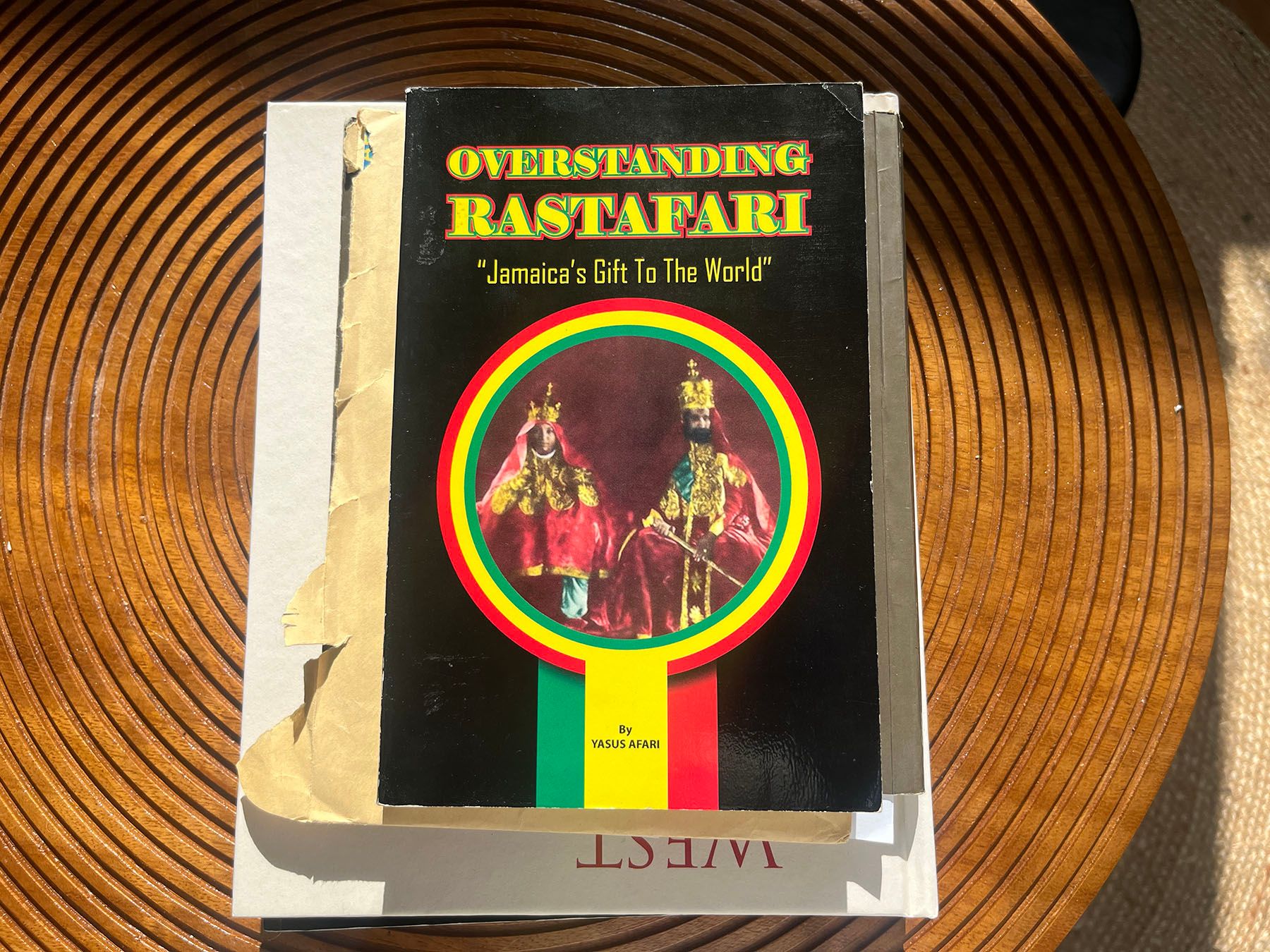
Overstanding Rastafari: Jamaica's Gift to the World, by Yasus Afari (Kingston, 2007). Photo: Aude Konan
Overstanding Rastafari: Jamaica's Gift to the World by Yasus Afari
This book tells the history of the Rastafari movement since its beginnings in the 1930s. It connects the genealogy of the movement, from the slave trade and its long standing strong cultural connection with the African continent, especially Ethiopia, to the impact of reggae music on the African diaspora worldwide.
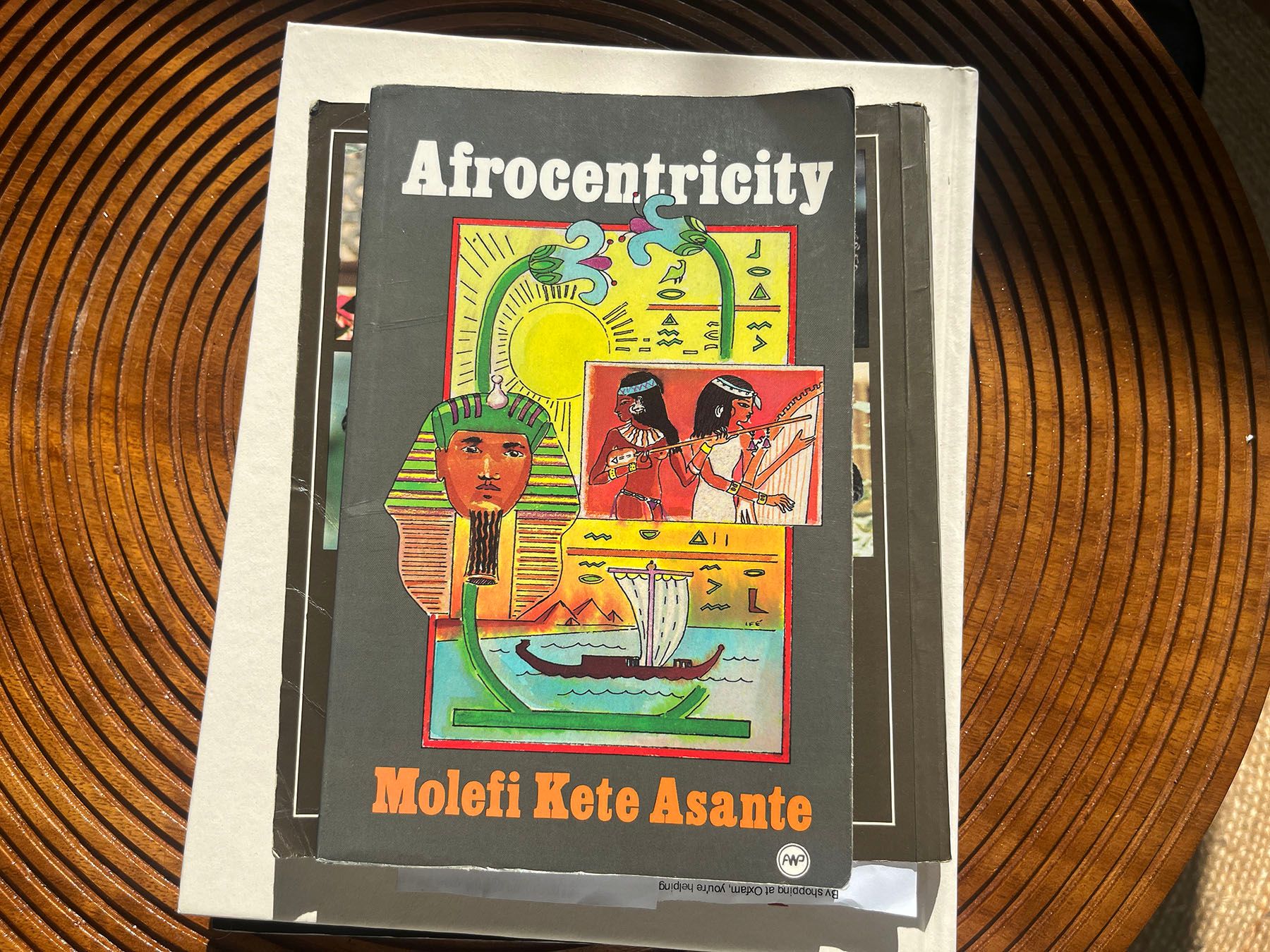
Afrocentricity, de Molefi Kete Asante (Estados Unidos, 1980). Foto: Aude Konan
Afrocentricity by Molefi Kete Asante
This book introduces a philosophical framework stating that personal and collective liberation for Black people is intertwined with political and cultural freedom. It mandates that Africans be viewed as subjects rather than objects; and looks at how this worldview gives Africans a better understanding of how to interpret issues affecting their communities. Afrocentricity is a movement that has spread across the Black diaspora, especially thanks to the work of leaders such as W.E.B. Du Bois, and Malcolm X. The book makes a strong case for the necessity to honor the history, culture, language and achievements of Black people.
For more information visit seedarchives.com.
This text is part of C&'s ongoing Inside The Library series. Our sister publication C& Magazine recently published a feature on Seed Archives, exploring the collection from the perspective from an artist in residence. Read it here.
About the author
Aude Konan
Aude Konan is a freelance writer, novelist and screenwriter. As a former child writer, their short stories have been published in France in anthologies for the past decade and their first novel “Ma Petite Soeur” has been published in December 2015 by Dagan Editions. Their articles have been published in The Guardian, Gal-Dem, Okay Africa, Complex Magazine, Media Diversified, Londonist, Amina, and more.
A Journey into the Inaugural Museum of Belizean Art
The Indigenous Sci-fi Love Story about the Climate Crisis and the Power of Language: Itu Ninu

Chavis Mármol: Thinking Manually in the Age of Artificial Intelligence
The Power of Fabulation in the Black Cinema of Zózimo Bulbul
Archivo Honduras Cuir: The Art of Trans Life and Friendship in Central America