Flora Fantastic: Eco-Critical Contemporary Botanical Art
Flora Fantastic: Eco-Critical Contemporary Botanical Art
26 Agosto 2022
Encerra: 23 dezembro 2022
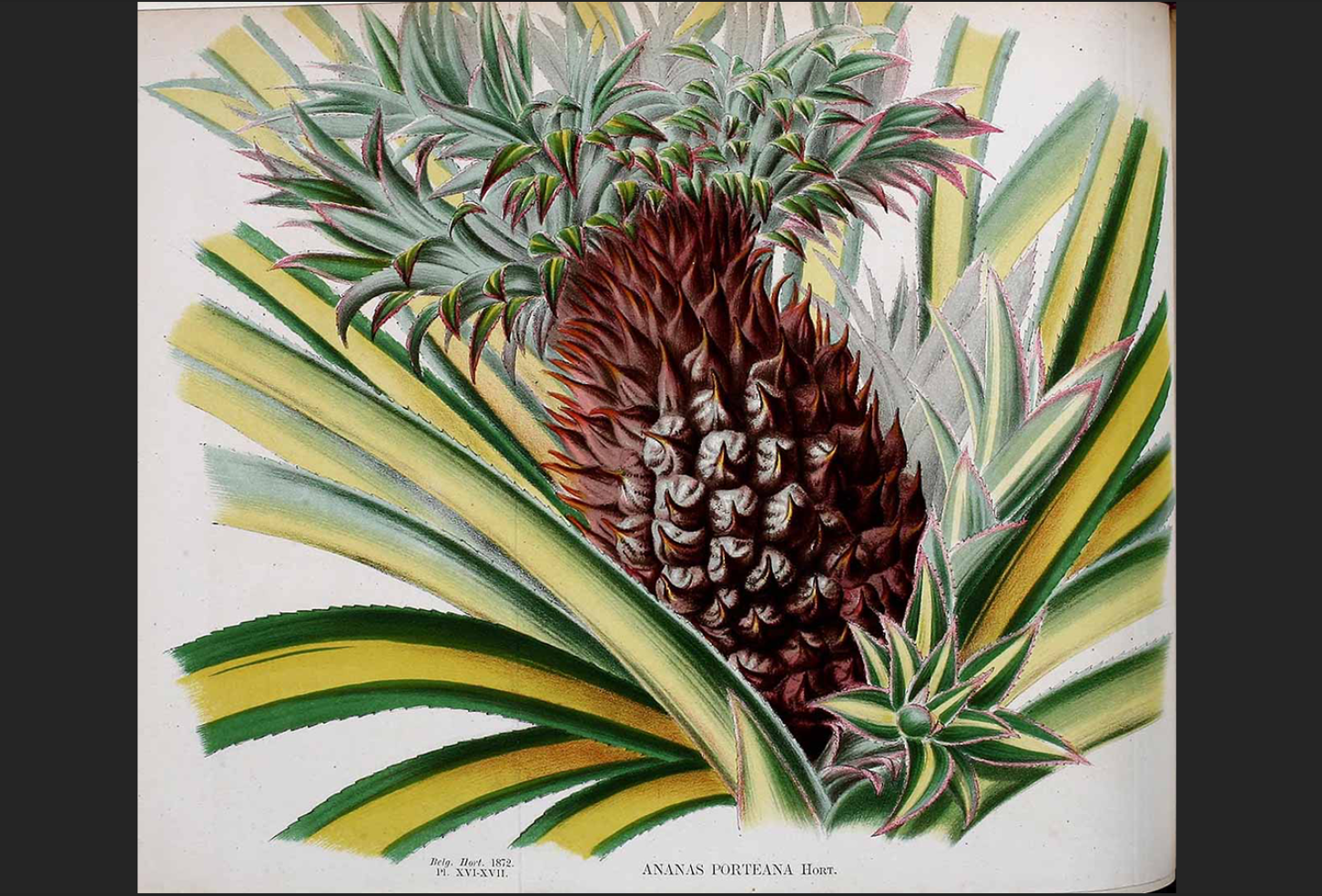
Working from global perspectives of Europe, the United States, South-East Asia, Latin America, and the Caribbean this exhibition considers indigenous and imported plants as active agents in colonial history, through the lens of visual culture both past and present. Topics that will be addressed include subjects that pertain to nature as well as humans, including the economics of plants, indigenous and Western medicine, imperial and local state-supported science, plant and human migration, bio-contact zones, nationalism, as well as plant diplomacy in the modern period.
"Flora Fantastic" provides an unexpected perspective on questions researched both within academic and art discourse, based on unique stories in the history of colonial botany, and highlighting versatile artistic forms that highlight complex relationships between East, West, and South in the 20th century and how those ramifications manifest in the present-day. If the traditional representation of plants has worked as a tool for imperial worldviews, how do contemporary artistic tools offer us strategies for resistance while making visible structures and patterns of oppression that have been historically elided?
The artists we selected to represent and engage with these topics have been chosen based on their deep dedication and highly compelling work, which raises intriguing questions regarding entangled histories which are not only about this national context or another colonial past.
The first artist explores a wide range of art mediums with an interdisciplinary approach and focuses on the discourse of food. Through food, she intends to scrutinize power, social and economic inequality in this world. In 2015 she initiated Bakudapan, a food study group with colleagues from different disciplines such as anthropology and philosophy. With Bakudapan she has researched food within the socio-political and cultural context. The second artist explores the spatial and pictorial conditions of history and memory, focusing on blind spots of representation and forms of haunting. Orlow brings different image-regimes and narrative modes into correspondence, looking to the botanical world as a stage for politics at large through film, photography, installation, and sound. The third artist's art is best characterized as a dialogue between urban society and the natural world, contextualizing humanity's constantly evolving accord with its natural vessel. In a salvo of color, the distinction between plant, animal, and human is broken, leaving only understanding. The fourth artist addresses issues of collective memory and forgetting, and the memorial uses of public space, she often searches for ways to physically and symbolically intervene in the environments in focus. Her recent films challenge questions of colonialism, gender representations, and botanical perspective towards both femininity and belonging. Her works poignantly reflect on the difficulties of entangled histories and the relationships between "perpetrators" and "victims".
apexart
291 Church Street New York,
New York 10013 (between White and Walker Streets)
Opening hours are Tuesdays - Saturdays, 11am - 6pm.
Mais artigos de
Beyond Representation
7 de dez. de 2023–31 de dez. de 2026
C& América Latina cura programa de cinema para a Cinelogue com filmes de diretores Afro-indígenas
1 de jul.–31 de dez. de 2026
Dignidade e luta: Laudelina de Campos Mello
16 de mai.–22 de nov. de 2026
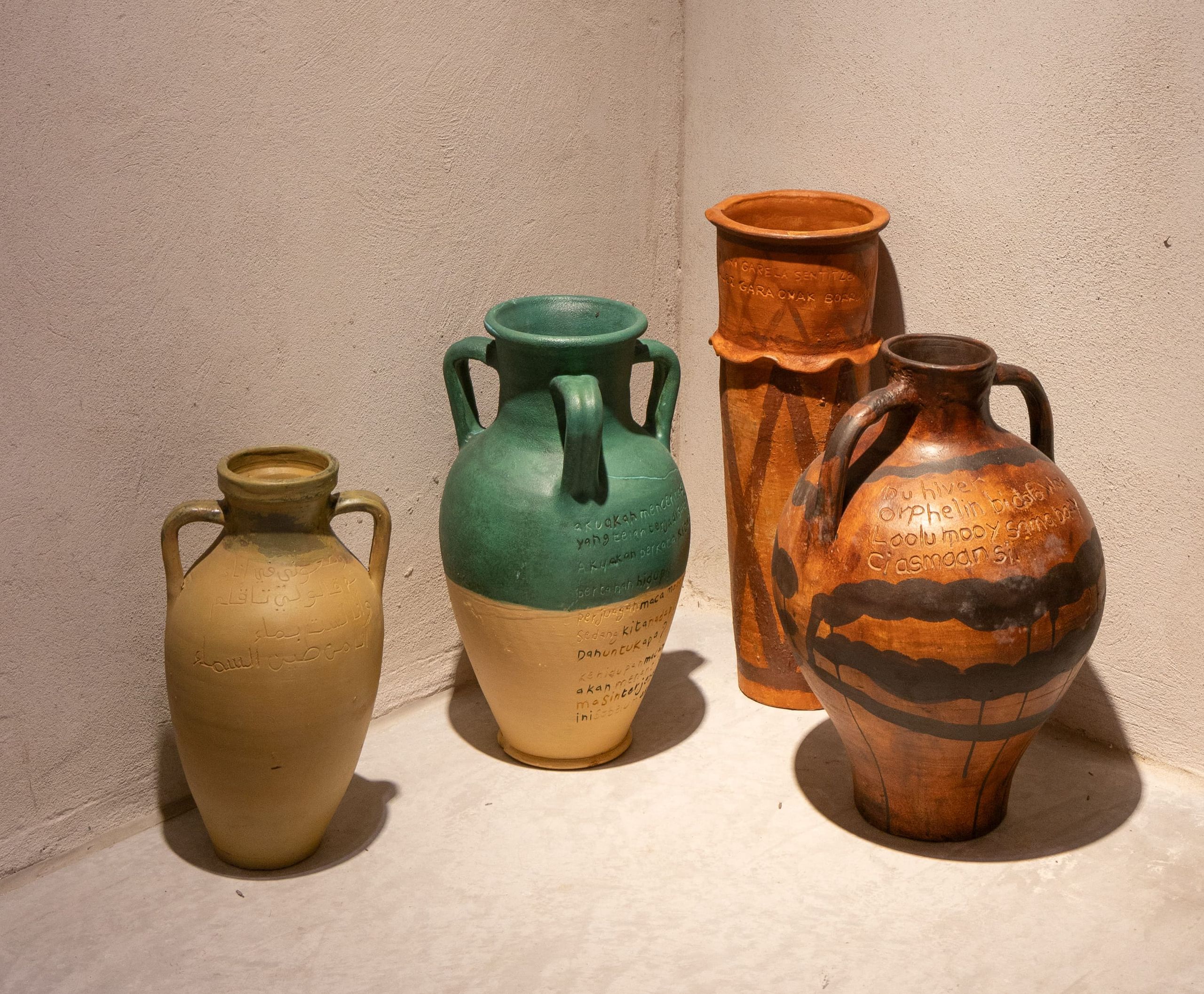
M’barek Bouhchichi: Les mains des poètes
24 de abr.–17 de out. de 2026
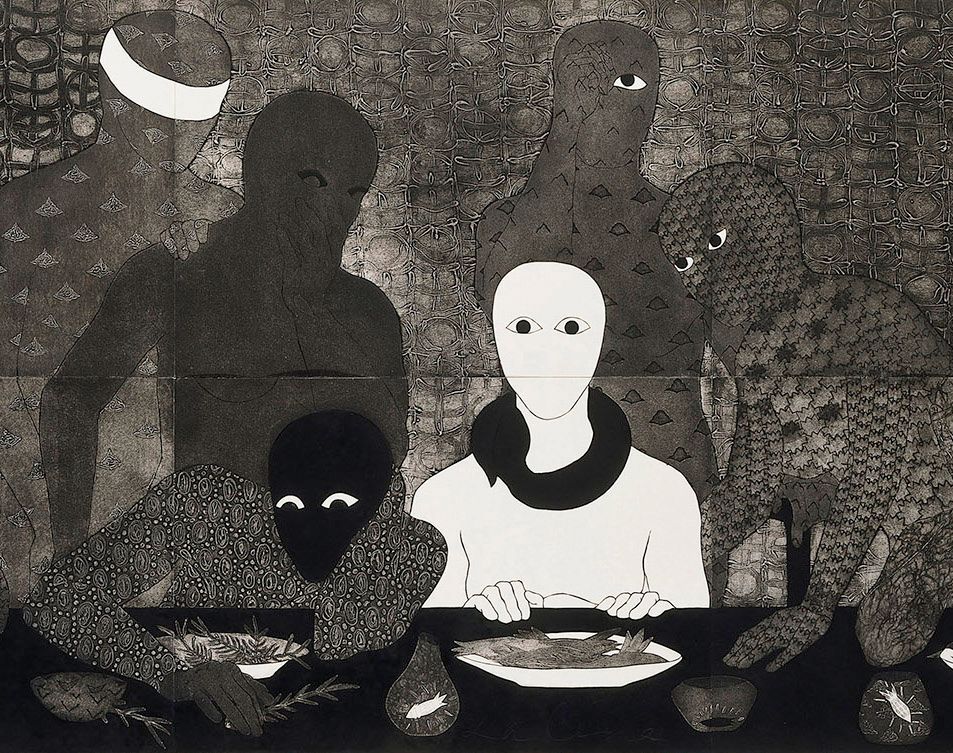
Belkis Ayón: Mito y desobediencia
16 de jul.–12 de out. de 2026

Cecilia Vicuña - The vanished glacier
30 de abr.–20 de set. de 2026