60ª Bienal de Veneza: Pavilhões nacionais

Guerreiro do Divino Amor, Super Superior Civilizations, Pavilhão Suíço, na 60ª Bienal de Veneza Foreigners Everywhere (Estrangeiros em todo lugar). Foto: C&AL
8 Maio 2024
Revista América Latina
2 min de leitura
Nossos destaques das exposições nacionais em uma das bienais mais prestigiadas do mundo.
A exposição de Guerreiro do Divino Amor, Super Superior Civilizations (Civilizações Super Superiores), está dividida em duas partes: The Miracle of Helvetia (O Milagre de Helvetia), com Ventura Profana, e Roma Talismano, com Castiel Vitorino. A mostra aborda questões políticas cruciais, como a manipulação do poder e do imaginário coletivo pela mídia, o sistema financeiro e a religião, em forma de ópera e vídeo 360 graus, sempre com muito humor e referências às telenovelas brasileiras, à cultura pop e à estética da internet.
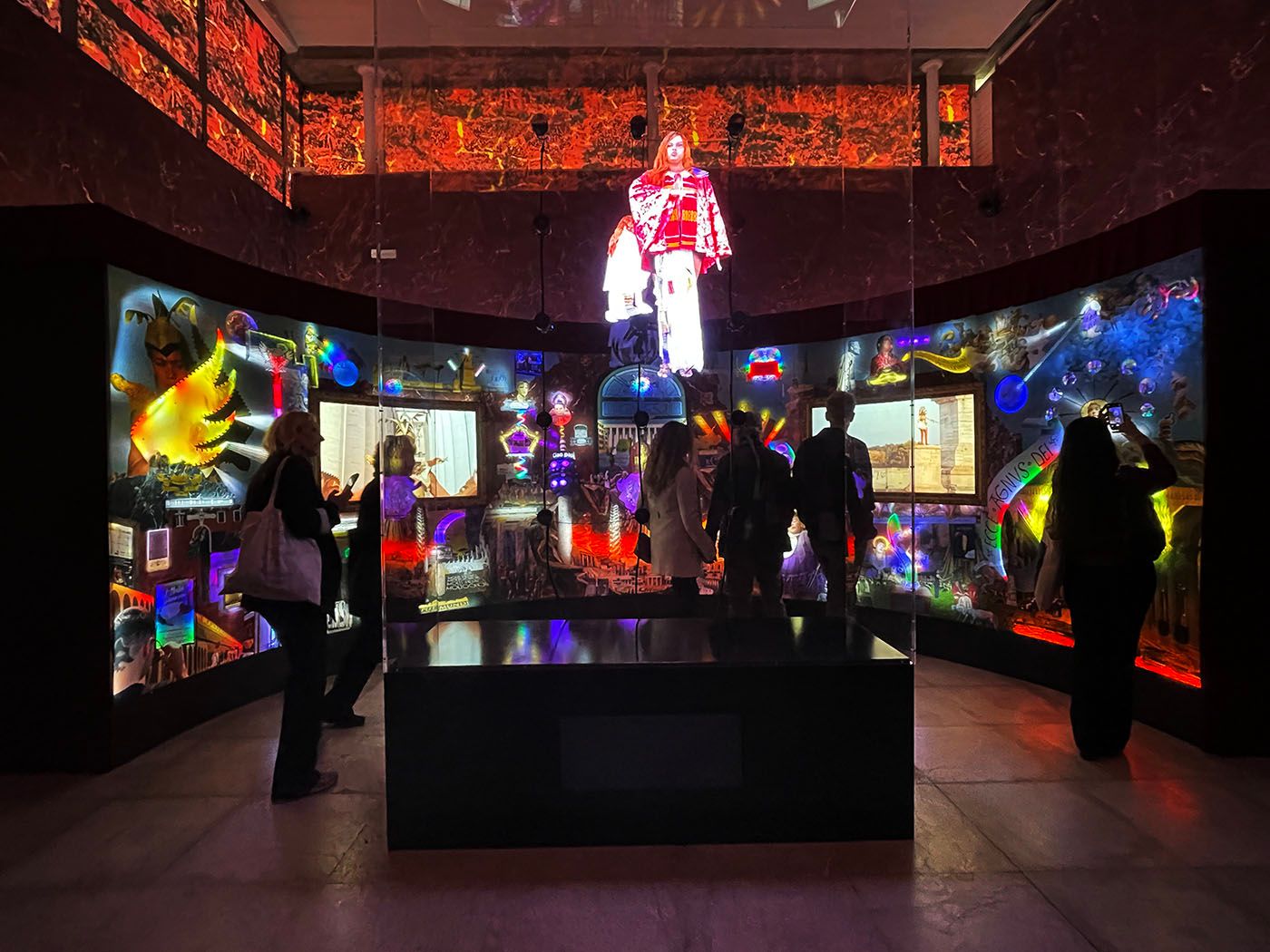
Guerreiro do Divino Amor, Super Superior Civilizations, Swiss Pavilion at the 60th Venice Biennale Foreigners Everywhere. Photo: C&AL
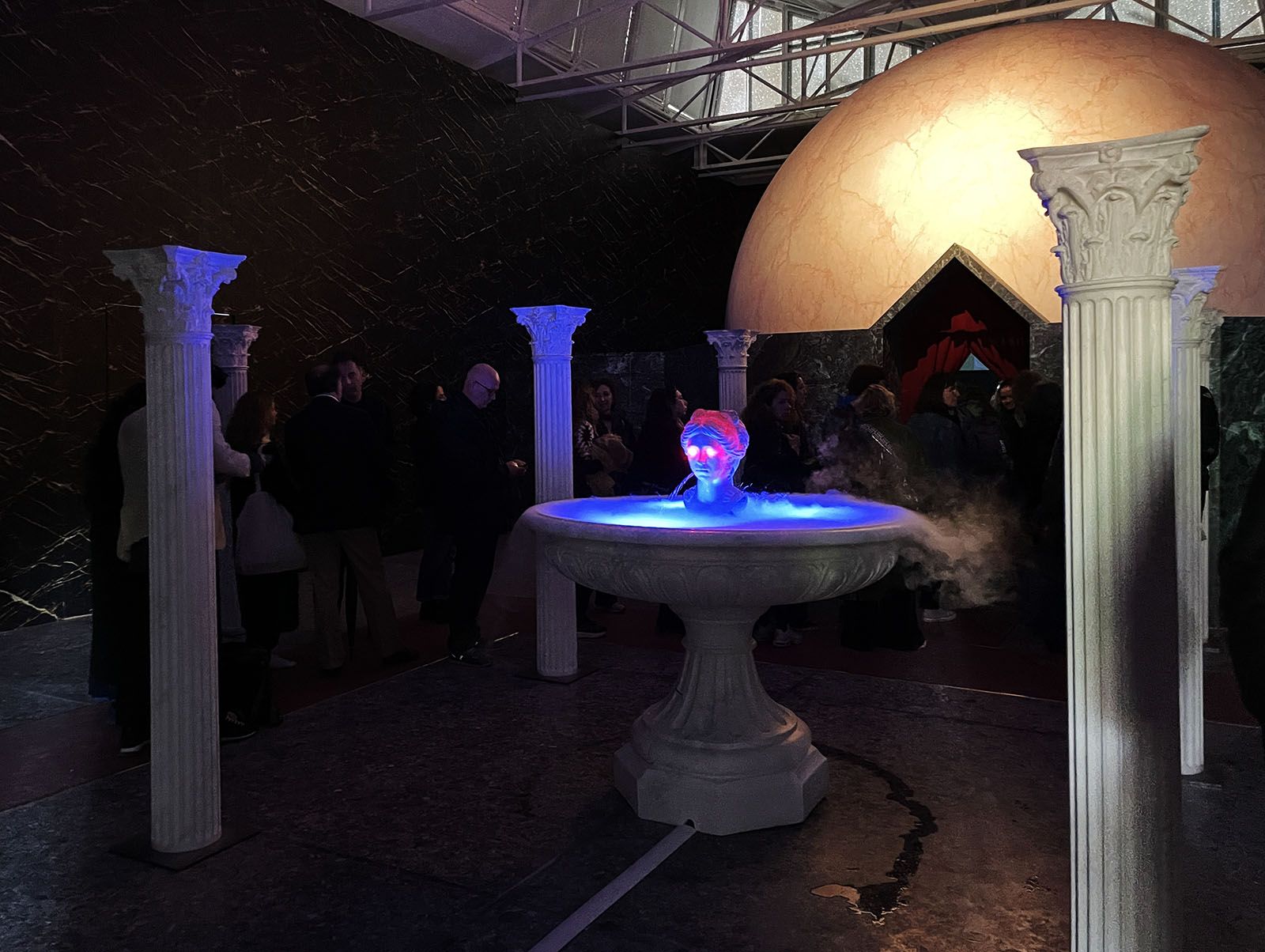
Guerreiro do Divino Amor, Super Superior Civilizations, Swiss Pavilion at the 60th Venice Biennale Foreigners Everywhere. Photo: C&AL

Guerreiro do Divino Amor, Super Superior Civilizations, Swiss Pavilion at the 60th Venice Biennale Foreigners Everywhere. Photo: C&AL
Em Pinacoteca Migrante (Migrant Art Gallery), as pinturas de Sandra Gamarra Heshiki baseiam-se em sua pesquisa sobre obras que pertencem às coleções nacionais de arte da Espanha dos tempos coloniais até o Iluminismo. Cada peça investiga a ausência de narrativas decoloniais nos museus, revelando as representações tendenciosas de colonizadores e colonizados.
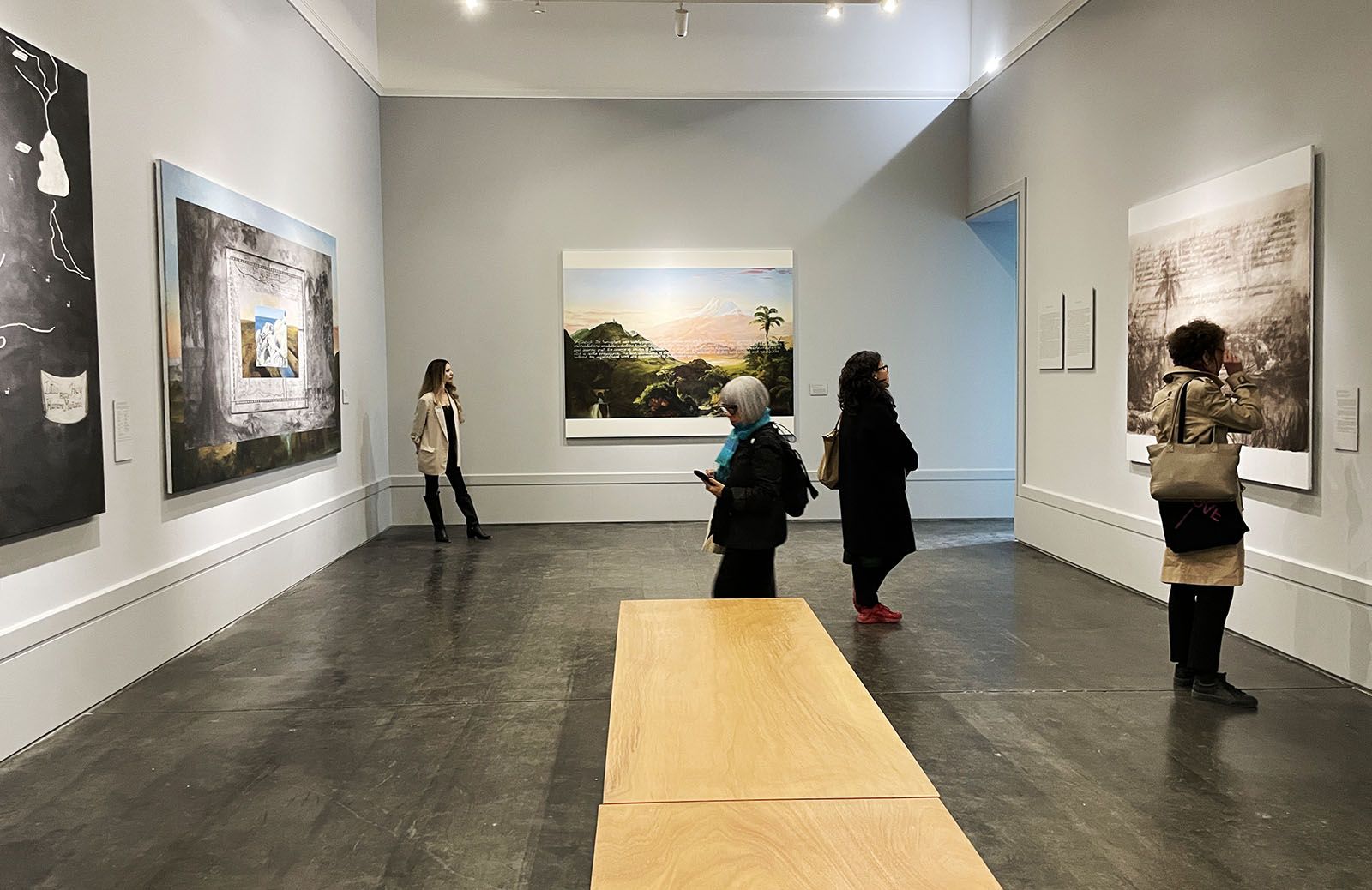
Sandra Gamarra Heshiki, Pinacoteca Migrante, Spanish Pavilion at the 60th Venice Biennale Foreigners Everywhere. Photo: C&AL
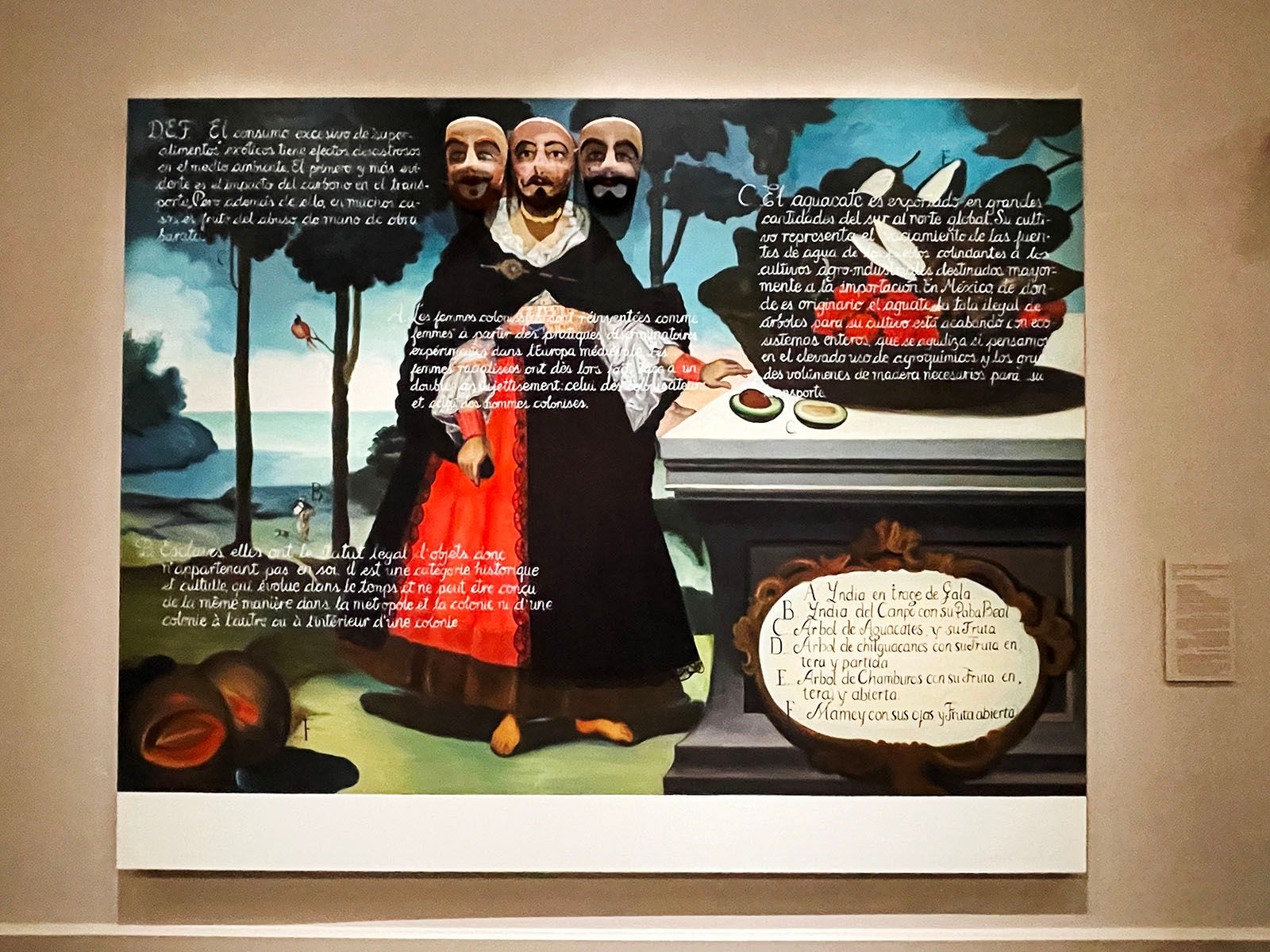
Sandra Gamarra Heshiki, Pinacoteca Migrante, Spanish Pavilion at the 60th Venice Biennale Foreigners Everywhere. Photo: C&AL
Intitulado Traces: on the body and on the land (Traços: no corpo e na terra), o pavilhão do Panamá apresenta obras de Brooke Alfaro, Isabel de Obaldía, Cisco Merel e Giana De Dier, quatro artistas panamenhos que refletem sobre os traços perenes da migração, especificamente a travessia do Estreito de Darién, uma das fronteiras naturais mais perigosas do mundo, situada entre o Panamá e a Colômbia.
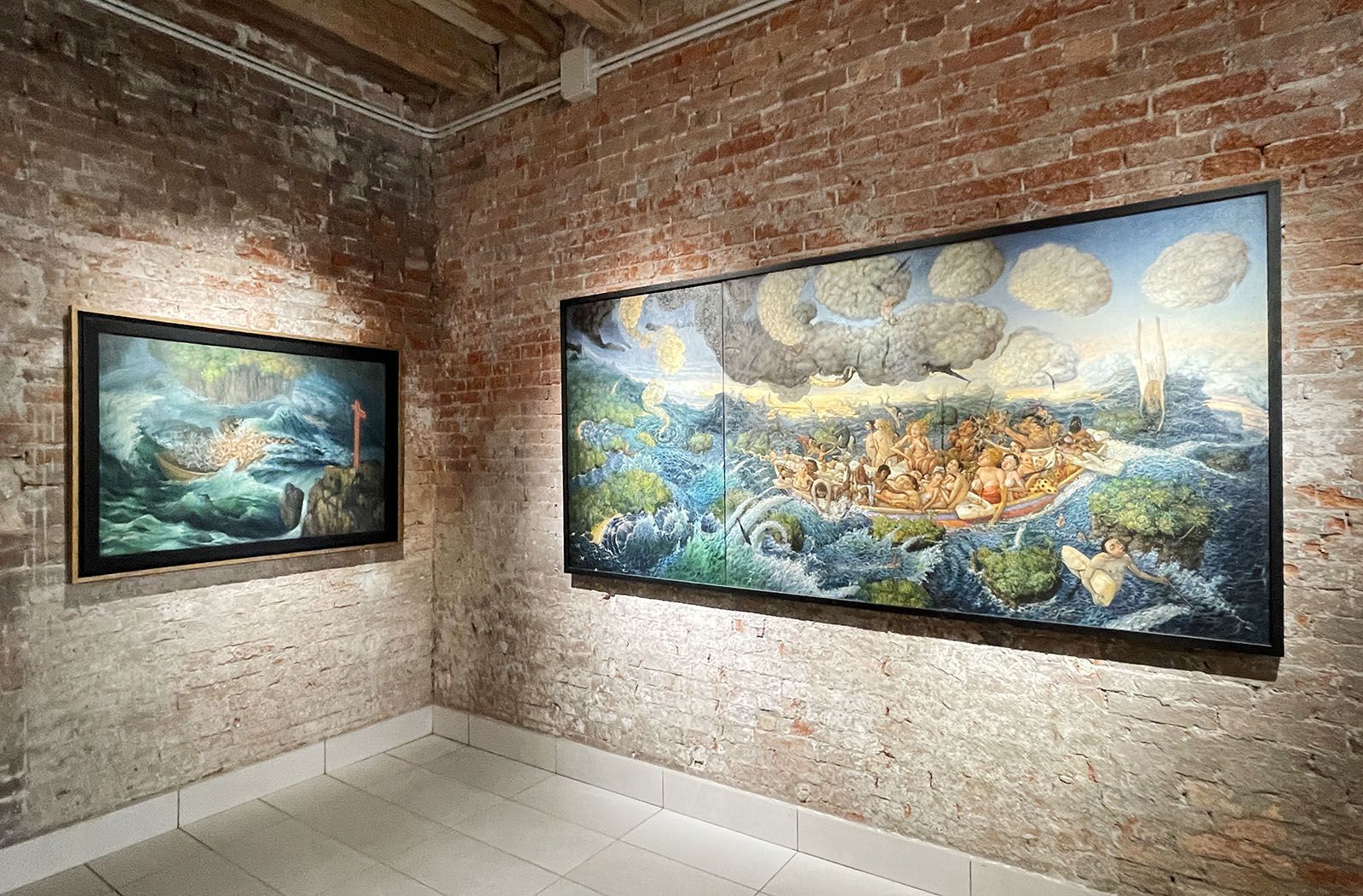
Brooke Alfaro, Traces: on the body and on the land, the Panama Pavilion at the 60th Venice Biennale Foreigners Everywhere. Photo: C&AL
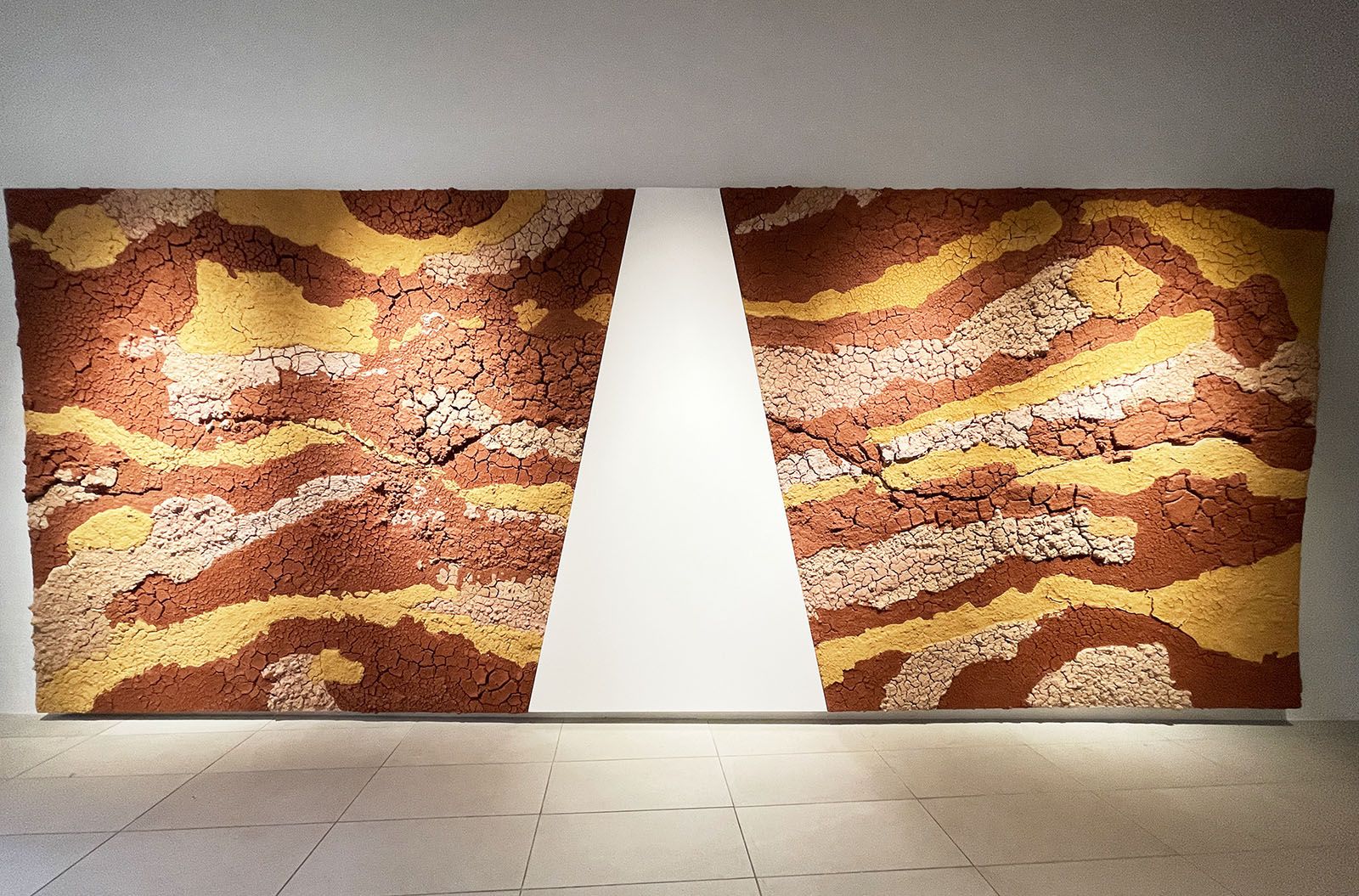
Cisco Merel, Traces: on the body and on the land, the Panama Pavilion at the 60th Venice Biennale Foreigners Everywhere. Photo: C&AL
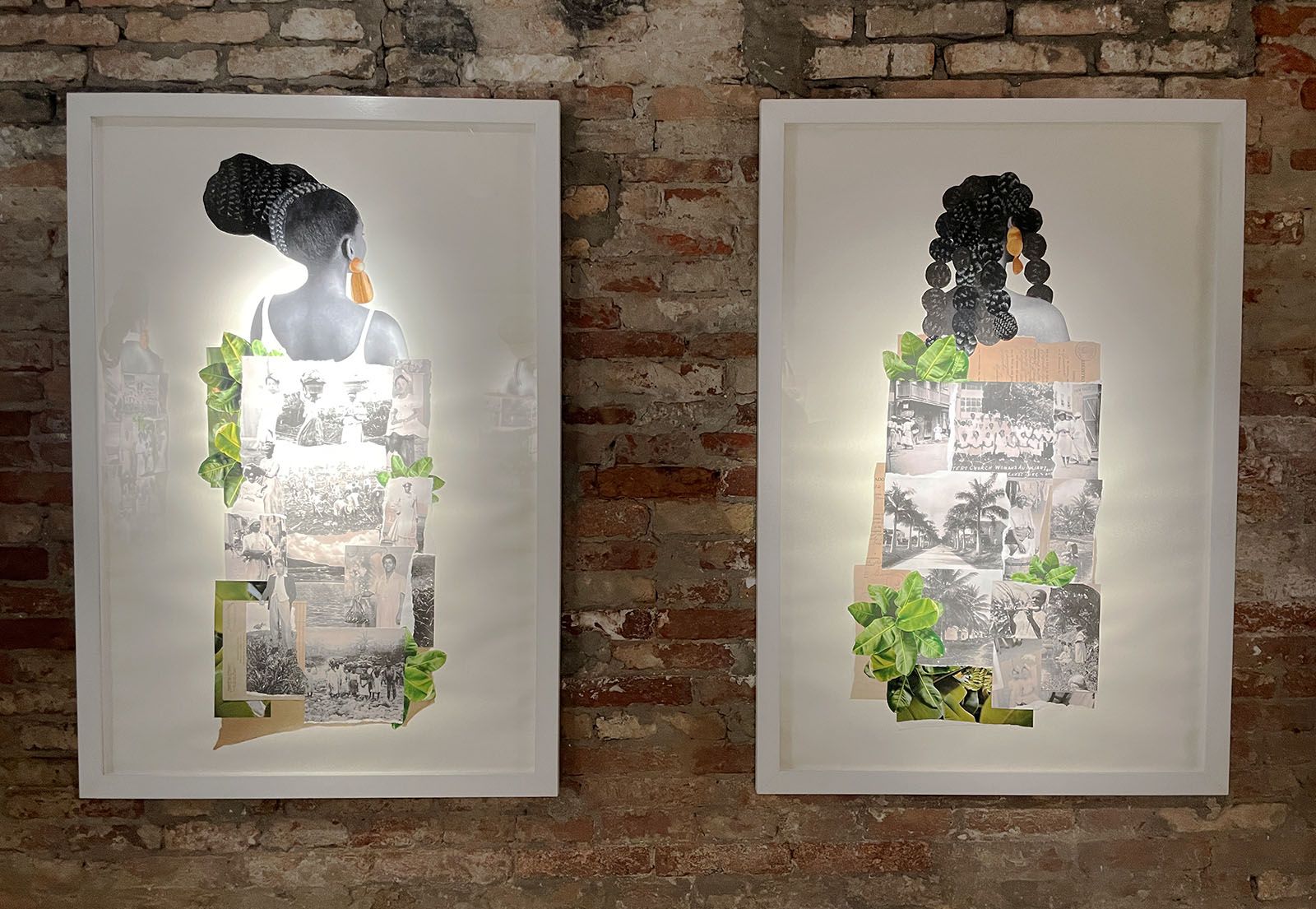
Giana De Dier, Traces: on the body and on the land, the Panama Pavilion at the 60th Venice Biennale Foreigners Everywhere. Photo: C&AL.
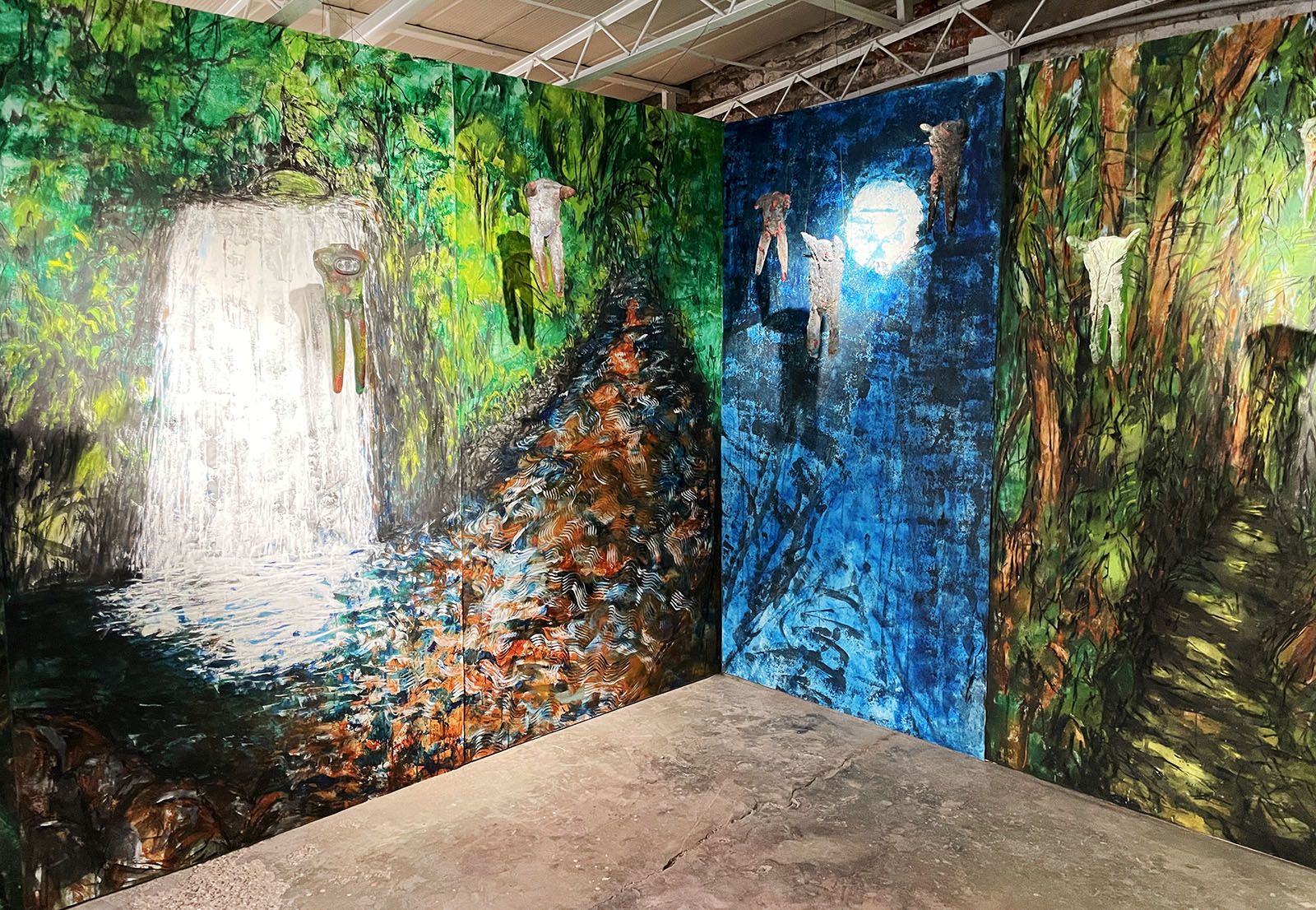
Isabel De Obaldía, Traces: on the body and on the land, the Panama Pavilion at the 60th Venice Biennale Foreigners Everywhere. Photo: C&AL
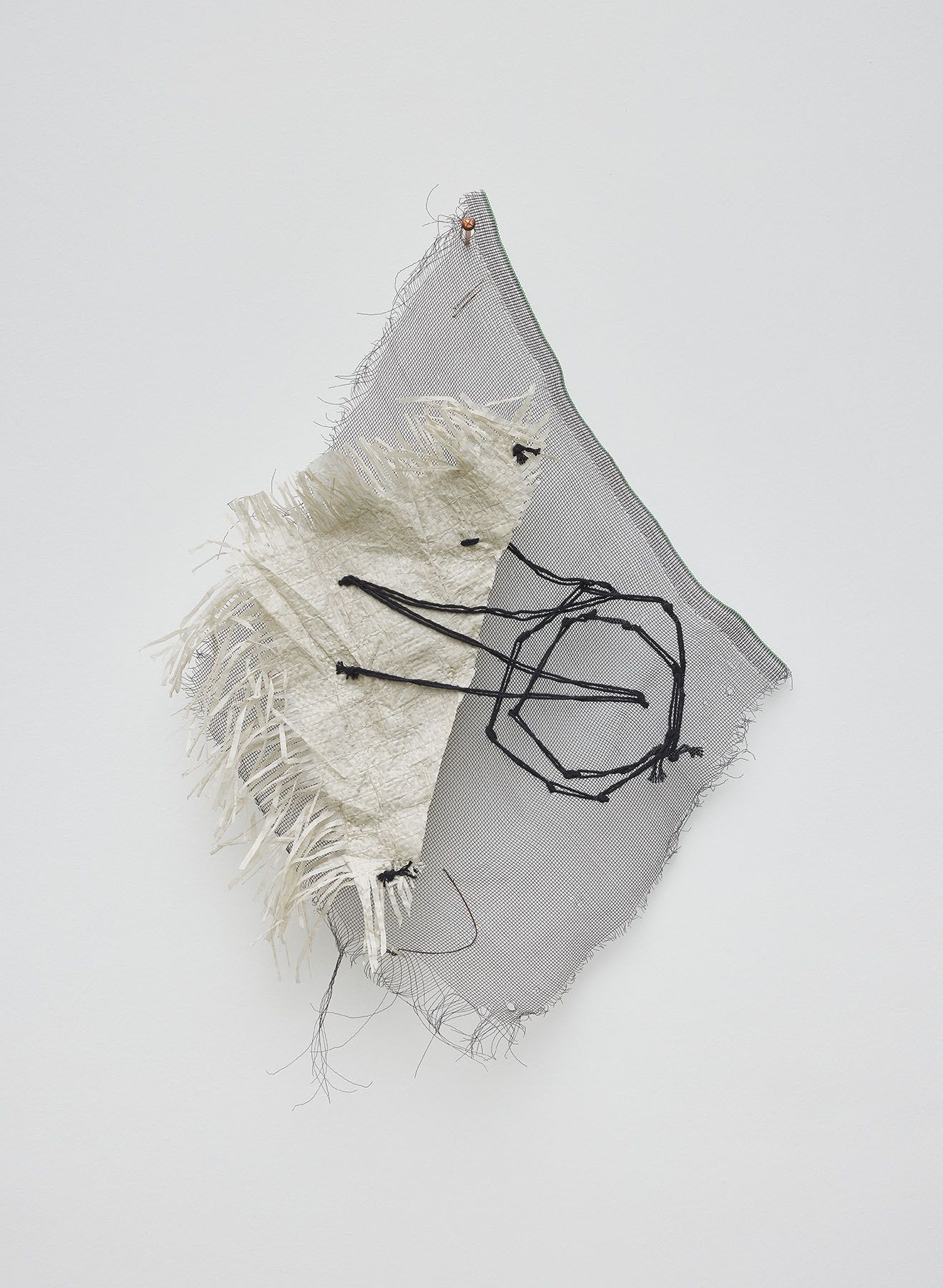
O do Brasil foi renomeado Pavilhão Hãhãwpuá, em homenagem a um dos nomes indígenas desse território antes da invasão europeia. Representada pela artista e ativista Glicéria Tupinambá, a exposição apresenta instalações, esculturas e vídeos que contam histórias da resistência indígena e traçam a longa luta da artista pela devolução dos mantos pertencentes à Comunidade Tupinambá da Serra do Padeiro e de Olivença por instituições coloniais em todo o mundo.
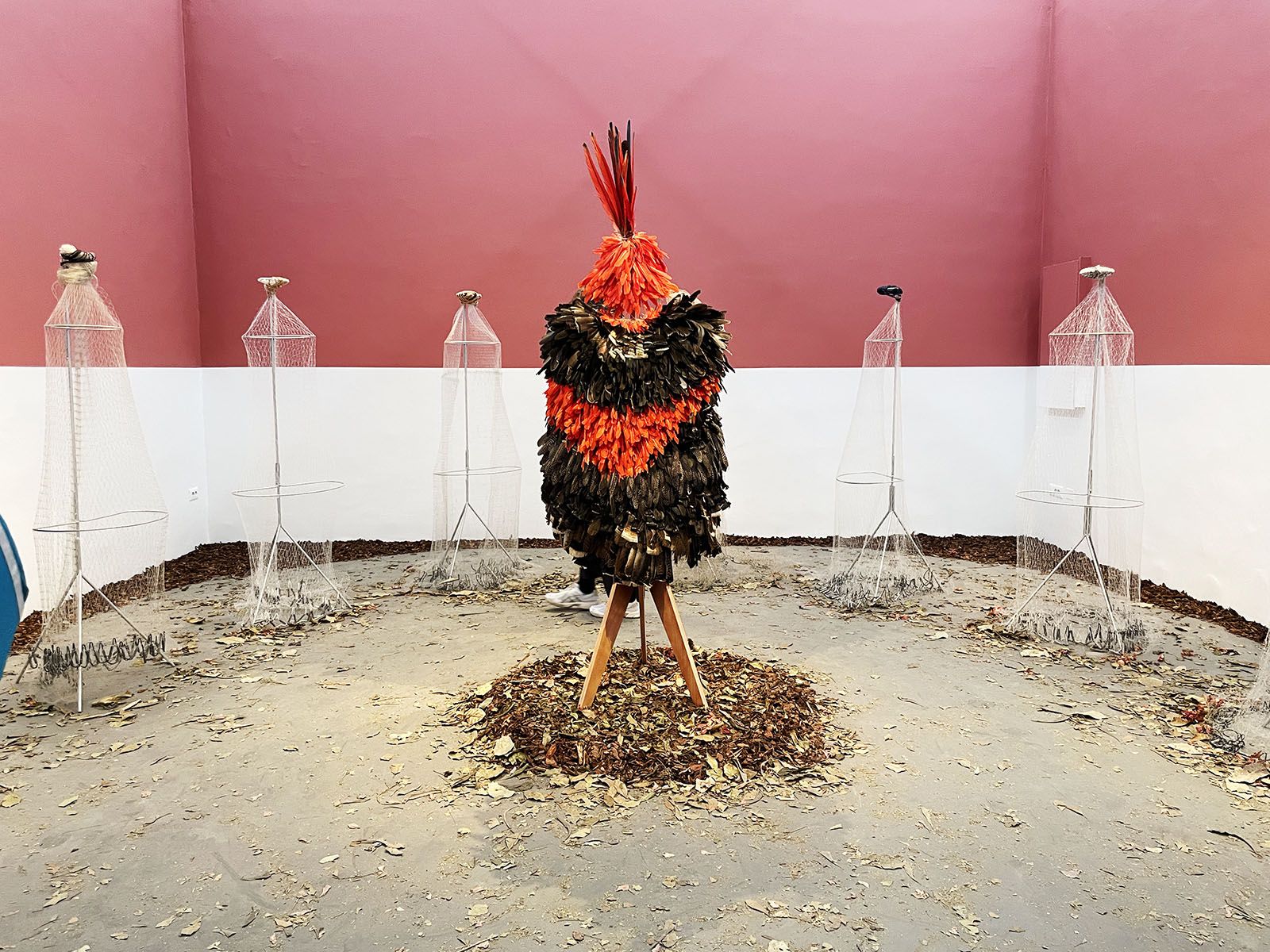
Glicéria Tupinambá, Hãhãwpuá Pavilion (Brazil) at the 60th Venice Biennale Foreigners Everywhere. Photo: C&AL
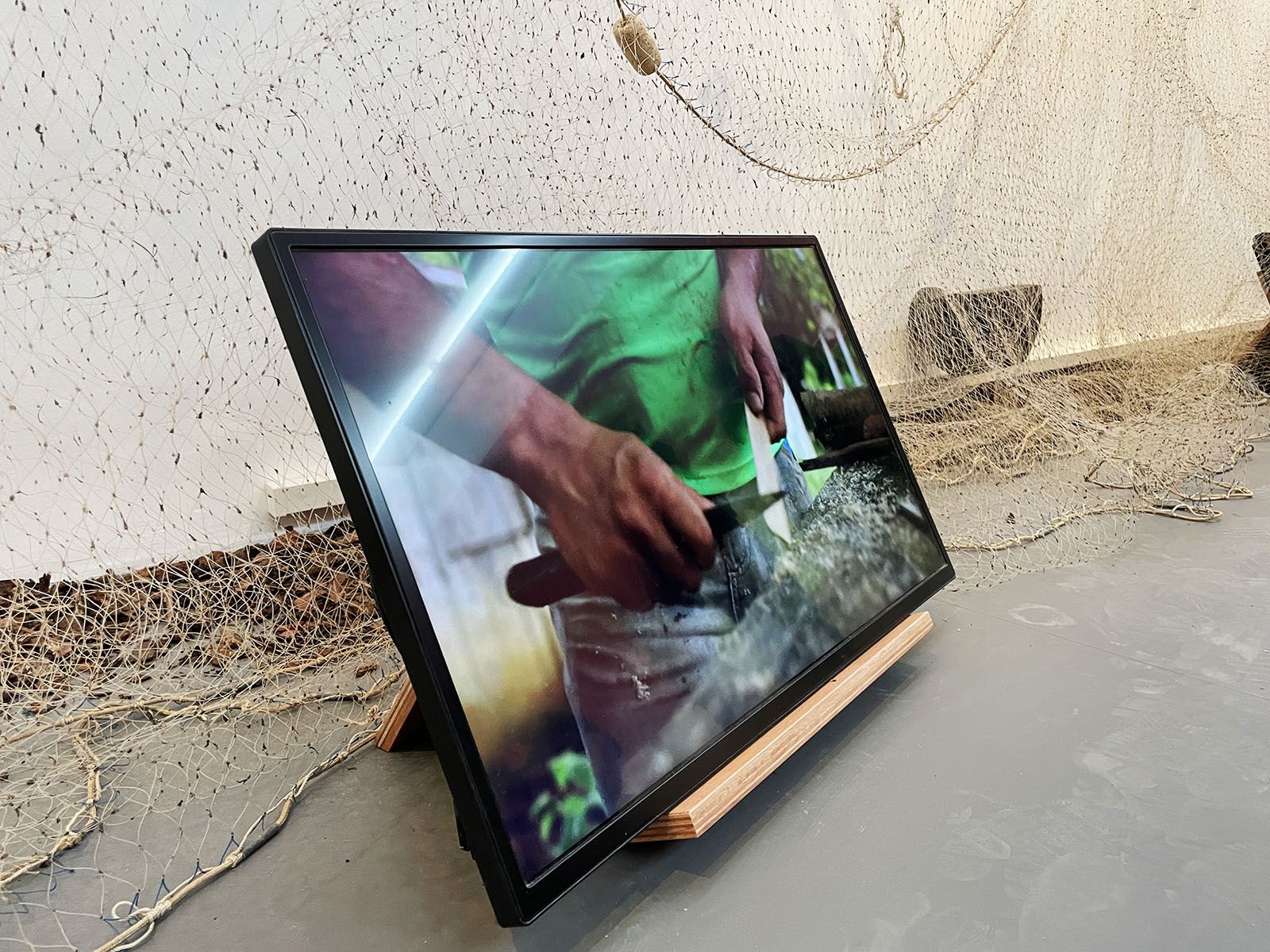
Glicéria Tupinambá, Hãhãwpuá Pavilion (Brazil) at the 60th Venice Biennale Foreigners Everywhere. Photo: C&AL
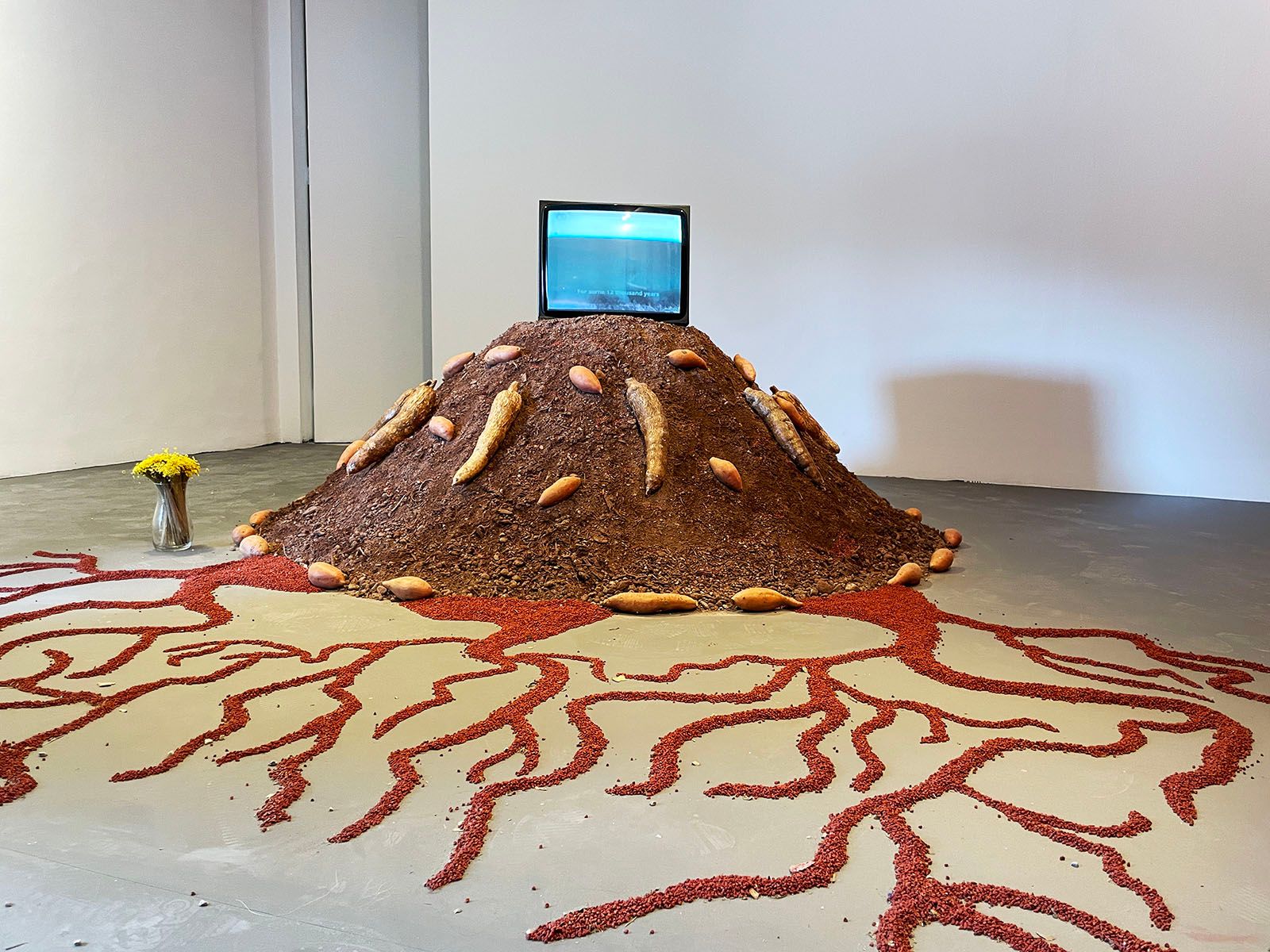
Glicéria Tupinambá, Hãhãwpuá Pavilion (Brazil) at the 60th Venice Biennale Foreigners Everywhere. Photo: C&AL
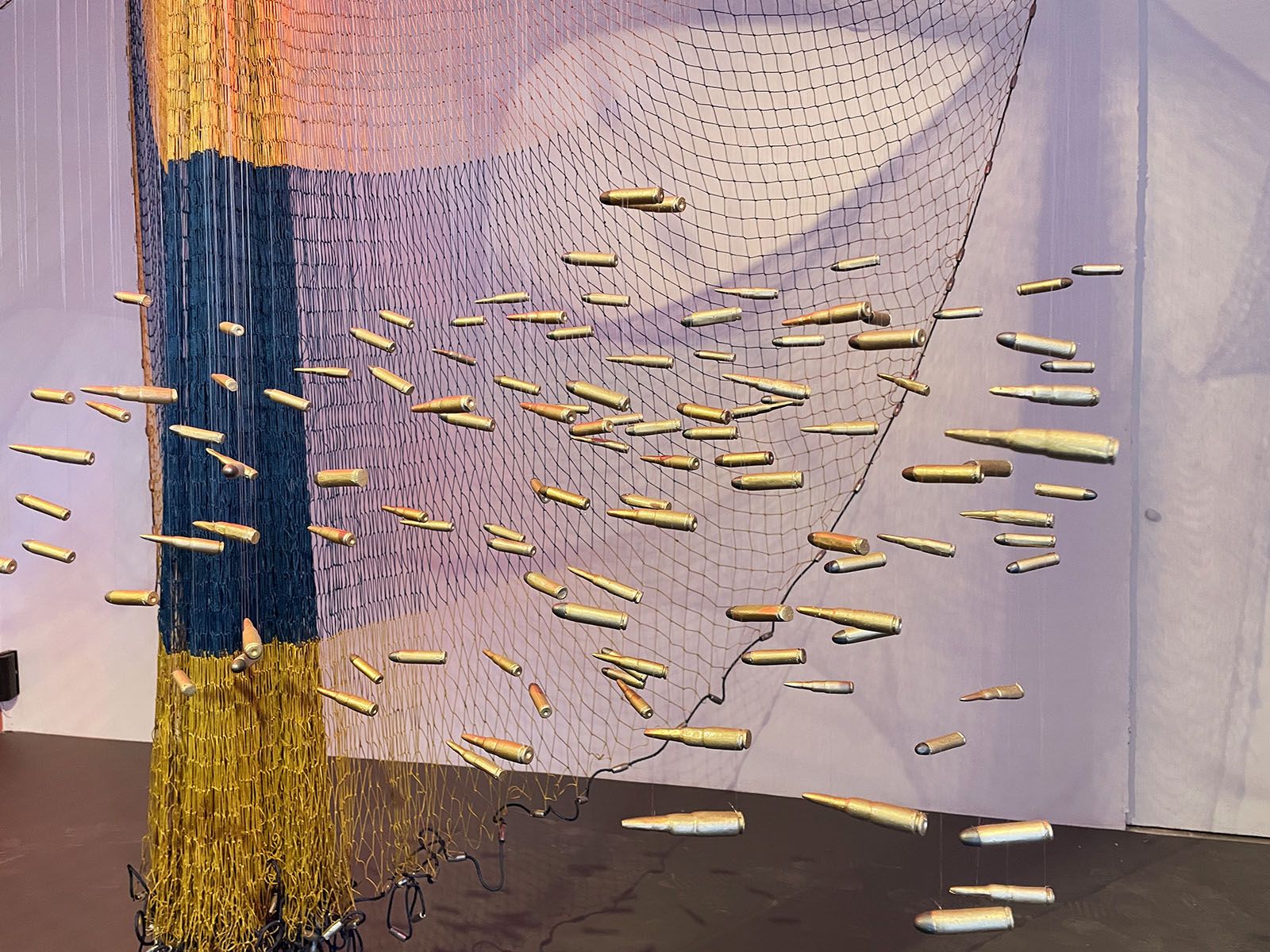
Glicéria Tupinambá, Hãhãwpuá Pavilion (Brazil) at the 60th Venice Biennale Foreigners Everywhere. Photo: C&AL
60ª Bienal de Veneza
20 de abril a 24 de novembro
Horário de verão: 11h às 19h (de 20 de abril a 30 de setembro)
Até 30 de setembro, apenas no Arsenale: sextas-feiras e sábados horário estendido até as 20h
Horário de outono: 10h às 18h (de 1 de outubro a 24 de novembro)
Fechado às segundas-feiras (exceto em 22 de abril, 17 de junho, 22 de julho, 2 e 30 de setembro, 18 de novembro)
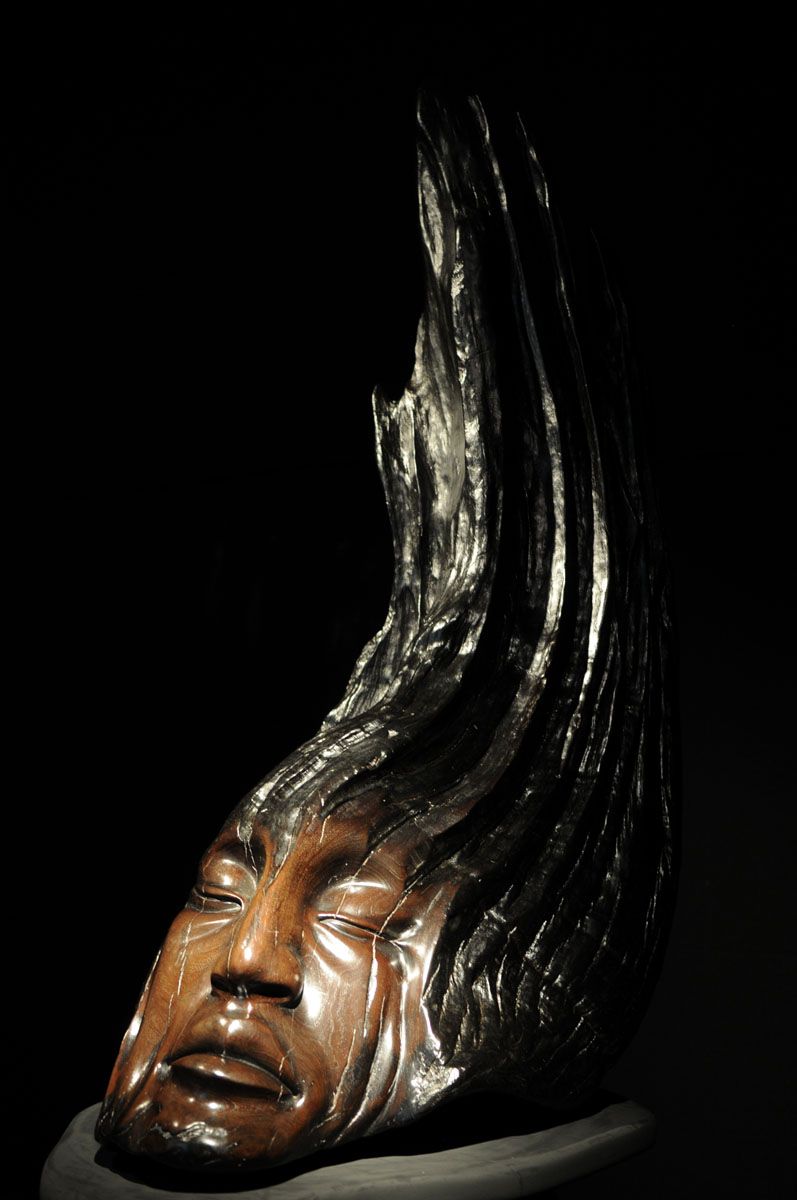
Uma jornada ao primeiro museu dedicado à arte belizenha
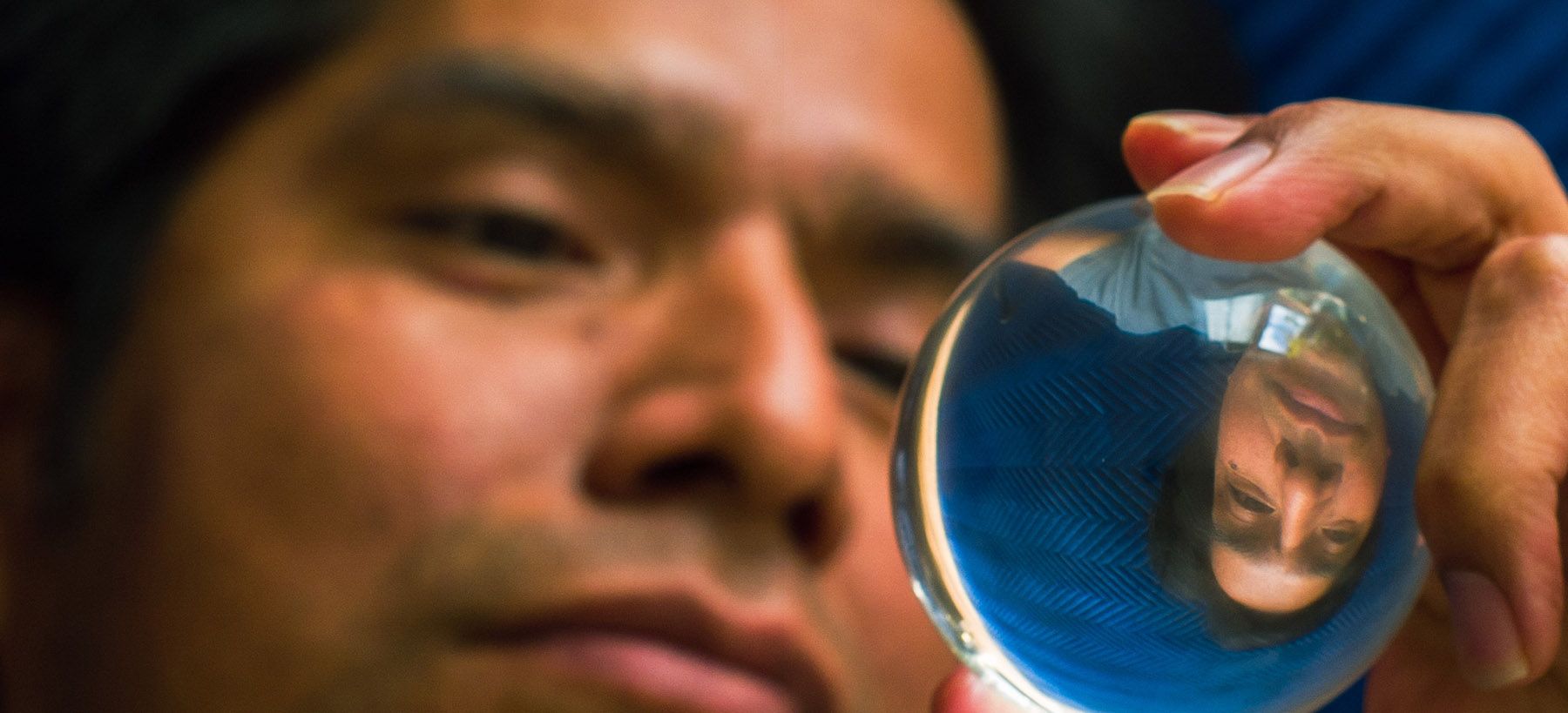
A ficção científica de amor indígena sobre a crise climática e o poder da linguagem: Itu Ninu
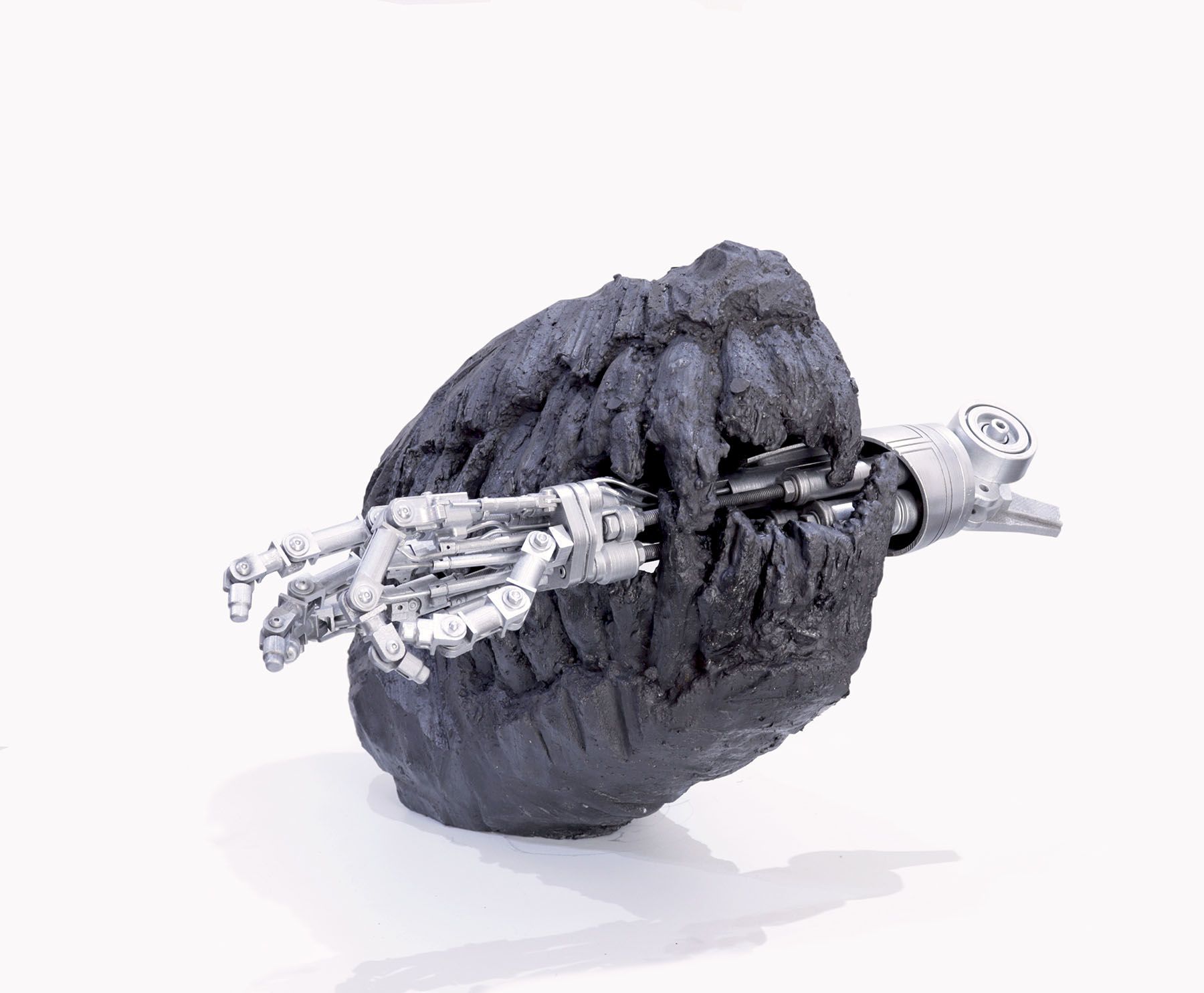
Chavis Mármol: Pensar com as mãos em tempos de inteligência artificial
O poder da fabulação no cinema negro de Zózimo Bulbul
Archivo Honduras Cuir: A arte da amizade e da vida trans na América Central