Splintered subjects along the margin – Group Show
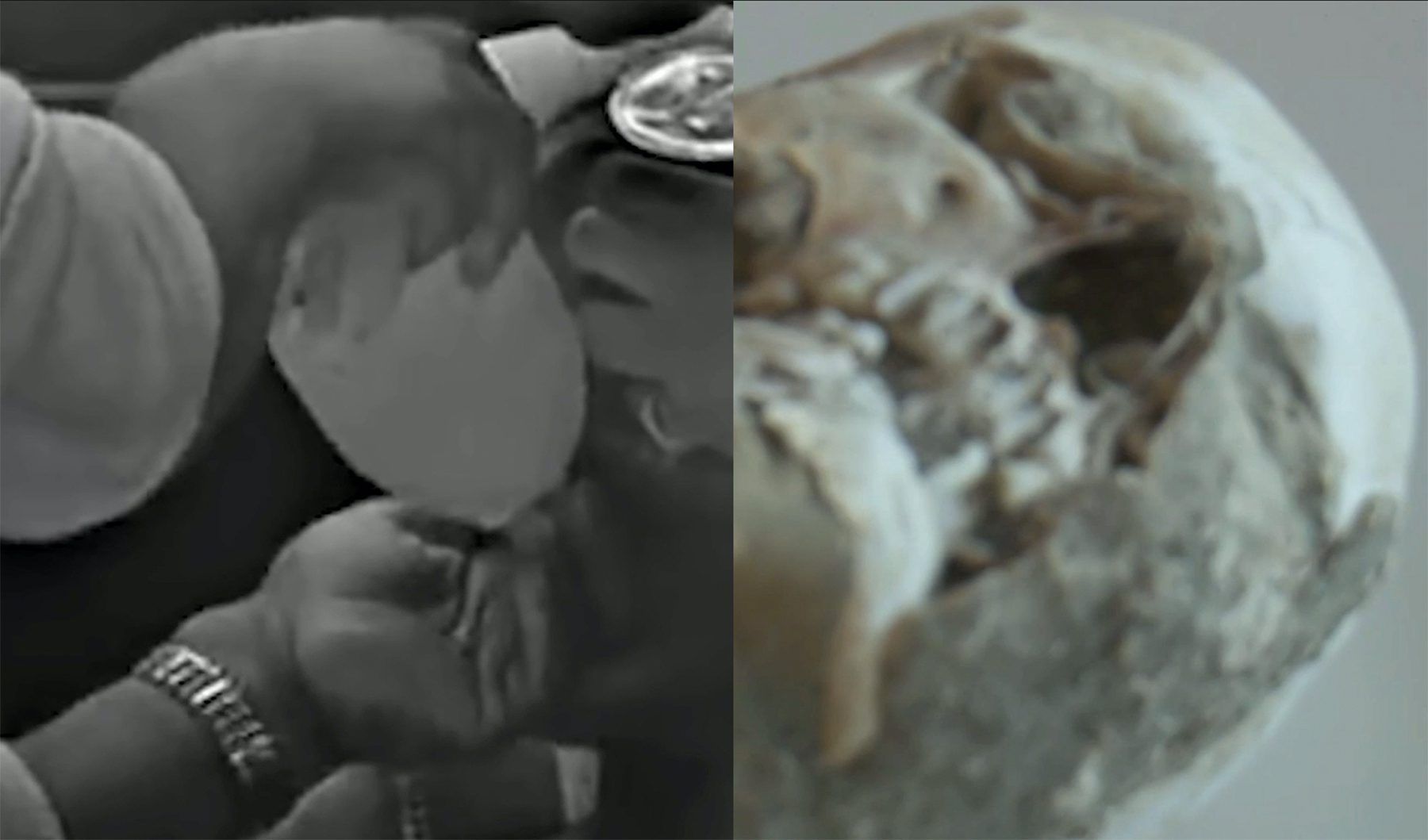
Splintered subjects along the margin – Group Show
7 Septembre 2020
Clôture: 31 octobre 2020
As the world is casting an eye over the front-lines of social injustice, Splintered subjects along the margin is an attempt to look into the contradictions, layers and intersections enmeshed in the self-awareness of those relegated to the margins of society. A cosmology of works gesture toward desire and bodies, power and devotion, narration and belonging, race and submission through four emerging video art approaches.
The gathered planetary chorus braids a precarious web of unforeseen references and connections between geo- graphically and politically heterogeneous perspectives. In an atonal song, each approach embarks on the abrasive materialisation of self-reflection in a mirror of global, yet highly personal conflict zones. How are domination and submission expressed in the shadow of the racialized figure? How does inflicted pain relate to unconscious knowledge? How do memory and self-identification converge before the prospect of change?
The works aim to challenge the schema under which we superficially categorise identities, highlighting overlooked aspects that splinter off any unified idea of the subject. Fragments flicker into visibility on and off the bodies they came from, simply through their encounters with each other. ‘I am my others‘, writes Akwaeke Emezi. In this spirit, each approach practices this speculative and dialectical thinking of the fragment, by processes of non adjoining identification with, and unifying disruption of their others. Or put differently: visual fragments break into a thought, which, although imperceptible, reveals something of the complex nature of subjectivity.
Jenny Berger Myhre and Manuela de Laborde investigate Mexico City through the lens of an intersubjective history — creating a psycho-geographical map of Laborde’s home town through a game of uncompromised association titled Notas y notas y notas. Found objects such as slides, tapes and films, garnered from the city‘s flea markets prompt her to revisit places, looking for the same sounds and forms as the gathered objects. There is an abyss between what is sought and what is found, ghosts emanating from this juncture evoke a way back to the intricate history of objects, memories and belonging.
Symbolically loaded gestures and suggestive religious motifs entangle themselves with social hierarchies in Lemohang Jeremiah Mosese’s mesmerising work Morene Mmele; the ideological binary of black and white form the surface on which our subconscious prejudices are necessarily projected. What meaning does the viewer associate with the gradually unfolding situation and what can we learn from the racial semiotics dee- ply engrained within our global society?
How does guilt and innocence, love and hate, characterise sexual attraction? How does representation inter- act with power once marginalised bodies try hurt one another? Mazlum Nergiz and Heiko-Thandeka Ncube’s video essay Know your Master teems with a seemingly erratic excess of found-footage and produced images, which question the ways in which technologies of image circulation shape the perception of race, homosexuality and masculinity.
In close dialogue with this collaborative work, Heiko-Thandeka Ncube’s video work kill the crow (declare me dead) interacts with imperial justifications of murder and genocide. The work makes visual investigation of the horrors of being subjugated by ideology which considers Africans as ‘animalistic’ and poses purity against nature and good against evil. An ode to fear and self-hatred.
An entanglement of relations of gender, race and class, Splintered subjects along the margins presents a narration of different social forces, oscillating between meditation and fury, appropriation and continuation. It presents positions irreducible to the categories of blackness, homosexuality or womanhood, instead suggesting intersectional tendencies towards new meanings and forms.
Artists: Manuela De Laborde (Mexico), Jenny Berger Myhre (Norway) Heiko-Thandeka Ncube (Germany/Zimbabwe), Mazlum Nergiz (Germany), Lemohang Jeremiah Mosese (Lesotho)
Curated by Mazlum Nergiz
galerie anton janizewski
goethestraße 69
10625 berlin
Plus d'articles de
Beyond Representation
7 déc. 2023–31 déc. 2026
C& América Latina curates film program for Cinelogue featuring Films by Afro-Indigenous Directors
1 juil.–31 déc. 2026
Dignidade e luta: Laudelina de Campos Mello
16 mai–22 nov. 2026
M’barek Bouhchichi: Les mains des poètes
24 avr.–17 oct. 2026

Cecilia Vicuña - The vanished glacier
30 avr.–20 sept. 2026
Dancing the Revolution
11 avr.–20 sept. 2026