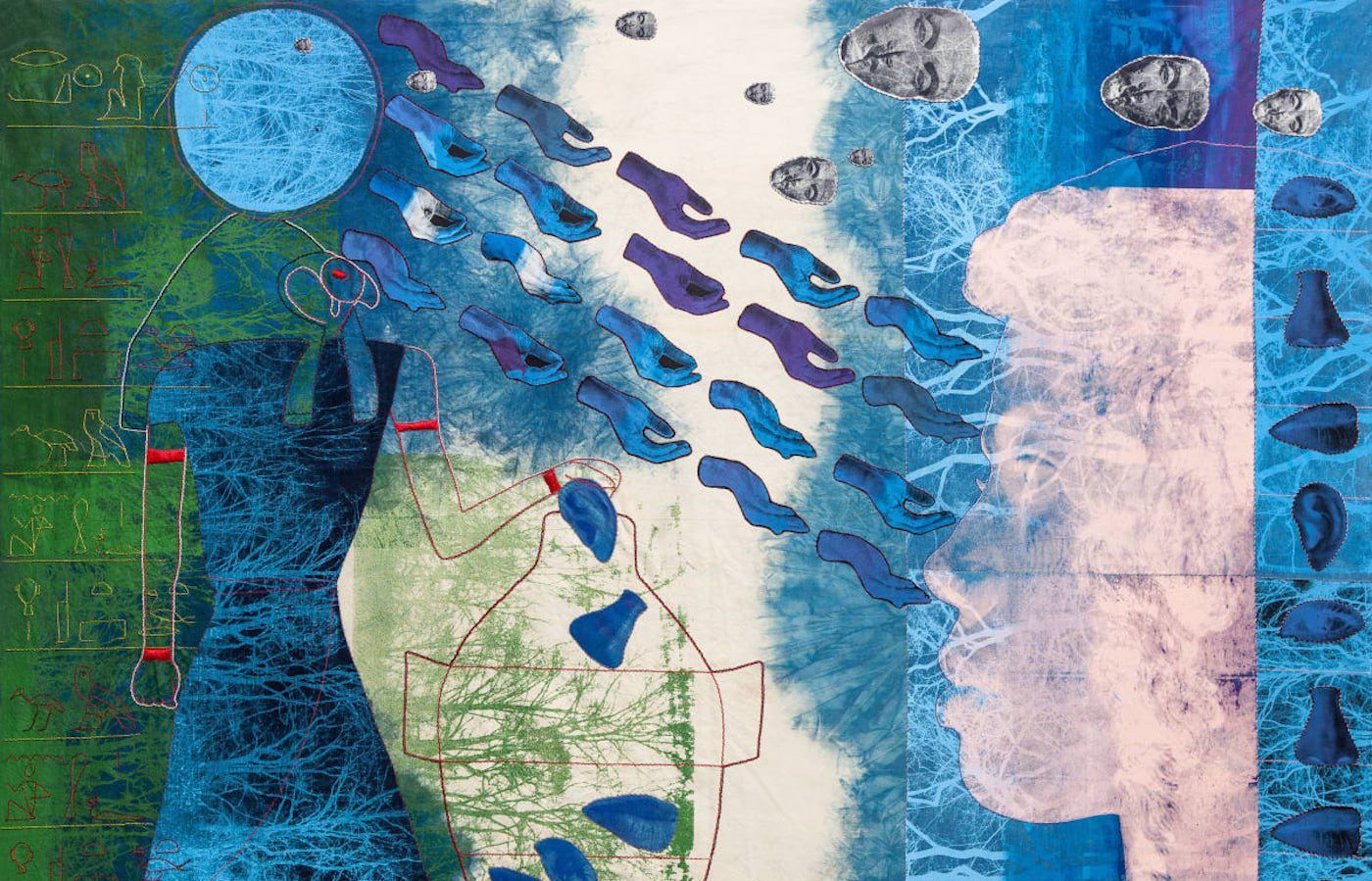
“The passport that does not pass ports”
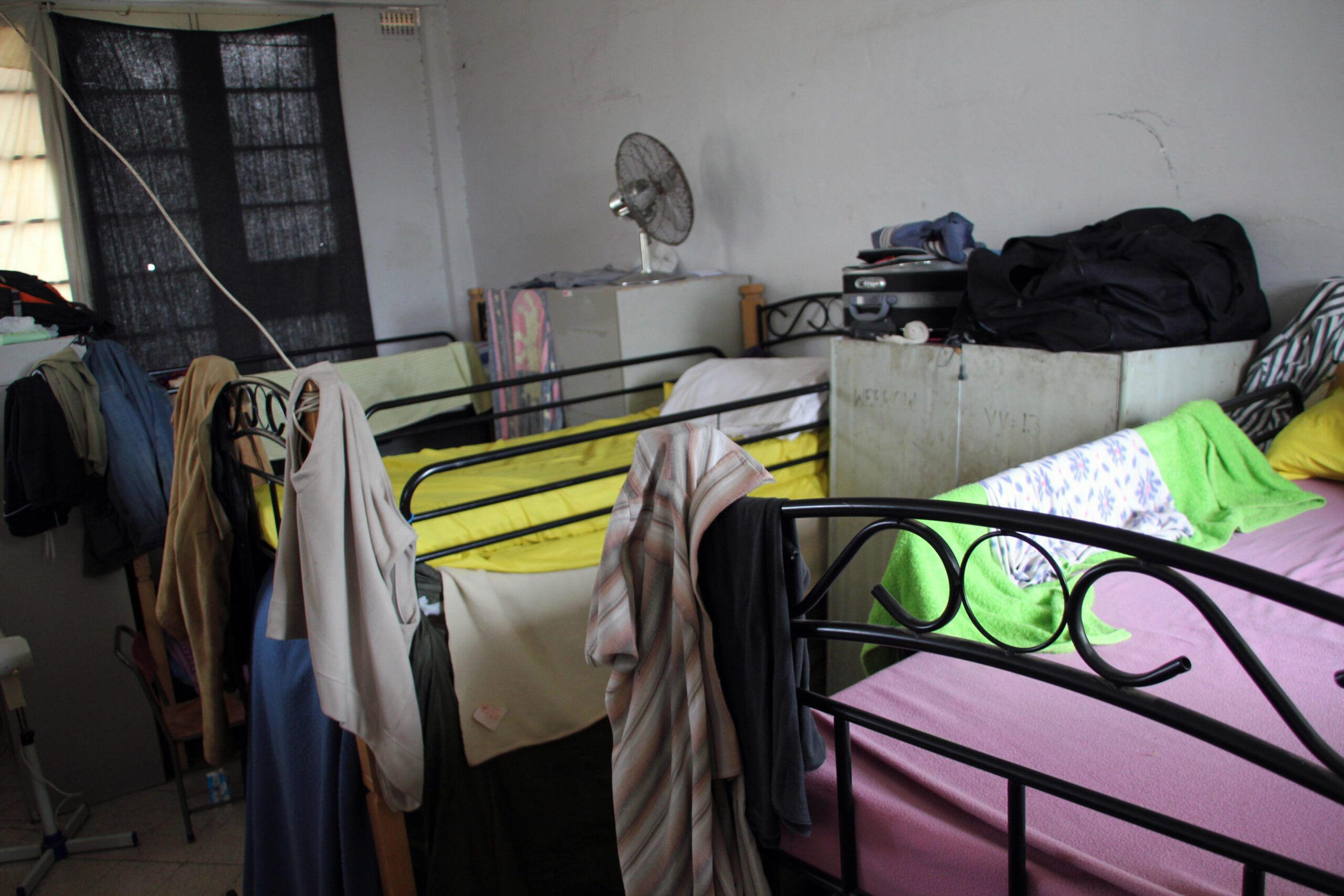
Mobility in the arts, geographical or otherwise, is often seen as almost a requirement. However, COVID-19 has put to the test this very idea and aspiration. In the series
Not long ago I heard the philosopherSouleymane Bachir Diagne responding to a talk given by the literary critic Emily Apter titled “Translation, Checkpoints, Sovereign Borders.” Apter argues against the bourgeois fiction that globalization has turned everybody into ultra-mobile cosmopolitans, a myth that’s proved especially seductive to those involved in the project of writing and institutionalizing so-called “world literature,” with its array of glamorous airport-hopping protagonists. Instead, Apter points to the phenomenon of ever-intensified “checkpointization” (the word “checkpoint” has been creolized into most languages) and the way in which so-called “illegal” residents are harassed and deported even as “multi-culturalism” is lauded. A scholar of translation, Apter asks that critical thinking be refocused on “the untranslatable” — whatever cannot cross borders, whether metaphorical or concrete.
Diagne responded by recounting his own experiences of many decades traveling under his Senegalese passport. His passport, he said, is “a passport that does not pass ports” — it is a devalued document whose bearer is generally to be considered suspect. Diagne went on to outline his thoughts onthe tragedy at Lampedusa in November — a crude summary below.
The story of African migrants entering the Eurozone by sea is basically indecipherable as it is told in global and national media reports, because they are described only as helpless victims, without taking into account the sophisticated understanding they have developed for negotiating international legal frameworks and European state bureaucracies. When you know long before you get there that the Europeans will want to deport you on arrival, it is imperative you do all you can to flummox them.
Baffled reporters describe “abandoned” children, apparently sent away to make the crossing into Europe alone. It doesn’t occur to them that the children have likely been carefully prepared for the encounter with European officials so that, if it comes to it, they know ahead of time that they must at all costs avoid giving any indication of their relationship to any adult on board (a father, an uncle, an elder sibling). An “abandoned” child is un-deportable.
Why risk the perilous crossing? Because if you come by sea there is no single national border across which to expel you.
Why travel without papers? Because that passport won’t pass ports; it will only answer the question of where you should be deported to. Better to come without so much as a scrap of writing on you.
Why stand in silence when questioned by officials? Because the language in which you reply will give them a clue where you may have come from. If you speak a word of French you might be flown “back” to Niger even though you’re from Mali. Say nothing at all and there is nothing to translate.
By Elliot Ross, this article first appeared in Africa is a Country.

The Olympia Effect: Who Gets Credit for Sexual Liberation On/Off Screen?
A Collector’s Guide to São Paulo
La dignité sous contrainte : la peinture figurative panafricaine au-delà du marché de l’art international
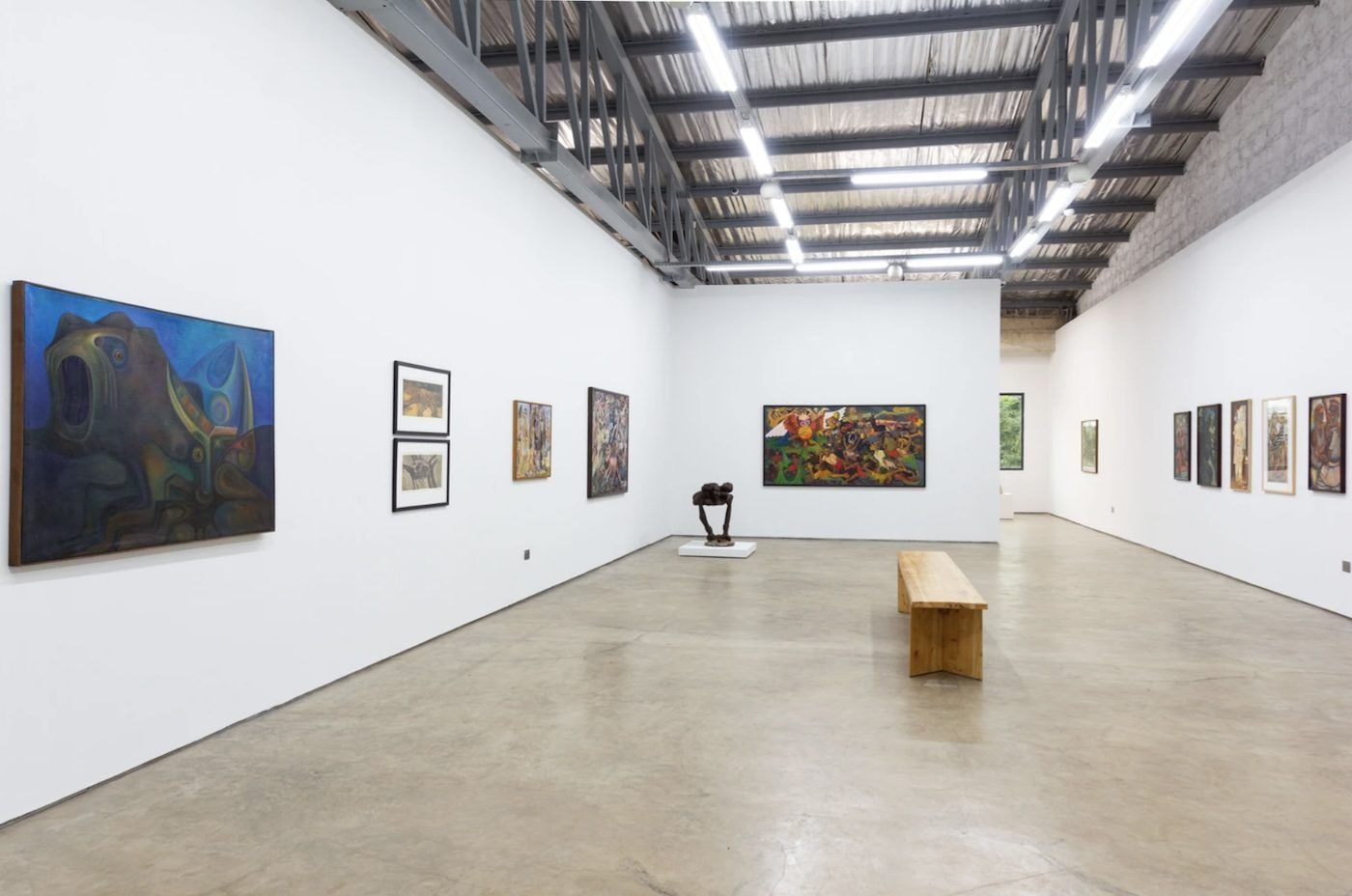
An Exhibition Aims at Accessibility Against a Backdrop of Protest in Kenya’s Capital
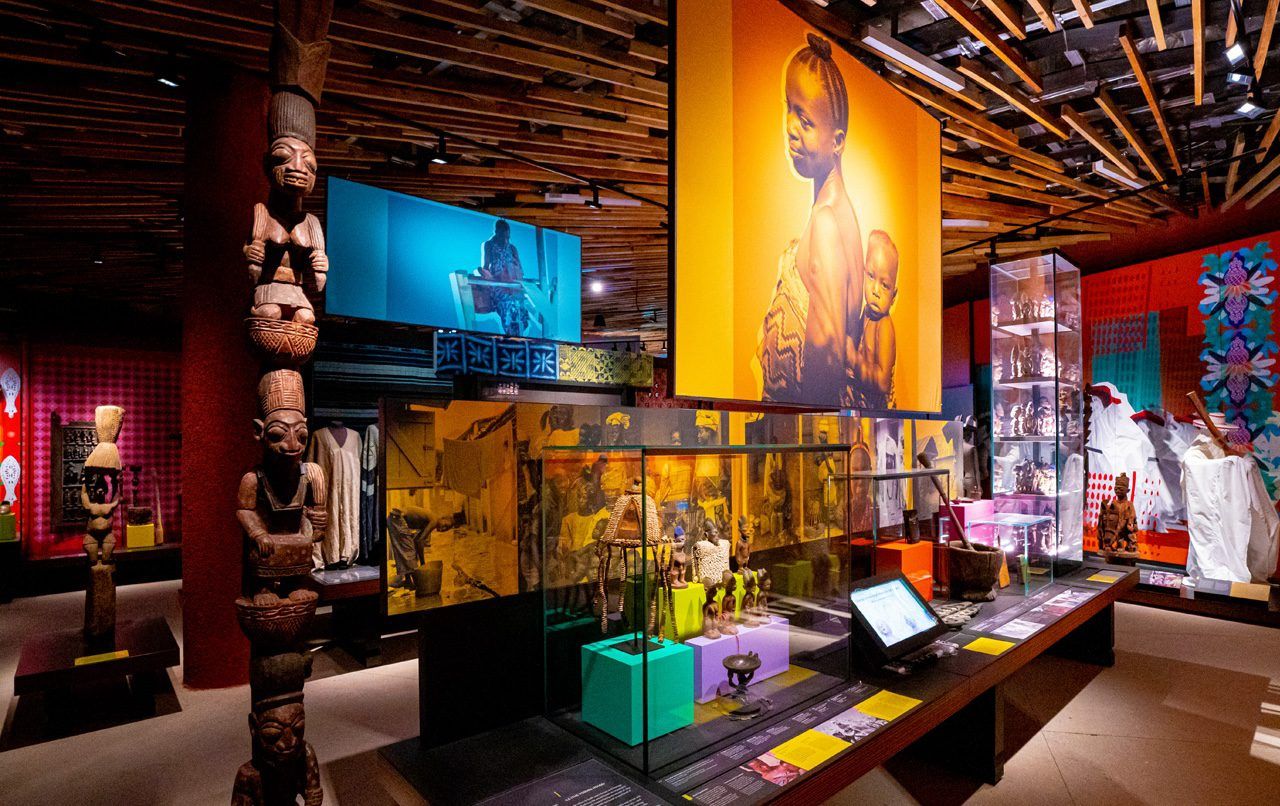
Five Things You Need to Know About the John Randle Center Before It Opens