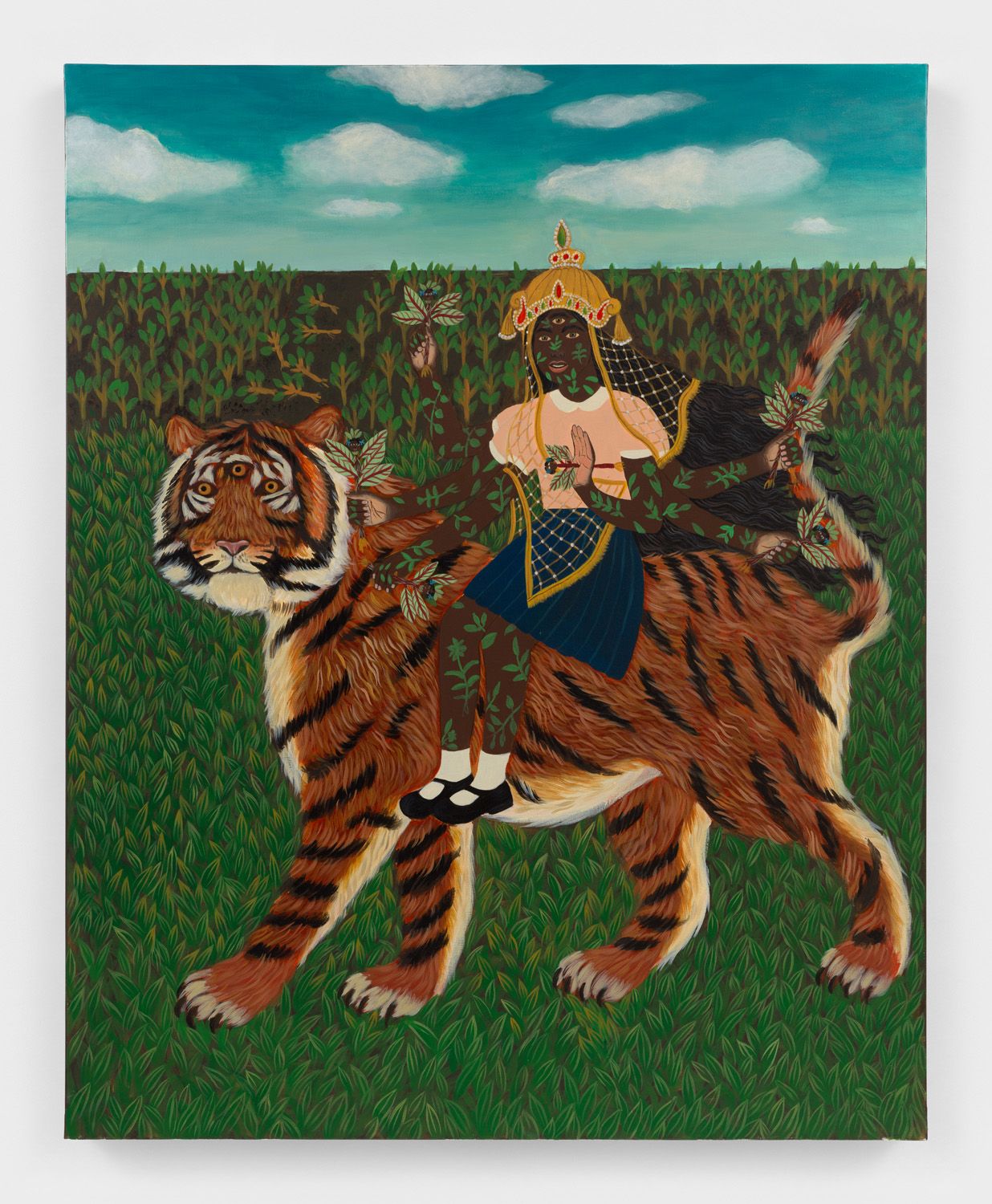
Archivo Honduras Cuir: The Art of Trans Life and Friendship in Central America
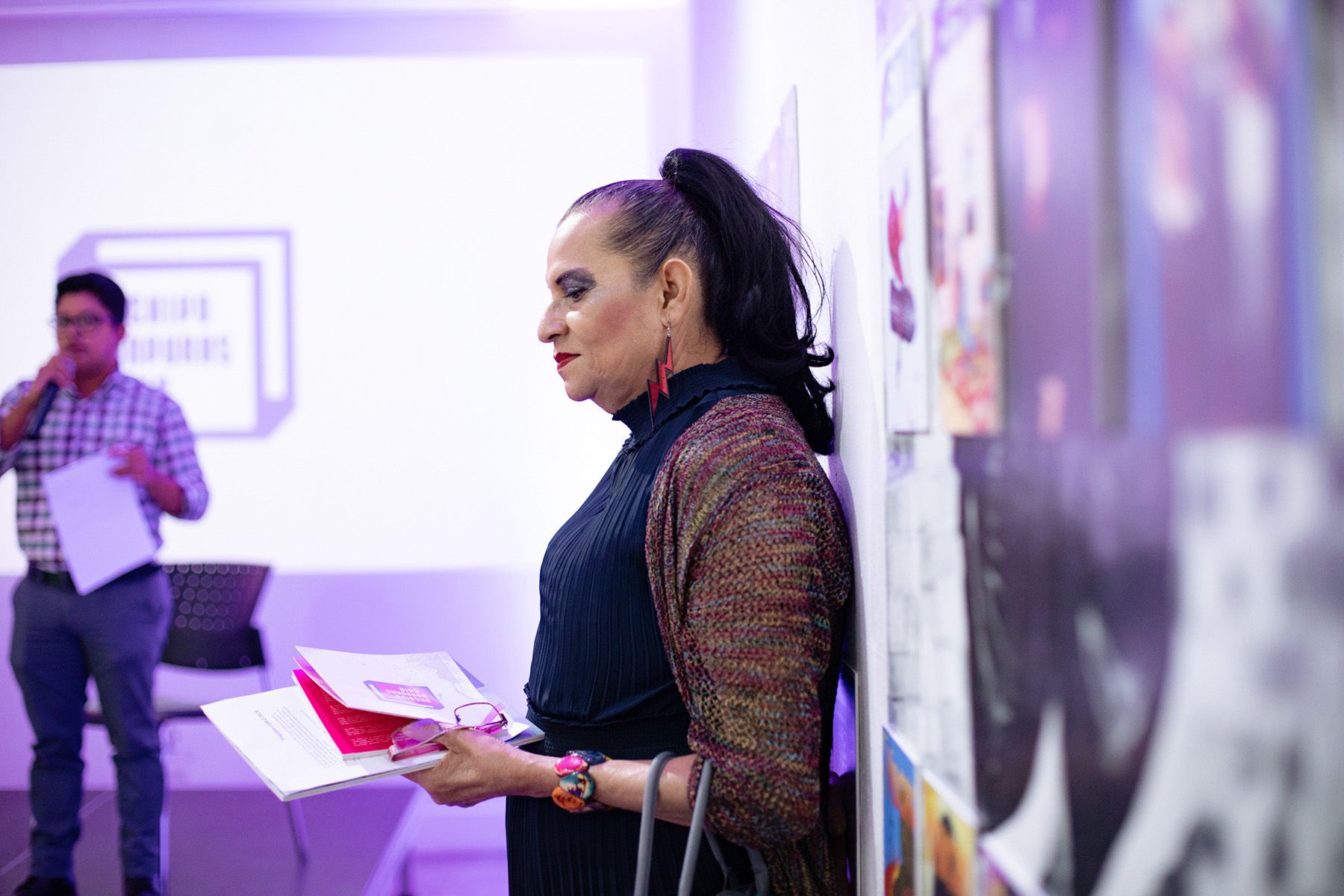
Abigail Galindo Soto at the Cultural Center of Spain in Tegucigalpa during the events she organizes in collaboration with the Honduras Queer Archive to disseminate queer memory among the city’s youth. Photo: Dany Barrientos Ramírez
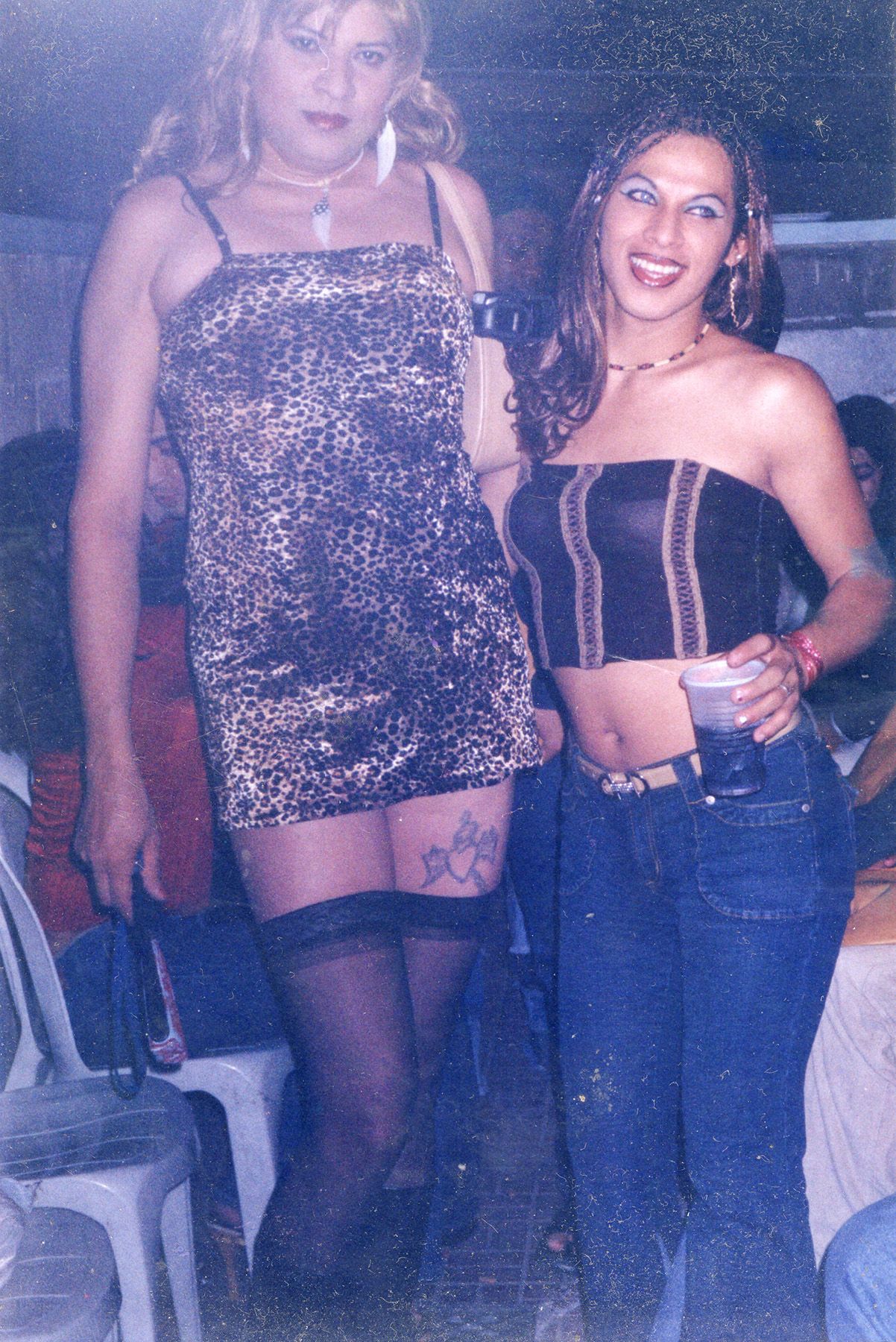
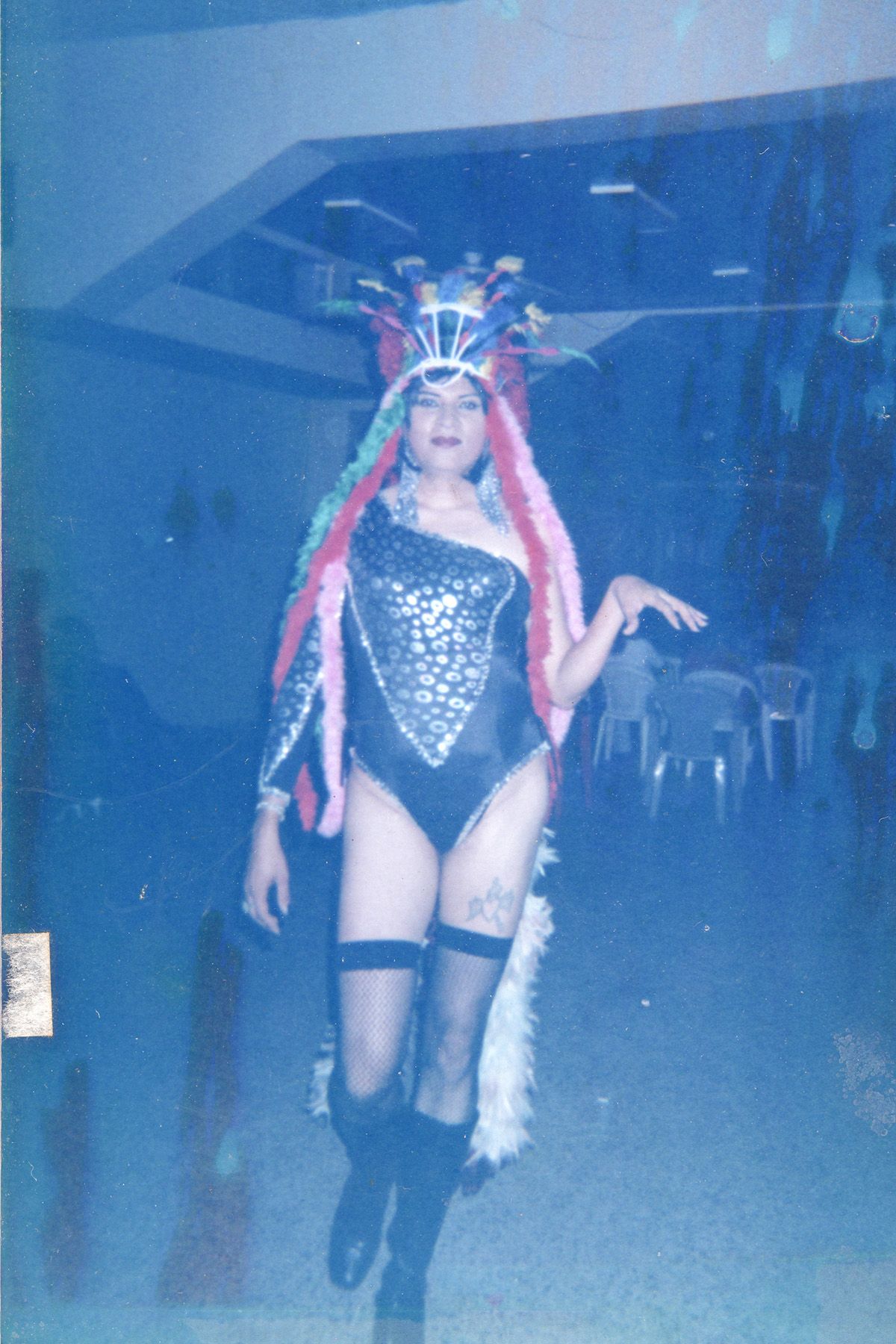
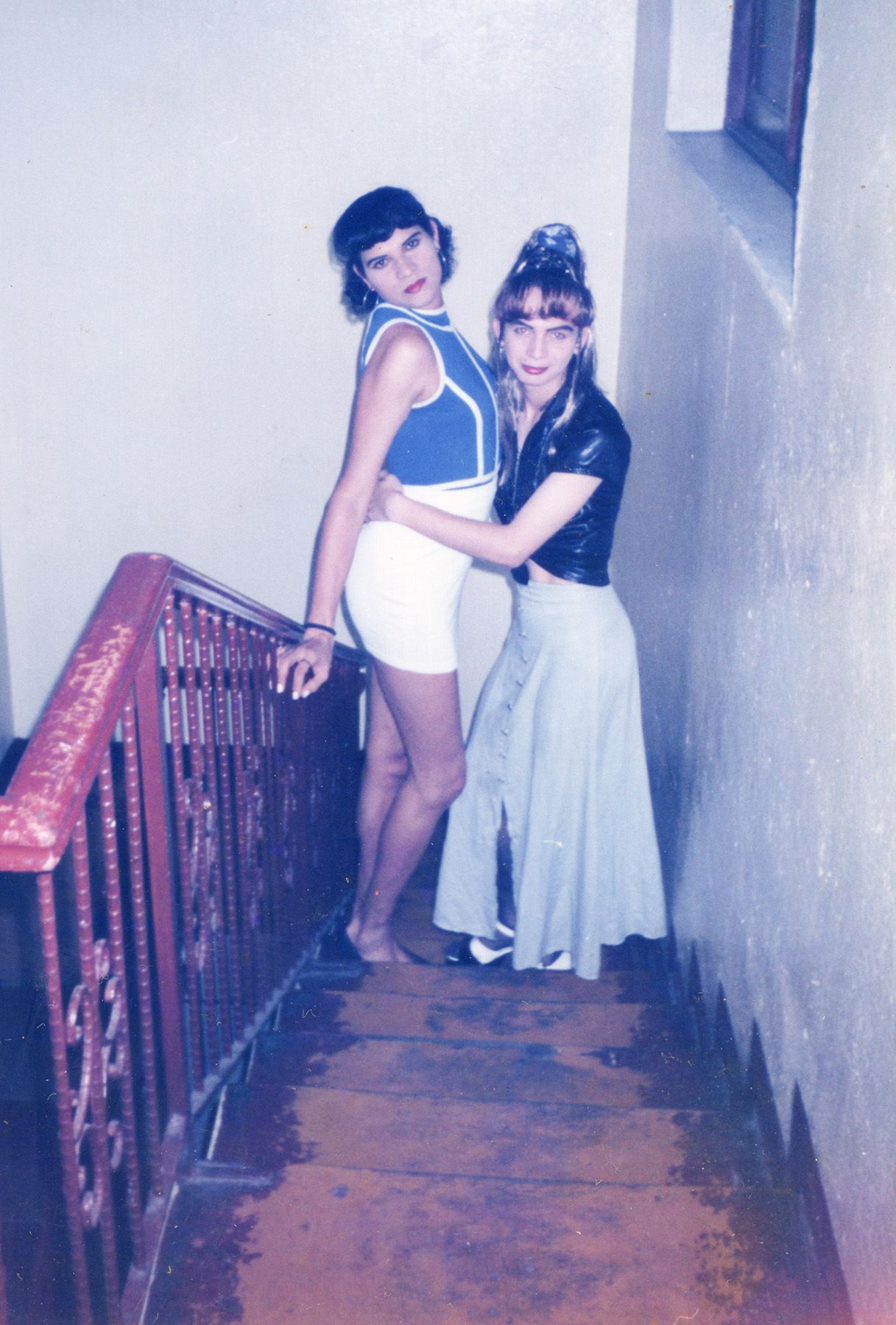
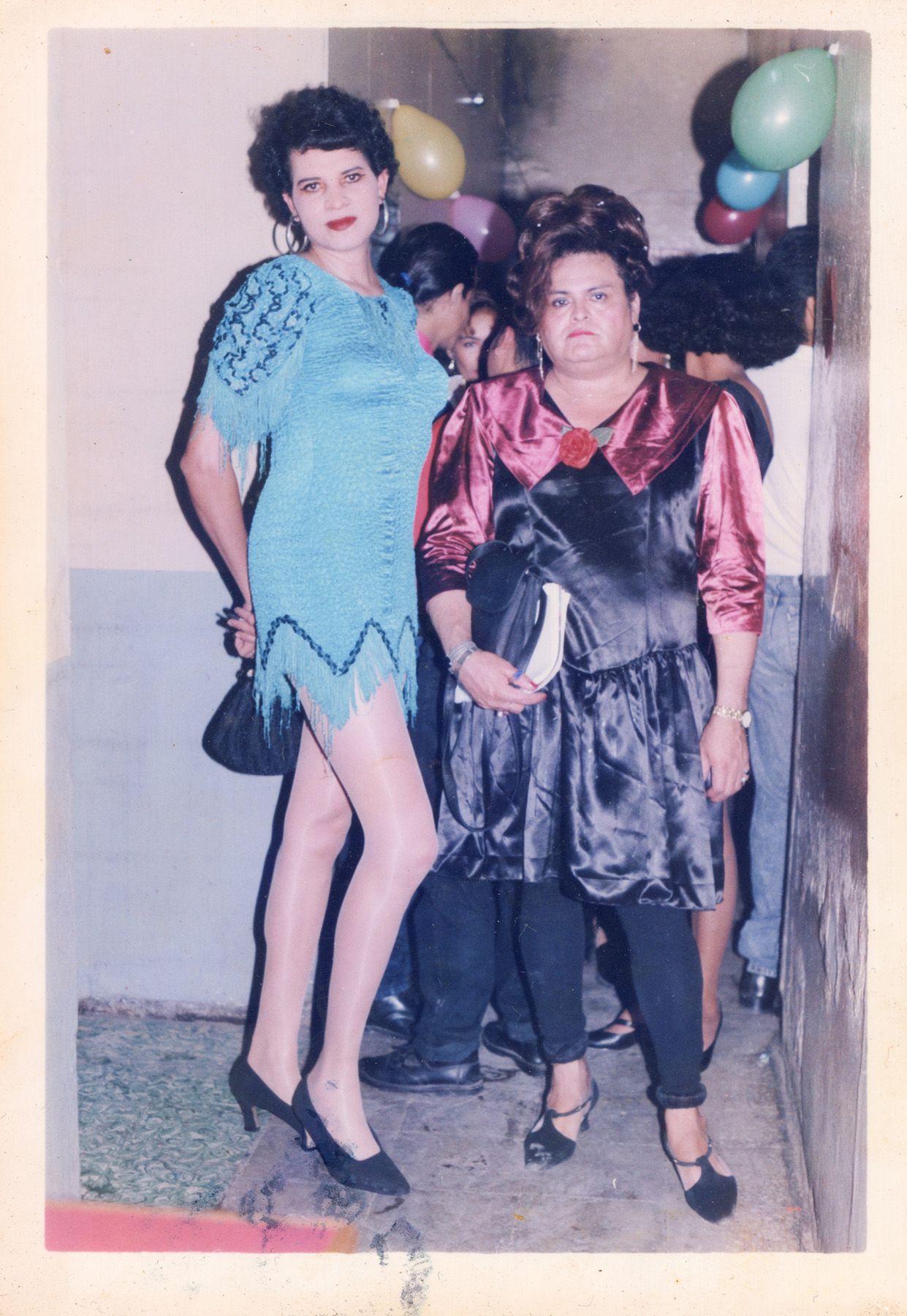
Abigail Galindo’s art captures moments of defiant beauty resisting the hyperviolence in pursuit of trans bodies in the Honduran capital of Tegucigalpa and its peripheral neighborhoods. In the face of such legal impunity, friends—women and non-binary alike—pose for the camera. Their poses reveal the role of the image and the gaze in the constructions of gender and identity. The portraits confront us with queer and trans subjectivities—presenting a gentle, fearless gaze.
Galindo has contributed over a thousand photographs and documents to the Archivo Honduras Cuir (Honduras Queer Archive) (AHC), which she co-founded with Dany Barrientos-Ramírez. Since its initial publication and exhibition at the Cultural Center of Spain in Honduras (2023), the archive has grown thanks to the work of various volunteers. In 2025, it was exhibited at the Museum of Memory and Human Rights in Santiago, Chile, at the Barcelona Museum of Contemporary Art (MACBA) and at the Reina Sofía Museum in Madrid, Spain. They are currently planning the first congress of Central American trans archivists this year and a second exhibition in 2027.
Her work and the AHC are testaments to the power of art and friendship in the struggle against the erasure of trans life.
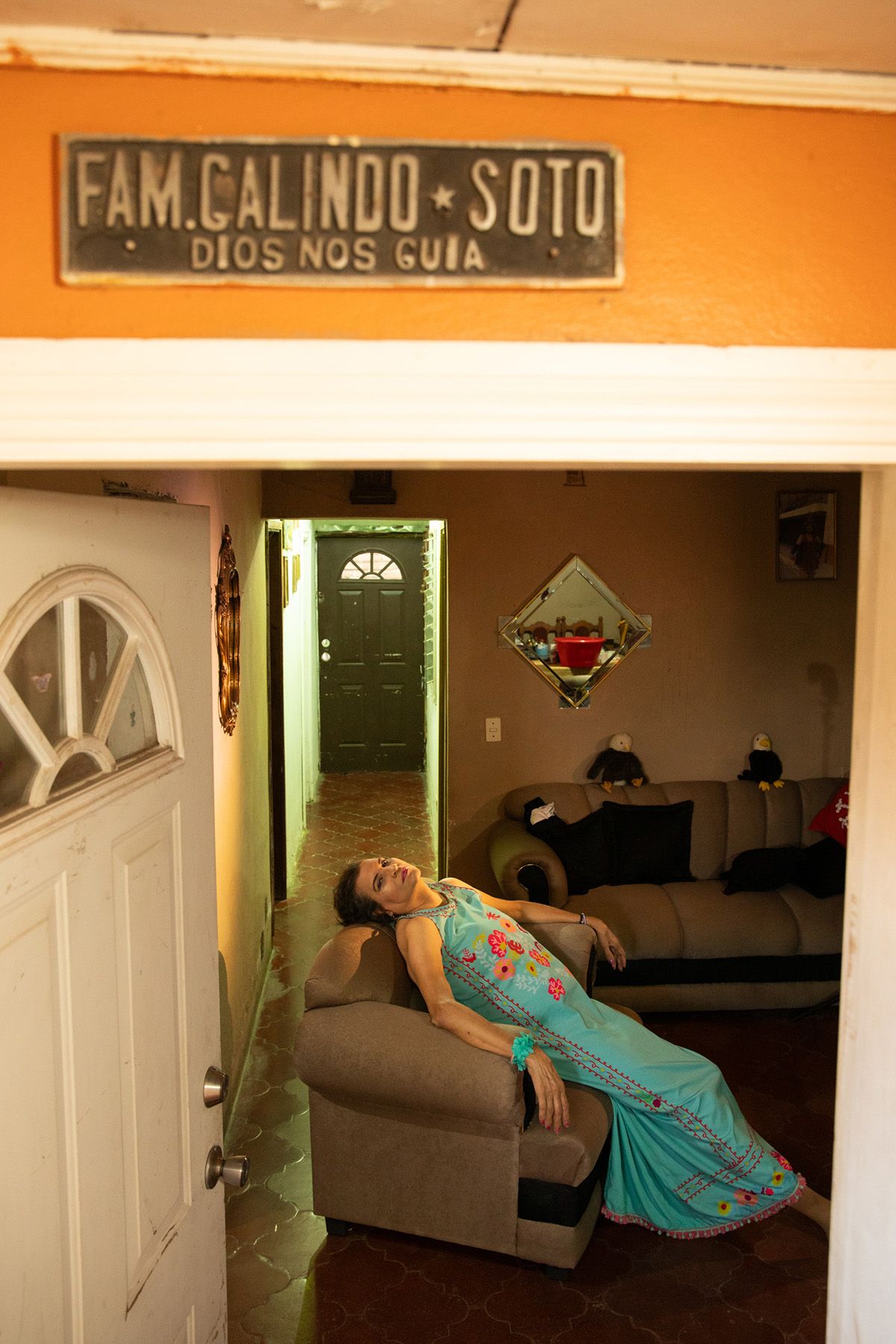
Abigail Galindo Soto in the living room of her home, the same house where she and her family lived during her childhood, and where many of the work sessions of the Honduras Queer Archive currently take place. Photo: Dany Barrientos Ramírez
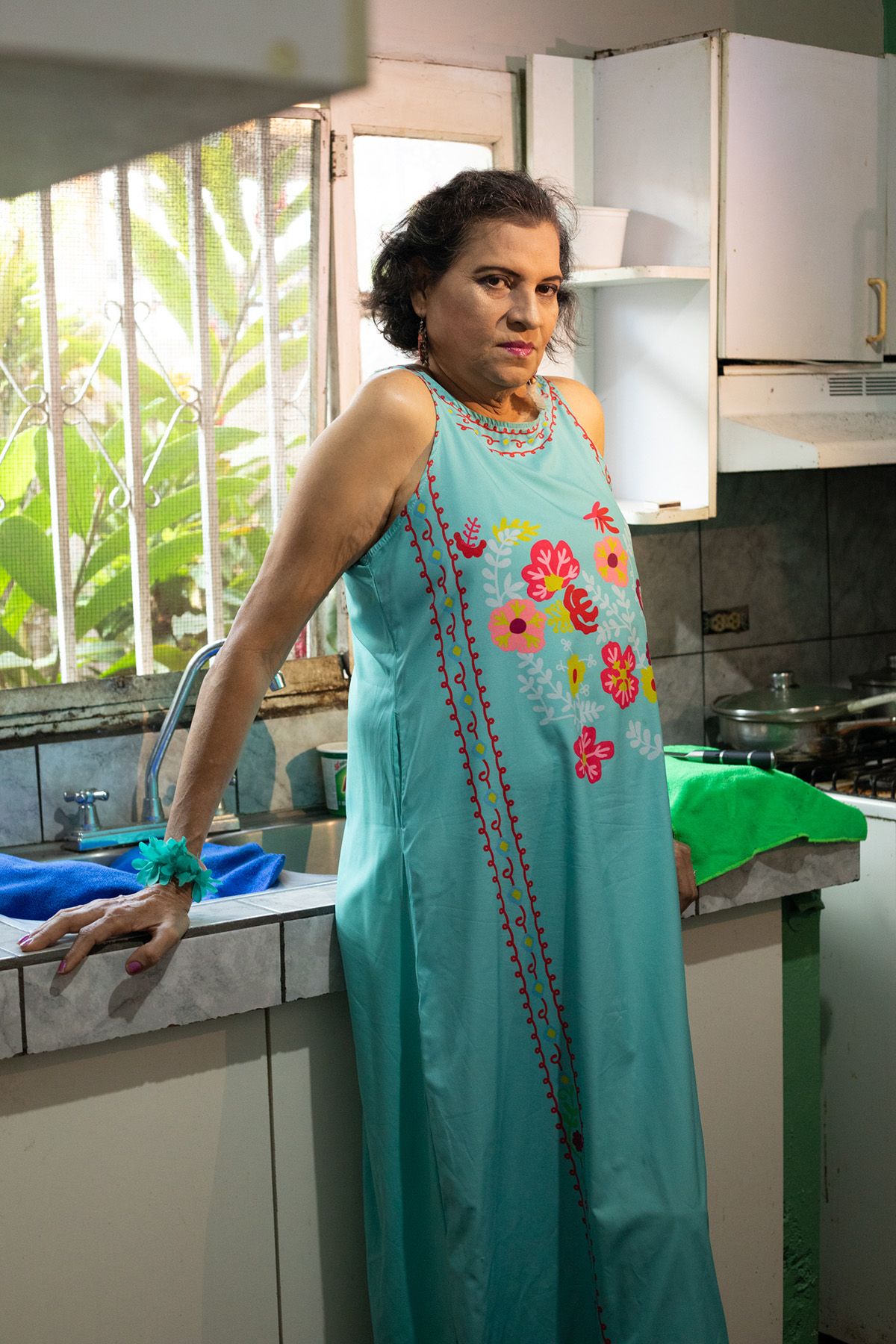
Abigail Galindo Soto in the kitchen of her home. Photo: Dany Barrientos Ramírez
C& América Latina: I would like to begin with what initiated the archive. How did you meet Dany?
Abigail Galindo: I met Dany through a trans friend who is a lawyer. He was looking for trans women over the age of 50, since here in Honduras the life expectancy for a trans woman is 35. We consider those of us who are in our 50s to be elderly. And that was the context of how we met one day.
I brought 132 photographs with me, and he liked them. And then, just like that, he said to me, “Look, we don’t know each other, but I’d like you to lend me the photos.” He was heading to Argentina to learn how to establish a queer archive. And I was thinking to myself, if I die, those photos are going to be burned or just thrown away because they are not photos that my family would like to keep. And then, bam! Dany comes along. And so, I said to myself, they could not be in better hands.
He came back precisely at the time I was hospitalized—by then it was July—which was when my left foot was amputated, and there he was, like an angel, at the foot of my hospital bed.
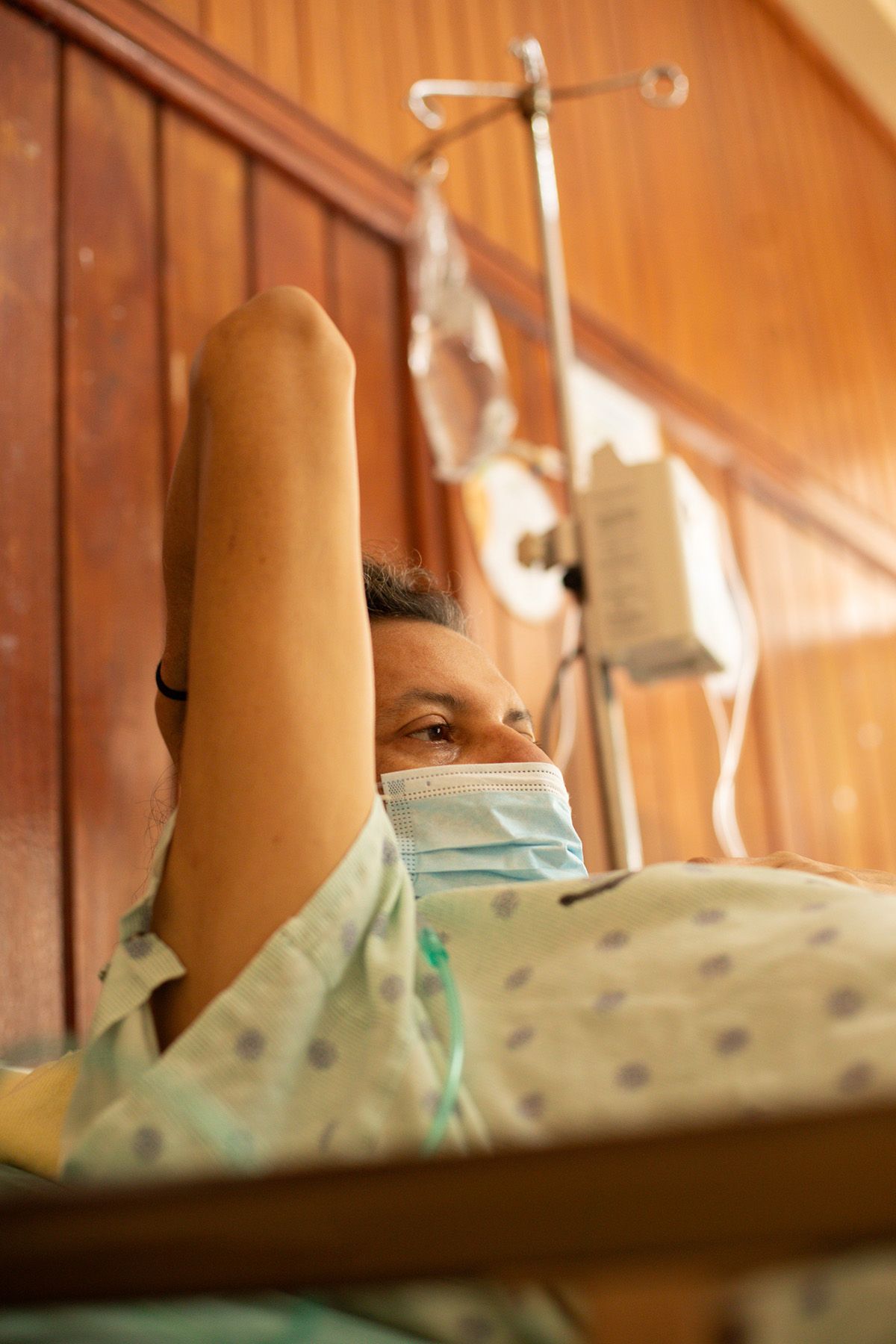
Abigail Galindo Soto inside a public hospital in Tegucigalpa after suffering from pneumonia that left her hospitalized for several days in May 2025. Photo: Dany Barrientos Ramírez
C&AL: How did you start taking photographs and how many photos do you have now?
AG: In 1986, when I was 16. That’s when I left home to come out as a trans woman. That’s when I began my activism. I grabbed a camera—my brother, I remember, bought me a roll film camera.
Honestly, I didn’t realize that what I was doing was documenting my own life and that of my friends. In those days! Only later did I realize what I was documenting. After some time, I started doing sex work, and I always walked around with my camera—just like a private detective—to take photos not only to capture the sad moments, but also the happy occasions.
For me, it became imperative to document my women friends through photography because of the insecurity in the country, because I would see the girls go out, but they wouldn’t come back—or they would turn up dead… I always used to say to them: “Girls, let’s take a photo. Who knows if it’ll be the last one?”
And that was so real… I ran into Caricia—as I call her—at a party and said, “Caricia, come here! I don’t have a single photo with you. Let’s take a photo. Who knows if it’ll be our last?” And then two weeks later she was found dead—shot 25 times. Because they don’t kill us with just one thrust of the knife or a single bullet or one lone stone. Instead, they destroy us, they carve us up, and it’s always out of malice, because those are hate crimes, because the people who murder us hate us.
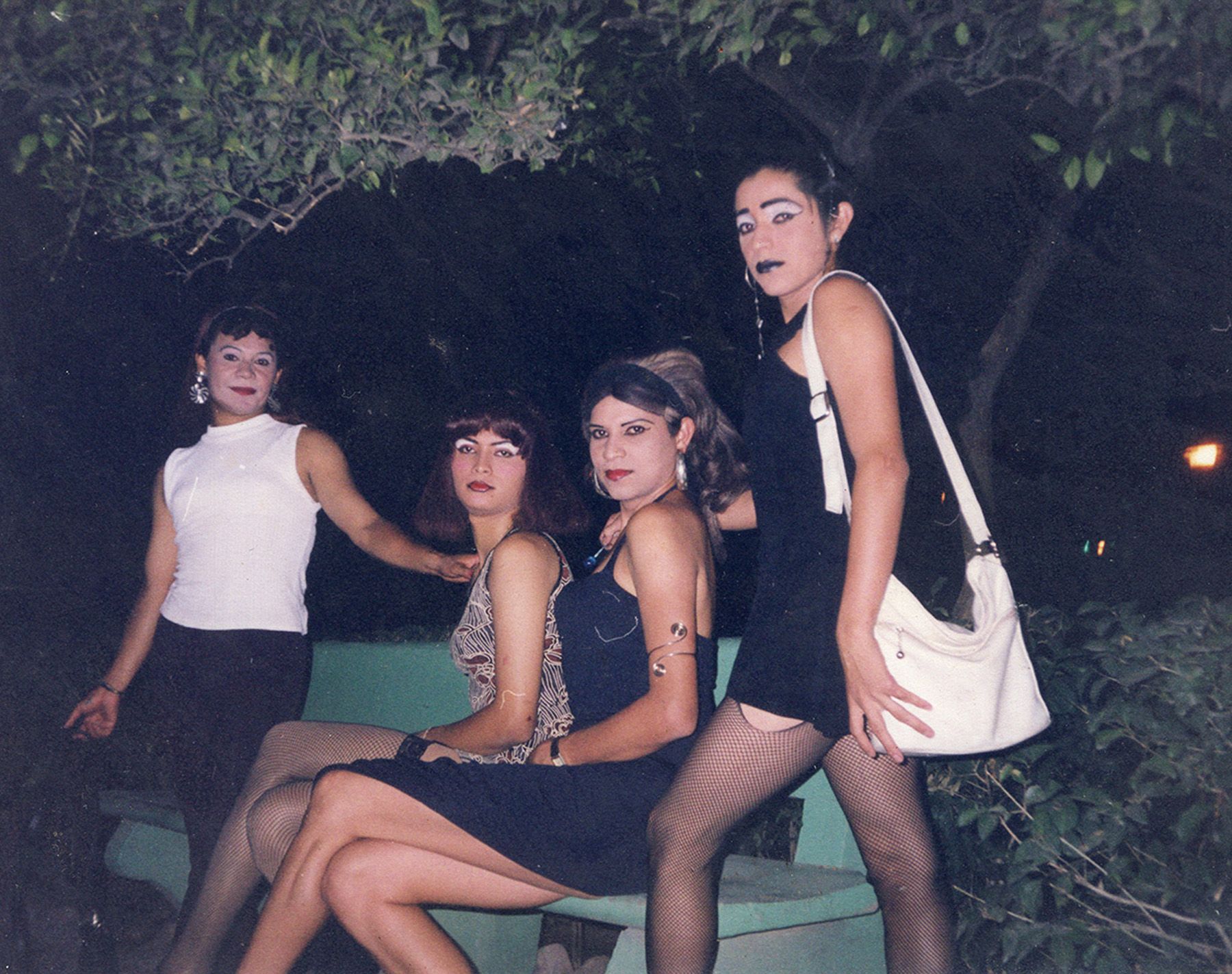
From left to right, La Sulay (also known as La Campero, who lives in exile), Bessy Ferrera (murdered in 2019 in a crime without justice), Abigail Galindo Soto and Michelle (murdered in Guatemala in a crime without a suspect). The four women sit on a bench in El Obelisco Park in Tegucigalpa during a night of work, 1992. Photo: Documentary Collection of Abigail Galindo Soto / Honduras Queer Archive
C&AL: Tell me more, if you would, about the other members of the archive and their dynamics.
AG:We’re a mixed bag, really, because, yes, we have two filmmakers, Garifuna and bicultural volunteers, and people of diverse sexualities… Right now, we have two who are the babies of the group: a bisexual girl and a lesbian who is the very youngest of us all. They started out as volunteers and now they are fully part of the archive.
Regarding dynamics, I’d say that spending time together is very important; at the same time, we also respect one another’s personal time, and we aren’t authoritarian… this year, we’re going to take a trip to take care of our mental health. We’re going to a place where we can all relax.
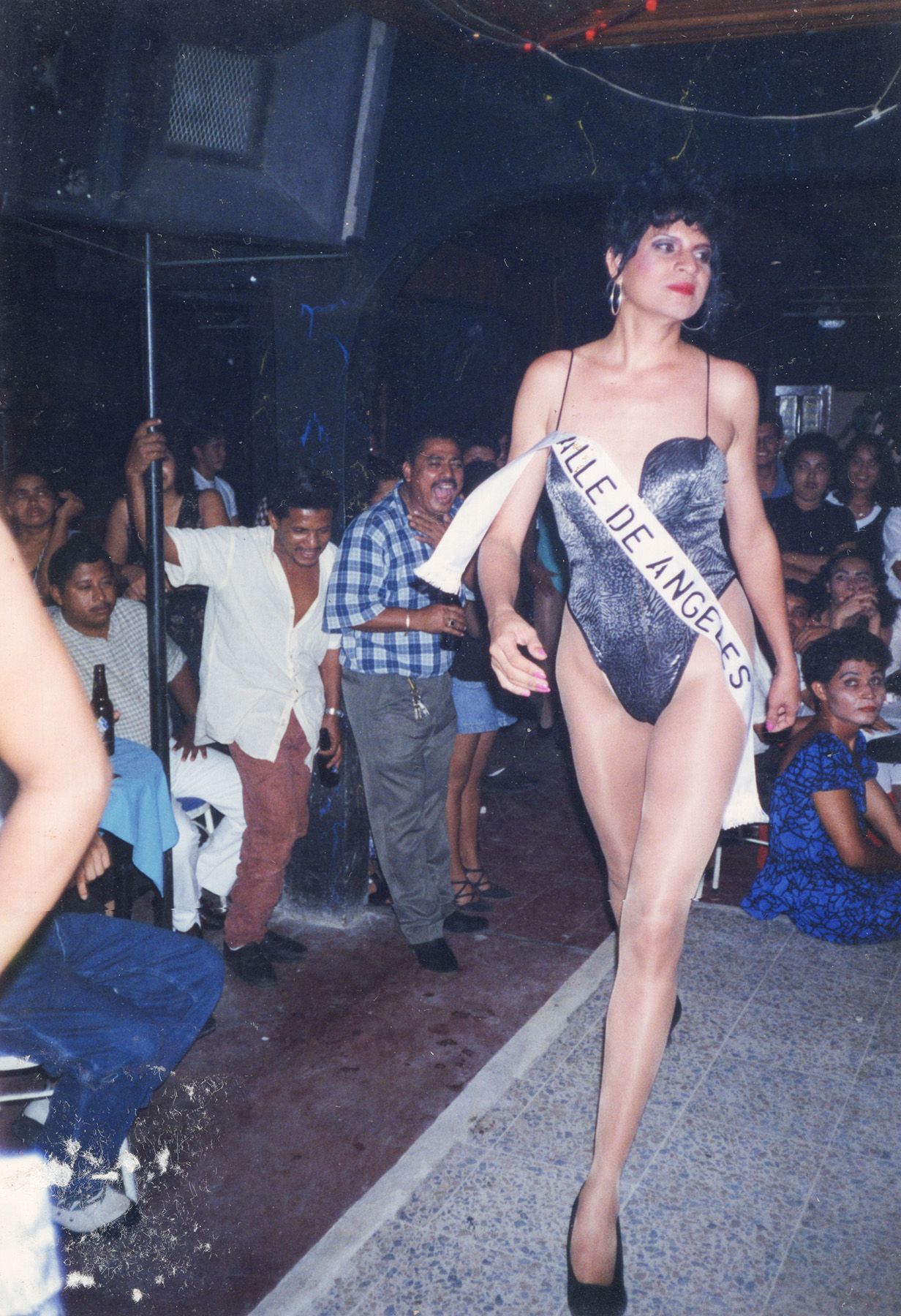
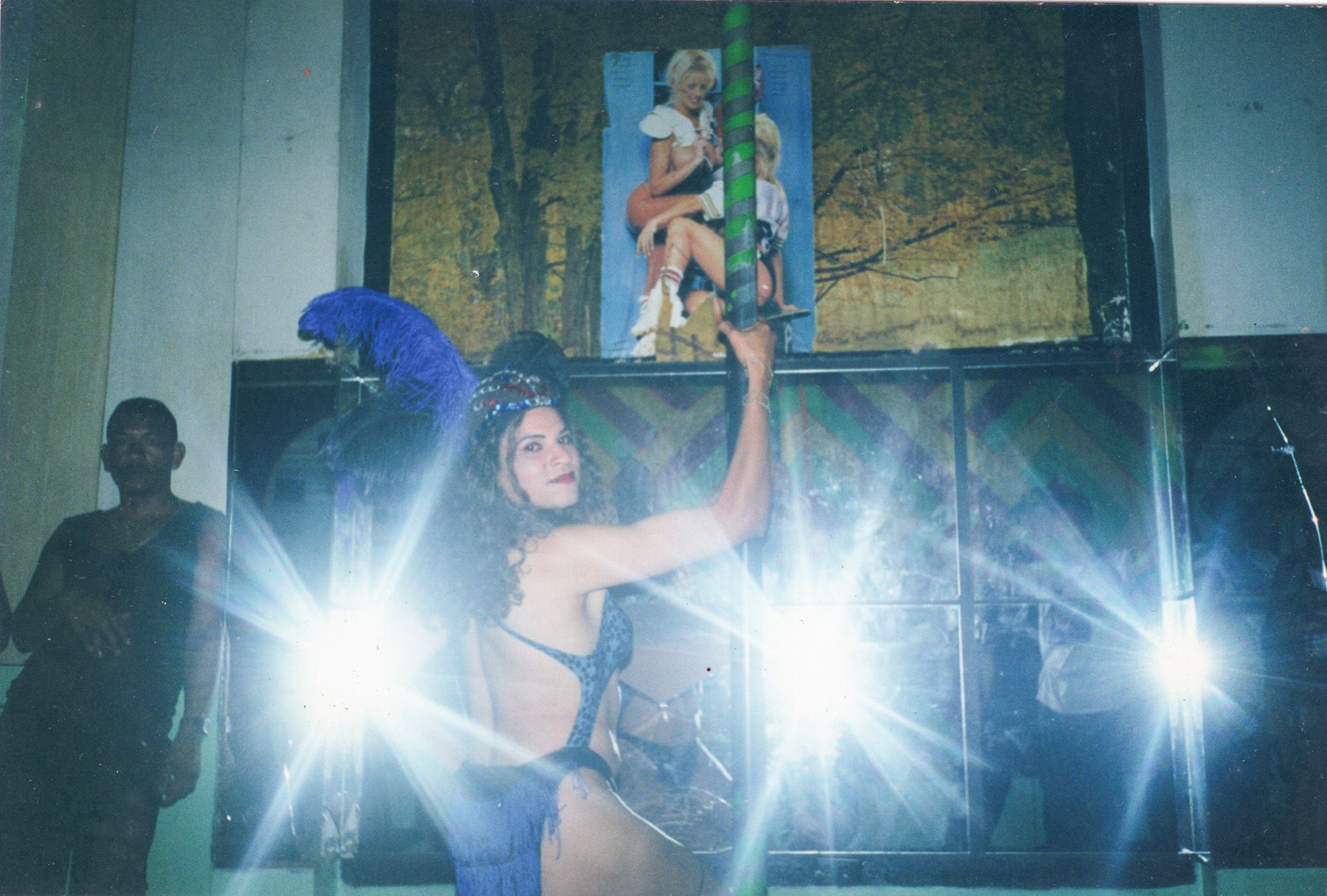
C&AL: You mentioned the First Central American Congress of Trans Memory Archivists in 2026. What are some other goals of the Archivo Honduras Cuir?
AG: That’s right, from July 5th to the 11th, we will be hosting a whole crowd of women here… What I hope and wish for and my biggest dream is to have a physical space where we can keep all our materials and preserve our collection because right now, we do not have a physical space and some of our materials are at Dany’s house while others are here with me. Those are not suitable environments for storing photographs.
À propos de l'auteur
José Segebre
José Segebre is a cultural organizer and writer specializing in aesthetics and intersectional critique. His monograph on waiting, Waiting and Watching (Bao Books), and his collaborative book on the queer film Flaming Ears (1992) are forthcoming in 2026. He has served as a visiting professor of cinema and contemporary art and currently teaches art theory at NYU Berlin. He co-founded the Association of Palestinian and Jewish Academics in Germany (2025), and, since 2019, has been organizing Fool Moon Screenings—wandering dinners featuring film screenings—with François Pisapia.
A Journey into the Inaugural Museum of Belizean Art
The Indigenous Sci-fi Love Story about the Climate Crisis and the Power of Language: Itu Ninu
Chavis Mármol: Thinking Manually in the Age of Artificial Intelligence
The Power of Fabulation in the Black Cinema of Zózimo Bulbul
Iahra: Addressing Marine Ecology Through Industrial Materialities