The Heart of the Matter: Carrie Mae Weems at FOMU Antwerp
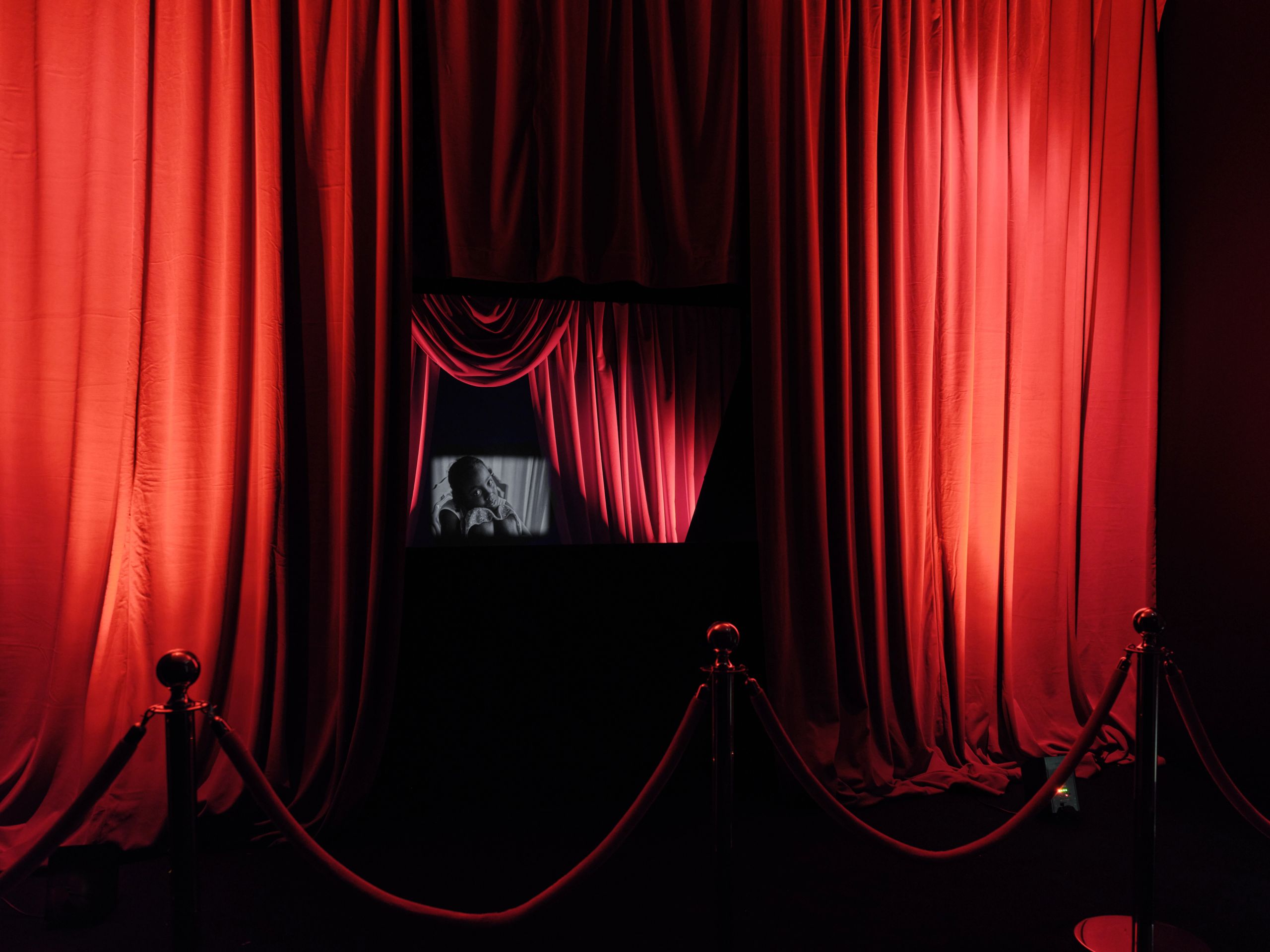
Carrie Mae Weems - The Heart of the Matter, FOMU Antwerpen, 20.03.26 – 23.08.26 © FOMU/We Document Art.
Carrie Mae Weems’ first retrospective in Belgium comprises more than 100 photographs and videos, including landmark works such as Museums (2006) and Kitchen Table Series (1990). Weems also created the series Preach (2024) for the exhibition, evincing the art and architecture of spirituality as transformative forms. In conversation with Weems, writer Amira Bongho Nouarra considers this meeting between the stabilizing tendency of a European museum and a practice in which visibility is continually on the move. A meticulous approach to positionality is central to The Heart of the Matter. The exhibition at FOMU Antwerp runs until 23 August 2026.
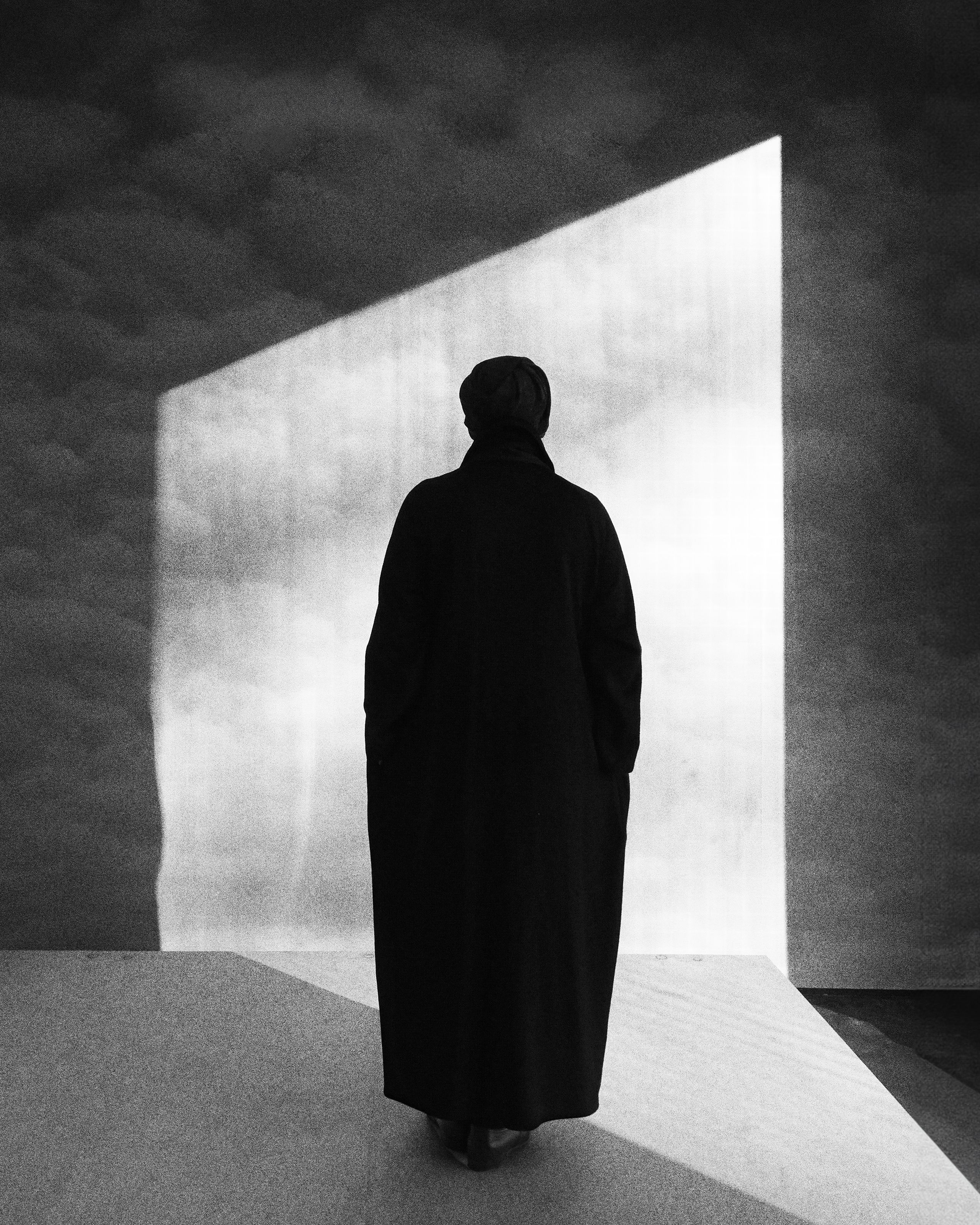
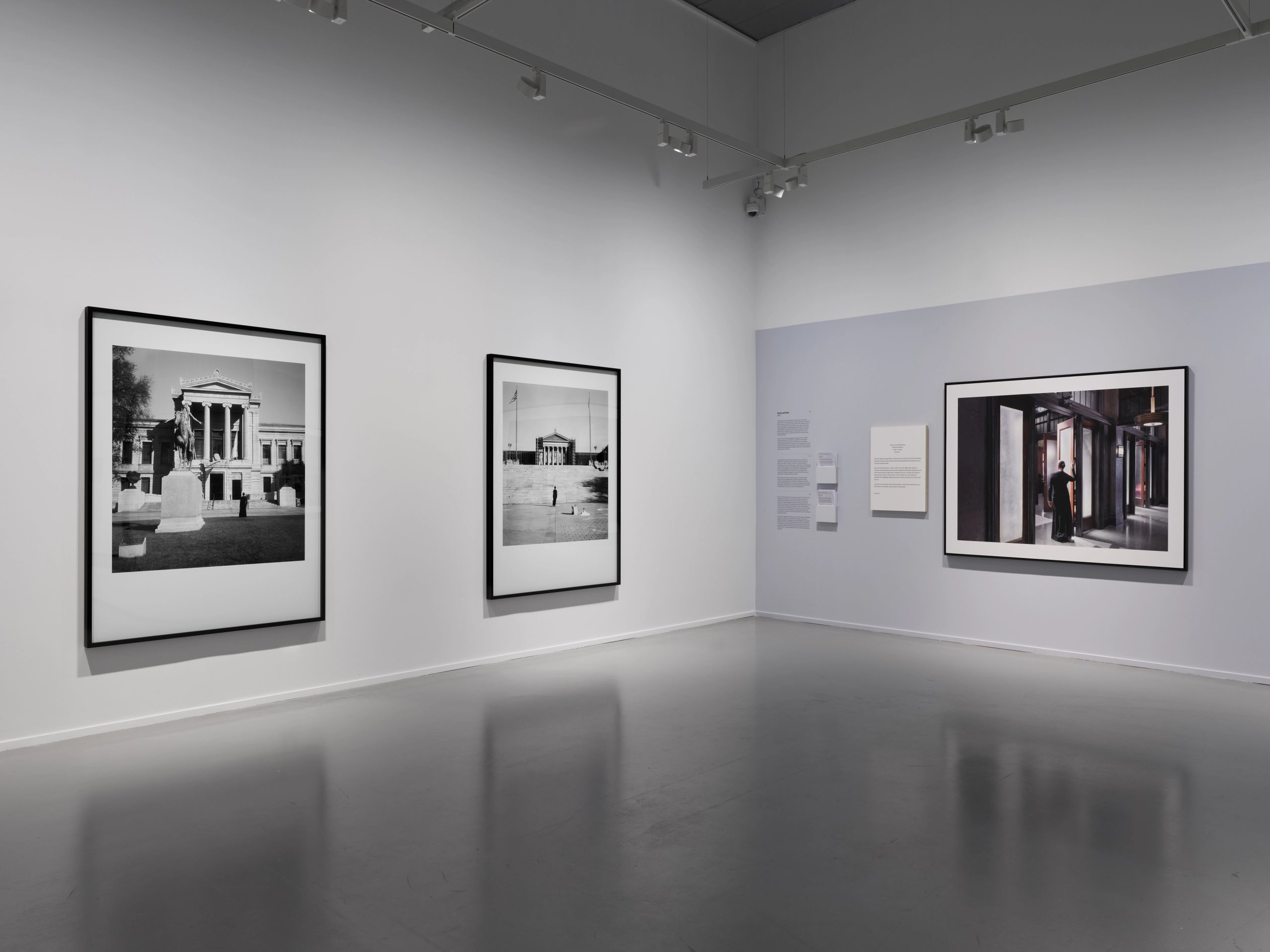
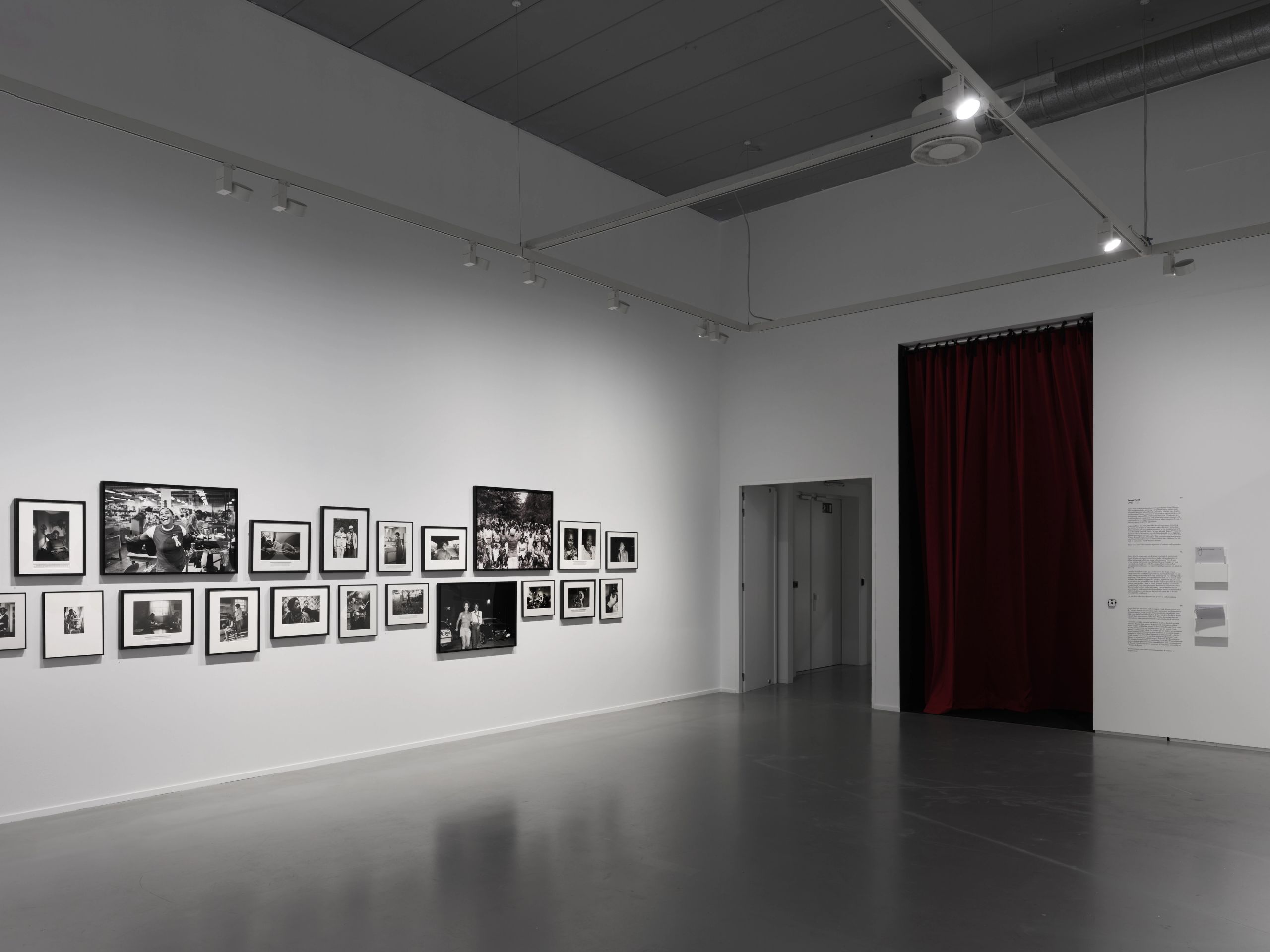
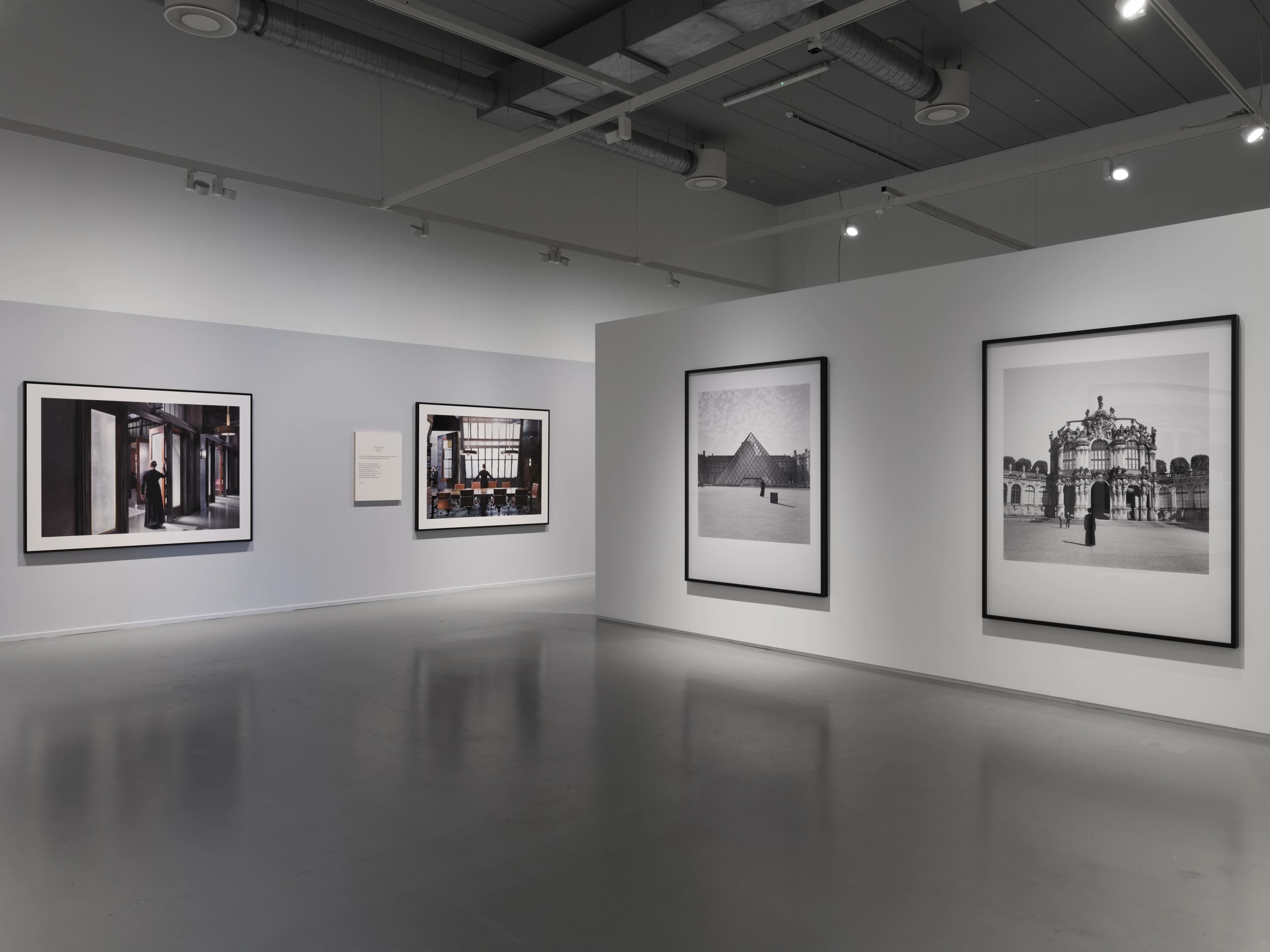
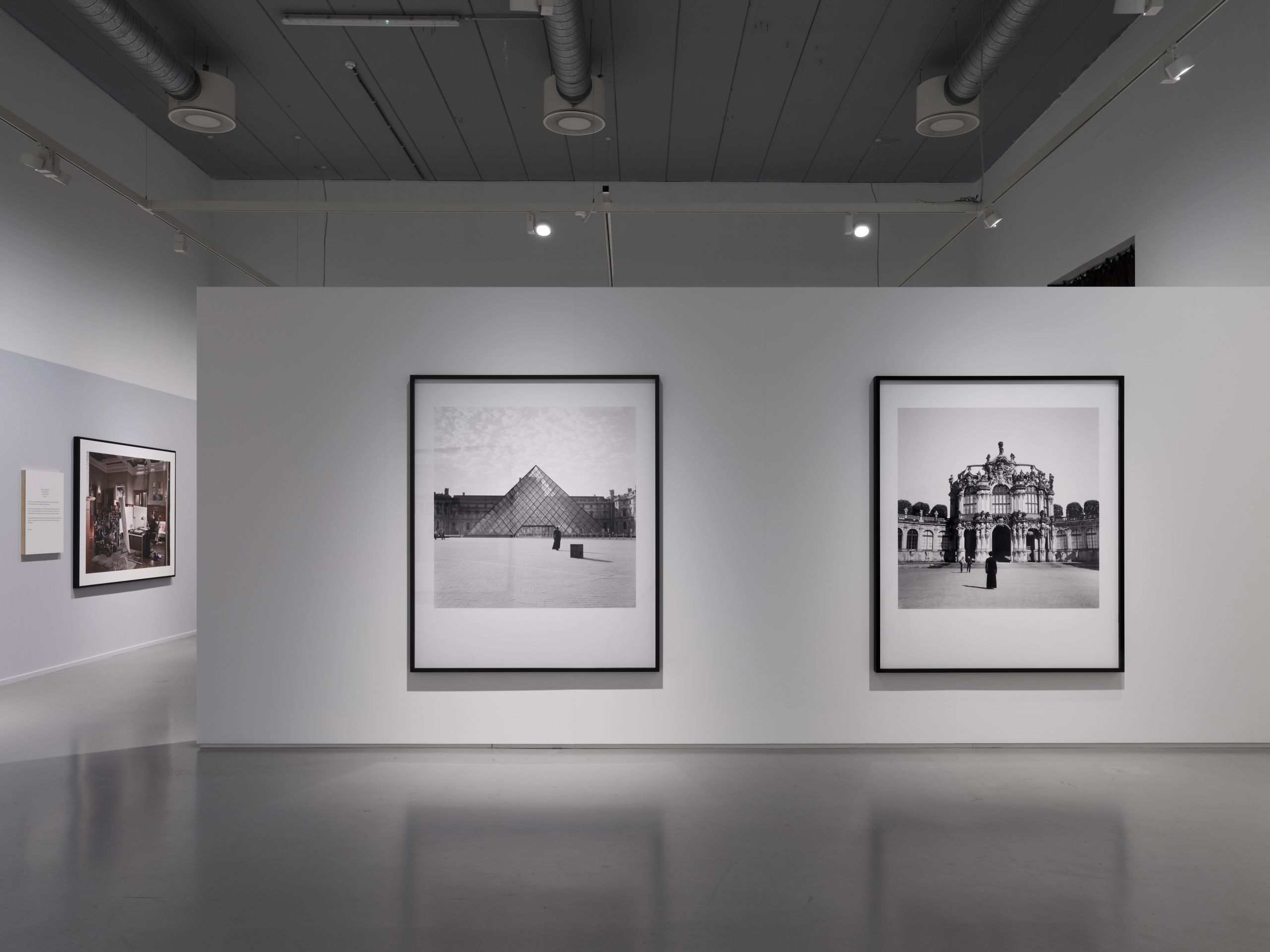
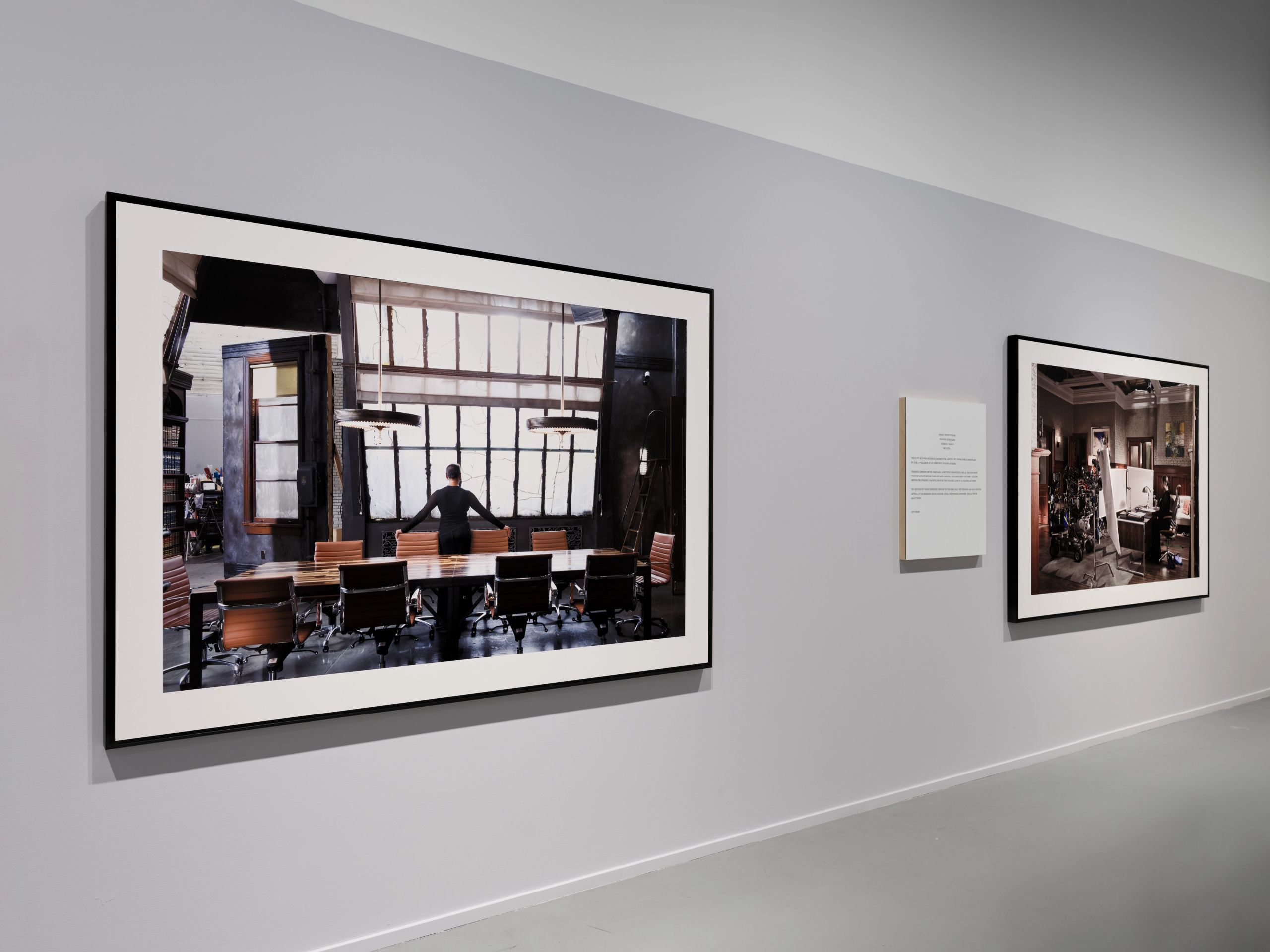
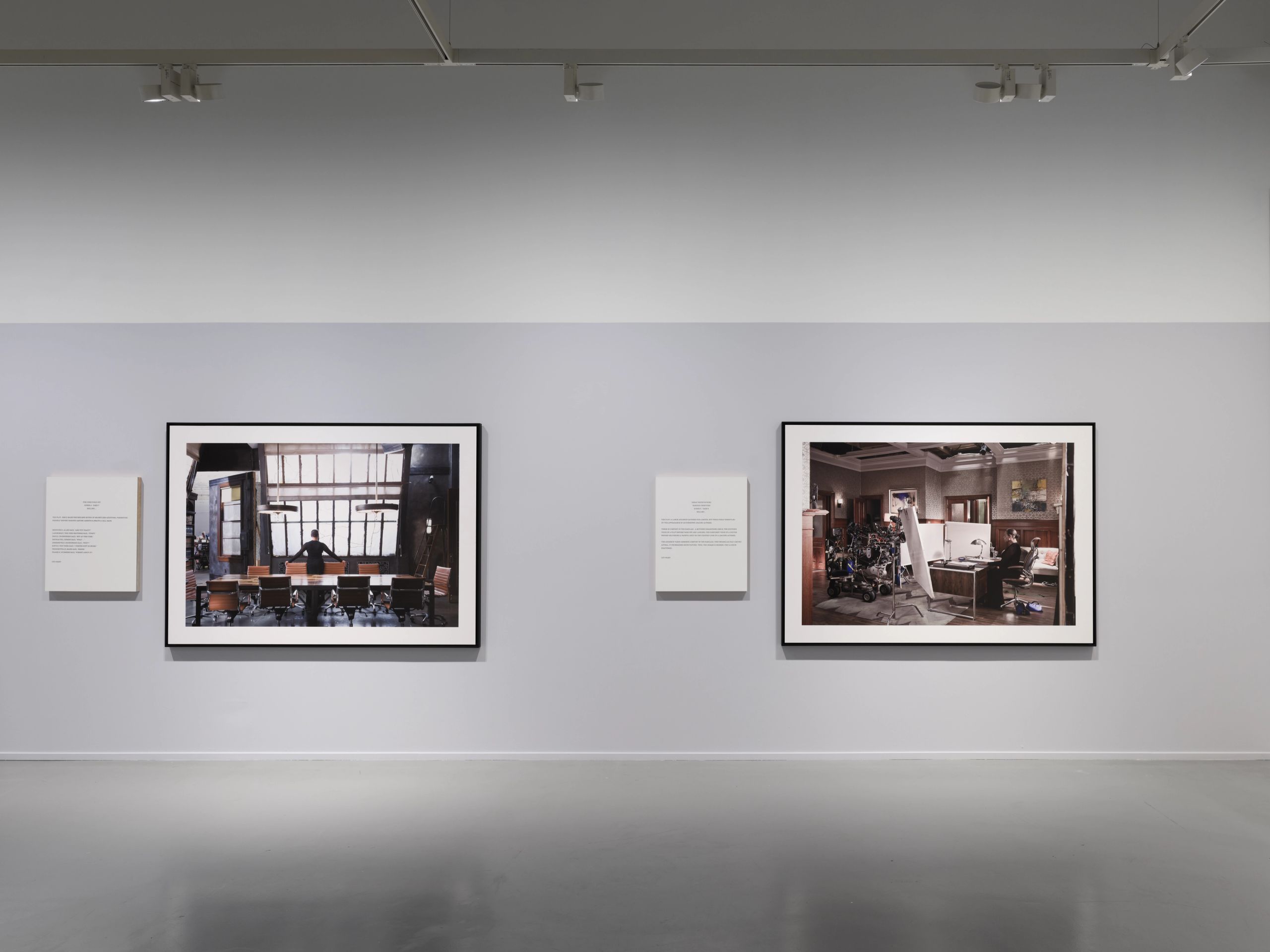
The opening image in the retrospective depicts Carrie Mae Weems before the Louvre Pyramid, slightly off-center, aligned with the glass edifice. In this series of photographs, titled Museums (2006), Weems stands facingmajor art institutions with her back to the camera. In Scenes and Takes (2016), Weems similarly stages herself within systems coded as authoritative—film sets, iconic architecture—without ever fully assimilating into them. Rather than monumentalizing, the images foreground her positioning in relation to these imposing cultural structures. What reads as a confrontation of sorts.
Weems describes to me the logic of image-making as her method: “It’s both conceptual and documentary. In order to get to other levels—spirituality that could not be simply held through the documentary process—I needed to construct the image. I needed to act out for myself a sense of groundedness.” The image does not record a reality but produces the conditions through which something otherwise inaccessible becomes visible. Likewise, the retrospective at Fotomuseum Antwerp (FOMU)—a photography museum shaped by shifting curatorial presentations and a historically uneven photographic canon—does not simply host Weems’ work but frames it within an institutional system that continually reorganizes how photographs are valued. In this setting, visibility is produced not only through the work, but through the museum’s own logic of display.
In order to get to other levels—spirituality that could not be simply held through the documentary process—I needed to construct the image. I needed to act out for myself a sense of groundedness.
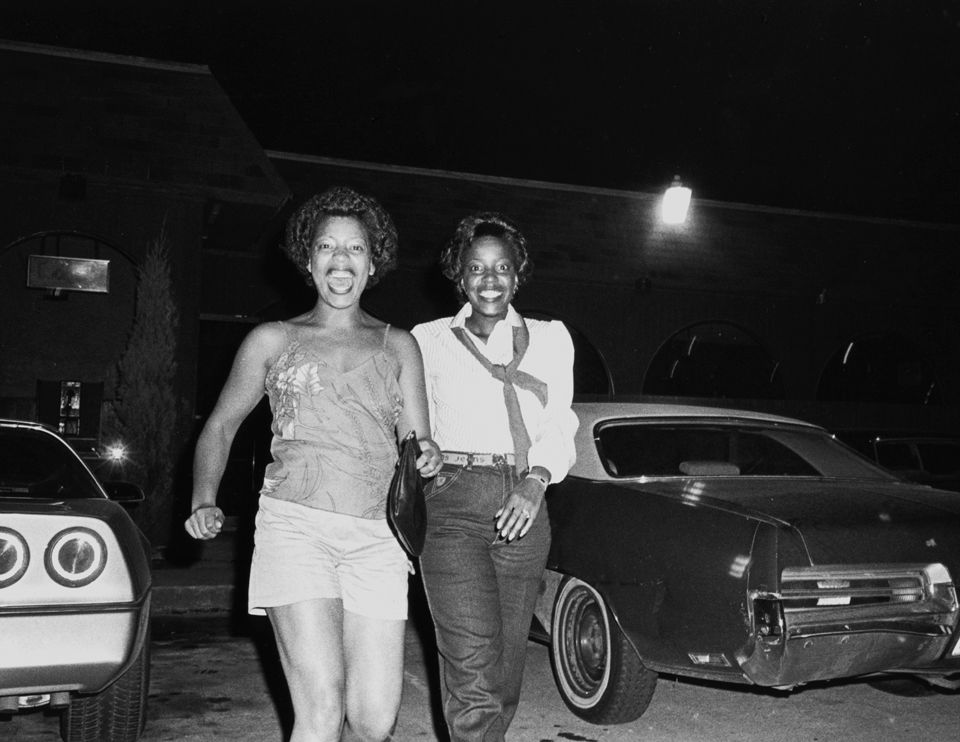
The works unfold at their own tempo. Large-scale prints and wide spacing allow space to breathe and hold the viewer at a distance, constantly adjusting their position, as if the exhibition is testing the boundaries between interpretation and consumption. In the museum context of FOMU, this rhythm becomes particularly noticeable as I move through the rooms: distance is both spatial and interpretative, as each series requires a different kind of attention. The works are organized in a coherent present—an attempt to stabilize what often resists stabilization in Weems’ practice. While it reveals recurring concerns of societal critique across decades of work, these concerns are continually reconfigured rather than resolved.
“You start to build connections in your own work,” she says. “It’s through living that you really begin to understand the nature of your work. It actually teaches you who you are. I think I’m going in one direction, but the work is telling me, no—you’re actually over here.” This suggests that neither the self nor the authorship are fixed. “The work does its work,” she adds at another point. “It is both a tool of cultural artistic expression and for social engagement by the very way in which the photographs are made and how they are positioned.”
Weems’ voice does not sit outside the work but moves through it, sometimes cutting across or interrupting interpretation. “We’ve bent the rules. We’ve reshaped the narrative by our very presence and by the very articulation of our voice. What matters is not opposition to an existing structure, but movement within it—a continuous reworking of how presence becomes legible.”
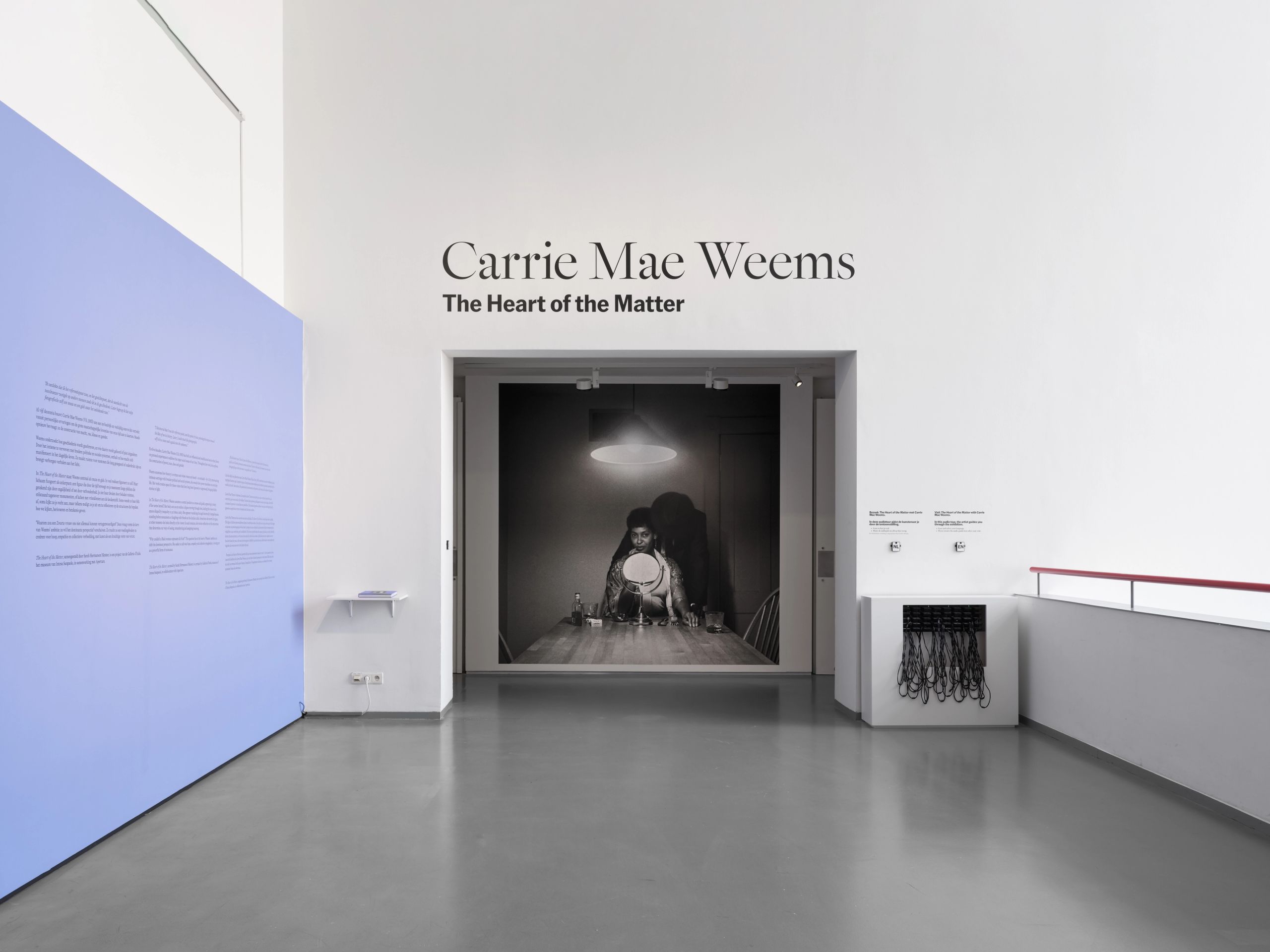
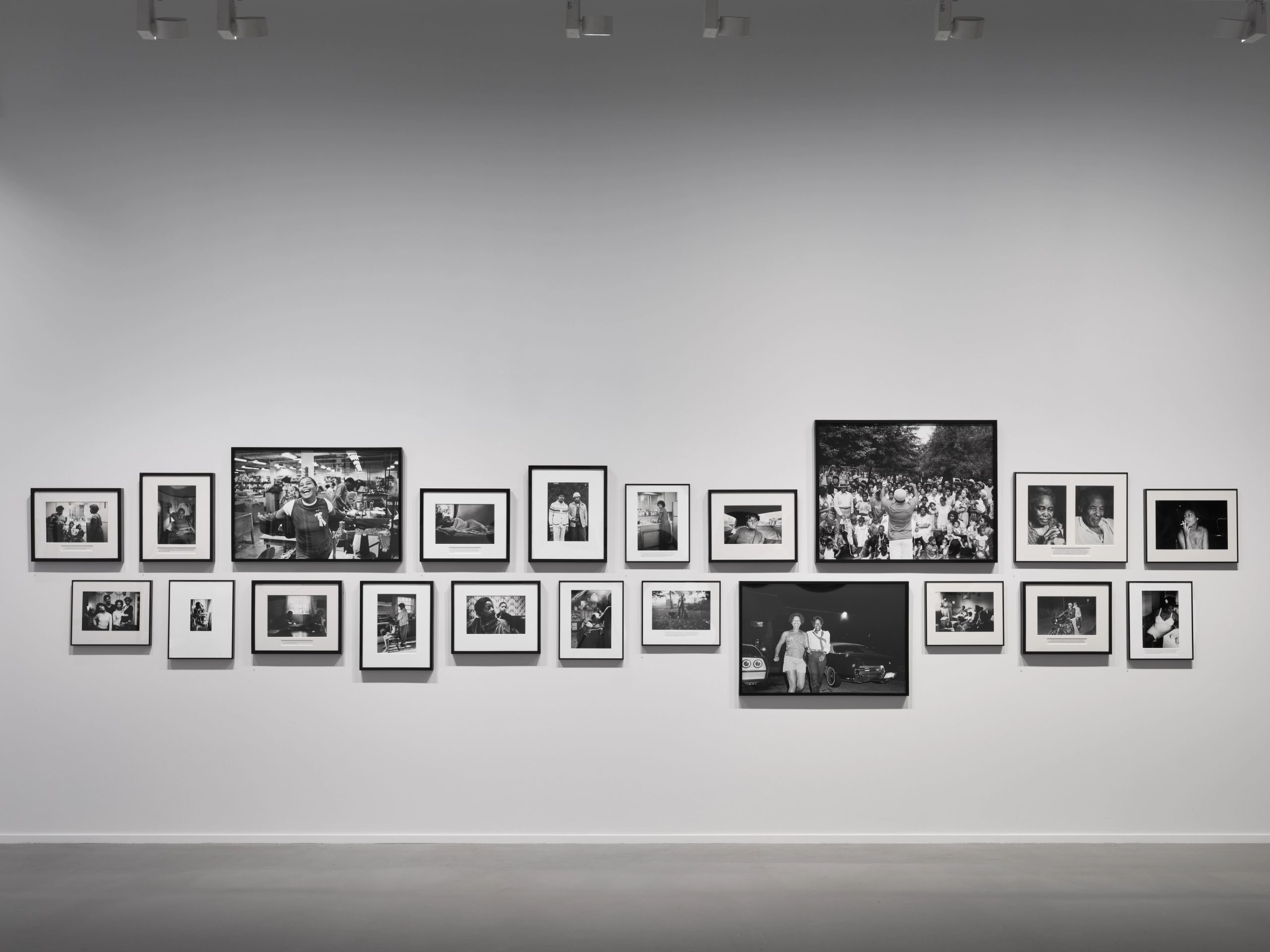
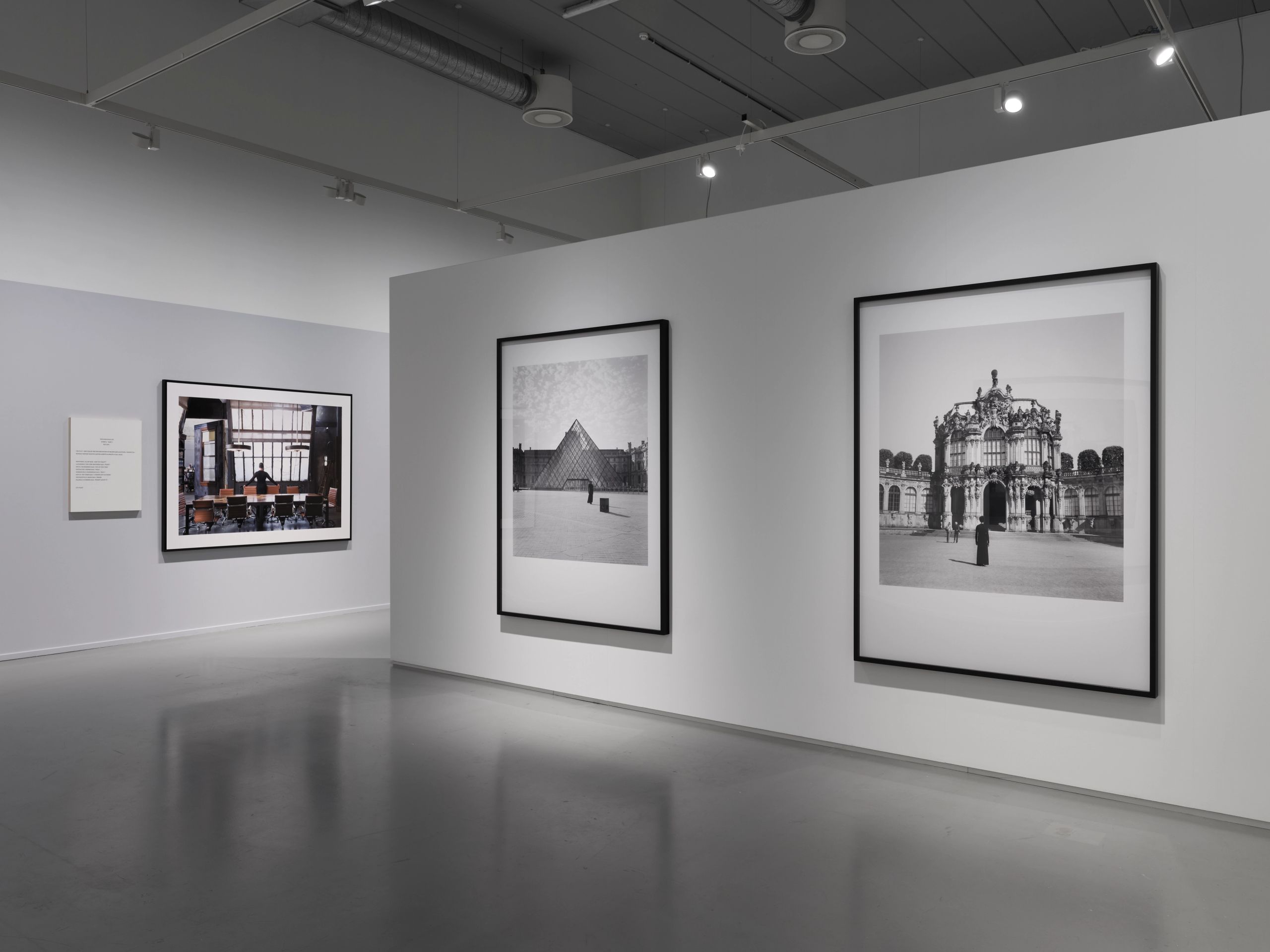
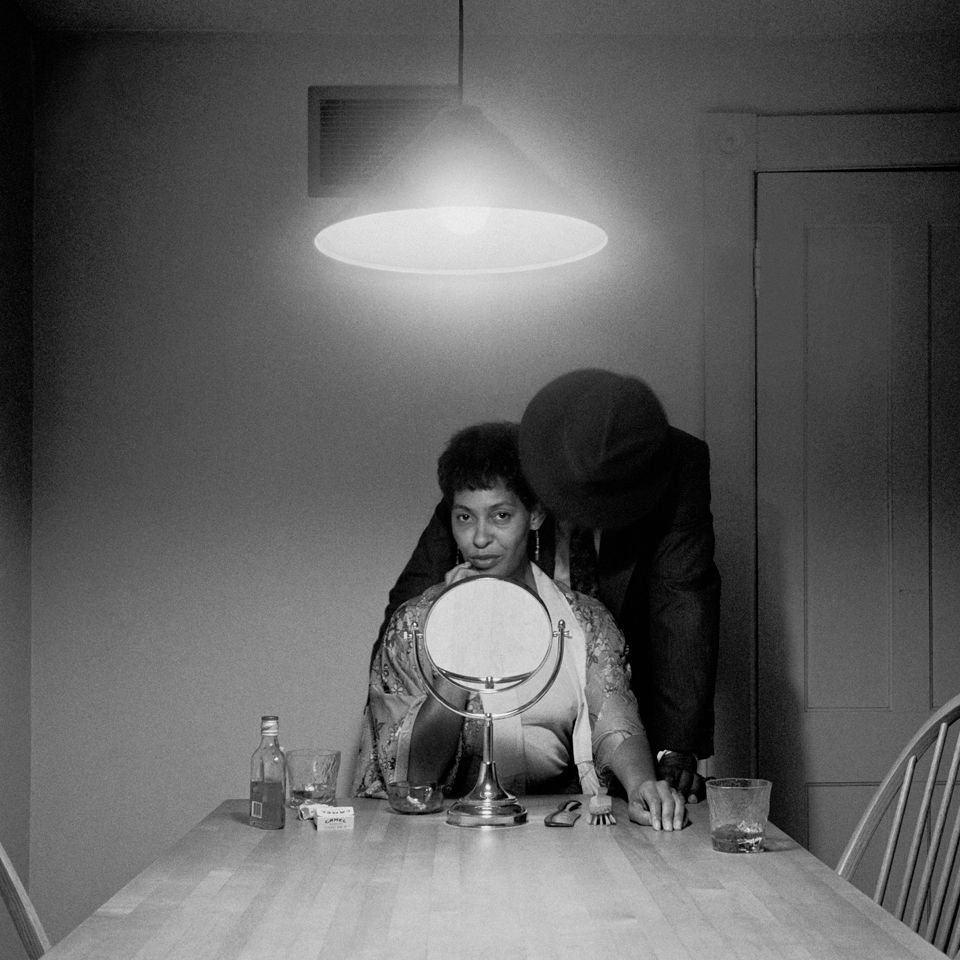
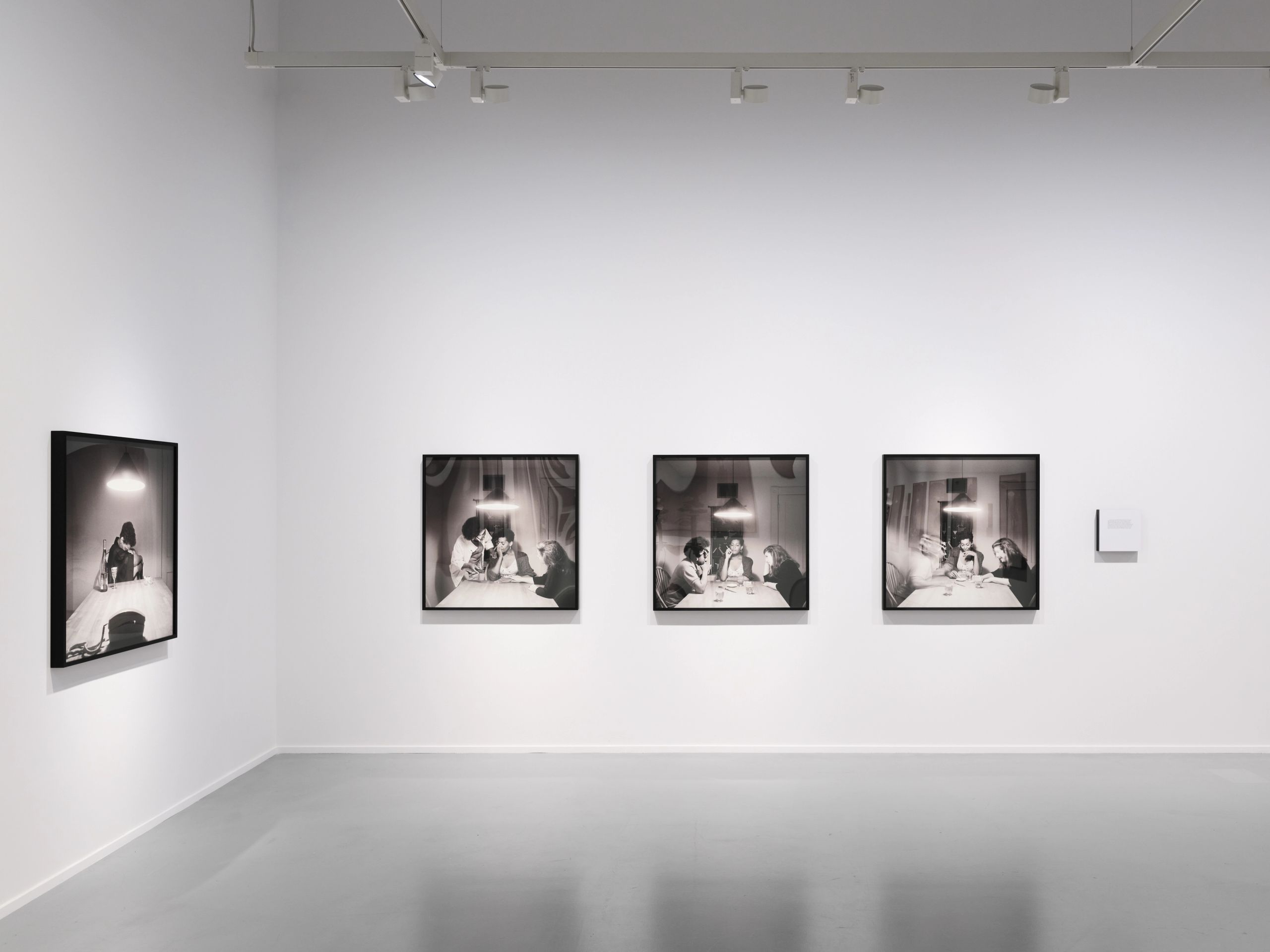
In Family Pictures and Stories (1981–82), nineteen captioned photographs of Black family life resemble album snapshots. The sitters appear in domestic or informal settings, no single image or subject visually privileged over others, producing a non-hierarchical presentation. The effect is not transparency, but displacement: in a European museum, this form of unmarked intimacy still registers as structurally unusual. The familiarity of these images—laughter, stillness, ordinary gestures—rarely occupies this scale within such institutions, where Black intimacy remains unevenly distributed and historically mediated. Similarly, in Kitchen Table Series (1990), domestic space becomes a stage for examining intimacy, gender, and power; drawing attention to questions of belonging and exclusion.
A darkened room interrupts. Here we see archival footage, sequences from the point of view of a person running, and Weems’ narration of her grandfather’s escape from racial violence in Arkansas. Images from the North Star series (2021) frame this installation, centered around the guiding light her grandfather followed to freedom, while the family photographs and historical documents bring personal and collective histories into dialogue.
Monumental red curtains and theatrical drawings create a shrine-like atmosphere that illuminates the story. Leave! Leave! Now! (2022) resists immediate comprehension. Darkness, sound, and overlapping images initially obscure orientation, encouraging viewers to move closer and spend time in the space. As Weems explains during our conversation, it “provides portals into understanding, into imagination, into action,” extending her grandfather’s unfinished pursuit of justice.
In Painting the Town (2021), boarded-up windows following protests become surfaces of censorship and public inscription. Slogans and phrases such as “No justice, no peace” and “I can’t breathe” reference contemporary anti-police resistance in the United States, particularly the Black Lives Matter movement, where such language circulates for purposes of both mourning and political demand.
Preach (2024) shifts attention between the visible to the vocal. Lilac-toned walls, unevenly hung frames, church façades, and recorded sound construct an environment organized less by what is seen than by what is spoken, heard, and addressed. “To preach is a verb,” Weems says. “It is about voicing and the power of voice… I don’t just talk. I preach.” Just as Weems’ work is not limited to representation but functions as social intervention, voice becomes material. Visibility is no longer confined to the image, but produced through sound, spatial arrangement, and collective address—extending the logic of inscription into vocal and spatial transmission.
“I’m always uncertain,” says Weems. “I never know for sure… but I am comfortable with failure. I’m willing to try it, release it, and, if needed, return to it again.”
I never know for sure… but I am comfortable with failure. I’m willing to try it, release it, and, if needed, return to it again.
What emerges is an ongoing set of propositions about how images, institutions, and viewers co-produce meaning. The retrospective gathers these propositions into one space while the work itself disperses them again. Visibility is constructed, negotiated, and continuously reorganized within the institutions that shape it. Weems’ works move between the monumental, the intimate, the abstract, and the sonic without stabilizing into a singular regime.
Sobre el autor
Amira Bongho Nouarra
Amira Bongho-Nouarra (b. 1999, Paris) is a multidisciplinary artist, filmmaker, and writer based in Antwerp. Her work engages with social, political, and environmental issues—both historical and contemporary—focusing on how they continue to structure present realities. She’s interested in the lived consequences of these themes: how systems of power are embodied, internalized, and reproduced.
Portia Zvavahera’s House of Praise
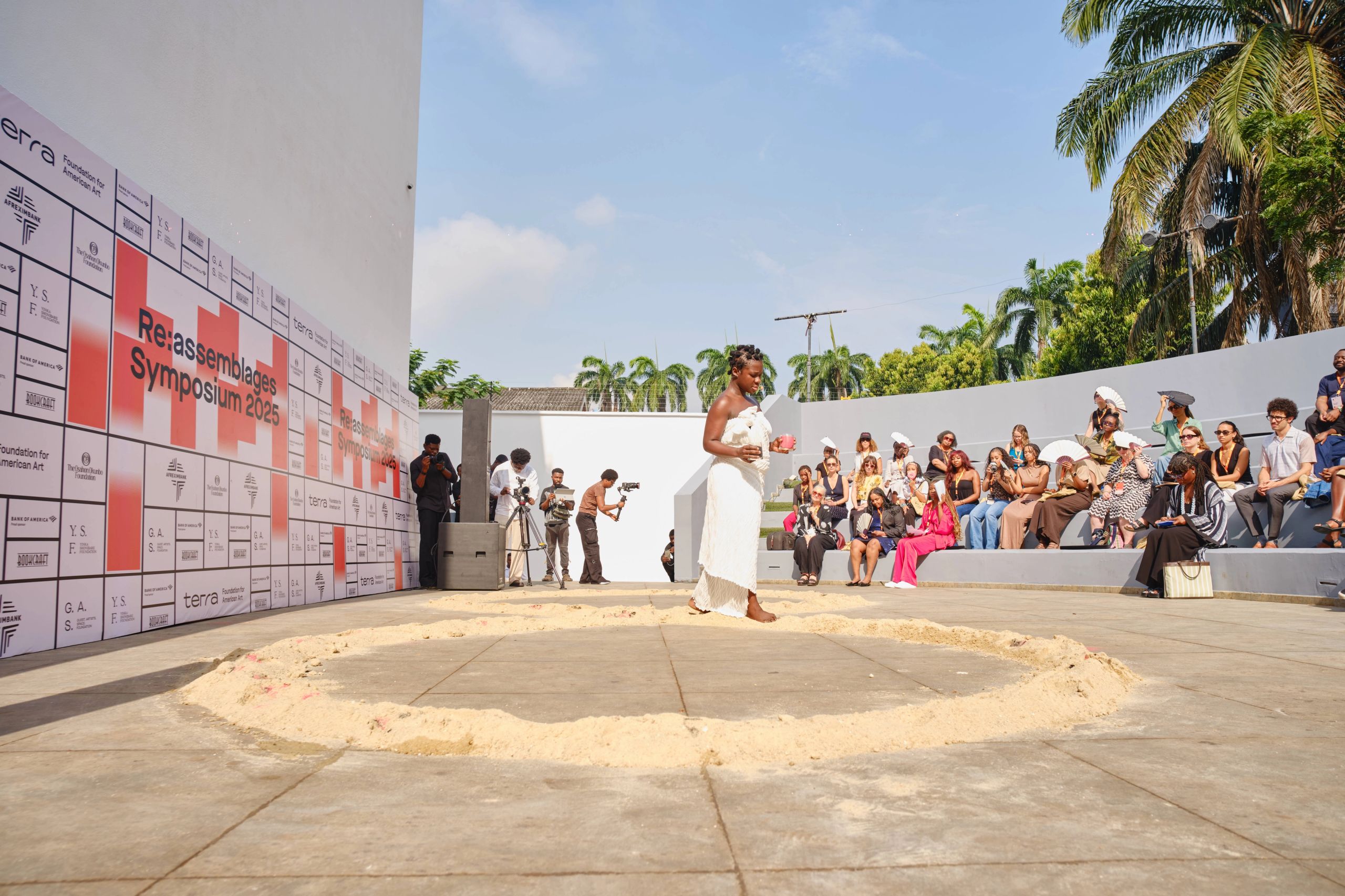
The Re:assemblages Symposium: How Might We Gather Differently?
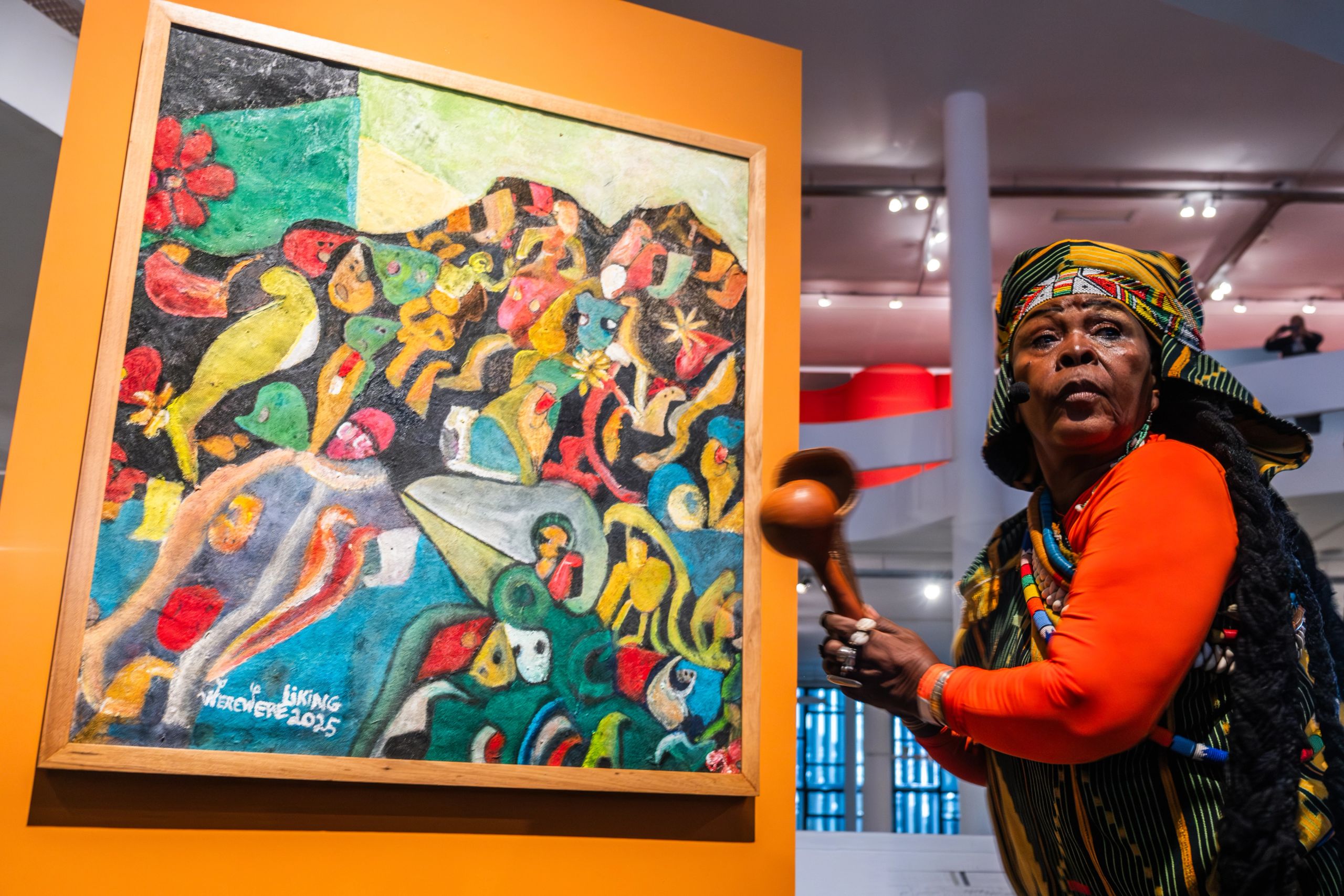
Werewere Liking: Of Spirit, Sound, and the Shape of Transmission
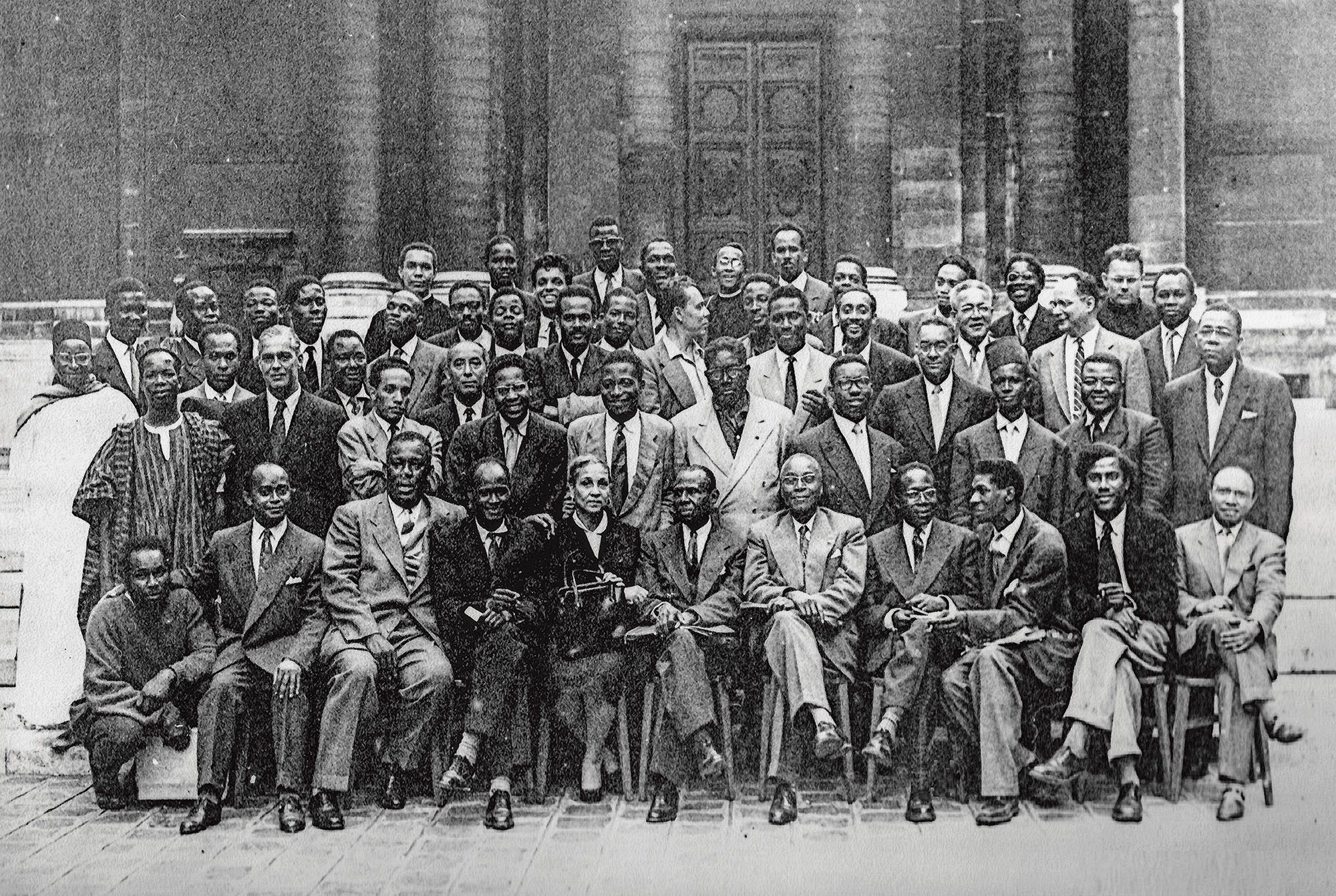
Paris Noir: Pan-African Surrealism, Abstraction and Figuration
Samson Mnisi: A Master Posthumously Receives His Due