Black Canadian Print Cultures: Of Quiet and Enduring Legacies

Video of BookArt, Anteism Books’ in-house bindery in Montréal.
Surveying the multilingual landscape of print and publishing cultures in Canada, writer Afi Venessa Appiah foregrounds redacted histories, from countercultural printing presses led by Black practitioners, to A.I. integrated tools developed by contemporary platforms like Anteism Books and Artexte.
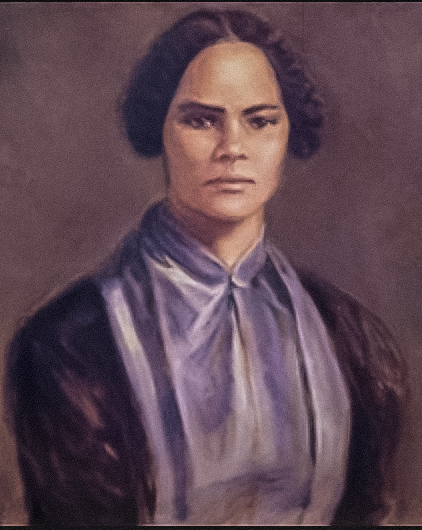
The first woman to publish in Turtle Island (North America) was a Black woman in Canada. Mary Ann Shadd Cary was an abolitionist, educator, and the force behind The Provincial Freeman, a weekly newspaper that served Black communities across the continent in the 1850s. After resettling in southern Ontario, her family was deeply involved in the Underground Railroad and assisted those fleeing enslavement in the United States. Yet, Shadd Cary remains largely absent from dominant narratives of media and literature. Her legacy, like much of Black Canadian print history, resides in the margins: obscure, yet enduring.
We have made but a little progress considering our resolves… We should do more and talk less.
Independent publishing in the so-called True North — a colloquialism for Canada— dates back to news magazines of the 1910s and literary experiments of the 1930s and ‘40s; but it was the rise of countercultural printing presses of the ‘60s and ‘70s that catalyzed a full-fledged movement, propelled by postwar growth, the celebrations of Expo67, increased arts funding, and multicultural awareness. Small presses proliferated as arenas for experimentation, marginal voice, avant-garde poetics, and political critique. In Québec, the Quiet Revolution reshaped language politics and the implementation of a Ministry of Culture motivated new literary voices. These magazines and presses embraced DIY and affordable production methods (mimeograph, letterpress, offset, xerography). They survived from volunteer labor, collective editing, and irregular publishing rhythms. These presses bravely pushed back against state funding or institutional expectations, preferring autonomy and marginality.

Within a multilingual landscape, English and French publications operated in parallel; sometimes in tension, other times in dialogue. Beyond these dominant colonial languages, Indigenous publishing and oral traditions challenged the very notion and boundaries of print. From Anishinaabe, Cree and Mi’kmaq community newsletters to Inuit-run presses like Inuit Today (est. 1959) and Inukshuk (est. 1973), publishing extended into acts of sovereignty and cultural reclamation. Across these intertwined linguistic and cultural terrains, translation (or its refusal) resituates “Canadian” publishing as a polyphonic terrain, giving rise to small presses and collective publications.
Presses like TISH (est. 1961, Vancouver) as a touchstone of avant-garde poetry, grOnk(est.1967) exploring experimental print; Descant (est. 1970, Toronto) a mimeographed magazine; and Fireweed (est. 1978) a feminist quarterly. Countercultural magazines like Georgia Straight (est. 1967, Vancouver) and its francophone counterparts Logos (1967–1973) and Le Voyage (1968) shaped print’s political-aesthetic landscape in Québec. In the province of Nova Scotia, Black-owned papers like The Atlantic Advocate (est. 1915) carried local and diasporic concerns. In Ontario, publishing initiatives emerged from churches, community centres, and political hubs. In Québec, titles like Uhuru and The Black Voice “made critical contributions to the social development and quality of life of Black Montrealers and Canadians at a crucial stage in the community’s evolution,” as noted in David Austin’s Fear of a Black Nation: Race, Sex, and Security in Sixties Montreal (2013).
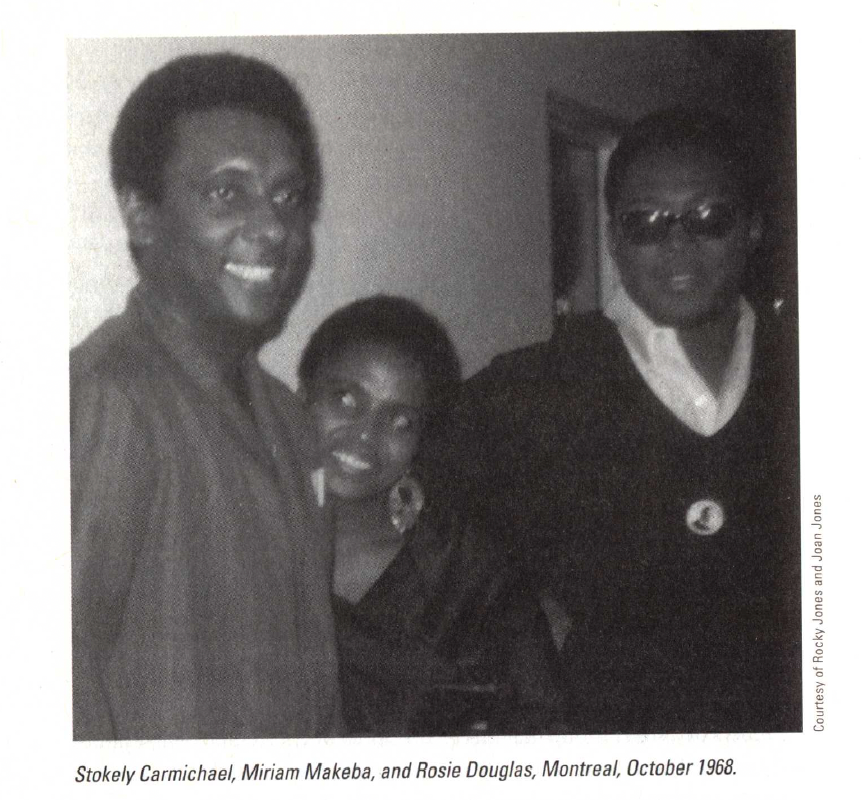
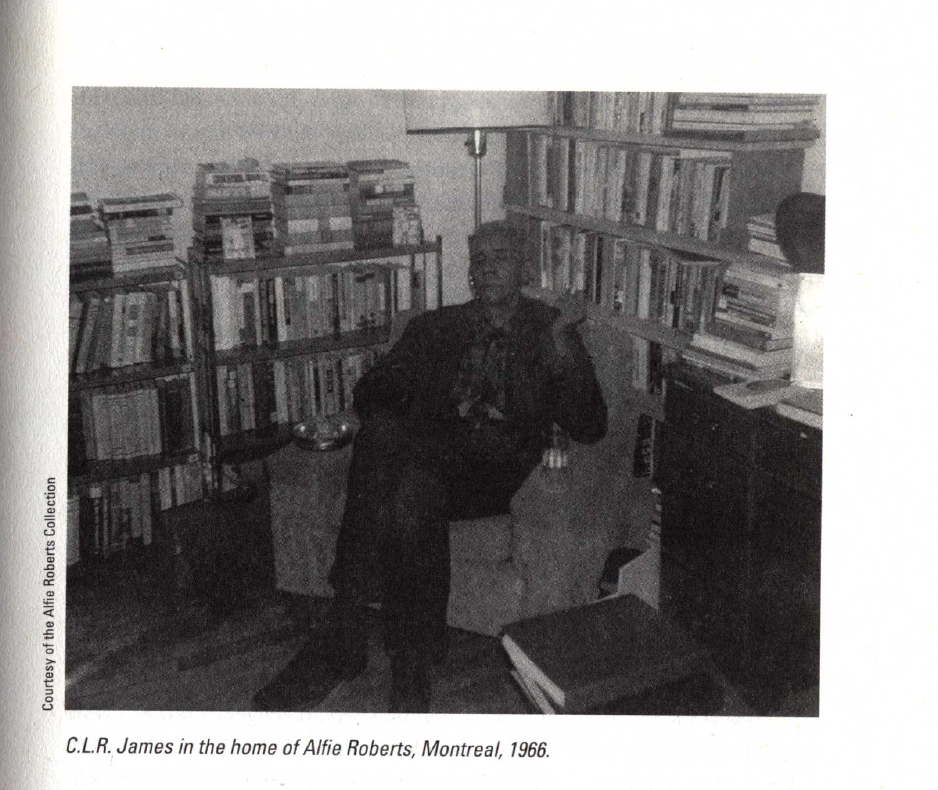
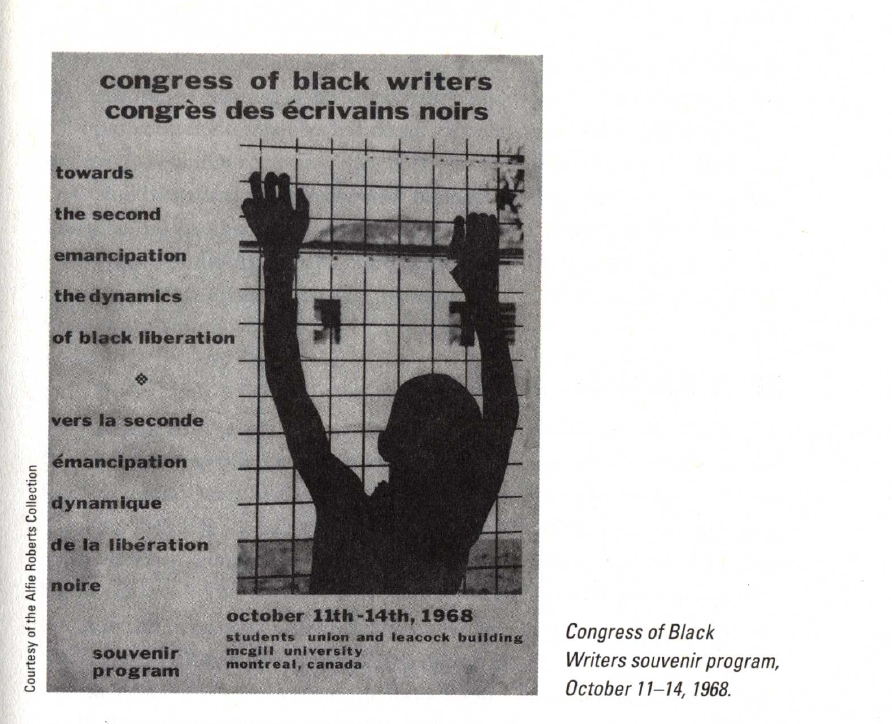
Montreal was a node of Black internationalist thought, and publishing became a tool for organizing. Figures such as Stokely Carmichael, Miriam Makeba, C.L.R James, and Walter Rodney contributed to this ecosystem through letters, speeches, and shared ideological frameworks. Newspapers, pamphlets, and newsletters circulated radical theory and calls to action. Uhuru (est. 1969), produced by the Black Writers’ Congress and the Montreal-based Conference Committee on Black Power, served as a lifeline across neighborhoods and borders. These publications functioned as fugitive infrastructures and vital public spheres, sustaining diasporic connection confronted by surveillance, censorship, and institutional neglect.
This elusive approach to infrastructure echoes within my practice as a theorist and book practitioner today, working with Anteism Books (est. 2004). Founded by Vancouver-natives Harley Smart and Ryan Thompson with its own bindery called BookArt, Anteism Books bridges traditional bookmaking with experimental technologies. It has produced artist books and catalogues for prominent Canadian-related artists Sougwen Chung, ibiyanε, Gab Bois, the Sanchez Brothers as well as global names like Solange Knowles, Toyin Ojih Odutola, Refik Anadol, and Matthew Hansel. These books foreground tactility and conceptual care: from paper weight to binding style, from pacing of image and text to circulation routes. Anteism Books publishes slowly, produces locally, and stays outside mass distribution.
My apprenticeships in this environment led to founding my own imprint, Afi. What began as a refusal to let my research gather dust behind passworded portals and the Library & Archives of Canada, became Emblematic Elusions: Eros in African Cinema – a chapbook series now circulating across North America and Europe. In this, publishing is a vessel for knowledge-production all in a choreography of relation. Despite post-pandemic global paper shortages, rising tariffs increasing precarity for small presses, the choice to remain tactile is a form of resistance to disappearance, to speed, to disposability.
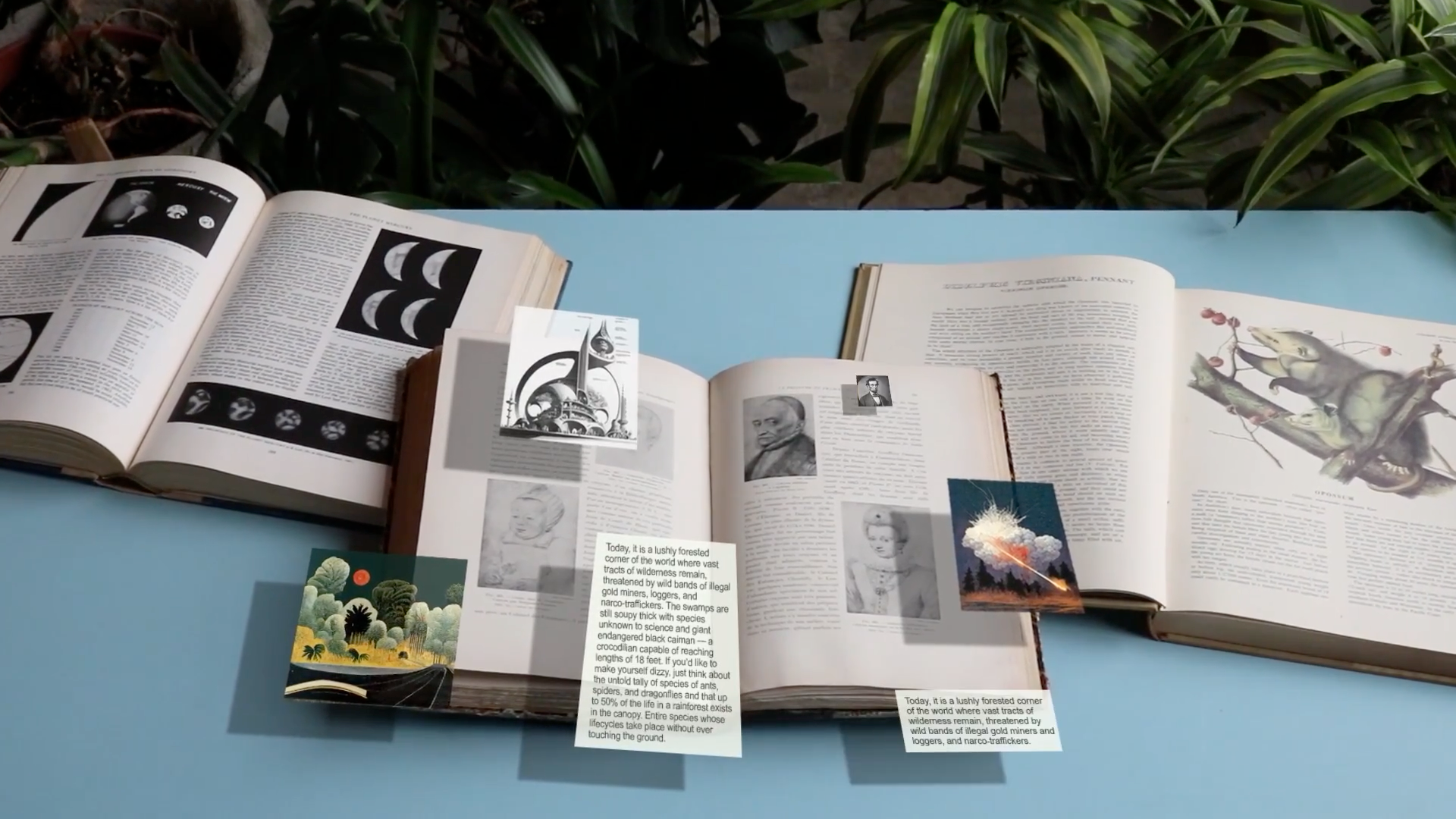
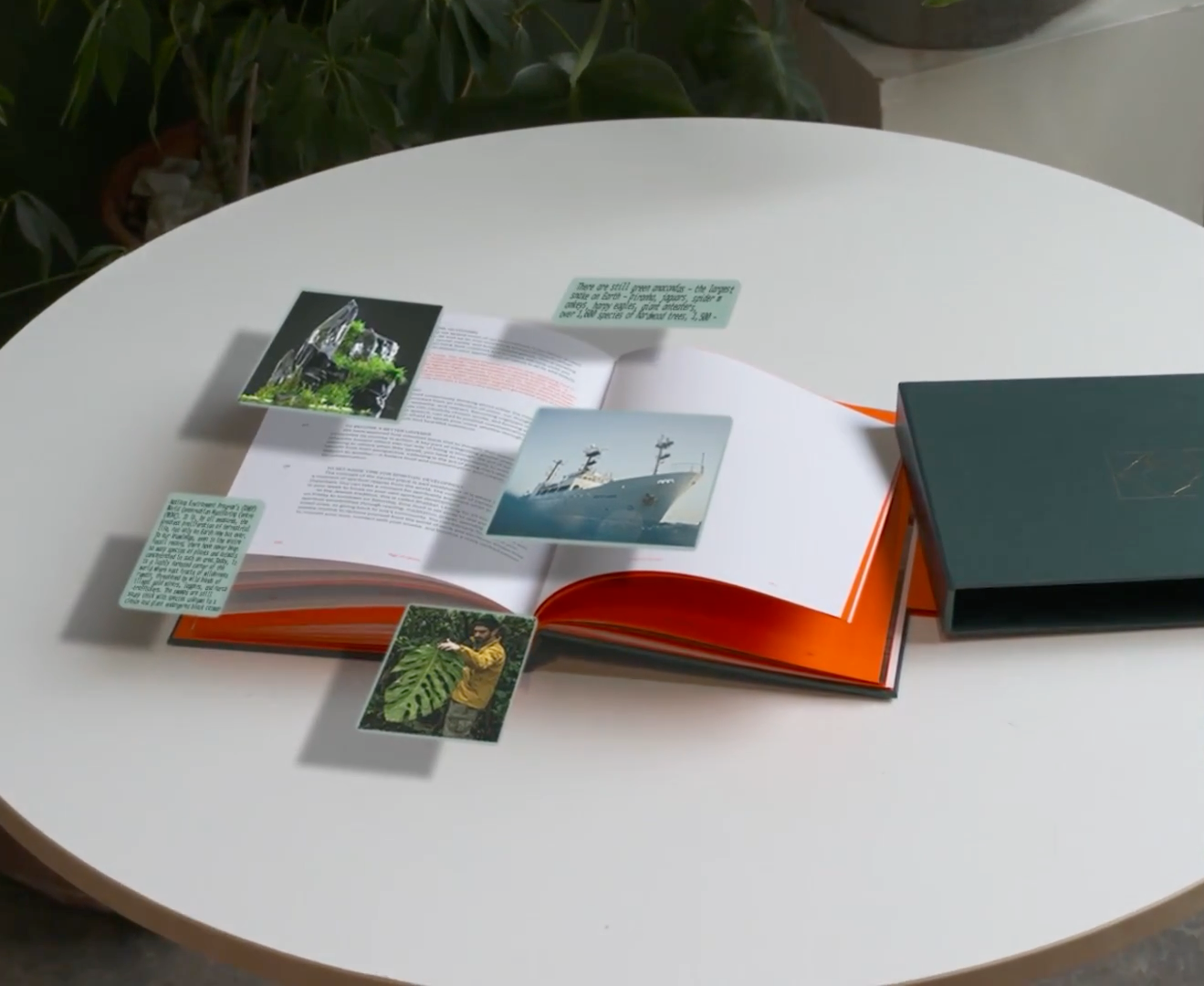
As we look toward the future of publishing in Canada, technological innovations like the Marginalia (est. 2021) mobile reading app adapt to our era of visual hypersaturation to redefine the possibilities of reading, archiving, and accessibility. Developed by Anteism Books and tested within Canadian artbook archive Artexte, this app harnesses generative A.I. to create layered and interactive engagements with printed matter. This development is informed by Harley Smart’s MA thesis in Design and Computation Arts that reflects on machine intelligence, augmented reality (AR) and their effects on contemporary art practices, notably bookmaking. Its speculative infrastructure links the traditional craft with digital annotation and community dialogue.
Founded in 1980, Artexte is a living interlocutor of print histories, and has amassed over 30,000 documents catalogues, artist books, periodicals, pamphlets, and ephemera, documenting visual arts practices in Canada, and distinctively Québec, from the mid‑1960s onward. Its digital arm, e‑Artexte, allows publishers and artists to self‑archive, preserving fringe works that might otherwise vanish. This includes small editions, fringe publications, and community pamphlets that are central to Black Canadian publishing. Artexte Éditions supports both preservation and re-publication. Recent projects like Buseje Bailey’s reasons why we have to disappear every once in a while (2024) demonstrate how Black Canadian print legacies are being activated from dormant holdings. Artexte’s holdings bridge memory and access, while also exposing gaps: titles never deposited, never catalogued, never recognized. Antesim Books and Artexte’s partnership exemplifies the interdependence necessary for publishing to remain transformative, generative and viable. Such experiments—at the intersection of art, technology, and memory—ensure that the future of Canadian publishing continues to take shape.
There is sustained research, community-building and innovation in the Black publishing ecosystem today. Research projects like Dr. Kristin Moriah’s Black Self-Publishing in Canada (2024) in Queen’s University aims to trace histories of self-published books by Black authors, while bilingual art-book fairs like Volume MTL (est. 2018) provide critical gathering spaces for experimental publishing across national and linguistic borders. From Mary Ann Shadd Cary’s radical newspaper to the quiet insistence of artist books and AI-augmented archives, publishing in Canada imagines and produces platforms where voices resurface, ephemeral gestures are preserved, and the intimate becomes infrastructural. It is within the margins where the embodied spirit of possibility dwells.
Sobre el autor
Afi Venessa Appiah
Afi Venessa Appiah is a theorist, editor, and publisher specializing in African Studies, Film Studies, and Visual Culture. Currently pursuing a PhD in Cinema Studies at NYU Tisch, she holds a Master of Arts in Film Studies with a specialization in African Studies, as well as a double Bachelor of Arts in both disciplines from Carleton University. Afi's contemplative approach finds objective significance in the realms of the intangible, complex, and taboo.