Artist-Led Organizations in Focus At The 61st Venice Art Biennale
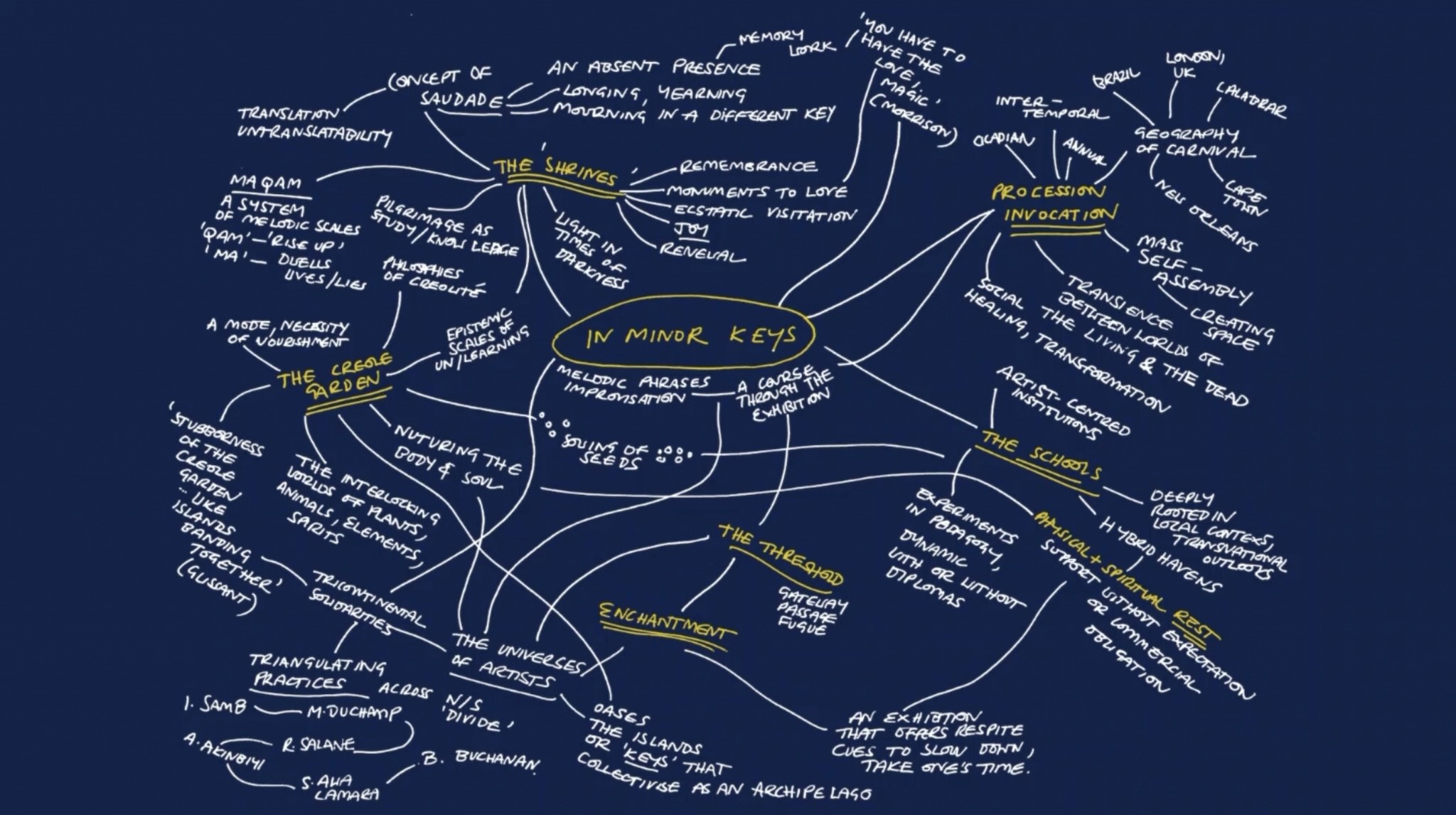
Image courtesy of La Biennale Di Venezia.
Titled In Minor Keys, the exhibition brings together 105 artists and six artist-led organizations across the Giardini, the Arsenale, and multiple sites throughout Venice. Pre-opening days run from 6 to 8 May, with the official inauguration and awards ceremony on 9 May 2026.
The exhibition invites visitors into immersive spaces of reflection, relationality, and collective care. It unfolds through guiding “conceptual motifs” — compositional structures distilled from artistic practice itself. Among them are Shrines, Procession, Rest, and Schools. Together they operate as tonal registers rather than categories, shaping the visitor’s experience through shifts in rhythm, density and attention.
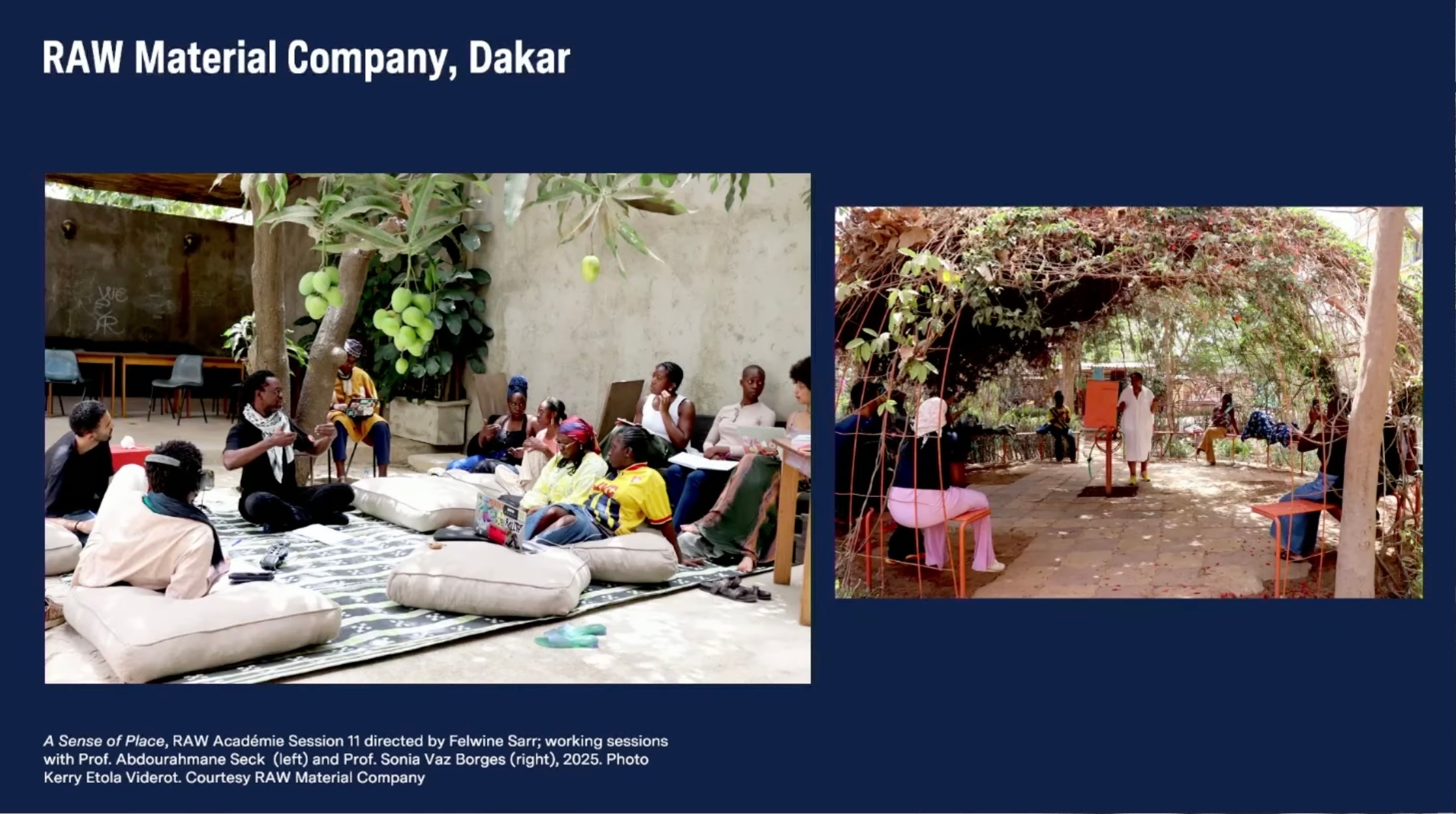
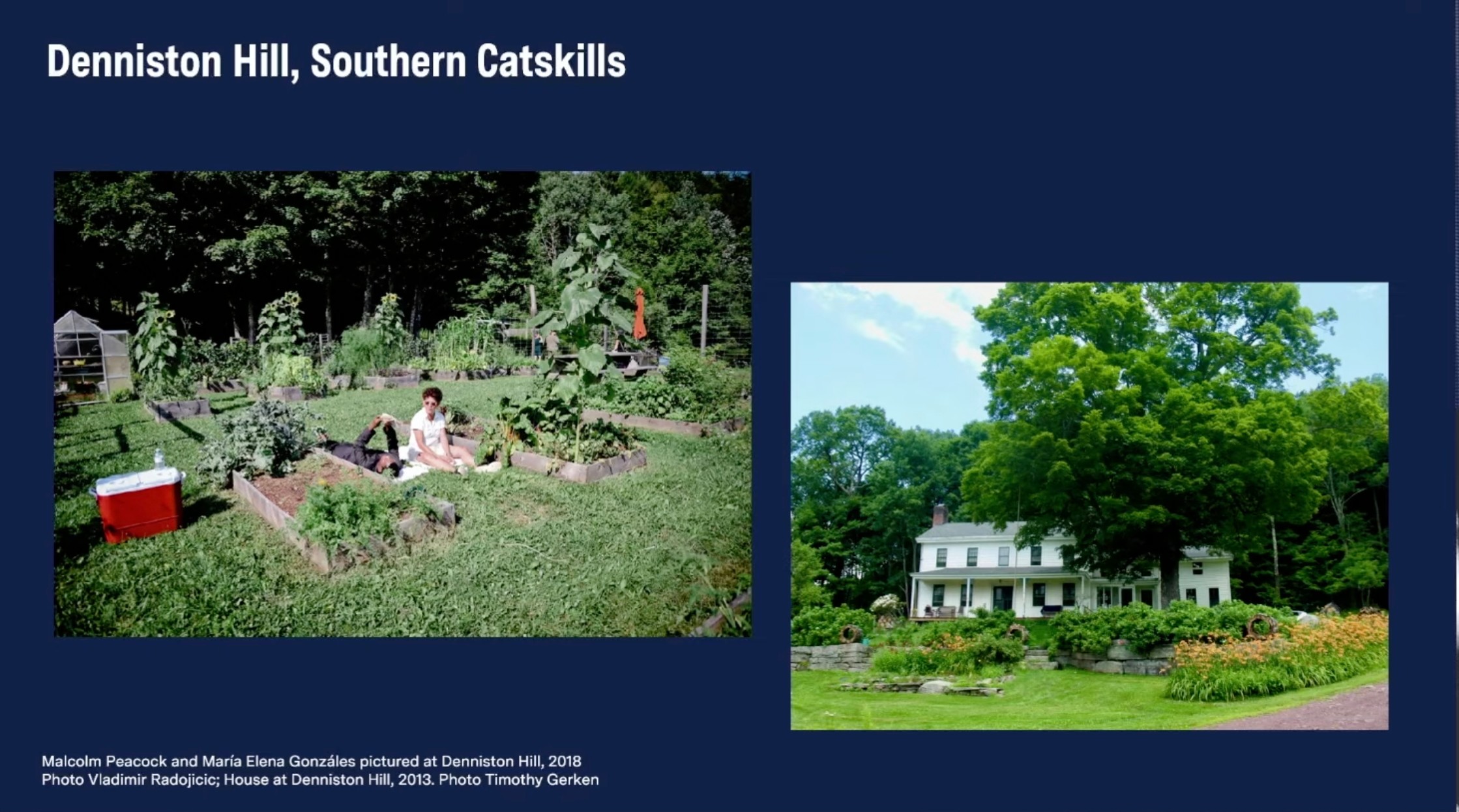
The list of 111 participants includes 105 individual artists and collectives, spanning generations and six artist-led organisations. A defining gesture of In Minor Keys is the integration of artist-led organisations who form Schools: RAW Material Company in Senegal; Guest Artists Space (G.A.S) Foundation in Nigeria; and Nairobi Contemporary Art Institute in Kenya, blaxTARLINES KUMASI in Ghana, lugar a dudas in Columbia, and Denniston Hill in the United States.
Within the exhibition, the Schools function simultaneously as subject, structure and methodology, foregrounding forms of knowledge production that resist market imperatives and national categorisation, privileging shared learning and collective sustainability.
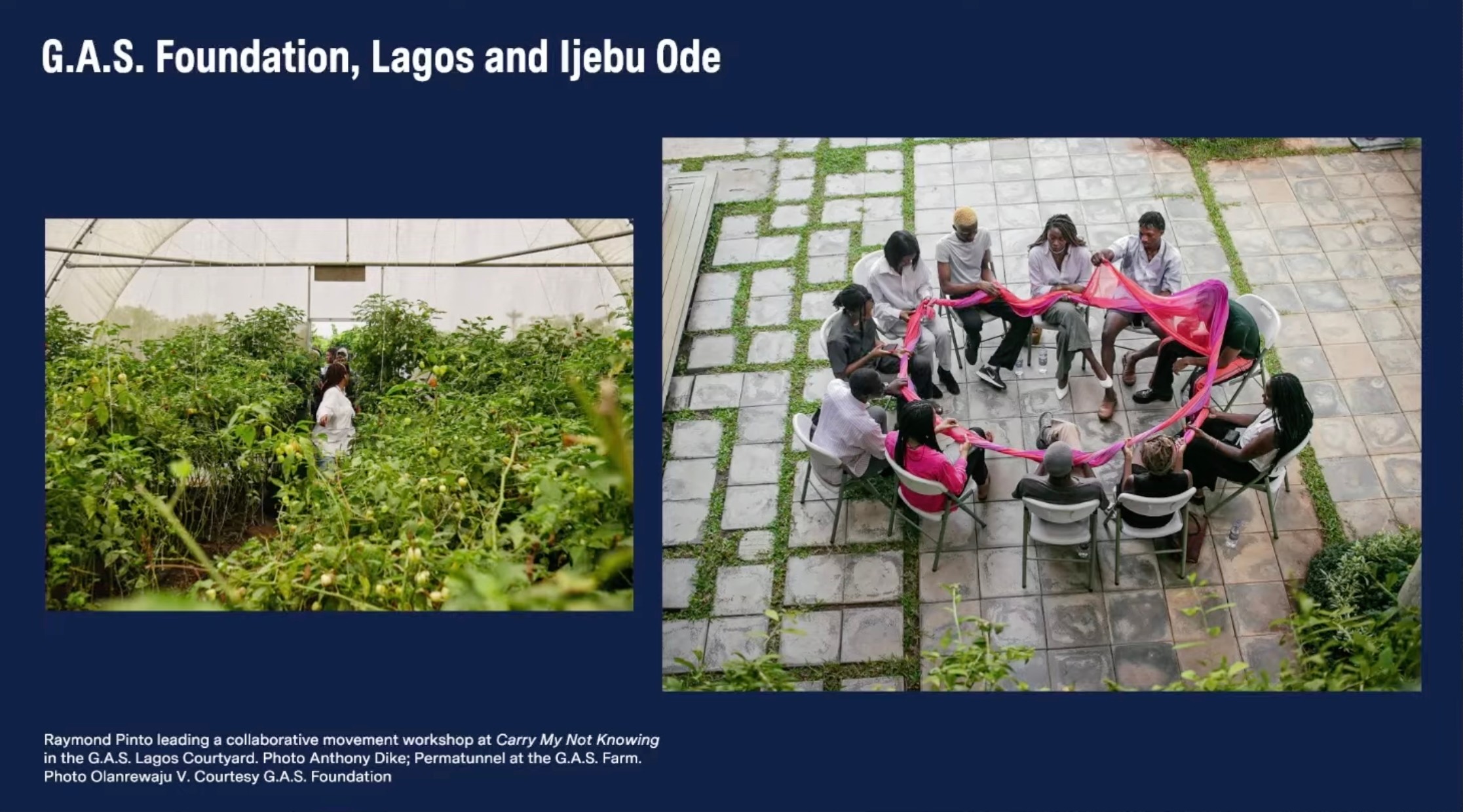
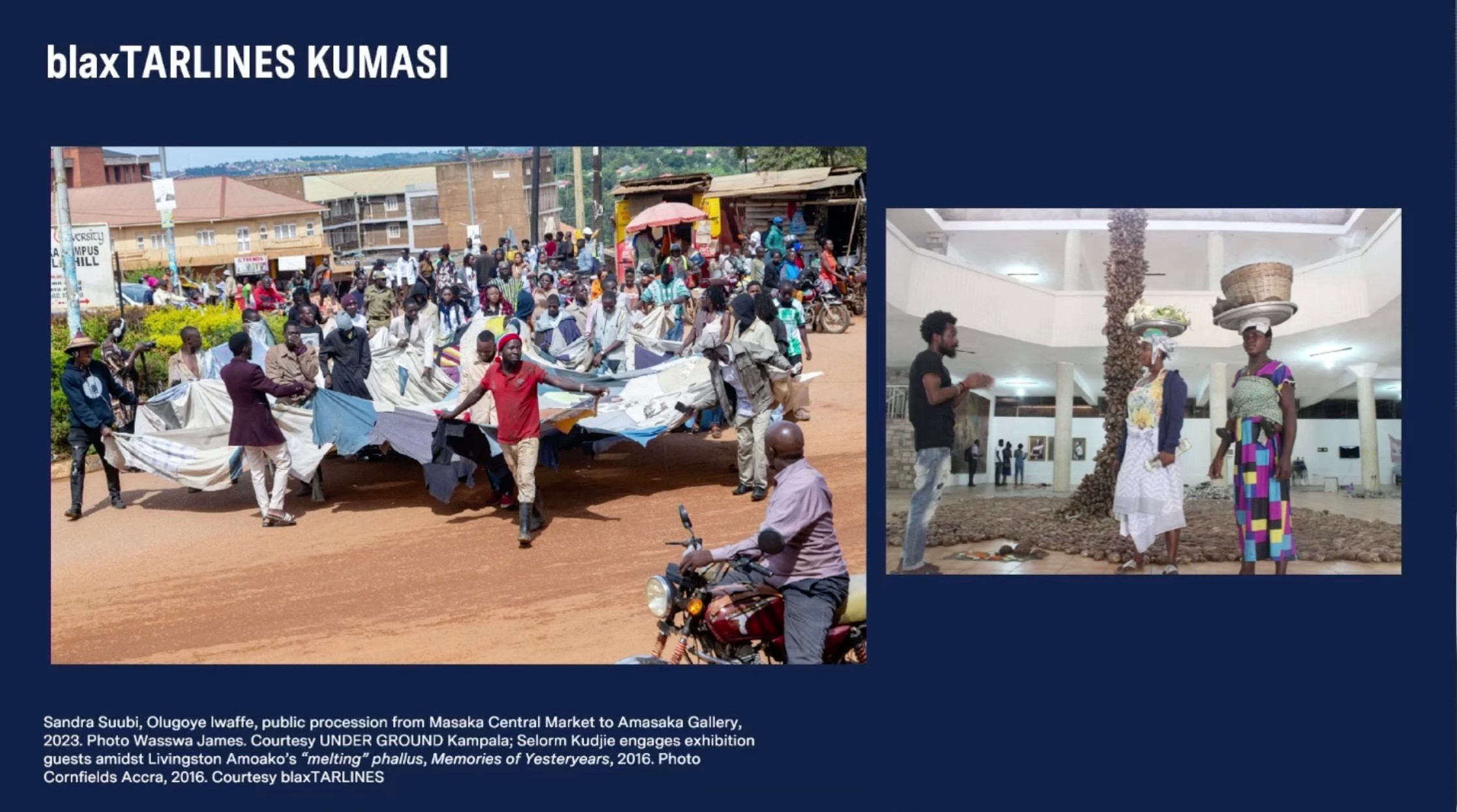
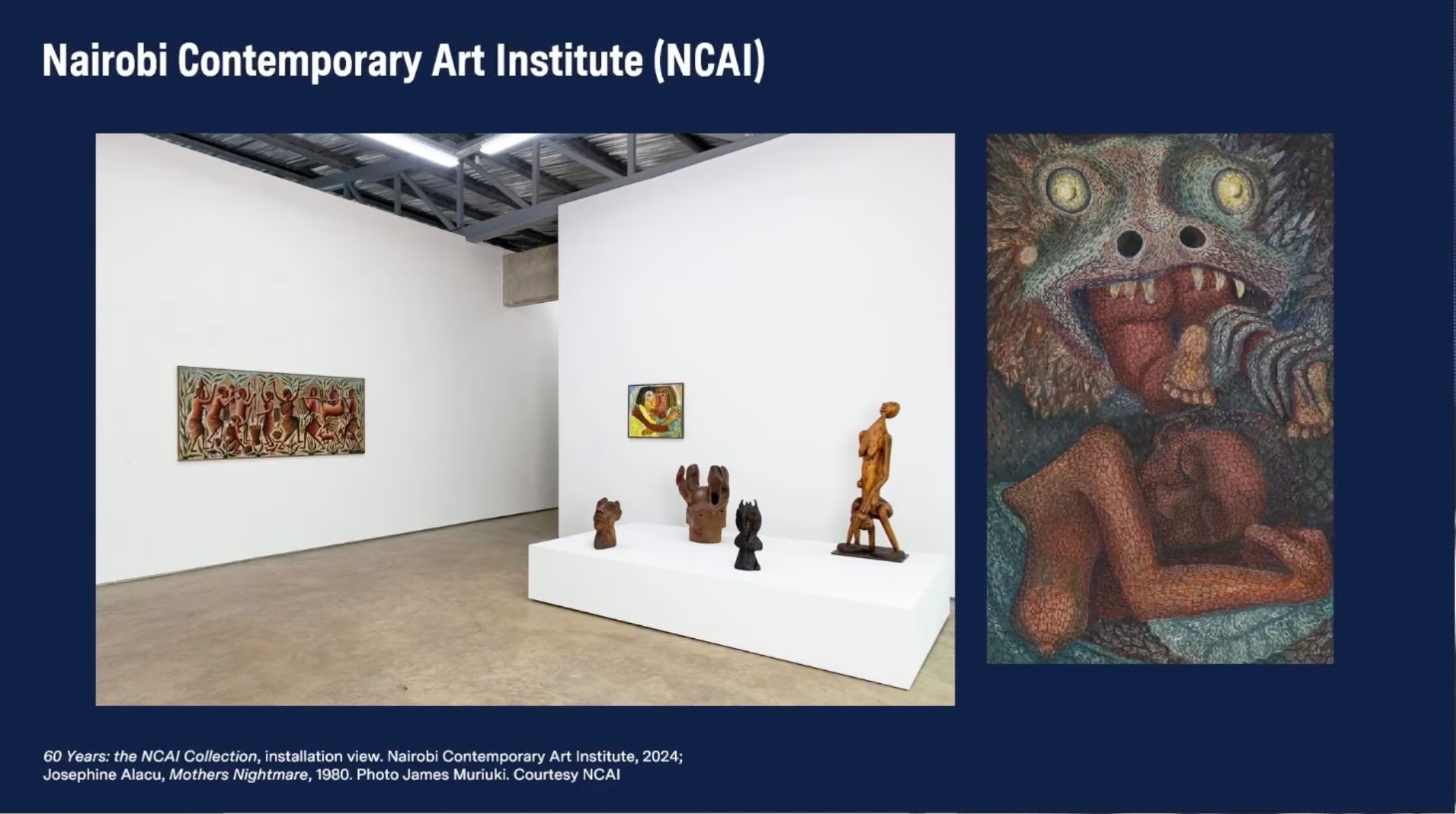
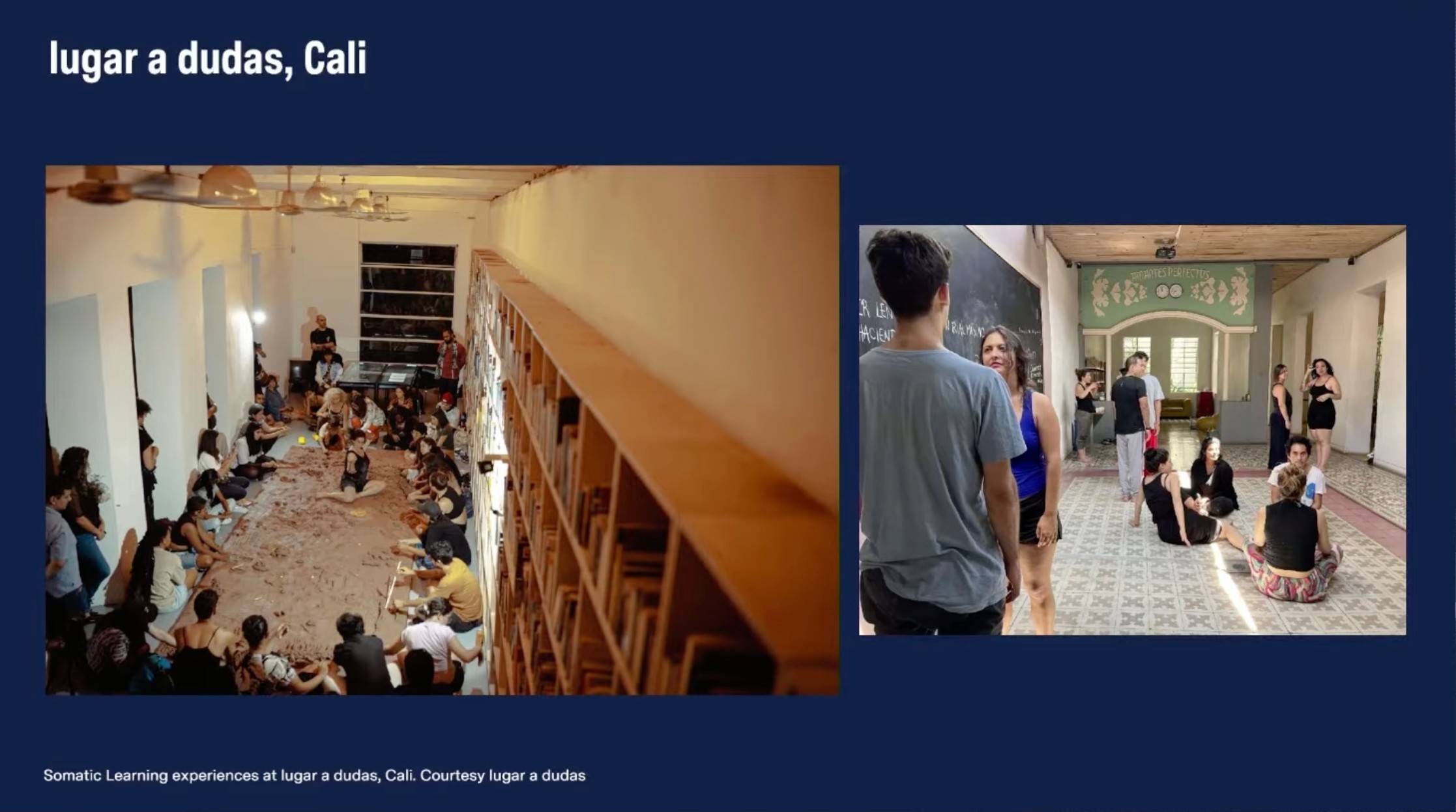
In Minor Keys resonates with literary works such as Beloved by Toni Morrison and One Hundred Years of Solitude by Gabriel García Márquez — texts that navigate thresholds between lifeworlds and temporalities. Magical realism here becomes a strategy for deepening emotional and political registers rather than suspending them.
At the heart of the Central Pavilion, the motif of the Shrine pays tribute to two pivotal figures: Issa Samb and Beverly Buchanan. Samb — artist, poet and co-founder of Laboratoire Agit’Art in Dakar — was an enduring mentor and intellectual presence in Kouoh’s life. Buchanan’s anti-monumental land works and public sculptures explored memory, landscape and the politics of site.
Both artists understood art as a generative force exceeding objecthood and resisting fixed preservation. Their inclusion functions not as retrospective homage but as living propositions anchoring the exhibition’s ethical and spiritual compass.
Procession introduces a dynamic spatial language inspired by Afro-Atlantic carnival choreographies and collective gatherings. Here, the boundary between observer and participant dissolves. Archives are re-read; hierarchies unsettled; symbols reclaimed. The carnivalesque dimension suspends rigid structures of meaning while foregrounding collective movement.
Performance programming will centre the body as a site of knowledge, resistance and healing. A poetic procession in the Giardini honours Kouoh’s 1999 Poetry Caravan from Dakar to Timbuktu, invoking traditions of oral transmission and communal recitation.
The minor keys ask for listening that calls on the emotions and sustains them in return.
Koyo Kouoh envisioned the In Minor Keys catalogue as both a lasting archival record and a reflection of her collaborative, cross-disciplinary curatorial approach. The catalogue centers artists with four-page spreads featuring essays, studio images, and process work, complemented by eight original essays from Tandazani Dhlakama, Adrienne Edwards, Stefanie Hessler, Miguel A. López, Hélio Menezes, Wanda Nanibush, Oluremi C. Onabanjo, and Françoise Vergès. Artists were also invited to propose writers on their practice, resulting in contributions from over 100 authors. The book includes five literary “Invocations” inspired by the exhibition’s moment, a dedicated section on the Schools showcasing their methods and approaches, and two extended sections reflecting on the practice and legacy of key figures, incorporating critical texts, conversations, and artist materials.
Cape Town–based Wolff Architects developed the exhibition scenography, marking thresholds through sweeping indigo textile banners that signal transitions between conceptual registers. The visual identity, conceived by Clarissa Herbst with Alex Sonderegger, draws on the Japanese concept of komorebi, light filtered through leaves, rendered in tonal greys that balance evanescence and permanence.
Conceived by Koyo Kouoh before her passing in May 2025, the exhibition is realized by the curatorial team she assembled—Gabe Beckhurst Feijoo, Marie Hélène Pereira, Rasha Salti, Siddhartha Mitter, and Rory Tsapayi—in close collaboration with La Biennale’s Visual Arts Department. This edition will not award Golden Lions for Lifetime Achievement, reflecting the fact that Kouoh did not have time to define them.
The participants are:
Pio Abad; Philip Aguirre y Otegui; Akinbode Akinbiyi; Laurie Anderson; Fabrice Aragno; Nancy Brooks Brody; Joy Episalla; Zoe Leonard; Carrie Yamaoka; fierce pussy; Jo-ey Tang; Kader Attia; Sammy Baloji; Ranti Bam; Alvaro Barrington; Éric Baudelaire; Sabian Baumann; blaxTARLINES KUMASI; Beverly Buchanan; Seyni Awa Camara; Nick Cave; Carolina Caycedo; Annalee Davis; BuBu de la Madeleine; Dawn DeDeaux; Nolan Oswald Dennis; Denniston Hill; Bonnie Devine; Godfried Donkor; Marcel Duchamp; Edouard Duval-Carrié; Torkwase Dyson; rana elnemr; Theo Eshetu; Rachel Fallon (with Alice Maher); Guest Artists Space (G.A.S.) Foundation; Sofía Gallisá Muriente; Adebunmi Gbadebo; Leonilda González; Linda Goode Bryant; Joana Hadjithomas & Khalil Joreige; Alexa Kumiko Hatanaka; Ayrson Heráclito; Clarissa Herbst & Dominique Rust; Nicholas Hlobo; Carsten Höller; Sohrab Hura; Alfredo Jaar; Mohammed Joha; Michael Joo; Nina Katchadourian; Bodys Isek Kingelez; Sandra Knecht; Marcia Kure; Natalia Lassalle-Morillo (in collaboration with Gloria Morillo); Florence Lazar; Dan Lie; Werewere Liking; lugar a dudas; Daniel Lind-Ramos; Alice Maher; Maria Magdalena Campos-Pons & Kamaal Malak; Senzeni Marasela; Guadalupe Maravilla; Manuel Mathieu; Georgina Maxim; Tiona Nekkia McClodden; Big Chief Demond Melancon; Avi Mograbi; Wangechi Mutu; Nairobi Contemporary Art Institute (NCAI); Eustaquio Neves; Tuấn Andrew Nguyễn; Tammy Nguyen; Otobong Nkanga; Kaloki Nyamai; Temitayo Ogunbiyi; Pauline Oliveros; Kambui Olujimi; Hagar Ophir; Uriel Orlow; Ebony G. Patterson; Rajni Perera & Marigold Santos; Thania Petersen; Alan Phelan; Johannes Phokela; Léonard Pongo; Gala Porras-Kim;Walid Raad; Mohammed Z. Rahman; RAW Material Company; Tabita Rezaire; Guadalupe Rosales; Yo-E Ryou; Khaled Sabsabi; Rose Salane; Issa Samb; Amina Saoudi Aït Khay; Carrie Schneider; Hala Schoukair; Berni Searle; Mmakgabo Mmapula Helen Sebidi; Wardha Shabbir; Yoshiko Shimada; Himali Singh Soin & David Soin Tappeser; Buhlebezwe Siwani; Cauleen Smith; Vera Tamari; Tsai Ming-liang; Victoria-Idongesit Udondian; Celia Vásquez Yui; Kemang Wa Lehulere; Kennedy Yanko; Raed Yassin; Sawangwongse Yawnghwe; Billie Zangewa.