Lerato Shadi : Maru a Pula Is a Song of Happiness
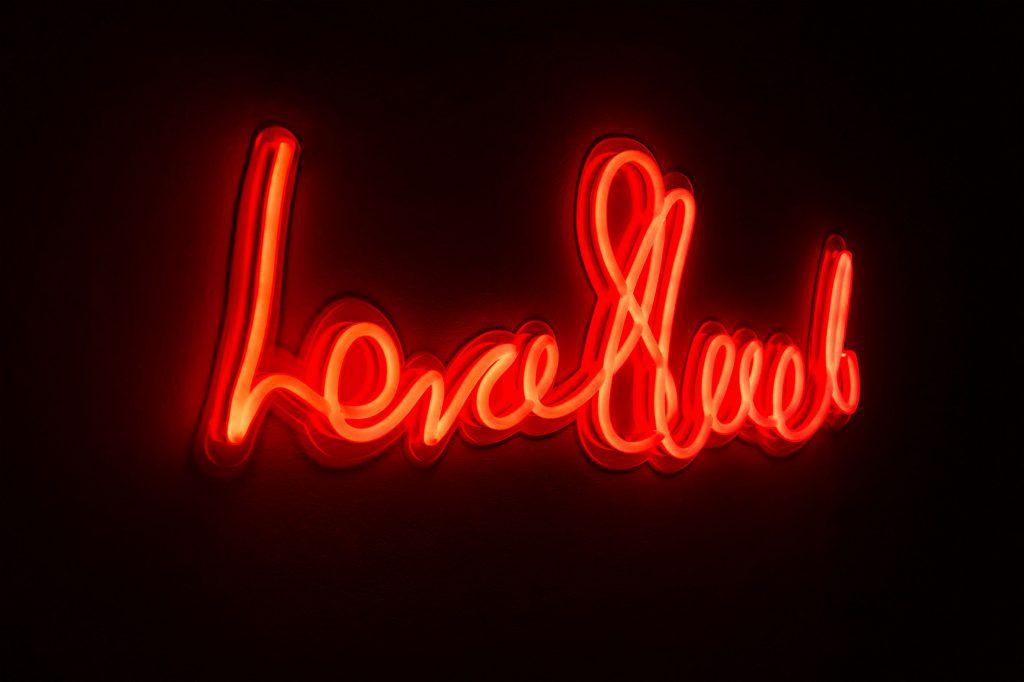
Lerato Shadi : Maru a Pula Is a Song of Happiness
7 September 2020
Closes: 7 February 2021
Lerato Shadi (born in Mahikeng, South Africa, lives in Berlin) makes the invisible or overlooked visible in her work and criticises purely Western notions of history.
She places her body at the centre of her work—often in lengthy, physically demanding performances. The solo exhibition at the KINDL presents videos, neon signs, and a photographic work as well as a new series of textile works that address the relationship between the panel painting and performativity.
Shadi’s work I Know What a Closed Fist Means (2020) shows four different variations of raised fists, each with the thumb in a different position. The raised, clenched fist originated as a symbol of various social movements in the 19th century. It can stand for solidarity, resistance, or anger and can even be associated with opposing political movements. Shadi’s depictions of thumbs allow numerous interpretations and decodings. However, the title of the work deliberately contradicts this openness and indicates that personal knowledge and subjective experience determine these readings.
In the video work Selogilwe (2010) the artist produces a tube made of red yarn, which grows longer and longer like an umbilical cord from the pedestal she is sitting on. The approximately seven-hour performance ends when physical exhaustion makes it impossible for her to continue. Shadi’s multi-hour, sometimes even multi-day performances always involve the aspect of the use and “occupation” of a place. Thus, crocheting as a traditionally feminine cultural technique becomes an act of resistance.
A series of completely new textile works, which will be shown for the first time in the exhibition at the KINDL, is the result of an exhausting production process preceded by several days of fasting. With her in some cases large-scale, red crocheted squares sewn on raw linen and mounted on canvas stretcher frames, she refers, among other things, to the traditional panel painting and thus provides a commentary on painting as a domain that has been dominated by men for centuries.
The exhibition title refers to the song “Maru a Pula” (roughly “rainclouds”), which the South African jazz and pop singer Letta Mbulu released in 1976 in exile in the United States, where she found refuge from the apartheid regime in South Africa. By quoting the first line of the song, “Maru a Pula is a song of happiness”, Lerato Shadi refers to various perceptions of the same phenomenon in different cultures: rainclouds as harbingers of bad weather or as the basis of rich harvests.
In the titles of her works and exhibitions, Shadi often uses elements from her first language, Setswana, one of the eleven official languages of the Republic of South Africa, which is spoken by around ten percent of the population. Although she allows information about their meaning to be provided, the artist does not specify a direct translation. She thus questions the unconditional adoption of a colonial language such as English and the worldview it entails.
The exhibition is curated by Kathrin Becker.
The exhibition takes place as part of Berlin Art Week (9 – 13 September 2020)..
View more from
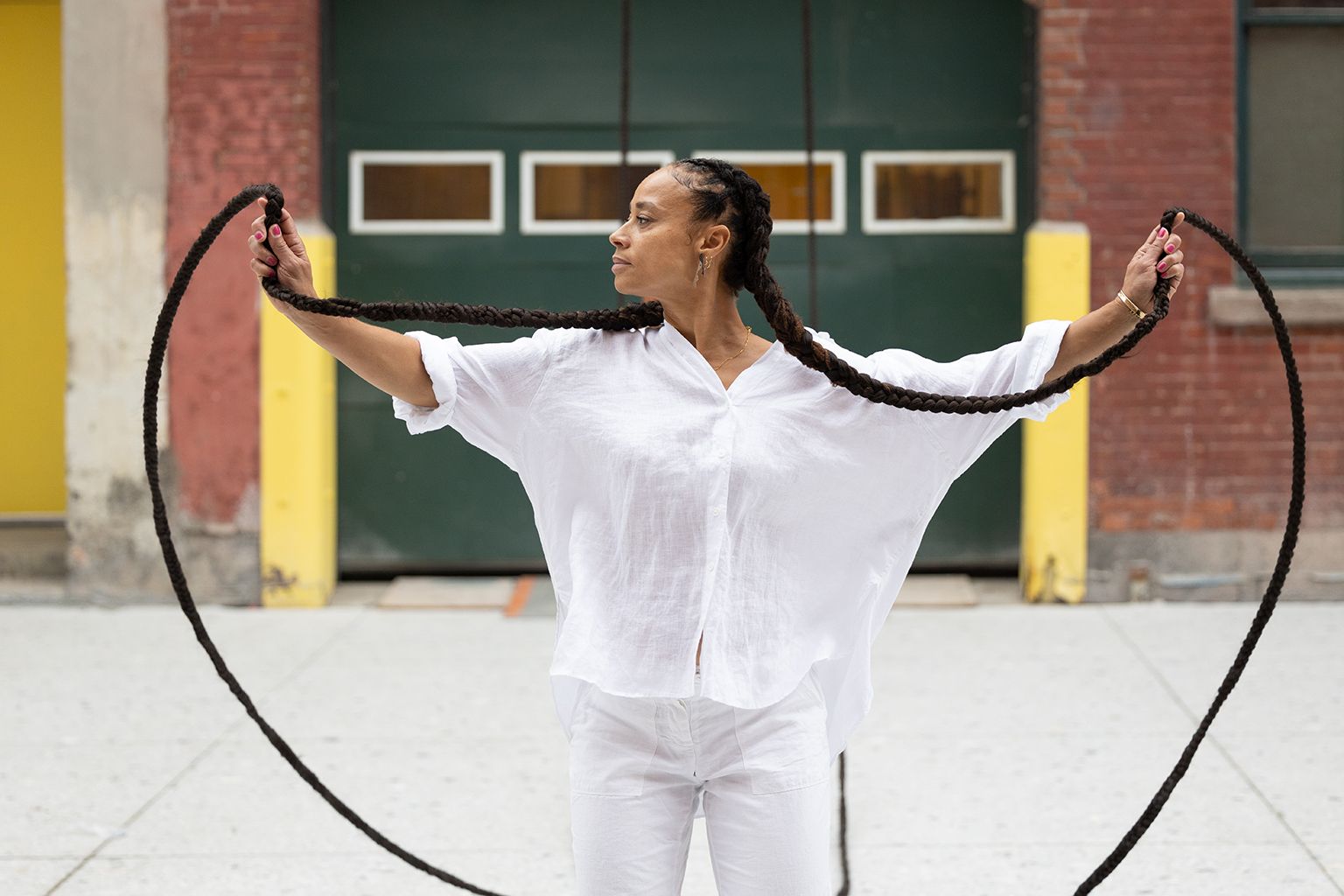
Beyond Representation
Dec 7, 2023–Dec 31, 2026
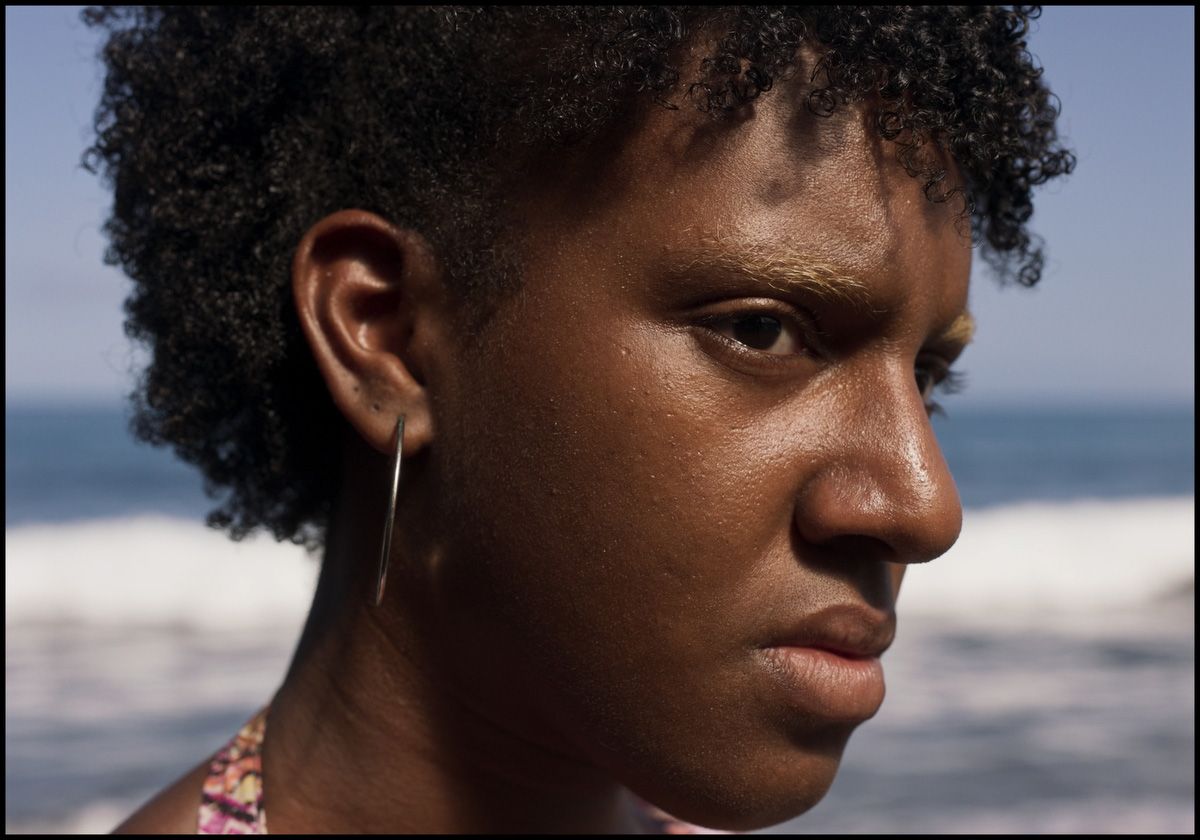
C& América Latina curates film program for Cinelogue featuring Films by Afro-Indigenous Directors
Jul 1–Dec 31, 2026
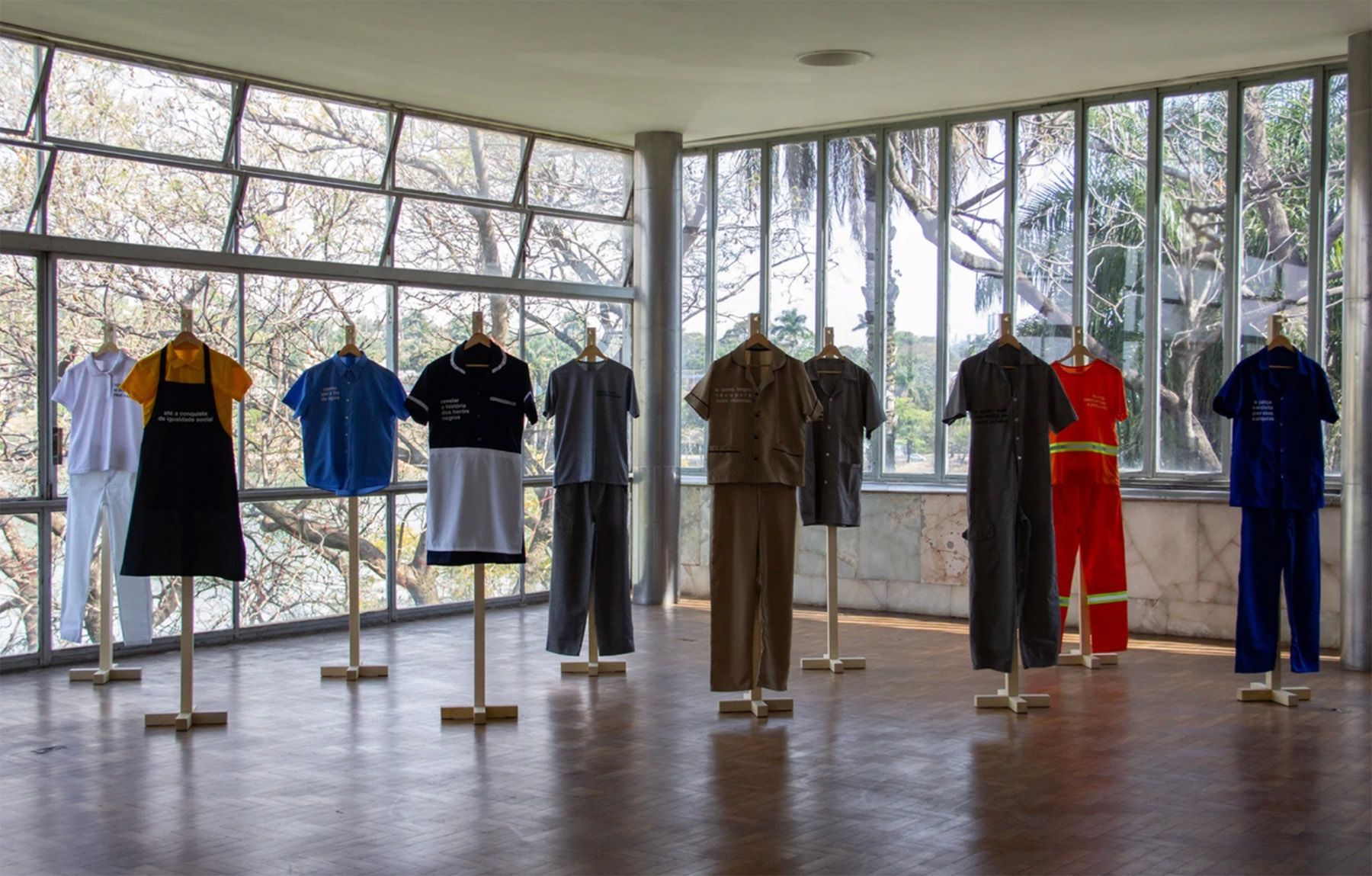
Dignidade e luta: Laudelina de Campos Mello
May 16–Nov 22, 2026
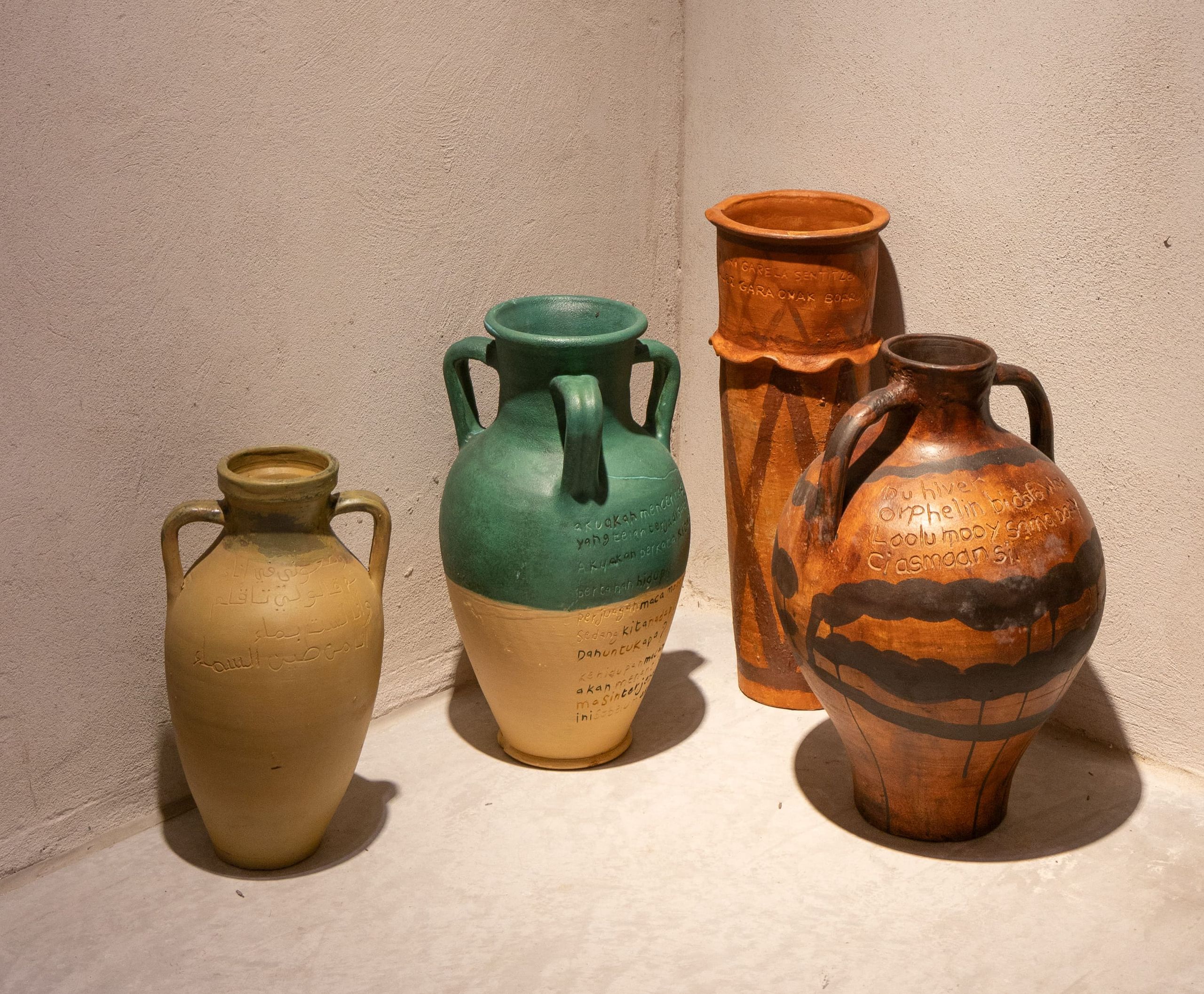
M’barek Bouhchichi: Les mains des poètes
Apr 24–Oct 17, 2026
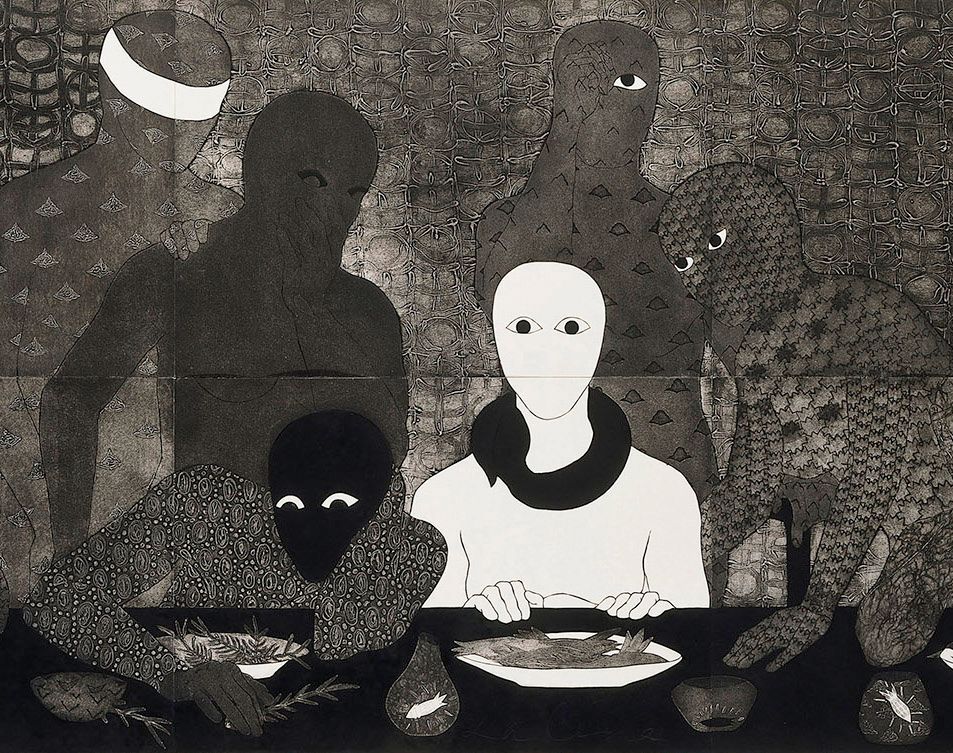
Belkis Ayón: Mito y desobediencia
Jul 16–Oct 12, 2026

Cecilia Vicuña - The vanished glacier
Apr 30–Sep 20, 2026