Igshaan Adams: Holy Terrain
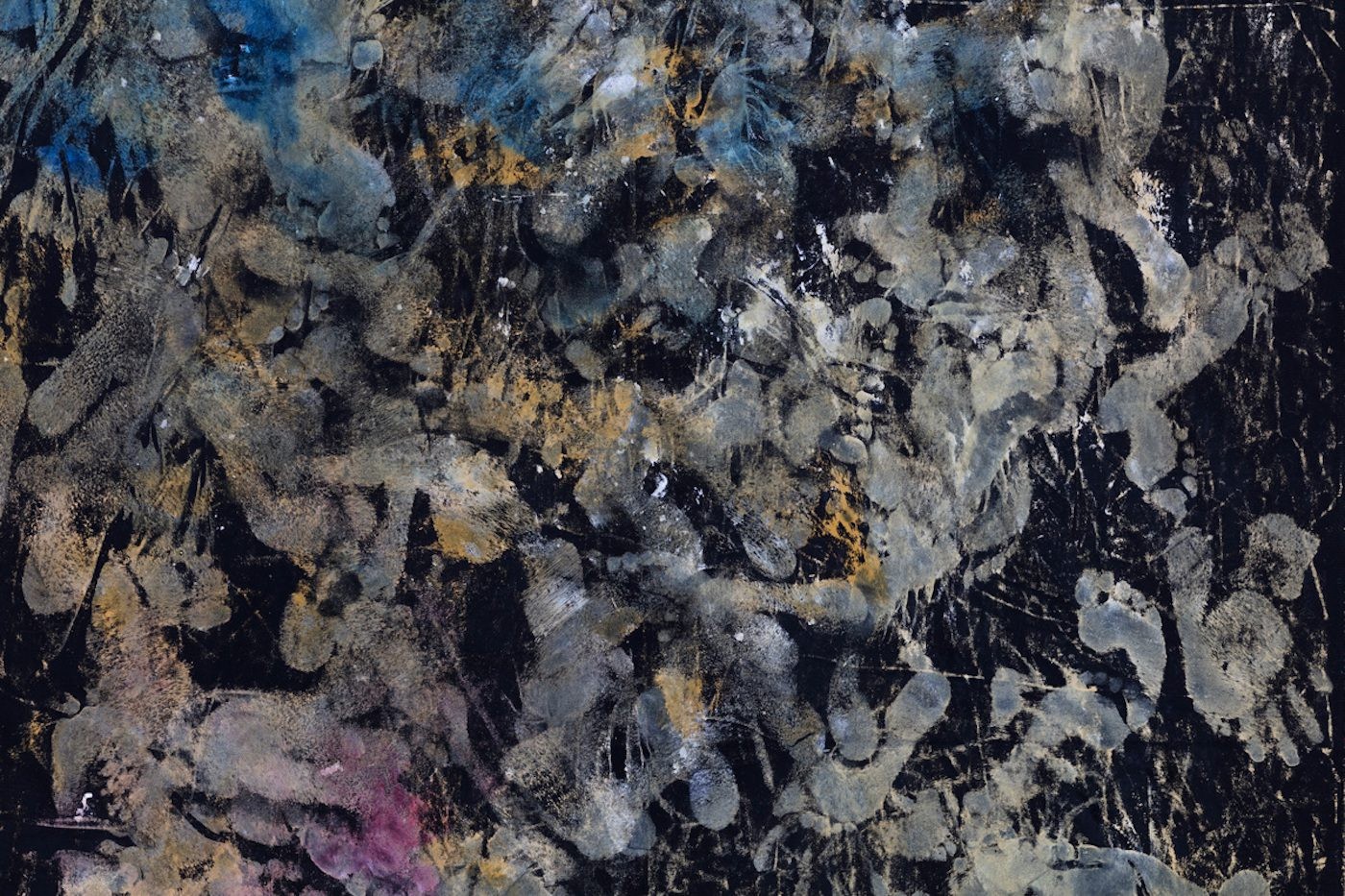
Igshaan Adams: Holy Terrain
5 December 2024
Closes: 25 January 2025
What, then, accounts for the mysterious intelligibility of artworks? This question seems to find expression directly and obliquely in Igshaan Adams’ new body of work aptly titled Holy Terrain (2024). As with recent showings – Weerhoud (2024), Lynloop (2024), Primêre Wentelbaan (2023), Vastrapplek (2022) and Desire Lines (2022) – this offering has a distinct weight, a comportment that narrates his search for a meaningful space where the body, indeed the self, can dwell purposefully. In this exhibition, Adams inaugurates a line of questioning that concedes our precariousness to the multiple ways in which we inhabit the world – the ways in which the self can be sanctified anew amidst all sorts of existential harms.
Composed of no less than fifteen artworks, there is in this oeuvre, much like in the previous exhibitions, the ever-present and ever-morphing feature of materiality that operates parallel to a thematic breadth that encircles this work. In a palpable sense, Adams’ work exalts and recalibrates an age-old modernist tenet that insists on a truth to materials – a sensibility that emboldens the essence of materials as opposed to its concealment. Materiality for Adams simultaneously bears a distinct aesthetic, ideological, and political function. It is the nodal point where the use of linoleum, wire, beads, thread, wire, cotton twine and fabric coalesce with their deep excavations into themes of spirituality, cultural identity, queerness, and ecological crisis. In this assemblage of possibilities and points of departure brought to life through his inventive use of materials, what then emerges is what we might think of as a continuous surface that is characterized by different textures of formal and conceptual complexity.
At once curious and remarkable is Adams’ poeticization of everything, most notably the very production of the works, which entails a process that begins with an ambition; indeed an inclination towards an egalitarian way of art making and thinking. What is so neatly hidden in Adams’ process is the fiction of distance between himself and the team he composes the works with. In this dynamic, we observe a sustained gesturing towards a ‘scenius’: that which simultaneously disrupts the normativity of sole authorship while empowering the abilities, creative energies, and intelligence of a group. Adams, we can say with certainty, comfortably draws upon the intelligence of the collective. What ensues is a conceptual and formal conversation with his interlocutors to reimagine thoughts, forms, motifs, and politics that reverberate between selves in an effort to reinstate that while the personal is political, it is, lest we forget, also communal. Thus, when we see the sheets of linoleum being marked with bodily traces, when we encounter intensities of colour emerging on multiple surfaces, when we observe the dialogue between the cartographic renderings and woven mountains, we are called to reflect upon the eventness that precedes the objects. As such, the works function as constituents of a larger unfolding between persons partaking in Adams’ art making. Accordingly, as the collective thinking and making indicates the investiture of a specific register in Adams’ way of working, it becomes apparent that the sites of meaning lie not only in the artworks themselves but equally in the way in which they are imagined, (per)formed, and weaved into existence through a dialogic engagement. It is for this reason that the cartography of Holy Terrain is as focused as it is eclectic.
Adams renders sacrosanct the intimacy between the works, their making, and their extrinsic significance. This is crucial to make known in order to comprehend the deconstructive nature of this body of work where it reflects upon its own formation and its social performativity in society. Not only is this where Adams invites us to reckon with the beauty and ugliness of the world but it is also where he opens a disparate line of inquiry that resembles the non-linear manner of his works. Here Adams is concerned with multiple themes, all intersecting at once: dreamscapes as spiritual and aesthetic resources; our interiorities as shaped by ourselves and the environments we inhabit, determining paths yet to be defined; what the body is holding onto and what it excretes; and how the body can begin a somatological endeavour to formulate epistemologies of and from itself. In a sense, Adams’ process lends itself to a kind of cubist thinking that attempts to engage multiple perspectives simultaneously although their anchor remains intact. It is through this logic that Adams ultimately recentres the body, indeed the self, and immerses it in, as it were, a Holy Terrain.
-Dr Thabang Monoa
View more from

Beyond Representation
Dec 7, 2023–Dec 31, 2026

Cecilia Vicuña - The vanished glacier
Apr 30–Sep 20, 2026
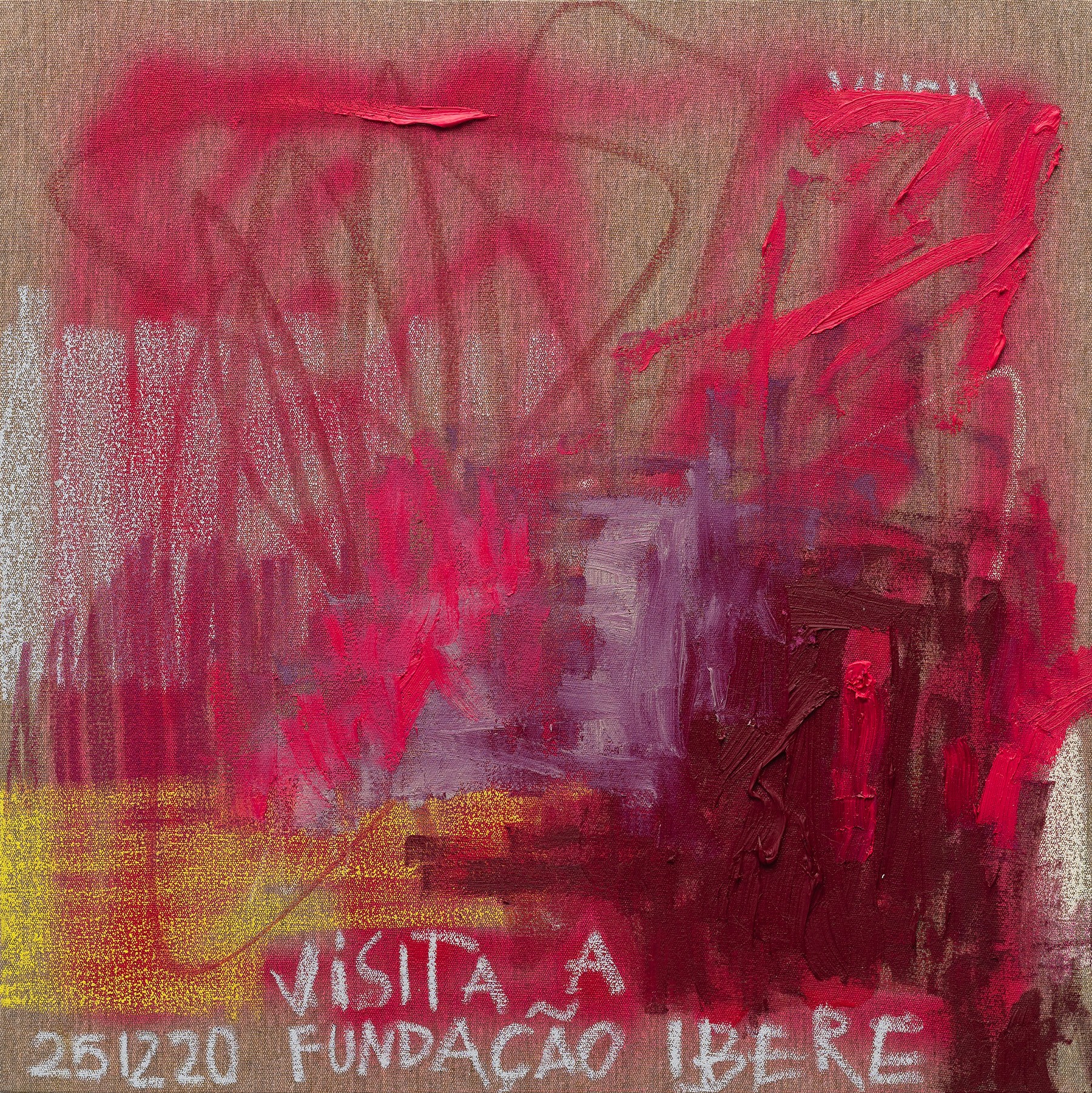
Panmela Castro – A Crônica da Não-Solidão
Mar 14–Sep 6, 2026
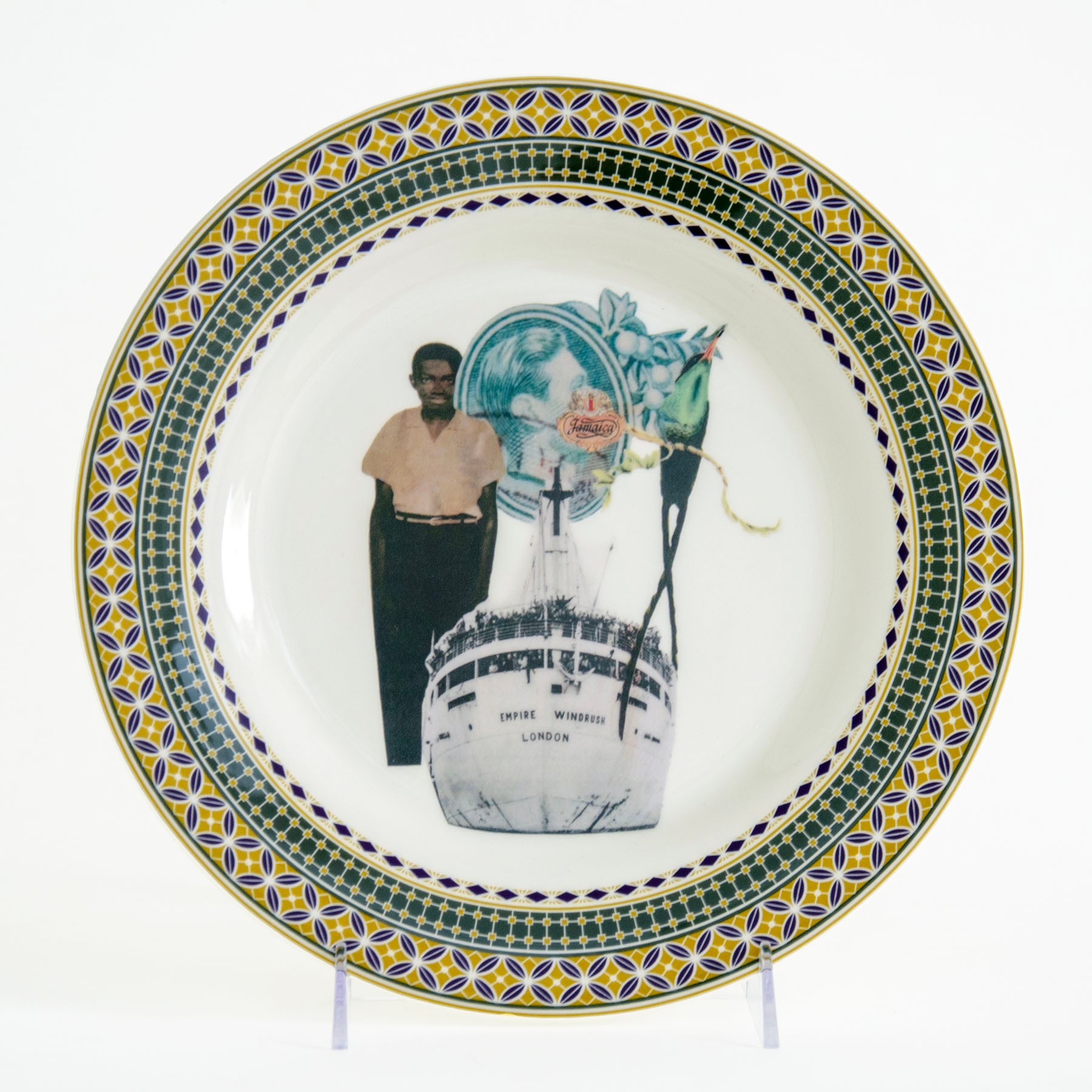
The Narratives of Migration
Mar 27–Aug 26, 2026
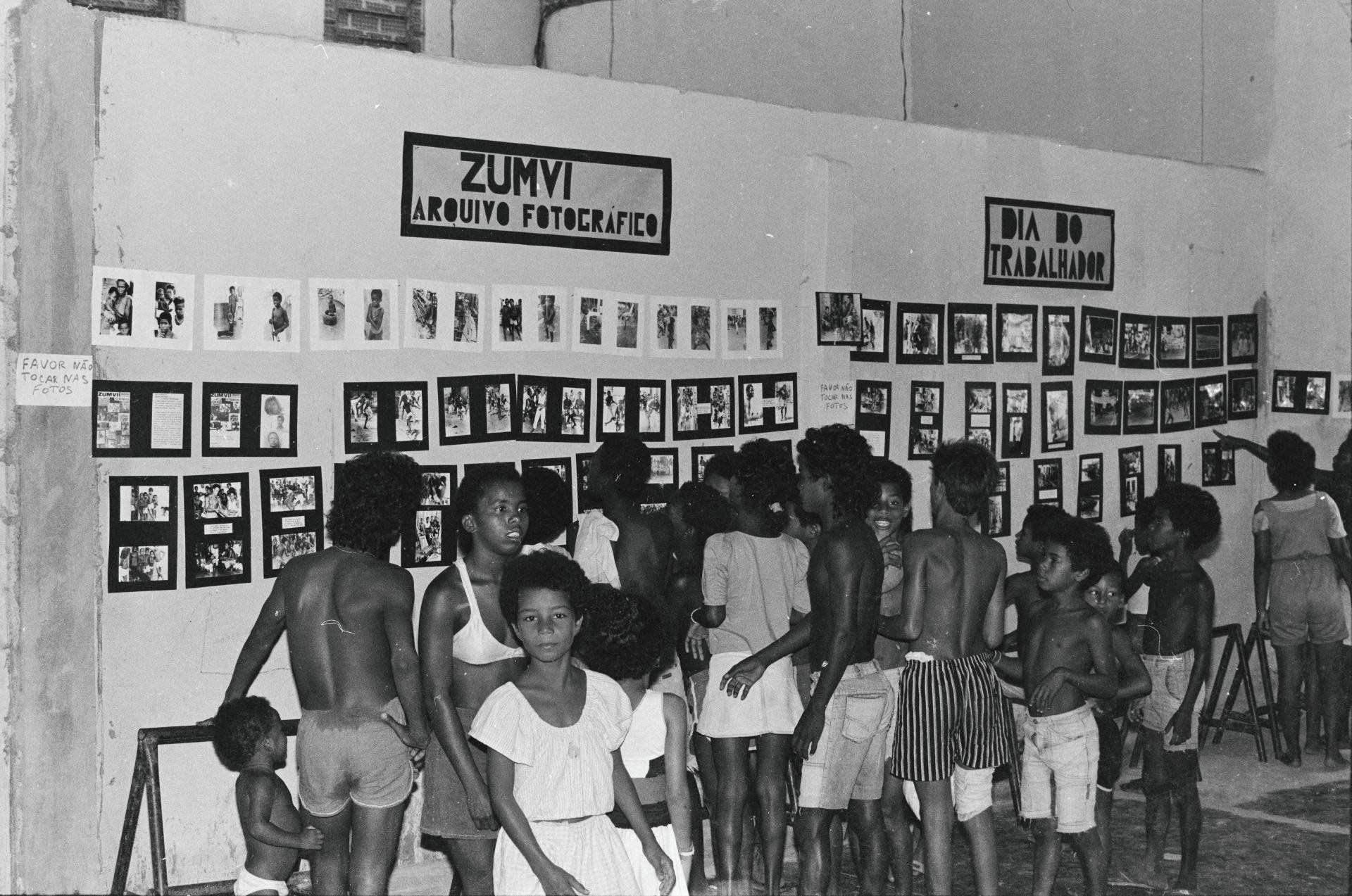
Zumví Arquivo Afro Fotográfico
Mar 28–Aug 23, 2026
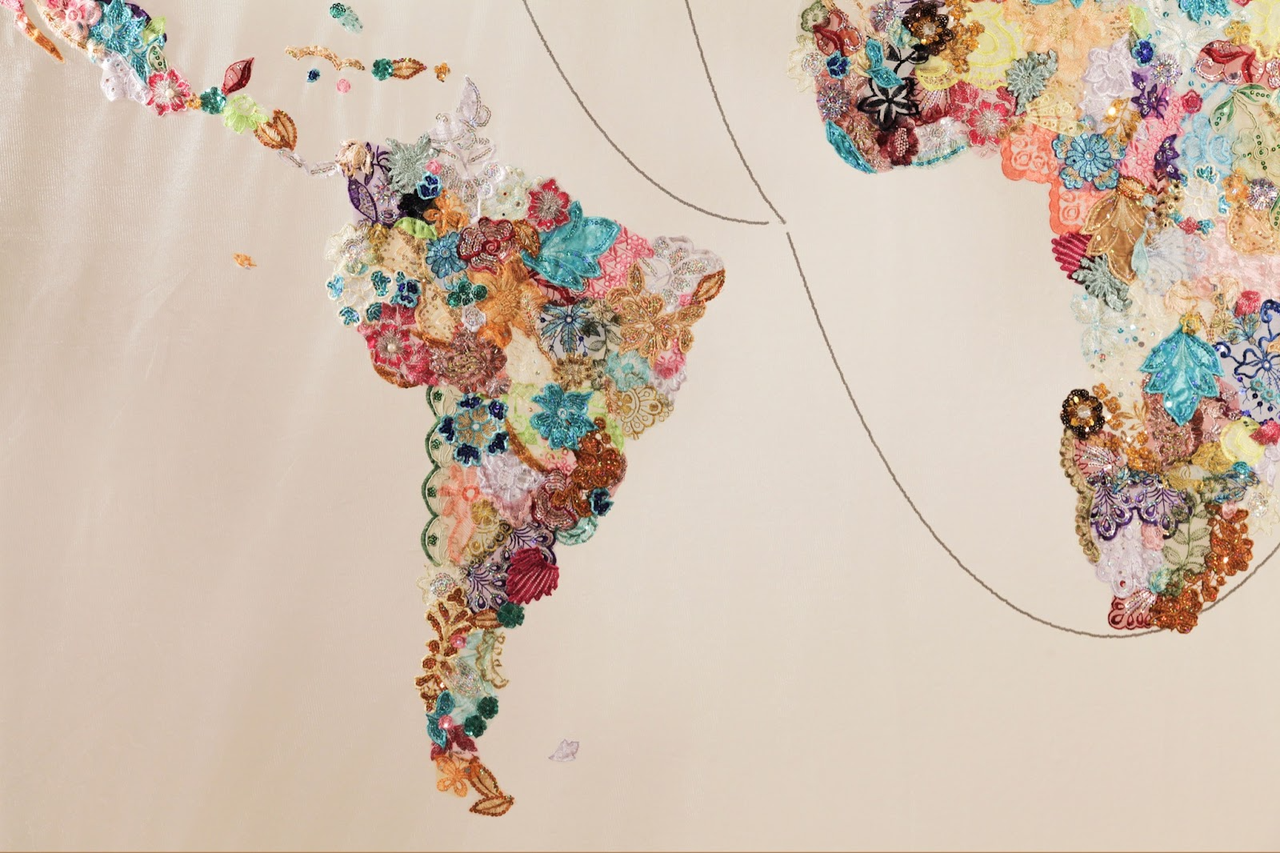
Tierras reimaginadas: migración
Aug 23, 2025–Aug 2, 2026