The Museum of Black Futures
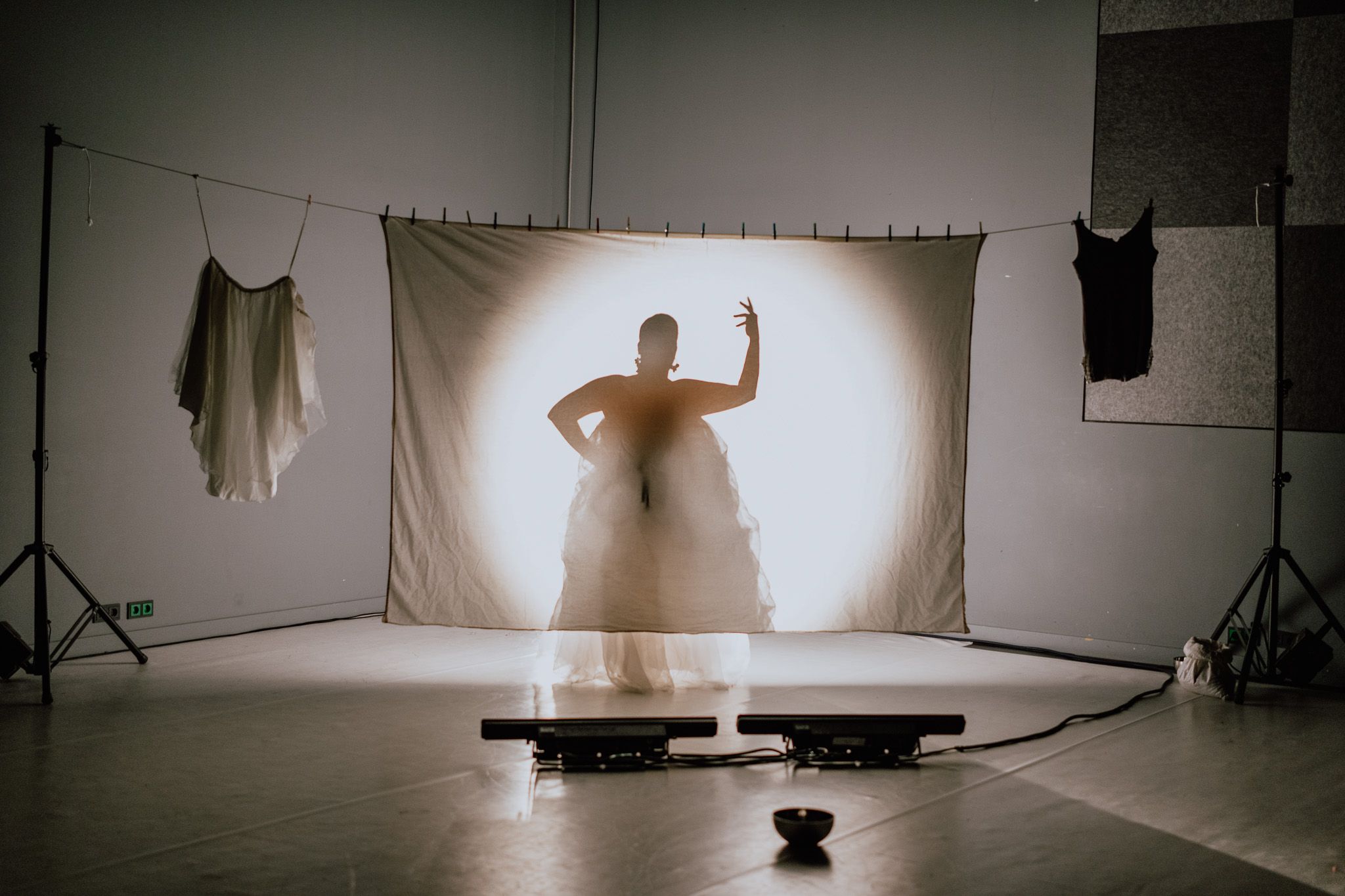
This mobile museum places future-making at the core of Black institutional design, creating a structure that records and reimagines. The Museum of Black Futures holds gatherings, manifestations and sonic transmissions via their podcast series. In a series of five verses following their recent partnership which transformed the International Theatre Amsterdam space into their first Radical Space Station, founder Richard Kofi offers a meditation and manifesto shedding light on the Museum’s foundations.
Our Radical Space Station was inspired by the legacy of Edward Mukuka Nkoloso, a Zambian dreamer and member of the Zambian resistance movement, who in the 1960s set out to train the first African astronauts. A science teacher by day and director of Zambia’s National Academy of Science, Space Research and Philosophy, Nkoloso taught his students to envision themselves among the stars. Although Western media often portrayed him in an unfavorable light, we recognize Edward Mukuka Nkoloso as a figure who wielded satire as an anticolonial strategy. His approach inspired Radical Space Station: our search for a state of zero colonial gravity.
VERSE 1
Breathe in. A future awaits us. Our Afro-diasporic communities and heritage has been fragmented by centuries of disruption, forced migration, and institutional neglect. Breathe out.
Breathe in. Resistance. Remembrance. Repair. Breathe out.
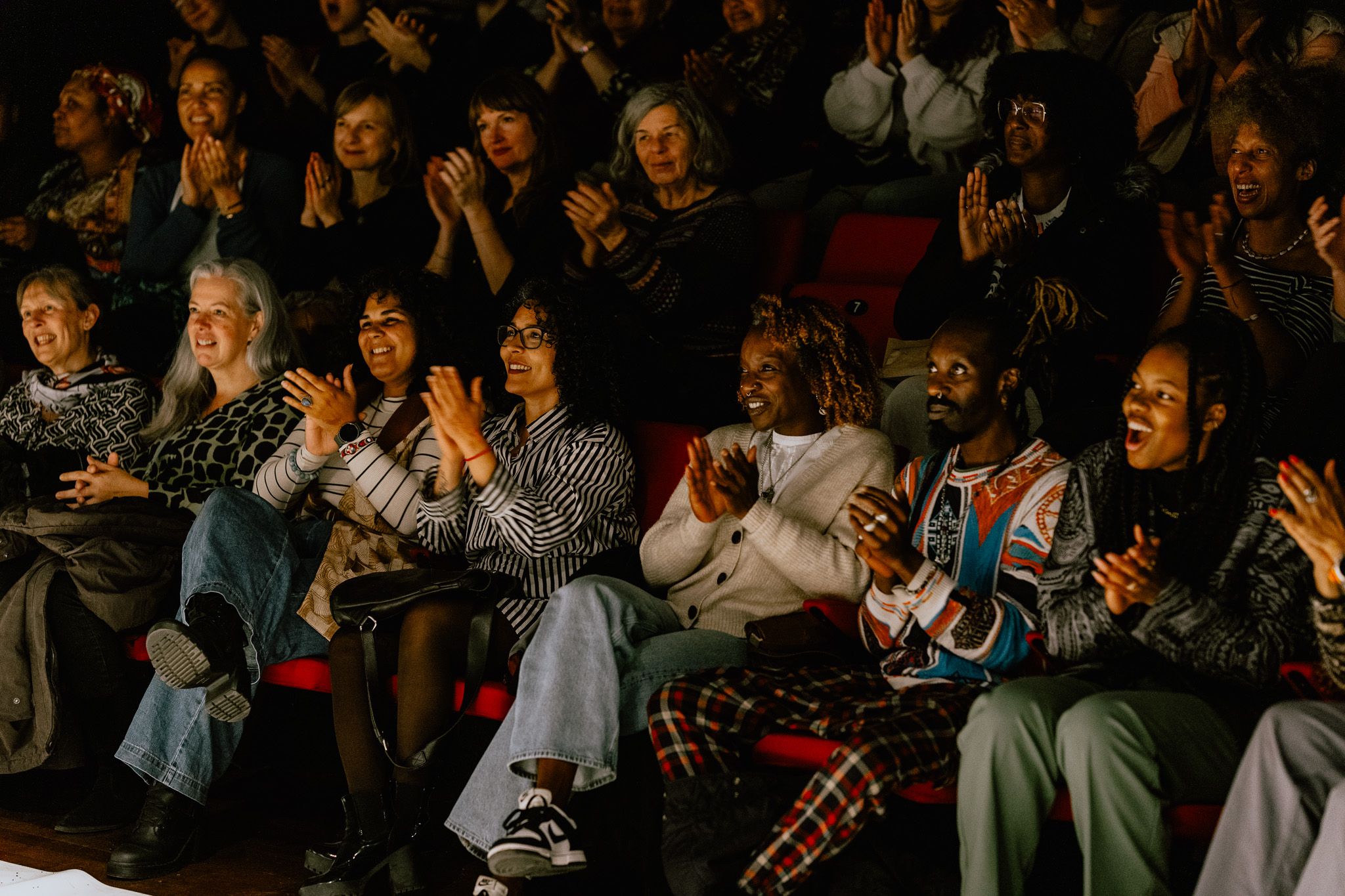
At our community gathering at The Mansion, a hiphop platform in Nijmegen, the Netherlands, the room was filled not only with local youths, but with politicians, researchers, and even a representative of the missionaries of the Congregation of the Holy Spirit who own the collection of the local Africa Museum. A conflict between them and the organization managing the Africa museum meant the museum was soon to close down as of 2022 when we met. Our community’s futures were at stake.
VERSE 2
Imagine. After years of legal battles, political negotiations, and fierce protests from activist groups, an agreement has been reached on reparations to compensate for colonial exploitation, human trafficking, and slavery.
You and I. We. The collective has decided to invest our share of the payments in a unique project: The Museum of Black Futures.
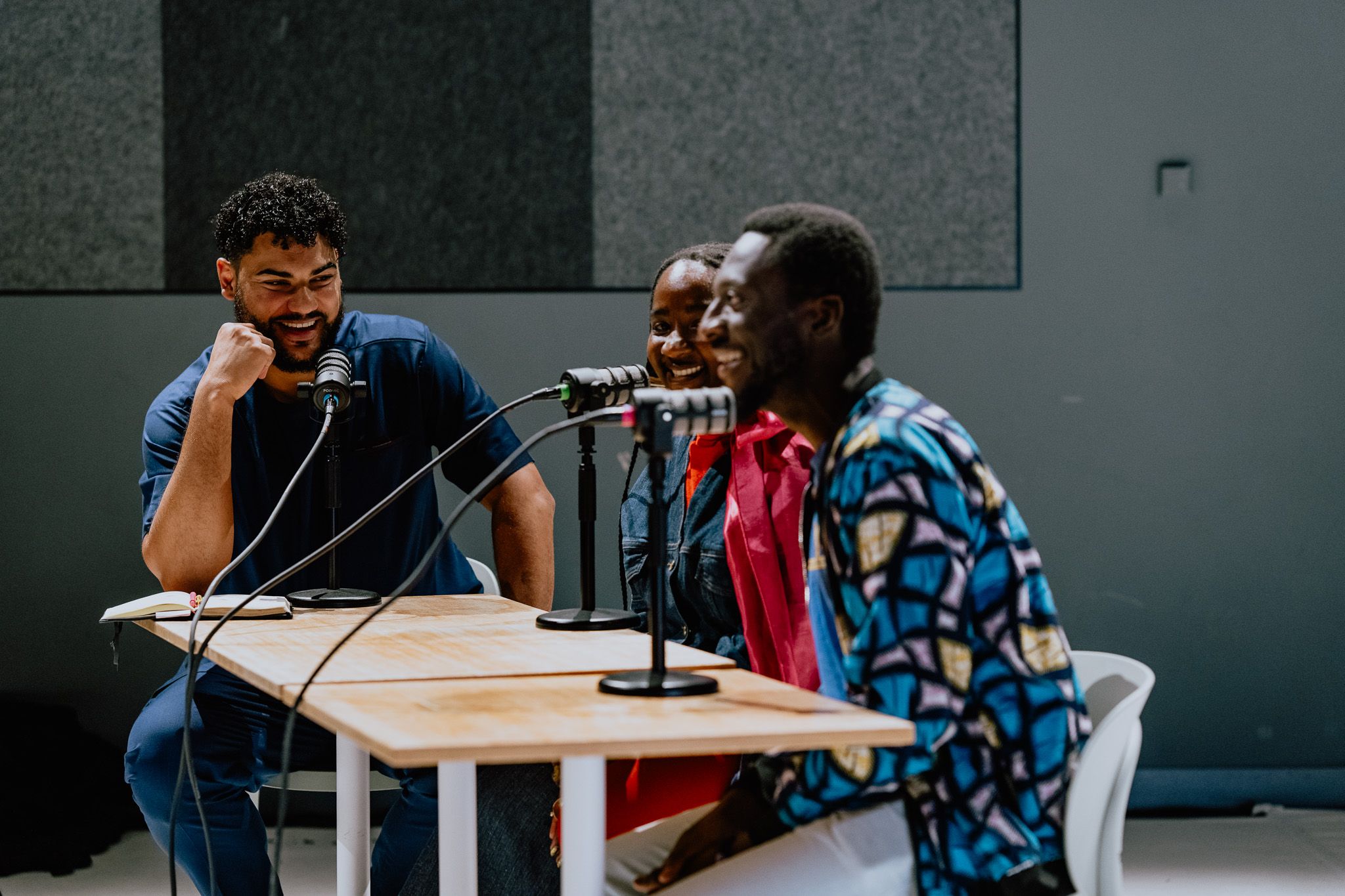
We are now confronted with stories, artefacts and ceremonial practices that live scattered across the universe. A universe consisting of archives, storage facilities, neighborhoods, visa restrictions and language barriers. The Museum of Black Futures sees it as its responsibility to (re)connect and heal our fragmented realities. Together with collaborating partners and artists we are building diasporic infrastructures, with an online base and a network of hot spots.
VERSE 3
To the imagination of many, being Black and futuristic is a contradictory exercise. ‘Black Futures’ is an oxymoron.
We breathe life into a new idea, as it breathes life into the stories we release from the cabinets of conquest. As we have gained access to its valley of dry bones and museum depots where our heritage lies in waiting.
Don’t forget to breathe. In. I have a confession to make. Out.
In collaboration with Theater aan de Rijn, the Museum of Black Futures operates within a growing network of diasporic space stations: places of arrival where communities gather and activate. We turned toward the forts of West Africa and the so-called Door of No Return, re-imagining this myth of irreversible destiny. Thus, the Museum of Black Futures is becoming an art and heritage laboratory grounded in Black joy, radical imagination, and spiritual reparations. Its curatorial formats unfold through online and offline encounters.
VERSE 4
Listen. Their spirits call us: let the light of joy and rage be of guidance. Toward resurrection. Toward the cracking open of the tomb. Toward the fire that feeds the breath.
Manifest. Together we reweave our fragmented realities,
reweave ourselves and prototype new Black futures.
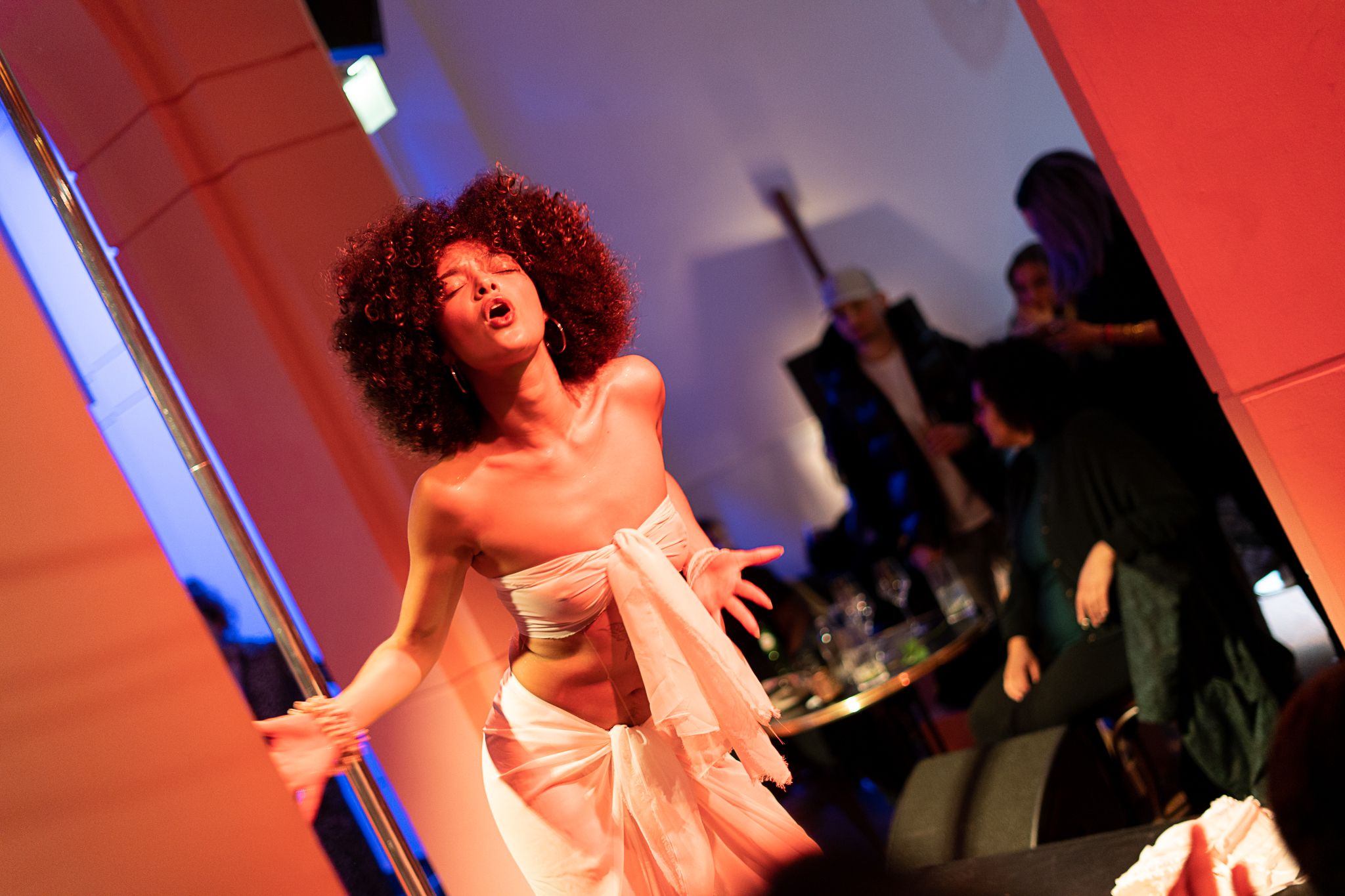
We circulate through live events and podcasts we document moral, ethical, and practical dilemmas of our journey. From the first conceptual steps to collaborations with communities, the search for resources, and the considerations surrounding restitution and collection management, the Museum of Black Futures openly shares the entire process…to remember.
VERSE 5
Every story, every object, every memory we reclaim
is a ritual of release
dancing the ghost of Empire out of our bodies.
Breathe in. Remember to remember. Breathe out. This is our collective build.
Black Futures.
Connect on Spotify / Apple Podcasts / YouTube / Instagram.
About the author
Richard Kofi
Richard Kofi (b. 1988, Wageningen) is a Dutch-Ghanaian artist and curator working at the intersection of speculative futures and decolonial heritage practices. His multidisciplinary approach weaves together drawing, collage, video, performance, and public ritual to explore the layered entanglements between past, present, and future. Central to his work is a belief in art as a collective tool for collective reimagining and cultivating community-led futures.
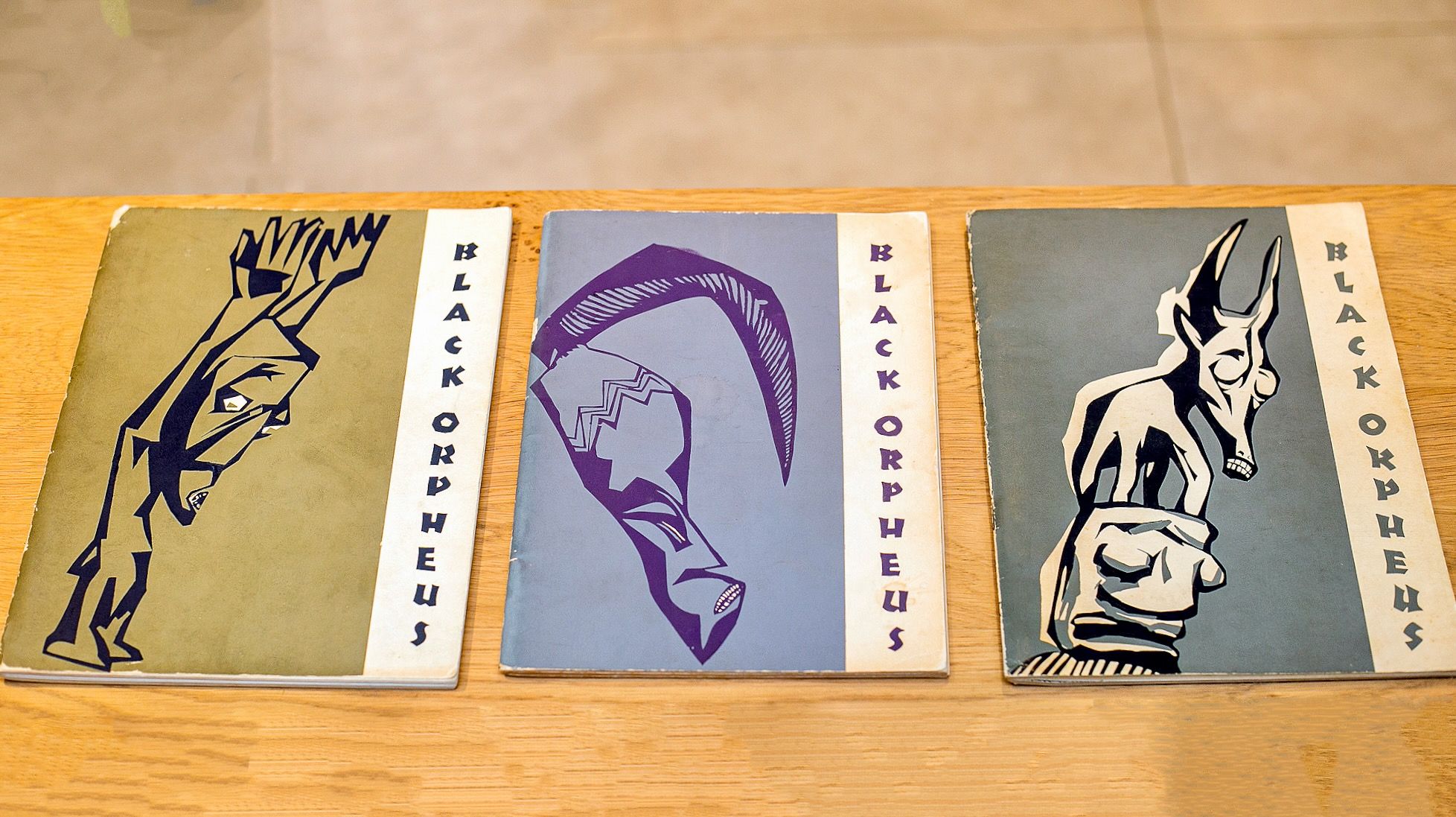
Black Orpheus: Who Gets to Frame a Black Cultural Canon?
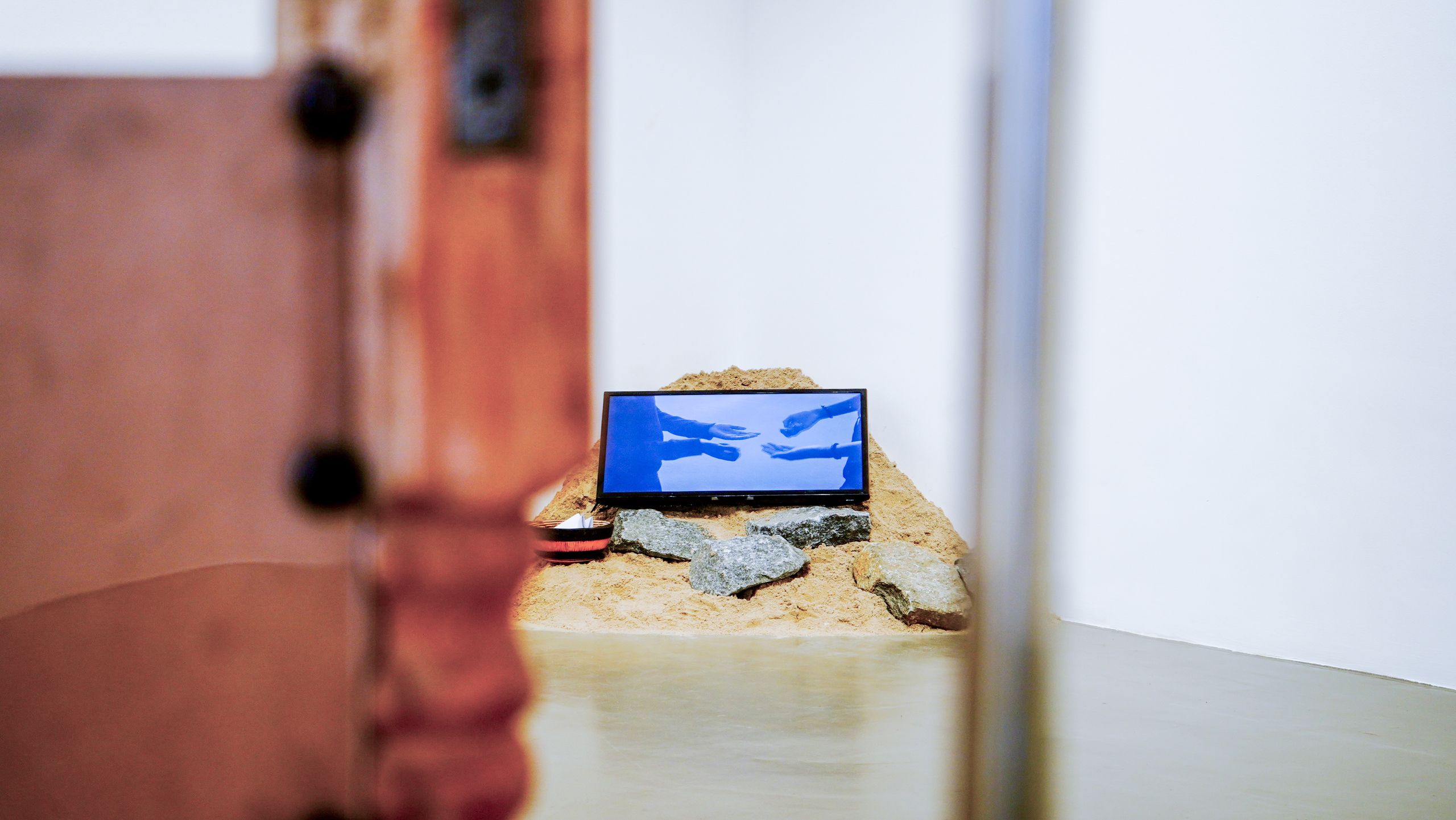
Public Fiction: How Art Drafts Realities
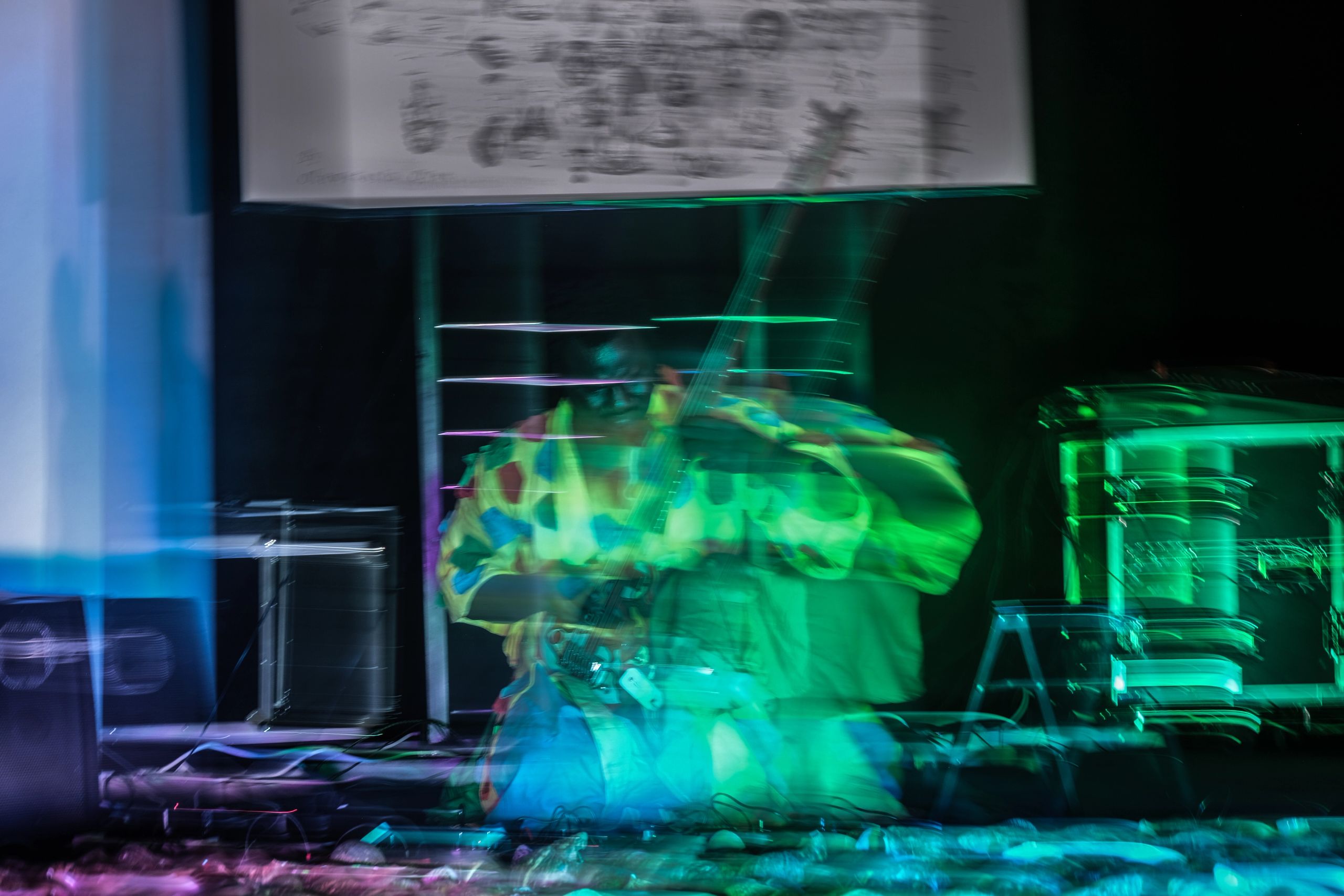
When We Gather: On the Not-Yet-Become in Lagos
The Aftercycle: Speculations on Responsive Touch and Restituted Objects
Sounding the Ocean: Spiral Networks of Remembrance and Elation