The Artist Residency Centre (ARC) in Botswana
Courtesy Artist Residency Centre (ARC).
3 July 2026
Magazine C&
5 min read
In Gaborone, a growing number of artists are finding their conceptual footing through the Artist Residency Centre (ARC). Founded in 2019, it operates out of a self-renovated space within the Gaborone Club in the Village neighborhood. In conversation with the founders and team, writer Sibongile O.K. Msimango traces how ARC has quietly helped build an ecosystem for contemporary art in Botswana, complementing the country's longer-standing institutions while carving out something distinct: a home for critical conceptual practice.
Botswana has birthed several critically acclaimed artists and collectives over the past decades. Currently, prominent artists include Pamela Phatsimo Sunstrum, Kitso Lynn Lelliott, and Meleko Mokgosi, all born in the 1980s. Notable collectives such as Kuru Art Project (founded in 1990) and TBP Artist Collective (founded in 2015 and formerly known as the Botswana Pavilion), have gained visibility since initiation. One of thefirst sustained art spaces dedicated to supporting the visual arts in the country through residencies, studio spaces, and exhibitions is the Thapong Visual Arts Centre (formerly known as Thapong Visual Arts Trust), part of the Triangle Network that has hosted international workshops since the late 1980s. While Thapong’s focus has been on developing technique, especially within traditional arts and craft, the Artist Residency Centre (ARC) zooms in on more conceptual artwork, expanding the institutional landscape.
“We didn’t want to be in any kind of competition. So for our very first exhibition, we asked if the Thapong artists wanted to show and we would take a percentage of the sales. That’s how we make money, that’s how we survive,” shares visual artist Ann Gollifer.
Founded in 2019 by Gollifer alongside choreographer and dancer Maipelo Gabang, ARC provides a dedicated working space, access to mentorship and networks, as well as residencies of one to three months witha modest stipend. It serves as a resource center with reading material, and an archive of past residents’ works open to the public. The current executive committee is led by Sithabile Mathe, Tumelo Nkwe, Kim Karabo Makin, former resident Naomi Loabile, and Francine Sheldon.
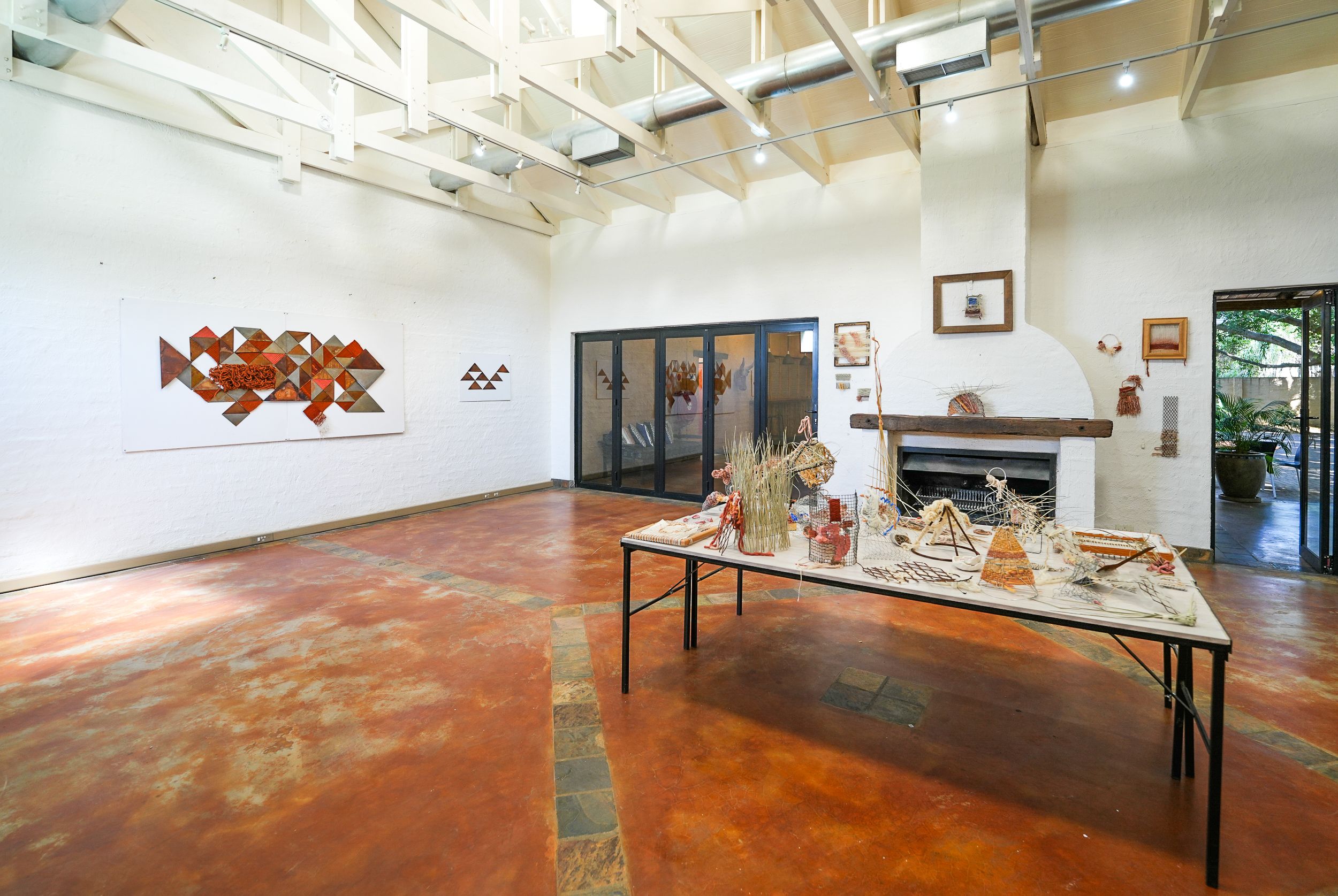
Kuru Art Exhibition, Artist Residency Centre (ARC), 2025. Courtesy Artist Residency Centre (ARC).
ARC typically hosts four artists per year. To date, there have been twenty-four residents, each of whom have shown their work at the end of their residency. The current artist-in-residence is interdisciplinary artistand illustrator Simone Khanyi Hadebe, whose work revolves around nostalgia, memory, and uniqueness of domestic spaces. Previous residents include Diablo Santana, Kutlo Mabua, Kitlano Kat Mosigi, Yentle Nomhle Nyatshane, and guest artist /Xam Fortuin. ARC positions itself as a grassroots space for artistic development, and its strong annual programing includes a literary club, film screenings, weekly open studios, and project commissions that contribute to its funding. As with most organizations of this nature, securing funding is a continual challenge.
“ARC meets artists where they are,” says visual artist Kim Karabo Makin. “We find that a lot of talented young emerging artists in Botswana are technically strong but haven’t developed a conceptual side yet.”
ARC's physical space is the fruit of collaboration with Gaborone Club, a sport and social club based in the same neighborhood, the Village. Through ARC’s self-funded initiative, the allocated physical structure was renovated to form the space that exists today. Over the years, ARC has had little funding outside of annual membership fees of P150 (roughly 10 euros) and commissions, which means that the core of the organization’s support is rooted in various forms of collaboration, one of which is mentorship. ARC’s executive members place residents in contact with potential mentors in their networks to guide them through their practice for the duration of their residency.
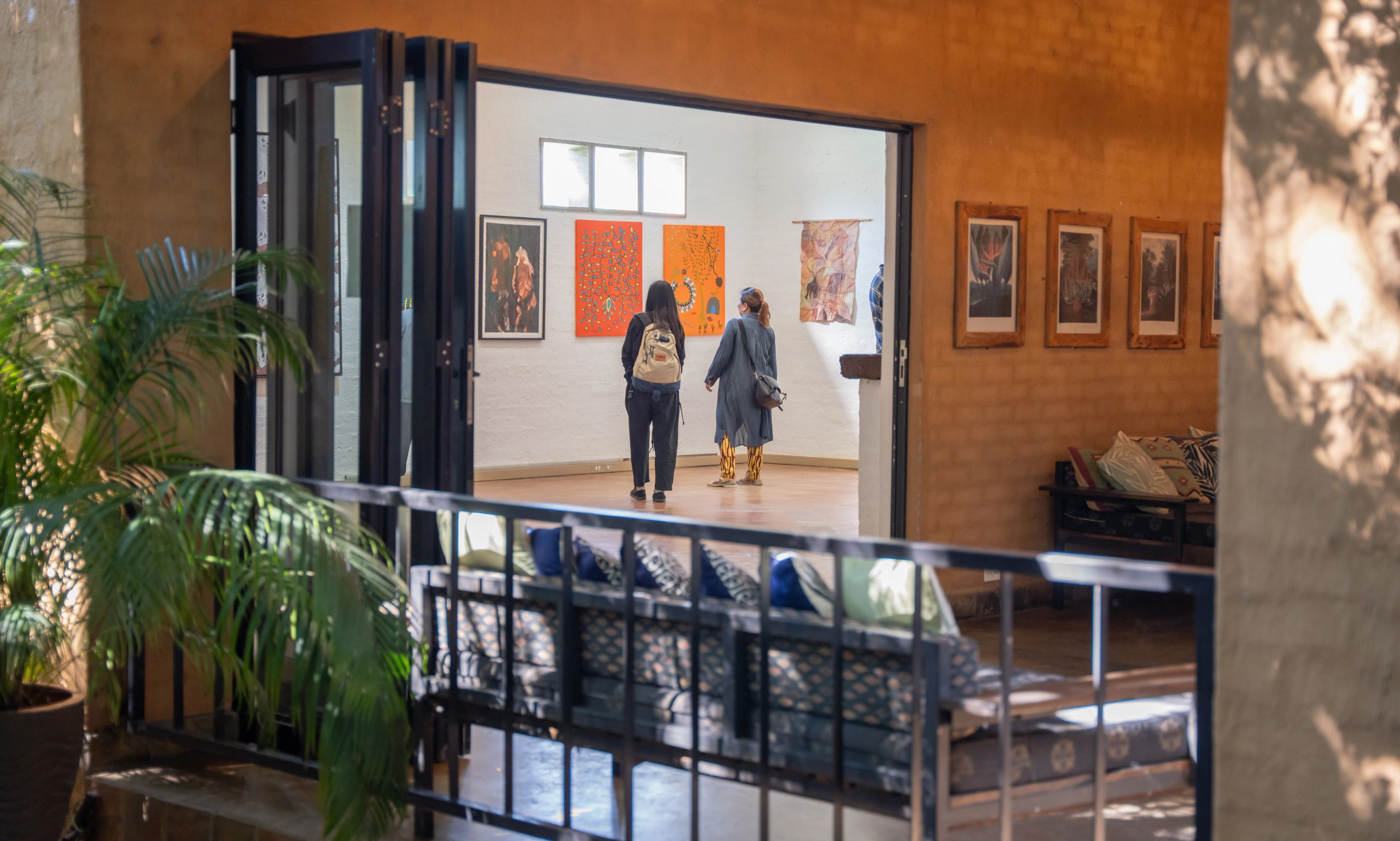
Art & Wine, presented by St. Patrick's Society in collaboration with Artist Residency Centre (ARC), 2025. Courtesy Artist Residency Centre (ARC).
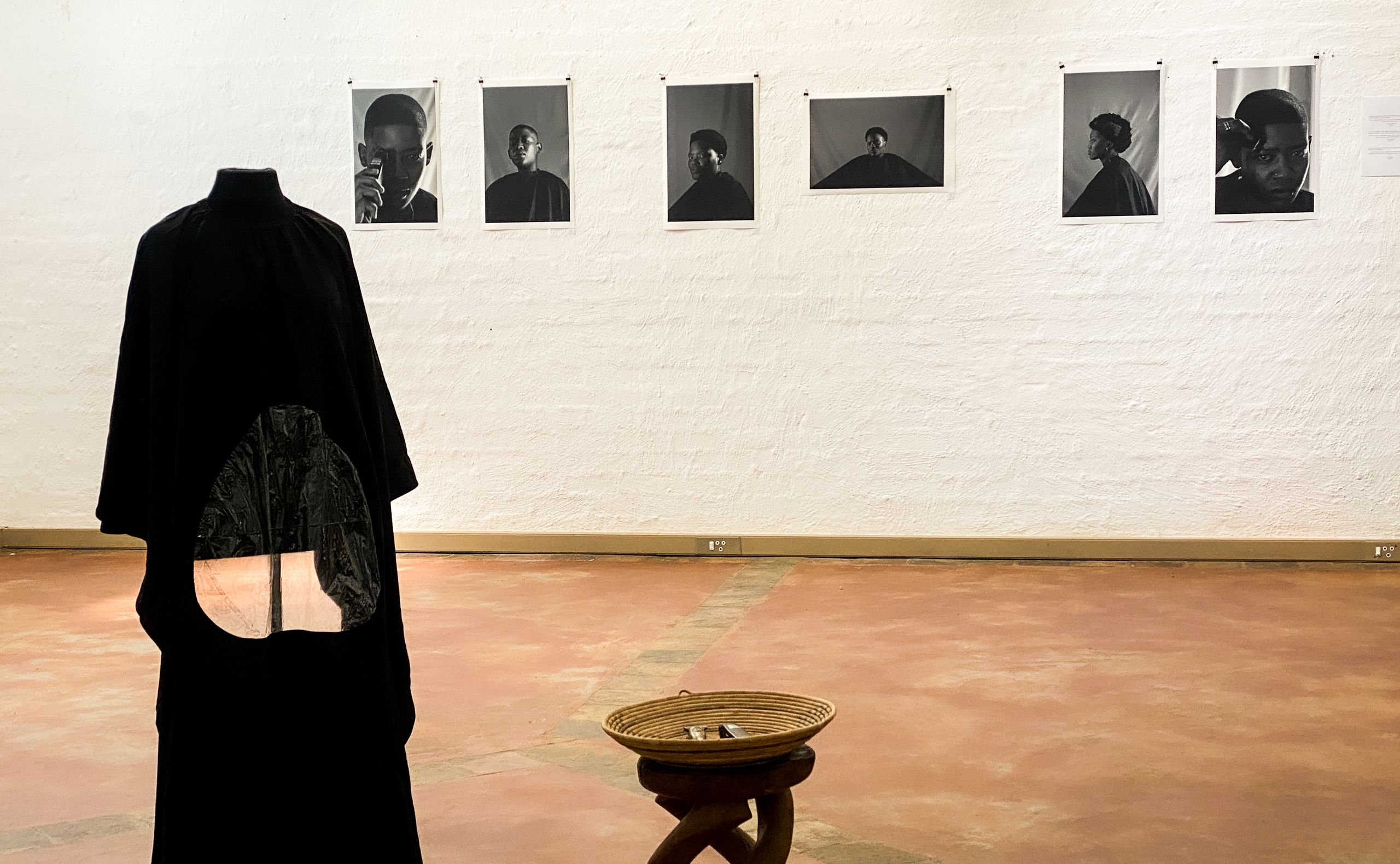
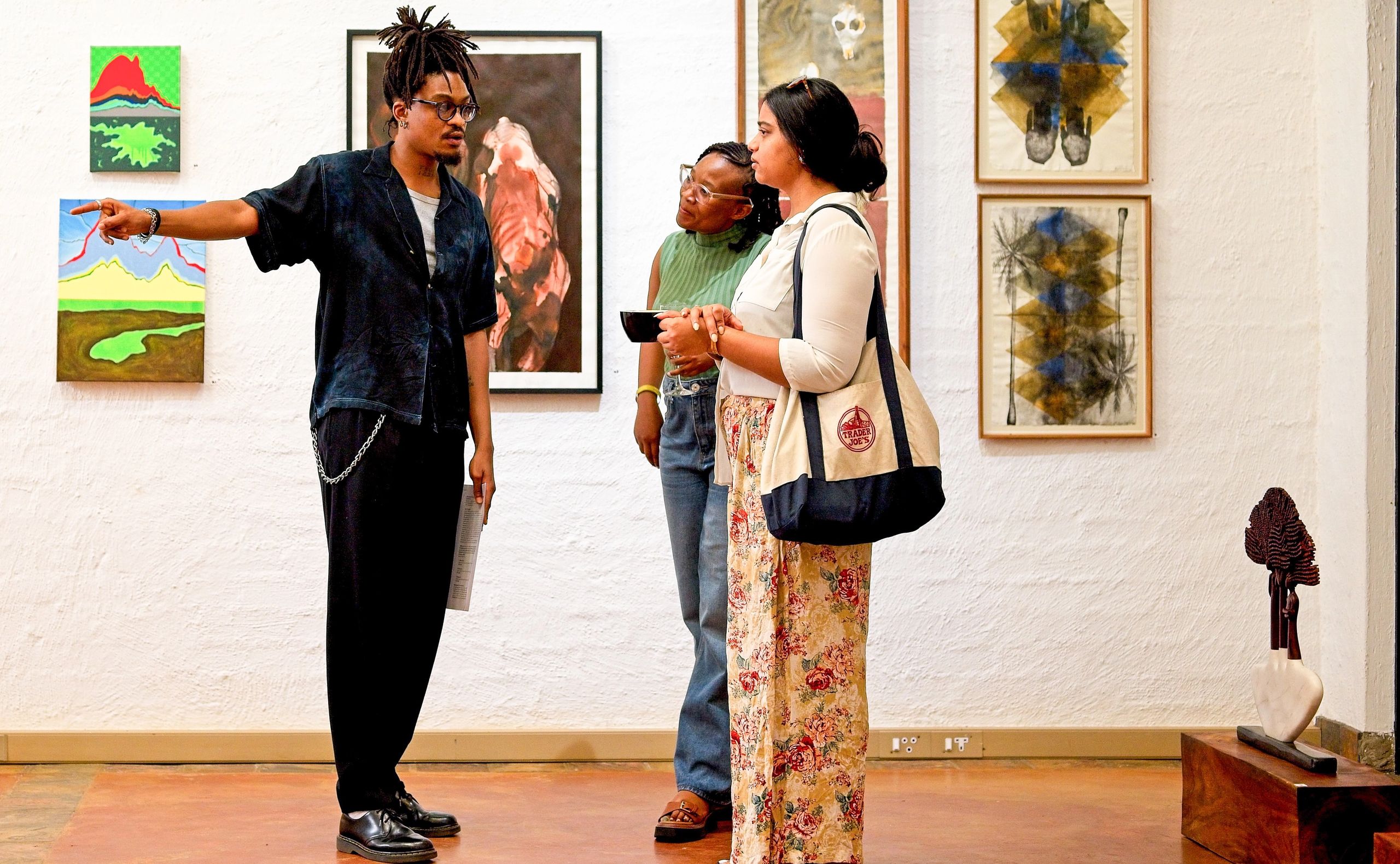
Kat Kitlano Mosigi residency exhibition, Linnaeus, 2025. Courtesy Artist Residency Centre (ARC).
In 2025, the Latitudes Art Fair in Johannesburg had a Botswana focus, featuring ARC along with other visual arts organizations such as the Space Botswana, TBP Artist Collective, Banana Club, and curatorialbusiness Recurate.
This international collaboration spotlighted the potential for local partnerships and the role private entities can play in supporting contemporary art in Botswana, where public funding may fall short. While corporate tends to neglect long-term development in order to prioritize commercially driven production, gatekeep and direct what artists produce to suit the palette of what is considered popular,platforms like ARC expand and challenge critical discourse. They play a crucial role in guiding and advocating for artists in the industry, while exposing and educating stakeholders on how diverse talent can be better supported.
The financial considerations ARC has constantly had to face speak to the broader structural realities and limitations around funding for non-profit art organizations, which mostly look to fund on a project basisinstead of supporting organizational costs that help secure longevity, such as salaries and infrastructure. Across the continent, the industry could still benefit from more government support — not only to create material products but to formalize and strengthen the art ecosystem from education to profession.
ARC is seeking to develop wide-ranging partnerships with embassies, international art fairs, private actors, and civil society to foster possibilities locally while strengthening relationships beyond Botswana’s borders.
“It’s connections, contacts, projects, residencies, and workshop opportunities that build a career and give you a platform,” says Gollifer. “So our main thing was to give people space to make work and develop a concept. ARC is a home for contemporary art in the sense of contemporary issues.”
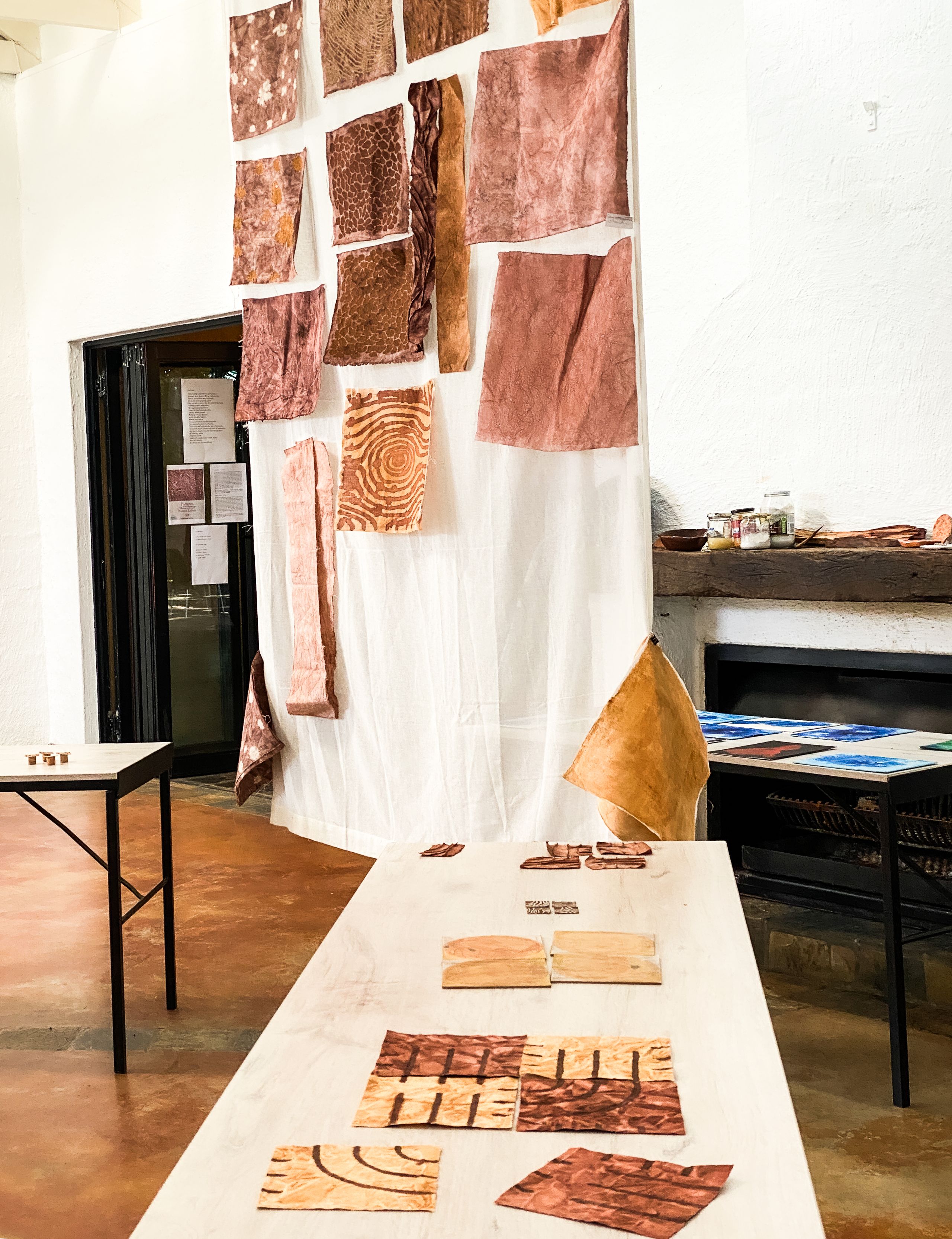
Naomi Loabile residency exhibition, Linnaeus, 2025. Courtesy Artist Residency Centre.
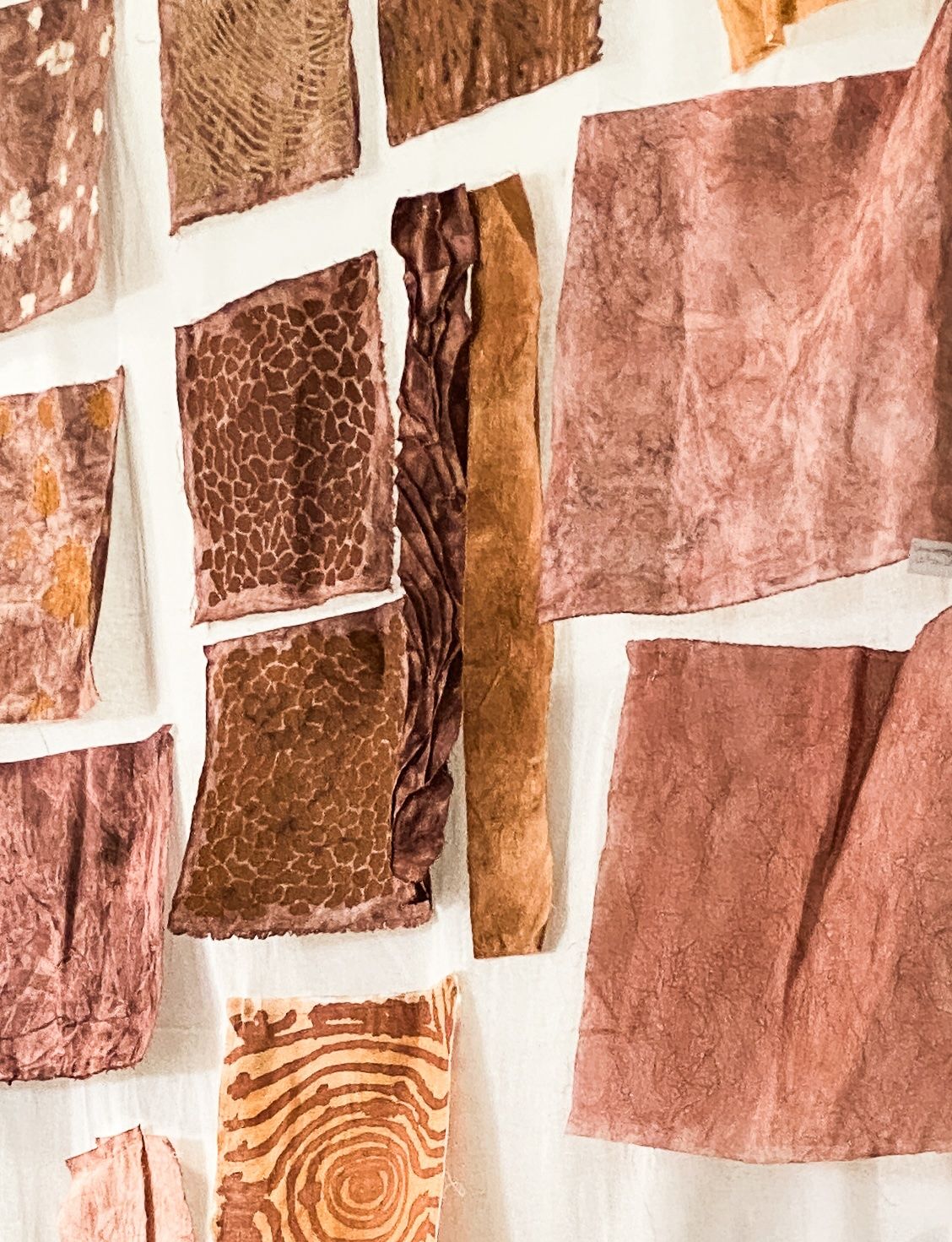
ARC is seeking to develop wide-ranging partnerships with embassies, international art fairs, private actors, and civil society to foster possibilities locally while strengthening relationships beyond Botswana’s borders.
“It’s connections, contacts, projects, residencies, and workshop opportunities that build a career and give you a platform,” says Gollifer. “So our main thing was to give people space to make work and develop a concept. ARC is a home for contemporary art in the sense of contemporary issues.”
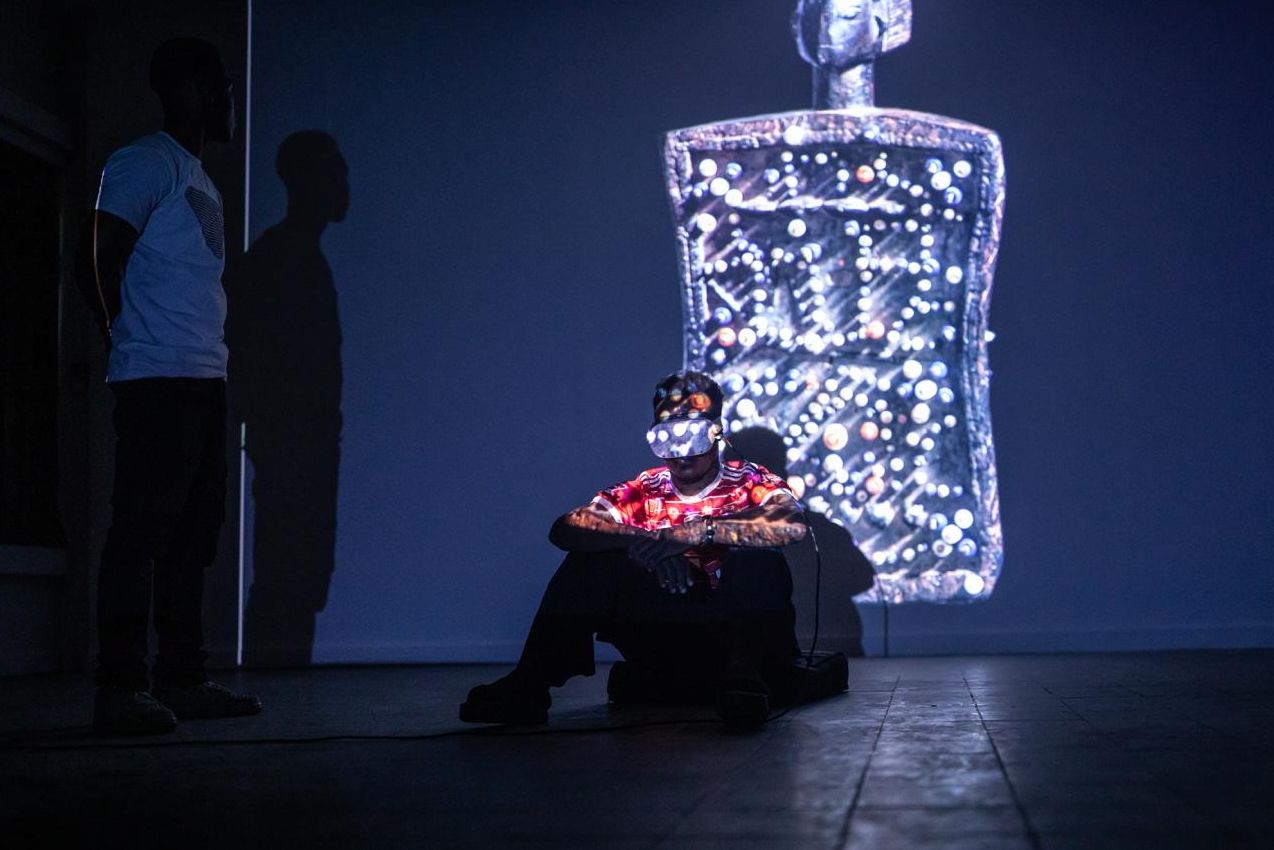
A Cohort of Artists Reconfiguring AI’s Memories
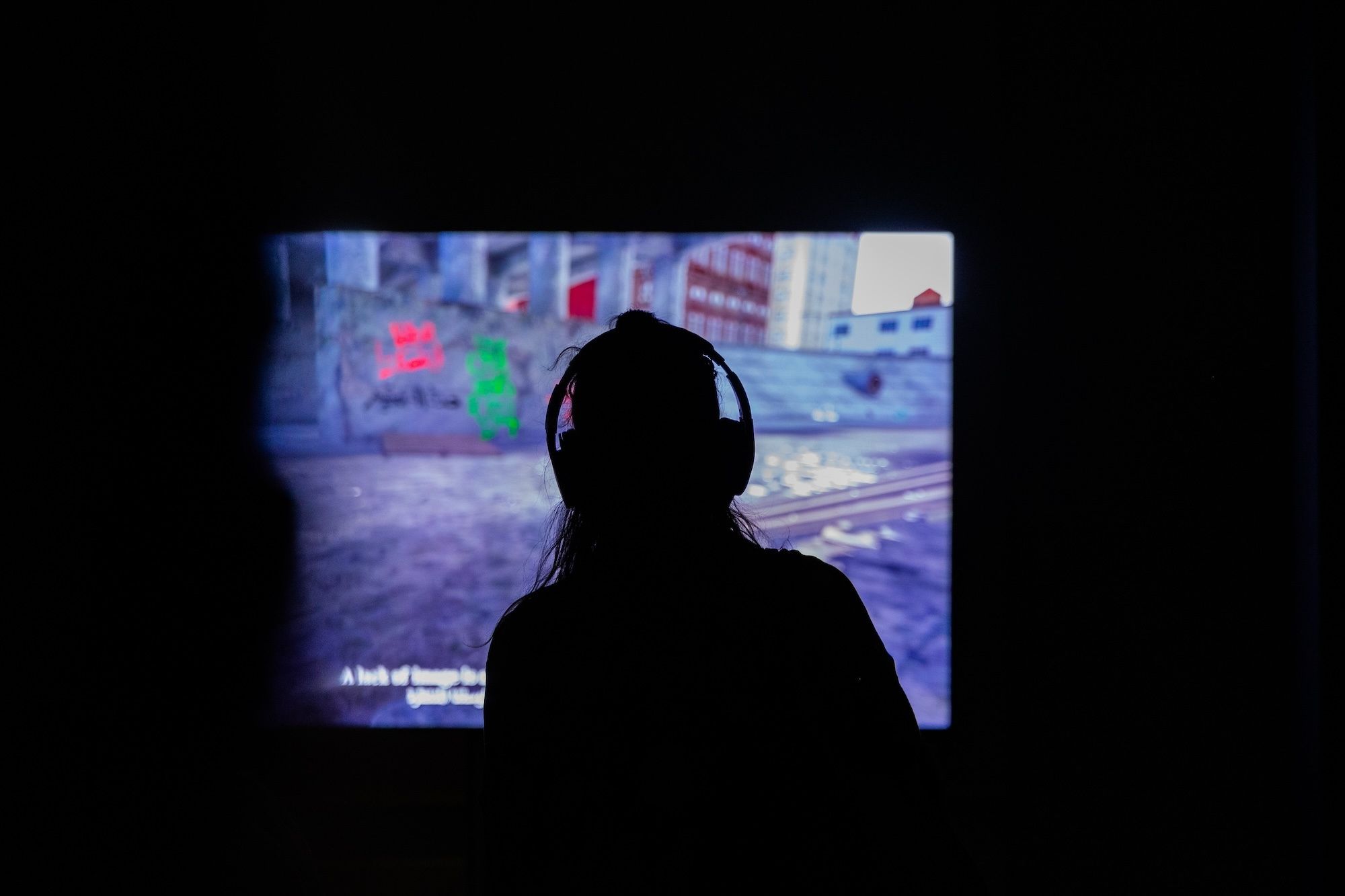
Situating AI: Conversations on African Ecosystems
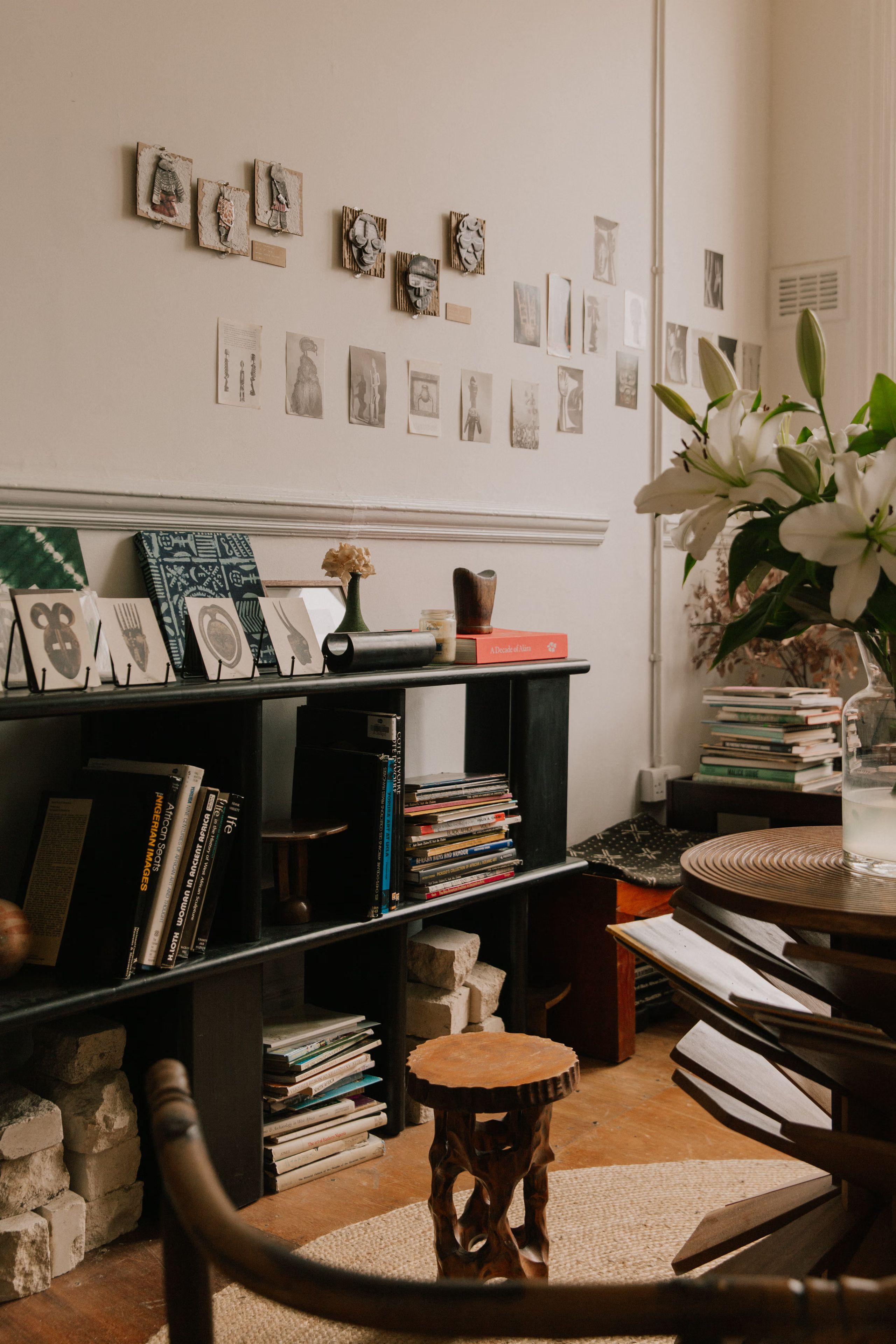
Seed Archives: Thabo Weaves a Cocoon for Listening
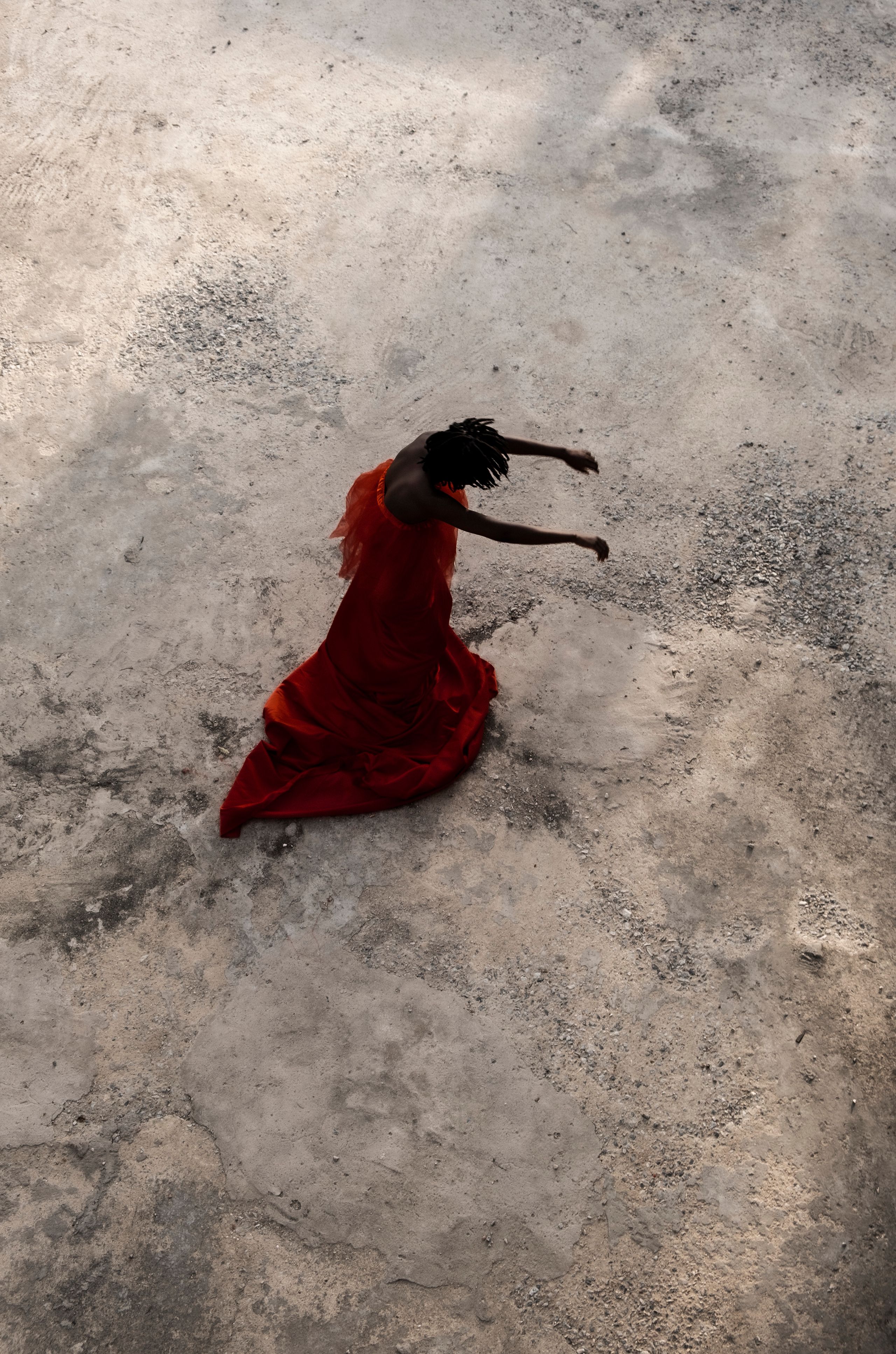
Naafia Naahemaa: What Appears Solid Is Already In Motion
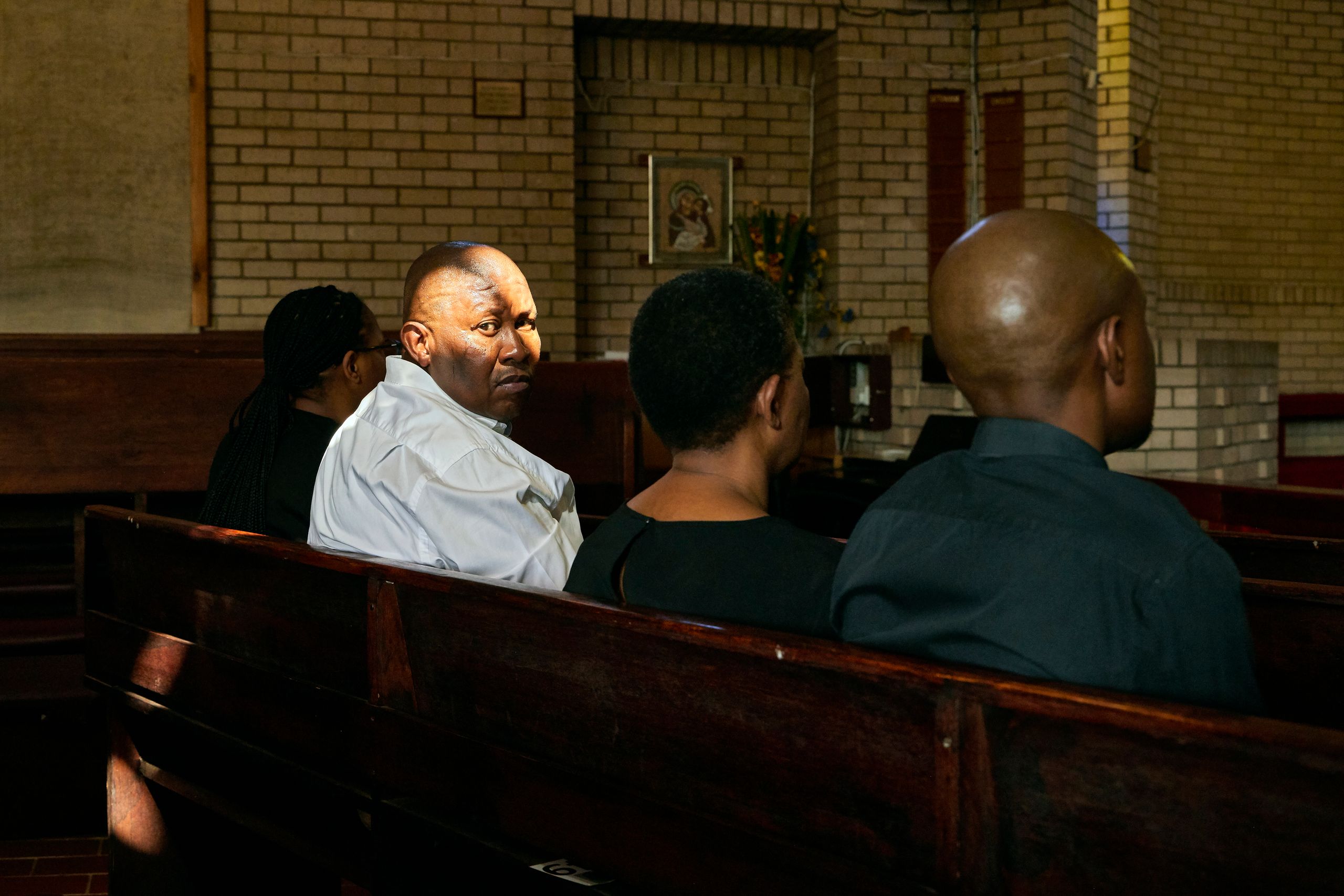
We're Still Here: Thero Makepe’s Visual Jazz