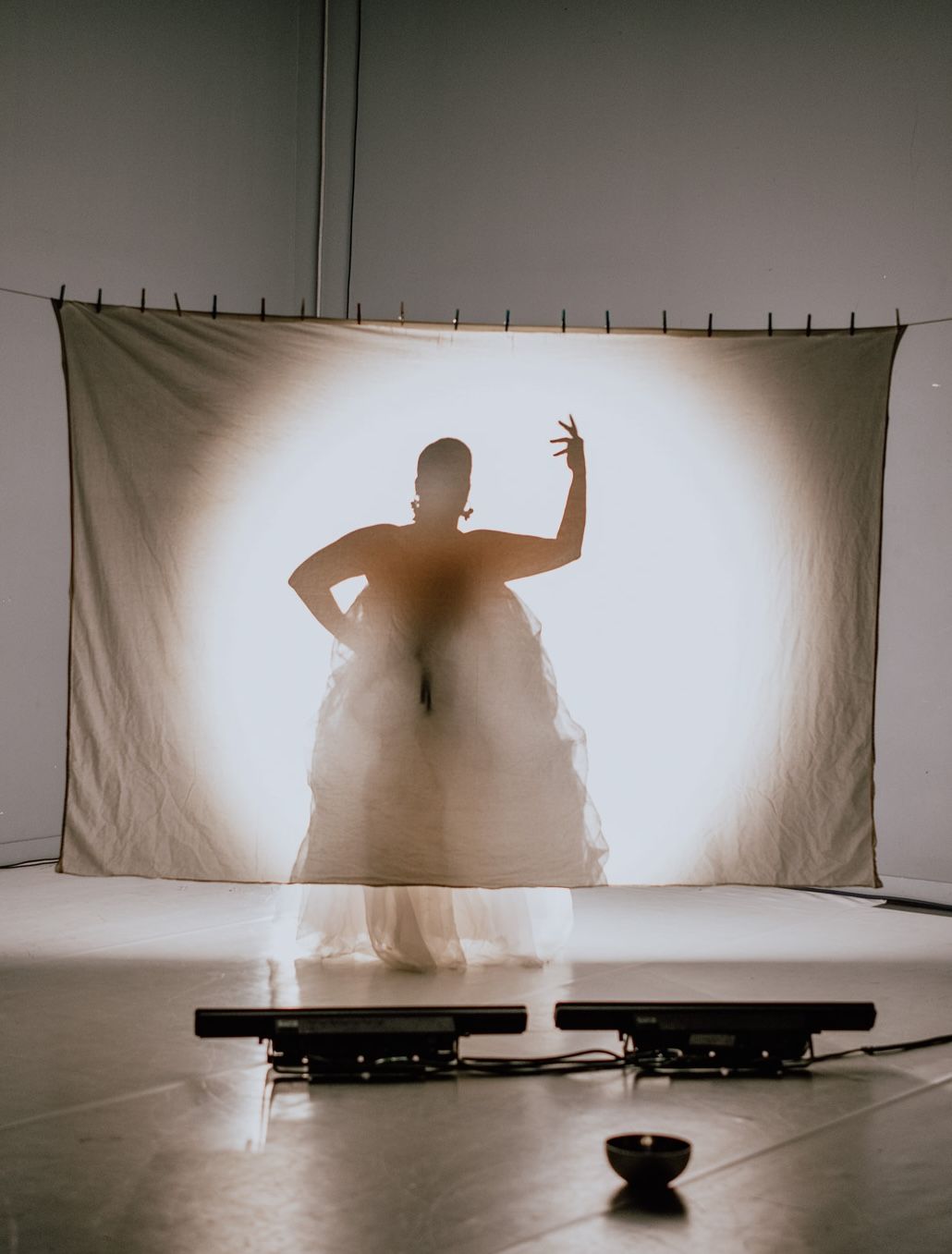
The Aftercycle: Speculations on Responsive Touch and Restituted Objects
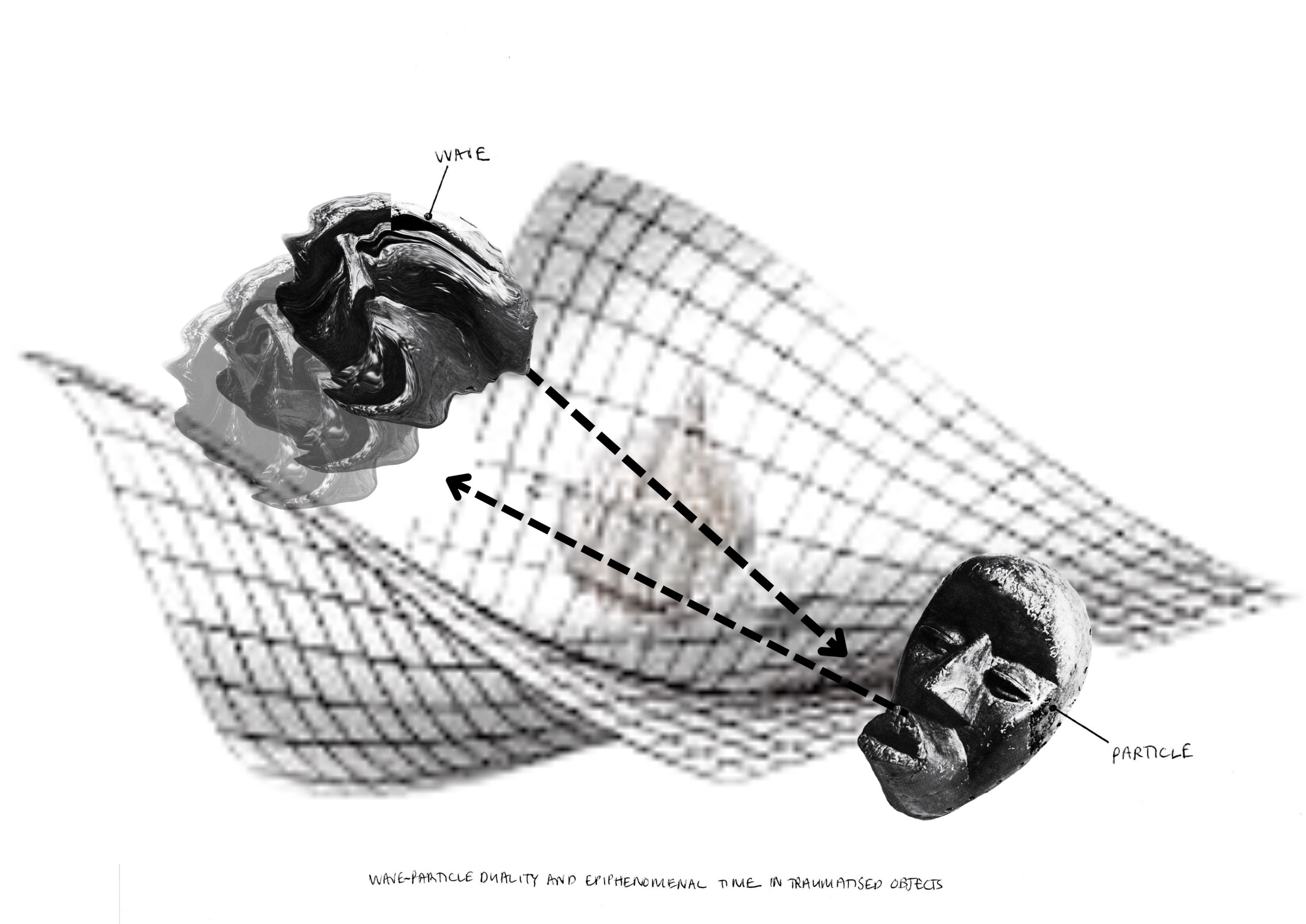
"Might cultural artefacts be stuck in traumatized loops, moving forward, back and sideways through time…?" Courtesy of Thulile Gamedze.
What do fast fashion waste piles on African coasts and looted objects in European museums have in common? Writer Thulile Gamedze proposes that both are sites of accumulated trauma — material things haunted by the hands that made them, the lives that used them, and the violence that displaced them. Drawing on Bogosi Sekhukhuni, Achille Mbembe, and the practice of aftercycling, this essay asks what it might mean to listen to objects rather than preserve them — and why touch, not distance, may be the more radical form of care. This text is part of C& and Pro Helvetia’s Fieldnotes Arts Writing Exchange 2025–2026.
If material problems are inextricable from immaterial problems — ghost problems — then material transformation is immaterial transformation.
African economies have been subjected to both cultural looting and waste dumping, leaving behind the problems of negation and loss but also of overwhelming surplus. On western coasts of the continent, where global fast-fashion waste settles on and seeps into land and water, the presence of the clothes’ latent information — their ghosts, laboured and worn — is easily forgotten in the weight of sheer volume. This waste problem, both material and ghostly, has been created through an ever-quickening pace and squeezing of industry conditions.
In response, fashion designers who ‘upcycle’ work with the surplus, reorganizing second-third-fourth-hand materials for future lives. At its best the upcycle — or, as I prefer, aftercycle to place-hold for what existed before — communes with material through deep listening and sensitive, touched responsiveness, allowing for its new expression without trying to expel its history.
If material problems are inextricable from immaterial problems — ghost problems — then material transformation is immaterial transformation.
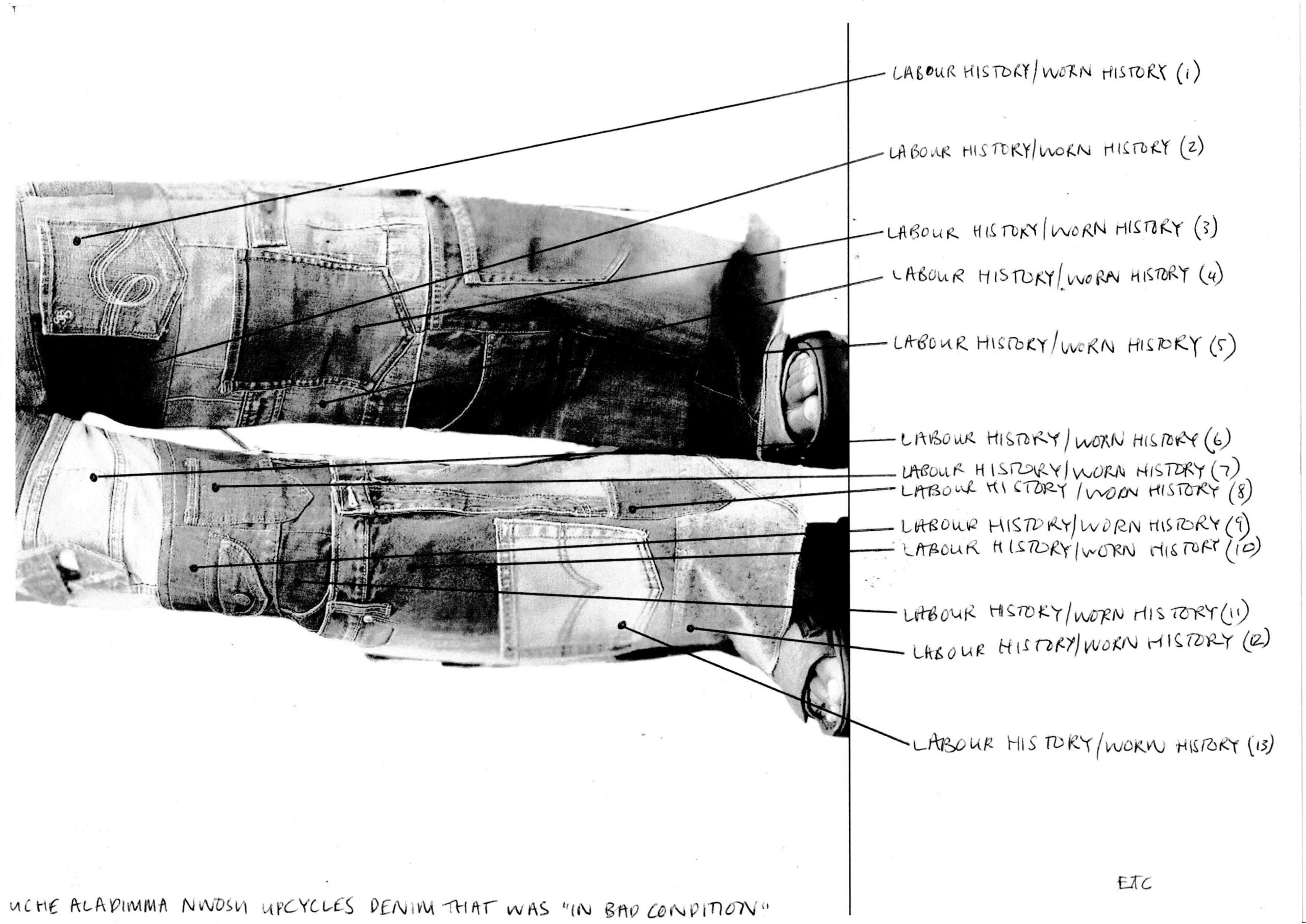
Wearing one of Uche Aladimma Nwosu’s pieces — the “pocket manifesto” — effectively draws together denim histories of multiple wearers and textile workers, each pocket a portal into lives lived and labored. Uche Aladimma Nwosu, interview, November 2025. Courtesy of Thulile Gamedze.
TRAUMATIZED OBJECTS COLLAPSE TIMELINES
In 2022, online consumers were spooked by reports of disturbing and strange messages tucked into labels of Shein clothing: “Help Me,” “SOS,” and “I have dental pain.” While the credibility of these messages as communications from factory workers in crisis was largely undermined, they served to de-fetishize the clothes as fast-fashion commodities. Imbuing garments with workers’ uncompensated pain and labor, the reports highlighted the trauma that may come to live in objects by way of their creators’ lived experiences.
In Latent Fields of Hyper-History: Quantum Physics & Afri-Indigenous characters in Recent Science Fiction, Bogosi Sekhukhuni writes about trauma as a psychological and embodied force that can heighten its experiencer’s awareness of ‘epiphenomenal’ temporality. As phrased by Michelle Wright, epiphenomenal time rejects the Western-centric conception of time as a straight line of consecutive progress, and instead explains it as cumulative— where each moment consists of layers of ‘pastness’ and ‘futureness.’
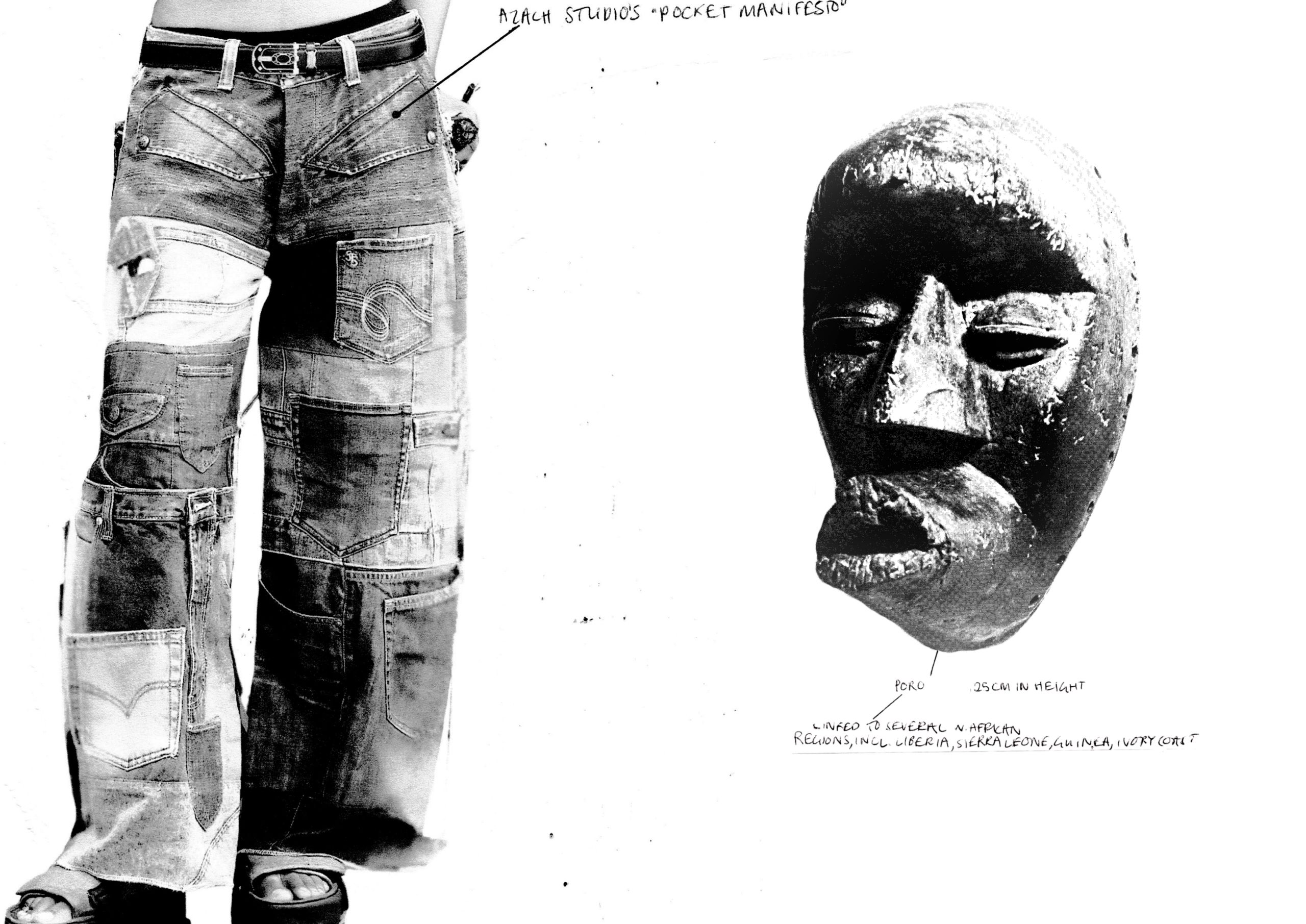
AZACH Studio’s “Pocket Manifesto”, and a Poro Mask. Reproduced in Arikaanse Primitieven, 1968, written by GW Sannes, Published by Lochem, De Tijdstroom. Courtesy of Thulile Gamedze.
Any survivor can testify to the involuntary time-traveling capabilities that trauma grants, a trigger transporting the unwilling body forward and back through dark times. While the intergenerational trauma of colonialismcontinues to be explored in broad and human terms, colonial looting, which rendered cultural belongings as property, may equally have traumatized these objects. Like ‘fast clothes,' born from the hands of workers enduring cycles of bodily and psychic suffering without reward, might these looted belongings be stuck in traumatized loops, moving forward, back, and sideways through time.
TOXIFICATION OF AND HARM
“Factitious disorder imposed on another [formerly called Munchausen syndrome by proxy] is defined as deception created by falsification of medical or psychological signs and symptoms in others. [...]”
“Diagnosis, which remains an essential part of conservation practice today, assumes that astable material state is. the goal when it comes to treating objects,and that this standard, conceived as neutral, must be maintained.Any material instability, therefore,represents a threat to the object.” — Lotte Arndt and Ariane Théveniaud
Historically, looting represents only the first in a series of injuries to the colonized African object. With Western museum conservation emerging as a practice at the height of colonial “collecting,” loot became the subject of so-called scientific approaches, according to Arndt and Théveniaud. In the 1930s in Paris, for example, any materially unstable object procured was pathologized, diagnosed, and “treated” in an auto-clave (fumigation chamber)using disinfecting chemicals that include paradichlorobenzene (now declared eco-toxic and cancer-causing).
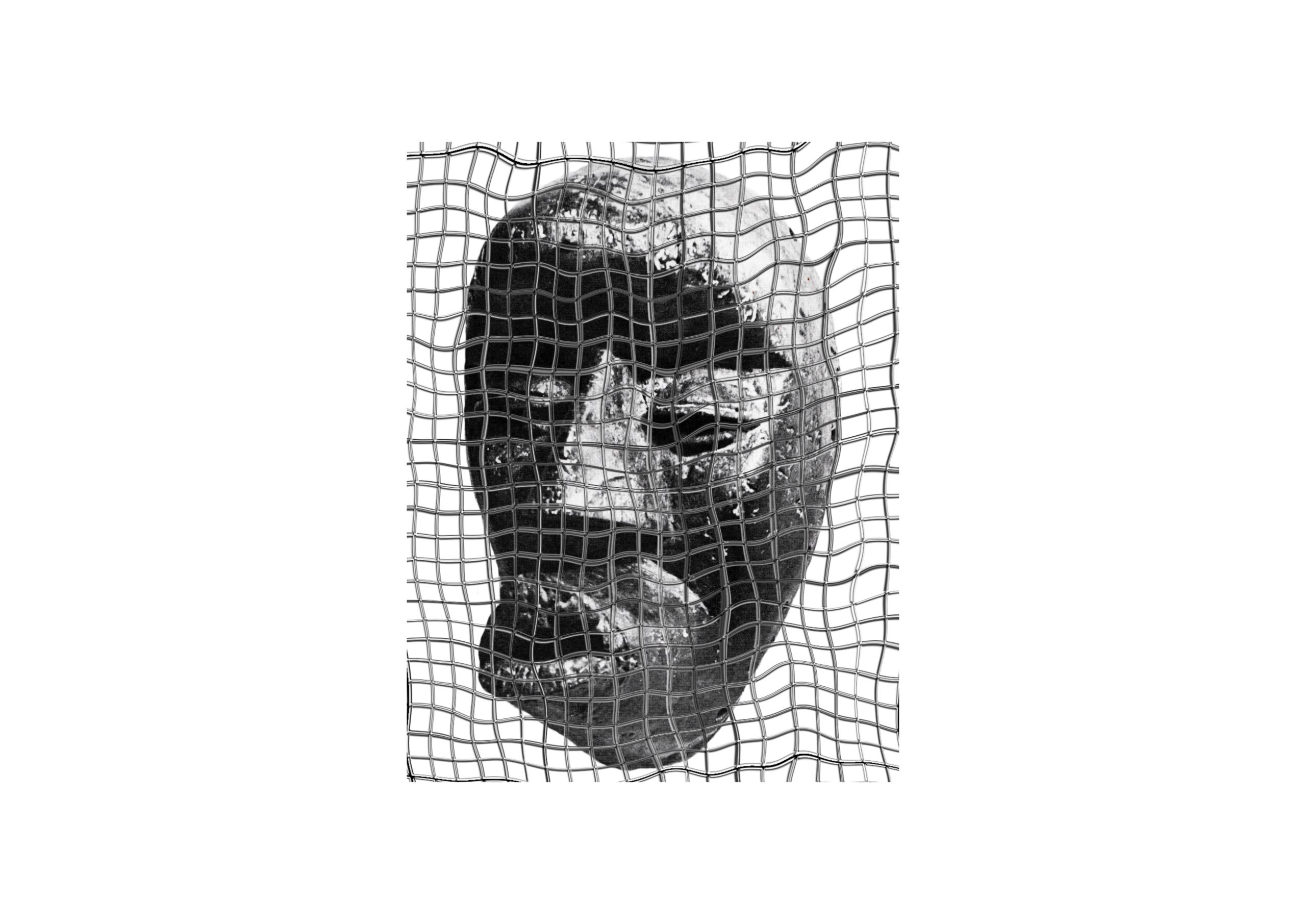
“Any material instability, therefore, represents a threat to the object.” Courtesy of Thulile Gamedze.
In a 2023 chapter, Achille Mbembe described the physical violence enacted on ‘savage objects’: “Some have endured numerous wounds and amputations, including physical, and now bear considerable scars.” With reference to masquerades — many of which often include dresses and other material adornments, Mbembe describes how “Europeans systematically stripped them ‘of everything that seemed to conceal their apparentstructures’” leaving behind only stark wooden mask forms.
As their commitment to ‘science’, colonial collections have served to wholly re-constitute looted African belongings, splicing and recomposing them, rendering them ill and then treating them with toxins — freezing them in time.
They are stable, they are petrified.
SCARCITY DISABLES TOUCH
Let’s return to the deep listening and responsiveness of the aftercycle, a process made possible due to a surplus of materials and the extreme devaluation of clothing. The looted (now) object, on the other hand, is made untouchable through capital relations — the production of value through scarcity. Its elevation comes hand in hand with the “stabilization” of its material, the attempt to standardize and turn it to a museum artifact in order tomaster, fetishize, and own it, rather than commune with it. In this system, scarcity imposes distance, and distance disables the possibility of touch.
Looted, injured objects become increasingly lonely — or die — without the right attention.
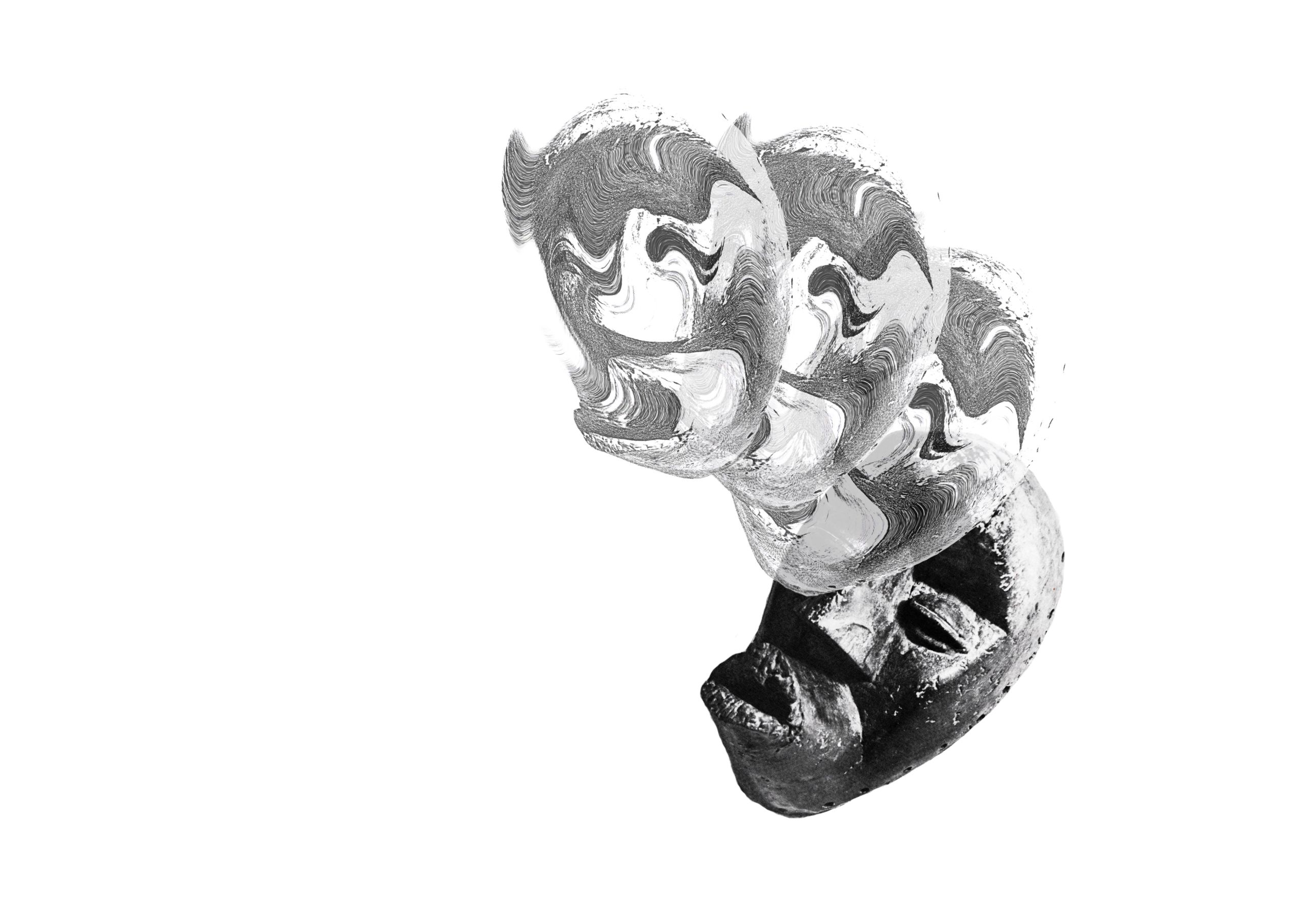
“something absent, something situated elsewhere...” Courtesy of Thulile Gamedze.
WHAT’S GONE IS GONE AND WHAT REMAINS IS SUFFERING
As a result of the fundamental change undergone by these cultural belongings under European “care,” many scholars urge us to de-materialize the question of restitution. Displayed captured belongings are described by Nuno Porto as “the fragmented presence of something absent, something situated elsewhere,” coming to represent only the loss and death that colonialism imposed on their origins. In a short text entitled “Sight,” (part of Zara Julius’ “A Funeral For...” publication) Zoé Samudzi argues that restitution must recognize this burden, and should be an attempt to “restitute death,” rather than just to repatriate materials.
Buying into imposed African representational regimes can surely only extend the incarceration of looted belongings. We need more radical decisions about what to do once they do reach African soil. Outside the confines of bureaucracy, I speculate that these stolen, injured, and forever changed objects deserve to be listened to and touched, changed anew by parties with historical connections to them. They themselves should not be mistaken for the vessels of restitution. We should not be told how we are to approach them, or that we lack the correct conditions for their preservation, or even that they need to be preserved in the first place. The objects should exist relationally once again, rather than through the logic of property, whether this means transformation or return to the earth.
These stolen, injured, and forever changed objects deserve to be listened to and touched, changed anew by parties with historical connections to them.
All images courtesy of Thulile Gamedze.
About the author
Thulile Gamedze
Thulile Gamedze is a Johannesburg-based cultural worker engaged in text, textile and history, and interested in the possibilities that emerge through the collapse of discipline. She has published extensively in art and academic platforms in areas from contemporary art and Southern African art history, to the aesthetics of radical movements, the politics and poetics of water, and pedagogical practices of the undercommons.
Black Orpheus: Who Gets to Frame a Black Cultural Canon?
Public Fiction: How Art Drafts Realities
When We Gather: On the Not-Yet-Become in Lagos
Sounding the Ocean: Spiral Networks of Remembrance and Elation
Notes on Editorial Dis/Continuities