Olukemi Lijadu: Feedback, Friction and Black Atlantic Music
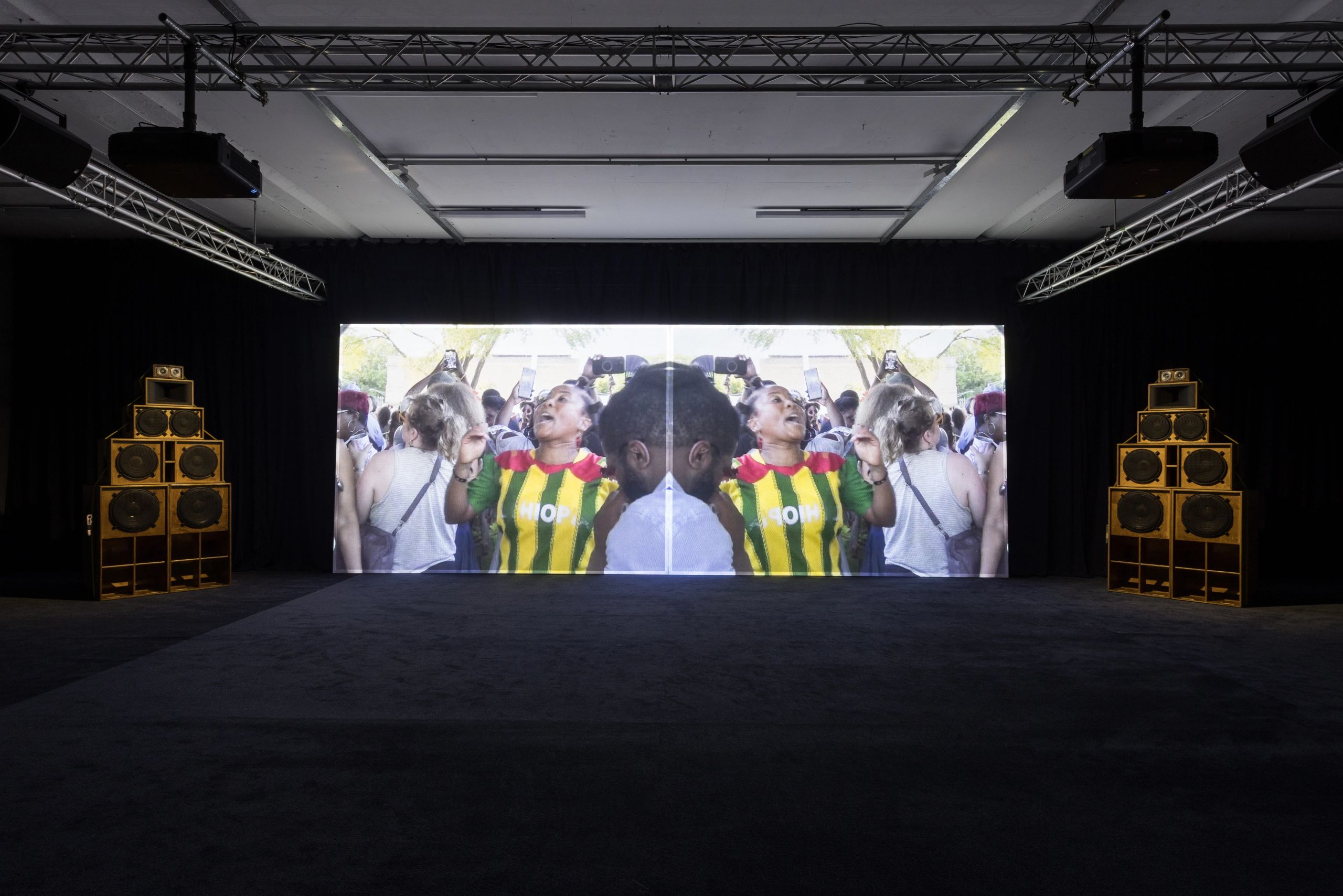
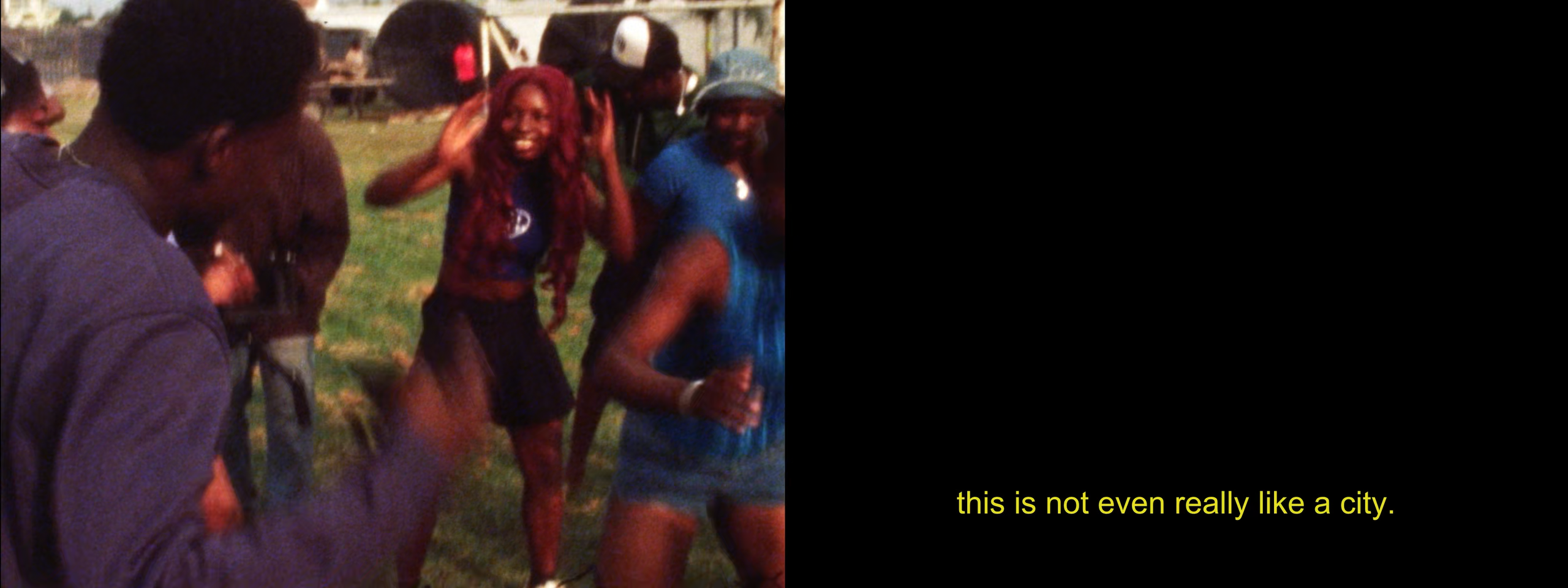
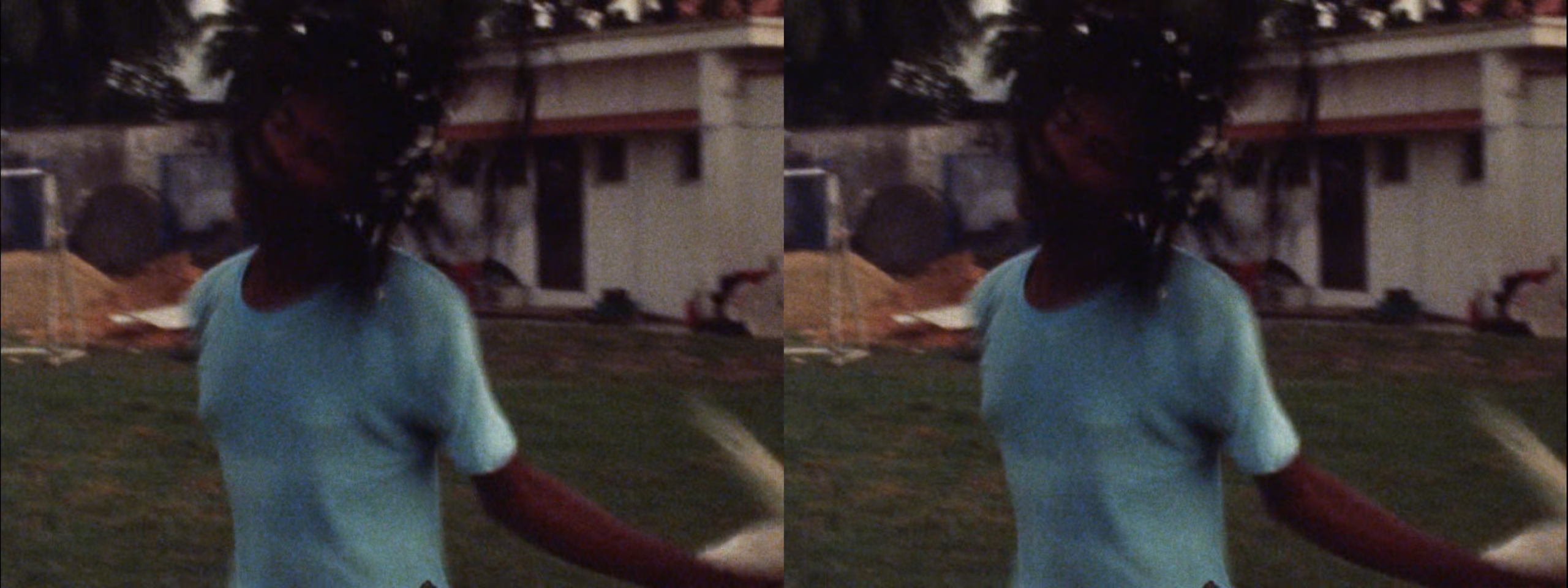
Olukemi Lijadu: Feedback (2026). Install shots at Spike Island, Bristol. Images courtesy the artist, photography by Rob Harris.
In conversation with writer Sarah Johanna Theurer, artist and DJ Olukemi Lijadu traces a West African sonic continuum — from ancestral writings on Yoruba spirituality to drum-and-bass raves of Lagos and Bristol. Across video, archival footage, and sound system culture, she holds open the contradictions of memory across the Black Atlantic. Her work asks: how do you pin a sound to a place, and what happens when you refuse to? Lijadu's largest solo exhibition, Feedback, is on view at Spike Island, Bristol, until 10 May 2026.
Sarah Johanna Theurer: I'm drawn to the way you work with layers. In your visuals, musical scores, and screenings. Also layers of stories – very personal ones that connect to larger, generational histories.
Olukemi Lijadu: I think about this layering in terms of memory. I'm trying to remember things. Being a Nigerian person born after independence from Britain, I've witnessed a concerted effort to forget or disconnect from our history. There are modes of dealing with memory that encode things in ways that language and formal education do not. I see it very clearly with myself. Although I grew up in Nigeria, I don't speak my language. The priority was always to speak English, so that you could have a global career. Our traditional languages are not seen as economically useful. By forgetting our languages, we forget our shared history. For me, the best way to revive this is through the collaging of media. Patching together requires a multi-sensory engagement.
ST: Do you remember when and how you first connected with that shared history?
OL: I think my first history lessons around the Black Atlantic were with my dad. During long nights listening to music from across the Atlantic, I began to understand the sonic continuum that extended out of the African continent, and keeps moving and reverberating in divergent ways.
ST: It’s personal and political. Was it music that inspired you to research African philosophy?
OL: Studying political science and philosophy at Stanford, I got frustrated spending four years learning about Ancient Greeks and the Western epistemological canon, but rarely engaging with knowledge from people who look like me. It was born out of fatigue with absorbing foreign things. I felt the urge to reclaim forms of language and communication that academia has dismissed. Studying African philosophy is challenging because we didn't write much down; it was primarily oral history. But at university, music, poetry, or stories were not seen as genuine sources of knowledge.


ST: I think music can function as an epistemological agent, producing forms of knowledge outside of language that might not exist otherwise.
OL: I am really into Socrates because he never wrote anything down. We don't know if what he said is actually true. That's the truth! Socrates would go in the street and just talk to people, ask questions and disturb them. His philosophy was like politics. I see my art practice as a way of prompting Socratic dialogues. It’s important to me that it is accessible.
ST: How does this carry over into your new work?
OL: In my thesis, I was thinking about paradigm shifts in scientific knowledge, tracing different ways of understanding knowledge in order to expand how we think about it. In the new work [Feedback, 2026], I’musing a similar approach, but now working with feedback as concept and method. In sound, feedback amplifies but also distorts. I imagine it as a kind of replay – an endless loop.
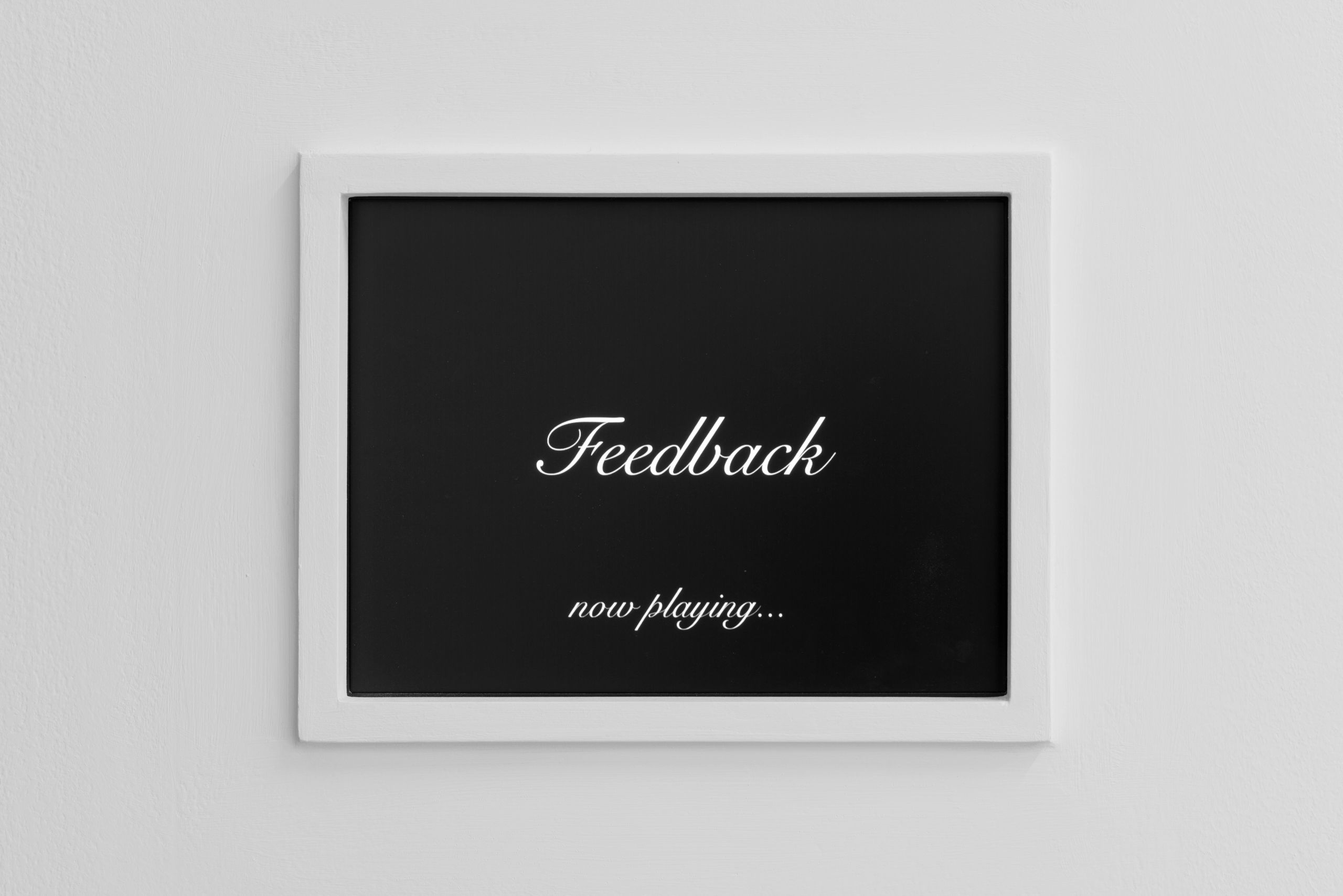
Olukemi Lijadu: Feedback (2026). Install shots at Spike Island, Bristol. Images courtesy the artist, photography by Rob Harris
I use feedback as a scientific model to think through something immaterial and to make a philosophical argument about the possibility of a West African sonic continuum.
OL: At the same time, this is my narrative. Does that continuum actually exist? I’m very interested in staying with that tension, with contradiction, and letting it remain present – thinking of that unresolved state as generative.
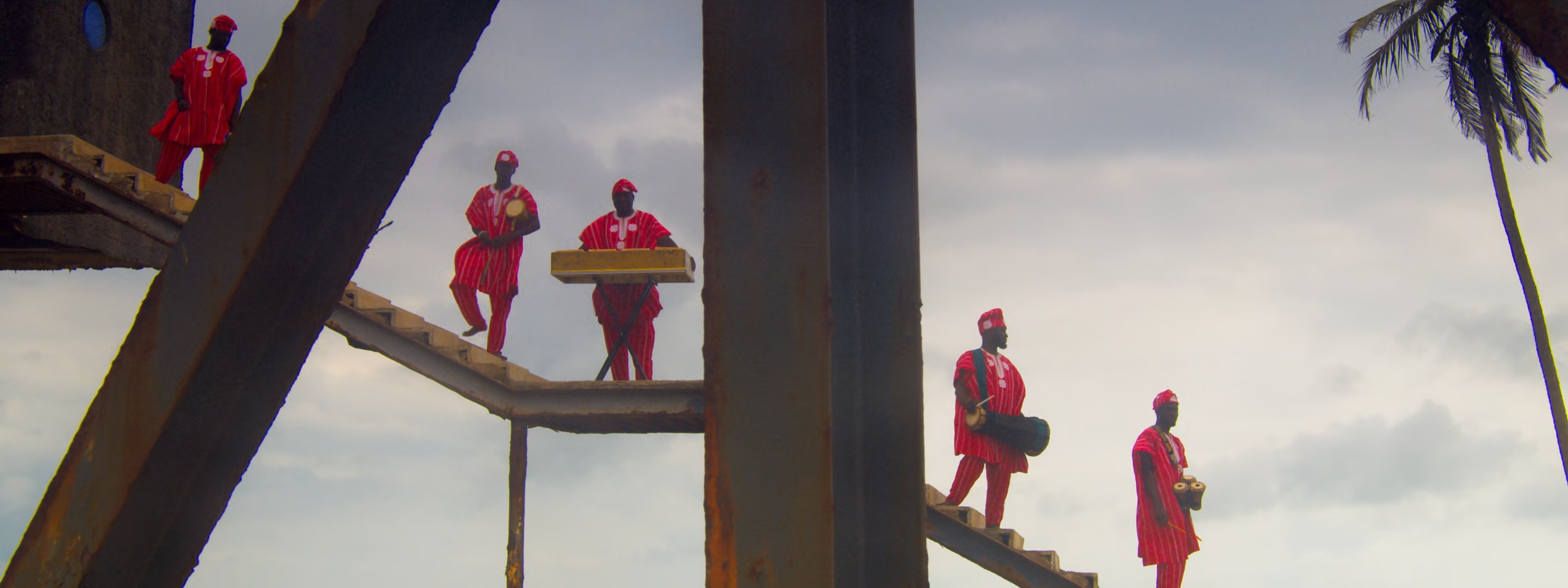
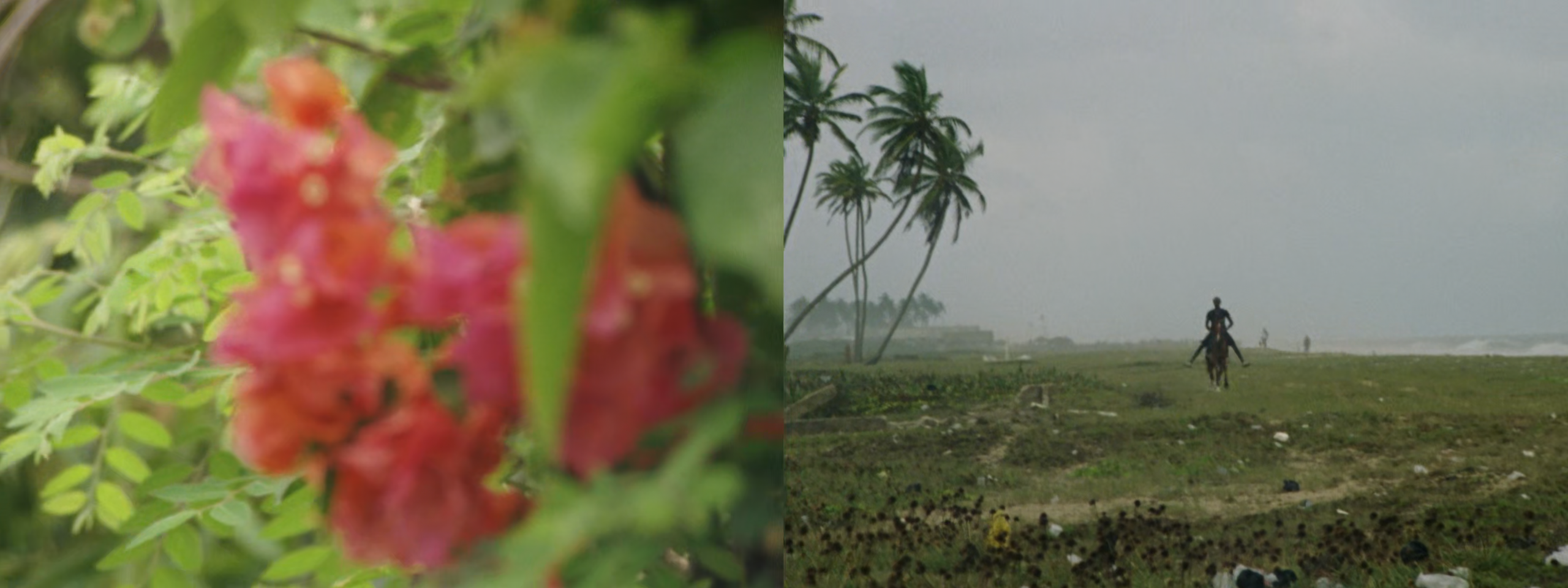
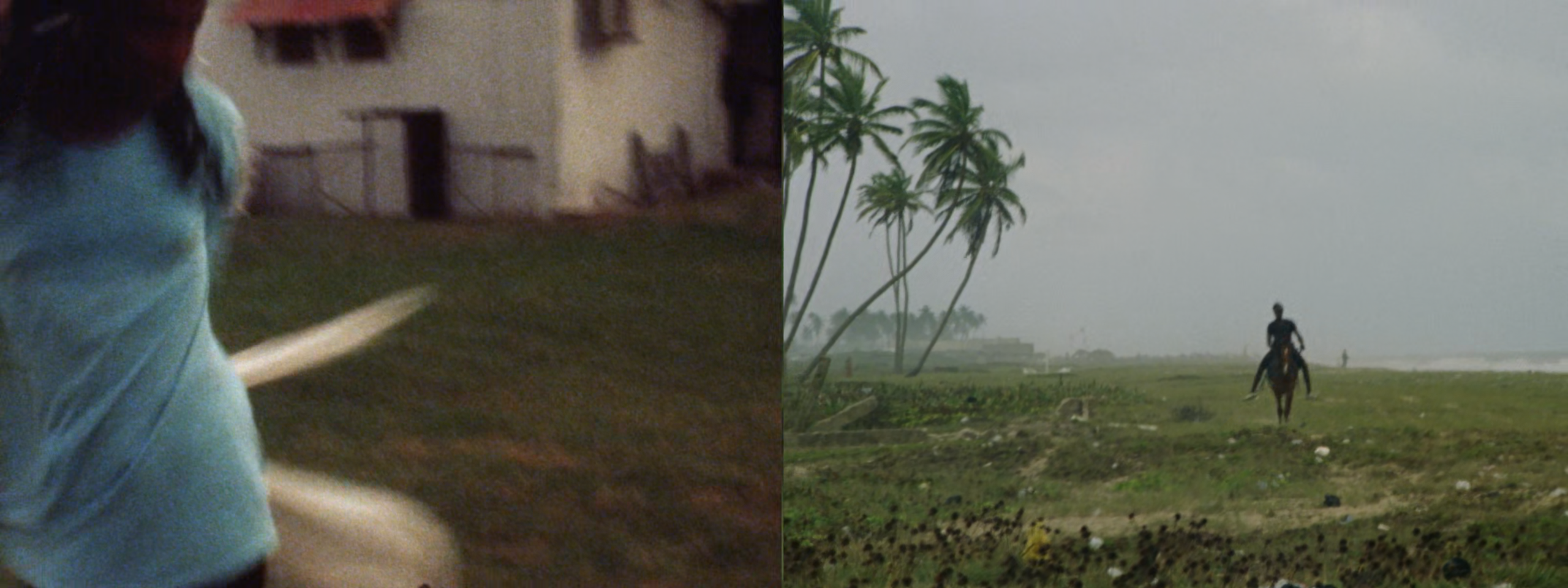
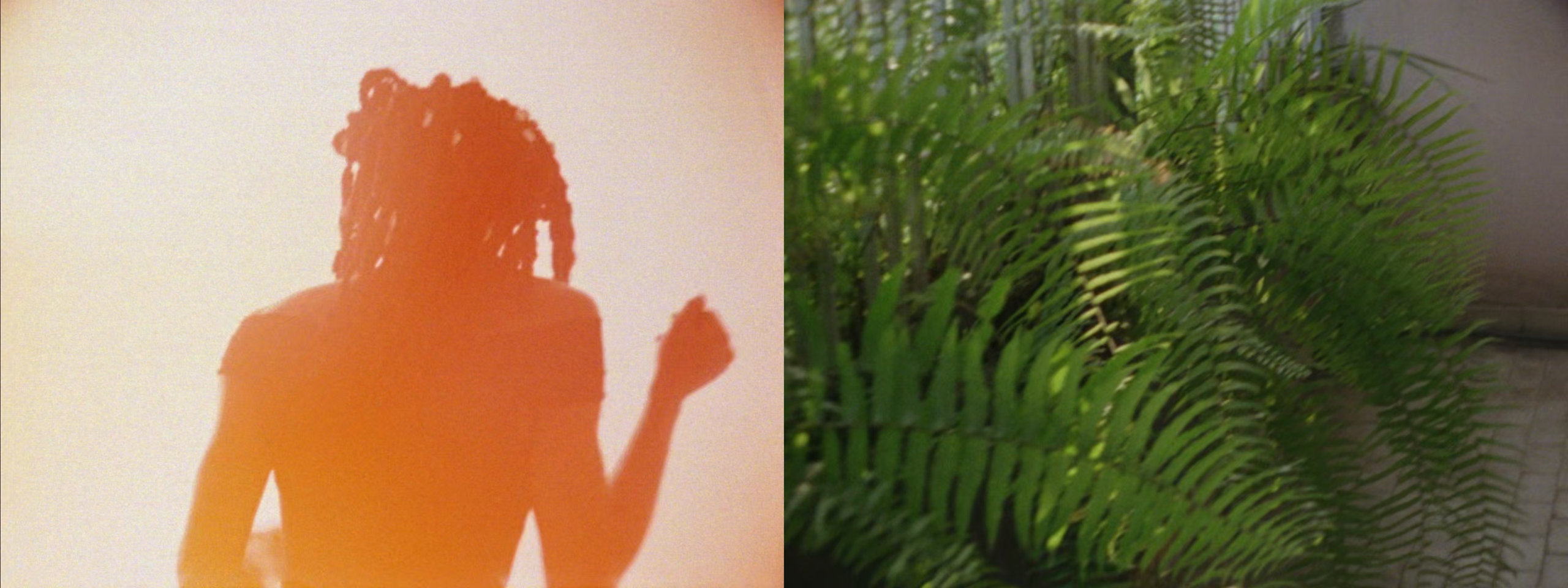
Olukemi Lijadu: Feedback (2026). Film still. Images courtesy the artist.
ST: What are the main tensions you’re holding open in this work?
OL: How do you attribute the origins of a sound? How do you pin a sound to any person or group? And when do you say things began? It's always arbitrary, but it's important to stipulate something for the conversation to move forward.
ST: You mix different kinds of footage, some that you shoot, some archival. There's also a question about reframing – or maybe manipulating – something you found and whether you have the right to use, read, or reread the materials.
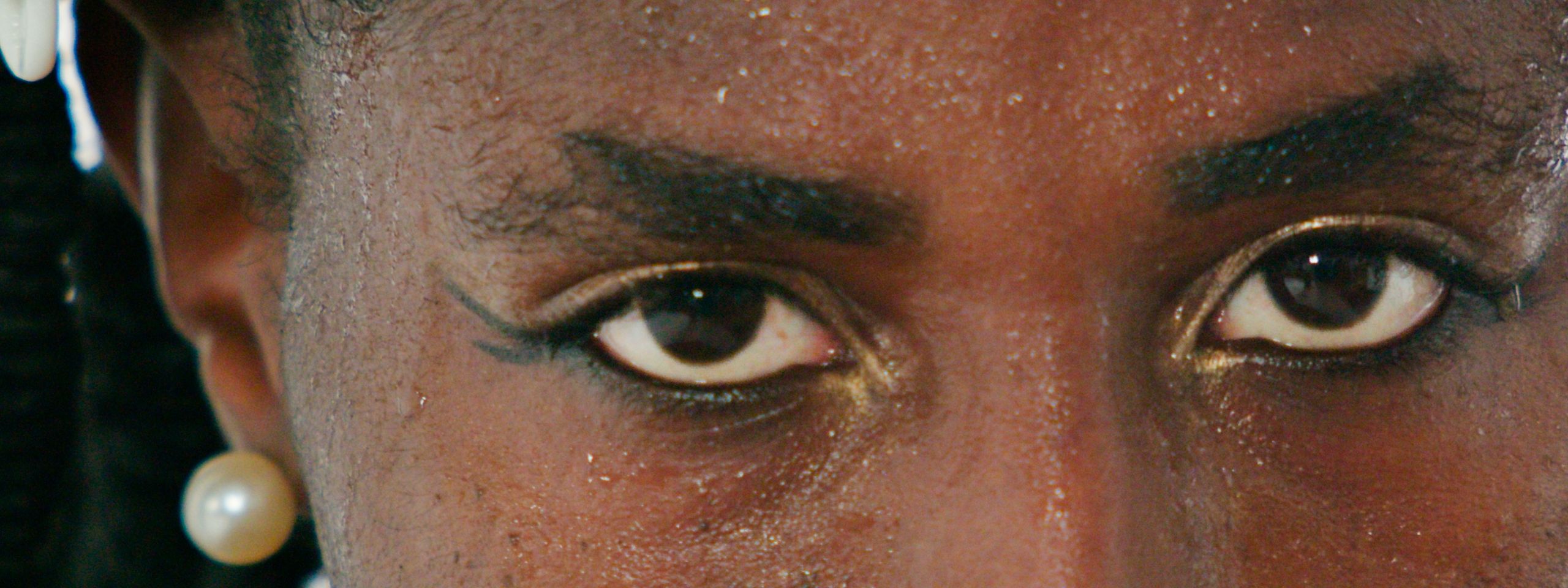
Olukemi Lijadu: Feedback (2026). Film still. Images courtesy the artist.
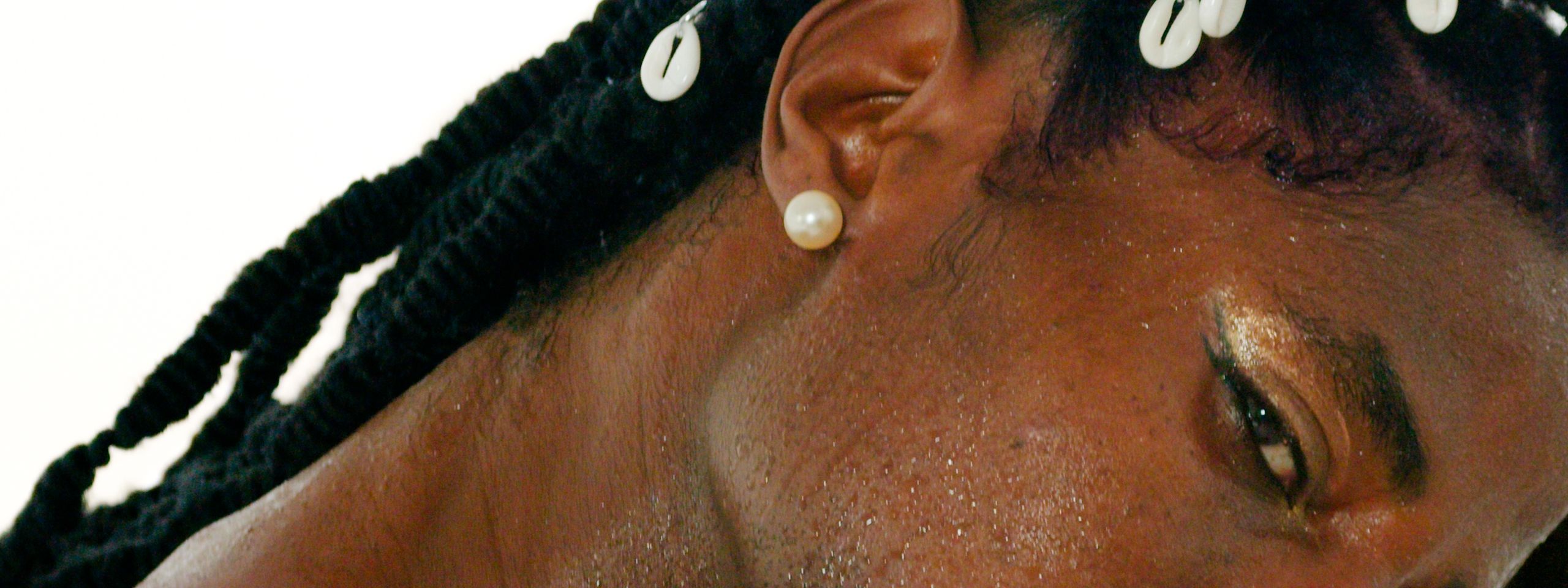
From the moment the camera is pointing in one direction and not the other, the manipulation begins. I'm against the idea of an objective perspective, the camera as all-seeing eye that is the default of traditional documentary.
OL: It's misleading, because you're always manipulating. I always show my hand as a filmmaker. I expose myself so I can be held accountable for what I'm saying.
ST: The idea of objectivity has caused a lot of harm. In your work, you place yourself within histories that might otherwise feel distant, making them feel present and lived.
OL: I think a radical examination of one’s own life is an important starting point for any artist. James Baldwin, for example, completely exposed himself – with all his contradictions – in The Fire Next Time (1963). Martin Scorsese’s first film Italianamerican (1974) was about his own family. There’s something deeply liberating about this, but it requires self-reflection in order to approach subjects in ways that feel genuine, without hiding behind concepts.
ST: Speaking of inspirations, do you see your exploration as a continuation of DeForrest Brown, Jr.’s work on Black counterculture?
OL: It’s interesting you bring this up because I went to Detroit as part of my research for Feedback. I read DeForrest Brown in preparation, and as an outsider I subconsciously took everything he claims as a fact. Arriving in Detroit, I spoke to many people who disagreed with what he wrote! It’s humbling to learn that you have to be brave and make claims and people agree or disagree, but the conversation is going to happen anyway.
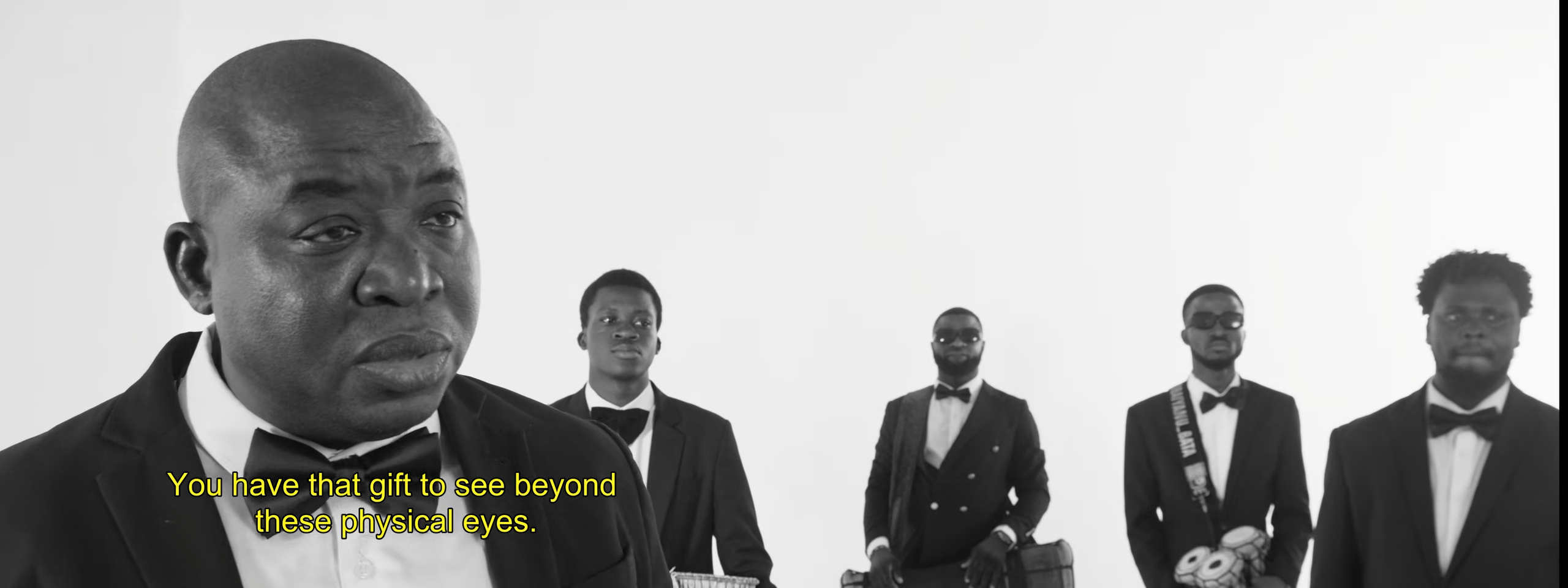
Olukemi Lijadu: Feedback (2026). Film still. Images courtesy the artist.
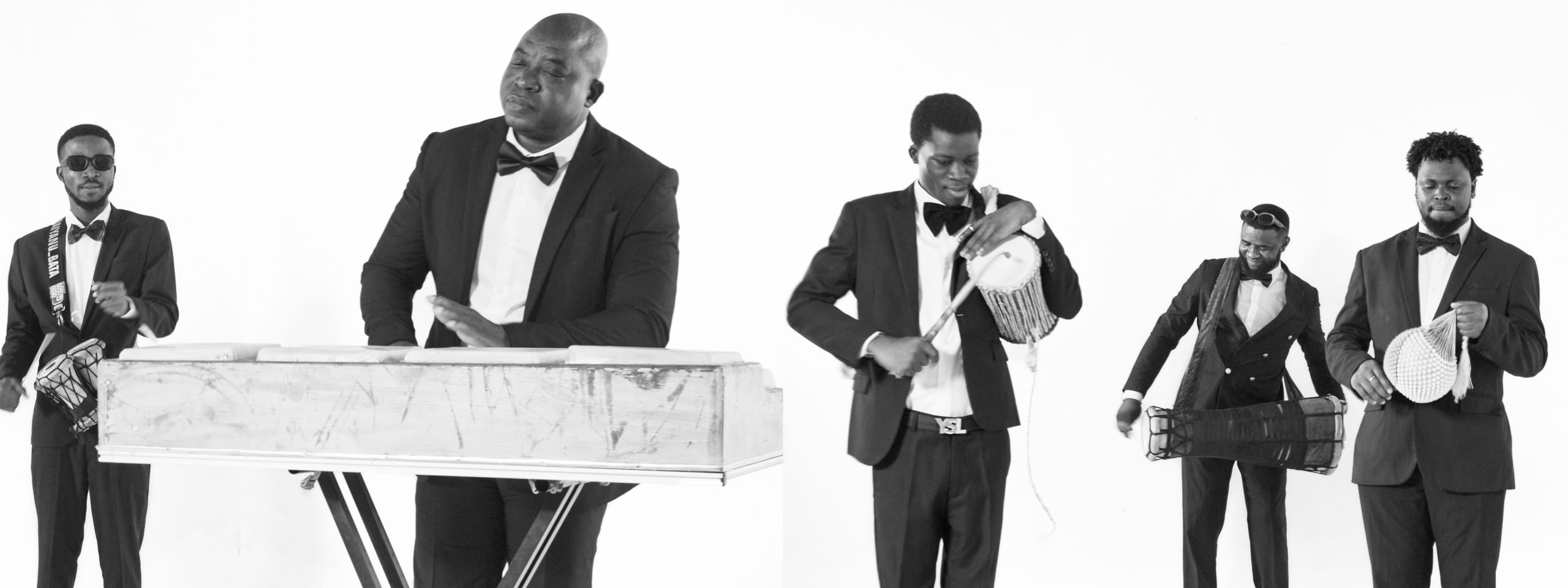
ST: Your videos feel open, almost like episodes that build on and speak back to each other. Is that how you think about them?
OL: One hundred percent. All my work is built from the same story. I’m slowly chipping away at something. I’ve become increasingly aware of the language I’m using, I just haven’t decided what to call it yet. I want to make this idea of Black Atlantic music more concrete. For me, this is as much a spiritual pursuit as it is an academic or intellectual one – a calling.
ST: Tell me more.
OL: Not to sound too dramatic, but last year my grandfather passed away last year. He was a filmmaker, and as I began re-engaging with his work I came across a piece in which he speaks about the African drum and the legacy of slavery. Around the same time, I picked up a book by someone named E.M. Lijadu at an airport in Nigeria. I later discovered that he was my great-great-great-great-grandfather. His parents were desperate to have a child and turned to a priest who practiced traditional religion, asking him to pray for them. In return, the priest asked that if they did have a child, the child would be dedicated to the church. That child grew up to become Reverend E.M. Lijadu, who wrote this book – a philosophical comparison between the principles of Yoruba spirituality and Christianity. It is considered the first written record of Yoruba spirituality. His story sits at the core of my first work, Guardian Angel (2022).
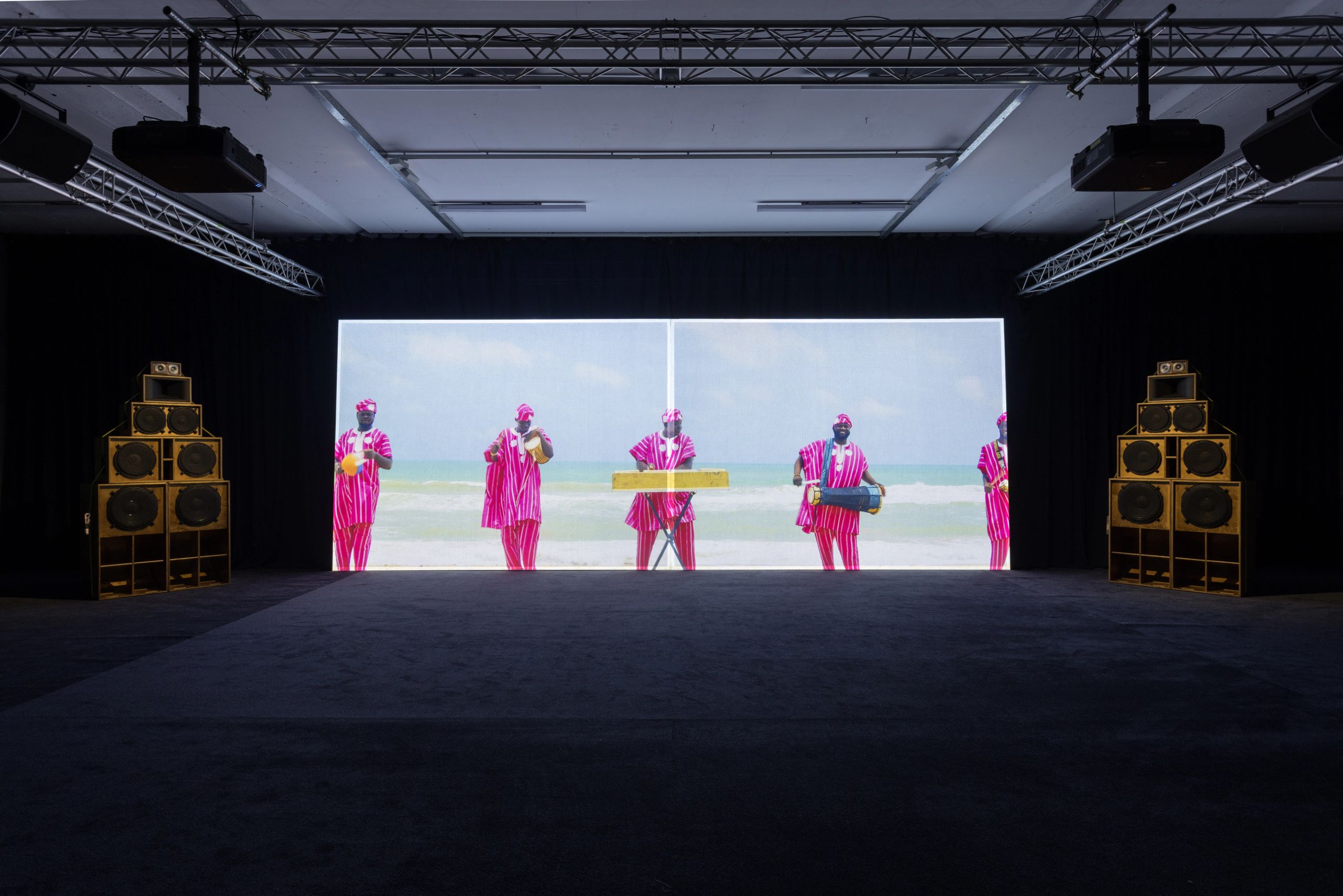
Olukemi Lijadu: Feedback (2026). Install shots at Spike Island, Bristol. Images courtesy the artist, photography by Rob Harris.
I’m in an ongoing dialogue with my ancestors.
ST: Your engagement with family histories includes Sister Sister (2025), in which you portray your aunts Yéyé Taiwo and Kehinde Lijadu, who performed as the musical duo the Lijadu Sisters. Do you think of your work as a way of building an alternative archive that resists fixed or genealogical narratives?
OL: I’ve always been the family historian – finding photographs, tracing people, trying to make connections. Sometimes that history isn’t pretty. There’s a difficult history of Brazilian returnees from the transatlantic slave trade, who came back to Nigeria from Brazil and then participated in the trade themselves. History can be hard to sit with. Studying philosophy helped me learn how to accept contradiction. I think, right now, the world really struggles to hold contradictory truths at the same time. For me, engaging with that tension is the work.
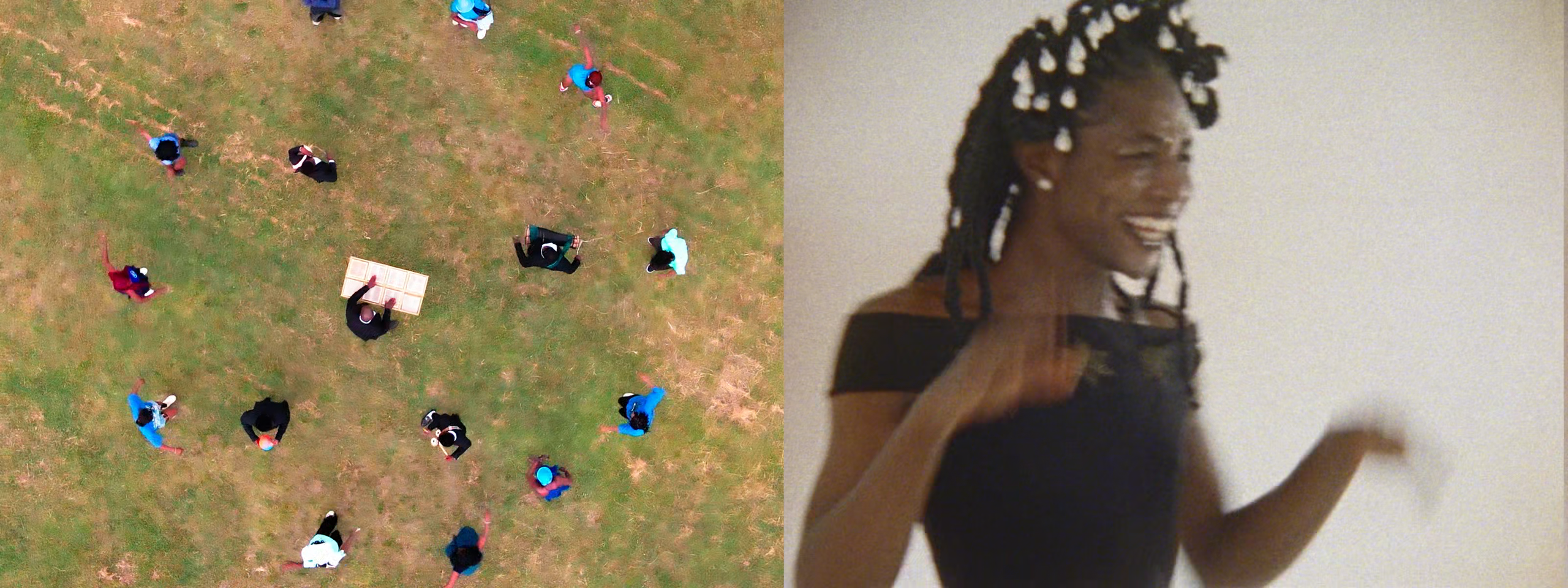
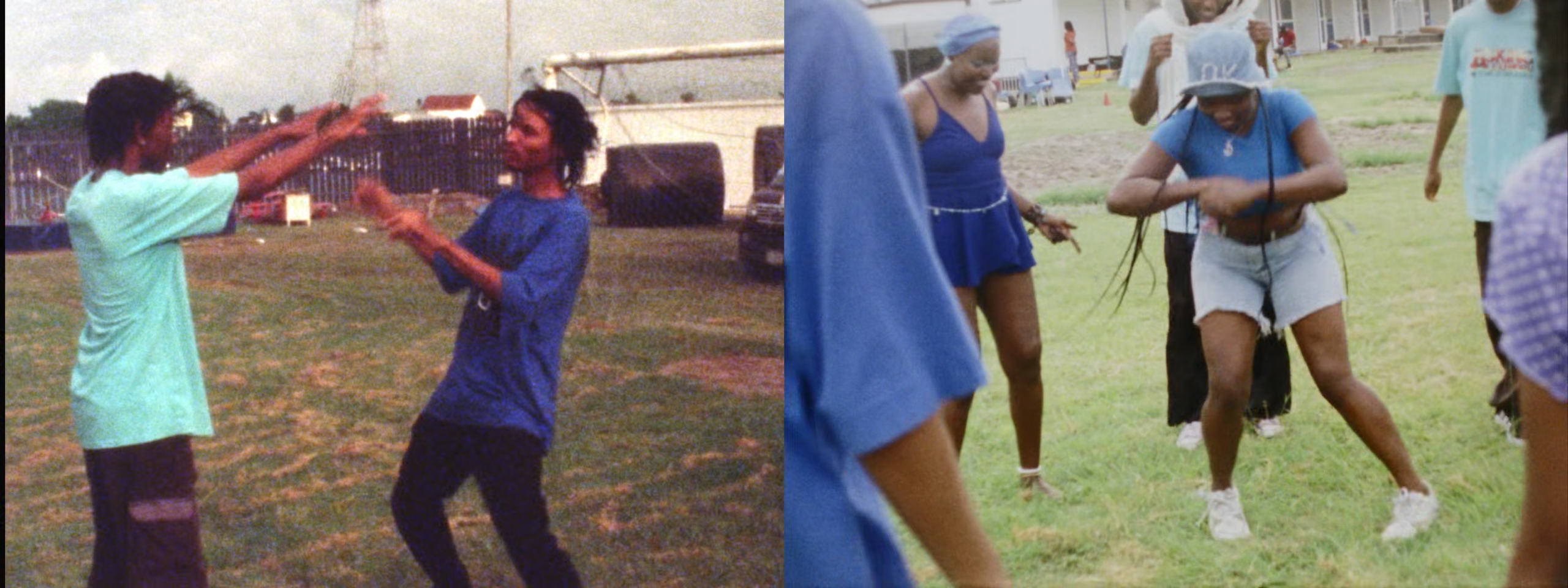

ST: What does your process of collecting sounds or musical materials look like?
OL: Can I share my screen with you? I’d like to show a short clip. I wasn’t prepared to interview on this street at night, and I didn’t want to make anyone feel awkward by pulling out my camera or audio recorder. SoI just filmed the street, and yet it became one of the most profound moments in the work.
Some of the most meaningful encounters have been completely unplanned. In Chicago I went to a Pilates class and met a Black dancer who had performed at FESTAC in Nigeria in 1977. She invited me to a West African drumming circle that met every Sunday in a park. It was incredible – and impossible to plan. The project became an exercise in letting go and allowing things to emerge. That’s where the ceremony of music really revealed itself to me, in ways I hadn’t anticipated. At the same time, there were people and places to seek out: the Frankie Knuckles archive, the Underground Museum, DJs such as Duane Powell.
ST: You’re embedded in an international music and club scene. How do your roles as artist and DJ overlap?
OL: At first I felt there was a conflict between my DJ practice and my art practice. DJing connects with people on a visceral level, whereas I also need space for deeper reflection and conversation. Many people know me first as a DJ, so that often becomes an entry point into my film work. DJing has also sharpened my sensitivity to rhythm, which is crucial for filmmaking, especially editing. I never plan my DJ sets and I think that instinct, being attuned to what feels right in the moment, has been very helpful in my art practice. So there’s contradiction, but I like working with it.
ST: You are showing a custom sound system as part of your installation at Spike Island.
OL: Bristol embodies a rich history of musical exchange: Jamaican sound system culture intersecting with British electronic music, house, garage, and drum and bass. In Feedback, I juxtapose a drum-and-bass rave I attended in Lagos with scenes I filmed in Bristol. The sculptural sound system becomes a physical expression of that exchange. It is a collaboration with Ramsham Collective, who built and installed it.
ST: Honing in on this idea of feedback, are you also planning moments of gathering around the exhibition, maybe a party or a DJ set?
OL: Yes, I’ll be performing at Bristol New Music this year, which feels like a natural extension of the work.
ST: The film continues through live performance. Constant feedback between sound, image, and audience.
OL: Exactly. Feedback is everything. Full circle.
About the author
Sarah Johanna Theurer
Sarah Johanna Theurer is a curator focusing on time-based art and the shifting relations between technology and society. At Haus der Kunst Munich, she works to stretch the exhibition format into new temporal and spatial realities. Her recent projects include ambitious new productions with emerging artists, the first institutional survey exhibition of Shu Lea Cheang and the yearly live exhibition “Echoes”.
The Heart of the Matter: Carrie Mae Weems at FOMU Antwerp
Water is Running: Wura-Natasha Ogunji’s Aquatic Archive
Aggregates of Plunder: Ndidi Dike’s Rare Earth Rare Justice
Thenjiwe Niki Nkosi Frames Printmaking As A Relay Process
The Deconstructive Lens of Ngadi Smart: From Drag to Climate Change