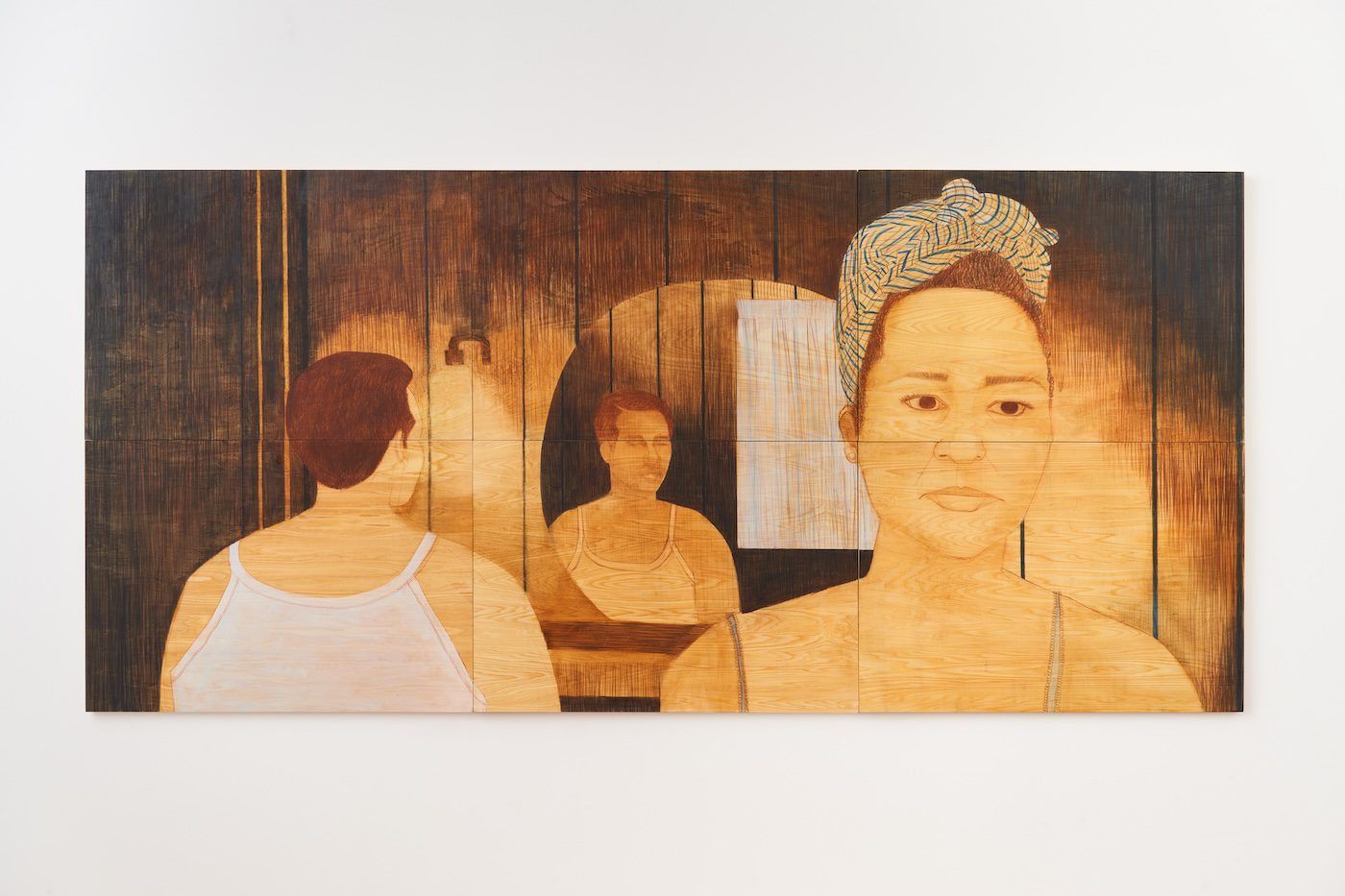
Kader Attia’s solo show, REPAIR. 5 Acts, 2013
21 December 2016
Magazine C&
3 min read
. In the summer of 2013, I visited the KW institute for Contemporary Art in Berlin. I was transported through a creative experience that I will never forget: Kader Attia’s solo show, REPAIR. 5 Acts, curated by Ellen Blumenstein. The curatorial journey laid out as the visitor travelled through the space was deliberate, revealing …
.
In the summer of 2013, I visited the KW institute for Contemporary Art in Berlin. I was transported through a creative experience that I will never forget: Kader Attia’s solo show, REPAIR. 5 Acts, curated by Ellen Blumenstein. The curatorial journey laid out as the visitor travelled through the space was deliberate, revealing Attia’s engaging storytelling. As the title suggests, the exhibition was designed in five acts. I will discuss my engagement with Act 2.
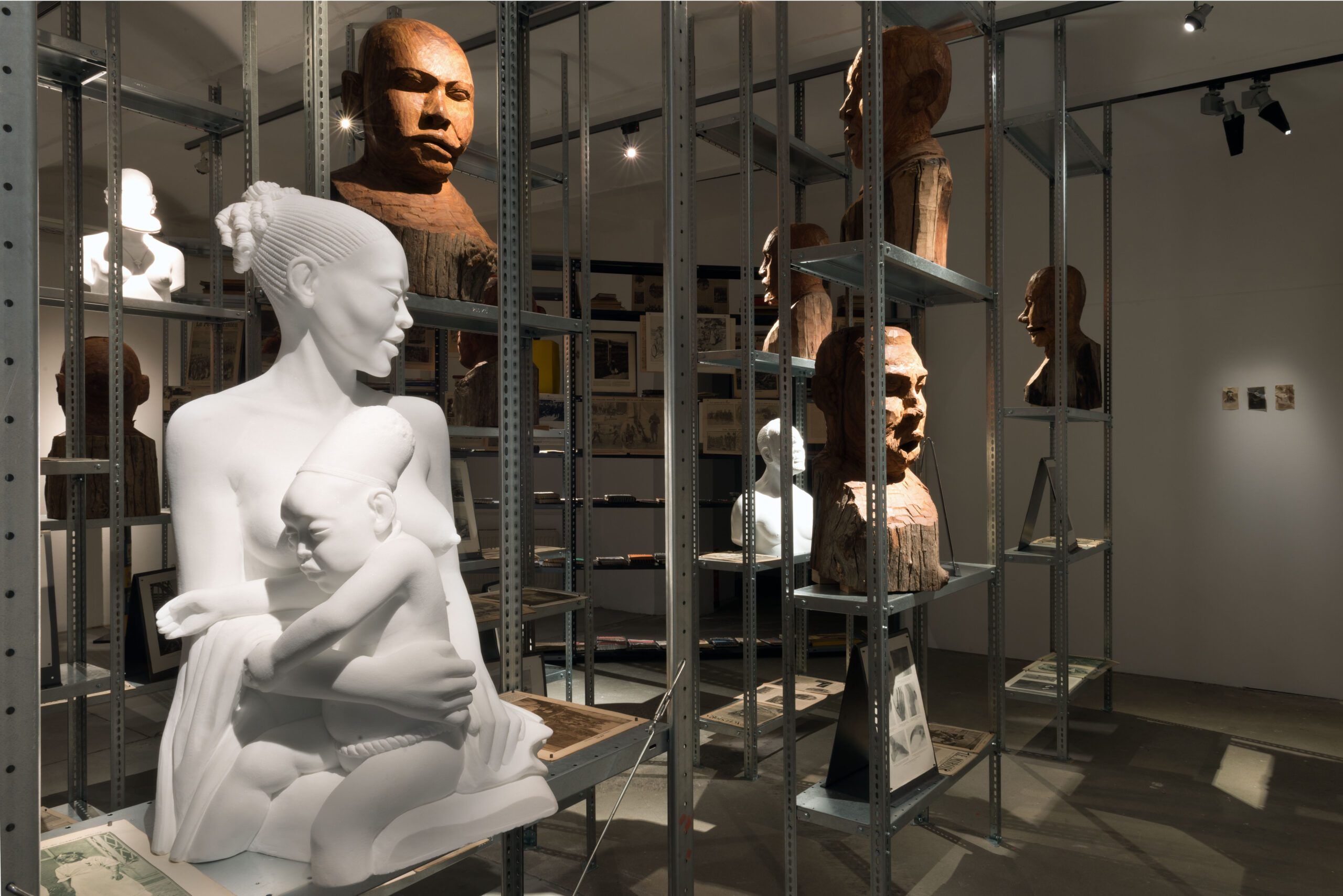
The first room of Act 2, titled Politics / The Debt, focused on archival accounts of African soldiers recruited by the former colonial powers France, Britain and Belgium. In the late 19th and early 20th centuries these soldiers were transported to fight on European soil. Today, African immigrants who are not granted European citizenship proclaim this history as a right to a better life in Europe, balancing up Europe’s debt to Africa. The first room of Act 2 displayed archival images of both continents’ soldiers, often working together, projected as a diptych. Watching this ten-minute slide show felt as if Attia had stumbled across hundreds of lost images. And as these images weighed heavy on my mind, having been entirely absorbed and amazed by this untold history, I walked into the next room of Act 2. The second room, Politics / The Repair’s Cosmogony, hit me like a hammer to the chest. This room was packed full of metal shelves with images from WWI, alongside images of African tribes, and wooden and marble busts of what appeared at first glance to be deformed faces. The busts were three-dimensional copies of images in the archive, made in Senegal and Italy. It is unclear how the faces got to their current state. What is perhaps more important, however, is the conversation surrounding beauty and imperfection in Europe and Africa.
I feel ambivalent when I think of ethnographic archives, and I’m keen to engage with them as I feel an undeniable sense of injustice and sadness. The potential for art to capture such complex emotions became clearer to me the day I visited REPAIR. 5 Acts.
A Cohort of Artists Reconfiguring AI’s Memories
The S+T+ARTS Afropean Intelligence Archive
Water is Running: Wura-Natasha Ogunji’s Aquatic Archive
Osei Bonsu: A Curatorial Lens on Photography as Identity and Tradition, Counter-Histories and Imagined Futures
On History and Fiction: Tuan Andrew Nguyen's Cinematic Memory Work