A Cohort of Artists Reconfiguring AI’s Memories
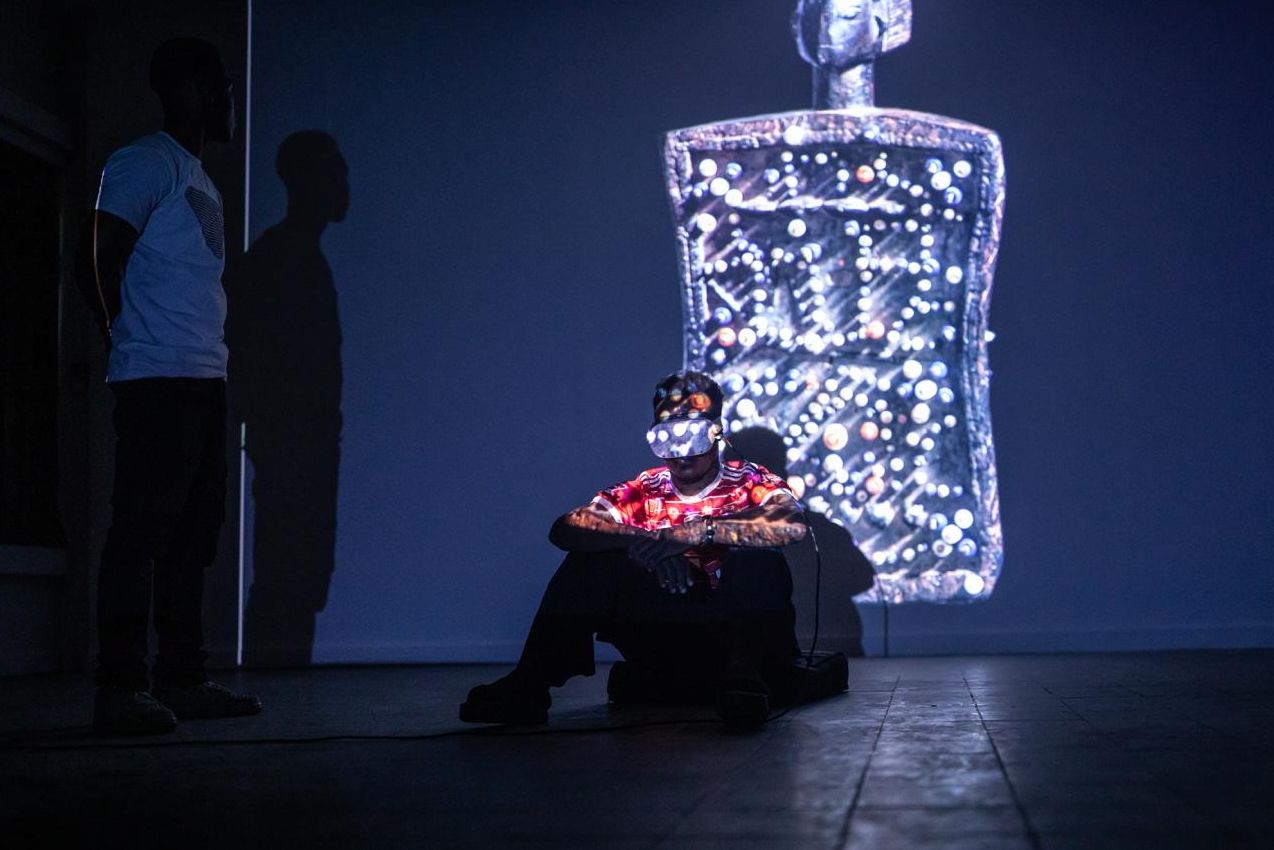
Mahoutondji Kinmagbo, The Memory Performer, 2026. Courtesy of Krithika Art Projects (CD)
In a time when algorithms reinforce bias, archives are contested, and ecological and social futures are at stake, the residency program S+T+ARTS Afropean Intelligence foregrounded artists as catalysts of change. By working across disciplines and borders, these artists invite us into bold, poetic, and disruptive scenarios where AI can become a tool for cultural resilience.
From September 2025 to April 2026, S+T+ARTS Afropean Intelligence, a residency program organized by the EU-funded platform S+T+ARTS in collaboration with local partners, supported nine artists in residence, hosted across Nigeria, Egypt, Tunisia, South Africa, and the Democratic Republic of Congo. Over the 8 months, the artists developed projects that drew from ancestral traditions and cultural practices while experimenting with new tools. The full cohort of artists and their projects were: (1) Untangler, by Peace Olatunji (2) Decoding Egwu, by Emmanuel Ndefo & Dan Xu (3) The House We Dreamed by Pierre-Christophe Gam (4) Peripheral Mode, by Tamer Elshabrawy (5) Adorned Memory: Reimagining Egyptian Indigenous Archives Through Jewellery by Khanya Mthethwa (6) LoRAs as an Archive, A Living Archive, by Evans Akanyijuka (7) Cry to the Water, by Chipo Mapondera (8) The Memory Performer, by Mahoutondji Kinmagbo (9) Territoires tissés, by Melisa Kayowan.
Each residency engaged critically with AI to subvert, hack, reroute, and reimagine dominant Western paradigms. From counter-mapping urban spaces to reclaiming archives and heritage, from making AI tangible through dance, jewellery, ritual, or sound to sourcing data collectively with communities, these projects challenge extractive logics and instead foreground African epistemologies, plural identities, and embodied knowledge.
While all nine residencies pushed against extractive logics in their own register, three featured works below — spanning the DR Congo, Tunisia, and South Africa/Uganda — indicate the scope of the program as well as certain patterns that emerged across its geographic range. Reading them together surfaces a throughline across the wider cohort: the shift from ancestral knowledge as subject matter for AI to ancestral knowledge as design and inherent logic.
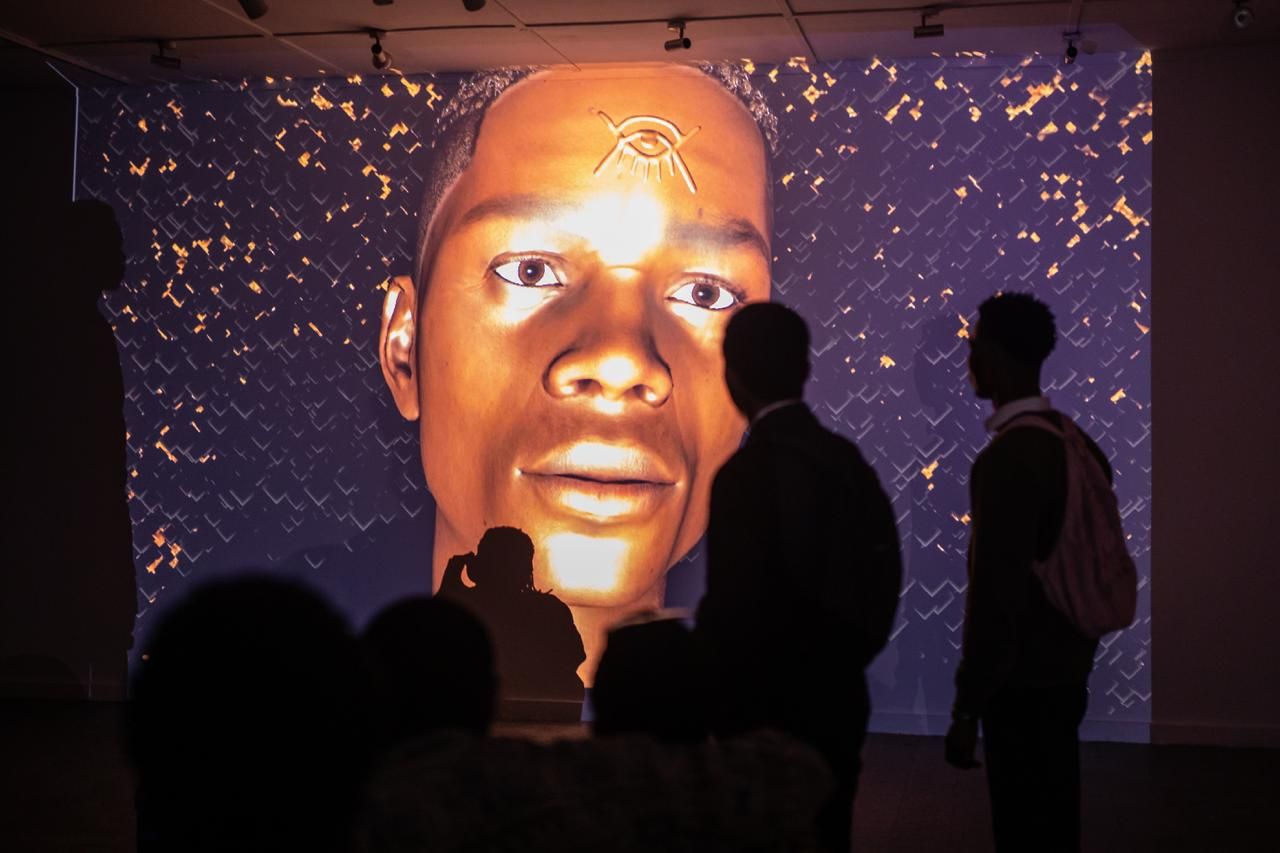
The Memory Performer by Mahoutondji Kinmagbo
The Memory Performer is an artistic project that reimagines the traditional Luba memory tablet, the Lukasa, as a digital device. The project aims to preserve aspects of culture and community memory in the DRC through artificial intelligence.
The work consists of a 3D replica of a Lukasa equipped with touch sensors, connected to a game engine. By interacting with the tablet, users activate stories inspired by the Luba oral tradition. These stories, narrated by a 3D character, address contemporary urban challenges.
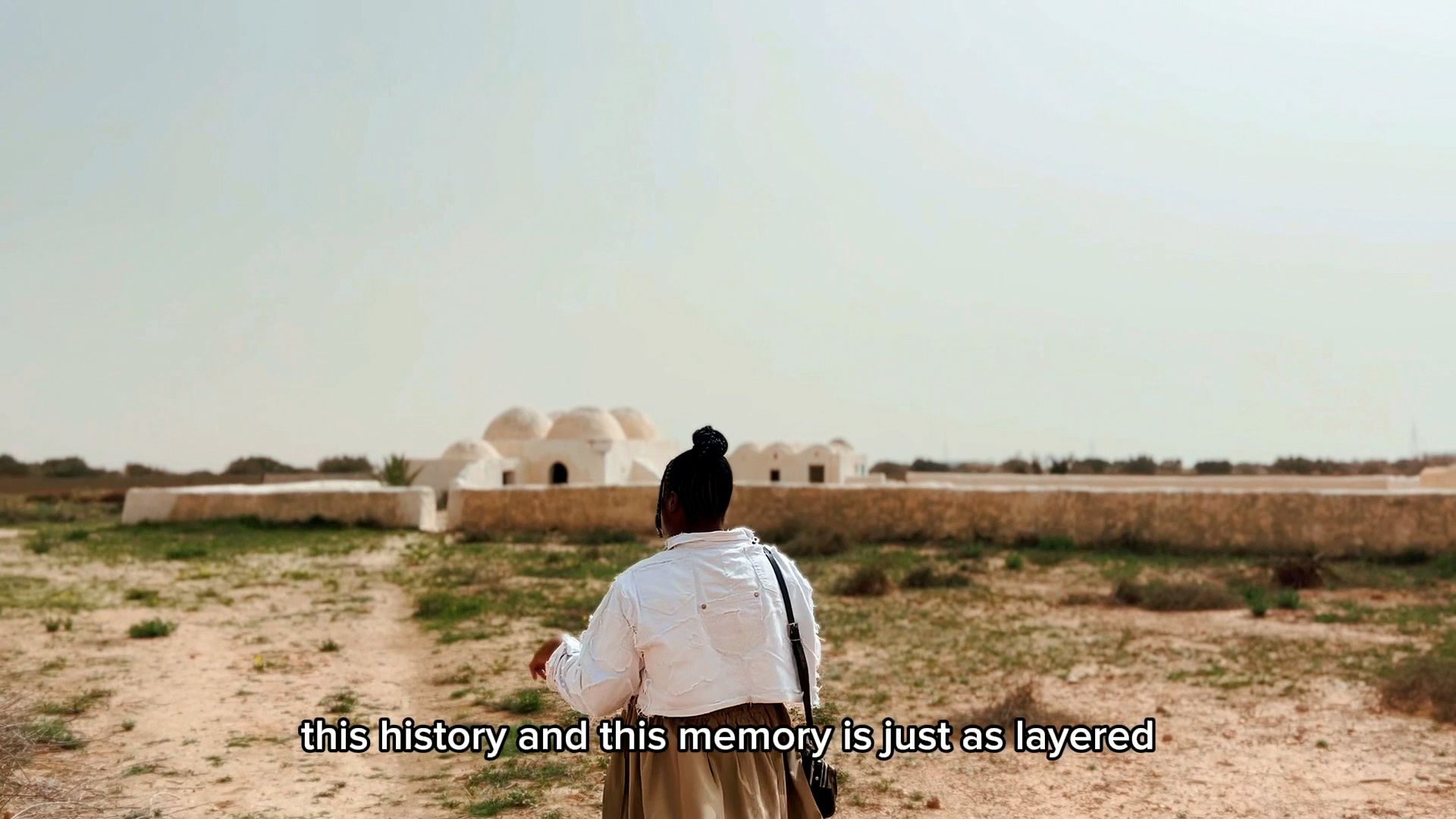
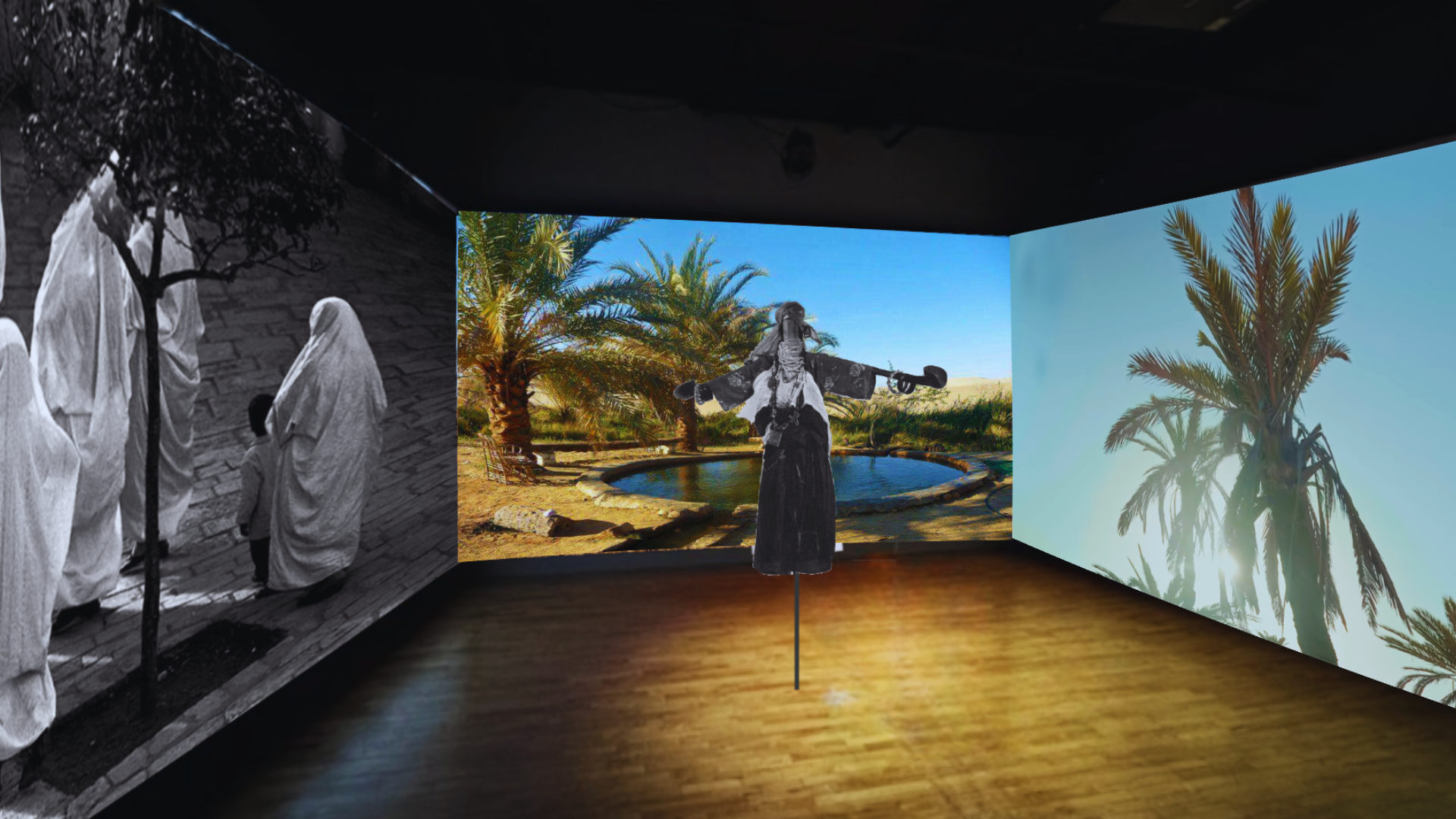
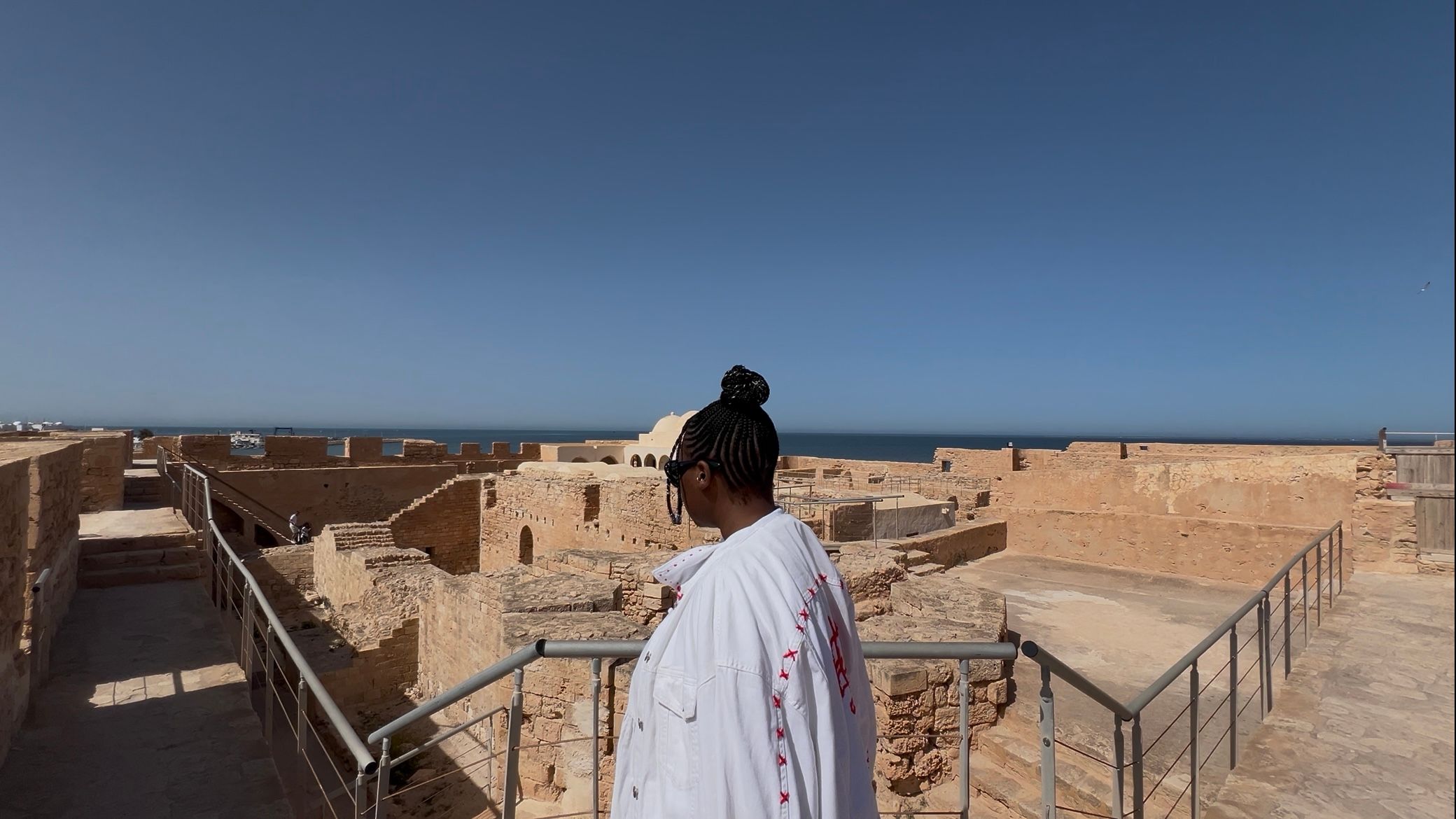
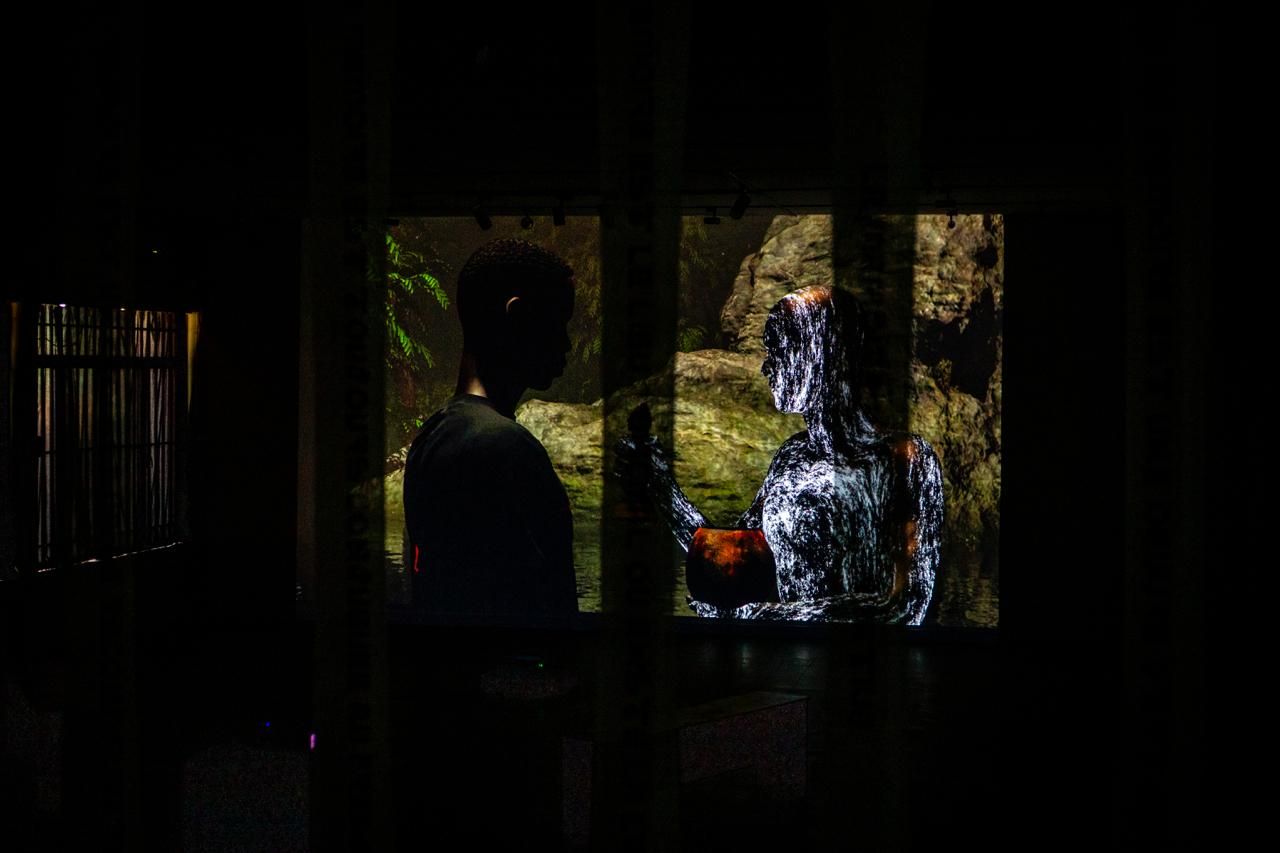
Cry to the Water by Chipo Mapondera
Cry to the Water is an immersive, AI-facilitated ritual experience exploring how Tunisian water rituals might shape ethical, spiritually grounded uses of AI to address climate and cultural crises. By developing a community-led dataset and ritual AI system trained on oral histories, ancestral archives, and Tunisian climate data, the project activates the ecological knowledge embedded in ancestral rituals to respond to water scarcity, climate crisis, and resource injustice. Through spatialized sound and generative, interactive visuals, the installation evolves through a system designed to resist extractive colonial logics and instead operate as a relational technology, creating a space for healing ecological grief, deepening cultural connections, and envisioning sustainable futures grounded in ancestral intelligence.
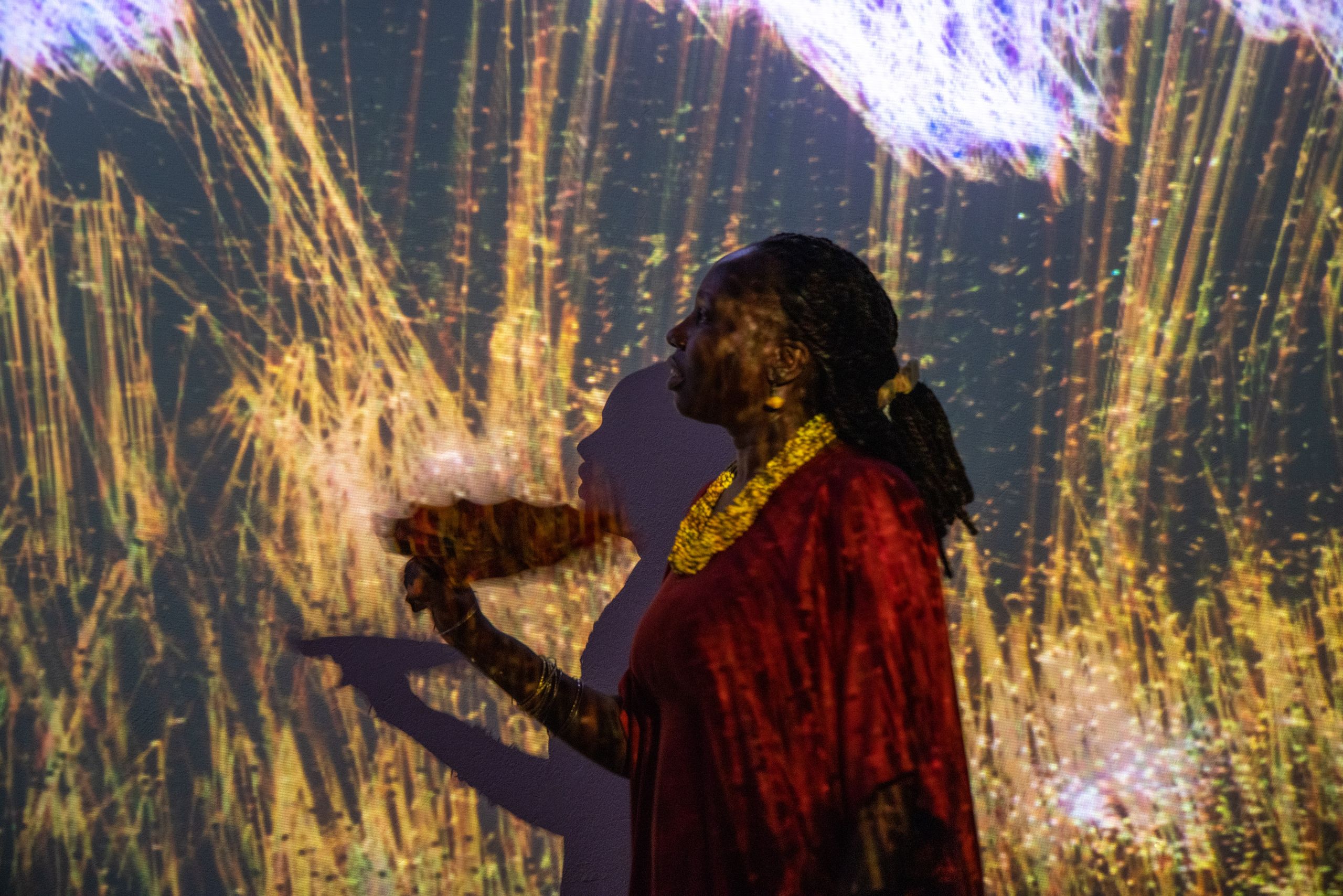
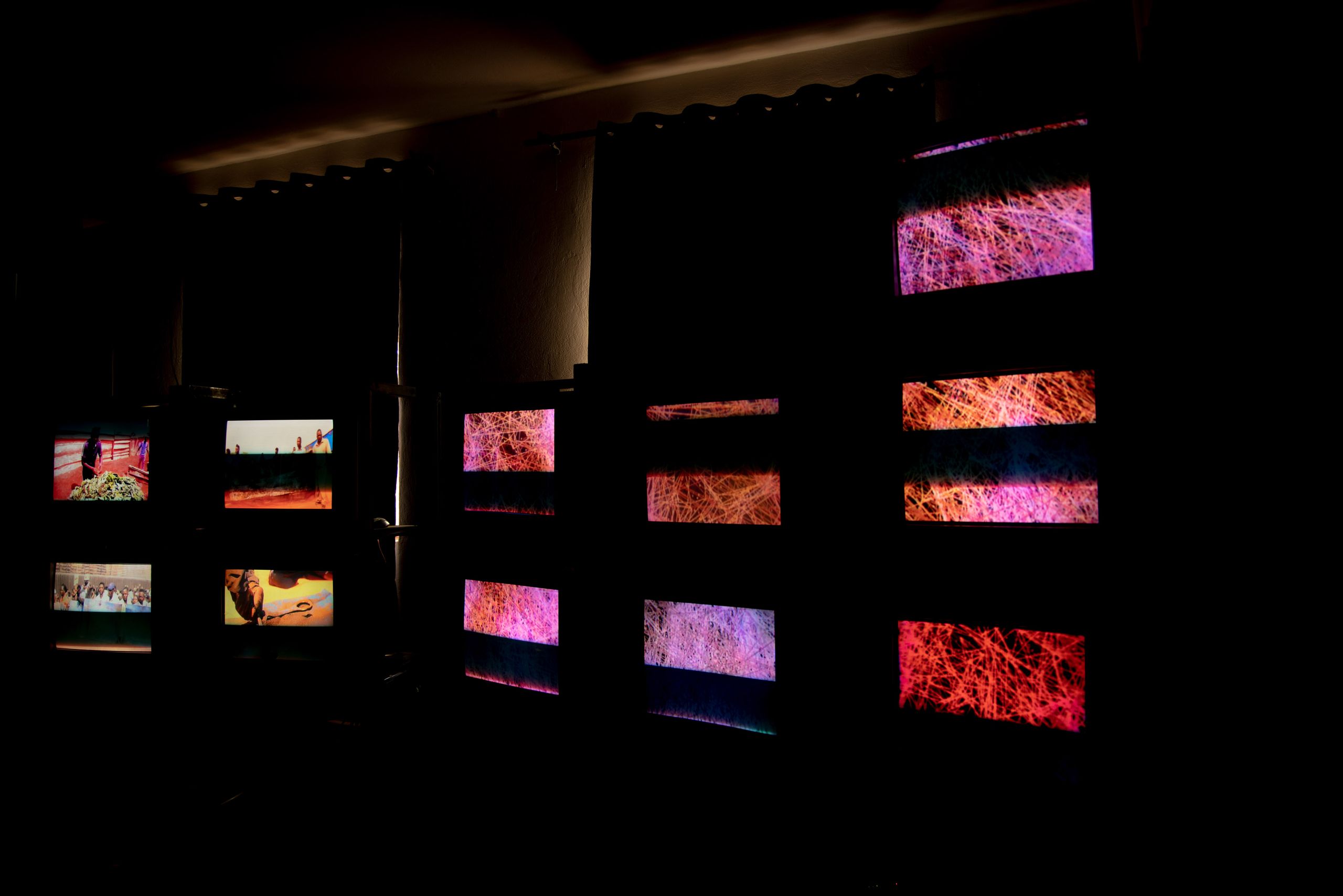
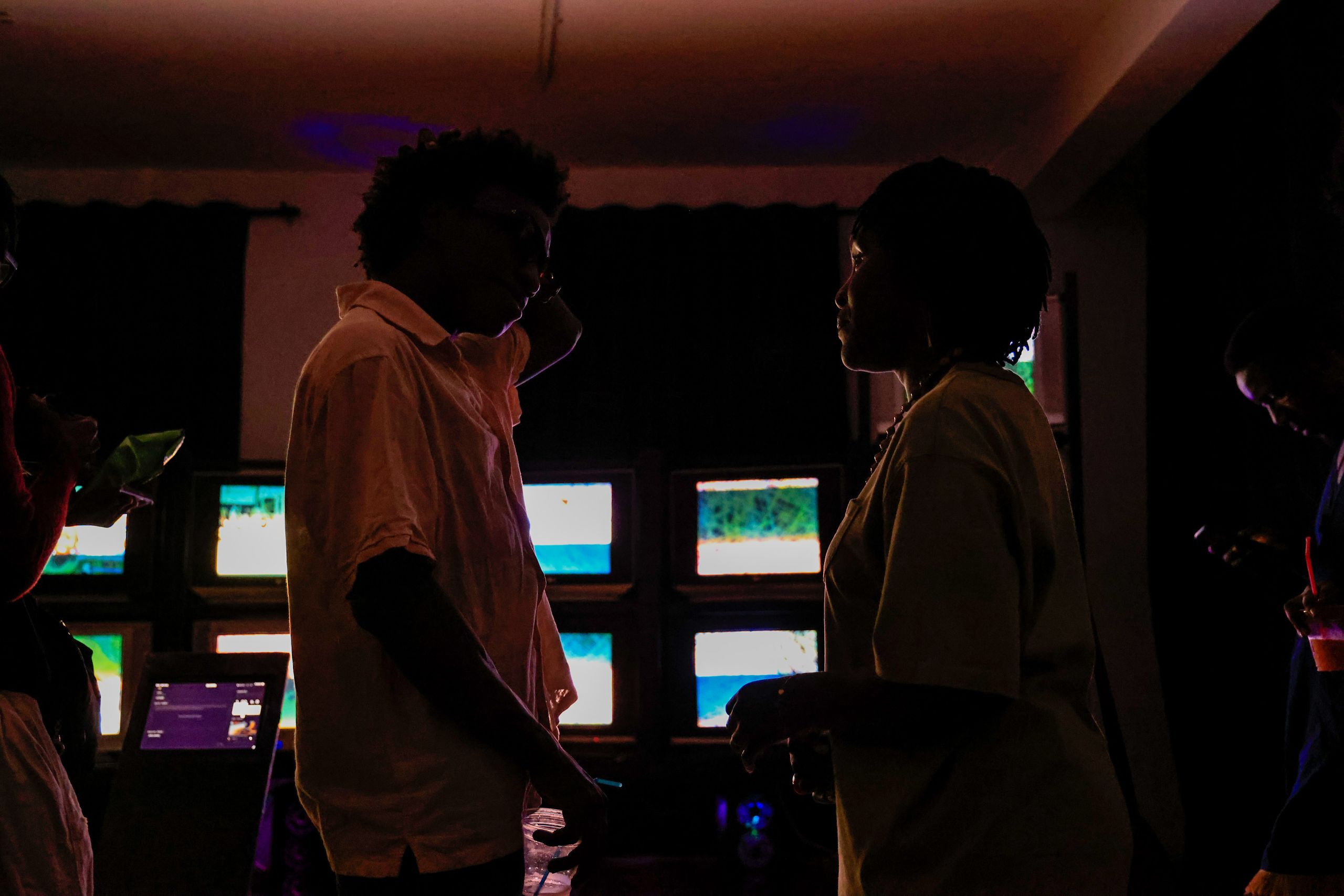
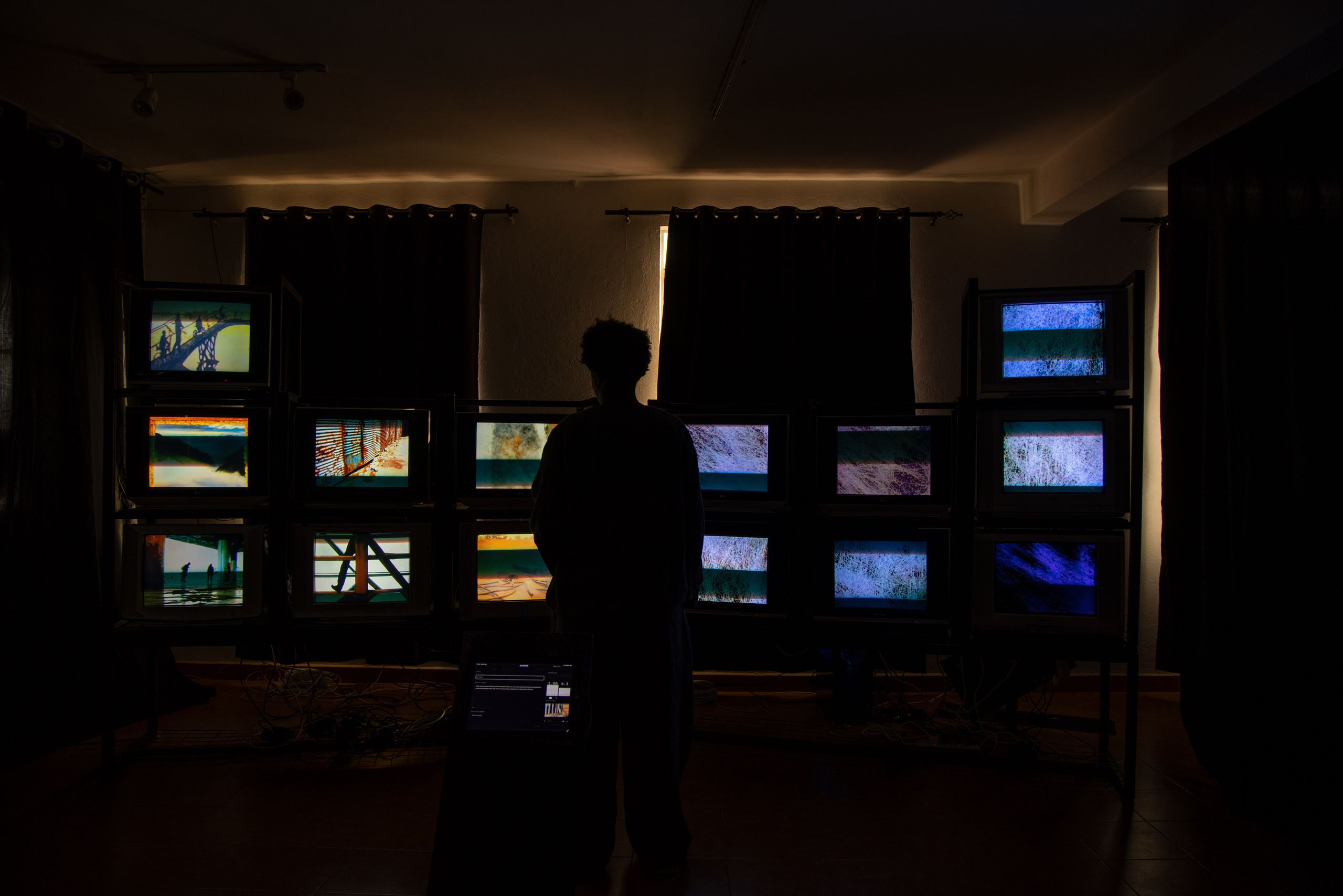
LoRAs as an Archive, A Living Archive by Evans Akanyijuka
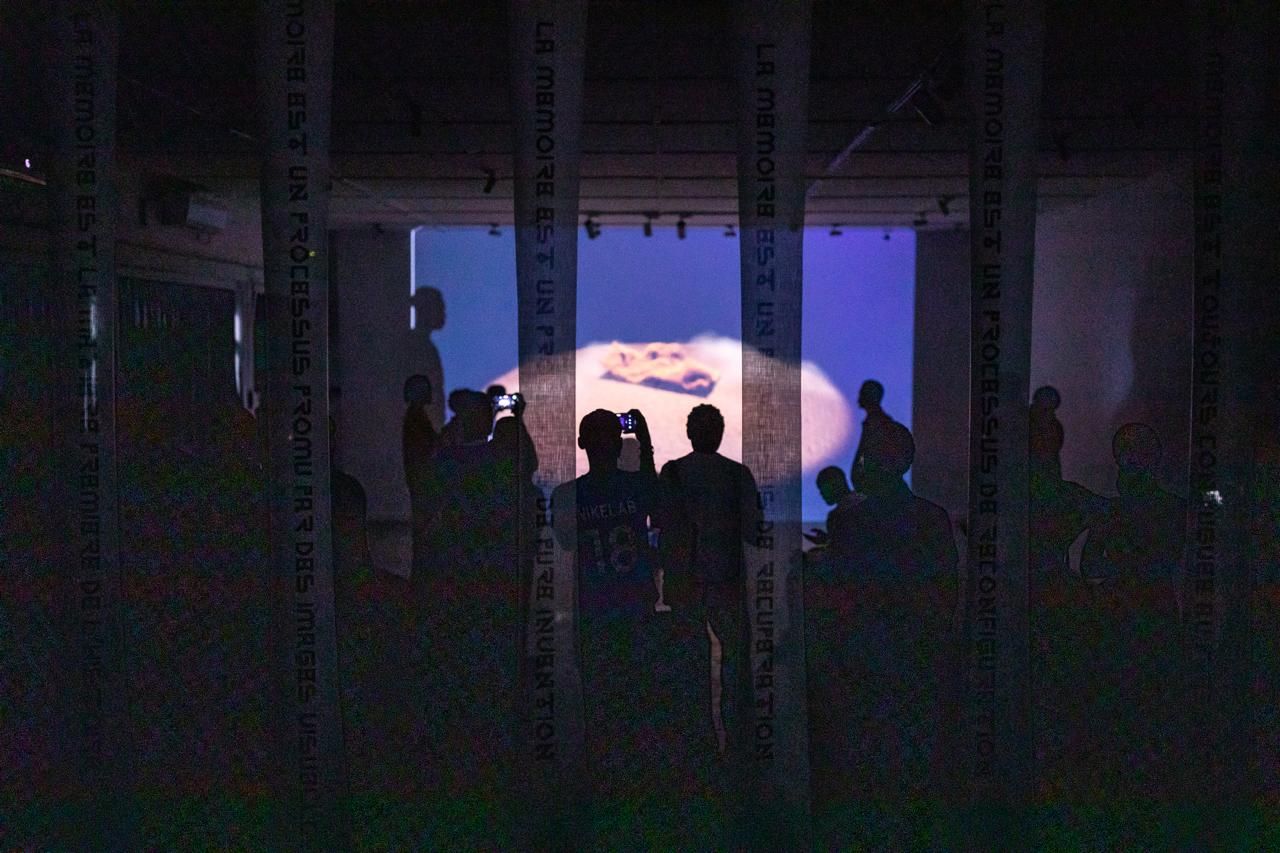
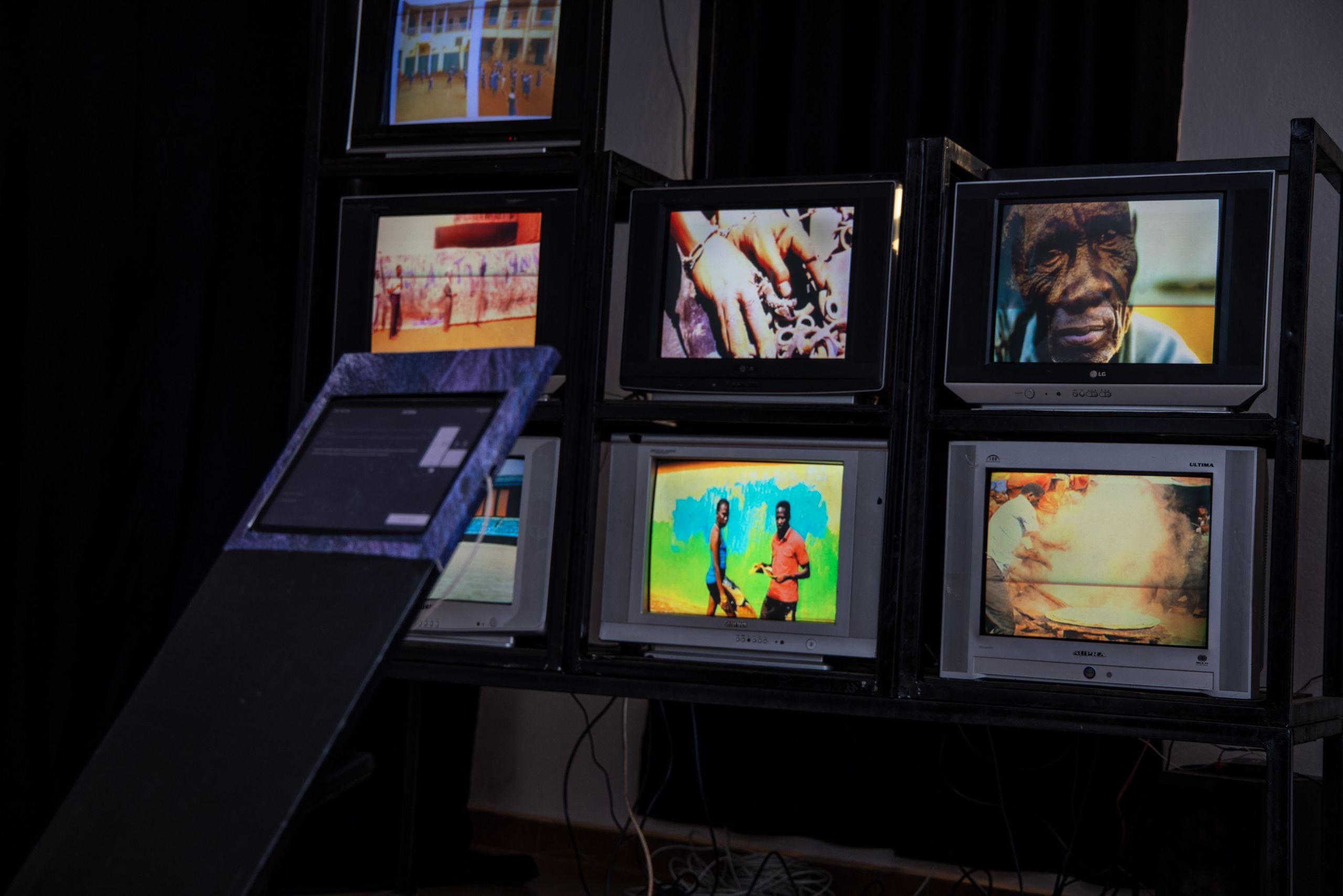
LORA as an Archive, A Living Archive is an audiovisual interactive installation designed to reactivate memory and explore new possibilities within historical media. The foundational dataset for the work was established through a series of collaborative co-curation sessions. Source material was drawn from the photographic archives of four participating artists, three based in South Africa and one in Uganda. These collaborative sessions determined the final selection of images used to train the system.
The technical workflow relied on training customized LoRA (low-rank adaptation) models using the curated archival photographs. Once trained, these models functioned as generative repositories, embodying the memory of the original archives. To facilitate audience interaction, a custom web application was deployed. This interface allowed users to engage directly with the models, generating real-time visual outputs that continuously reshaped and expanded the archive.
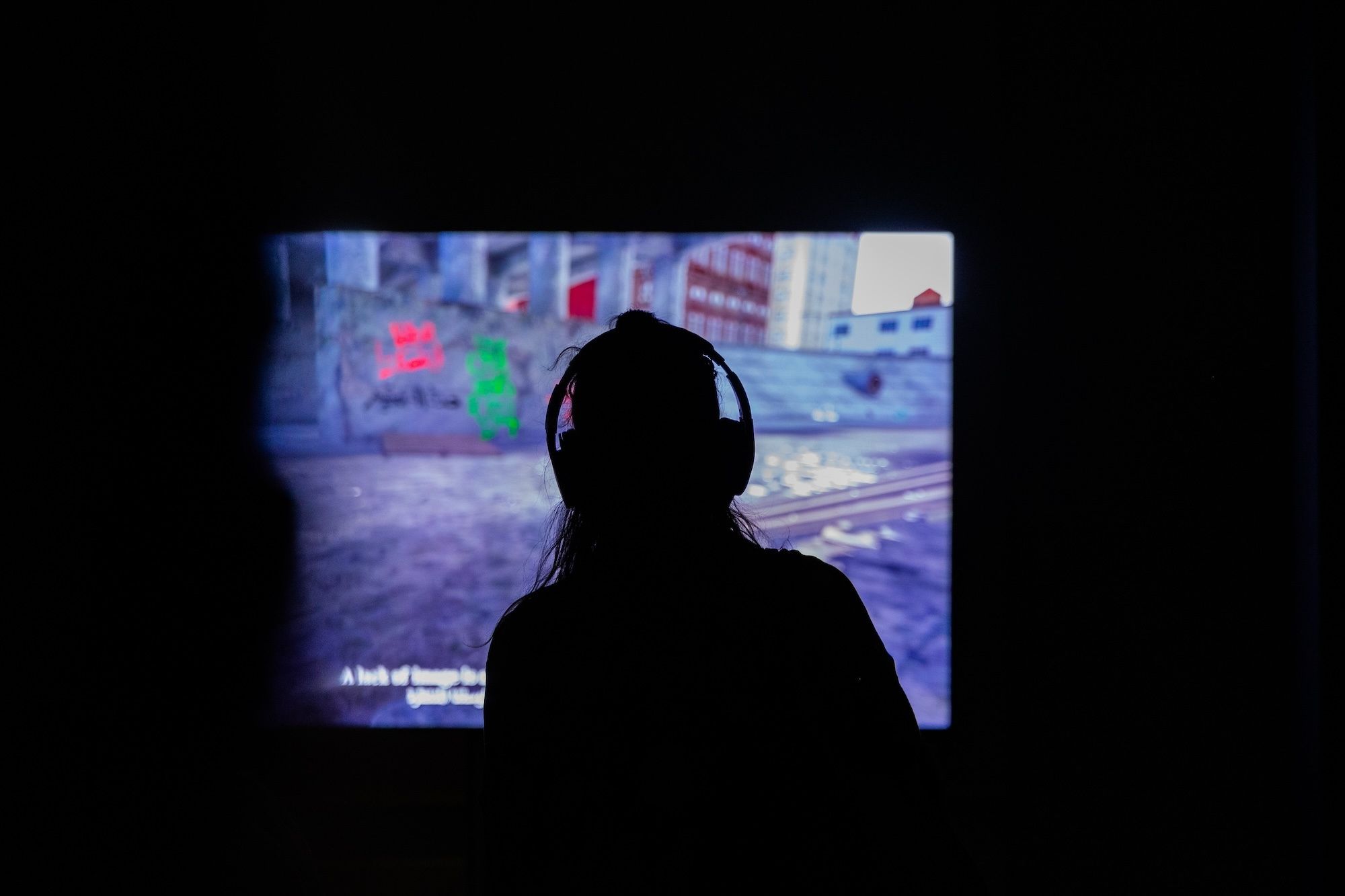
Situating AI: Conversations on African Ecosystems
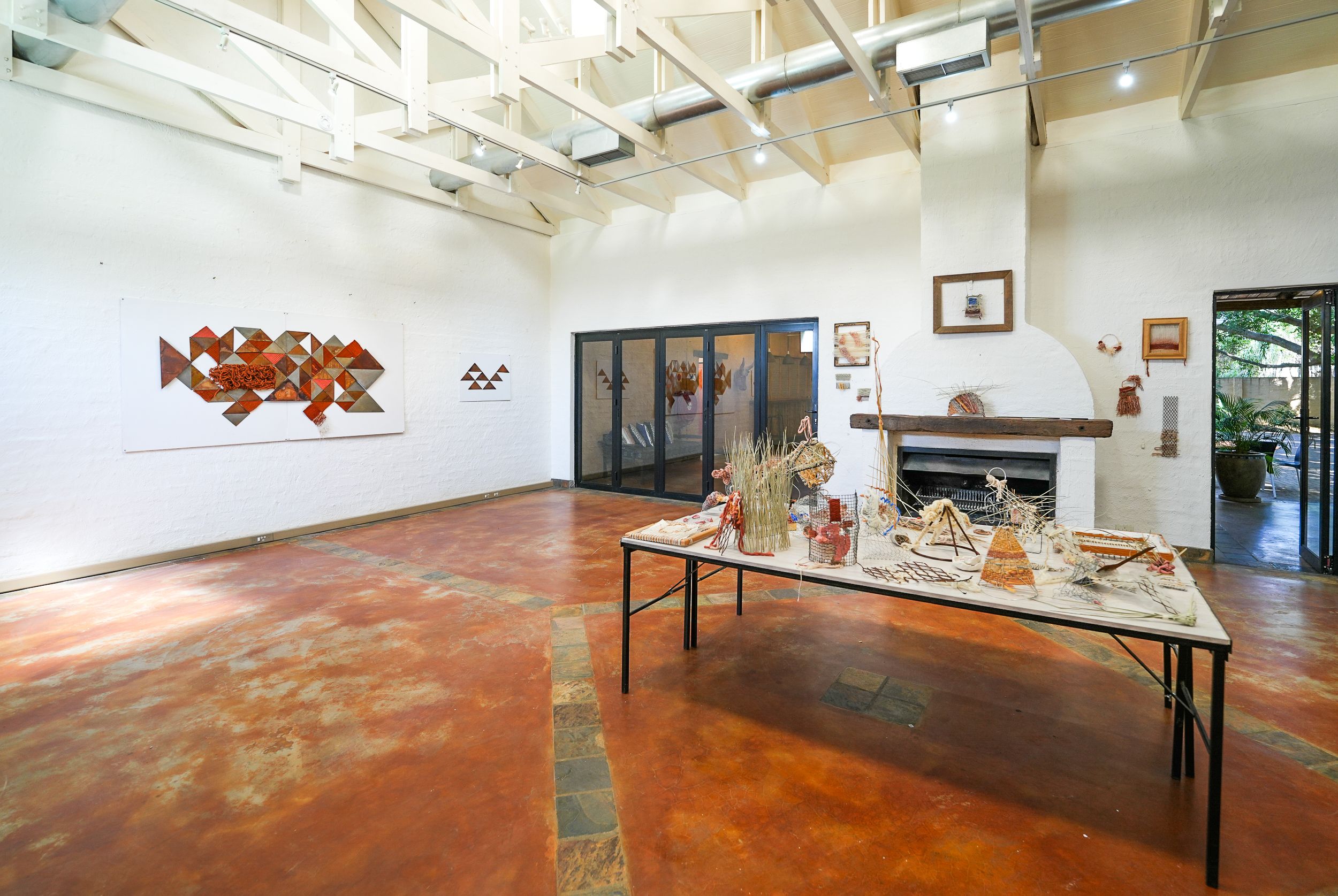
The Artist Residency Centre (ARC) in Botswana
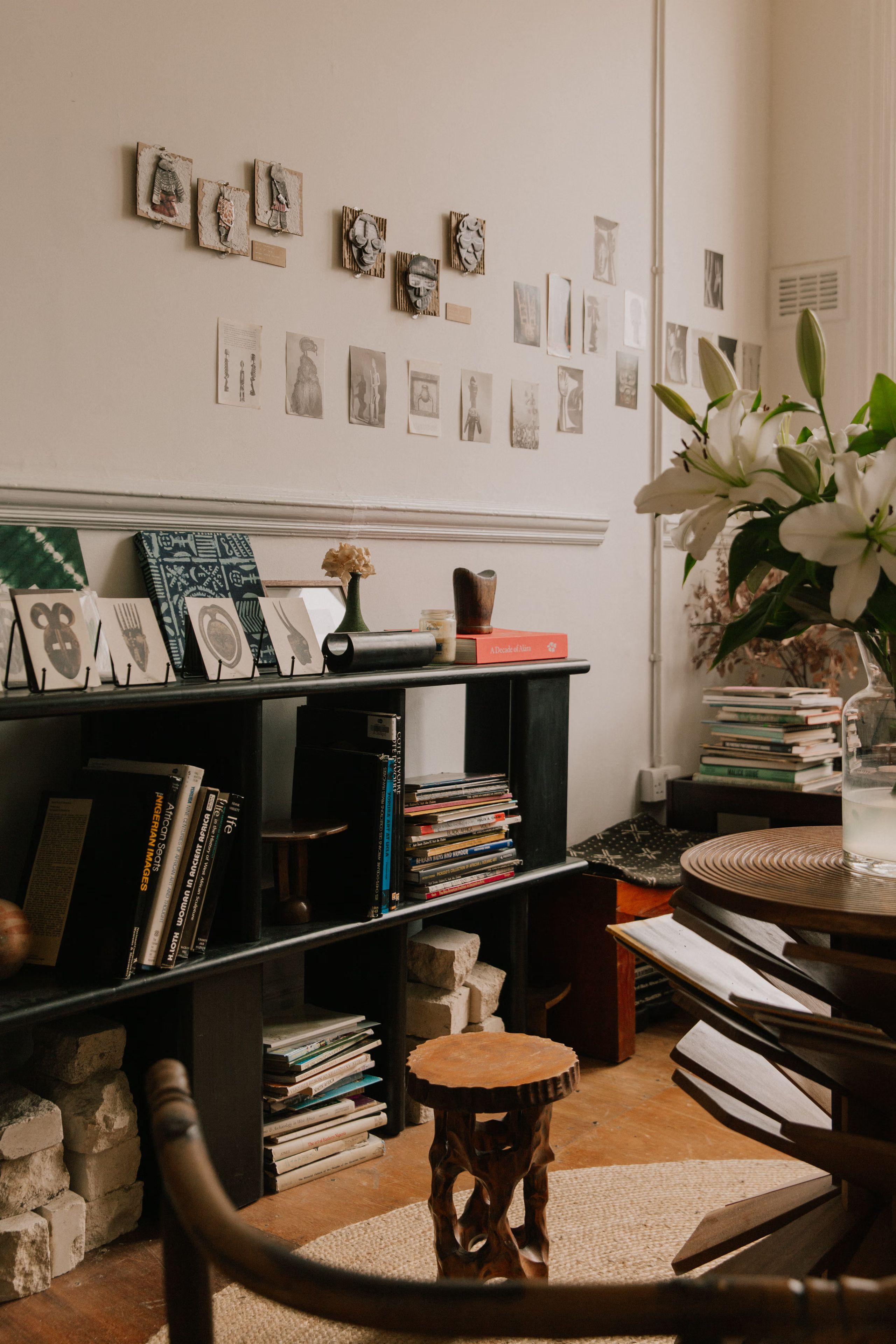
Seed Archives: Thabo Weaves a Cocoon for Listening
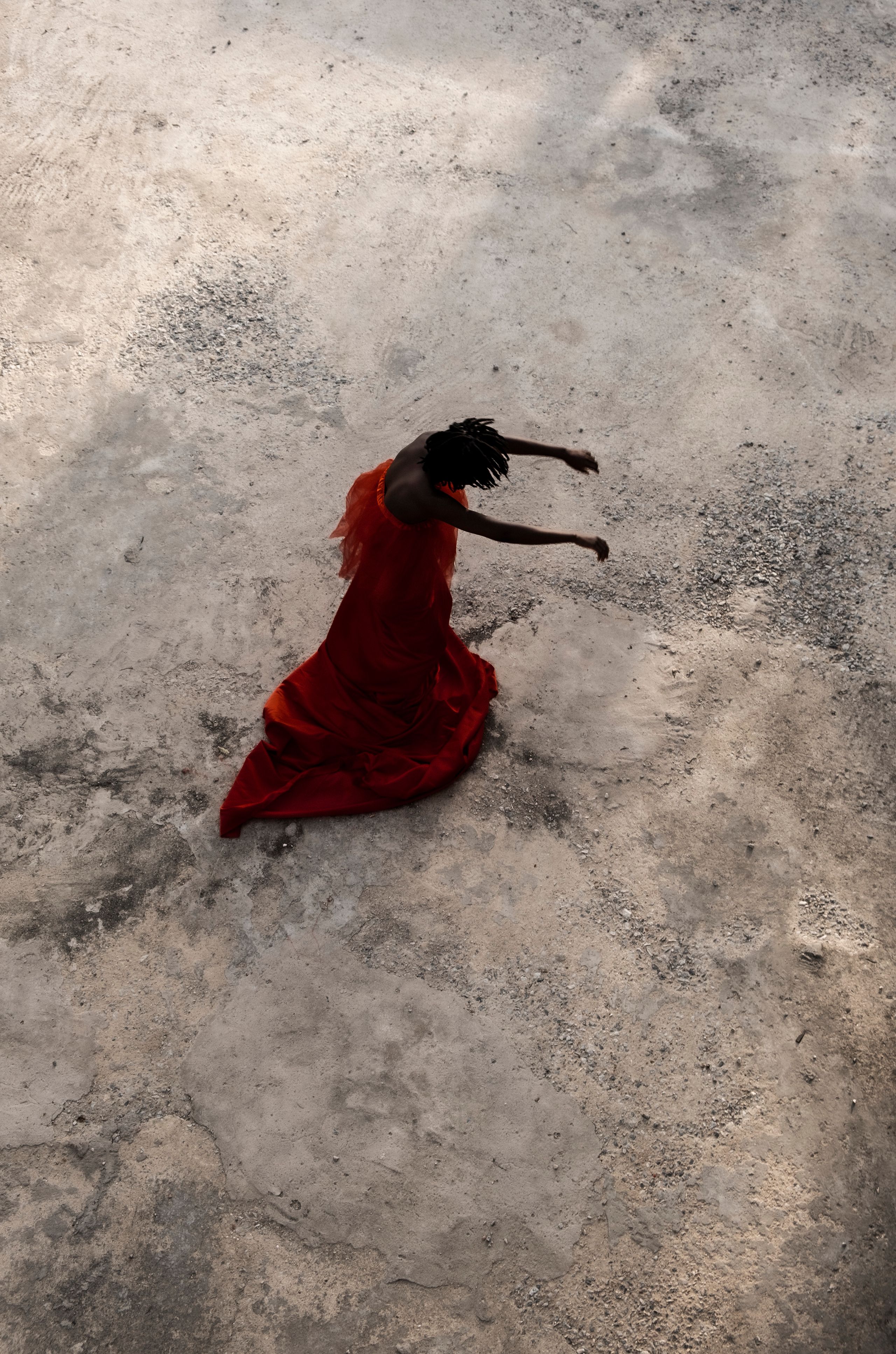
Naafia Naahemaa: What Appears Solid Is Already In Motion
We're Still Here: Thero Makepe’s Visual Jazz