América Latina Magazine
texts
A Journey into the Inaugural Museum of Belizean Art
Cyle Warner and the Transformations of Vernacular Caribbean Architectures Across Time
The Indigenous Sci-fi Love Story about the Climate Crisis and the Power of Language: Itu Ninu
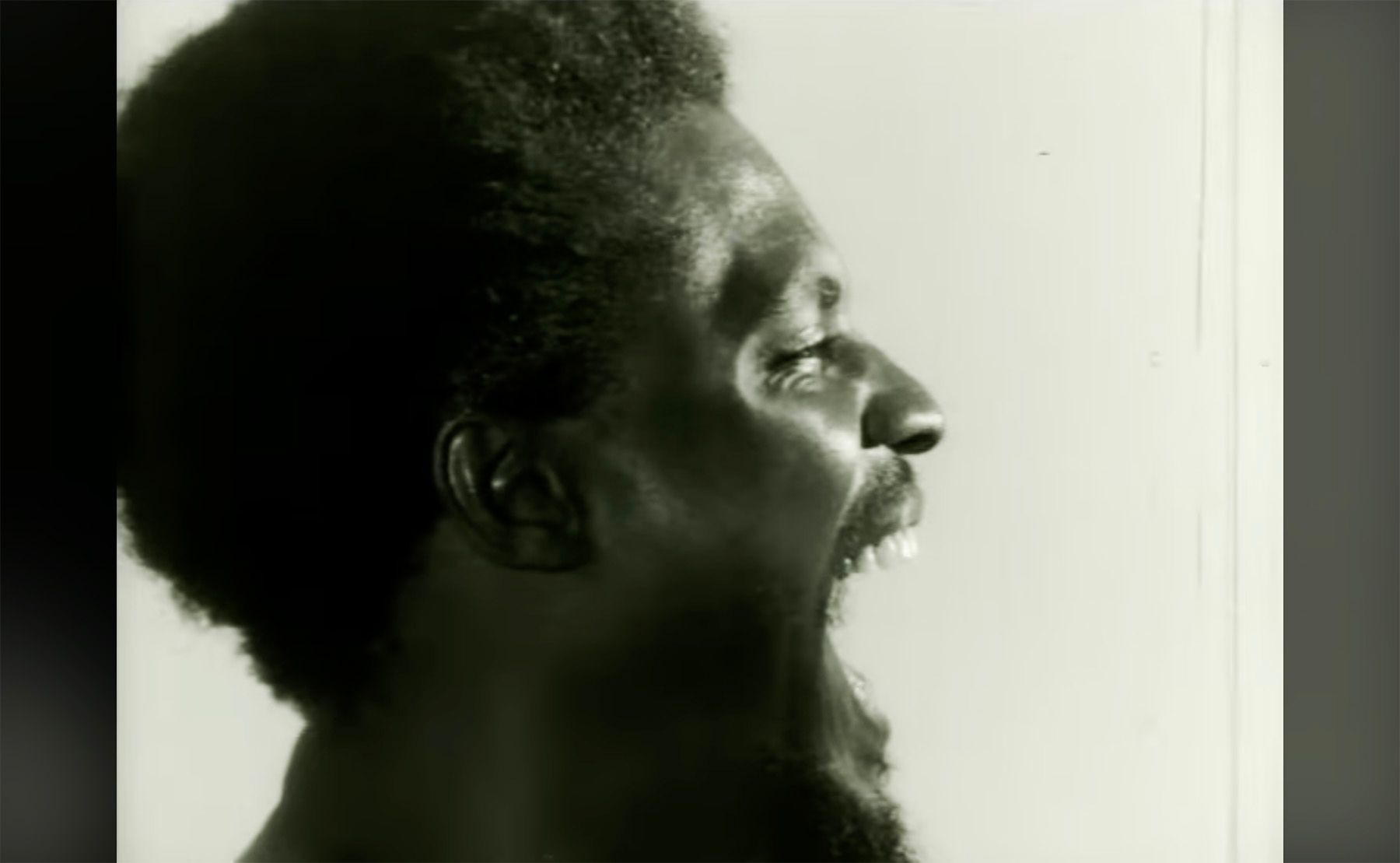
The Power of Fabulation in the Black Cinema of Zózimo Bulbul
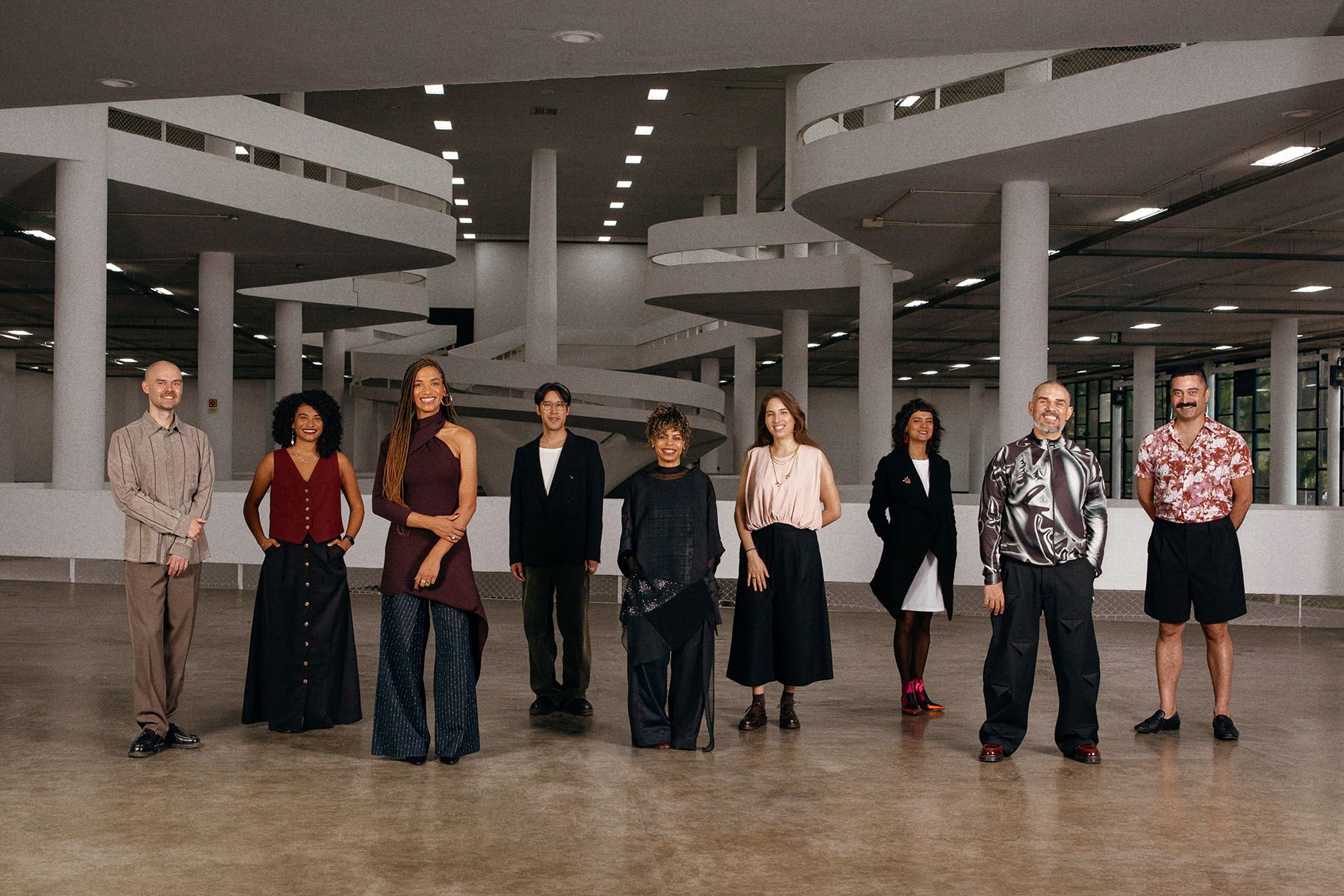
Fundação Bienal de São Paulo announces the curatorial team for its 37th edition
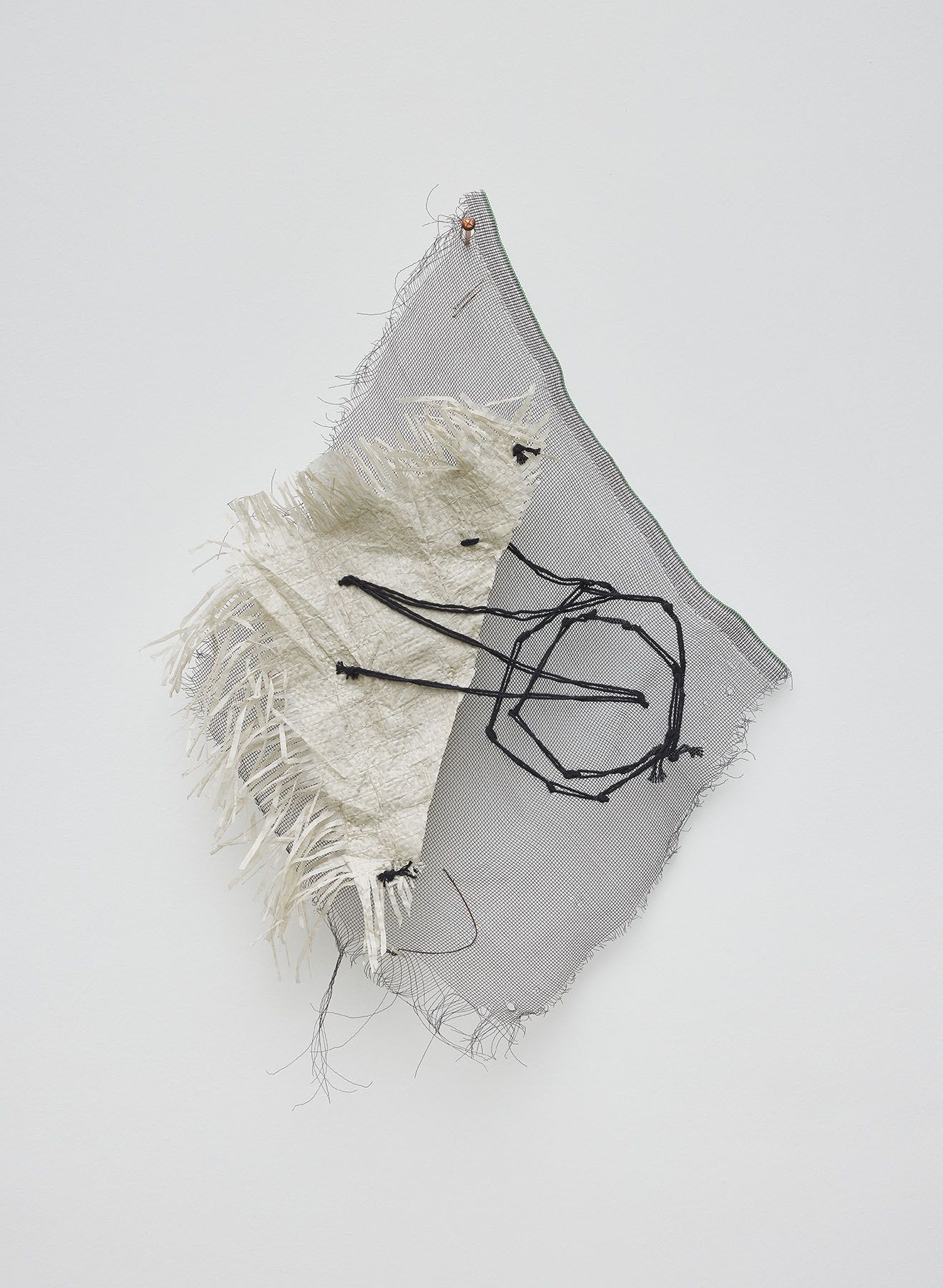
Iahra: Addressing Marine Ecology Through Industrial Materialities
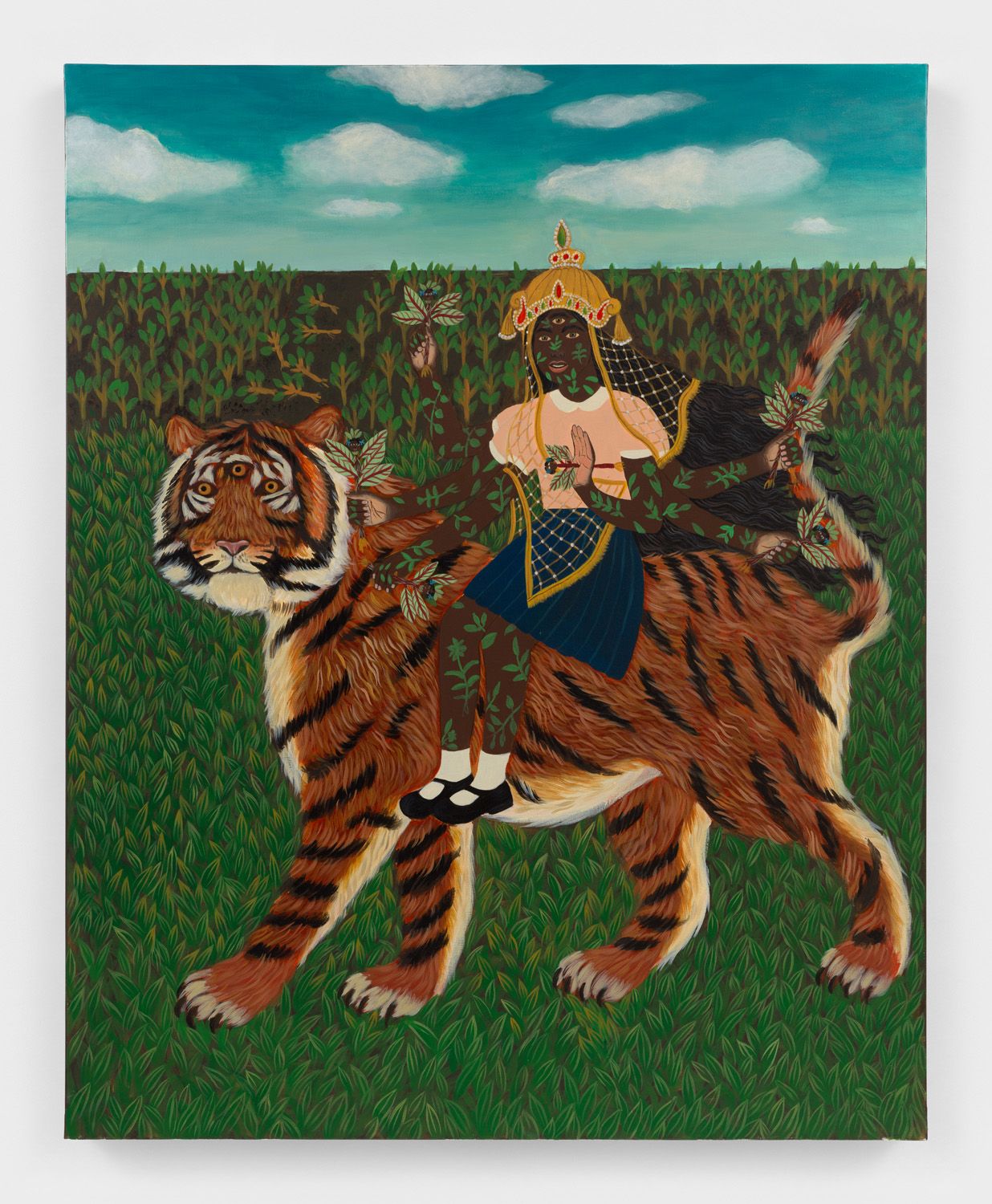
The Convergence of African and Indian Lives in Kelly Sinnapah Mary’s Paintings
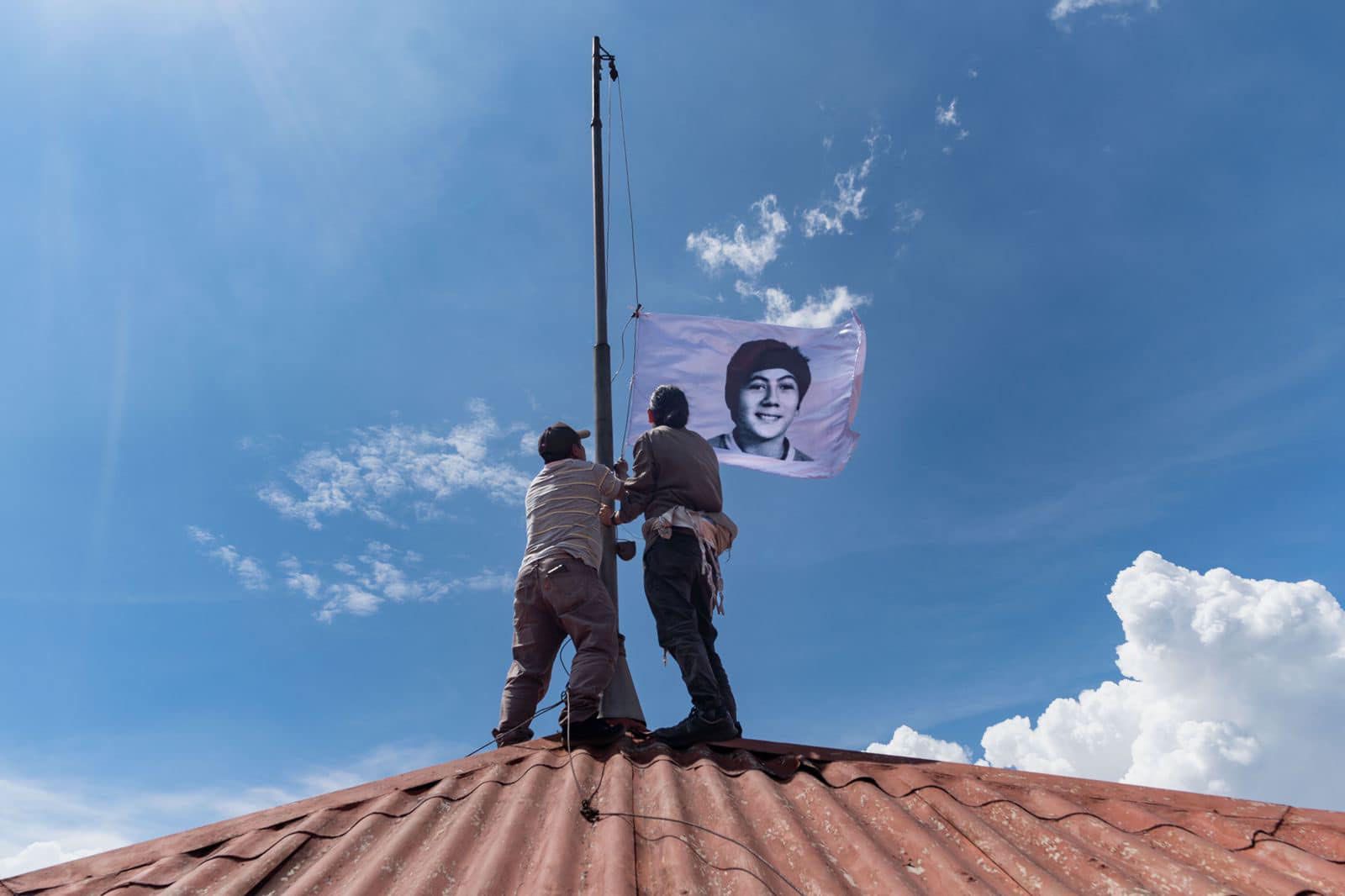
Transforming Memories of State Violence through Poetic Justice
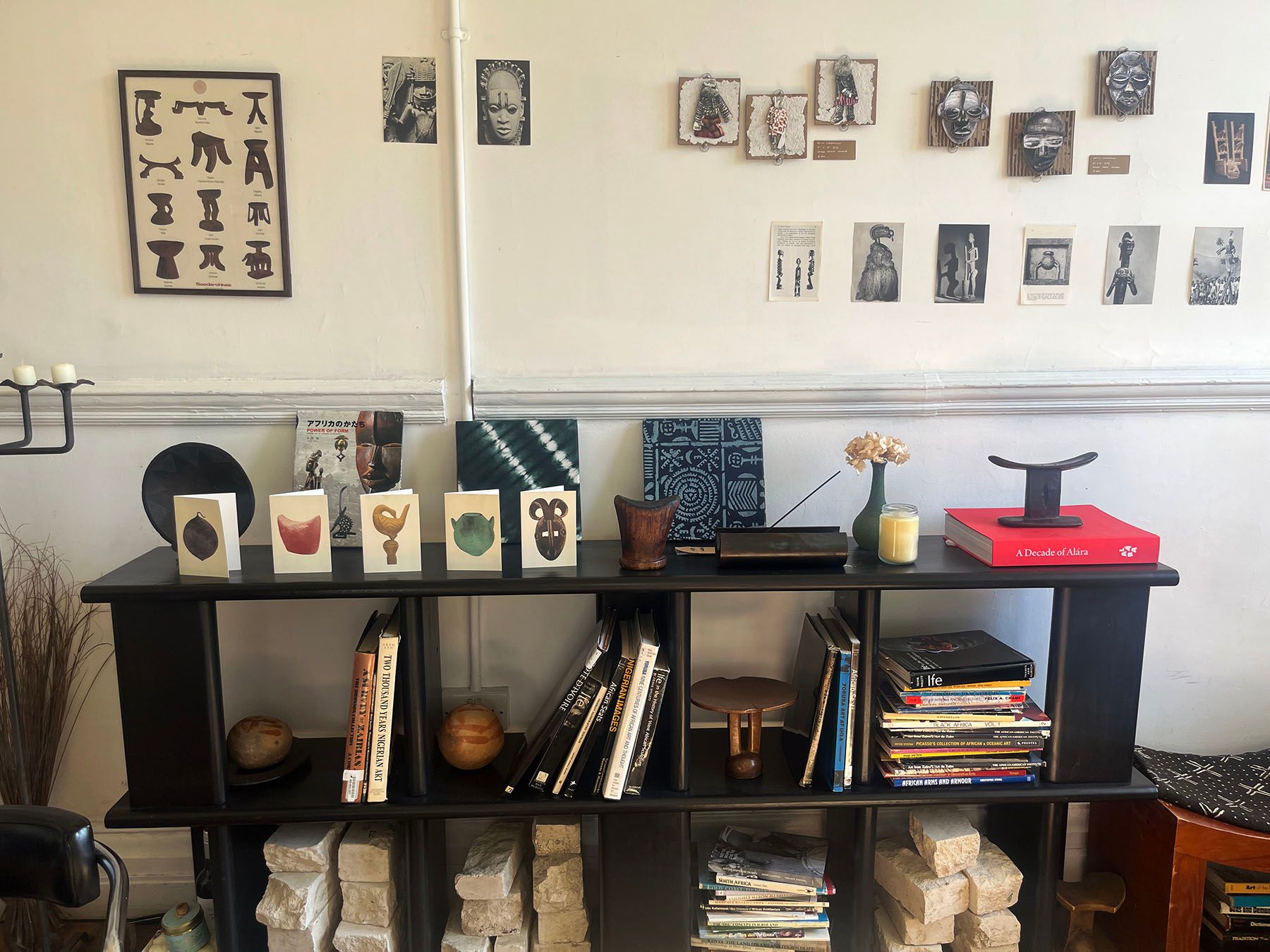
Seed Archives: Celebrating African and Caribbean Design and Culture in London
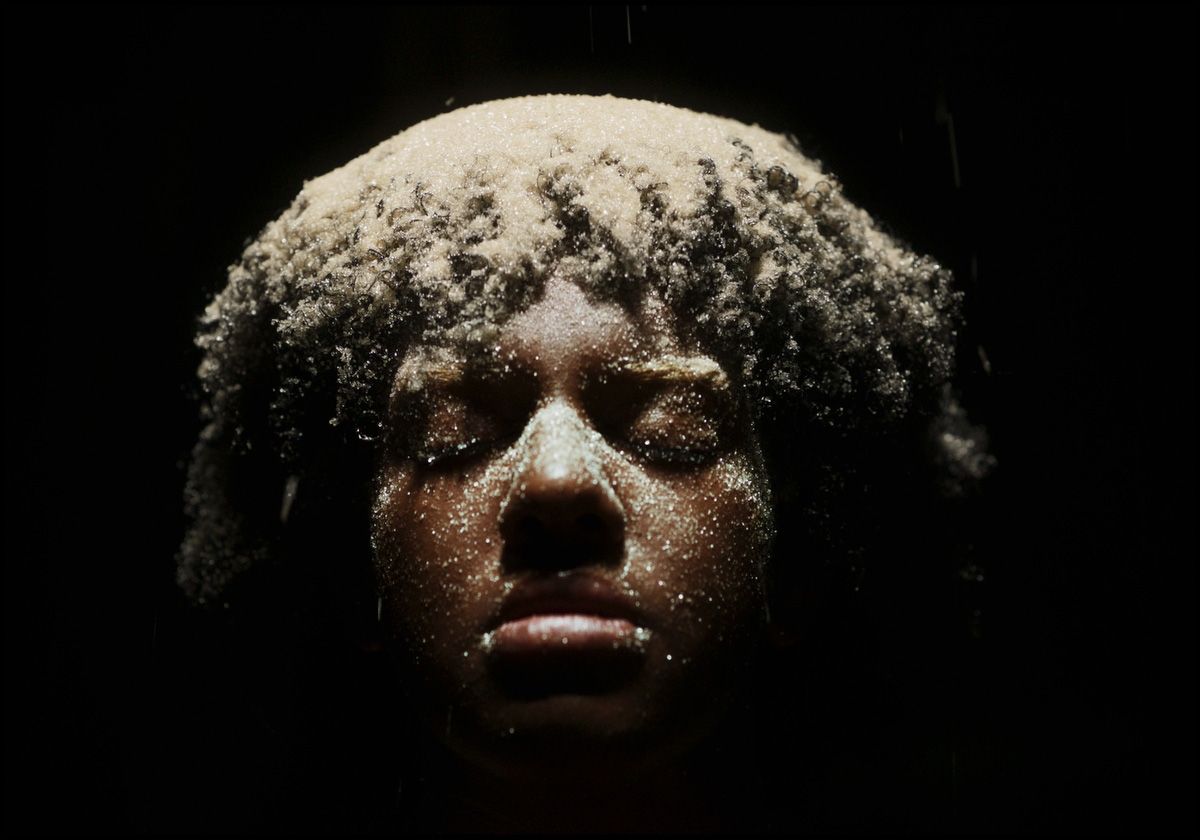
Sugar Island: A Film that Lays Bare the Colonial Legacies between Haiti and the Dominican Republic
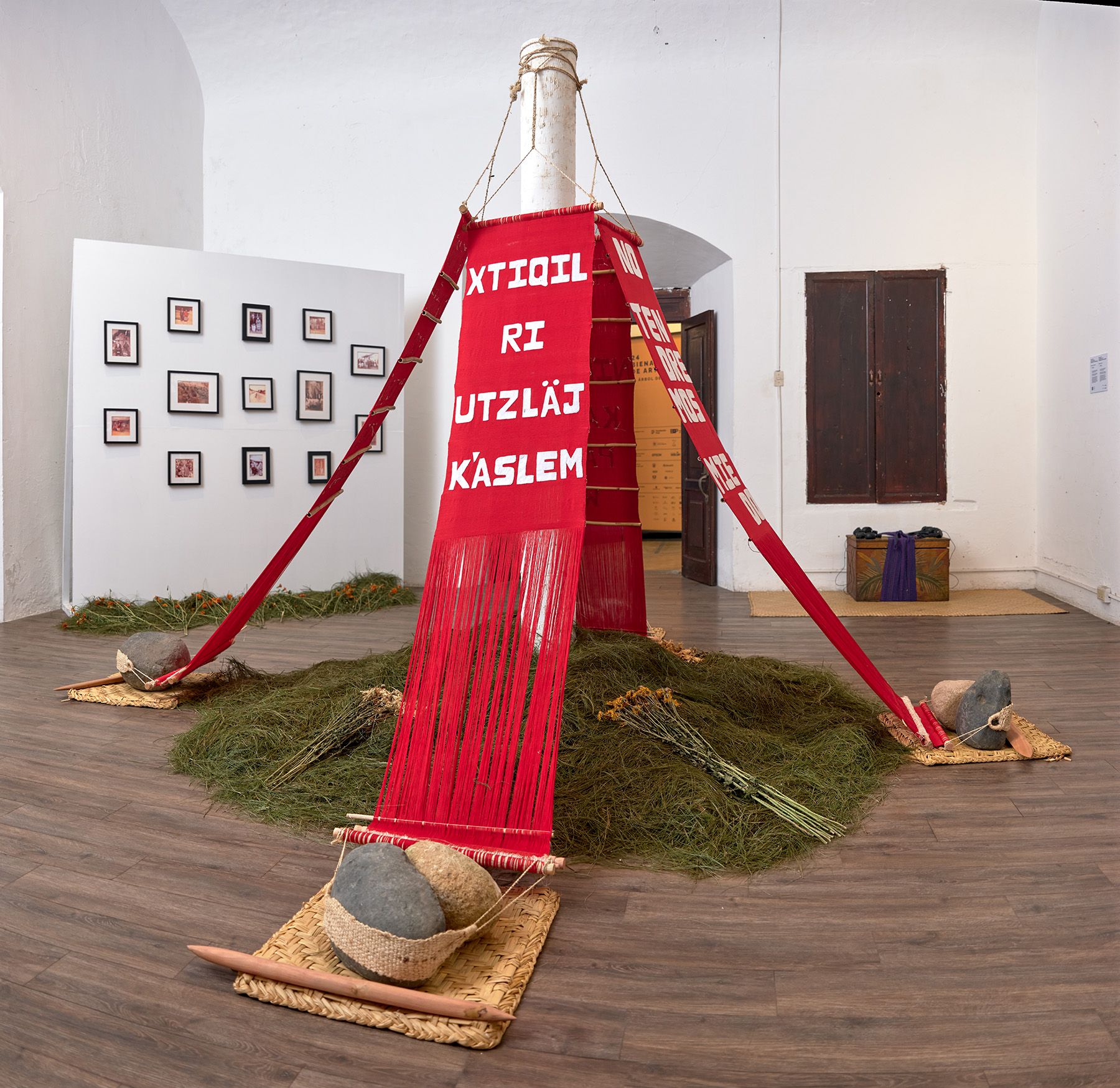
Representing the Desires of the Community in the Work of Jeff Cán Xicay
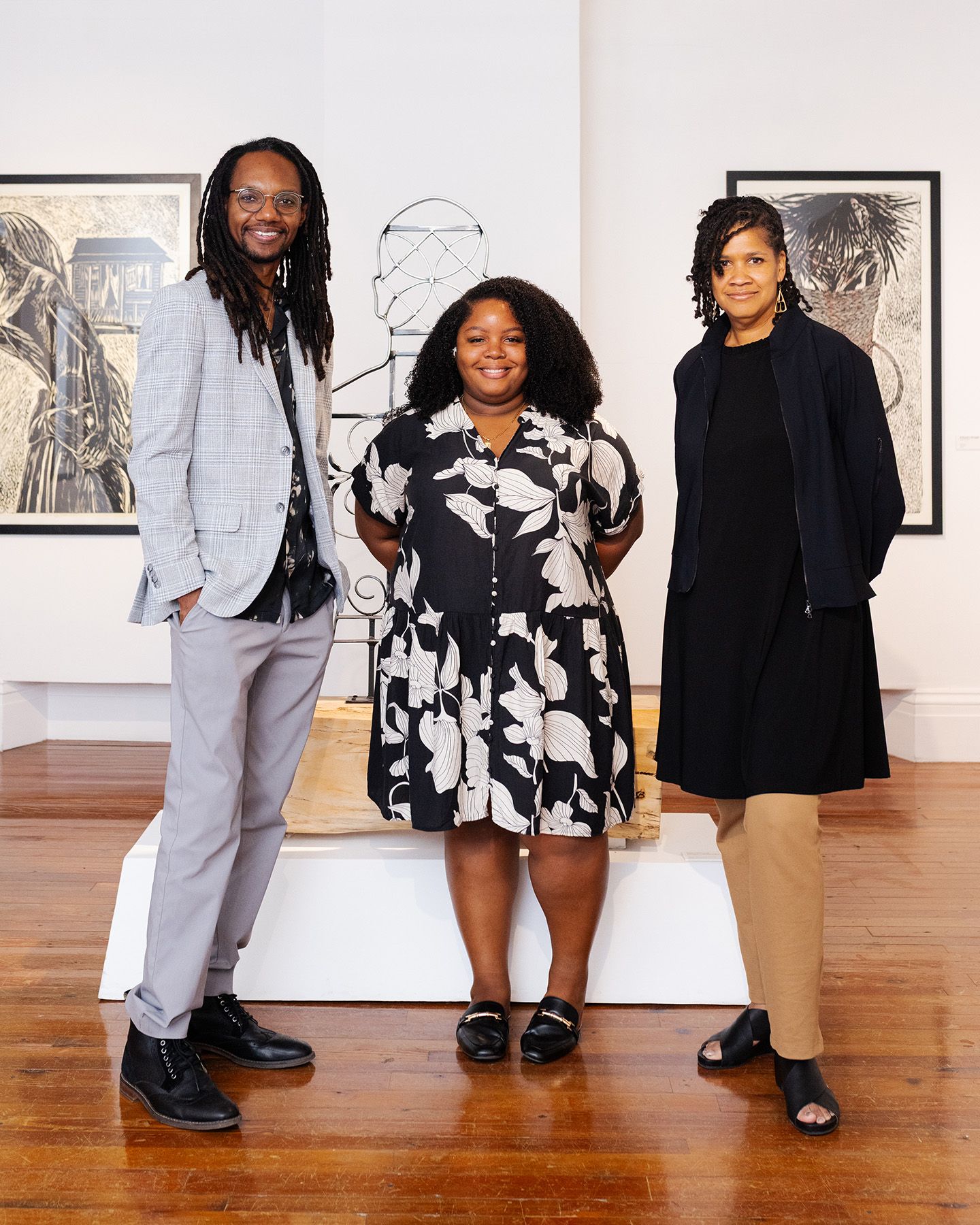
The Bahamas Pavilion returns to the 61st Venice Biennale after a thirteen year hiatus
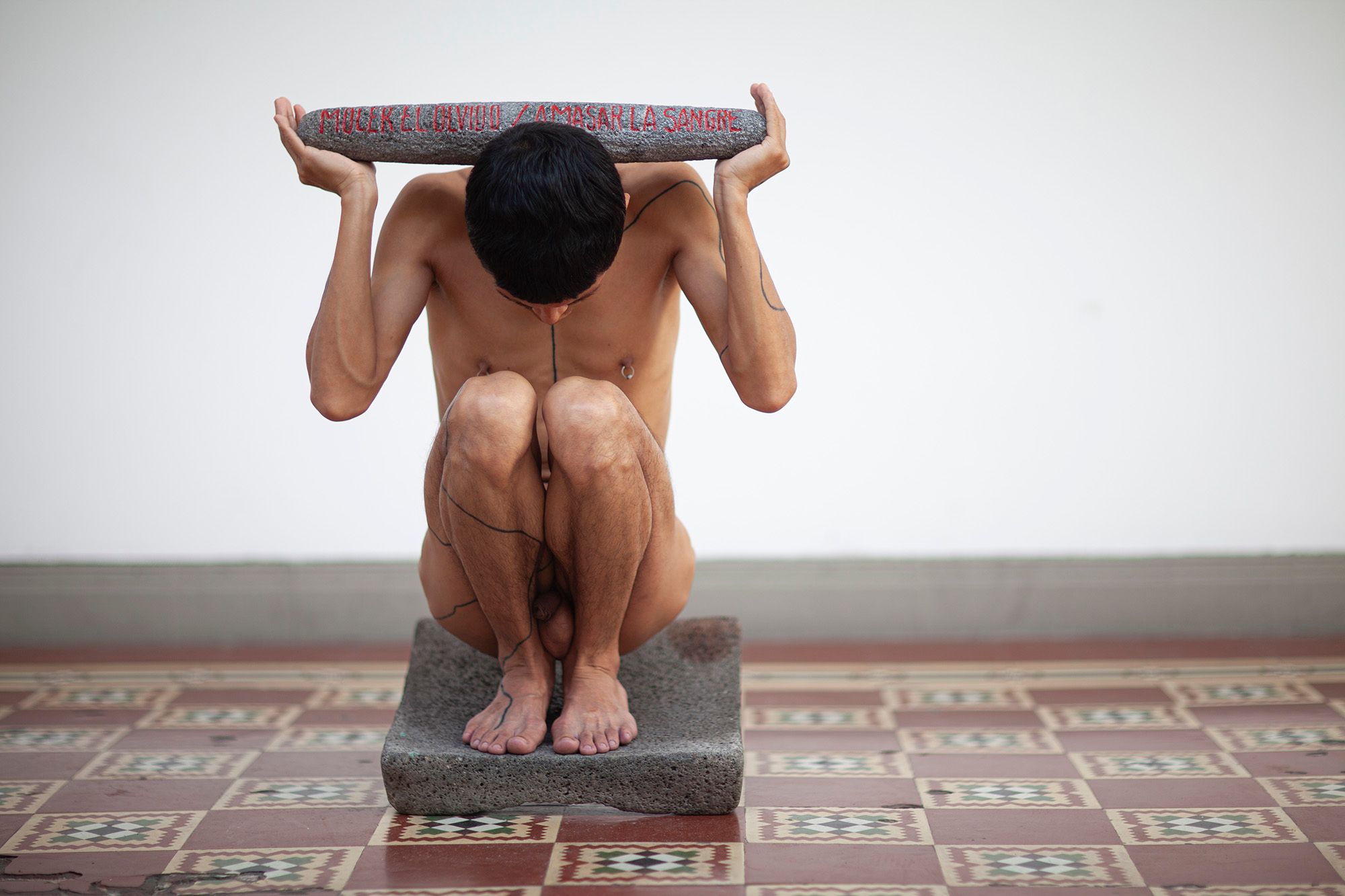
In the Guatemalan artist’s practice, art moves beyond individual authorship to center communal and ancestral processes that shape Indigenous and cuir experiences.
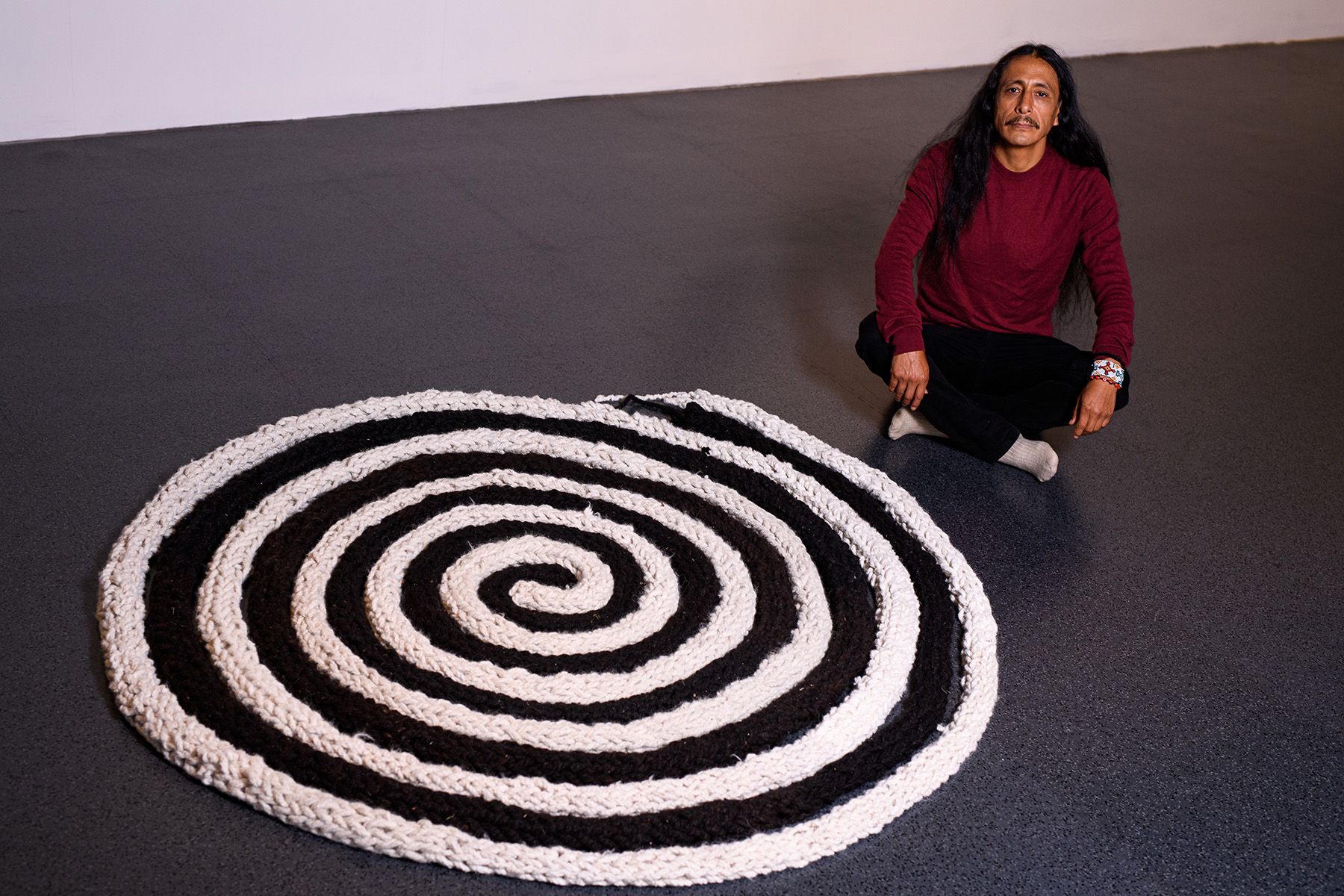
Peruvian artist Antonio Paucar wins 11th edition of Artes Mundi Prize
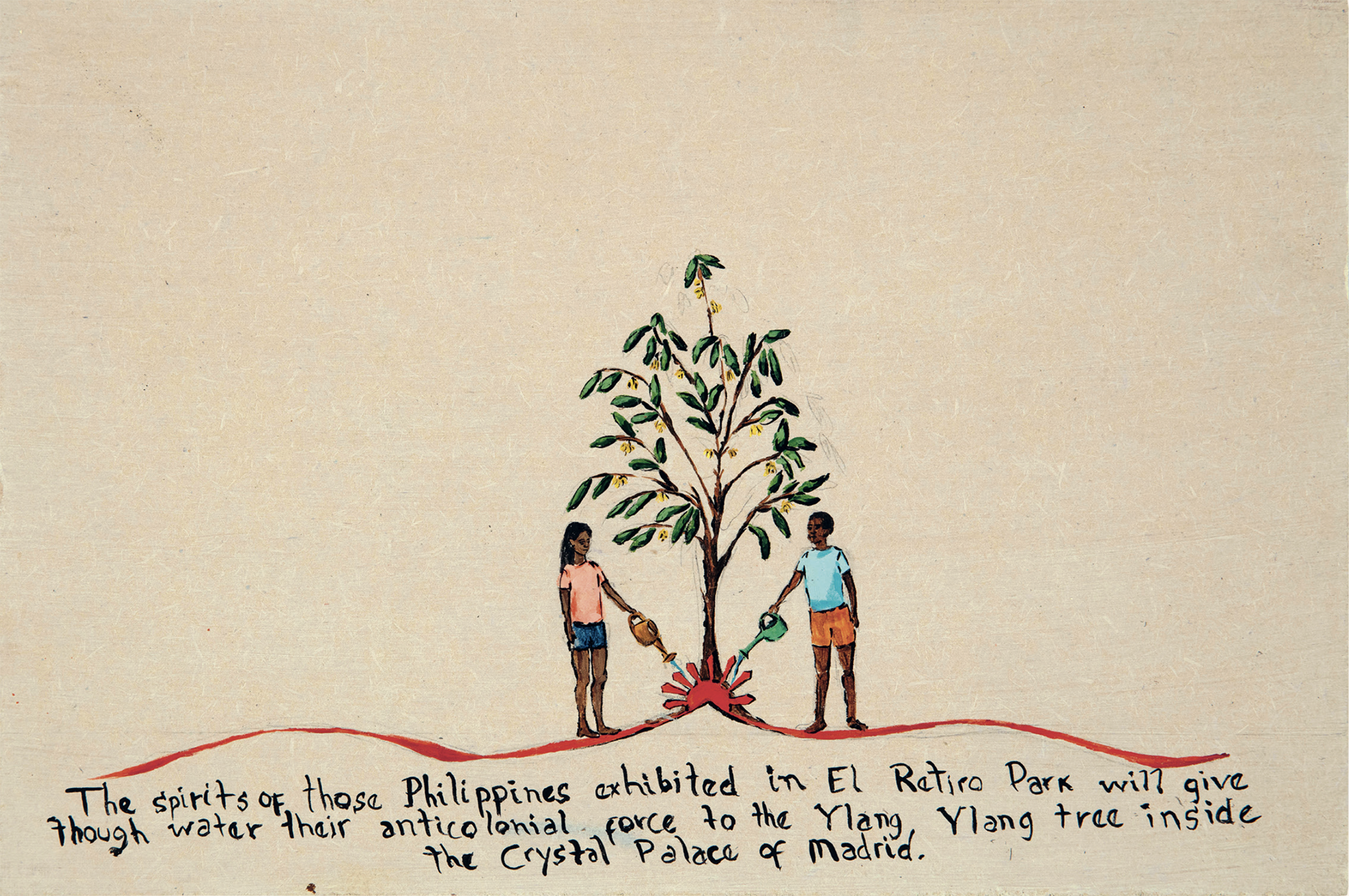
Daniela Ortiz: Art as a Practice of International Solidarity
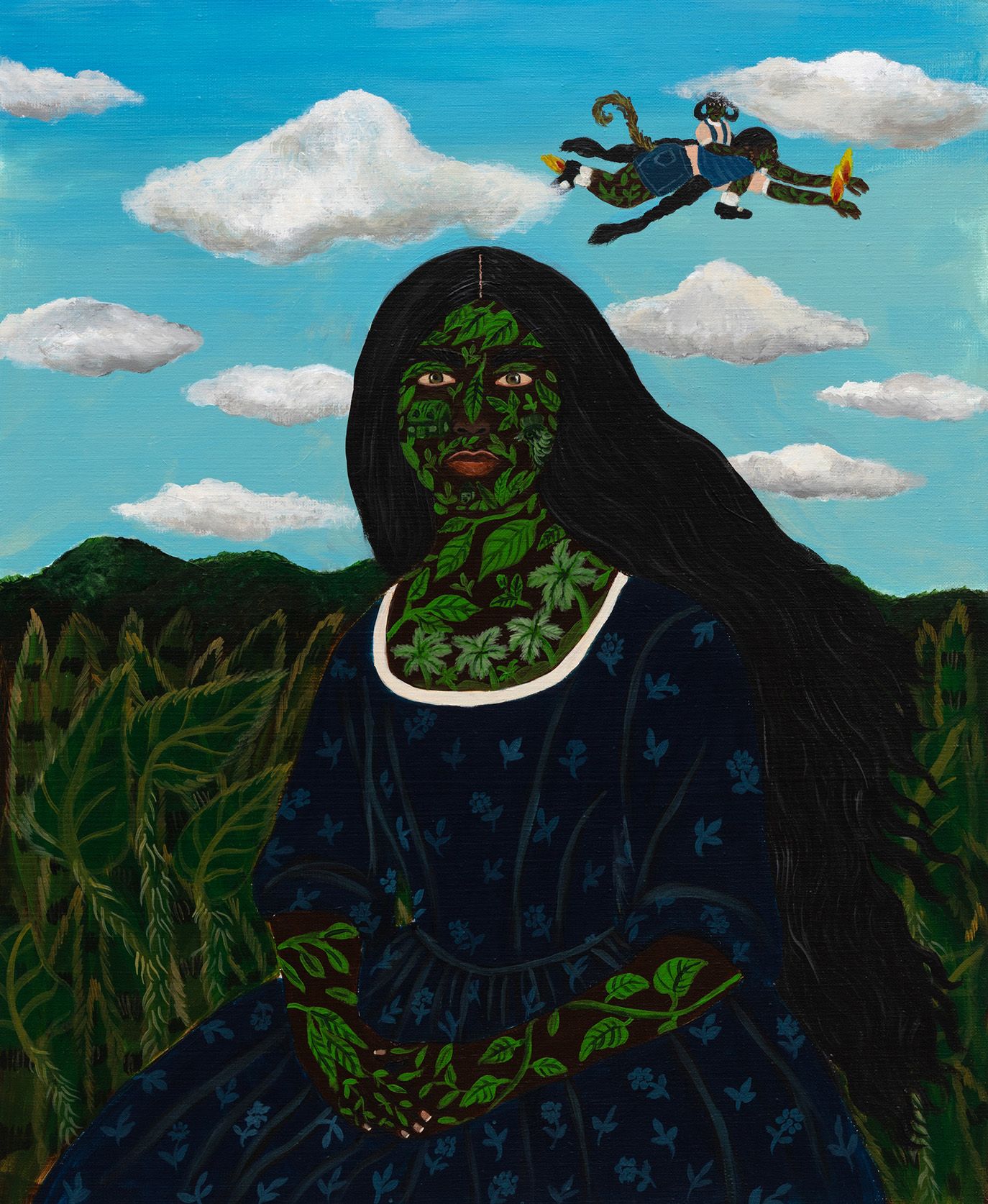
Three Artists Redefining the Human-Plant Relationship in Martinique and Guadeloupe
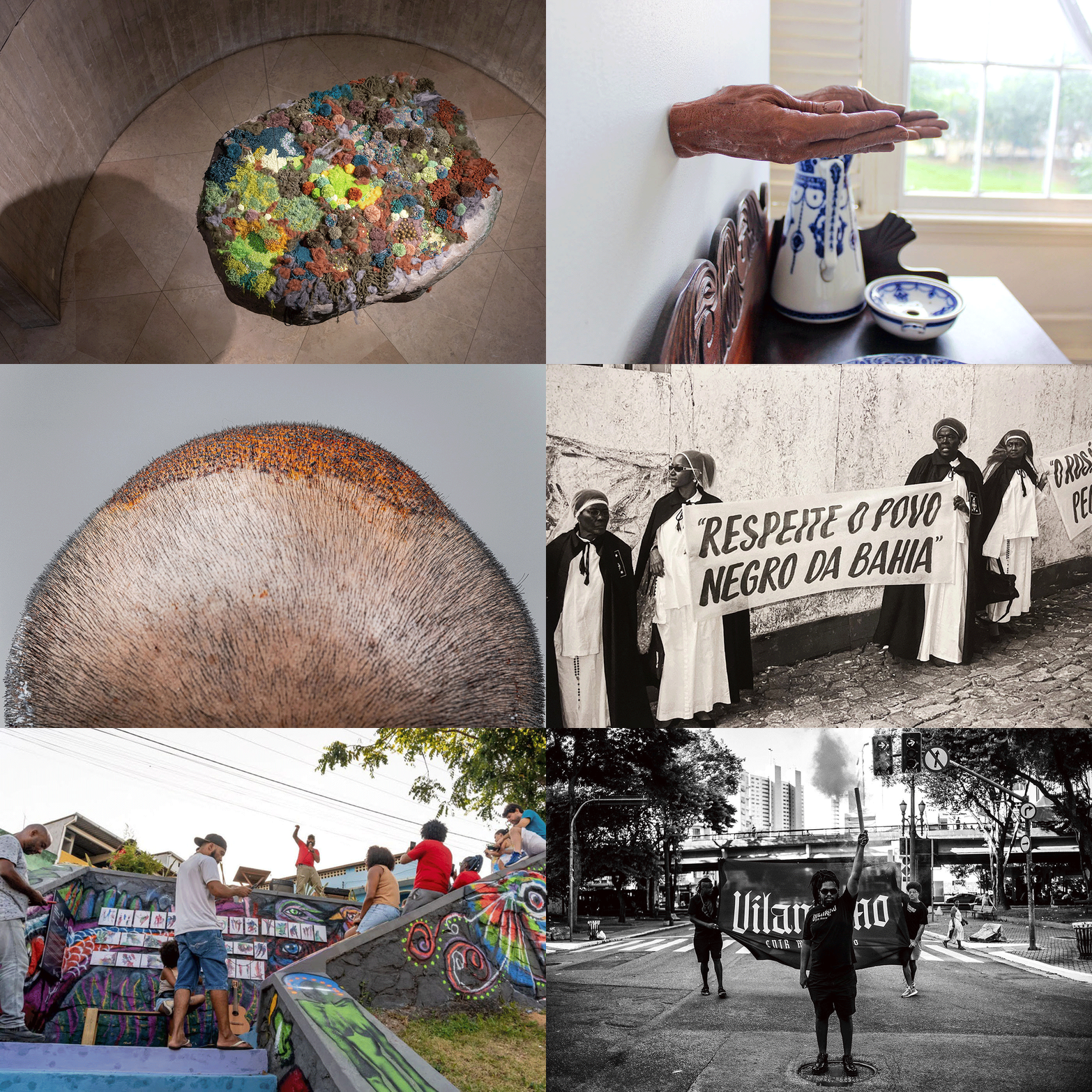
C&AL’s Highlights of 2025 You Might Have Missed
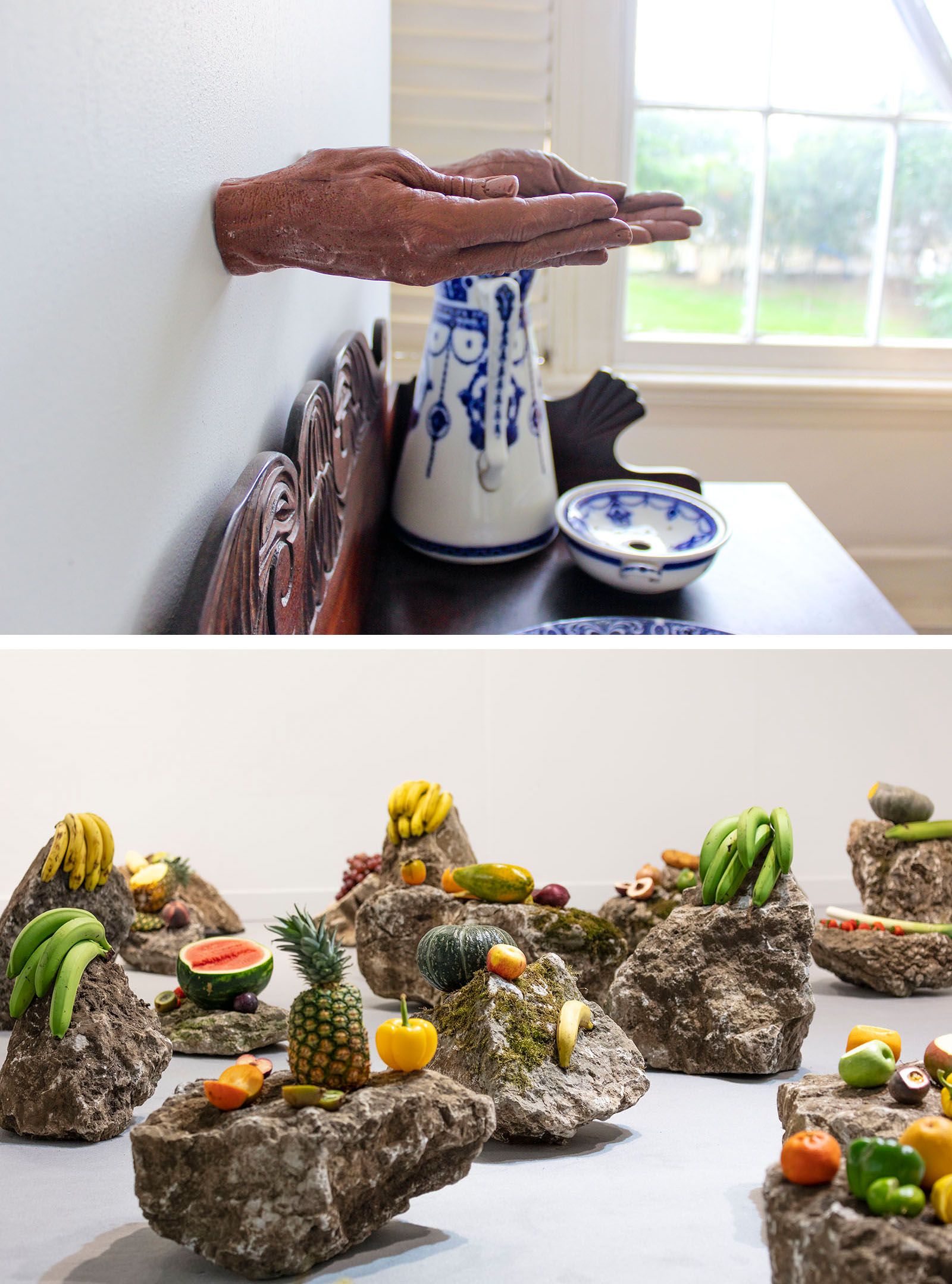
2025 in Review
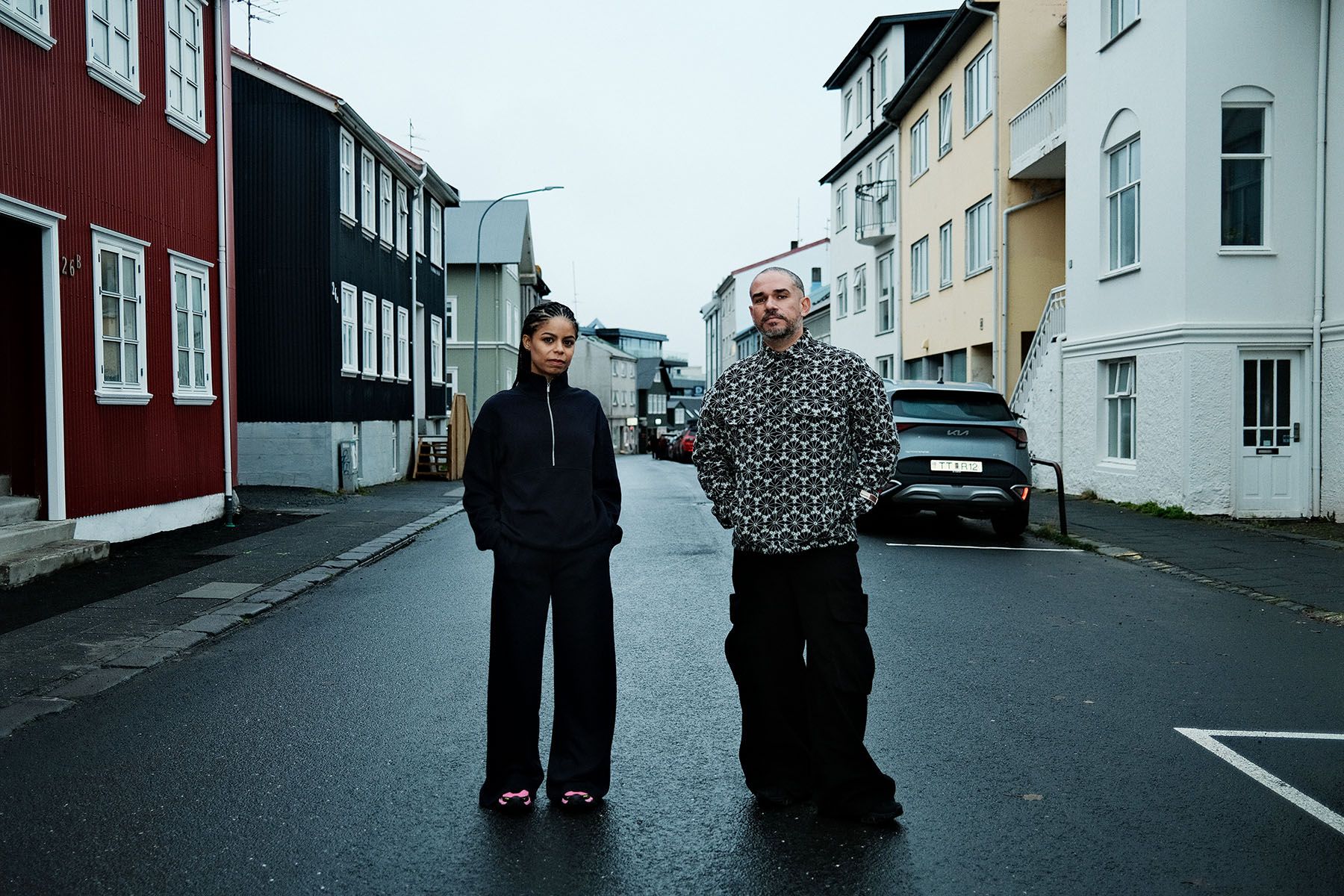
Yina Jiménez Suriel and Raphael Fonseca are the artistic directors for Iceland’s Sequences Biennial
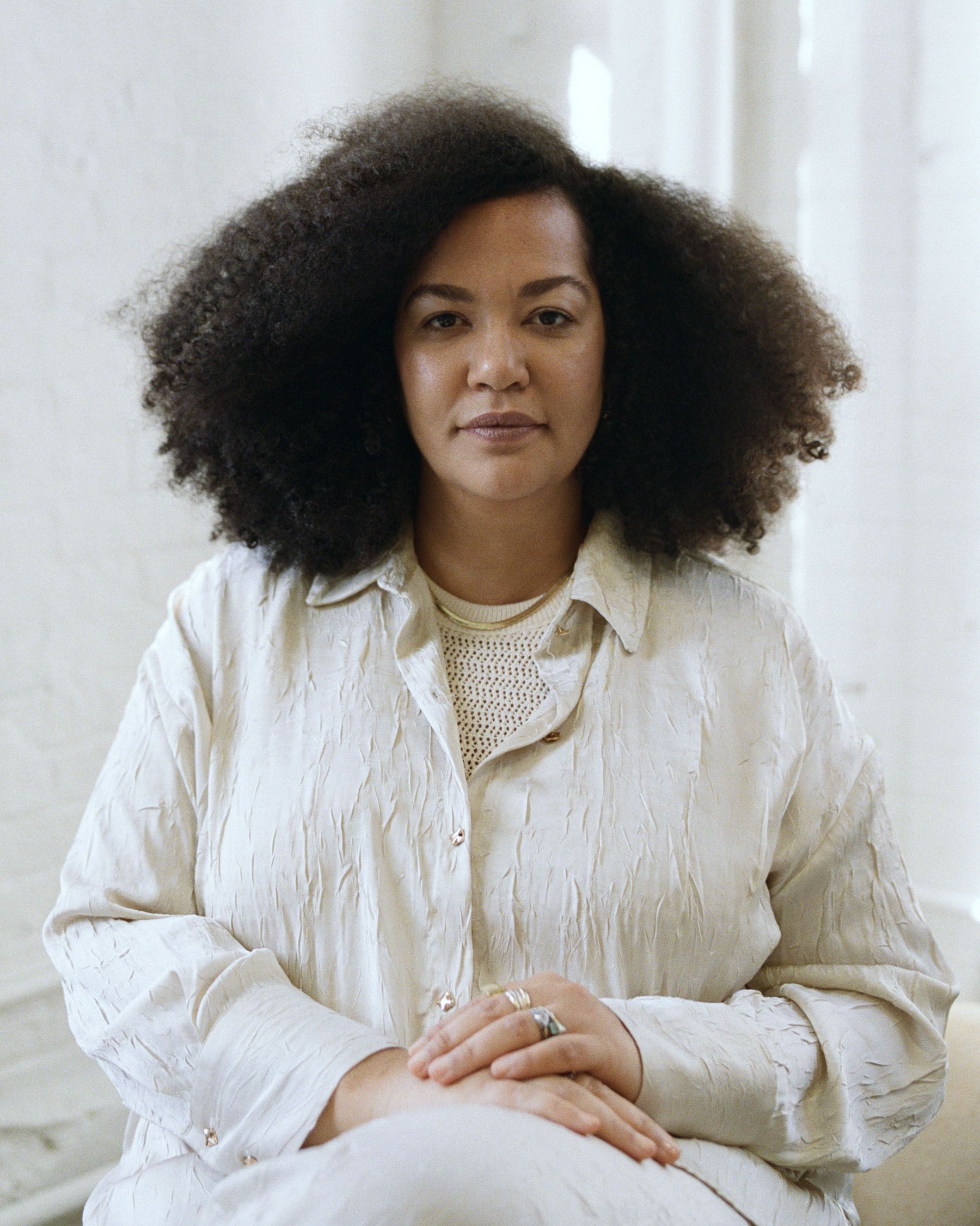
MAM São Paulo announces Diane Lima as Curator of the 39th Panorama of Brazilian Art
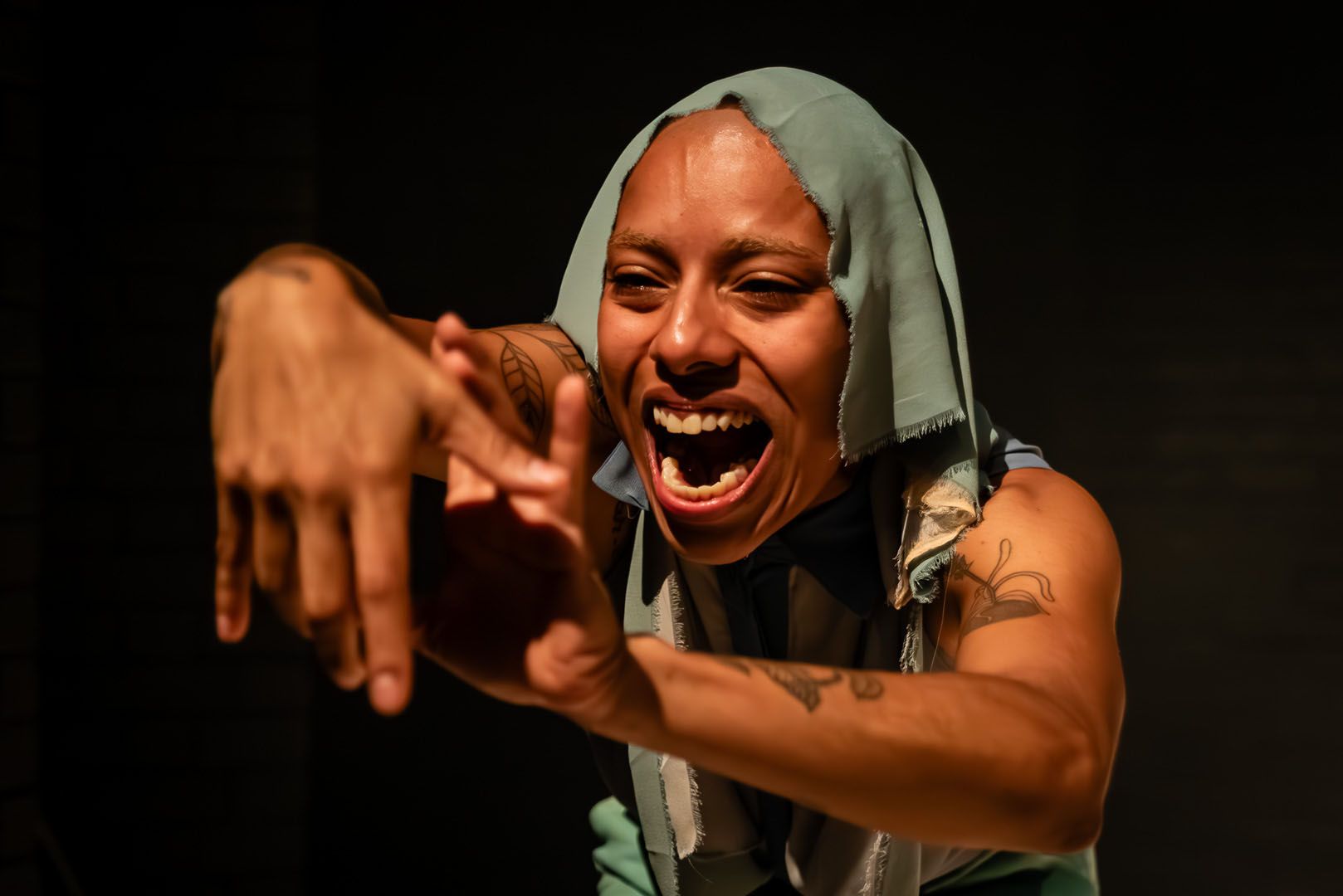
Bodies in a state of eruption: the performance and metamorphosis of Malu Avelar
MACAS amplía su colección de arte afropuertorriqueño
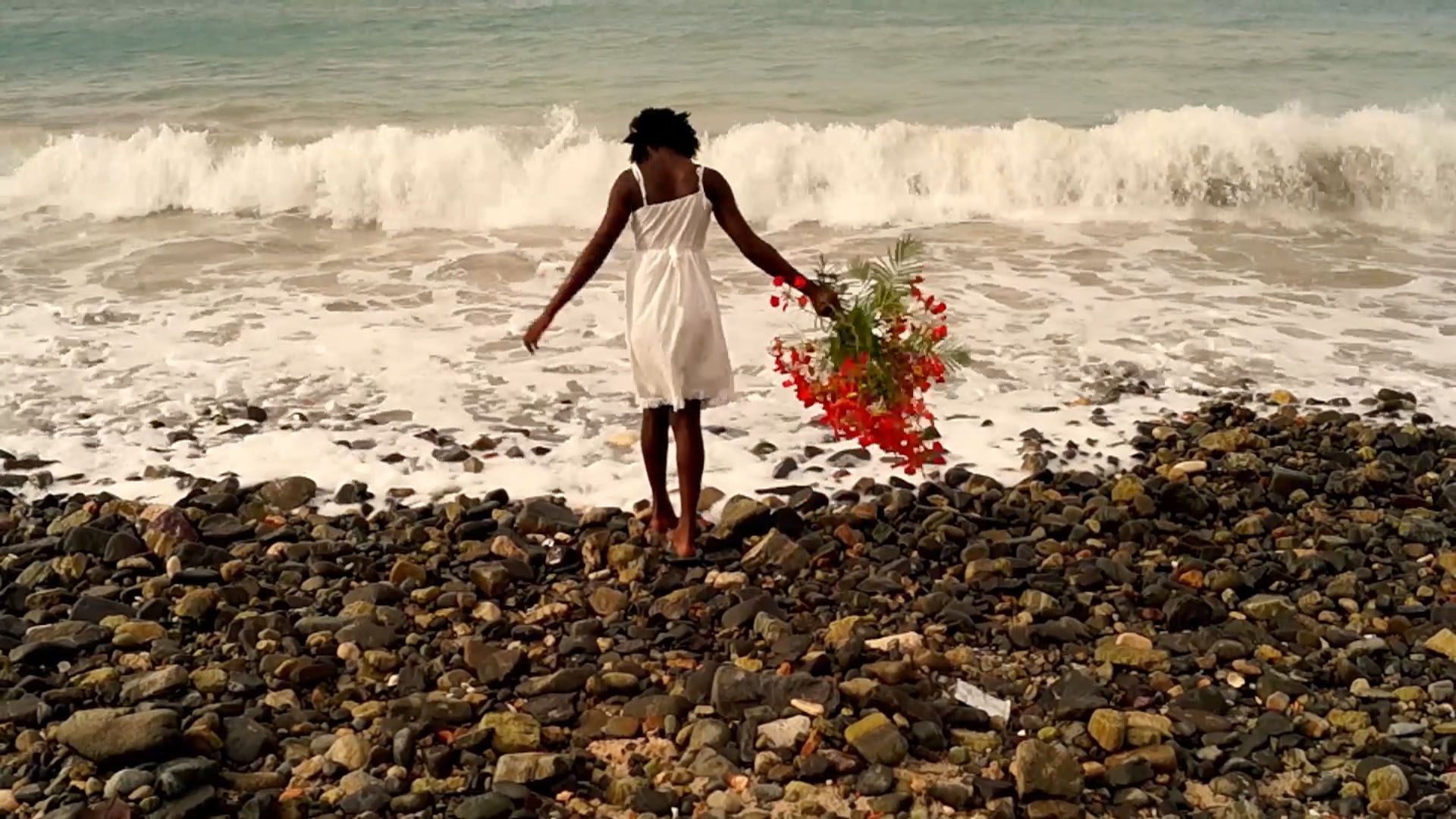
The Artists Forging Ecological Ties in Female Fugivity and Marronage
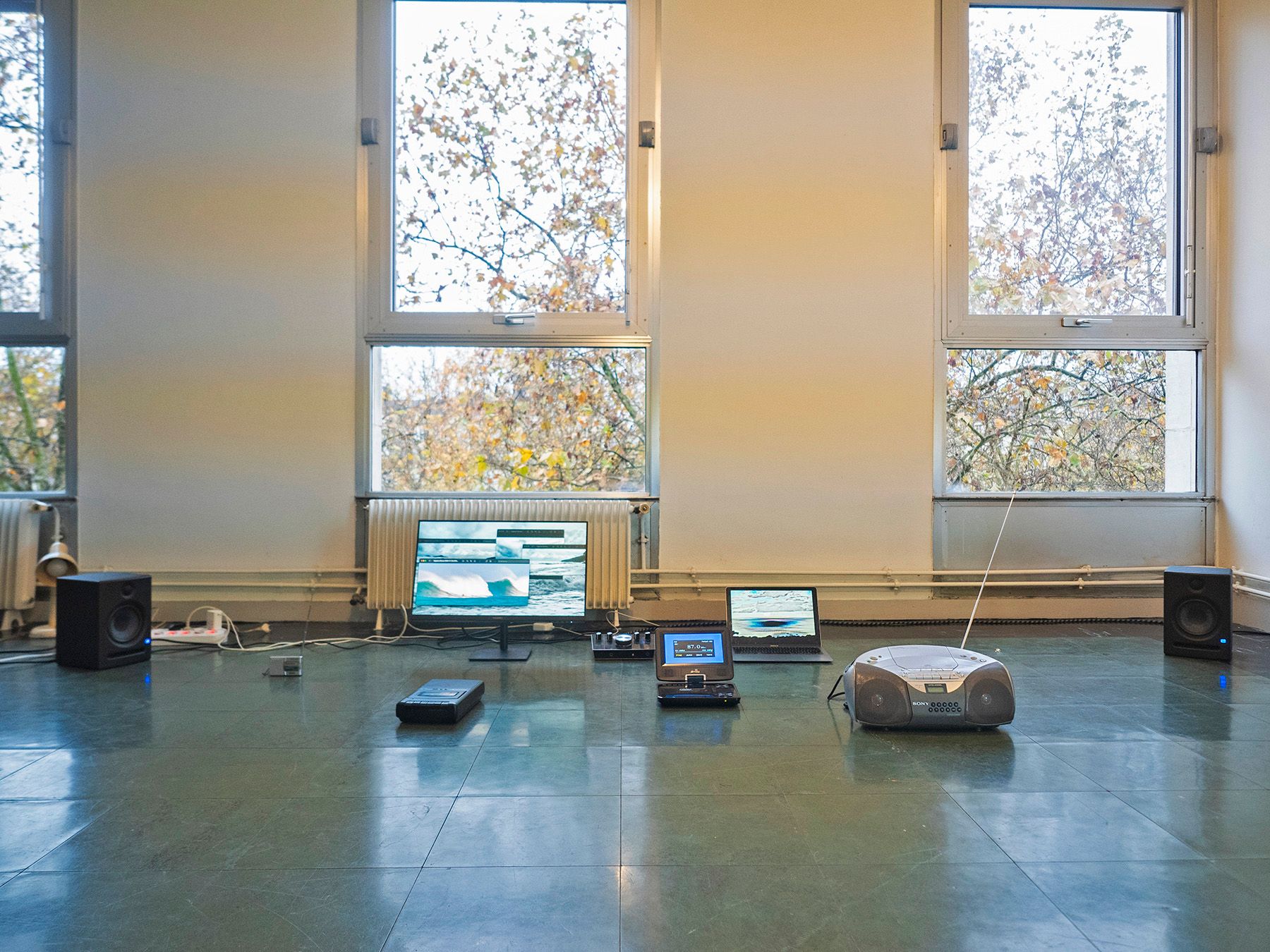
Caribbean Sounds: The Connective Possibilities of Radio
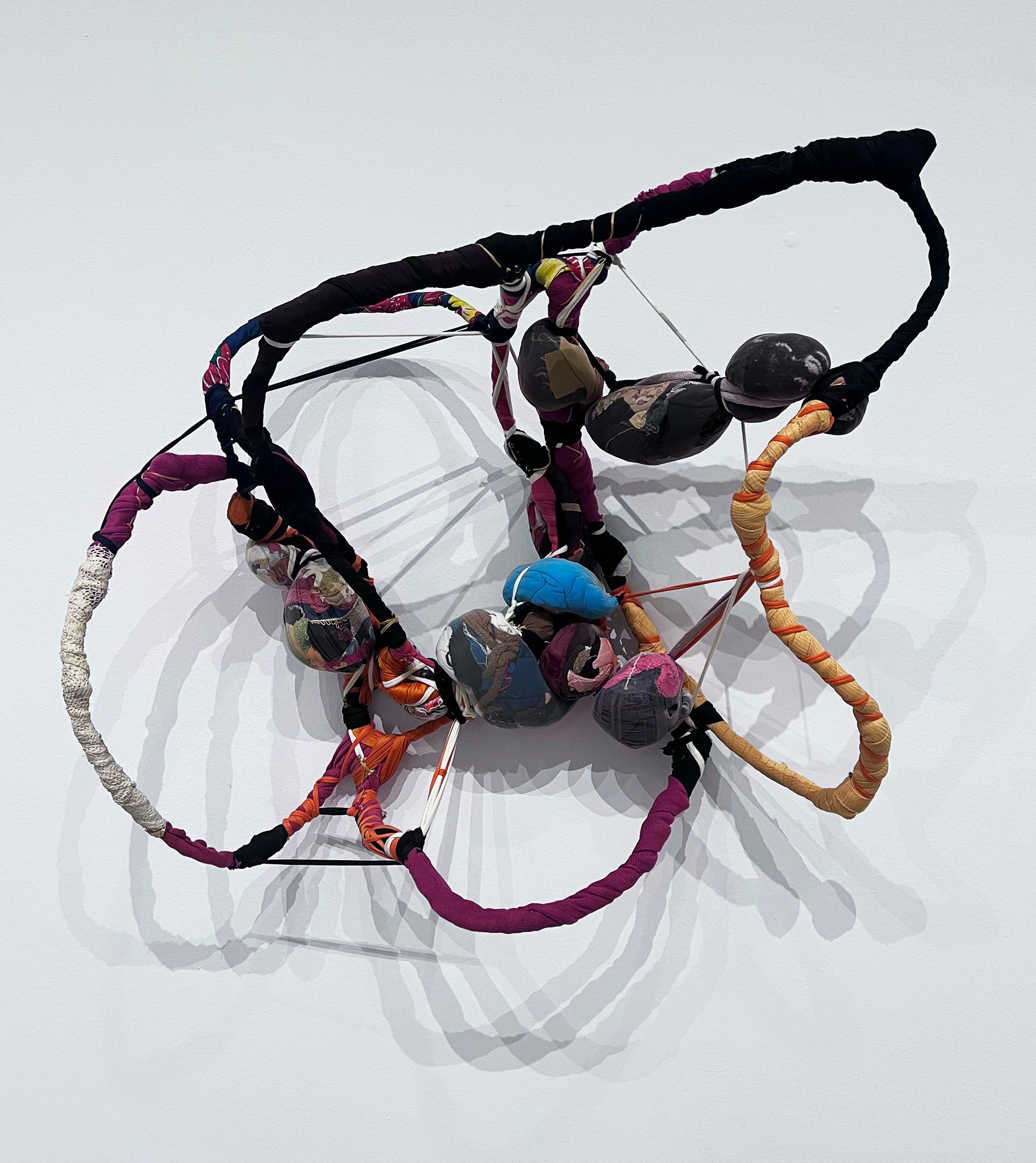
Confronting the Absence of Latin America in Conversations on African Diasporic Art
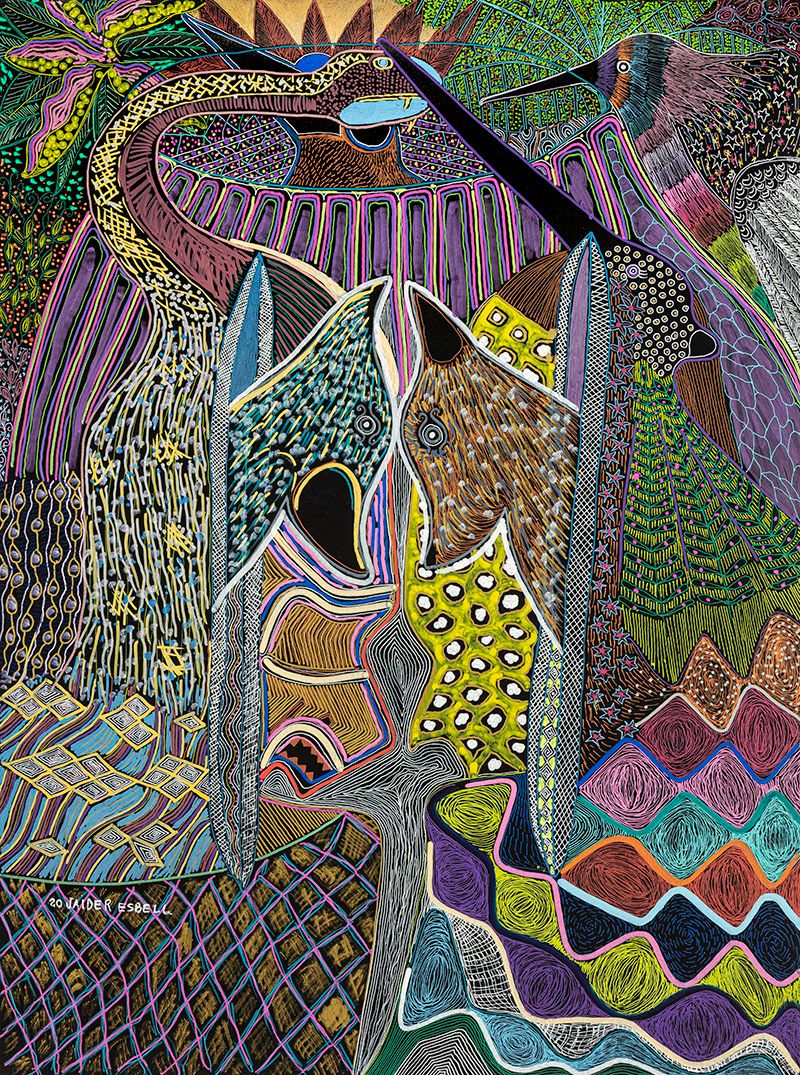
The life and work of Jaider Esbell continue to profoundly mark contemporary Brazilian art with his indigenous “artivist” legacy, even after his untimely death. Together with a note from Denilson Baniwa, this text looks back on the artist’s life and questions the price of visibility in a system that continues to consume Indigenous bodies and epistemes.
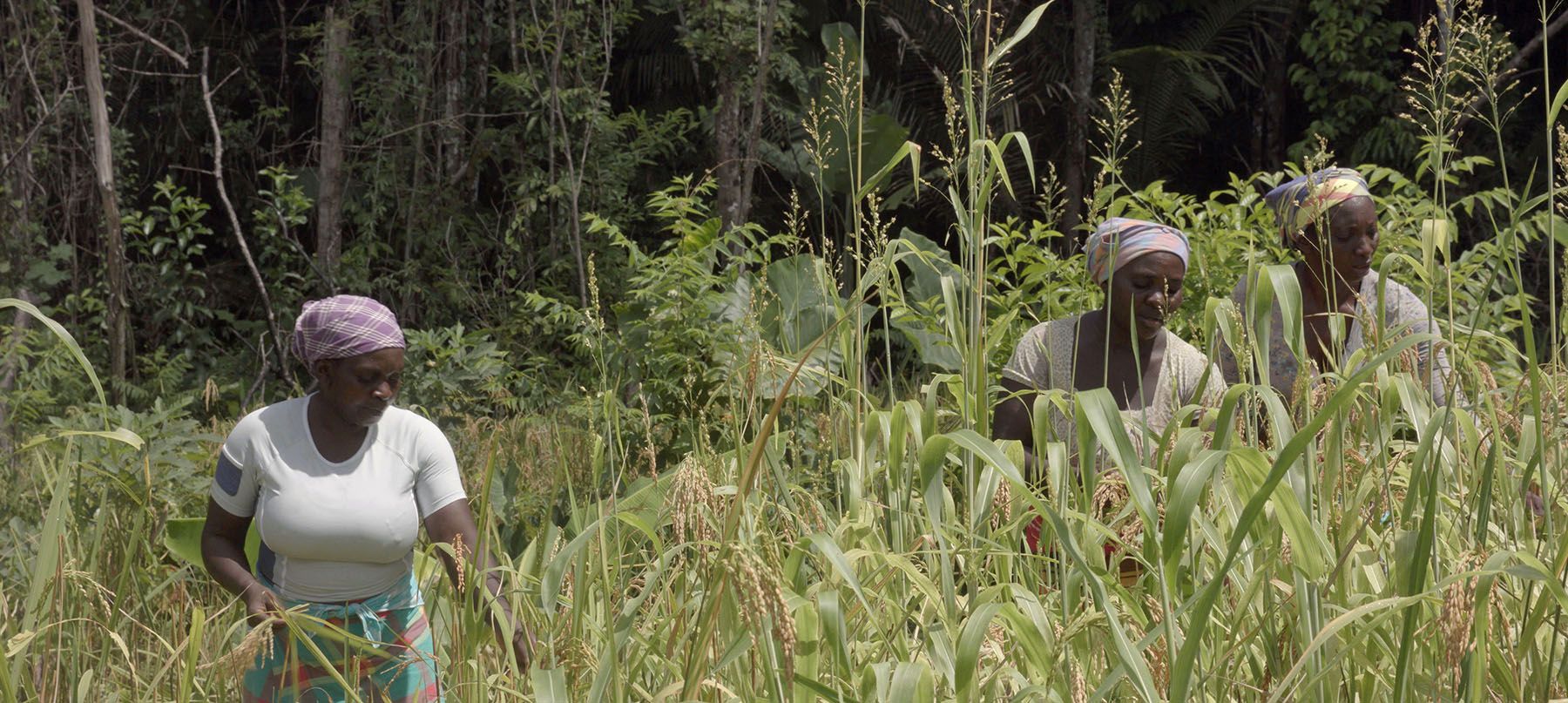
Third Horizon curates a new Cinelogue program exploring decolonial cinema and liberatory imagination from the Caribbean
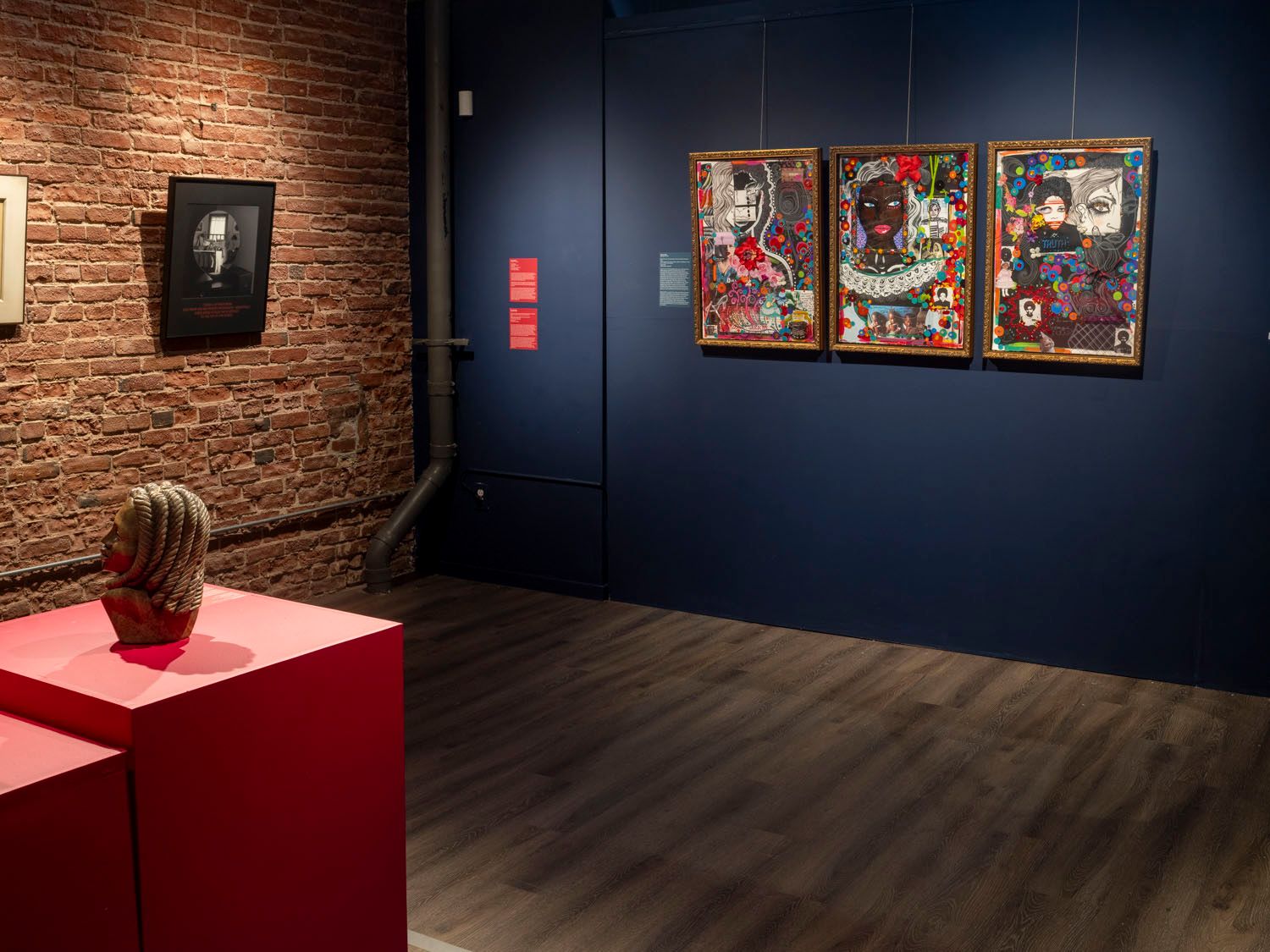
The Order of New Arts opens a new cultural space in the United States
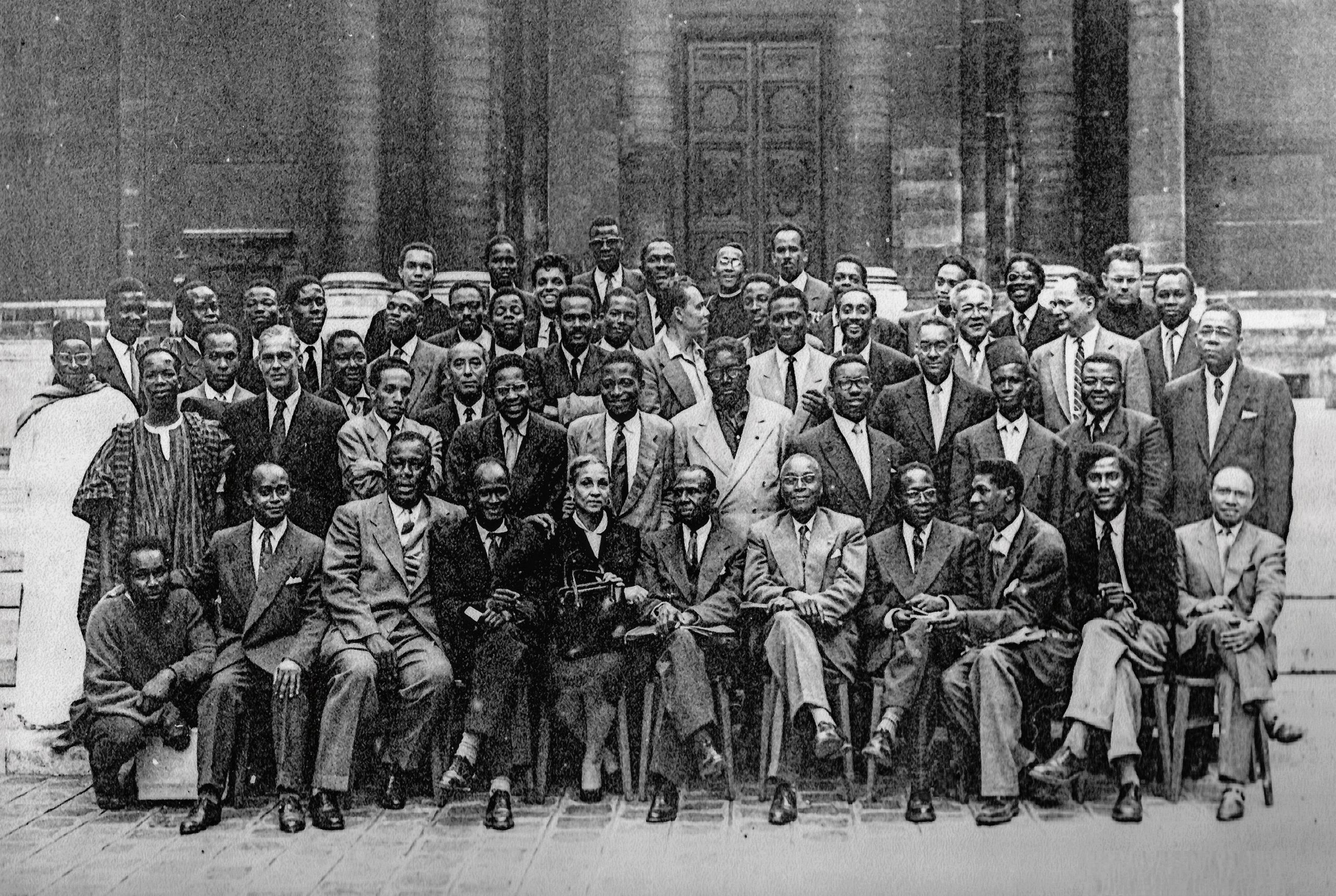
Paris Noir: Pan-African Surrealism, Abstraction and Figuration
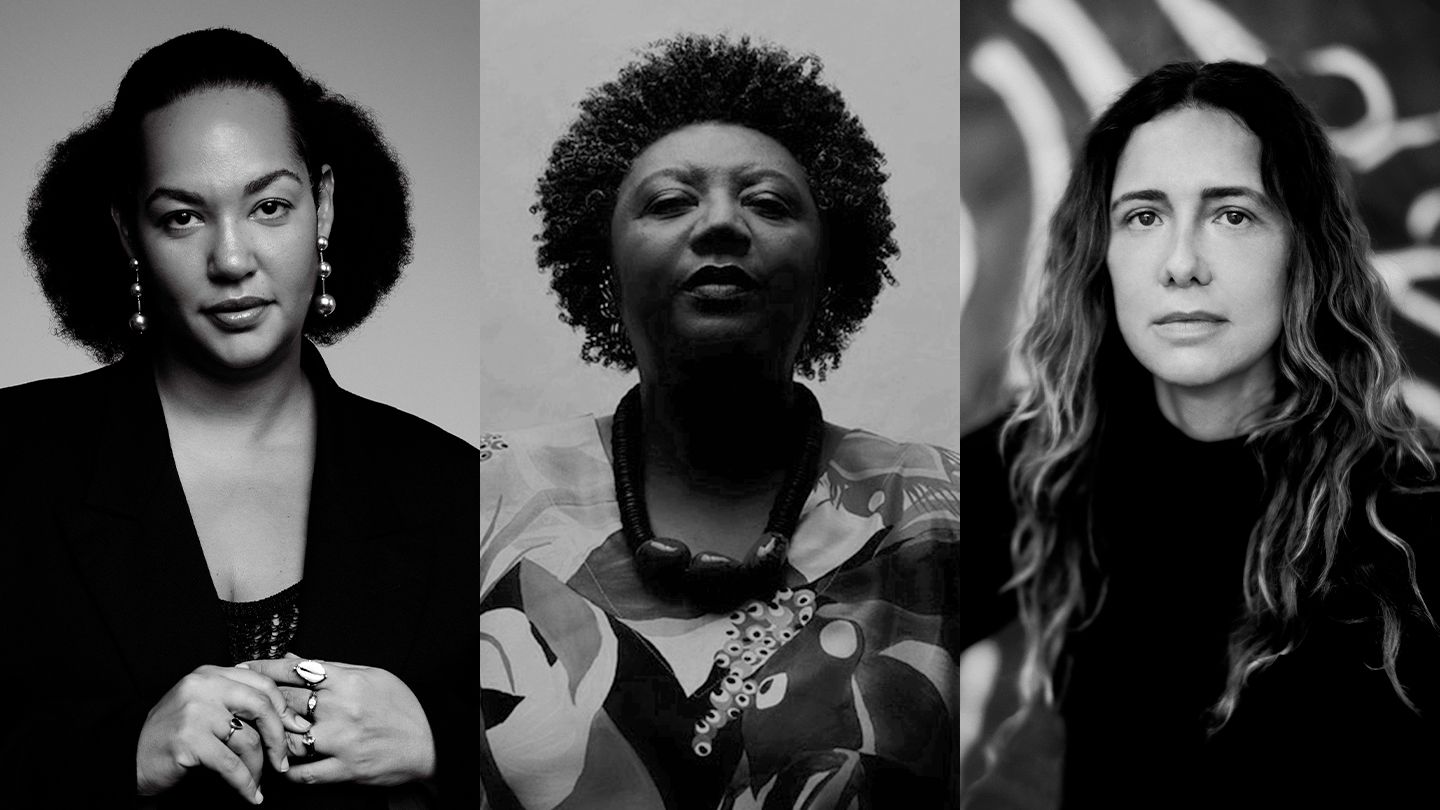
Comigo ninguém pode will be the exhibition that represents Brazil at the Biennale Arte 2026
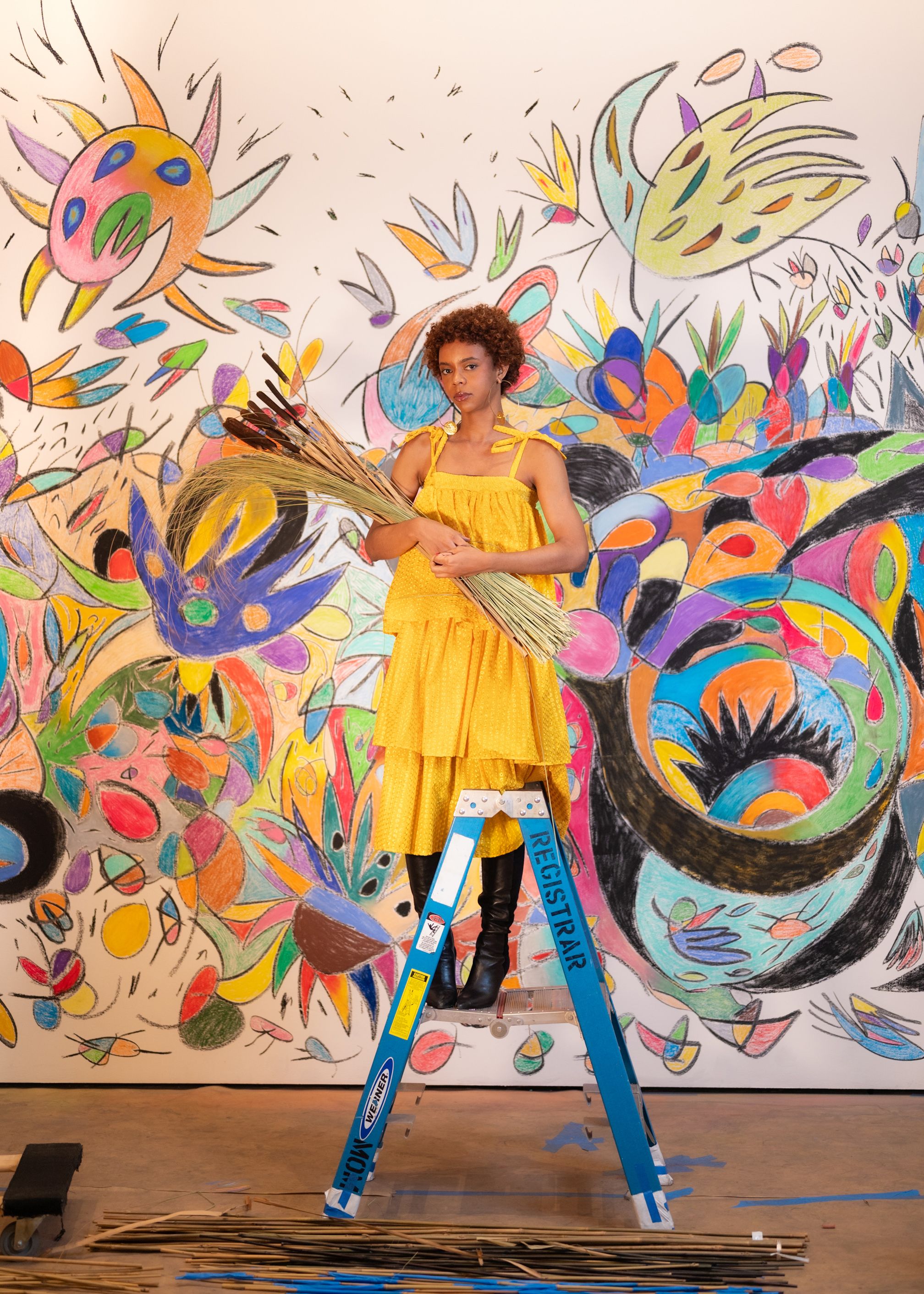
Tadáskía Wins the 2025 K21 Global Art Award
Introducing the C& Cyclopedia
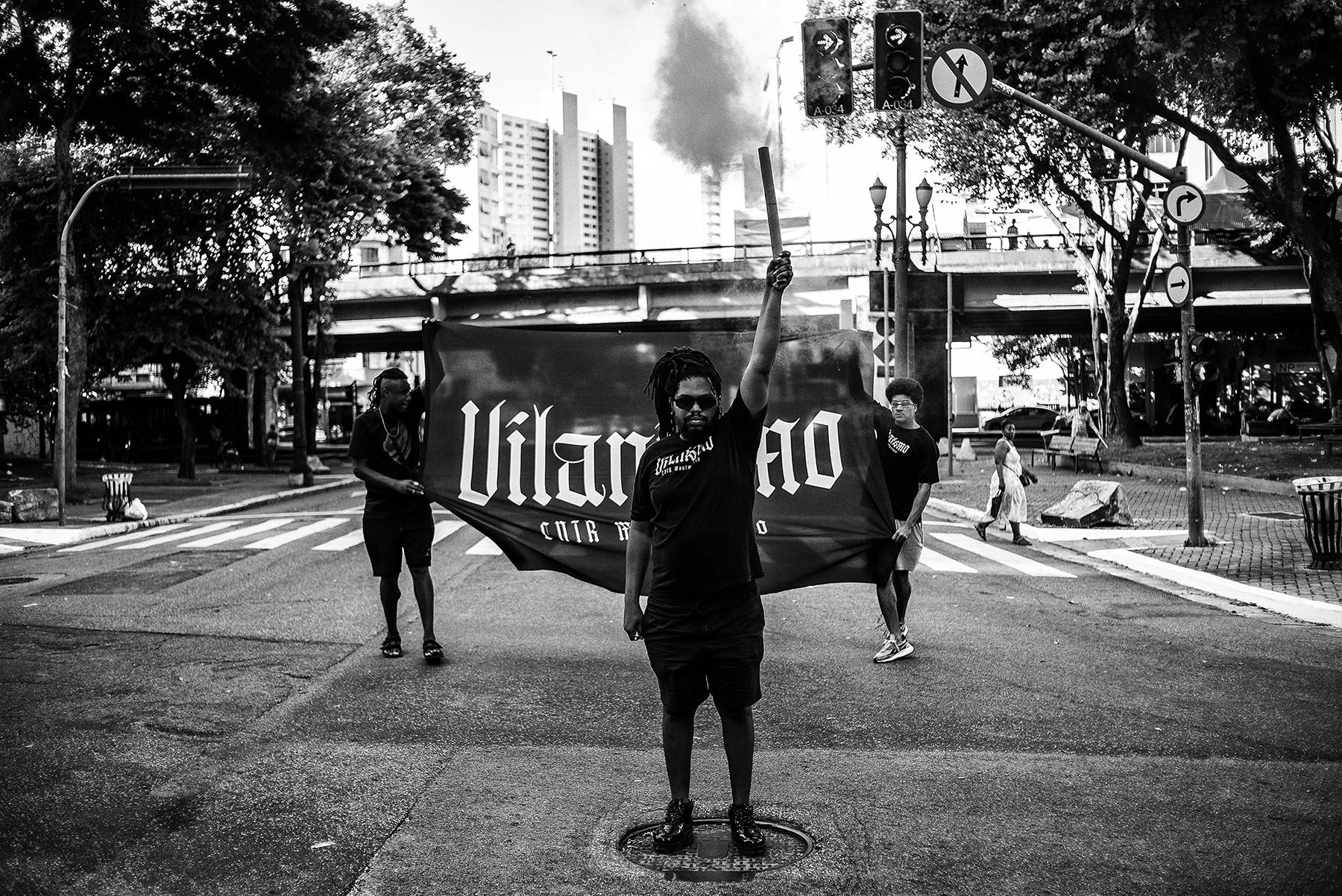
Irmandade Vilanismo: Bringing Poetry of the Periphery into the Bienal
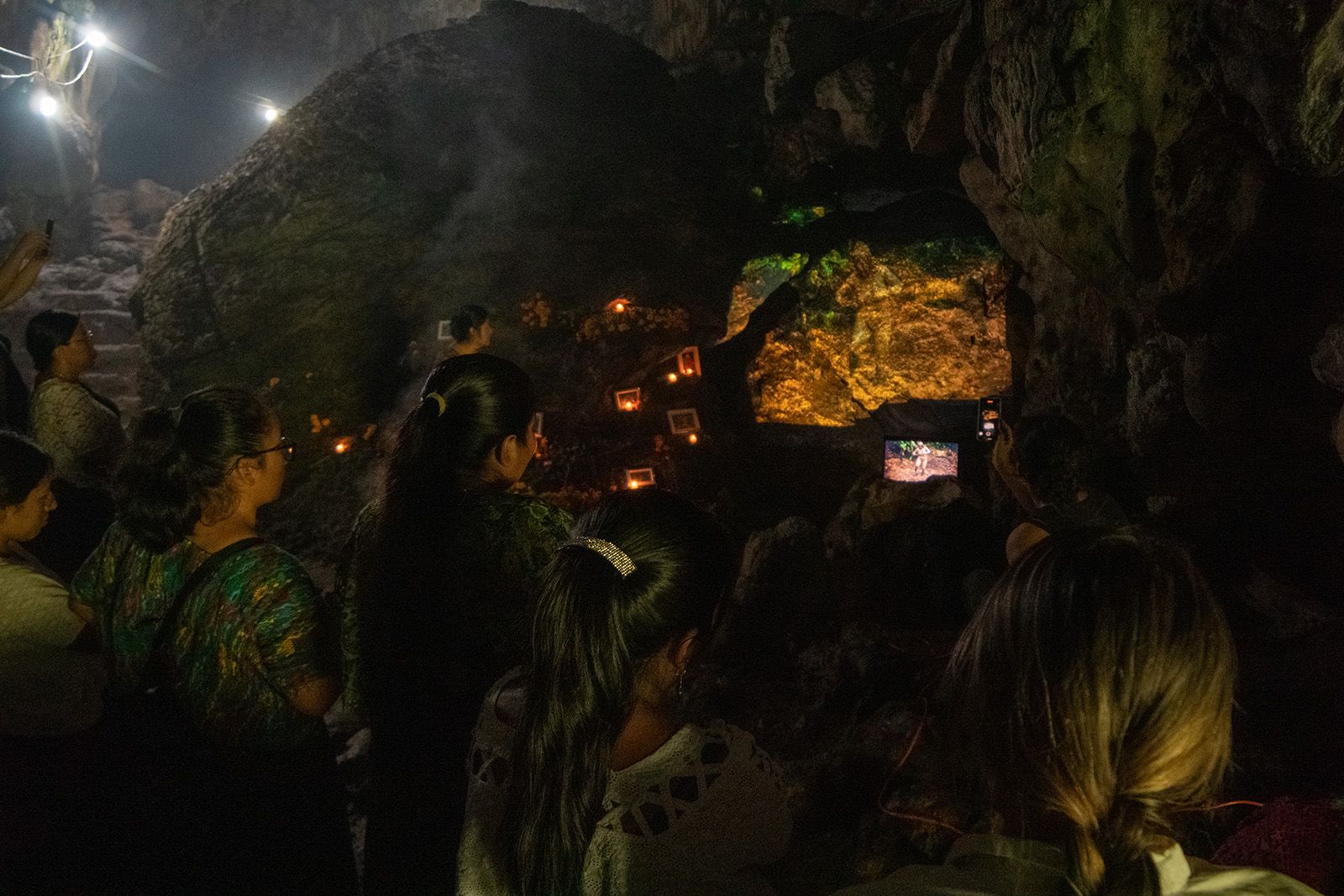
Esperanza de León: Curating Through Community Knowledge
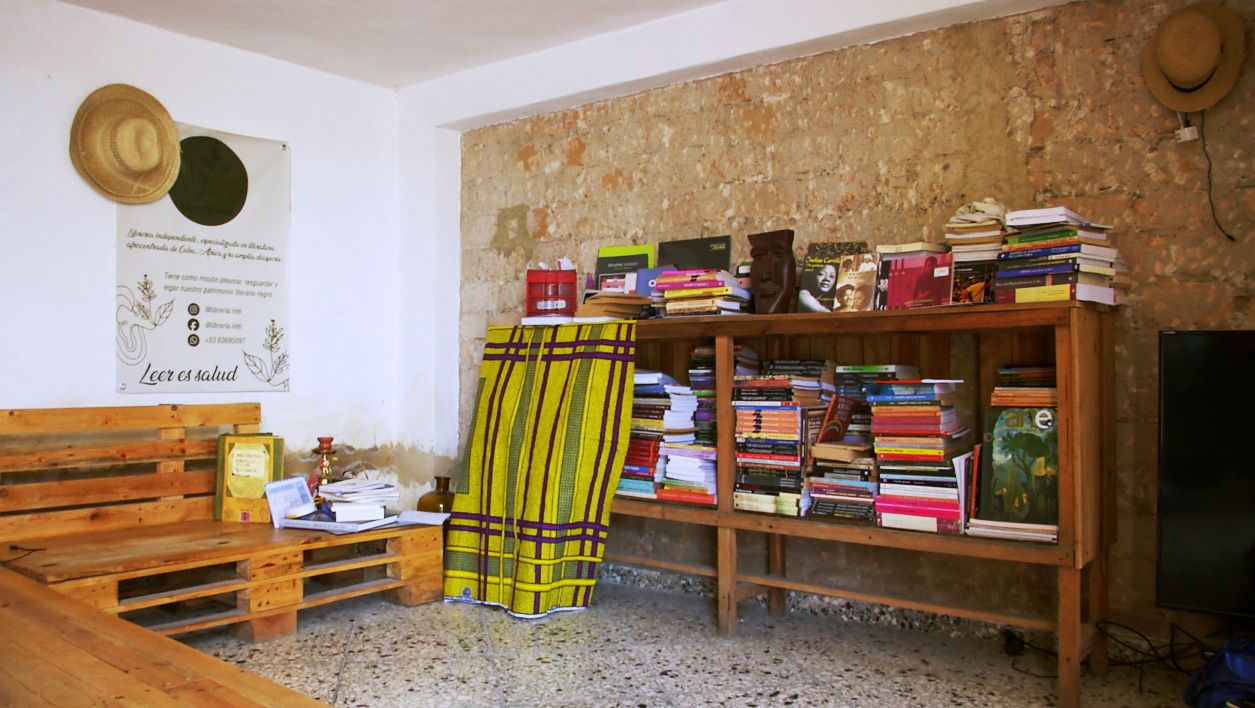
Librería Ireti, Havana, Cuba
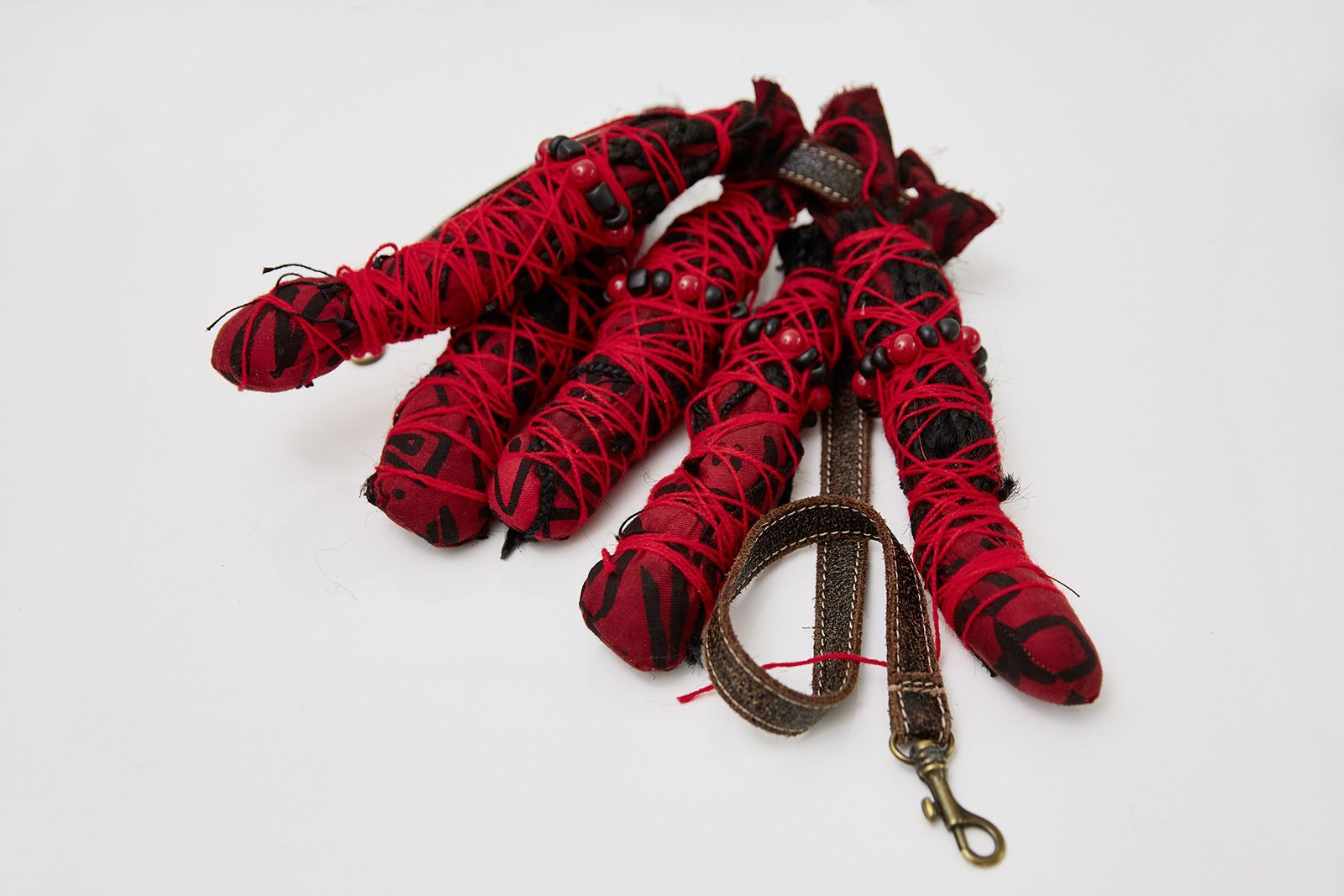
Eva de Souza: Textile Experimentation as Poetic Protest
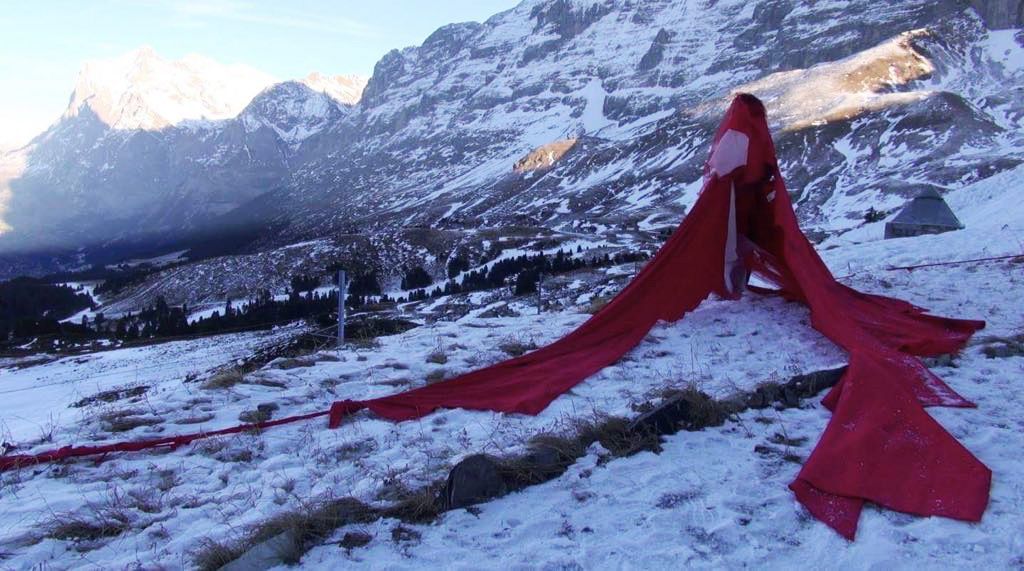
A k u z u r u: Art, Post-humanism and Healing
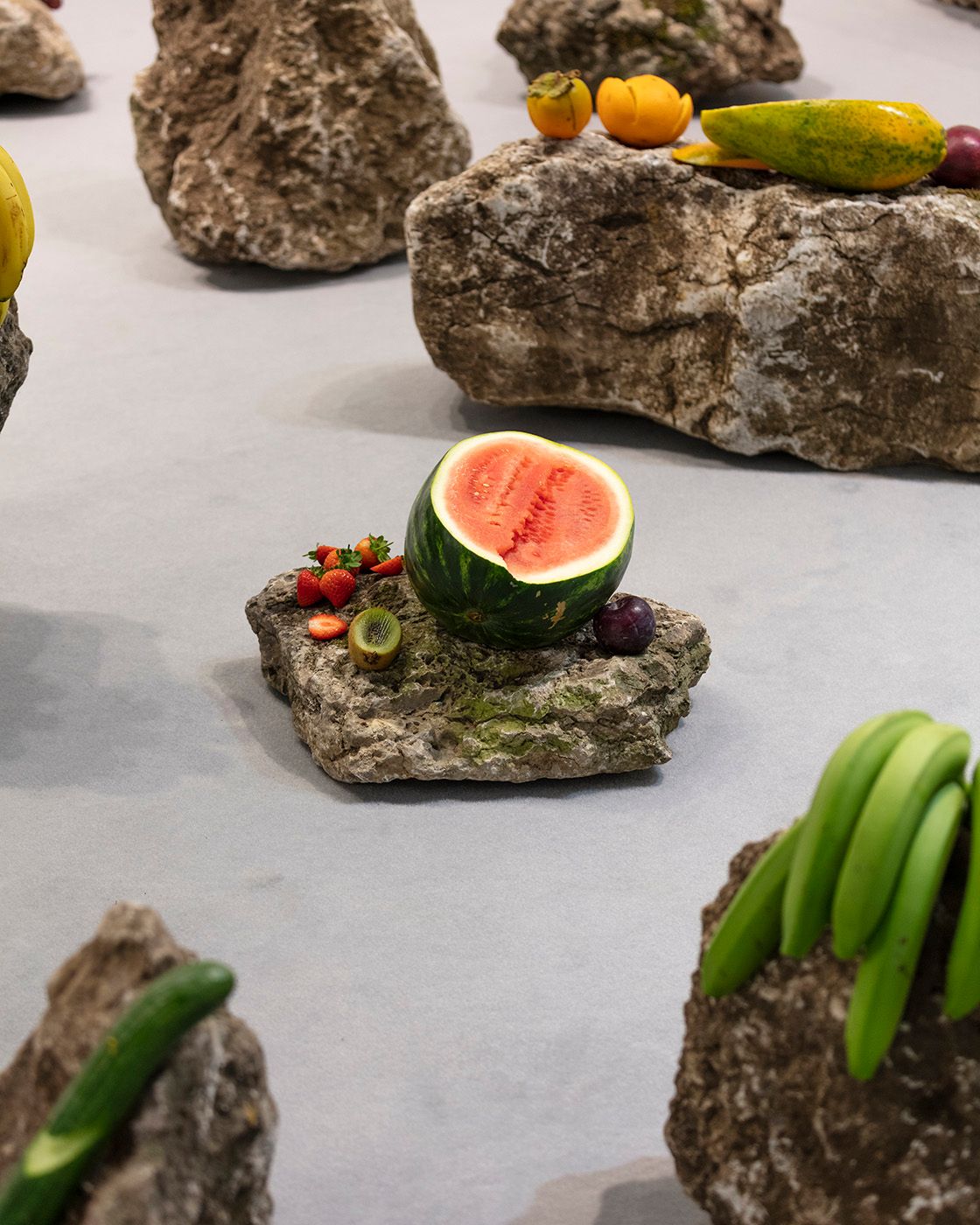
Not for Sale: How Black and Indigenous artists are rewriting the rules of the art market
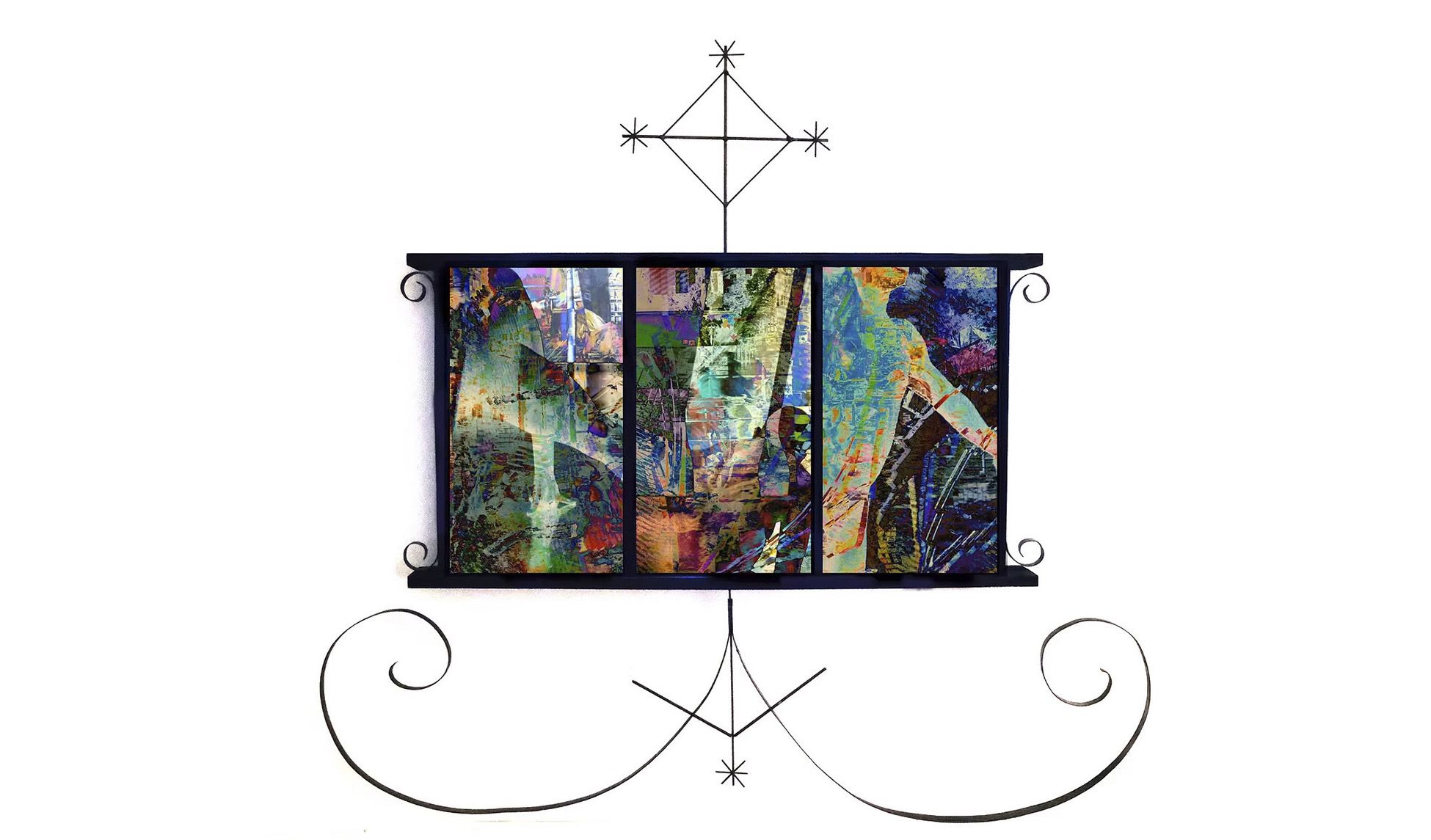
Through hybrid, glitch-inspired video art, Denis Maksaens confronts colonial gazes, structural violence, and the sacrificed body, centering queer, racialized, and marginalized subjectivities. His works urge viewers to rethink power, identity and shared fragility in today's fractured world.
I Am Monumental: The Power of African Roots
The Entanglement of Migration, Indigenous Peoples, and Colonialism
Fundação Bienal de São Paulo announces list of participants for its 36th edition
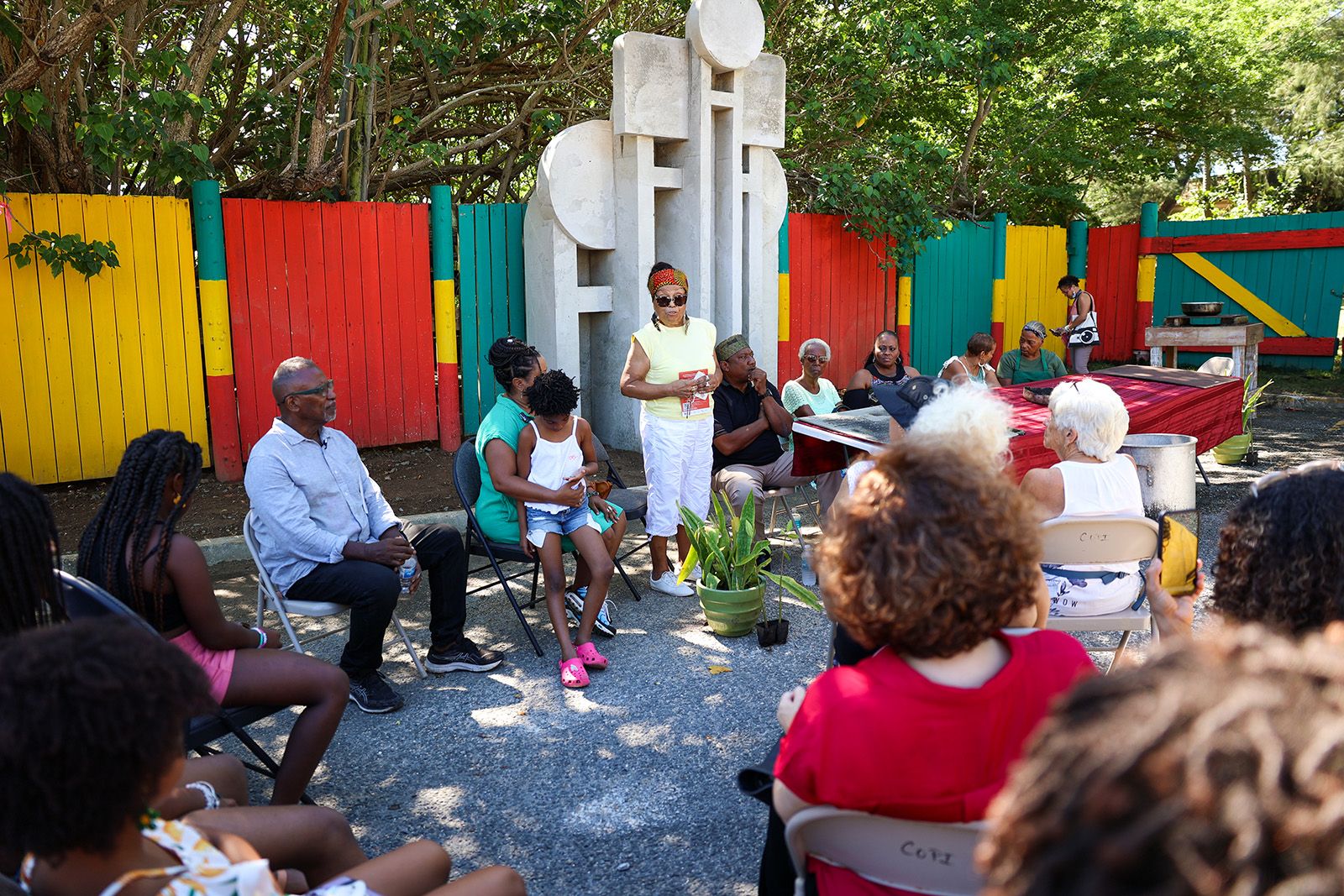
The Spiritual Technologies of Jamaican Maroons
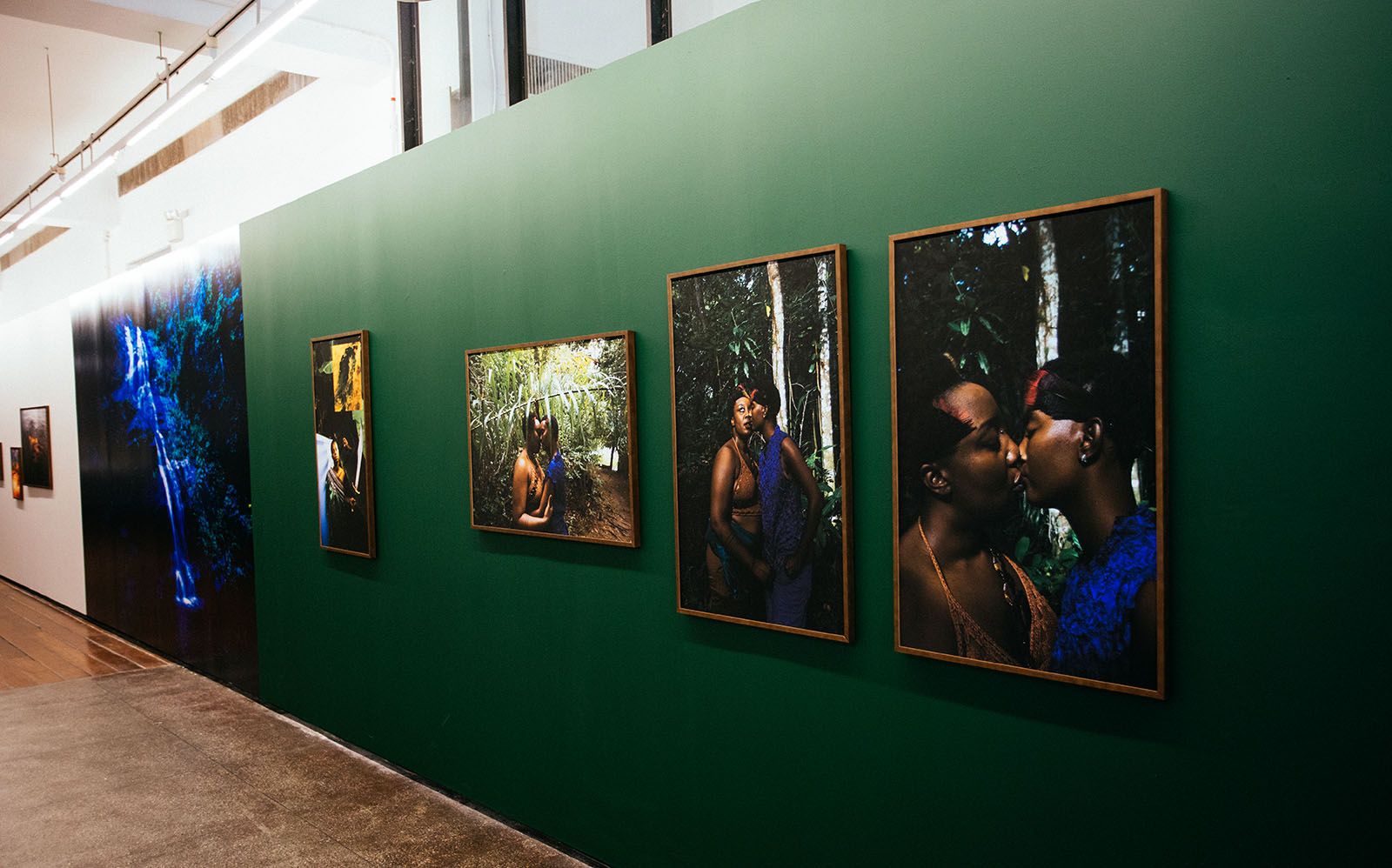
Flowing Affections: Laryssa Machada’s Sensitive Geographies
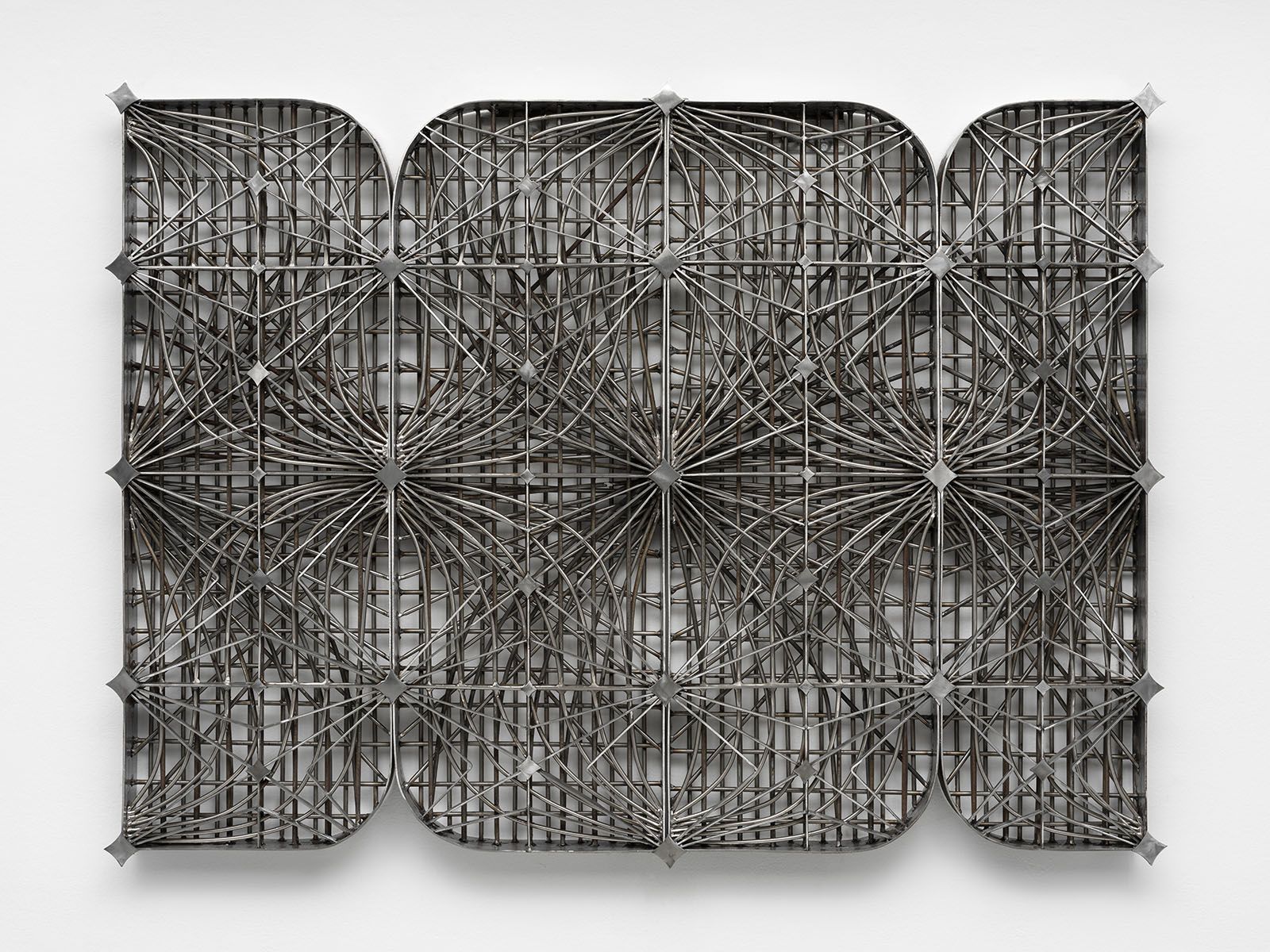
Jesús Hilário-Reyes: Dissolving Notions of Group and Individual
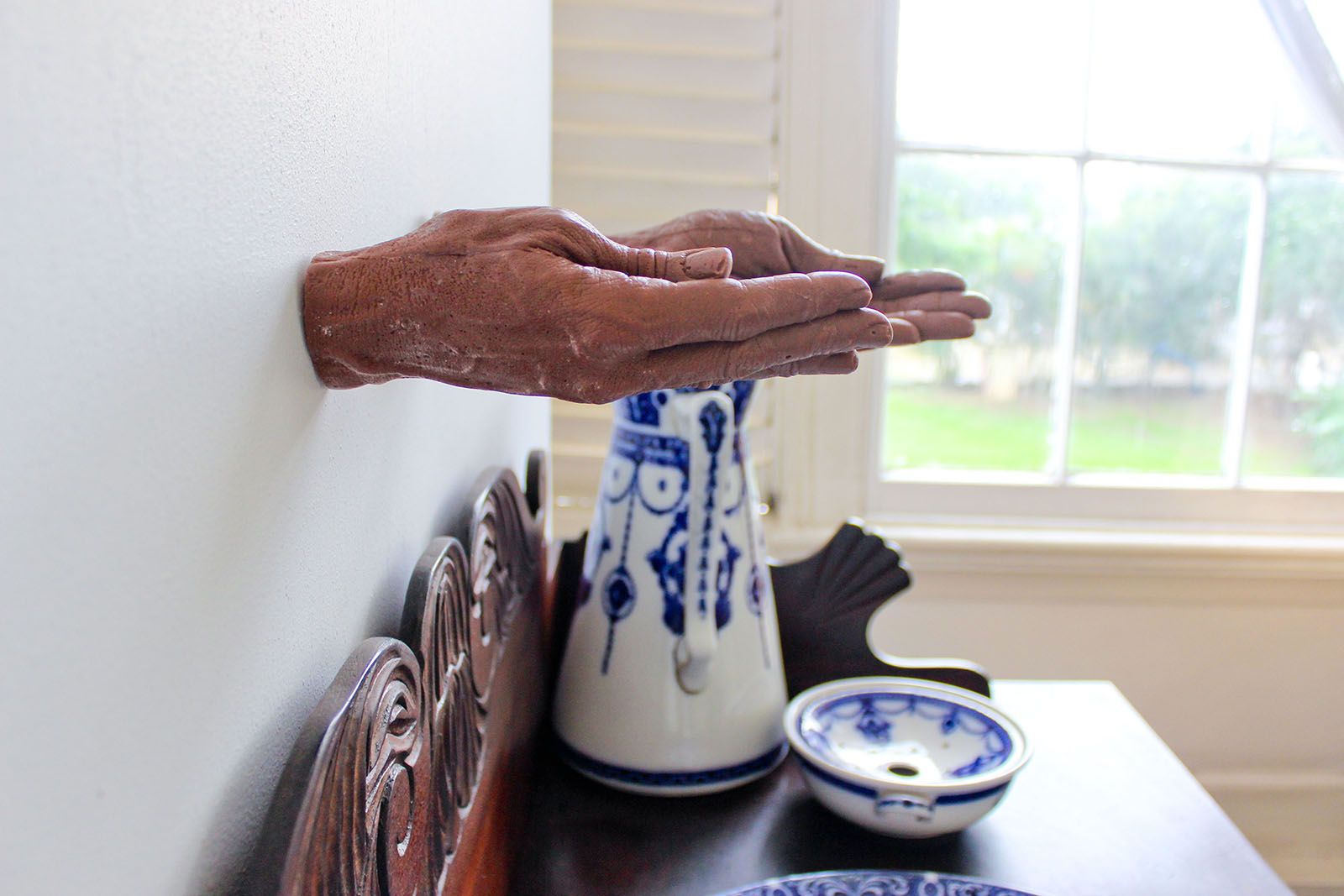
Andrea Chung: Dematerialization to Subvert Commodification
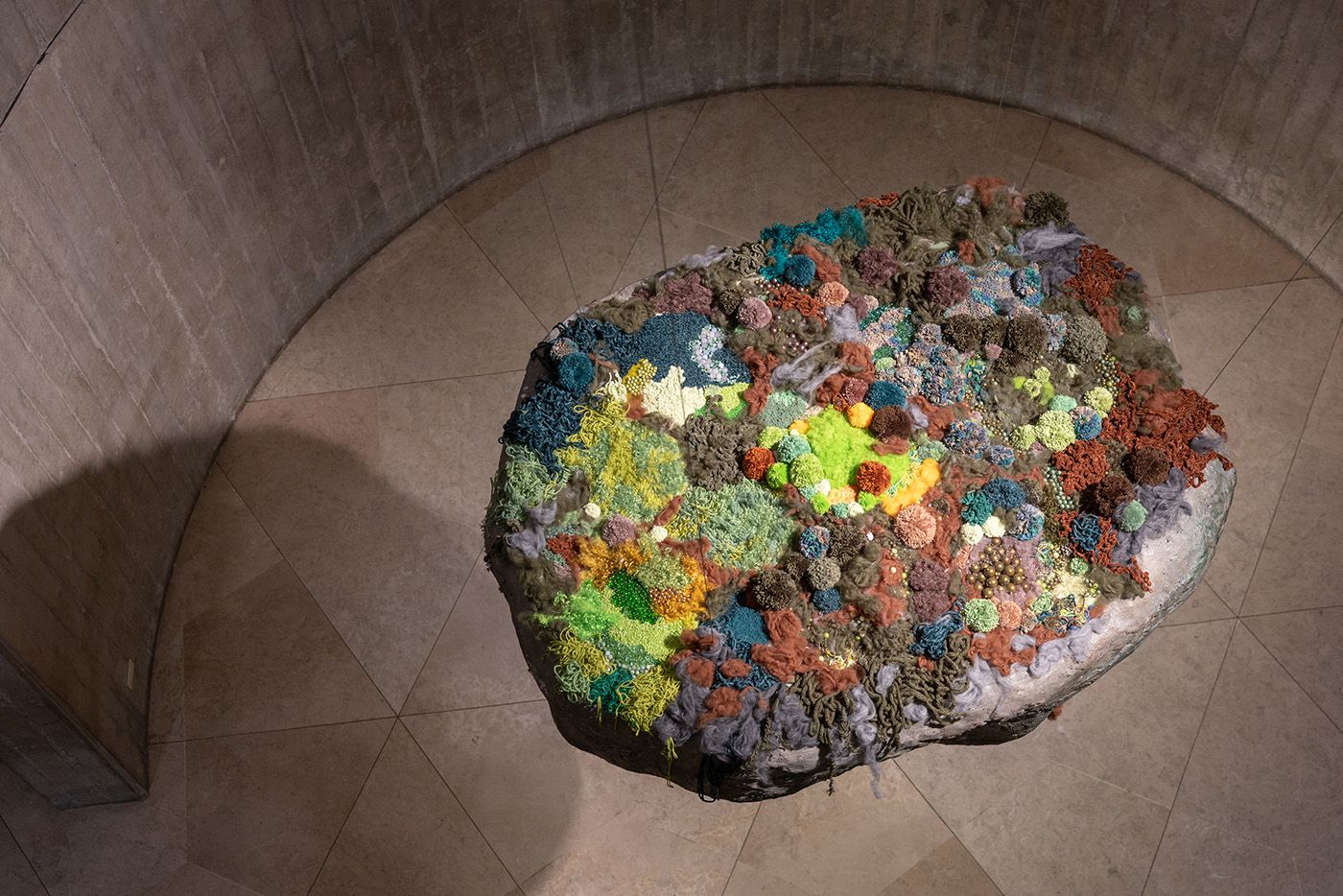
The Forgotten Asian Histories of Latin America
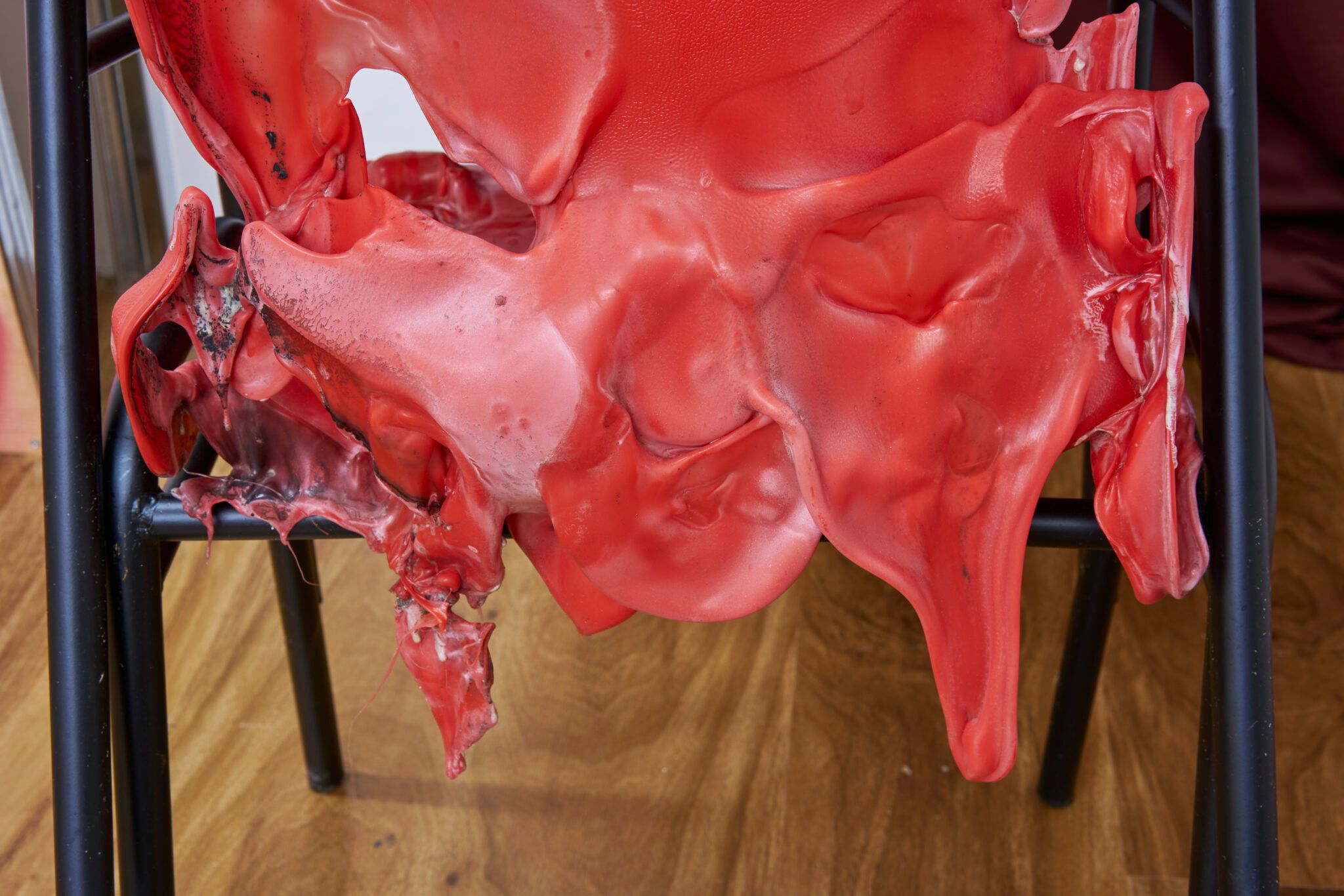
Duality as an Invitation to Multiplicity
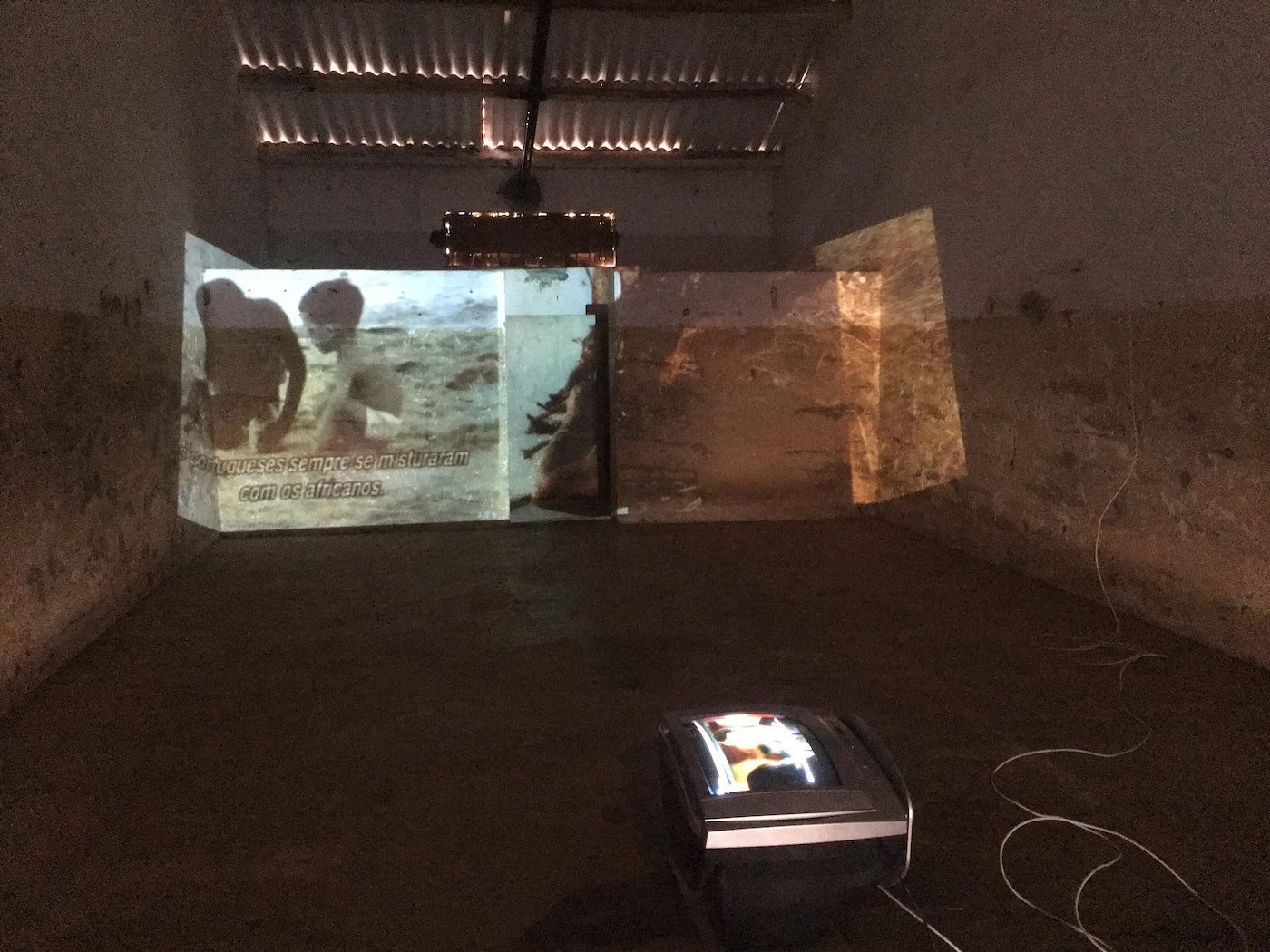
Cabo Verde’s Layered Temporalities Emerge in the Work of César Schofield Cardoso
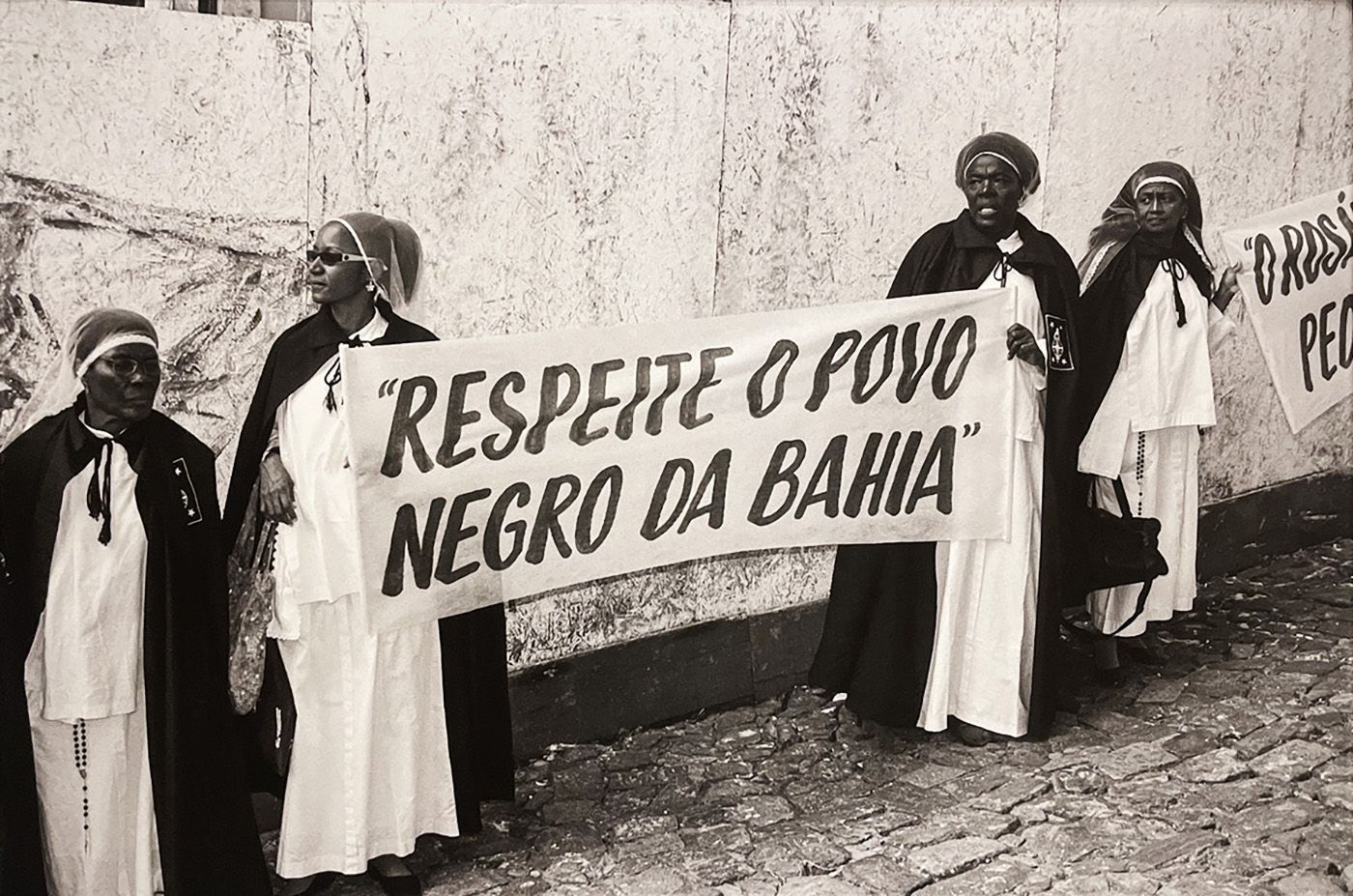
What’s Behind Decolonial Movements in Brazil?
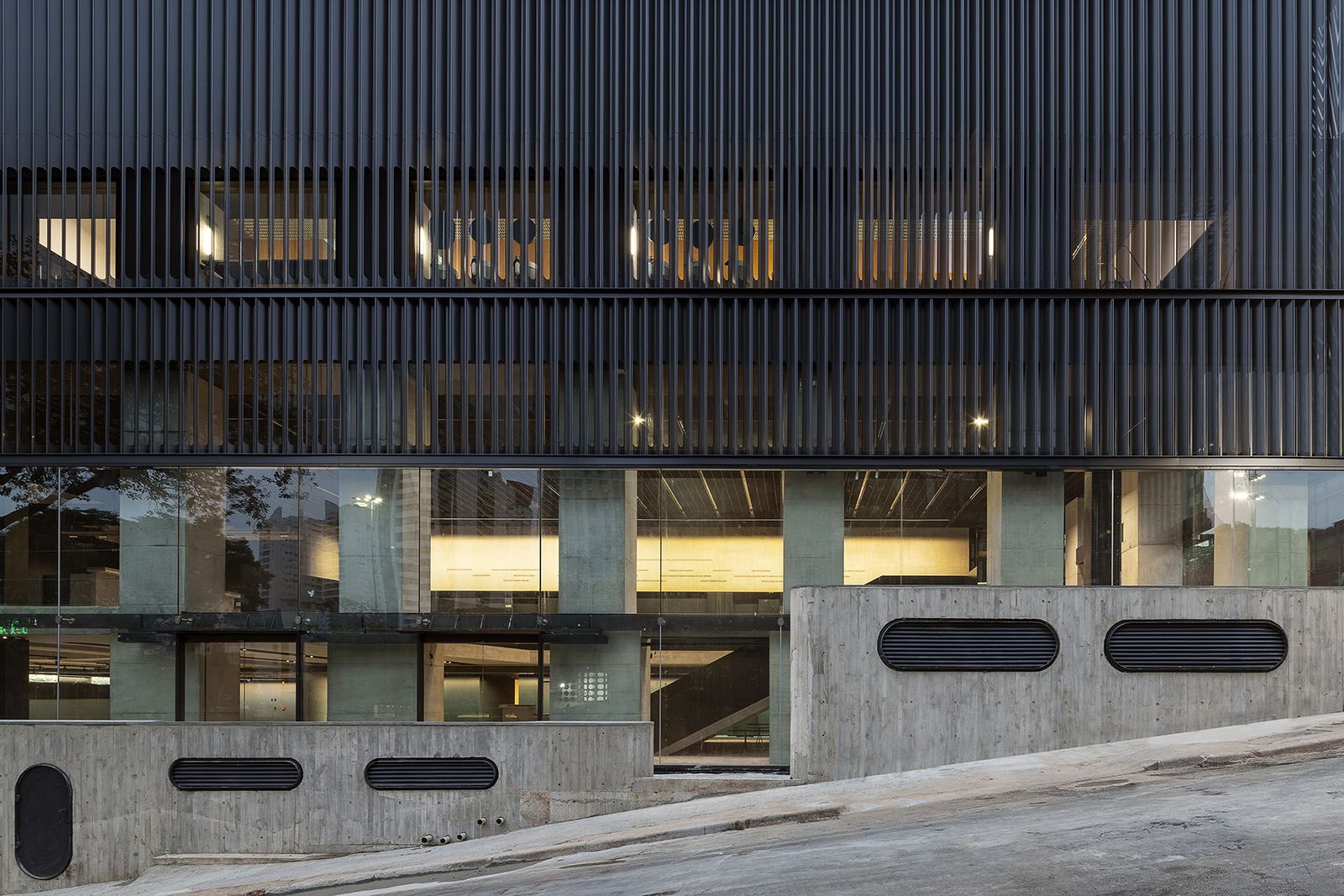
MASP inaugura novo edifício
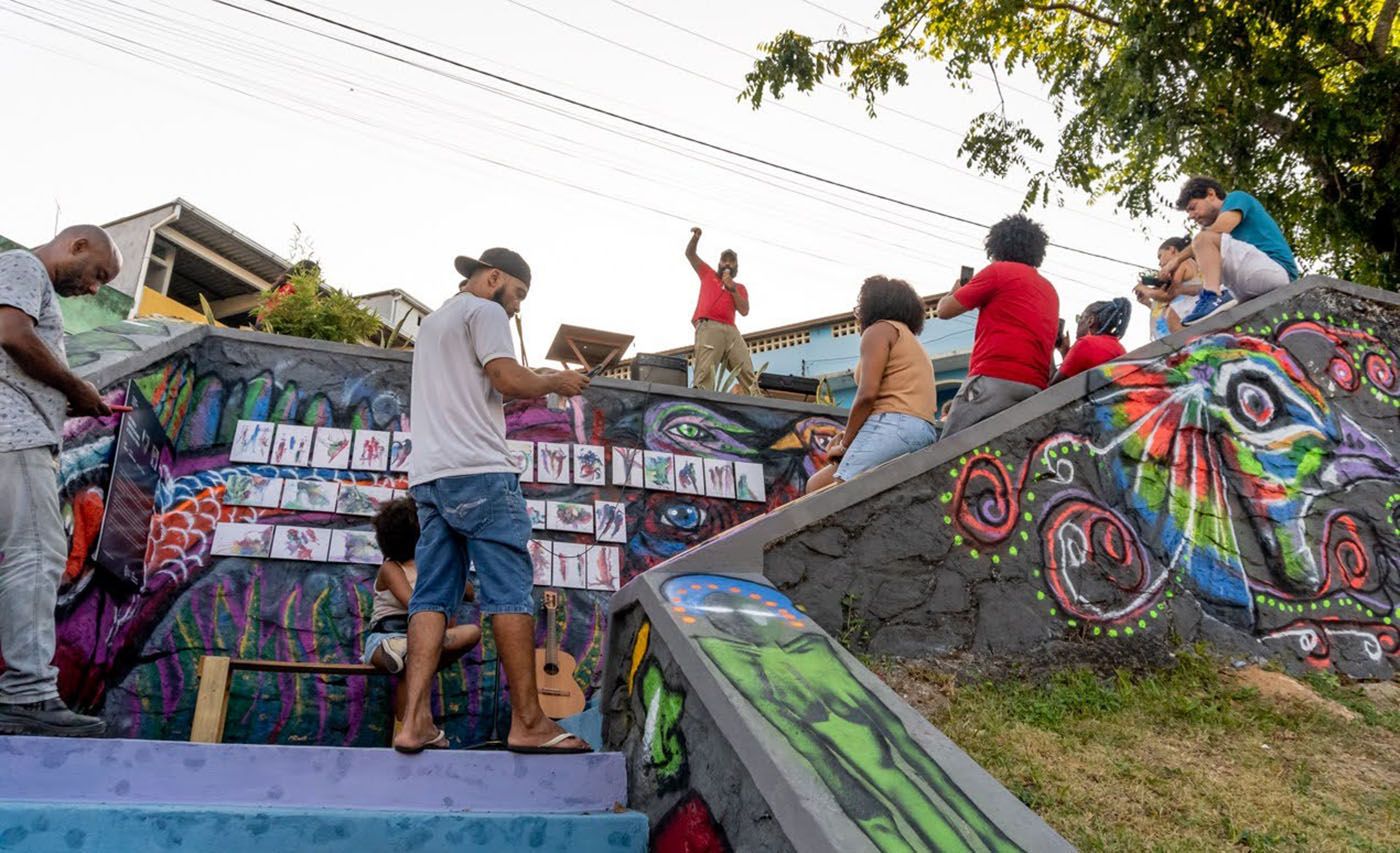
Transforming a public staircase into an open-air art museum, MASF is more than just a collection of artifacts. The museum is the realization of a collective dream of fostering important personalities engaged in the local art scene, combining cultural practices with knowledge, poetry and leisure, where resistance leads to urban preservation.
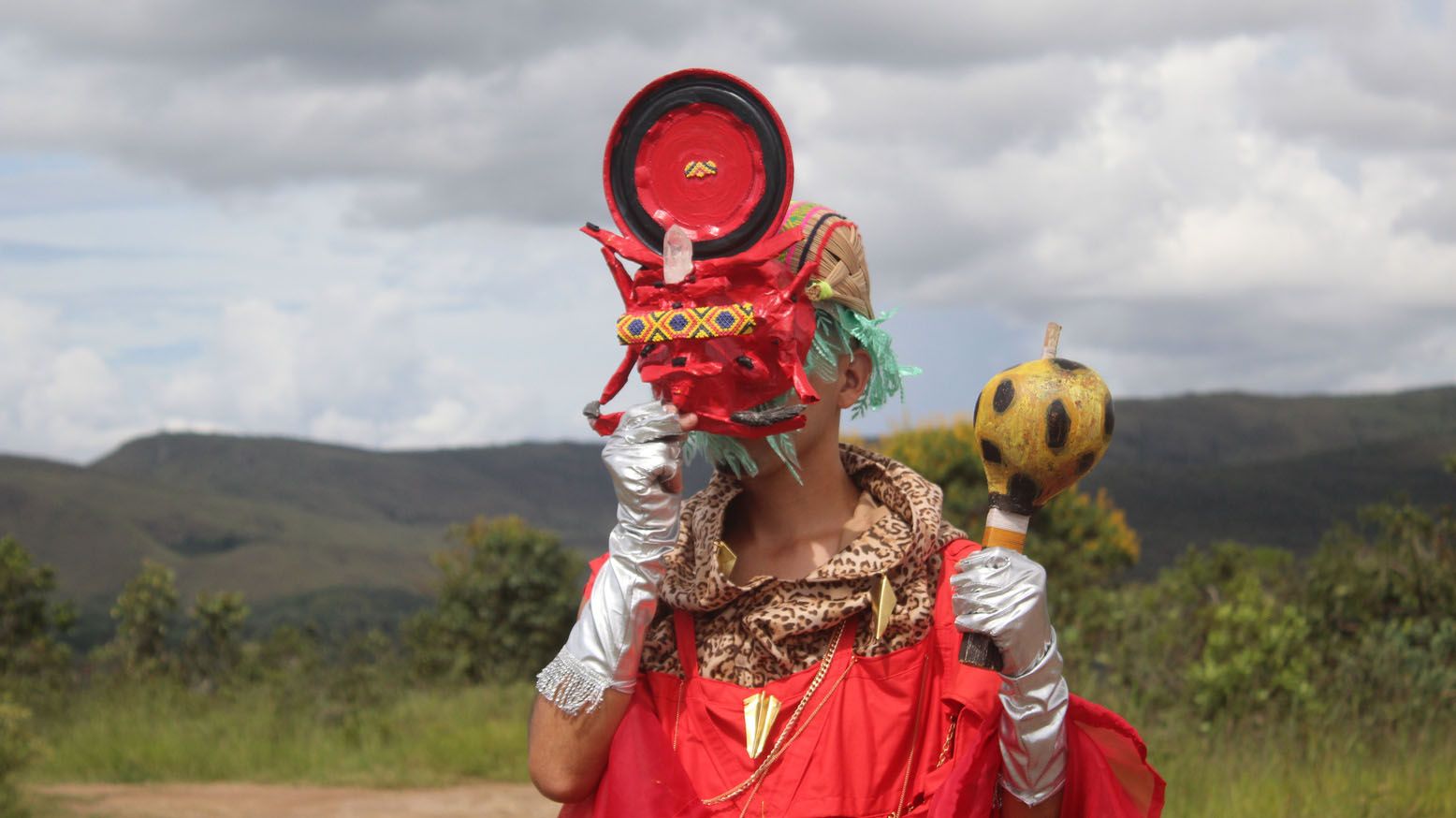
Biophillick: Connecting Ancestries Through Technology
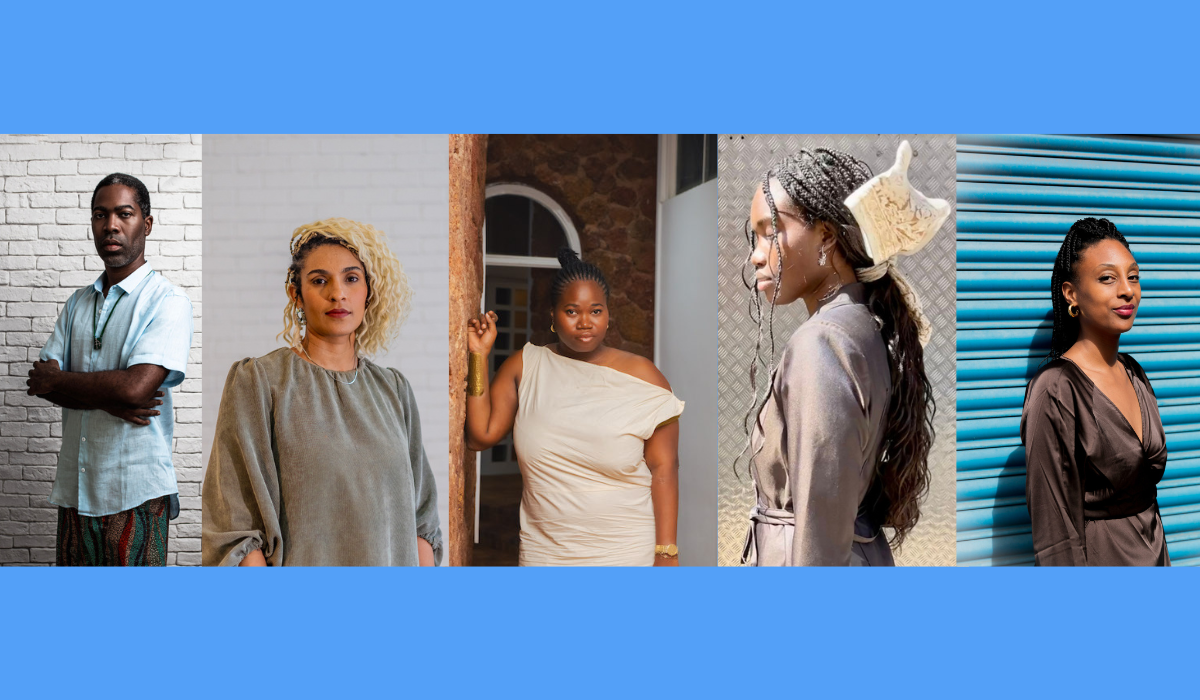
Atlantic Threads
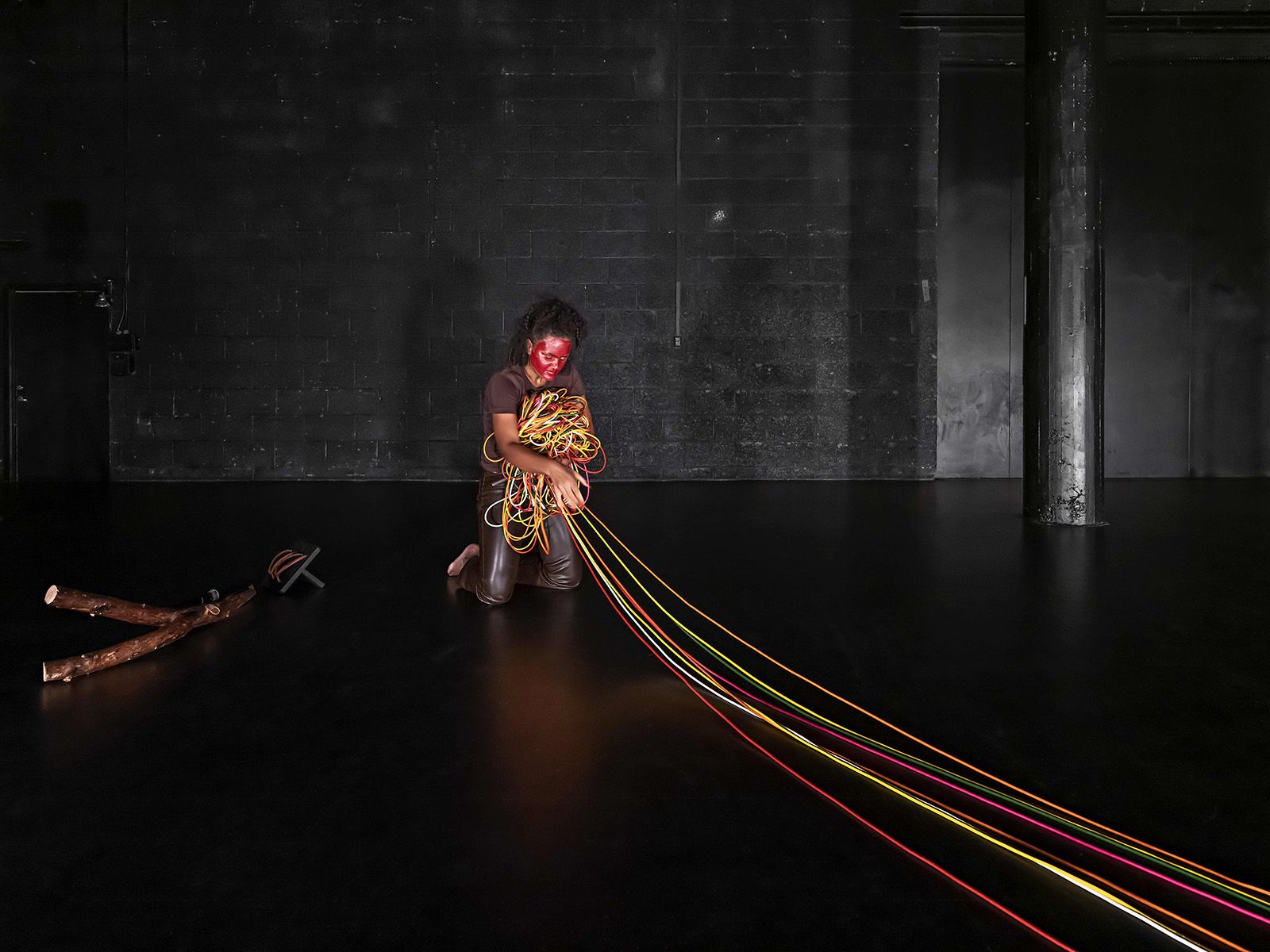
The Ancestral Travels of Gladys Kalichini and Maritea Dæhlin
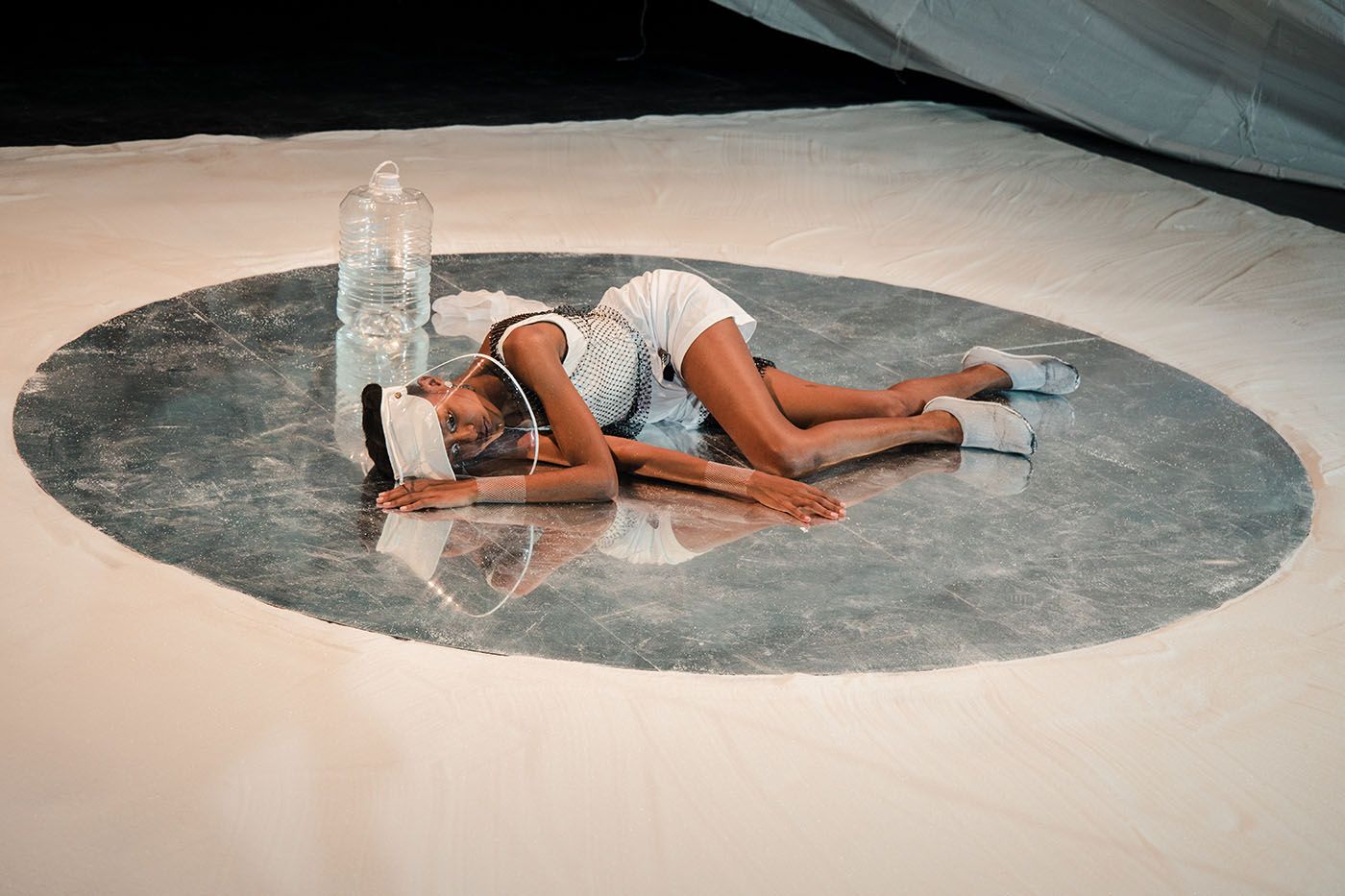
Ana Pi: Knowledge Does Not Disappear
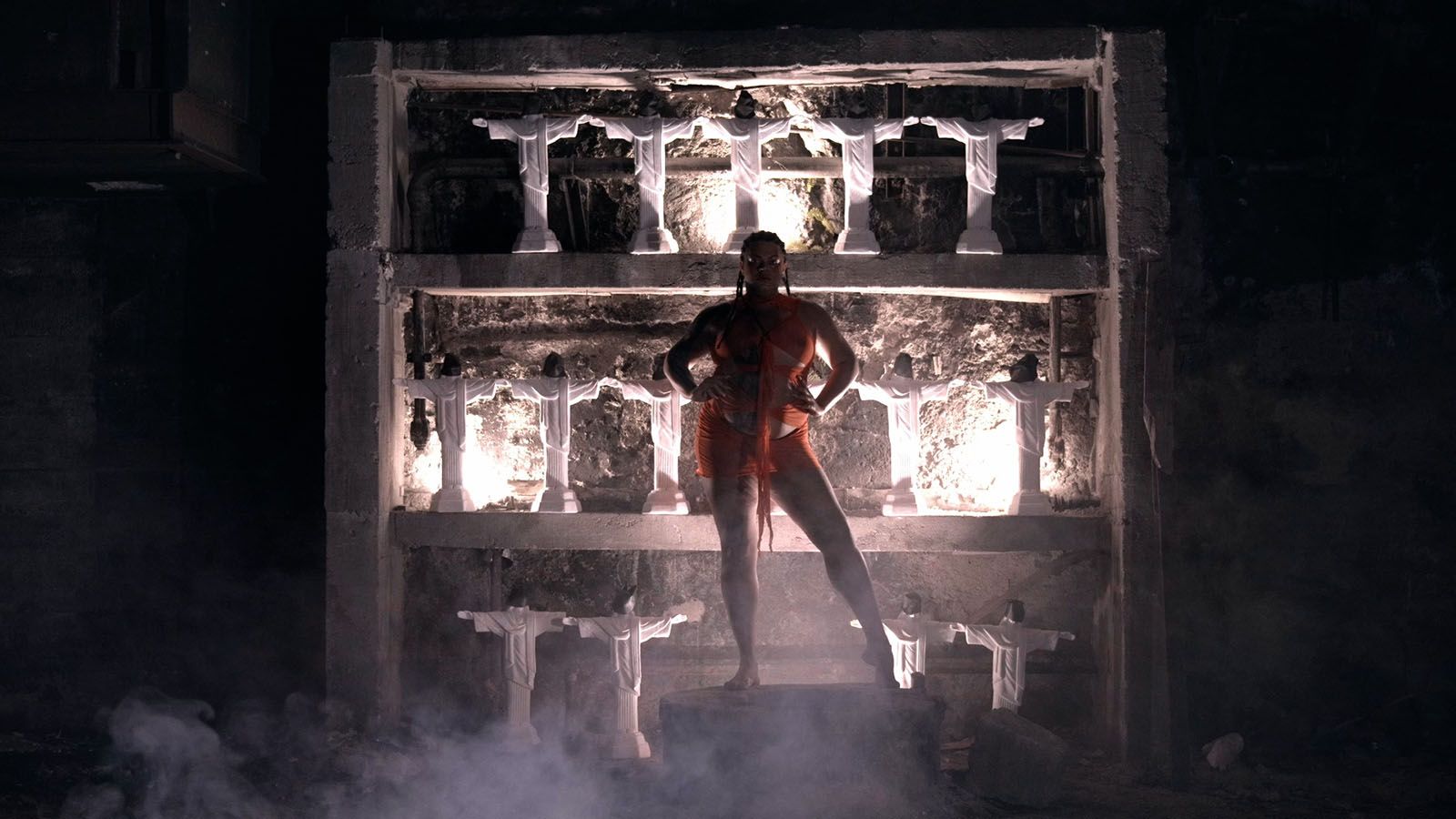
Celebration and Resistance in Ventura Profana’s Films
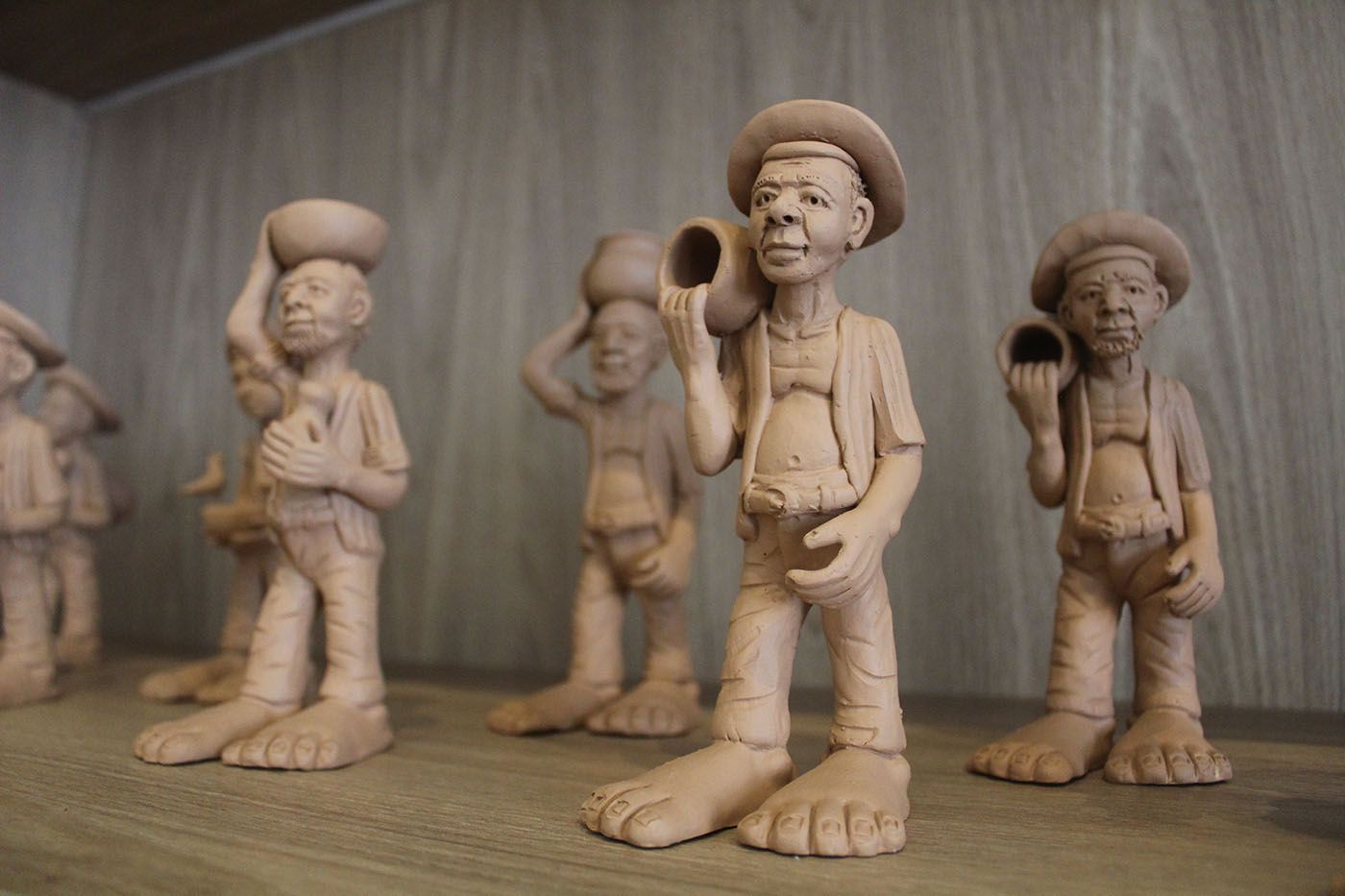
MUNCAB inaugura novo espaço dedicado à arte afro-brasileira
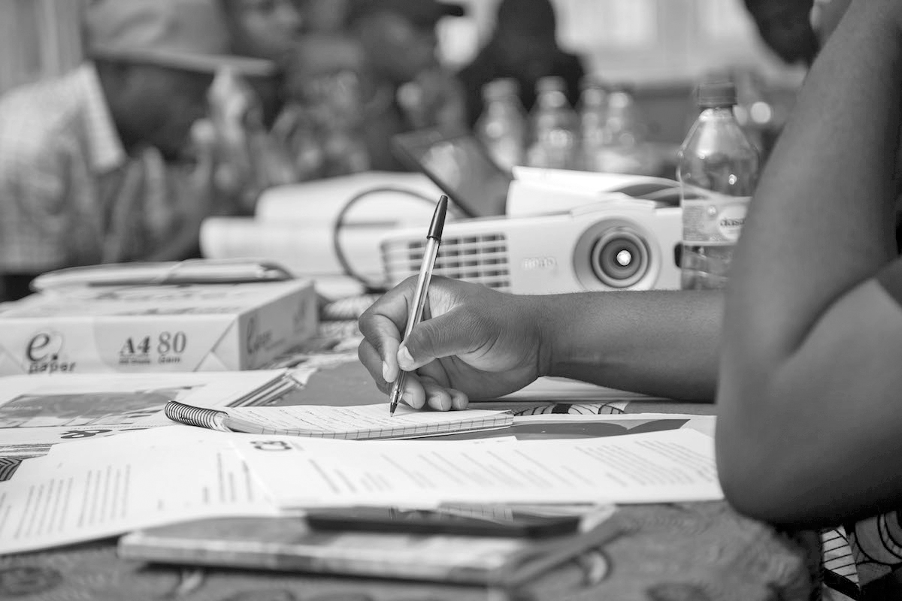
C& x NAM Critical Writing Workshop, New Orleans
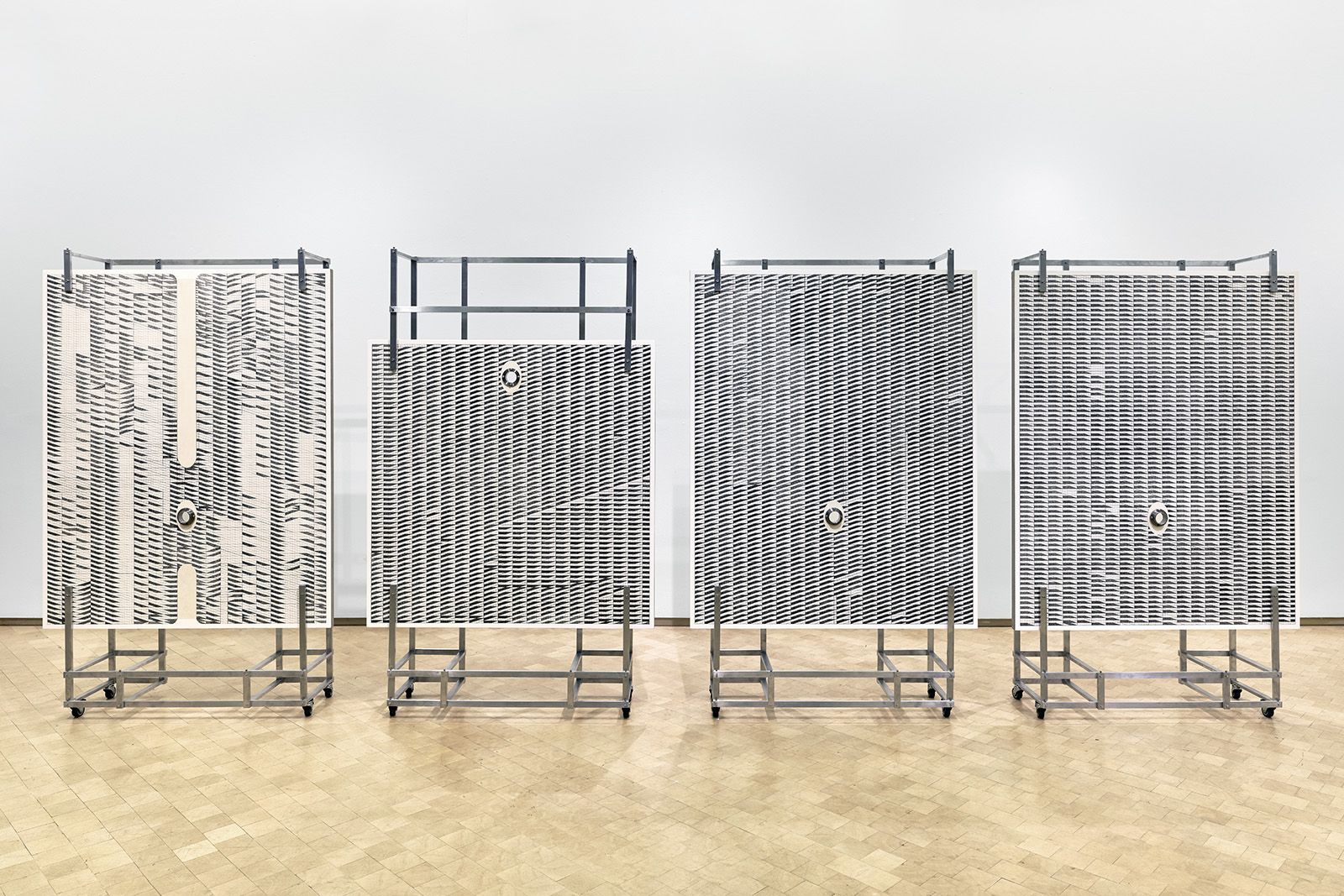
Imagining perversely with Madeline Jiménez Santil’s Art
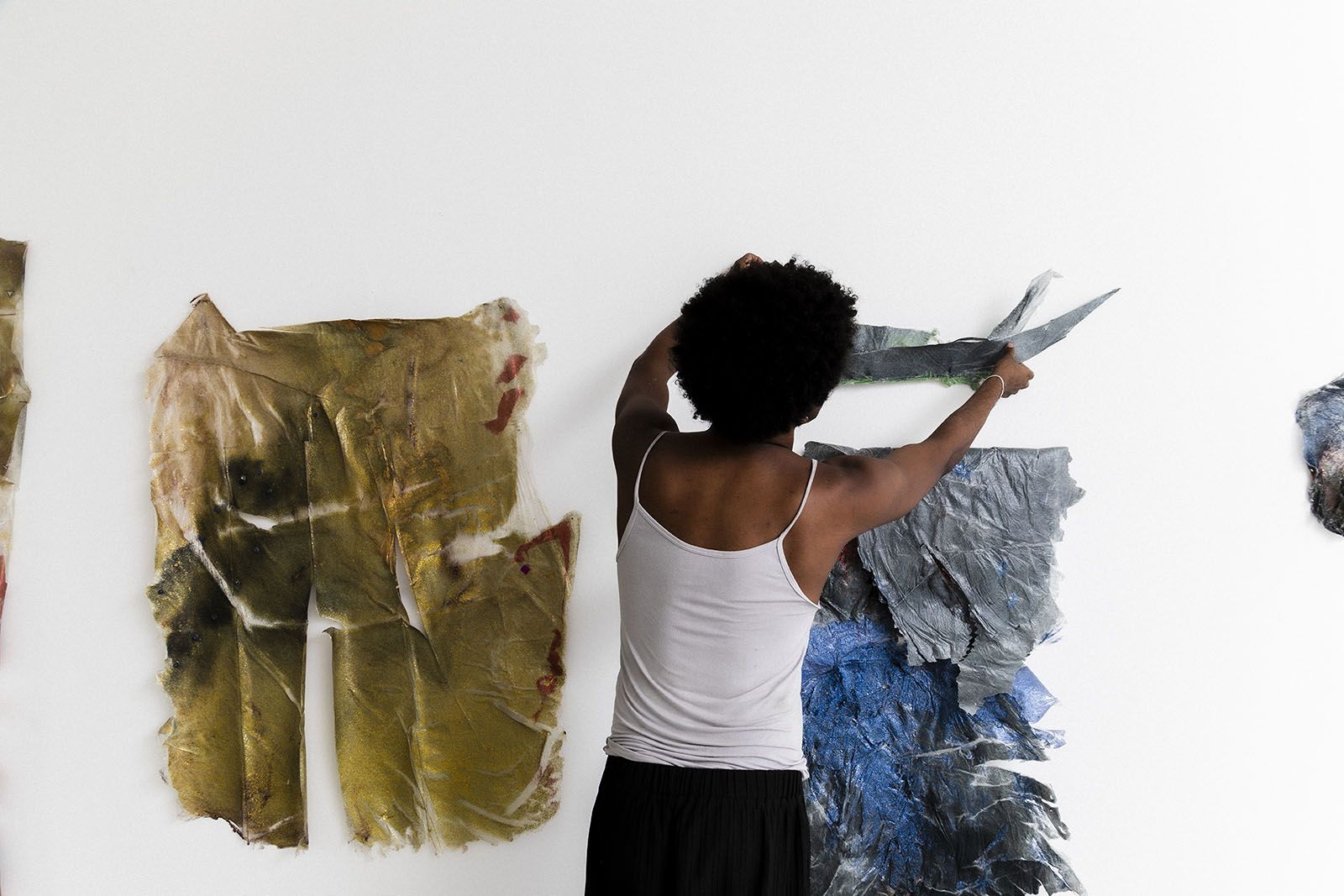
HOA Gallery is redesigned as a non-profit initiative
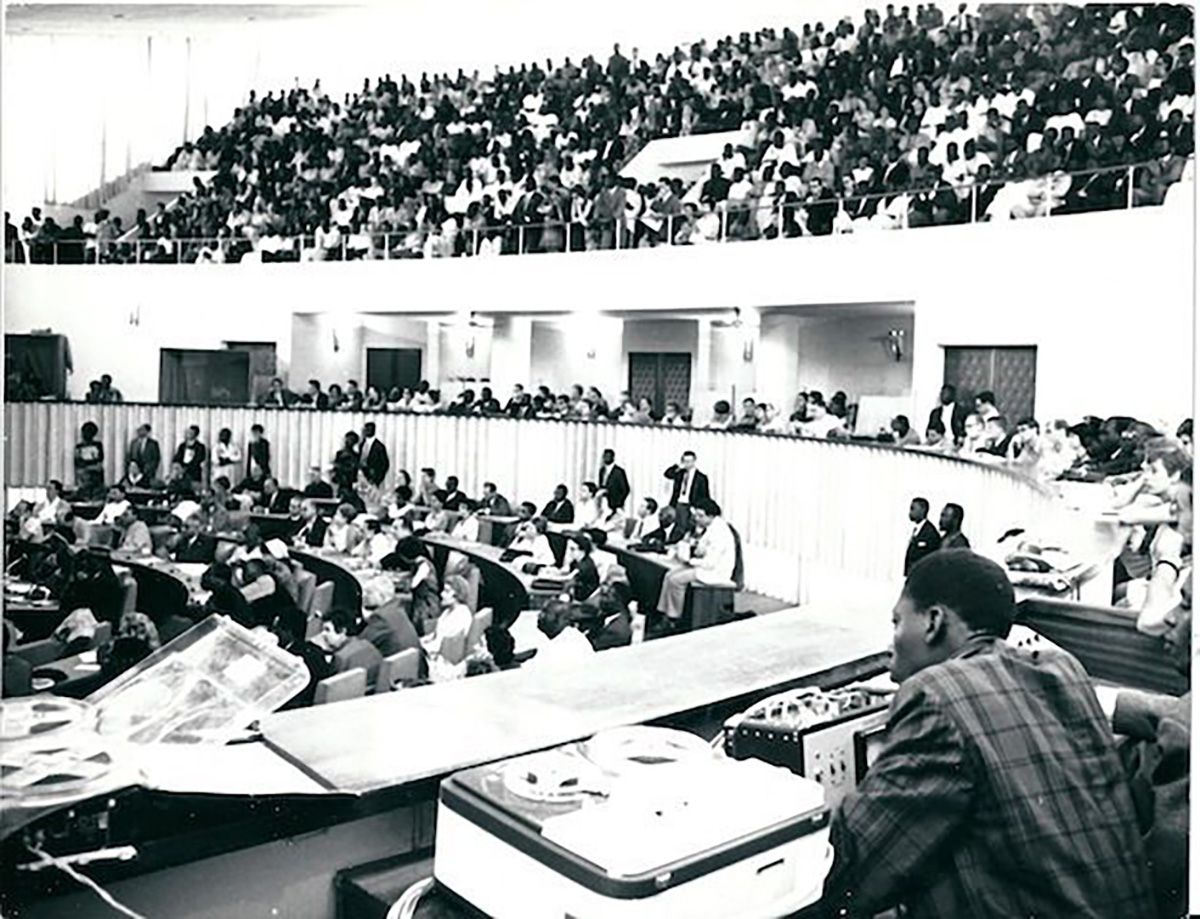
A Call to History
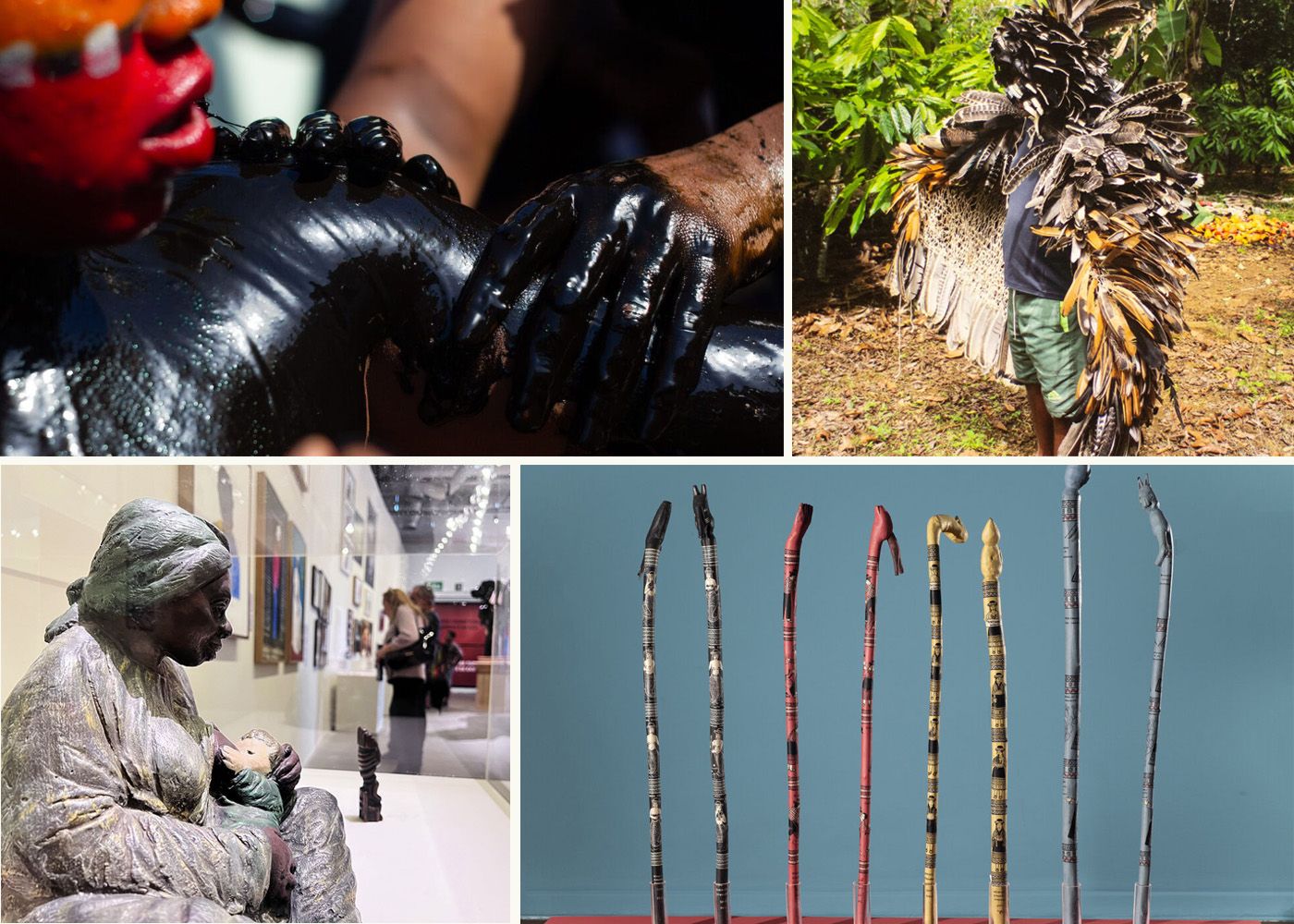
C&AL’s Highlights of 2024 You Might Have Missed
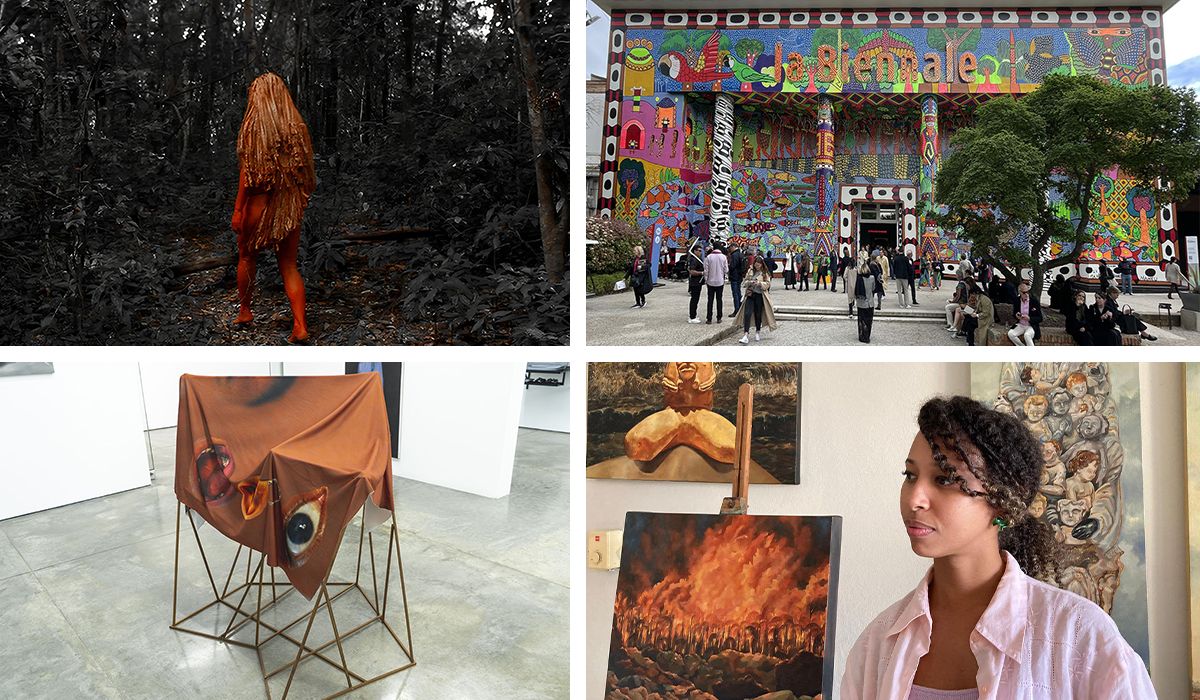
An Afro-Indigenous Reawakening: The Year in Review
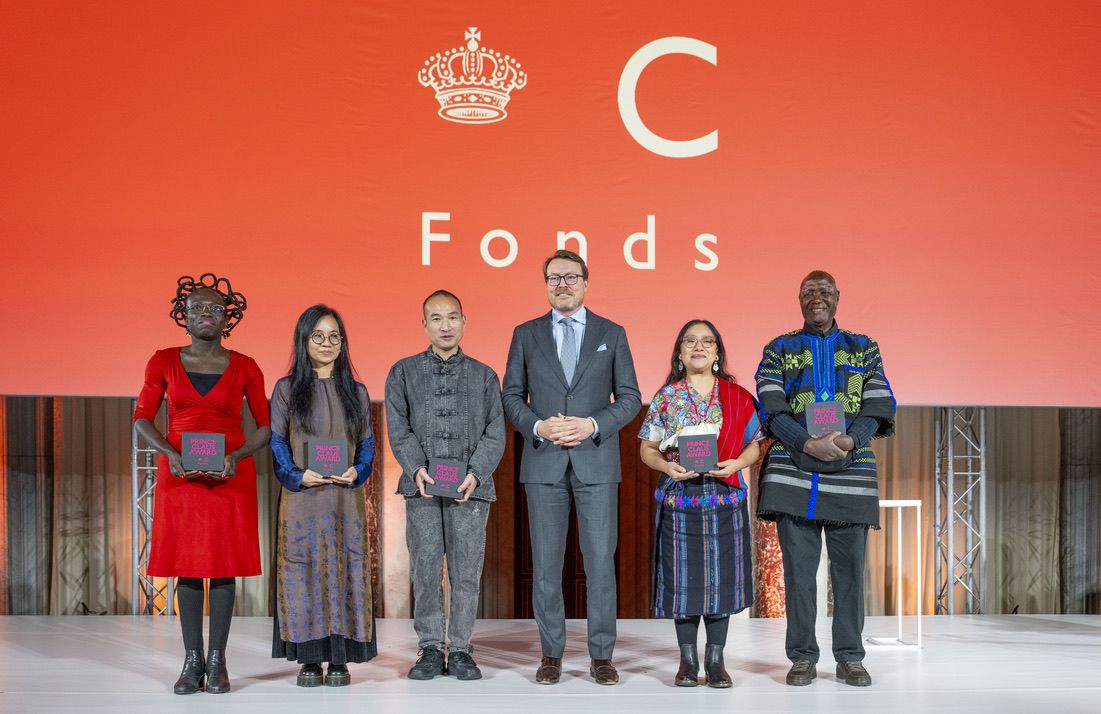
The award honors artists driving social change and community work, including Sana Na N’Hada, Myrlande Constant, Rosa Chávez, and Va-Bene Elikem Fiatsi.
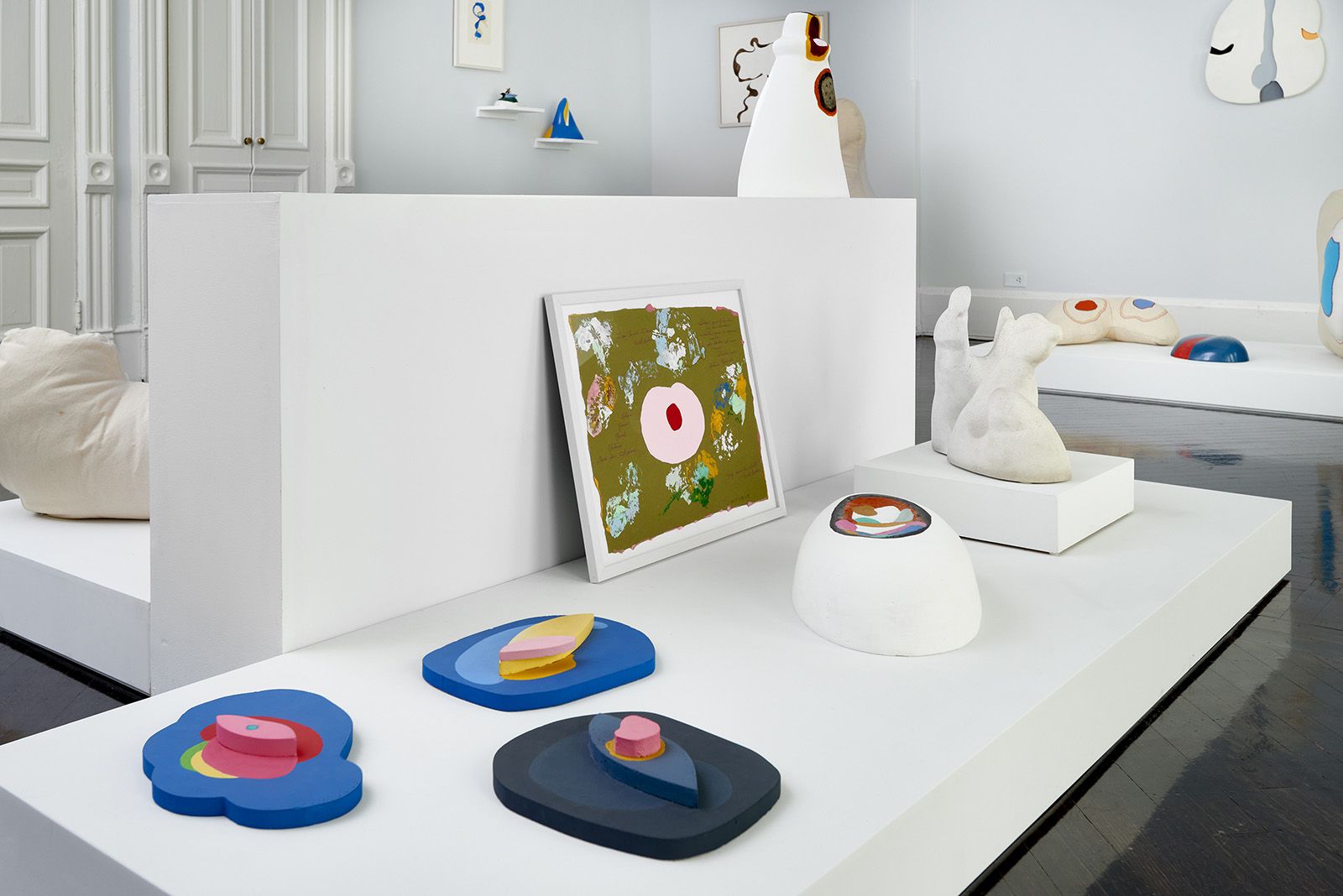
Caribbean Musicality in the Work of Valerie Brathwaite
![The World Tree [El árbol del mundo]](https://cdn.sanity.io/images/t4cb1ejj/production/f07d94db028ff79708848295f1d20765c4e53ab1-780x382.png?q=80&auto=format&fit=max&w=2560)
The World Tree [El árbol del mundo]
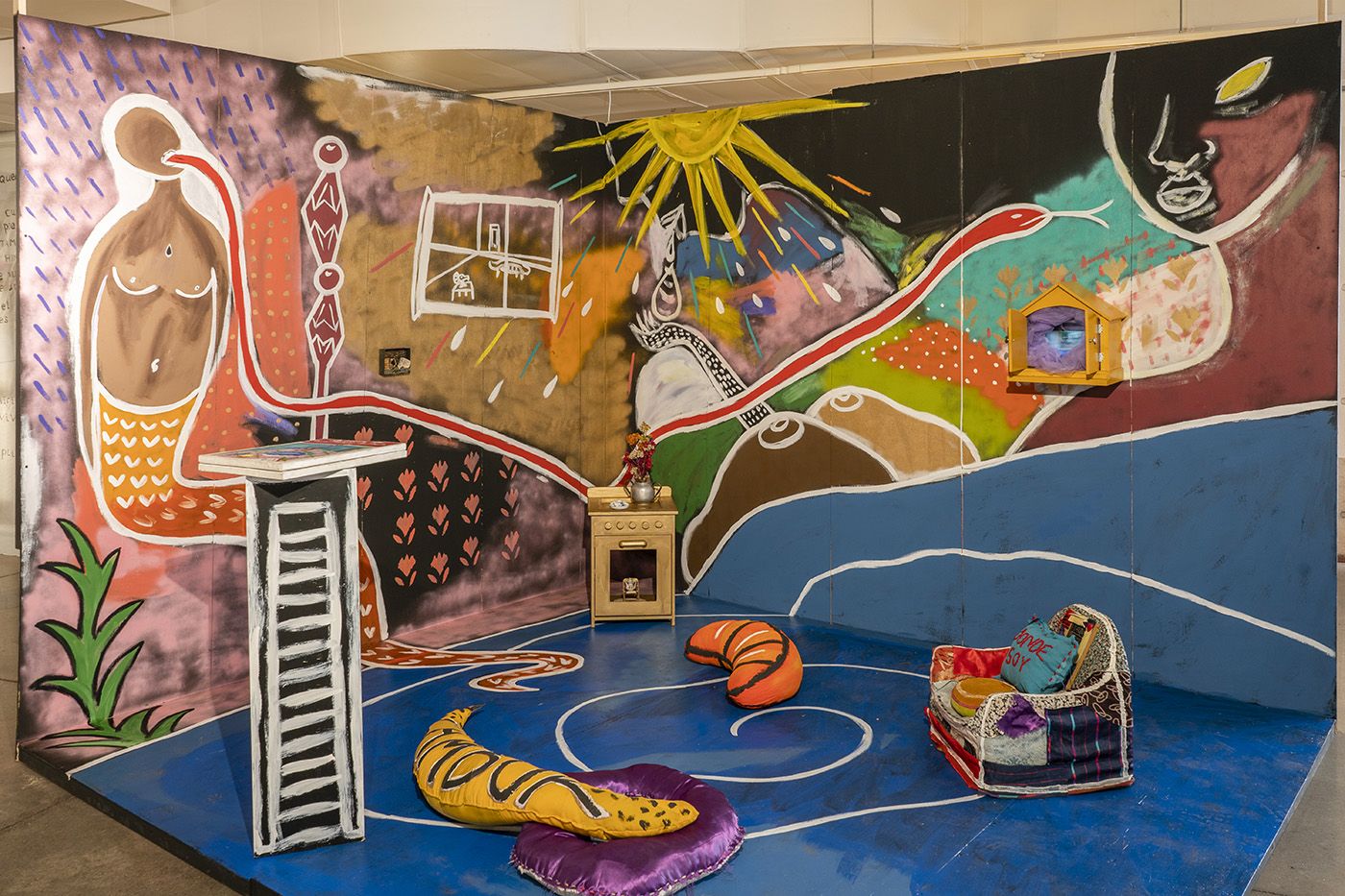
A Biennial that relates sound to space and bodies
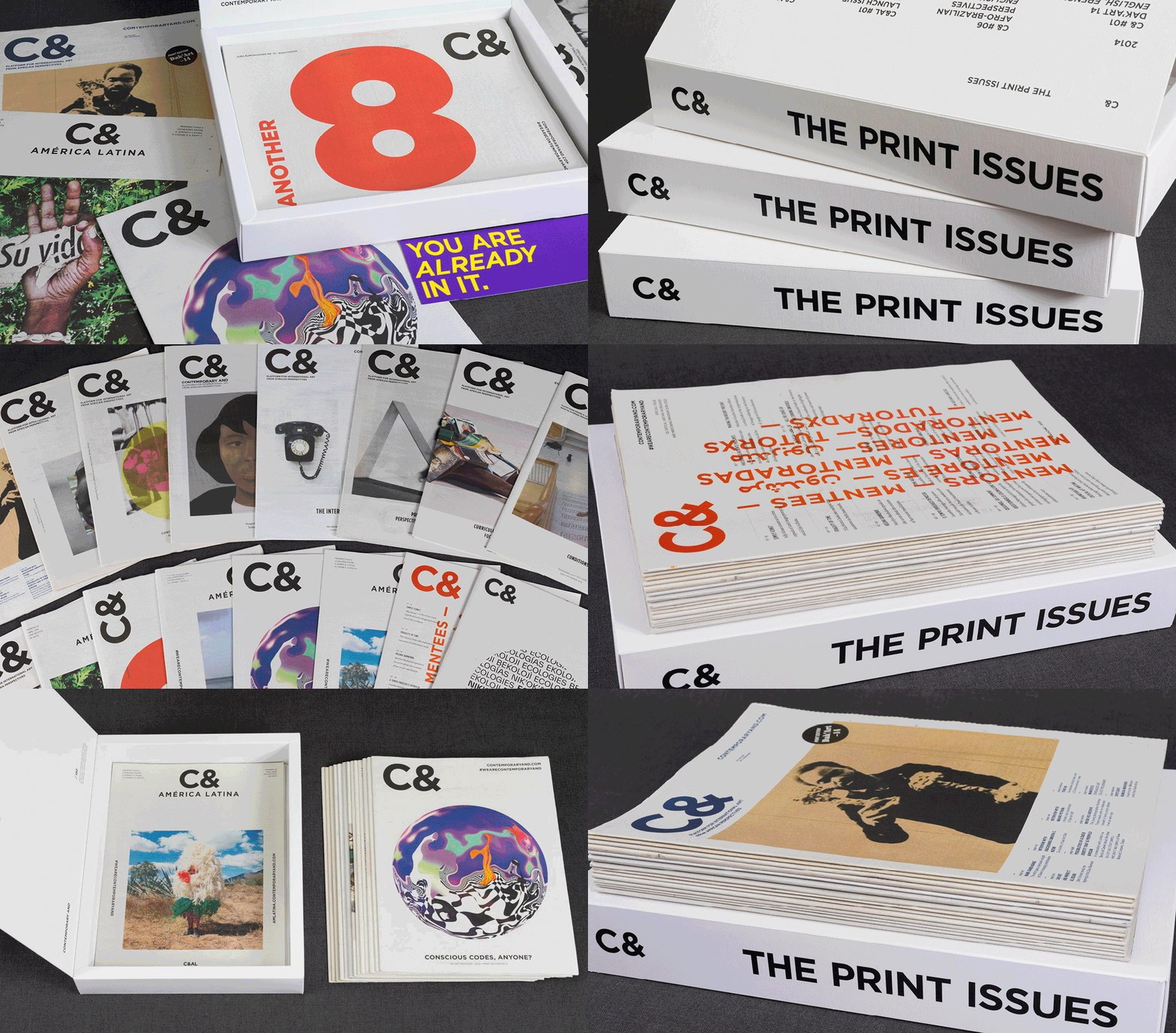
Bring Home your C& Collectors Box!
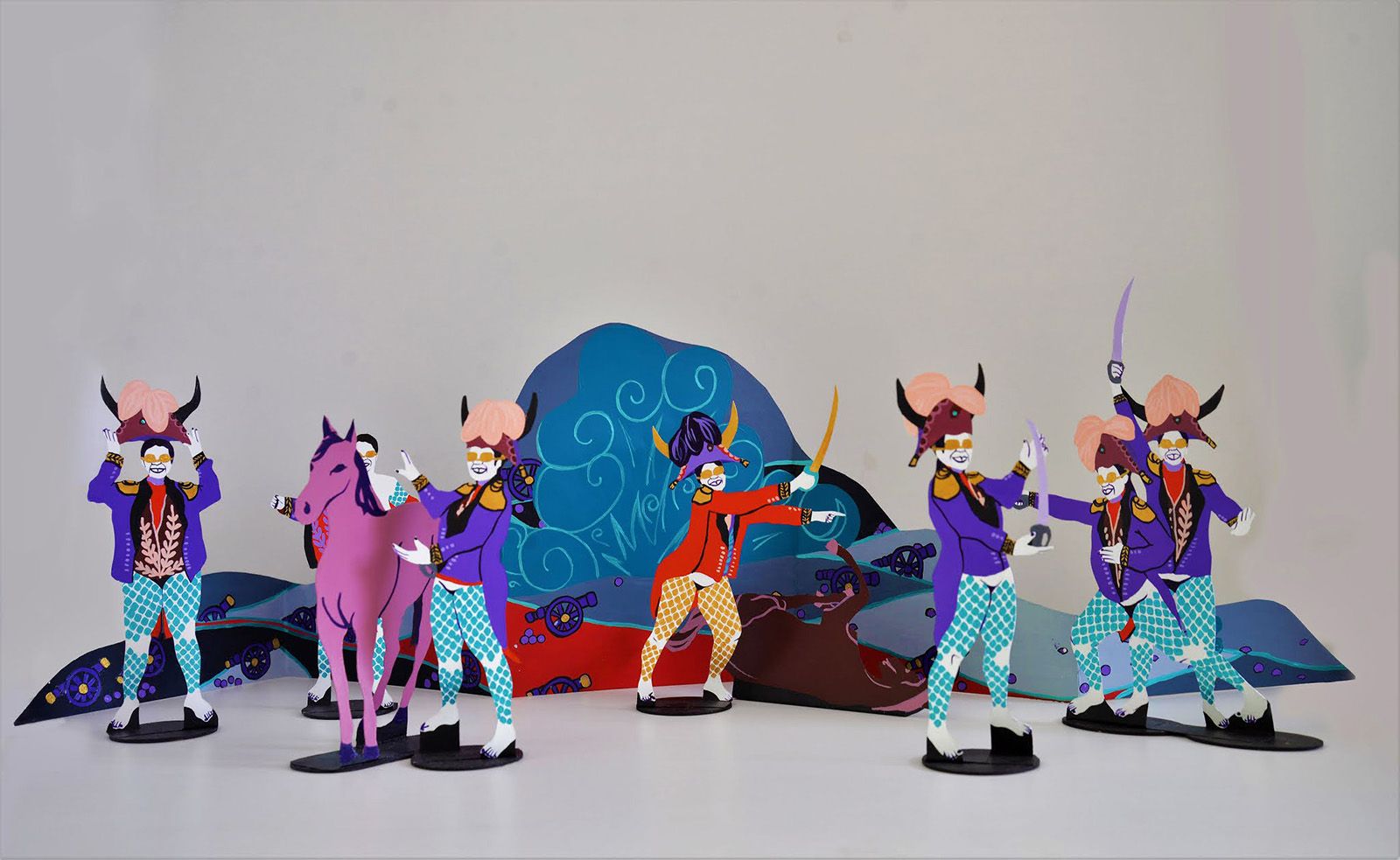
Tessa Mars Links the Migratory Experience to Haitian Spirituality
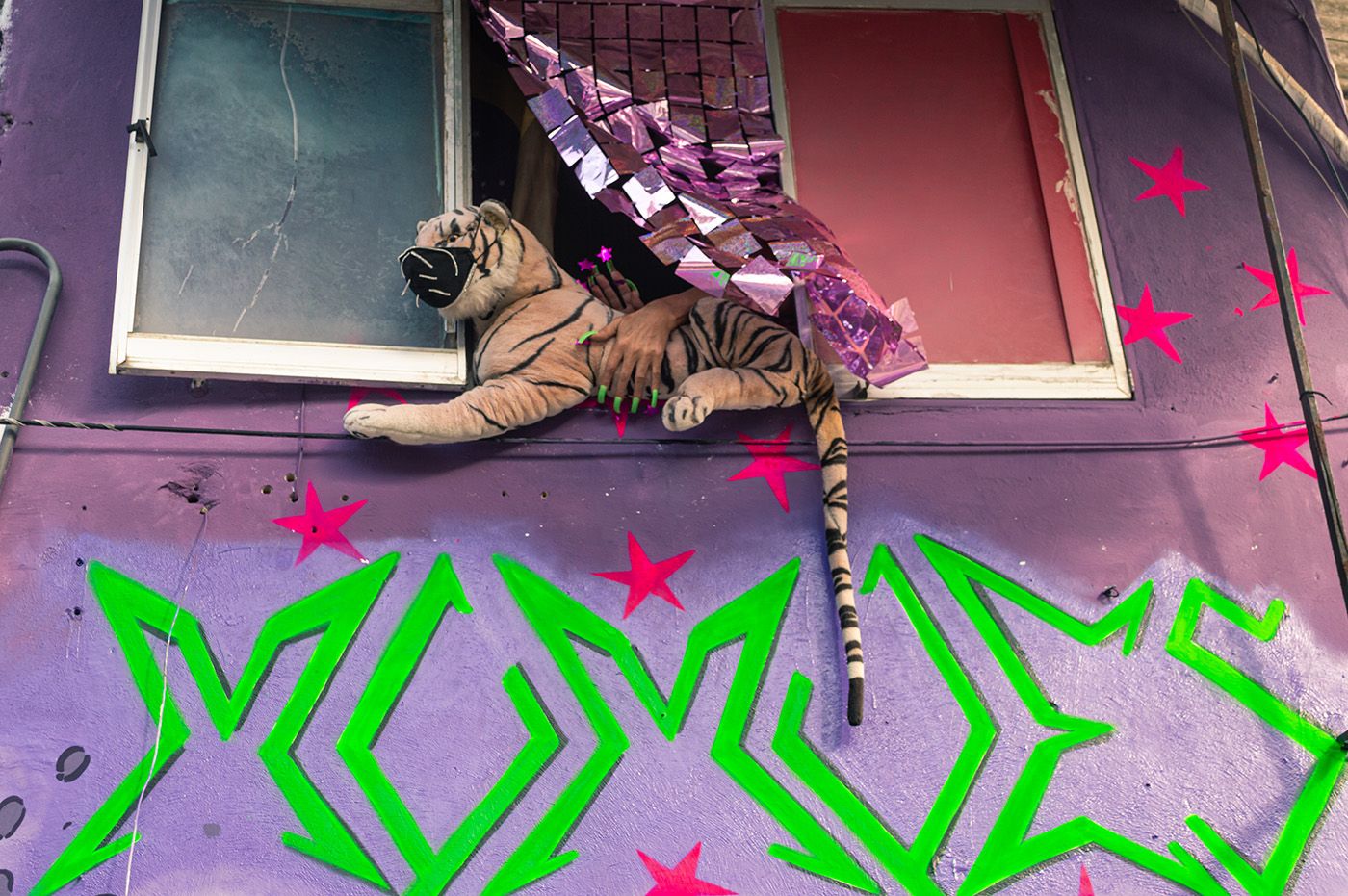
Mercosul Biennial announces artists and spaces for its next edition
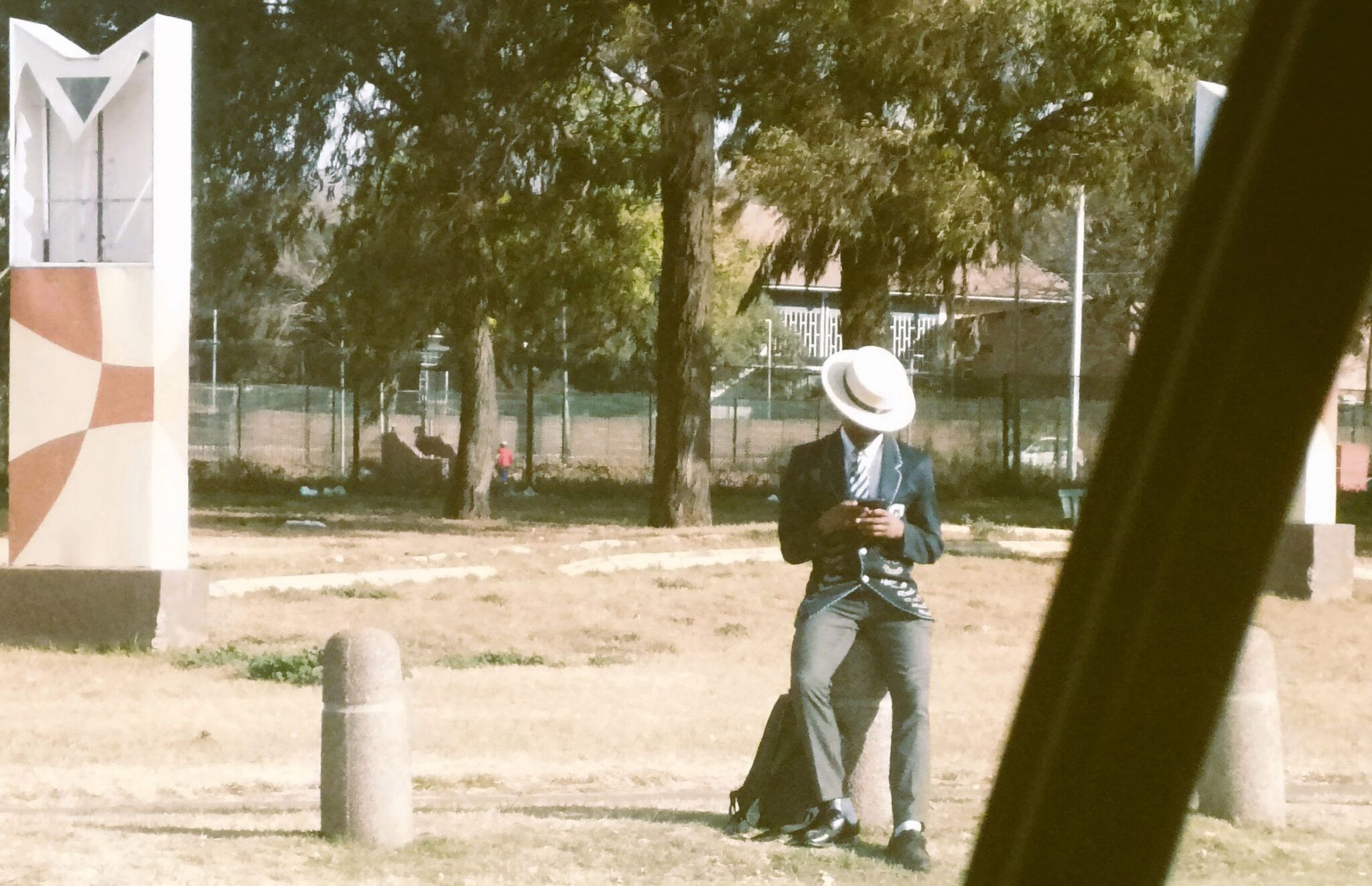
The Art of Translating and Vice Versa
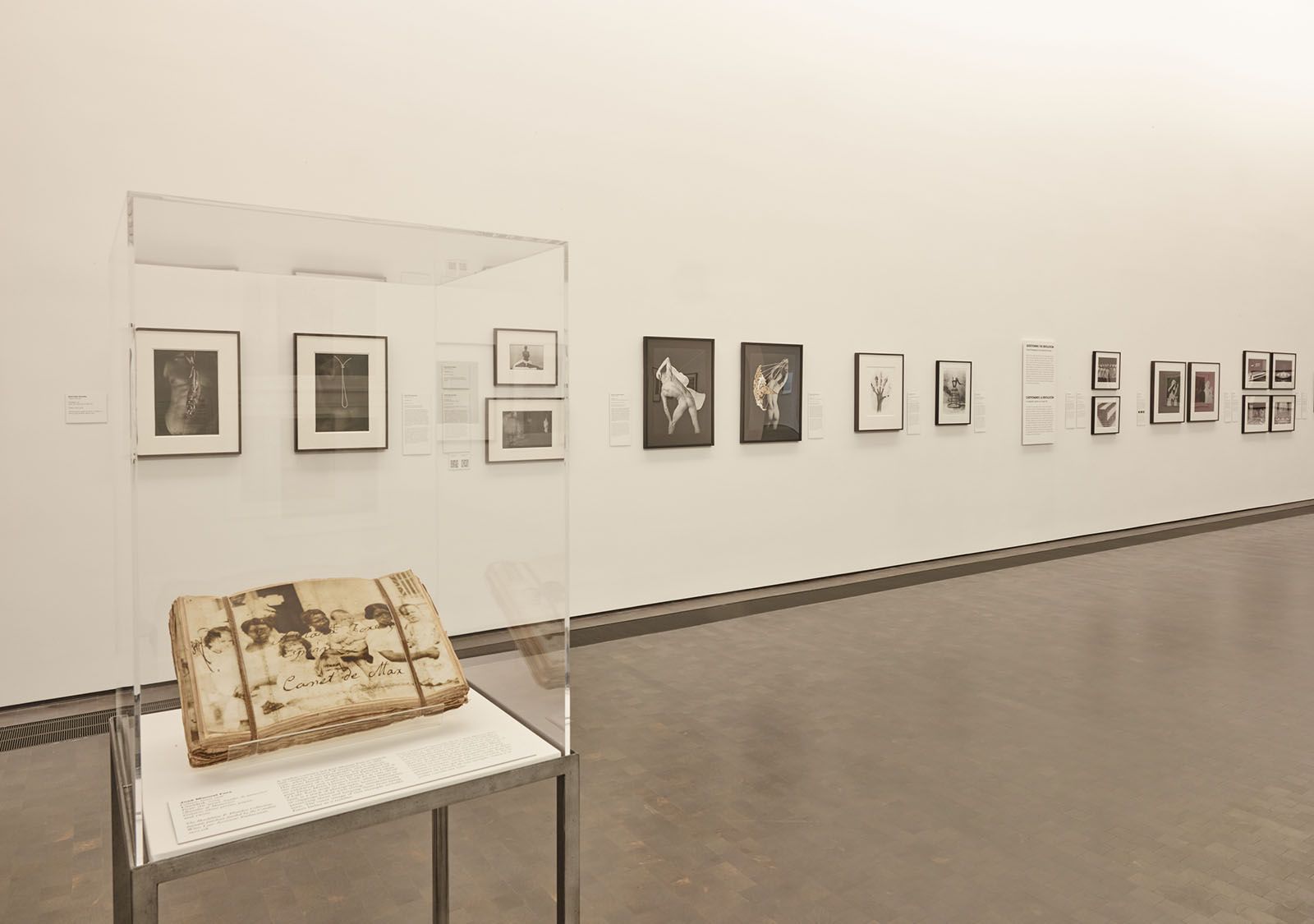
Navigating Scarcity, Race and Religion in Cuban Photography
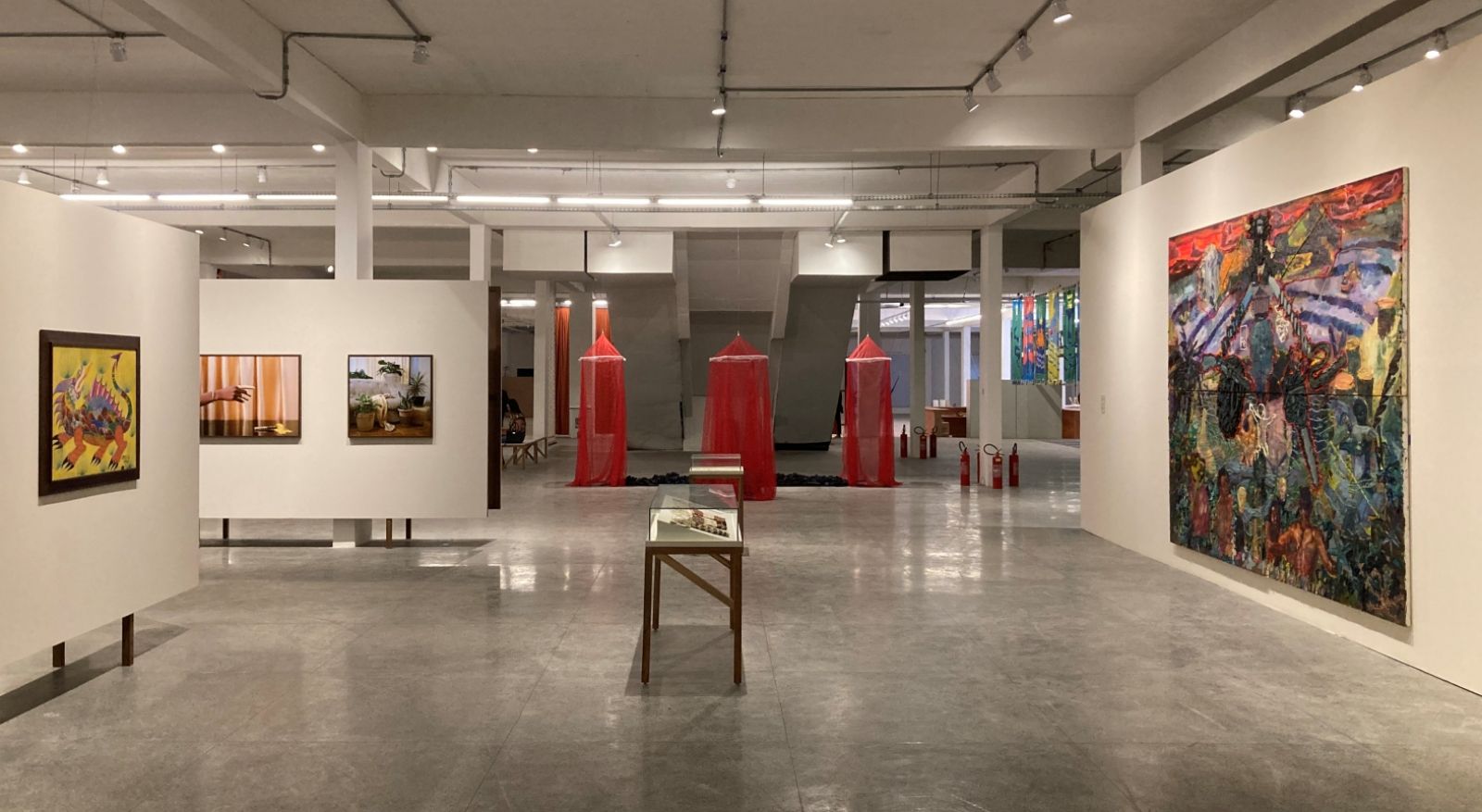
Bienal das Amazônias anuncia curadora de sua segunda edição
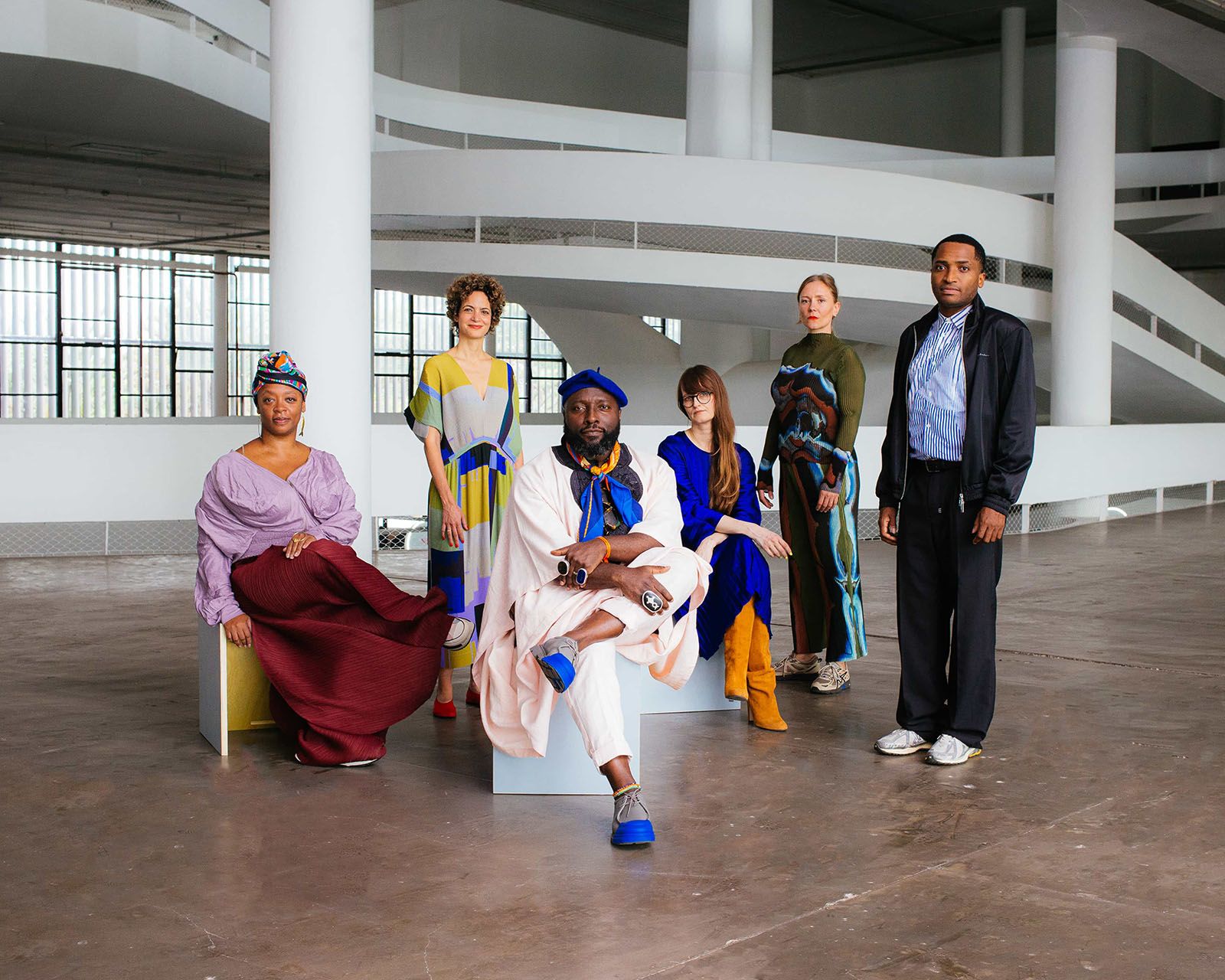
Not All Travellers Walk Roads – Of Humanity as Practice
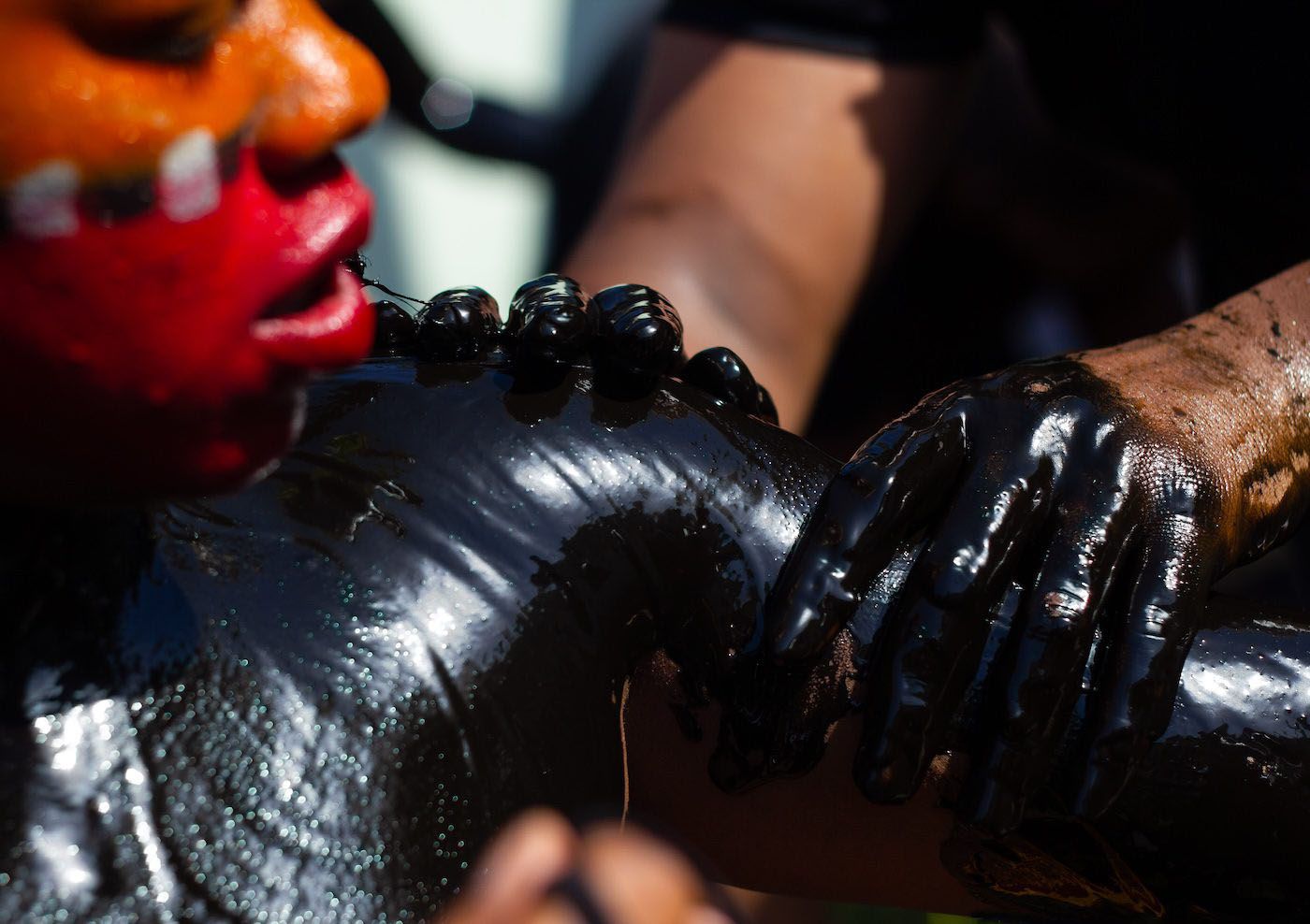
Anaïs Cheleux: Connecting Caribbean Identity Through Photography and Performance
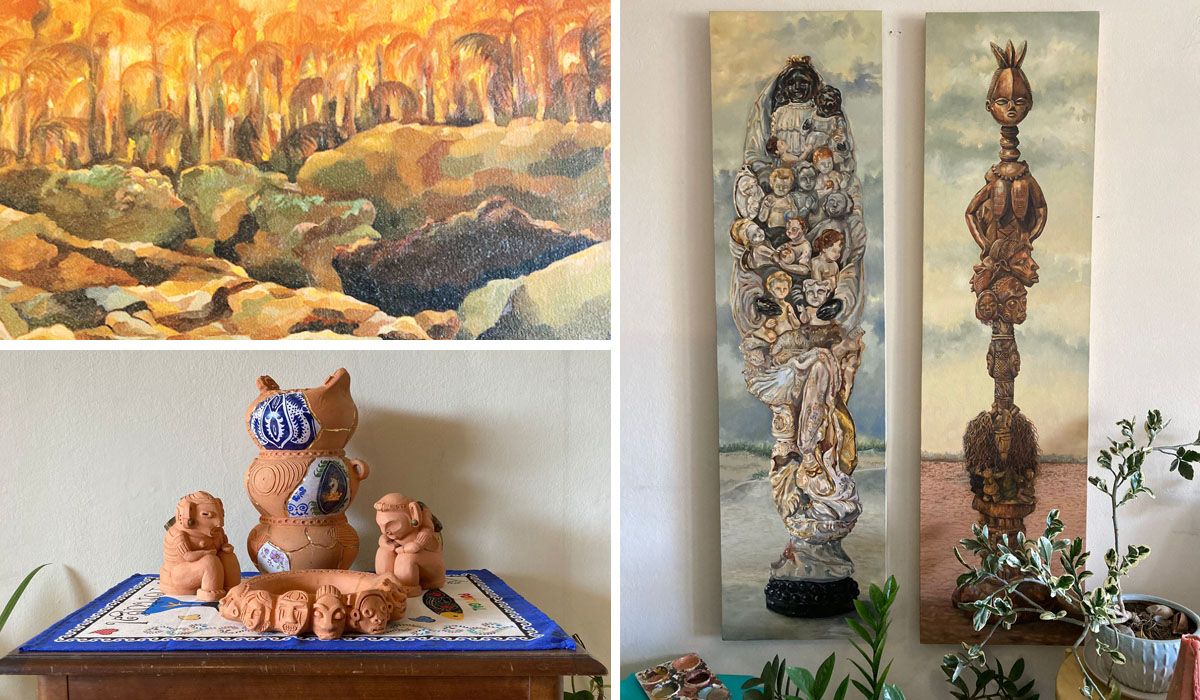
Remaking Afro-Indigenous Archives with Julianny Ariza Vólquez
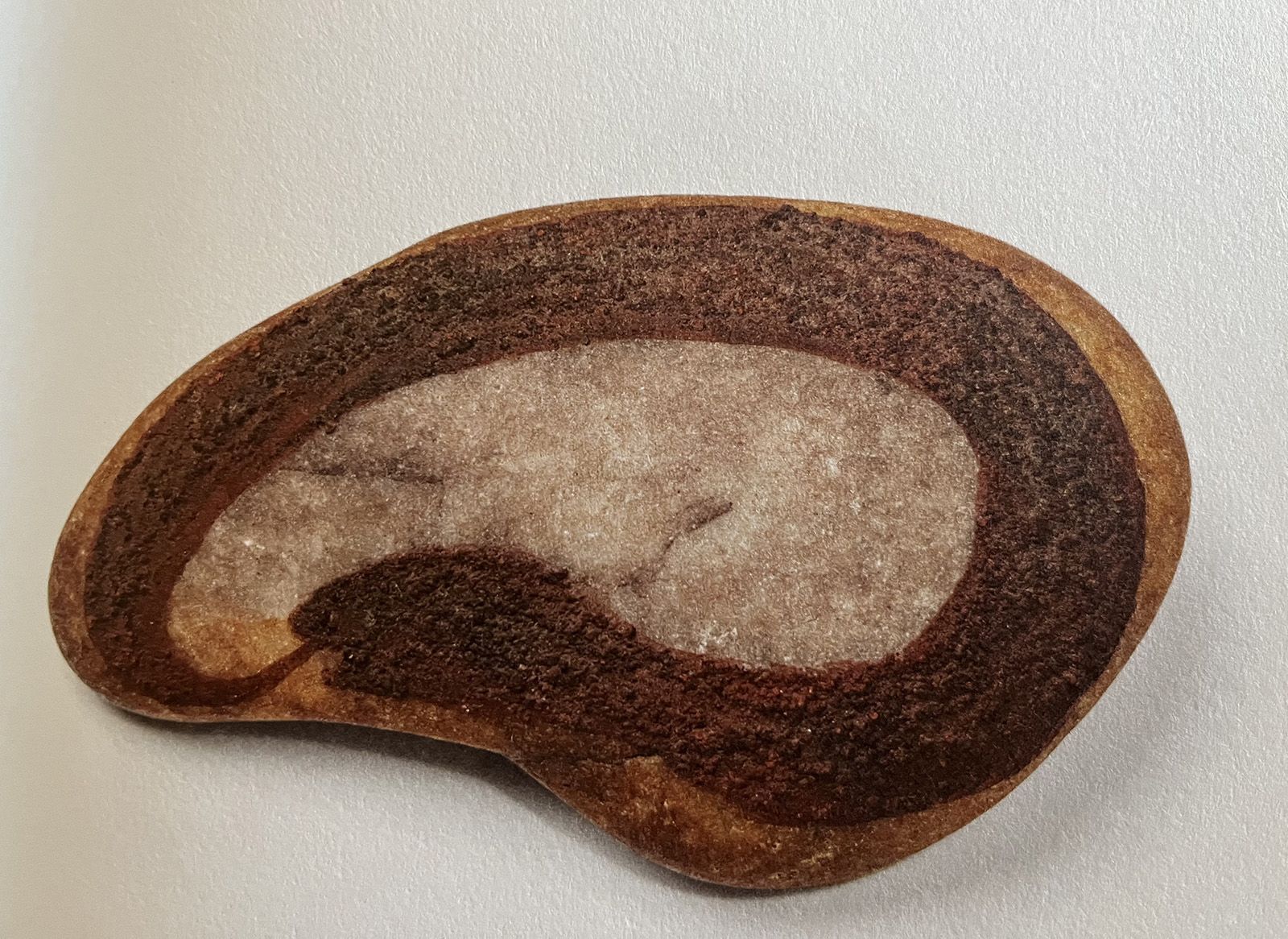
79-year-old Maria Lira Marques – also known as Lira Marques –, has over 40 years of artistic production. The artist and activist hails from the Jequitinhonha Valley, in Minas Gerais and her art, deeply rooted in ancestral knowledge and traditions, critiques societal violence and poverty while preserving the rich cultural heritage of her region. Marques uses art as a vehicle to critique violence and poverty, while also preserving ancestral techniques in her clay sculptures and paintings.
Announcement of Second Women Photographers International Archive (WOPHA) Congress
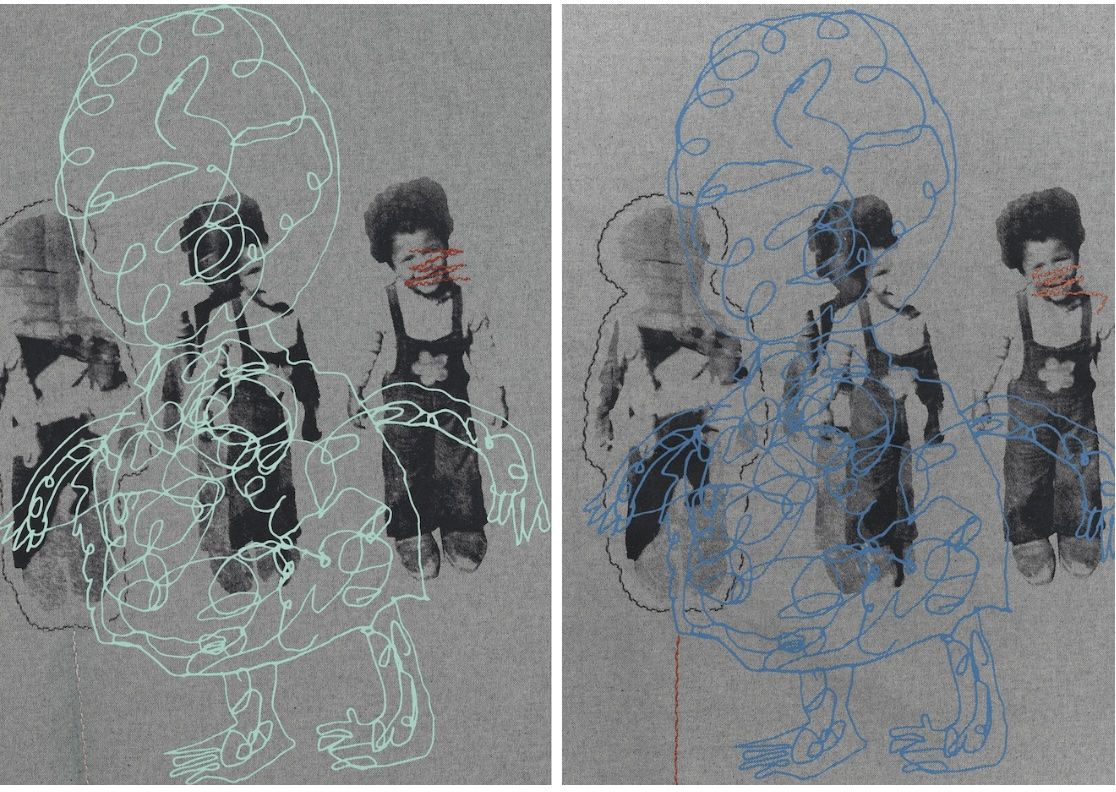
C& Artists’ Edition #5 Zohra Opoku
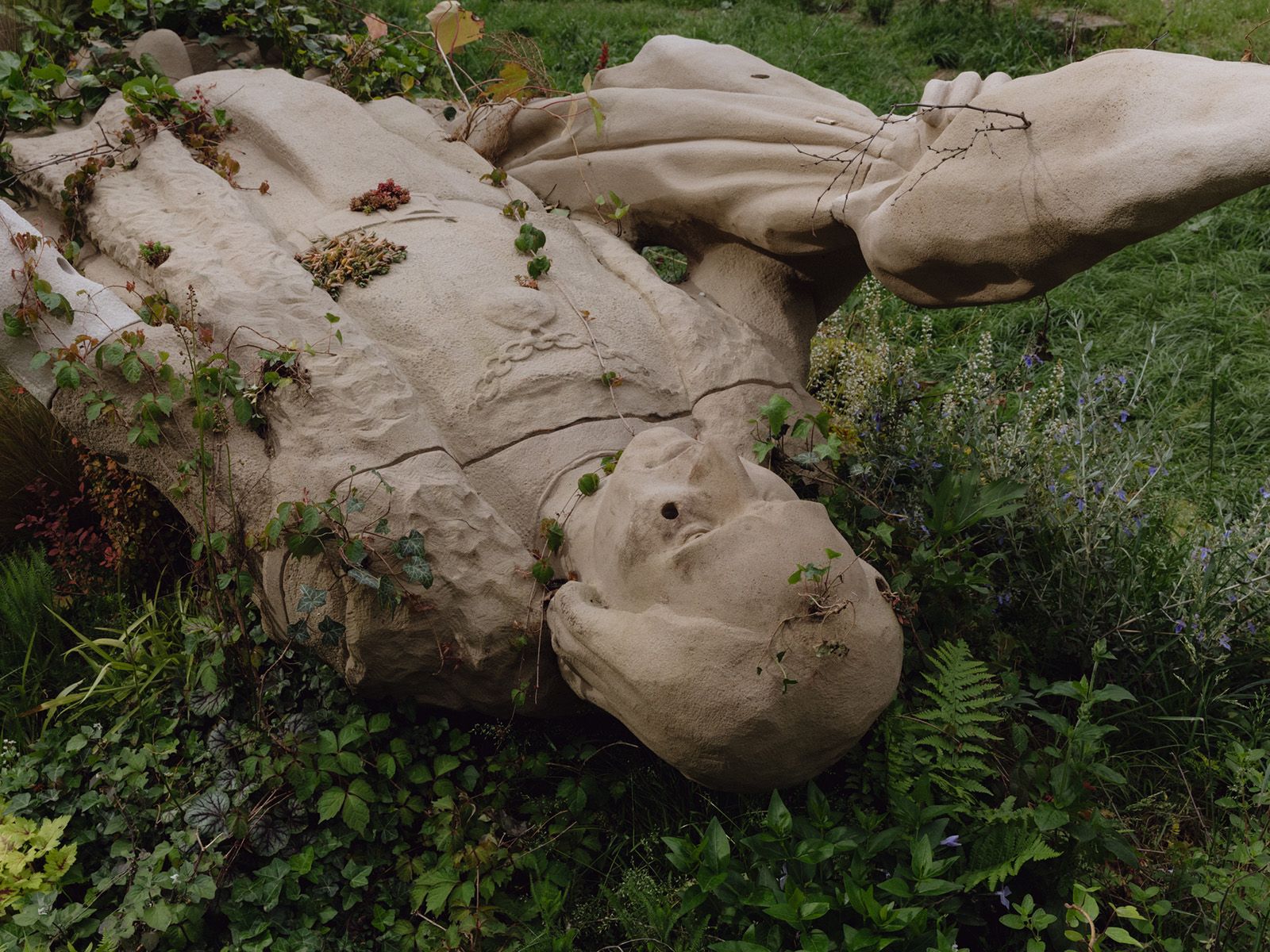
Amanda Carneiro: Curation That Operates Outside Dominant Systems
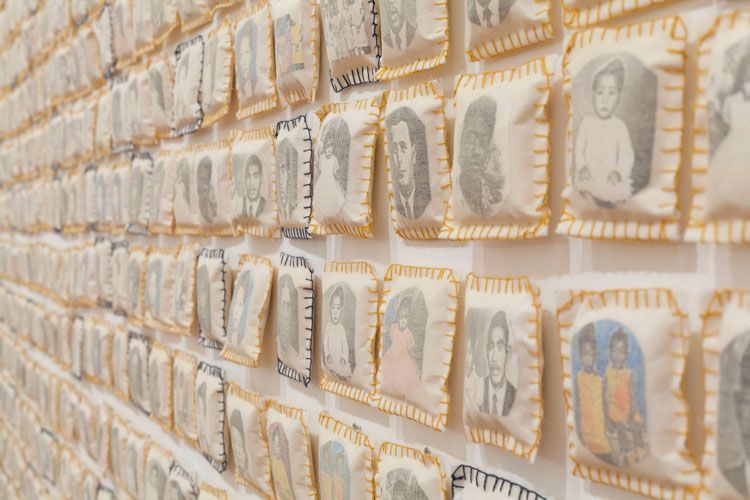
MUNCH Award: Rosana Paulino
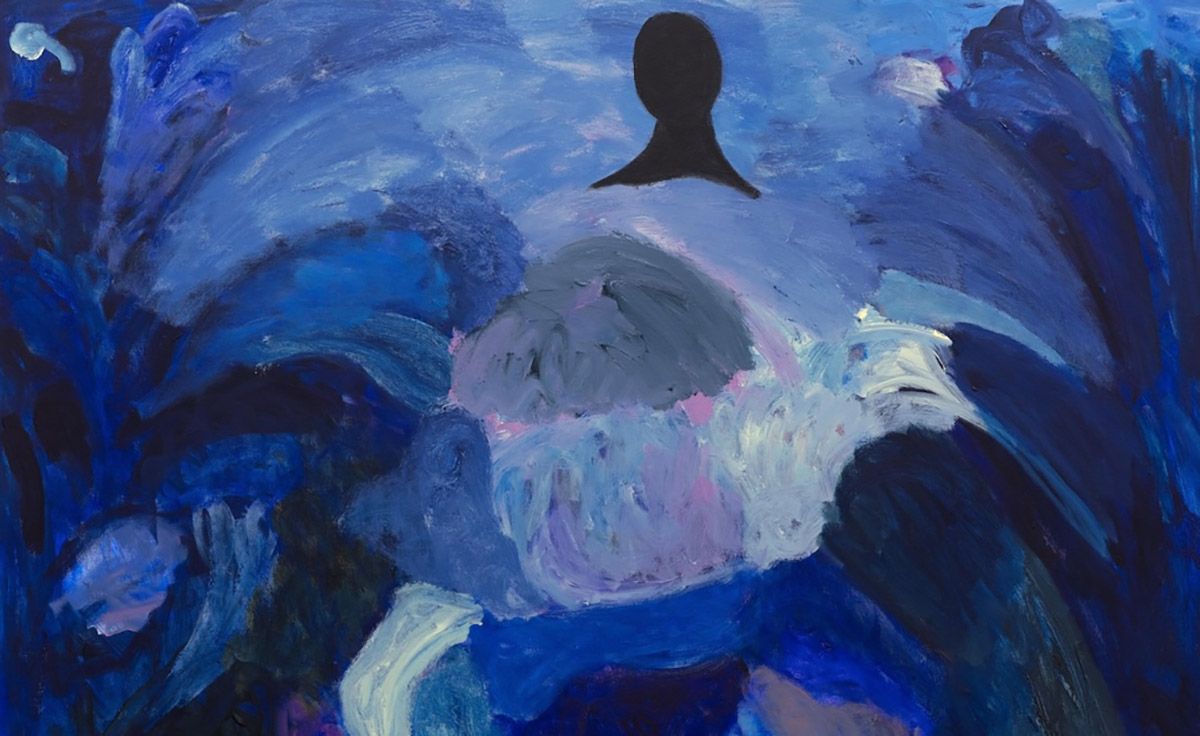
Poetry: Ruth Ige
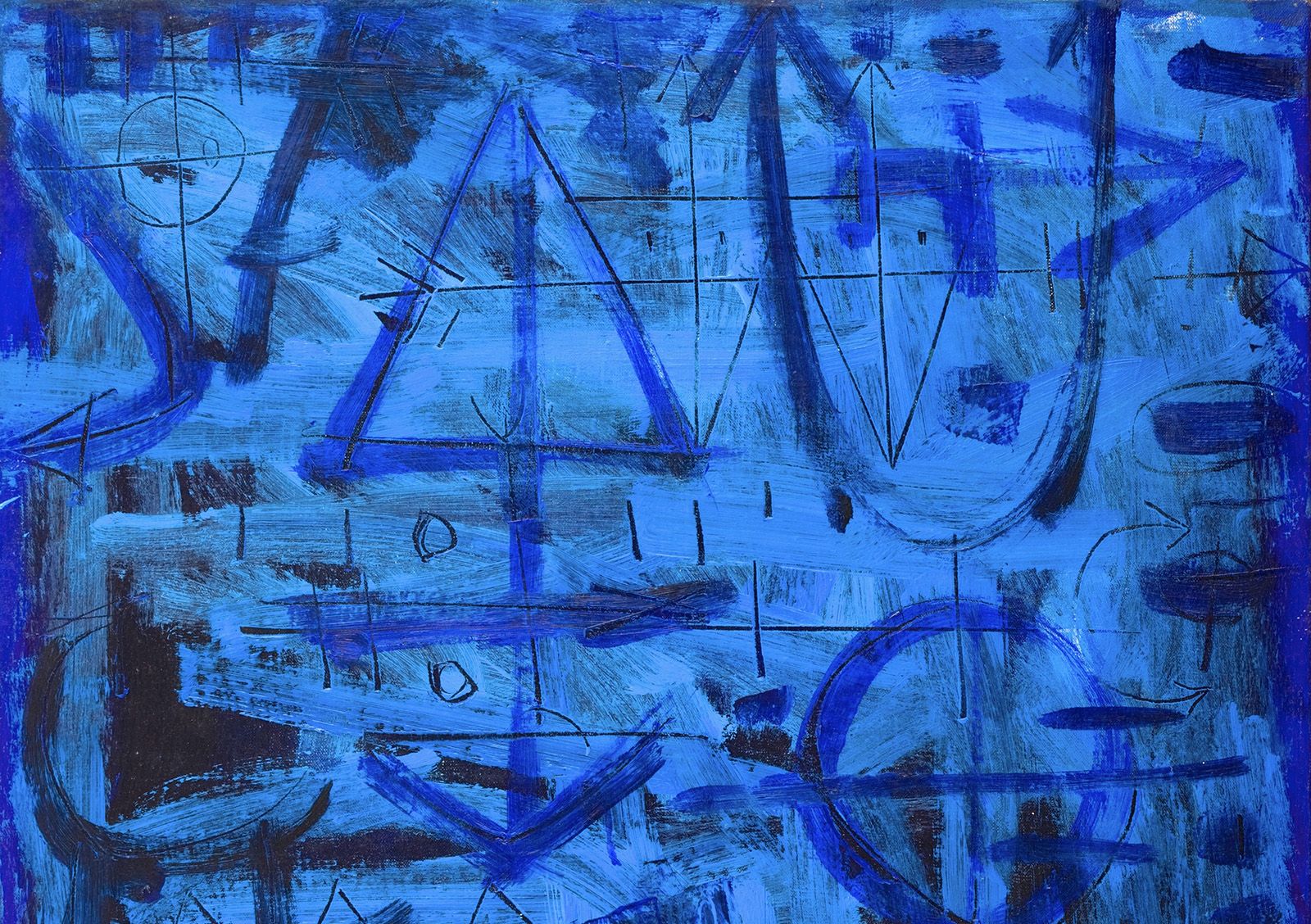
Guido Llinás: the Incredible Story of an Afro-Cuban Artist in Paris
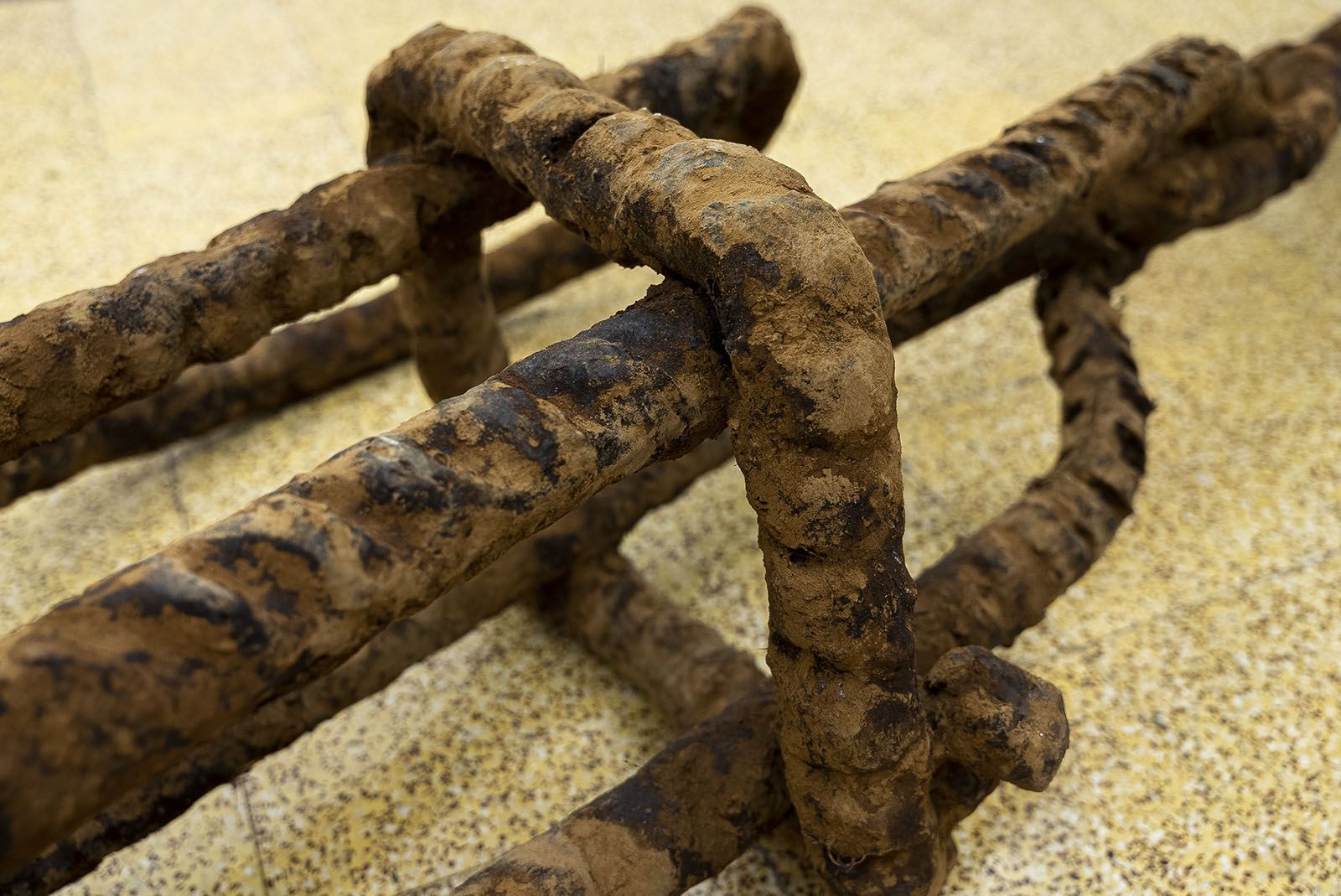
Sofía Salazar Rosales: A Poetic Journey Through the Material
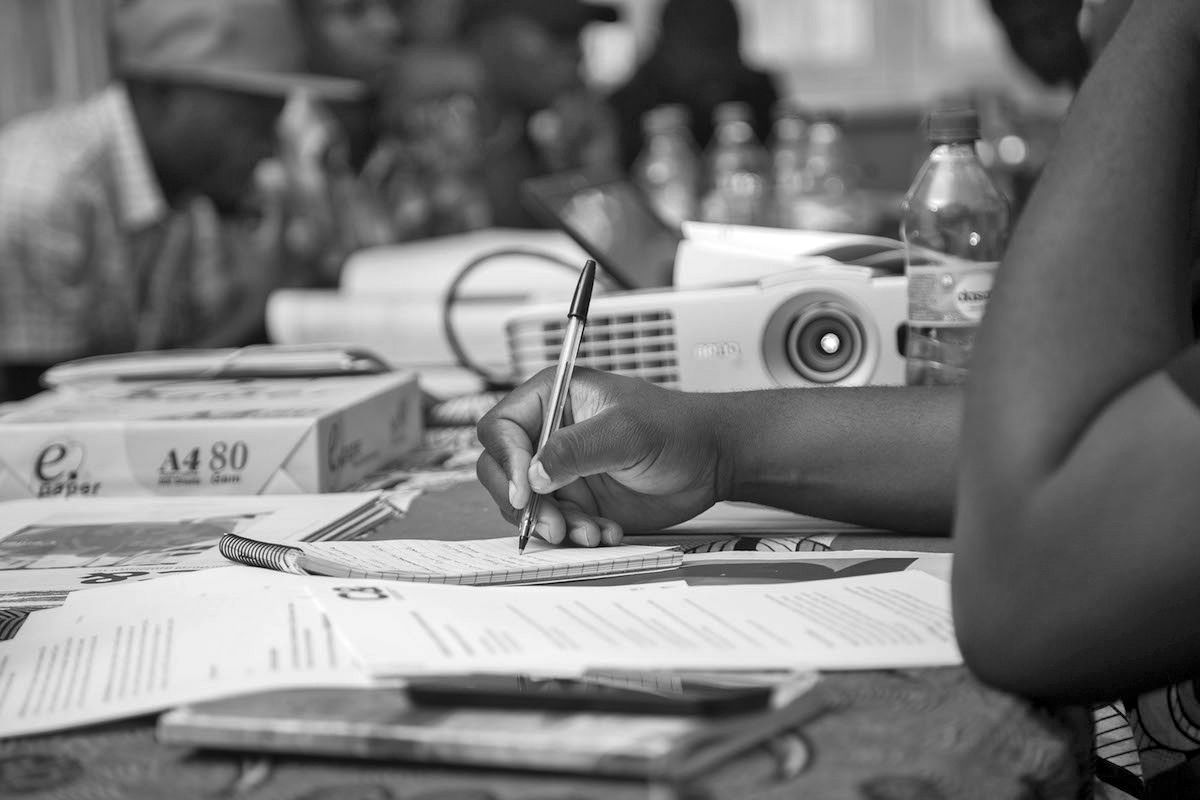
Centro Cultural BanReservas and Universidad Autónoma de Santo Domingo x C& Critical Writing Workshop
Art and Identity in the Caribbean
Carnival, Body, and Territory
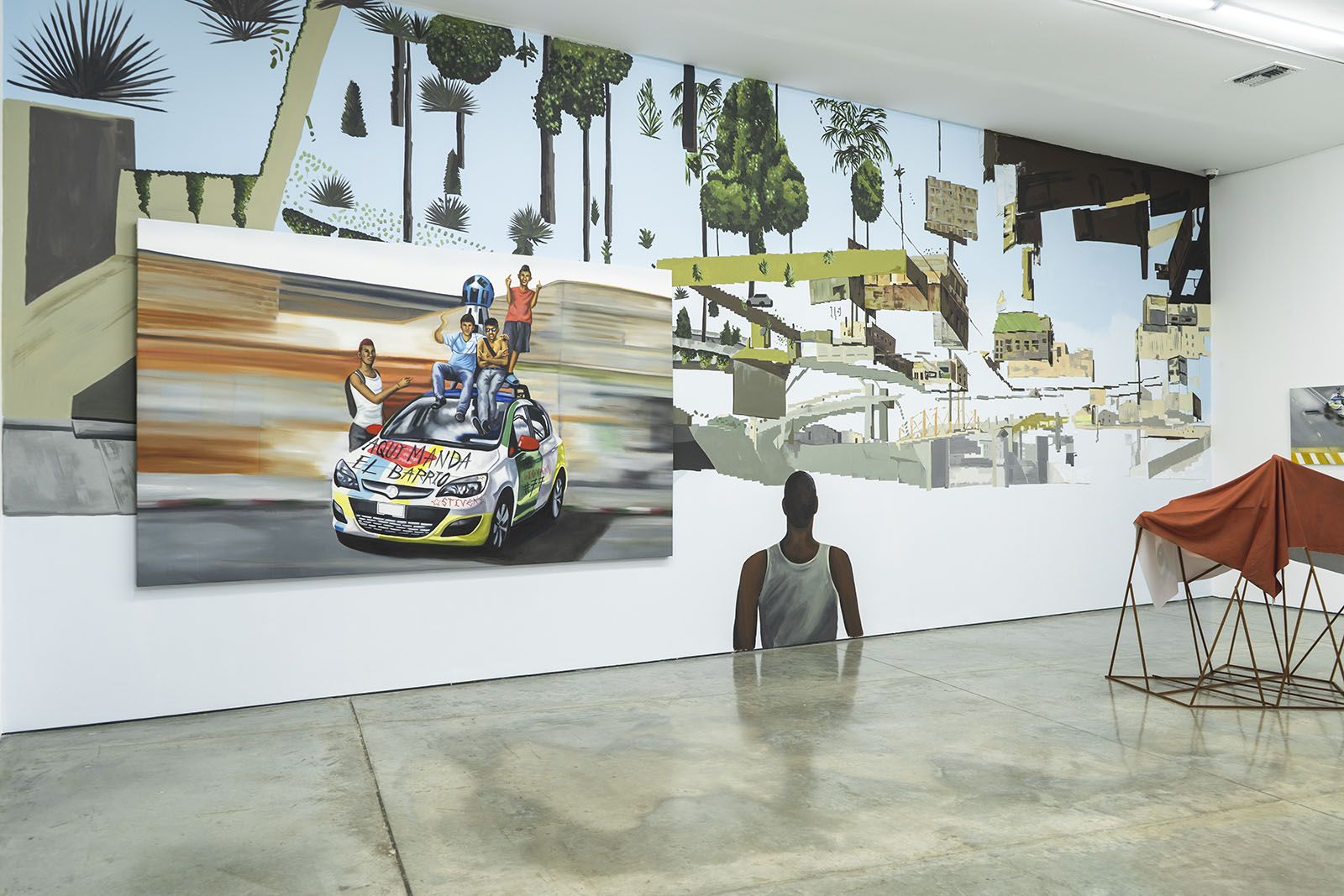
Johan Samboni: Rewriting Urban Histories
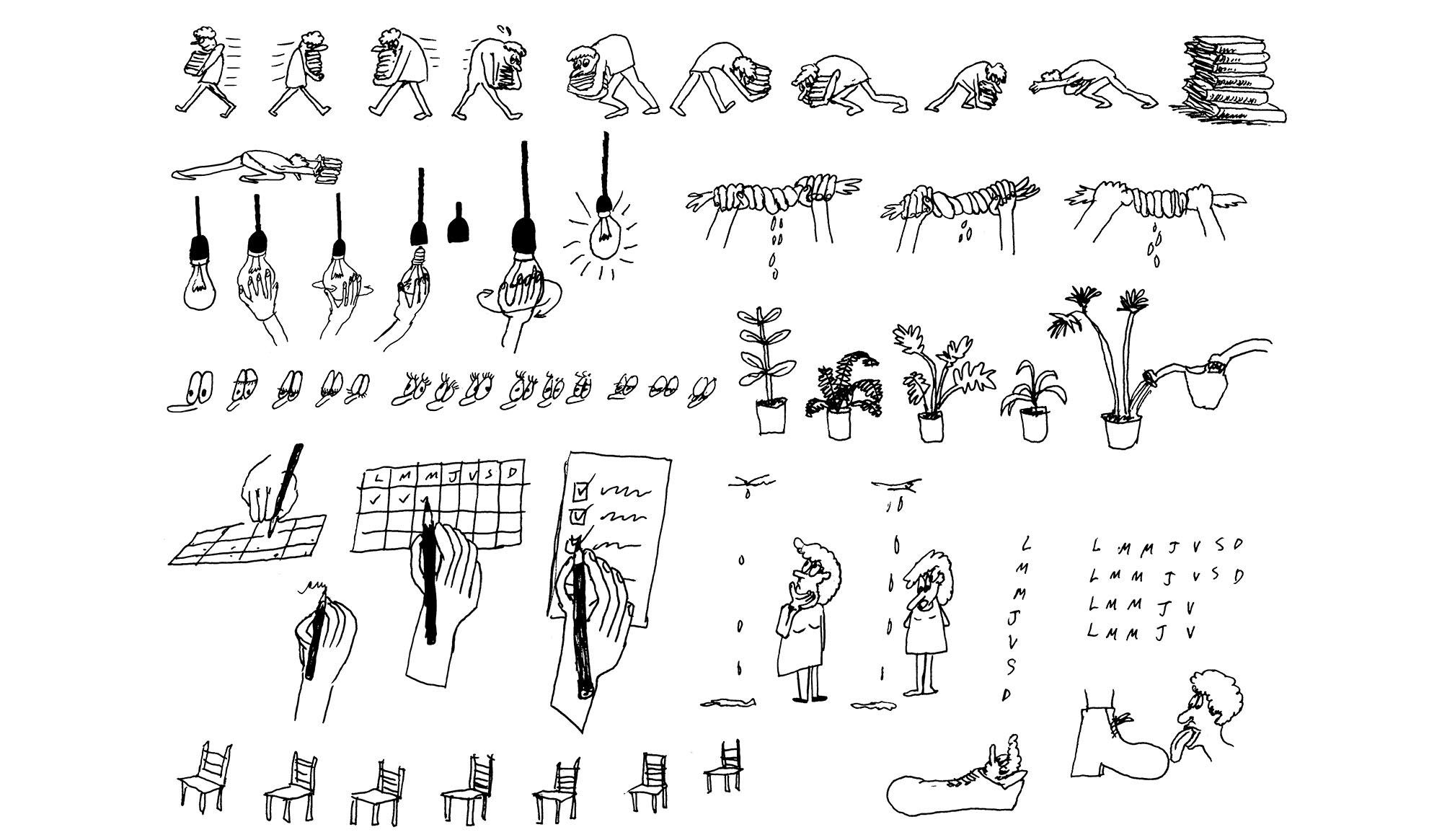
Introduction to the employee manual
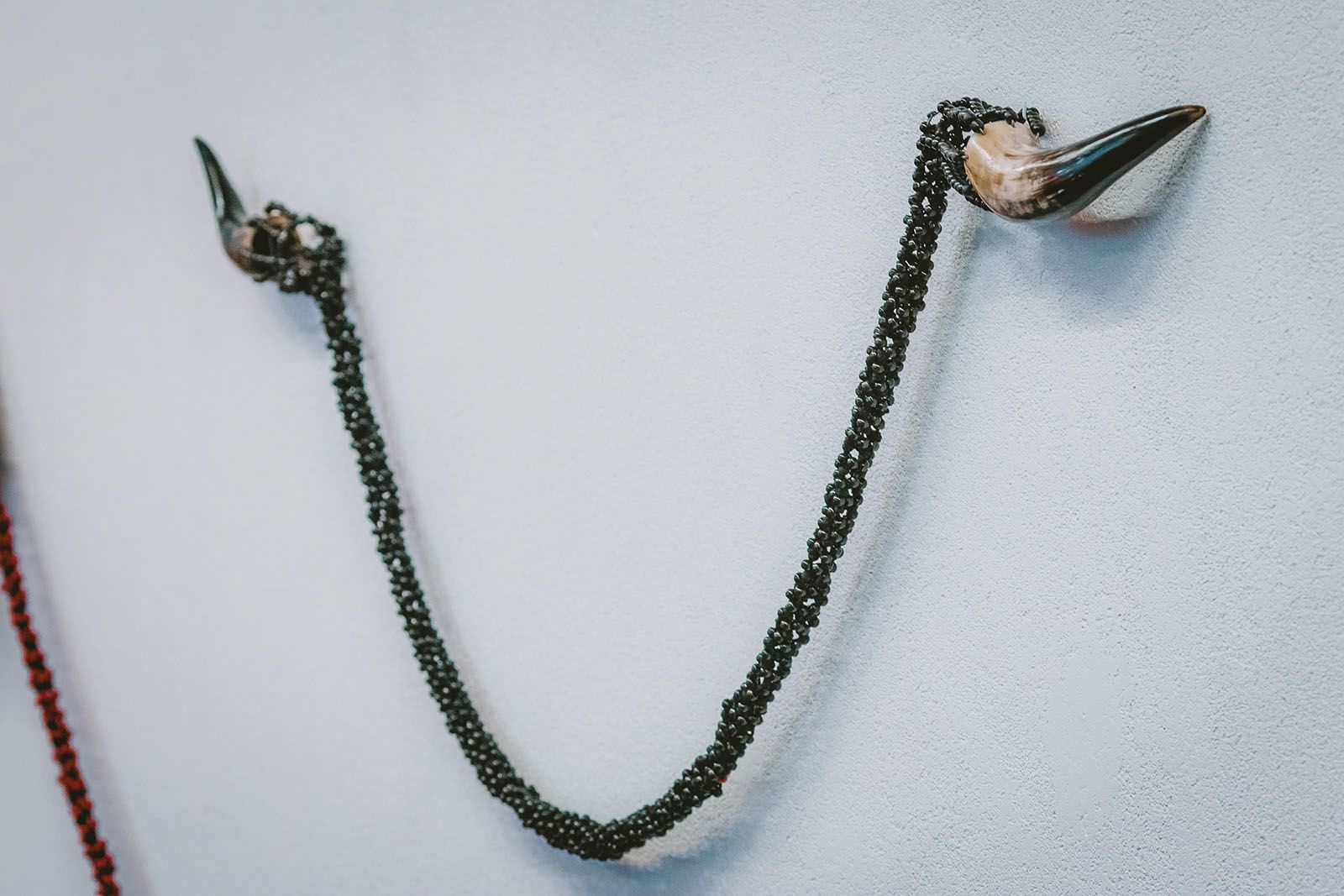
Grounded in the foundations of Exu's encruzilhadas (crossroads), Ismael David's exhibition at Galpão Bela Maré in Rio de Janeiro challenges sensitivities and sensory hierarchies with works that explore multiple senses. By incorporating elements such as gourds and the sounds of atabaques blended with funk, David evokes Afro-Brazilian ancestry.
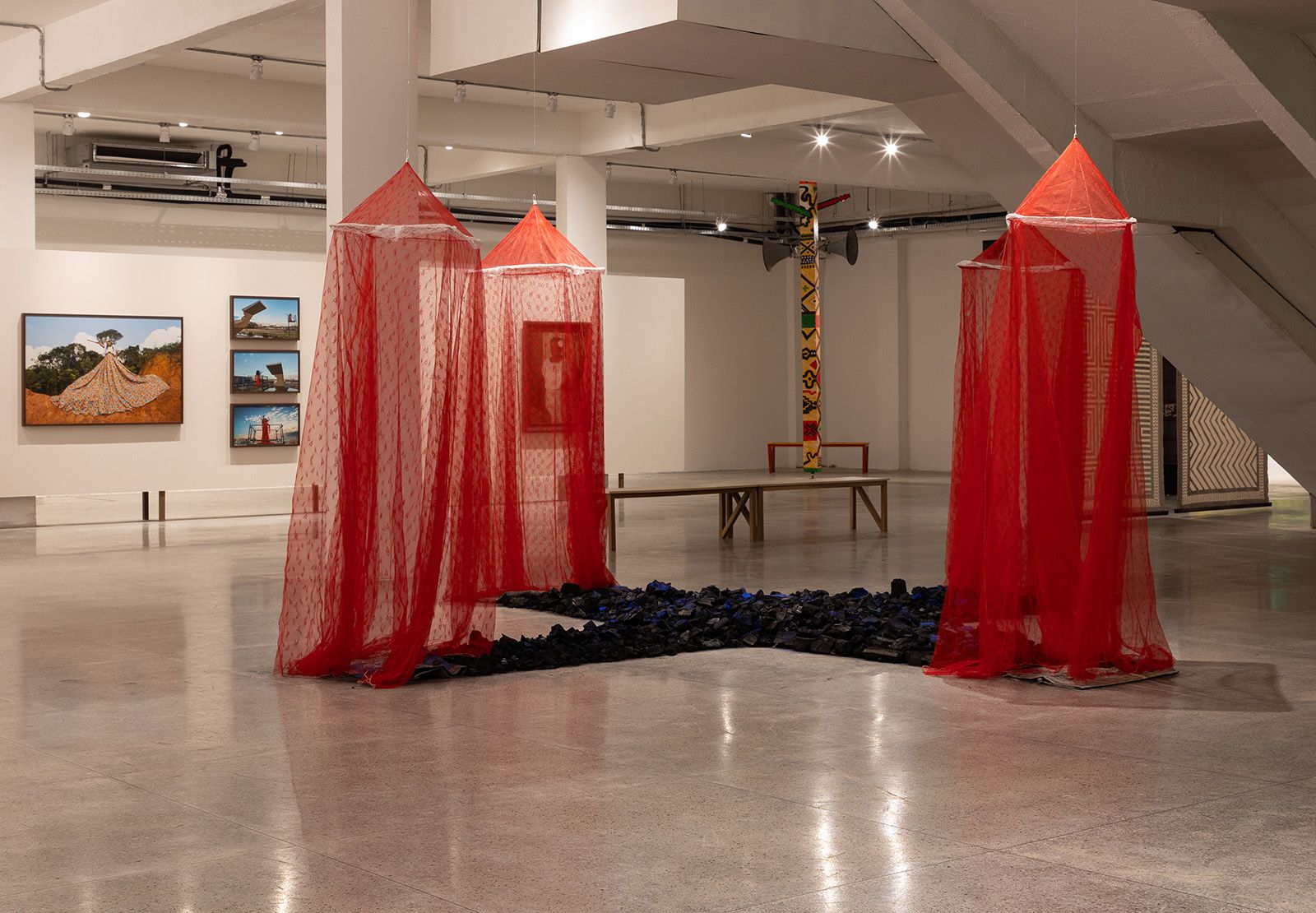
Bienal das Amazônias: Portrait of a Complex Region
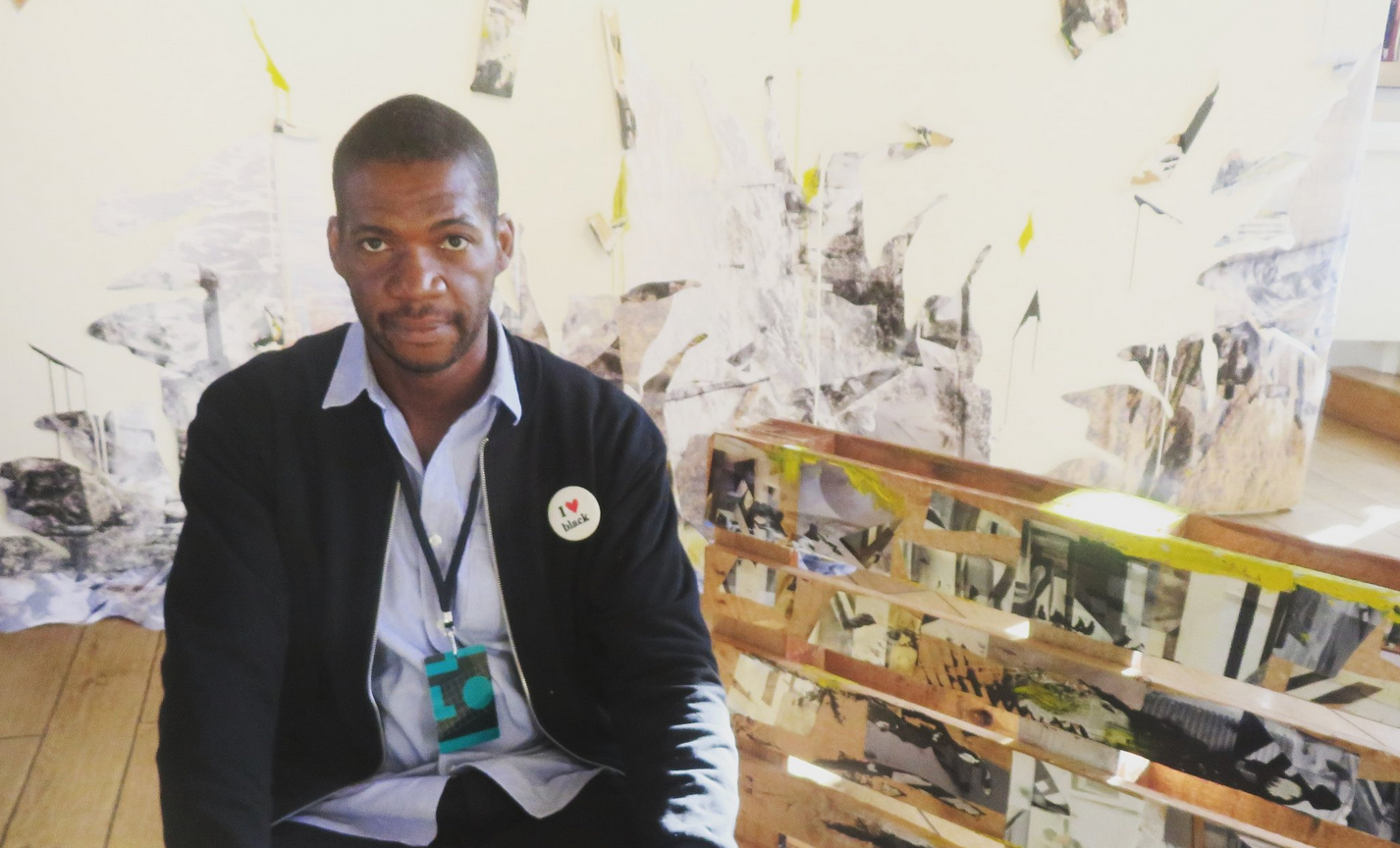
Caryl* Ivrisse Crochemar
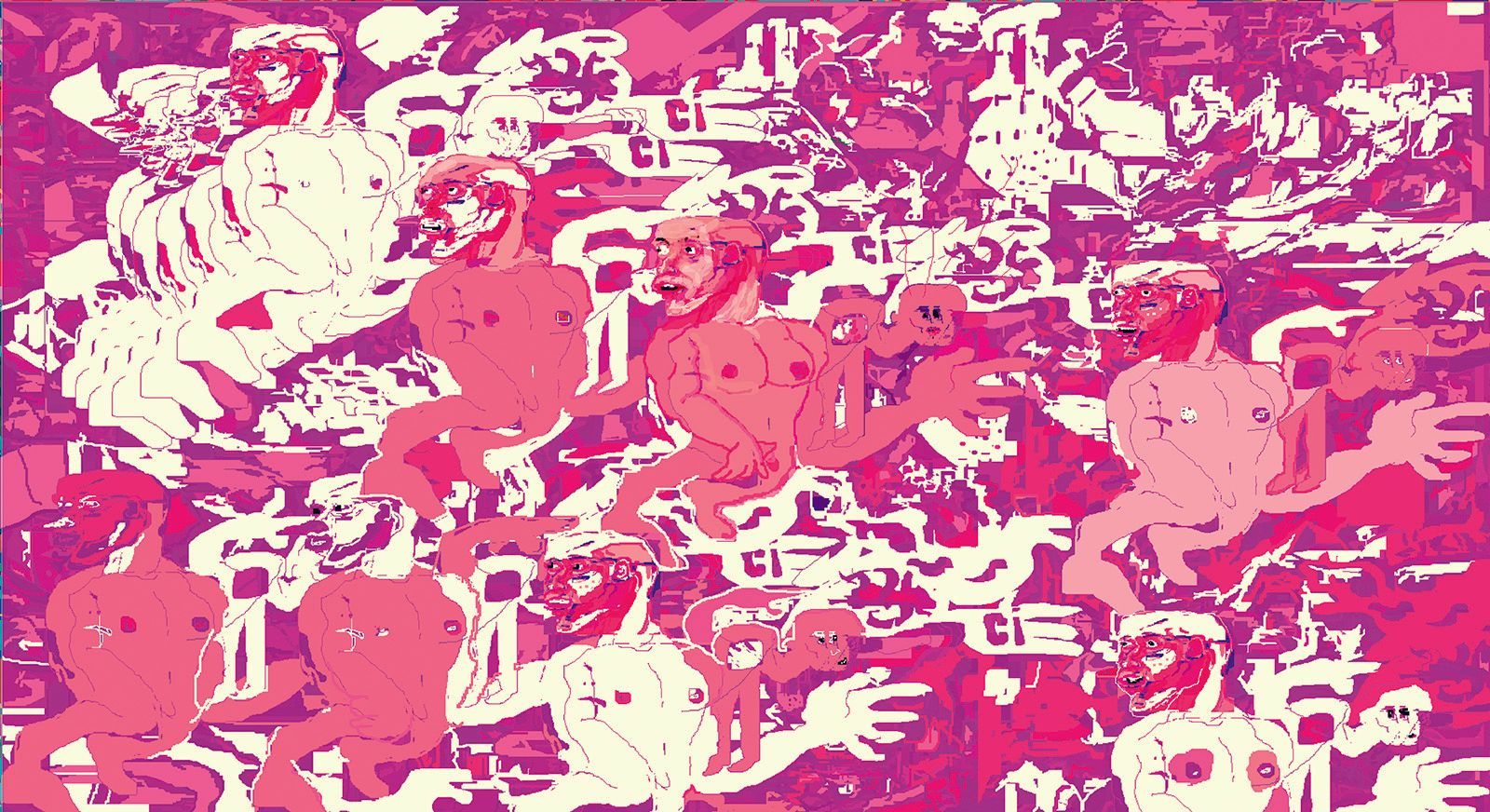
Fidel Ernesto: Transitioning between the Digital and the Physical
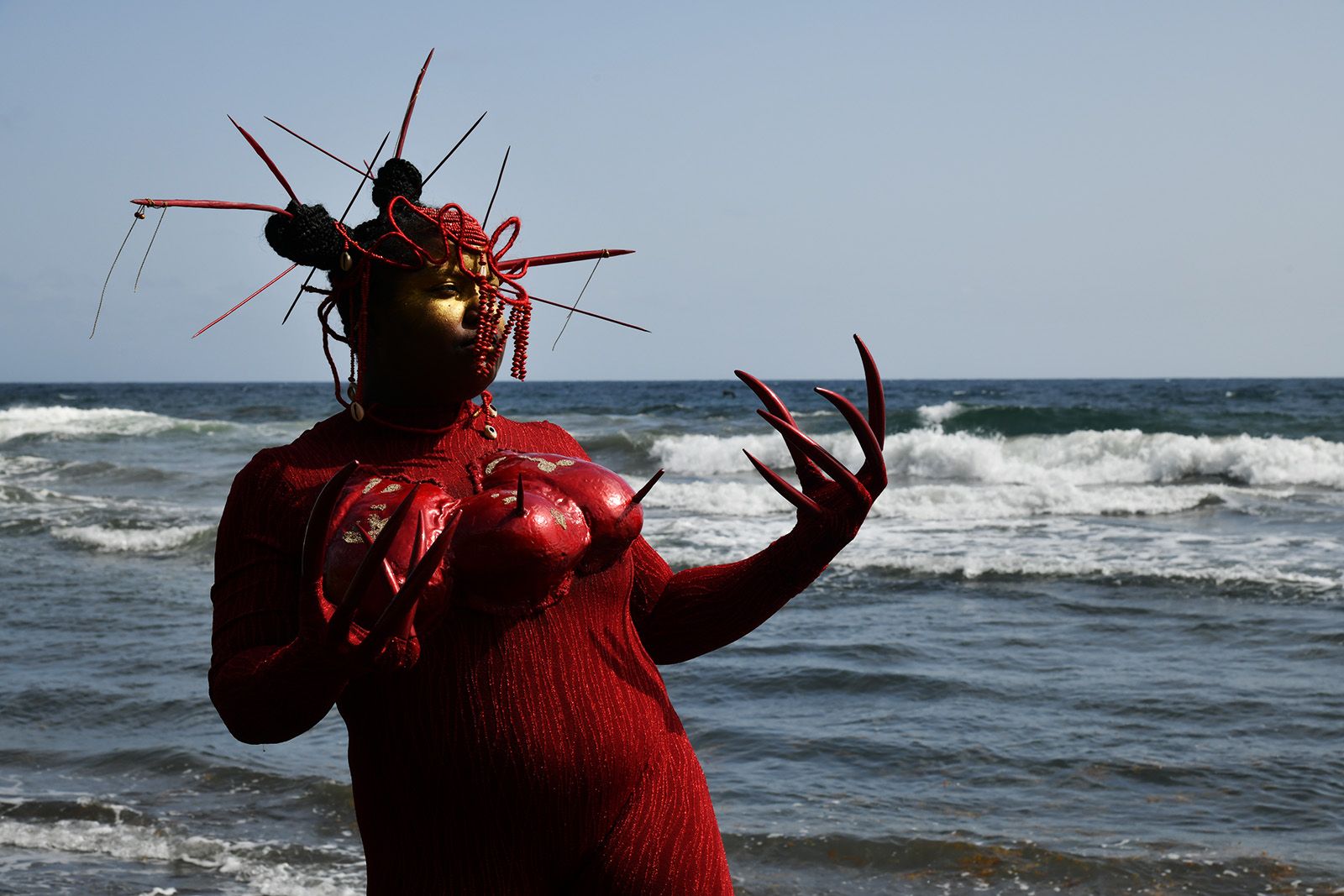
Paul-Aimé William: Afro-Feminism and Curation in Guiana-Abya-Yala
Get Your C& Collector’s Box Now!
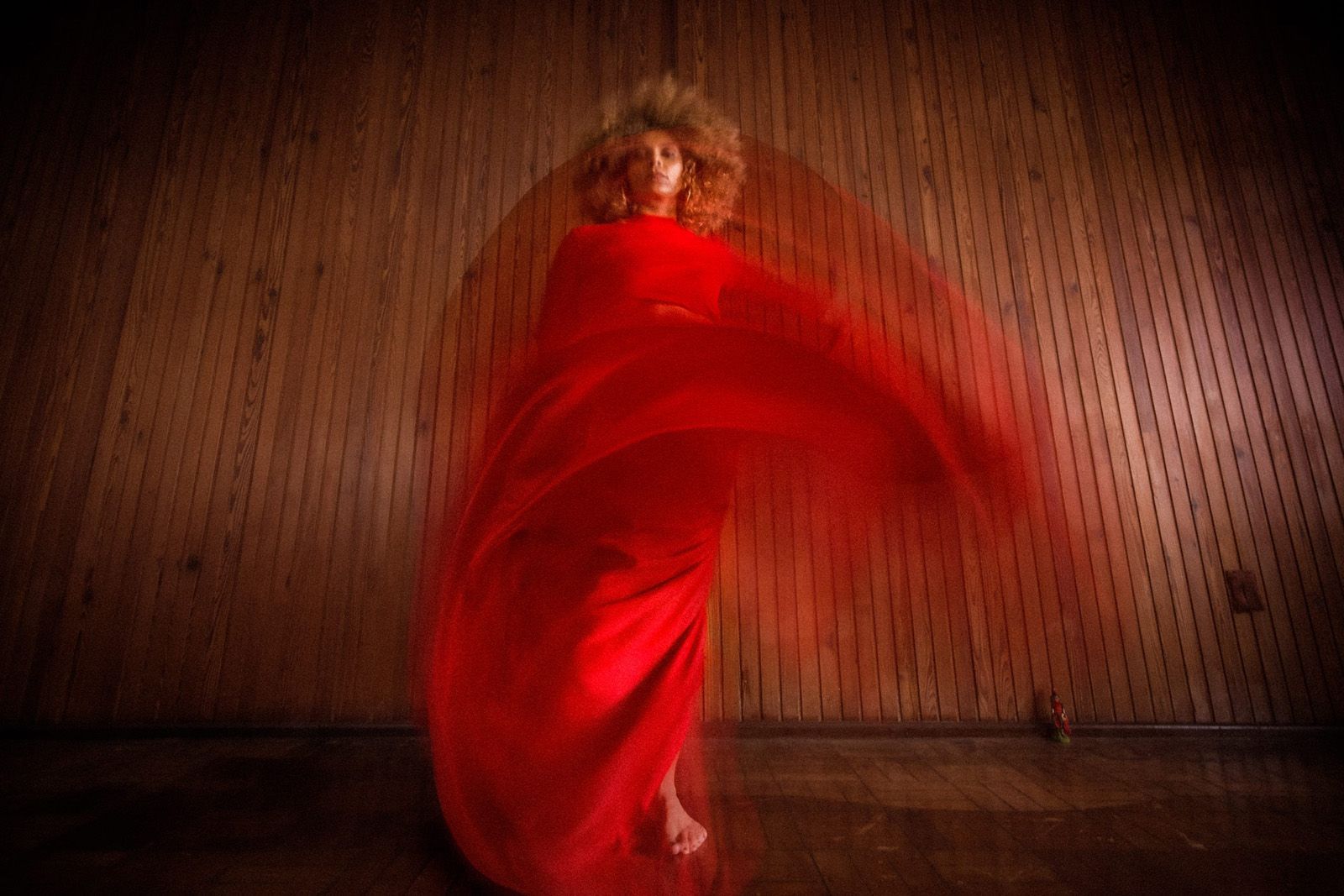
Keila Sankofa: Fictionalizing Gaps of the Past
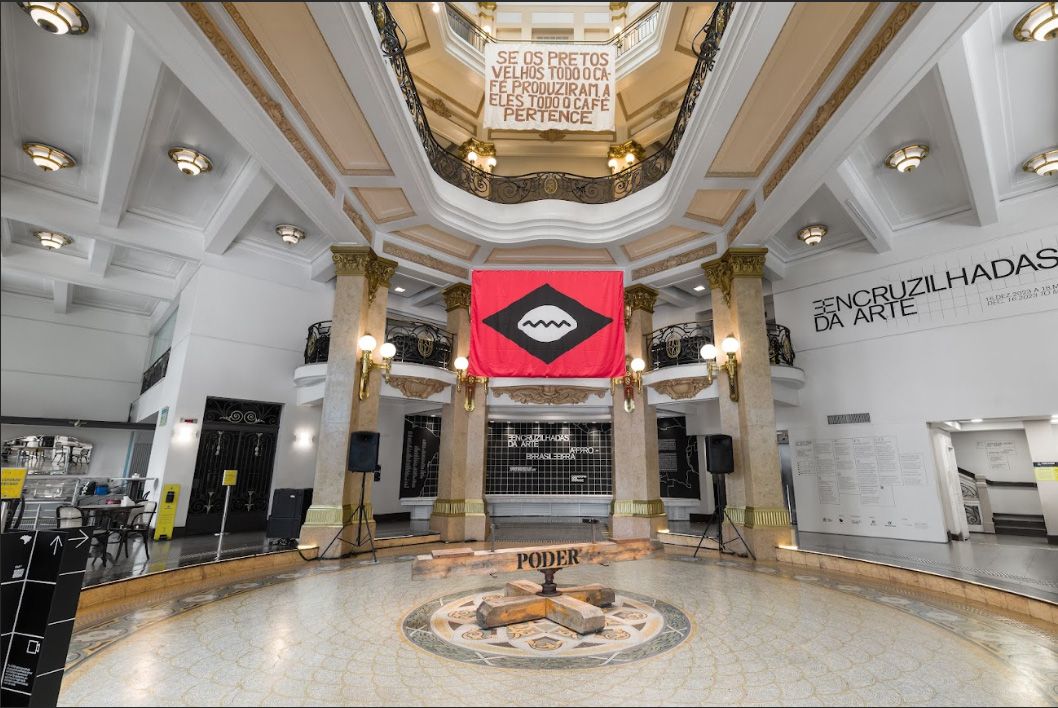
Crossroads of Afro-Brazilian Art
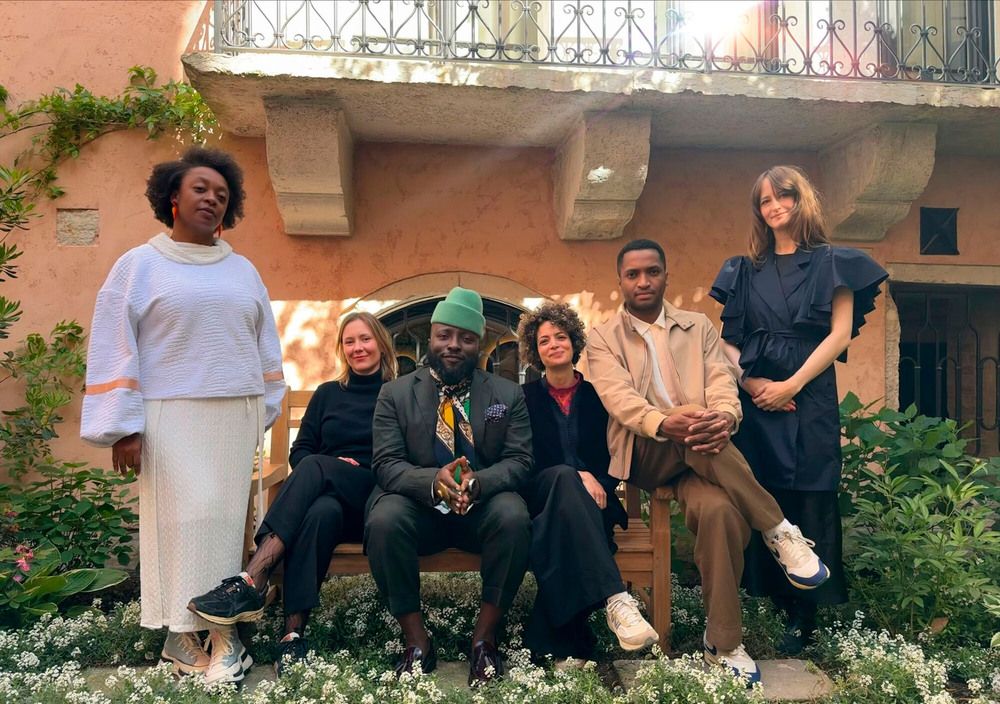
Conceptual Team for the 36th Bienal de São Paulo Announced