We're Still Here: Thero Makepe’s Visual Jazz
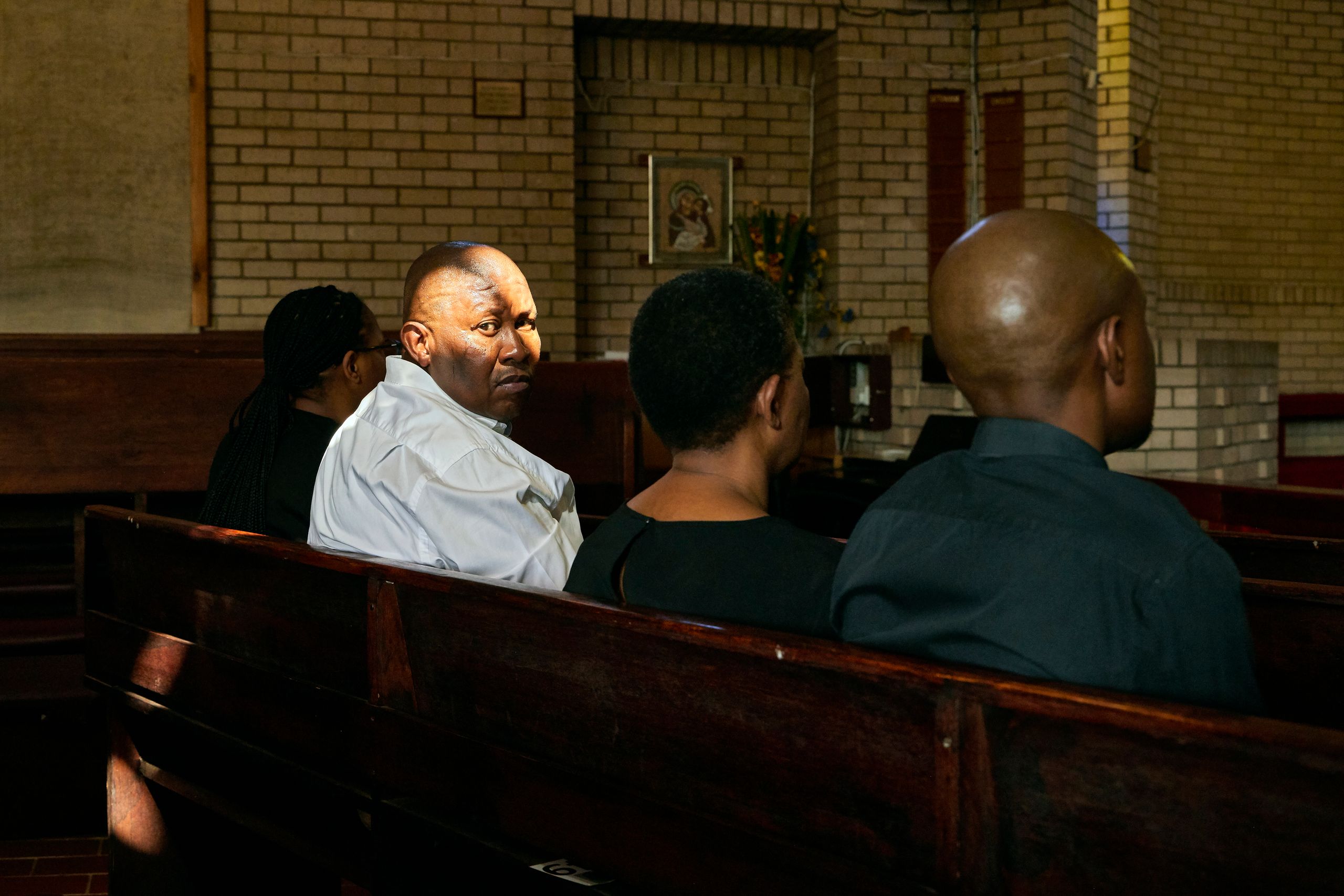
Thero Makepe, Kereke II, 2022. Courtesy of the artist.
Blending documentary intimacy with carefully staged fiction, Thero Makepe’s photography reanimates family memory as both personal archive and political reckoning. Drawing on his lineage shaped by exile, anti-apartheid activism, and unspoken grief, writer Vamika Sinha unpacks how the Botswana-born artist creates images that feel at once tender and theatrical.
The artist’s mother and sister sit by a bed, hands folded, gazes sombre, with his ailing grandmother swaddled in a soft sea-foam-colored blanket. In this portrait, we see through his eyes – inhabiting a close family moment yet peering from a slight spectating distance. A recording of the present with the theatrical sheen of what’s already past.
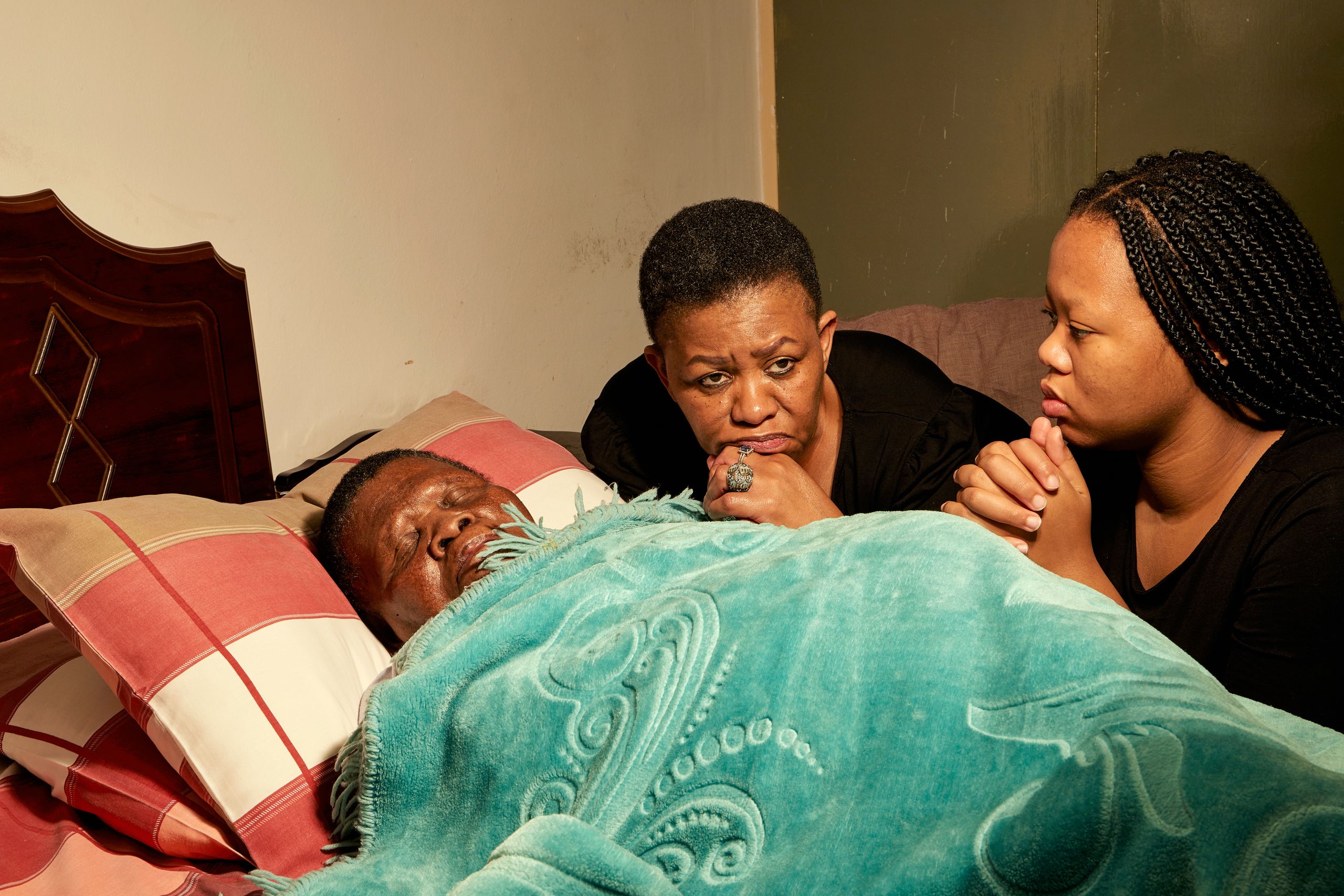
Thero Makepe, Daughter, Mother & Grandmother (1935- Present) II, 2020. Courtesy of the artist.
Thero Makepe’s work marbles documentary and staged photography to blend historical and emotional truths. While the documentary aspect of his practice is attentive to familiar cultural rituals or the quotidian, his staging highlights how we add tiny fictions to memories, re-narrativizing our lives. Often connecting his familial history with that of the South African apartheid regime, these quiet, observant images tease out a subtle drama like Renaissance paintings.
“I am someone who's always known what I wanted to do,” says the twenty-nine-year-old artist from Gaborone, Botswana. “I got into storytelling through my grandfather.” Hippolytus Mothopeng, a hobbyist jazz musician, fled South Africa in 1958 to settle in the more peaceful Botswana. He built a secure, comfortable life as a civil servant, continuing to perform jazz through the 1960s and 1970s. “He always wanted his offspring to continue that legacy,” Makepe says, “because he never got to record music. Then he fell blind.” Mothopeng never saw his grandson optically, though they shared a close relationship until he passed in 2012. Music from My Good Eye (2019), Makepe’s final BFA photography project at the University of Cape Town, became a ‘visual album’ that paid tribute to his grandfather and maternal lineage.
University lecturers pushed Makepe to learn more about his family’s activism. His maternal grandfather’s uncle, Zephaniah Mothopeng, was a Soweto schoolteacher turned anti-apartheid activist and eventual president of the Pan Africanist Congress of Azania. Makepe spoke to Zephaniah’s son about growing up with a revolutionary father, surveilled, investigated, and tortured by the state. It’s an outcome Makepe’s mother avoided as her father migrated to Botswana, though this resulted in the alienation of exile – especially as being Motswana can be heavily predicated upon your land and home village. These diverging family trajectories led him to expand his project’s scope, naming it: We Didn’t Choose To Be Born Here. In early 2025, it formed his titular solo show at Lemkus Gallery.
These narratives are reminiscent of Walter Salles’ brilliant 2024 film I’m Still Here, which chronicles the familial aftermath of the forced disappearance of dissident congressman Rubens Paiva during the 1970s military dictatorship in Brazil. Based on a memoir by Paiva’s son, the film braids an electrifying soundtrack with the grief, joy, and resilience of those left behind in the wake of a shattering political and personal trauma. In Makepe’s context, family and friends are his willing band of actors, helping him re-perform shared histories. It’s been a healing process, slowly unblocking silences. “They've never really spoken about their lives,” Makepe says, “The things they've been through haven’t been well documented.”
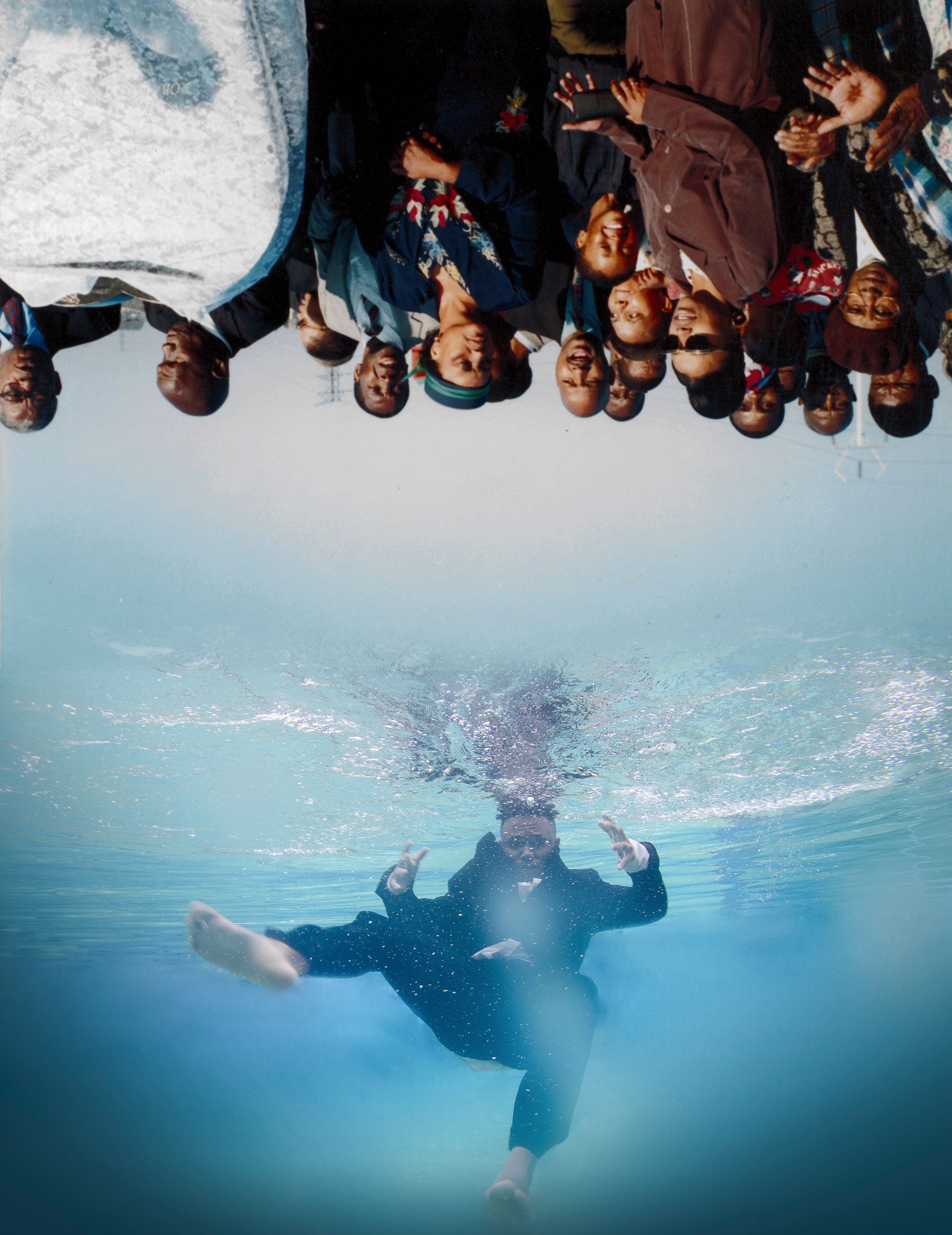
Thero Makepe, Re A Hlopela (Tombstone Unveiling), 2019. Courtesy of the artist.
This complicated relationship between ancestry and self, the necessity of improvising above a bass line already chosen for you at birth, is stunningly expressed in the image Re A Hlopela (Tombstone Unveiling) (2019). Makepe is submerged underwater, dropped in with the suddenness of being born. The water’s sharp glass ripples with his impact; it is unclear if he will drown or become buoyant. His family members, attending a funeral, are gathered at the top of the image. Shown upside down, they hover spectrally. The sun warms their faces while the cloudless sky seeps into the blue depths of the water below, lending new meaning to the image’s horizon. It is a self-portrait and a family portrait, implying that the two are artistically and philosophically inextricable from each other.
It is a self-portrait and a family portrait, implying that the two are artistically and philosophically inextricable from each other.
Makepe’s work also chips at a temperate, nearly bovine national image, highlighting intricacies around migration, gender, capitalism, identity, and governance in Botswana that are not openly discussed. His most recent project, It’s Not Going To Get Better, shown at Vela Projects, focuses on feelings of stagnation among Gaborone’s stratified classes – what he calls “counter-propaganda” against the dominant sterile narratives of a stable democratic economy. Botswana has very limited arts infrastructure, lacking contemporary art galleries, museums, and institutions. When asked what initially brought him to art, Makepe cites internet subcultures and anime. “In anime, characters would die,” he says. “They wouldn’t be afraid to show blood. That was more attractive than watching Spider-Man, where there's no consequences – the hero’s always going to remain. He's always going to conquer every battle.”
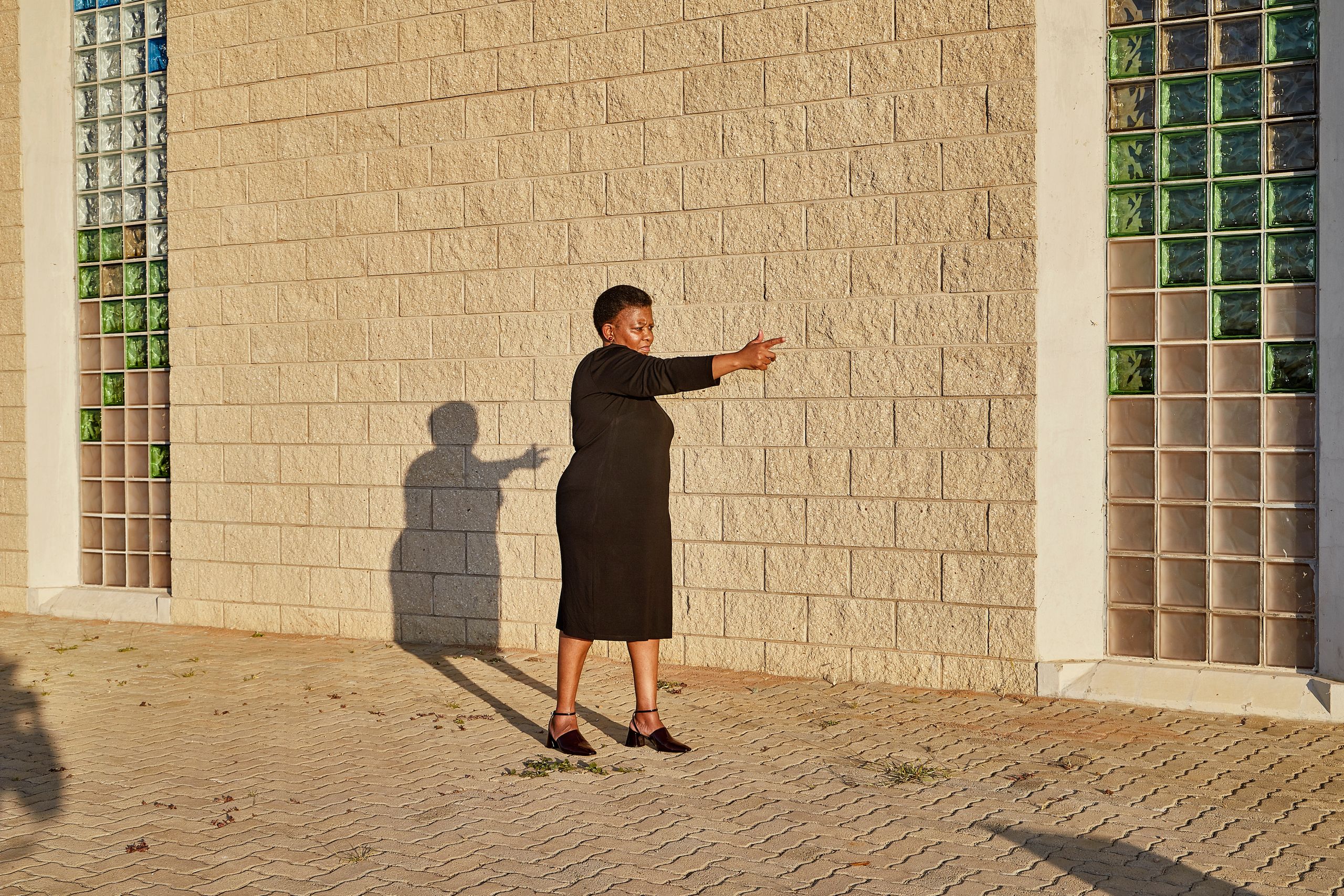
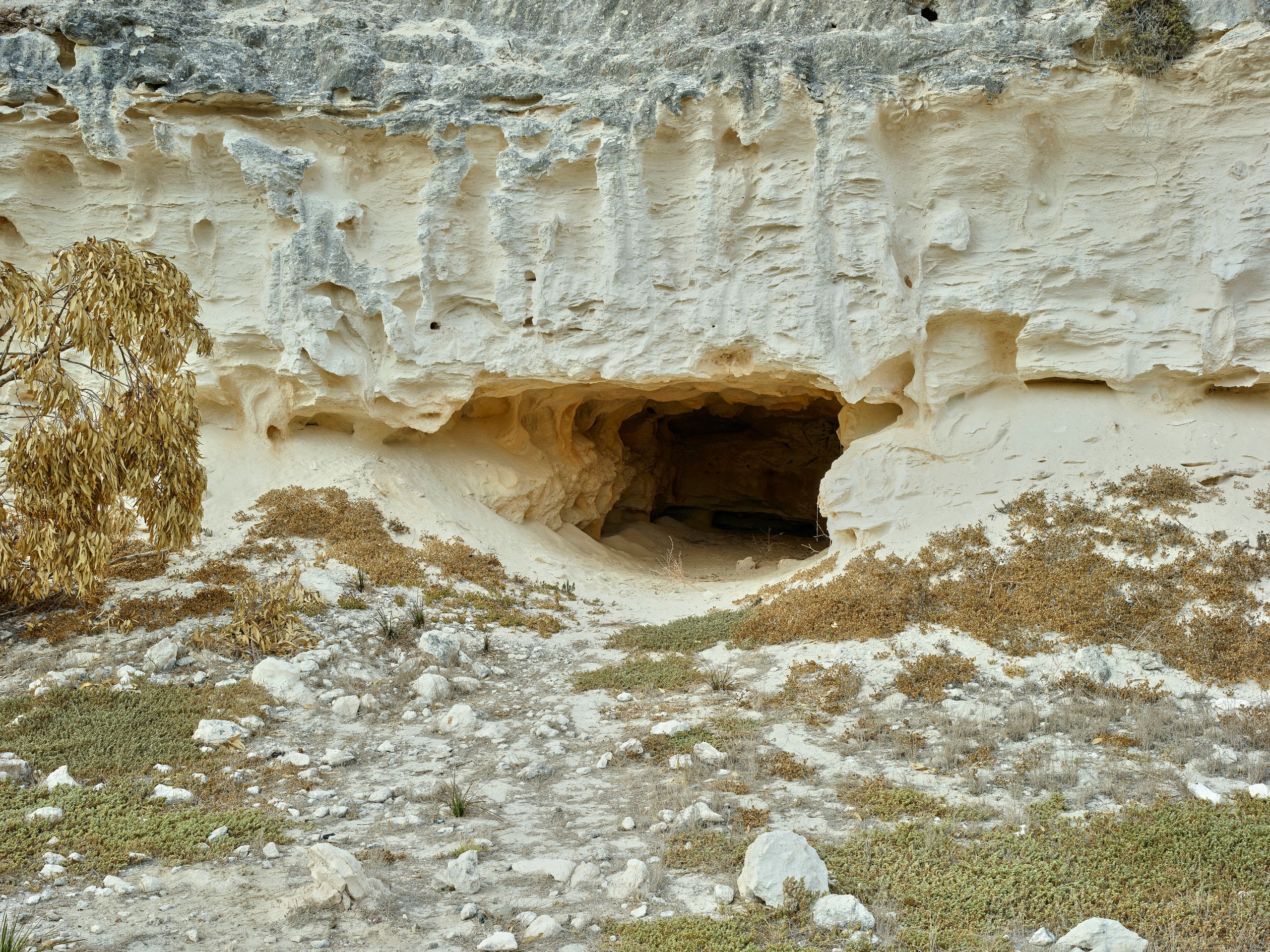
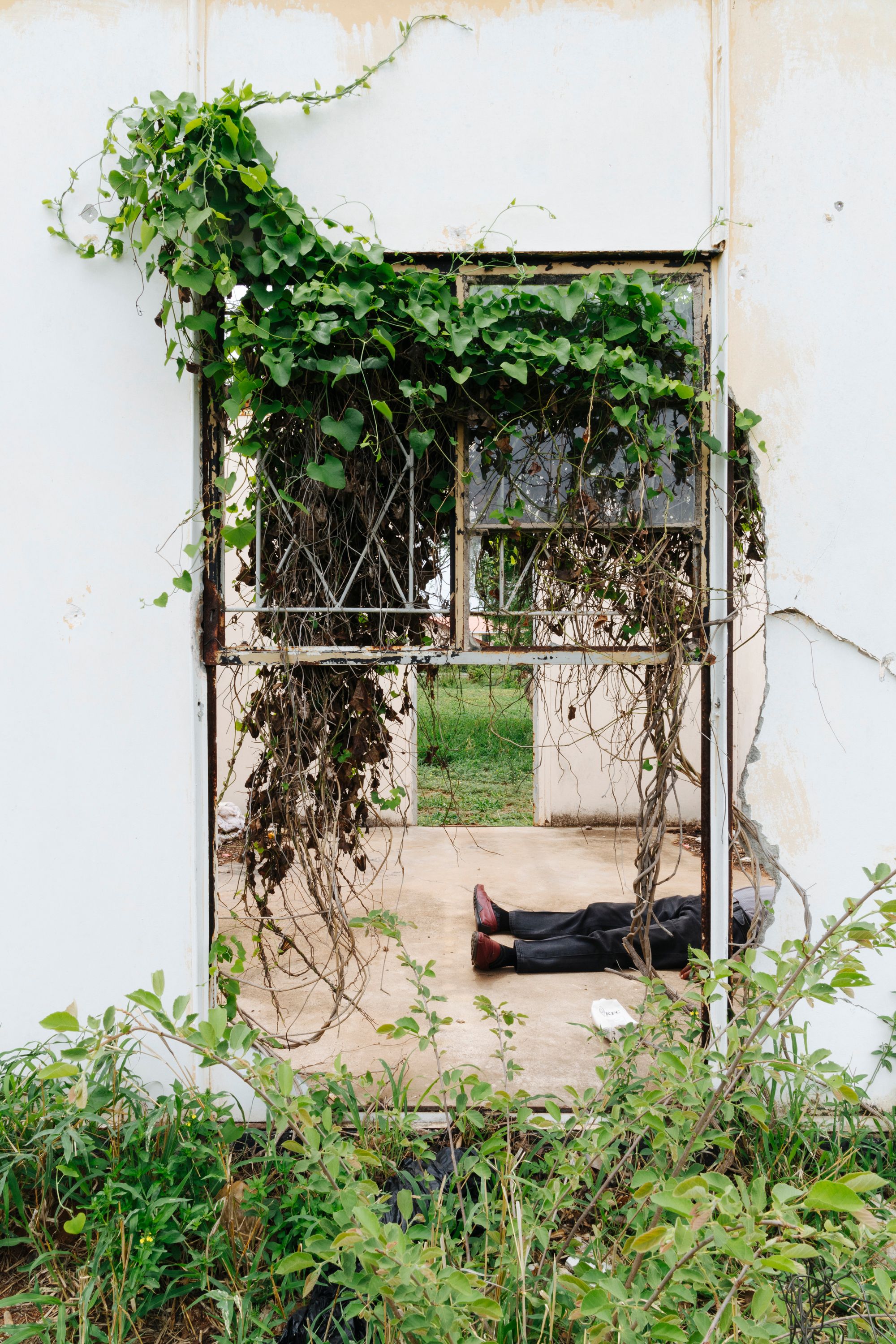
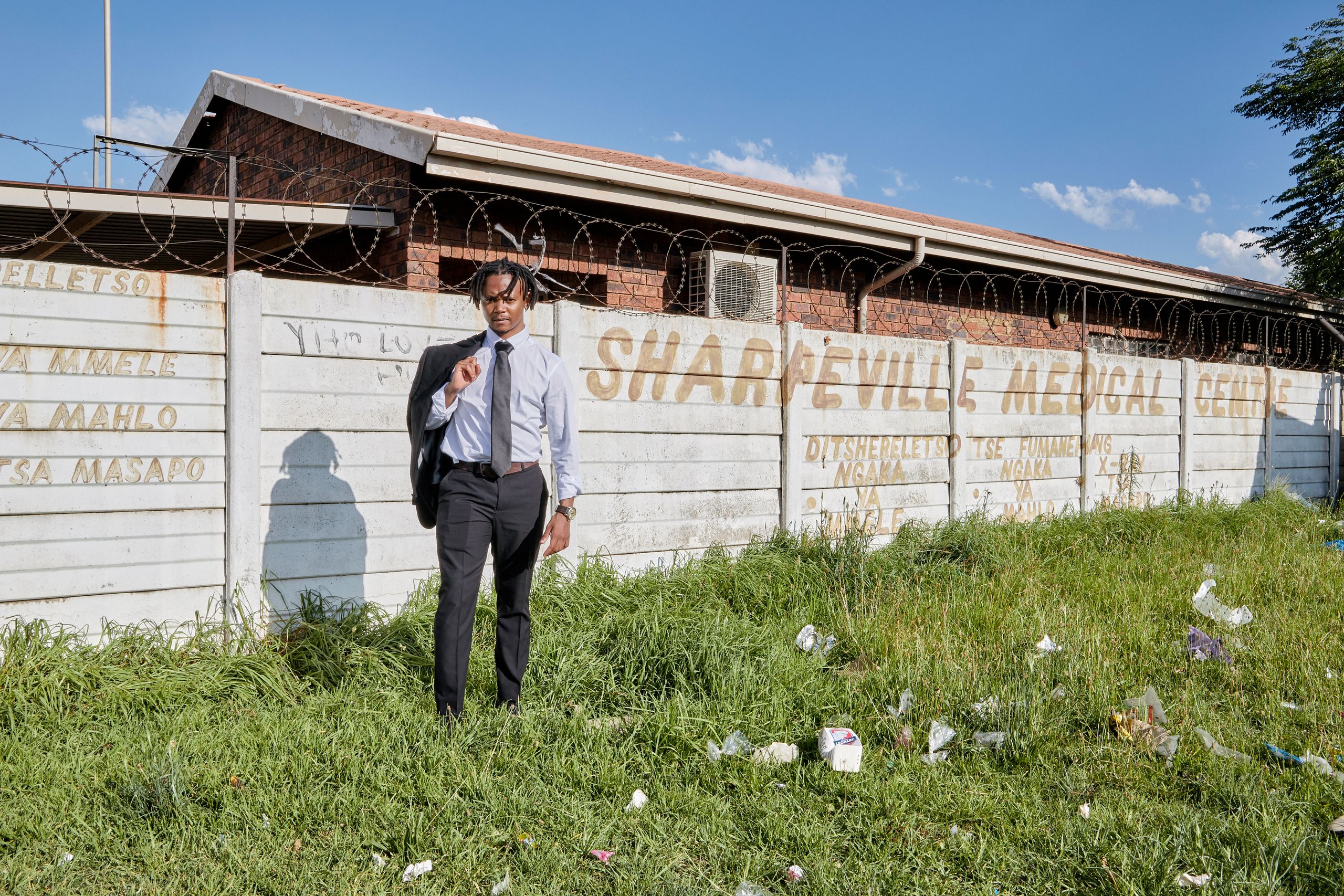
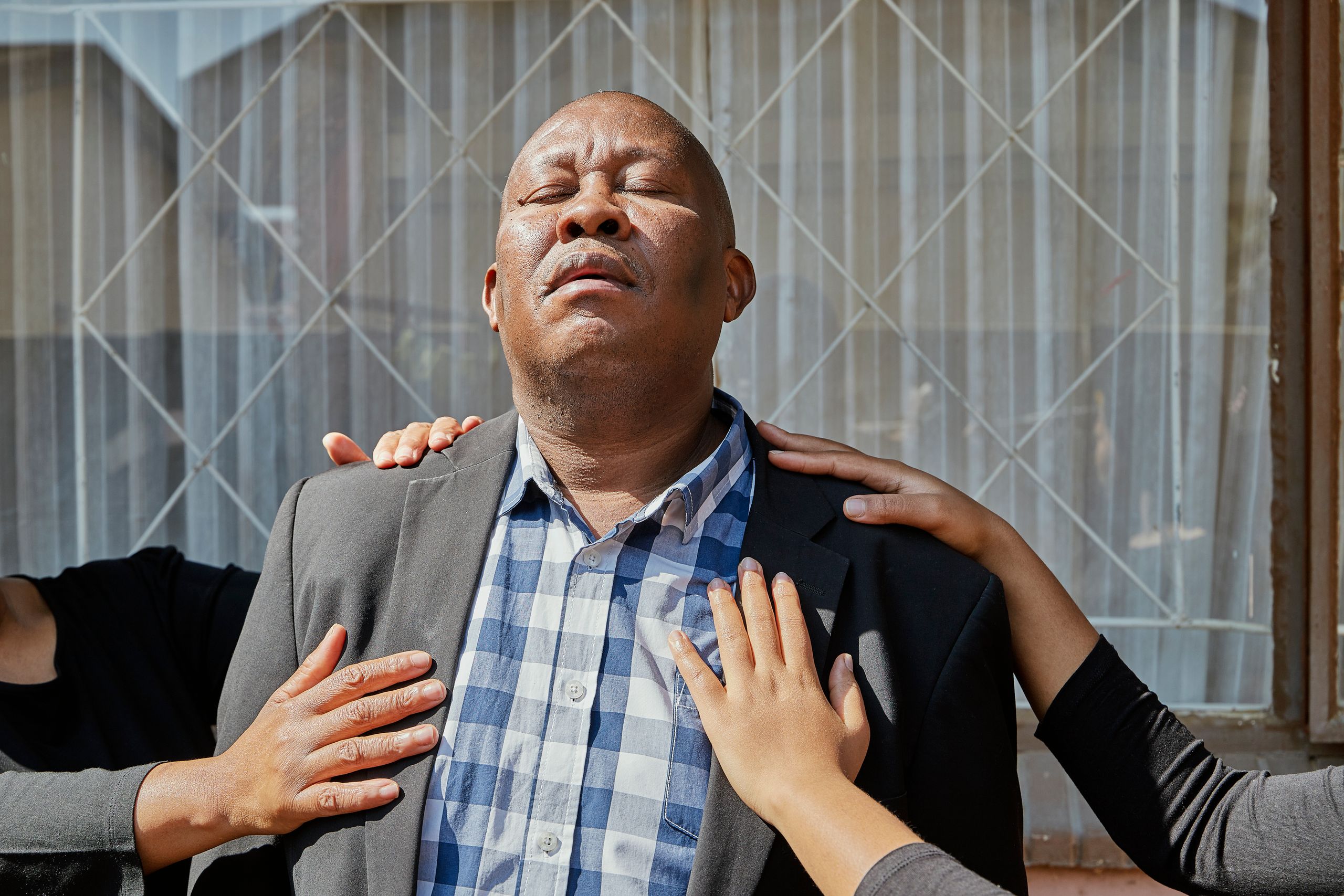
When someone showed him Chris Ofili’s No Woman, No Cry, a 1998 painting of Doreen Lawrence, the mother of Black British teenager Stephen Lawrence who was killed in a racist attack, Makepe thought: “You can actually make art about death – about something that's beyond yourself but is also an event or moment that lives in the memories of so many other people.” At university, Makepe had near-death experiences as Rhodes Must Fall and Fees Must Fall – powerful student-led movements for improving access to and decolonizing education – swelled around him. In his unfolding bodies of work, we see how politics and aesthetics crystallize. “I feel a sense of responsibility to accurately represent the African socialist and Pan-African politics my family was involved in,” he says, “ensuring they’re not diluted or co-opted.”
Vamika Sinha is a writer and arts and culture critic based in London, and deputy editor at Wasafiri. She grew up in Botswana. Find her at vamikasinha.com.
About the author
Vamika Sinha
Situating AI: Conversations on African Ecosystems
The Artist Residency Centre (ARC) in Botswana
Seed Archives: Thabo Weaves a Cocoon for Listening
Naafia Naahemaa: What Appears Solid Is Already In Motion
C& Highlights of 2025