The Barbican Centre presents Project A Black Planet: The Art and Culture of Panafrica

Sanlé Sory, Mali Djeli, 1984 © Sanlé Sory. Courtesy Yossi Milo, New York
26 May 2026
Magazine C&
4 min read
This summer (June to September 2026), the Barbican Centre in London presents a major international exhibition examining the influence of Pan-Africanism on artistic and cultural production. Titled Project a Black Planet: The Art and Culture of Panafrica, it is set to make a significant institutional mark, engaging these histories at a time when the conditions under which artists and ideas in this lineage continue to fundamentally challenge and shape London’s cultural landscape.
The exhibition forms a central highlight of the Barbican’s summer season and extends beyond the Gallery into a Centre-wide programme of more than thirty events spanning art, cinema, music, performance, talks and public gatherings, bringing together artists, thinkers and communities from across the African continent and its global diasporas.
Spanning over a century to the present day, the exhibition brings together more than 300 works—including painting, sculpture, installation, photography, film, posters, journals and ephemera—produced across Africa, Brazil, the Caribbean, North America and Western Europe.
While Pan-Africanism has long been recognised as a galvanising force in twentieth-century sociopolitical history, Project a Black Planet is the first exhibition to consider both its impact on visual culture and the critical role of artists in shaping Pan-African visions. Coined around 1900, Pan-Africanism describes political and philosophical movements advocating self-determination, anti-colonial resistance and transnational solidarity among peoples of African descent.
In Project a Black Planet, “Panafrica” appears not as fixed geography but as a shifting conceptual terrain where rupture, dissent and collective imagination converge toward emancipatory futures. Rather than mapping a territory, the exhibition proposes a constellation through which the planet itself is reimagined.
The exhibition brings into dialogue academically trained and self-taught practices, experimental and popular sonic forms, political and poetic speech, and printed matter—from posters and magazines to pamphlets and newspapers—that have shaped the circulation of Pan-African ideas.
Across the Upper Galleries, the exhibition traces key formations including Garveyism, Quilombismo and Négritude: Garveyism’s projection of a symbolic return to Africa and a parallel Black world grounded in autonomy and dignity; Quilombismo as a philosophy of resistance rooted in self-determination and Indigenous knowledges; and Négritude’s assertion of African and Afro-Caribbean cultural production within modernism.
In the Lower Galleries, large-scale installations extend these trajectories into themes of protest and memory, subjectivity and interiority, ancestry and homage, bringing post-independence and revolutionary contexts into dialogue across the Atlantic world.
As the exhibition unfolds, it turns toward interiority, considering the private realm as a site of refuge and renewal, where inner freedom and collective organisation become inseparable.
Highlights include works by David Hammons, Chris Ofili, Wifredo Lam, Marlene Dumas, Magdalene Odundo, Simone Leigh, Liz Johnson Artur, Kader Attia, Farid Belkahia, Bertina Lopes, Inji Efflatoun, Claudette Johnson, Ingrid Pollard, and many others, alongside printed matter from W.E.B. Du Bois’ The Souls of Black Folk (1903) to Angela Y. Davis’ If They Come in the Morning (1971) and EBONY magazine.
Extending beyond the Gallery, the accompanying public programme, Project a Black Planet Season, takes place across 50 events spanning art, cinema, music, talks, and more. It responds directly to the exhibition’s themes, bringing together artists, thinkers, and communities from across the African continent and its global diasporas, extending the exhibition’s concerns into a wider public and discursive space.
The exhibition is co-organised by the Art Institute of Chicago and MACBA Museu d’Art Contemporani de Barcelona, both of which previously hosted the exhibition in their respective venues, in collaboration with the Barbican Centre and KANAL–Centre Pompidou. The exhibition is generously supported by the Calouste Gulbenkian Foundation (UK Branch).
It is curated by Antawan I. Byrd (The Art Institute of Chicago / Northwestern University), Adom Getachew (University of Chicago), Elvira Dyangani Ose (MACBA), and Matthew S. Witkovsky (The Art Institute of Chicago).
Project a Black Planet: The Art and Culture of Panafrica
11 June – 6 September 2026
5 June – 6 September 2026
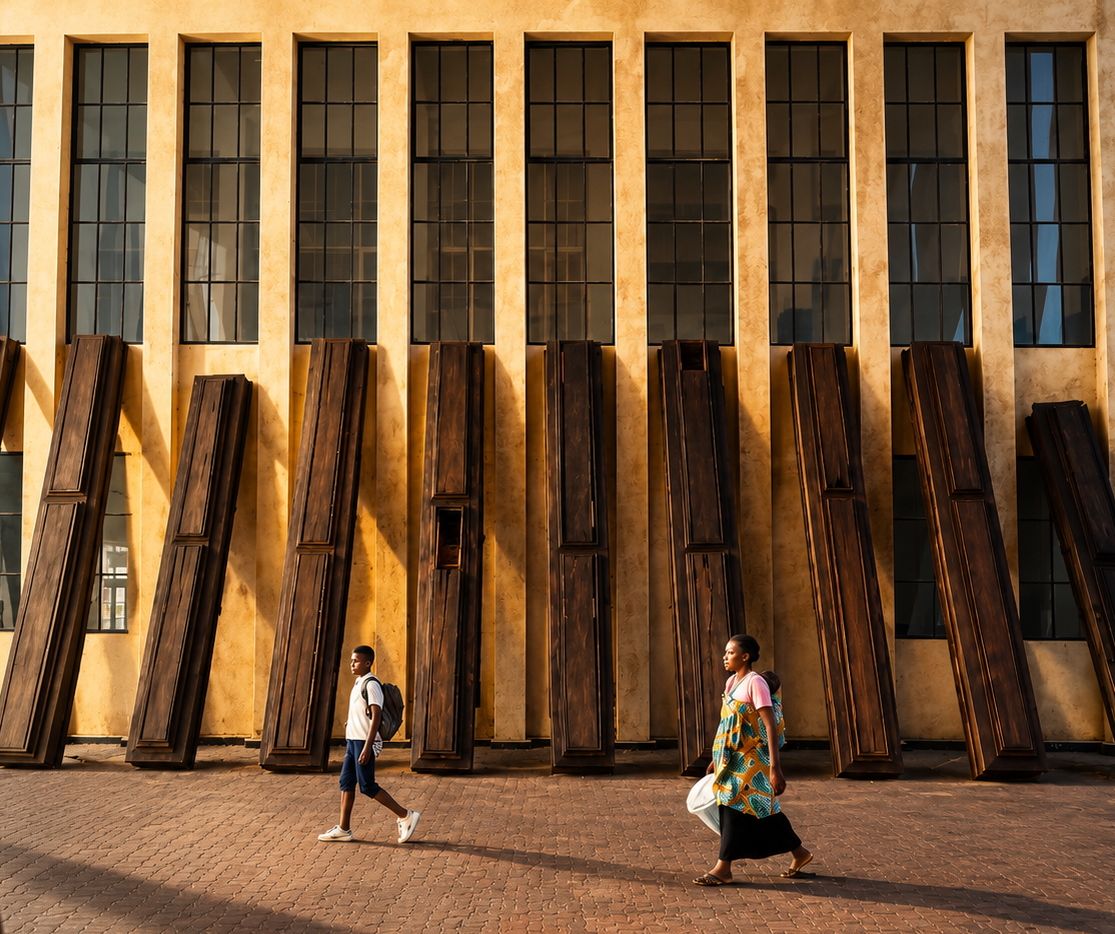
Picha and The Lubumbashi Biennale: Sustaining Artistic Infrastructures
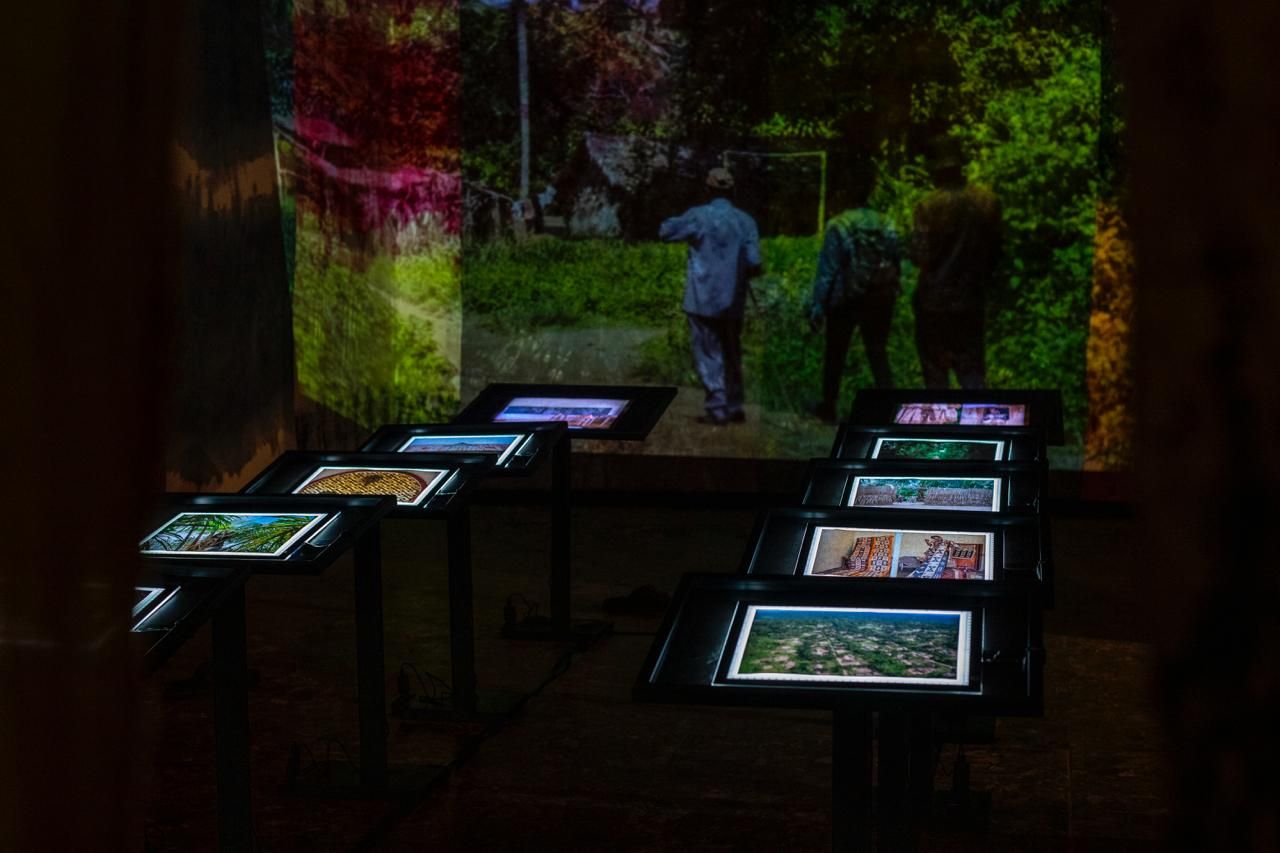
The S+T+ARTS Afropean Intelligence Archive
Tanka Fonta wins the Wi Di Mimba Wi Prize 2026
Melvin Edwards (1937–2026)
Pre-Sale! C& Artists’ Editions #6: Thenjiwe Niki Nkosi