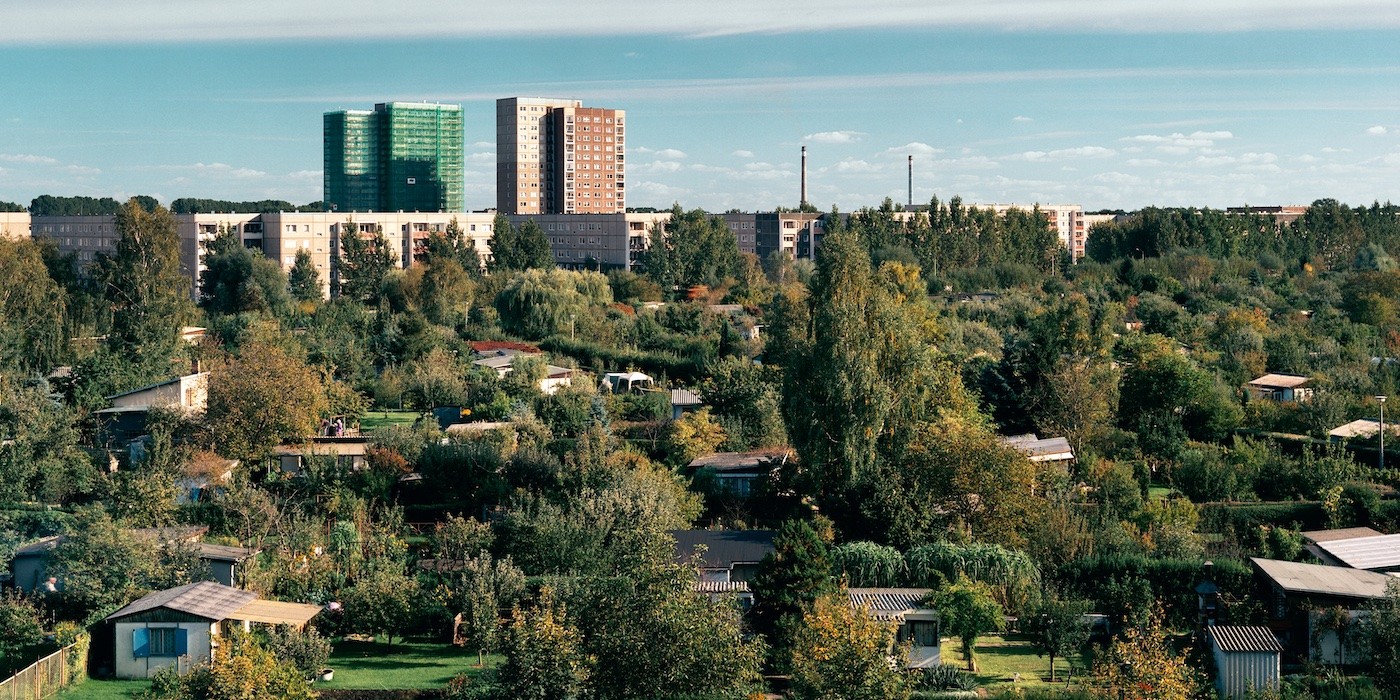
Tristany Mundu, still from City around the City, 2025 © Hugo Barros
Installation View
Stan Douglas: Potsdamer Schrebergärten
With its inaugural exhibition "Potsdamer Schrebergärten" by Stan Douglas, MINSK open its doors to the public in August 2022 in Potsdam Germany.
During his one-year residency with the DAAD in Berlin, Stan Douglas captured the city of Potsdam immediately after the fall of the Berlin Wall in documentary form: Sacrow, the area around Sanssouci, and the Schlaatz housing estate. This series Potsdamer Schrebergärten (1994/95) captures moments of transition: an abandoned dacha, a former wall fence, gardens that have since disappeared; a “Trabbi” (an East German–produced car) parked before a Kleingarten site.
Stan Douglas, born 1960 in Vancouver, is a visual artist. He is considered one of the most significant representatives of time-based media art. His films and photographs have been included in exhibitions internationally since the early 1980s, including at Documenta IX, X, and XI (1992, 1997, 2002) and in five Venice Biennales 1990, 2001, 2005, 2019, and 2022 representing Canada. He lives and works in Vancouver and Los Angeles.
The former terrace restaurant »Minsk«, built in the 1970s in the modernist style of the GDR, has become a place of encounter between modern and contemporary art—and between people. Artworks from the former GDR, which are part of the Hasso Plattner Collection, will be shown here in new contexts.
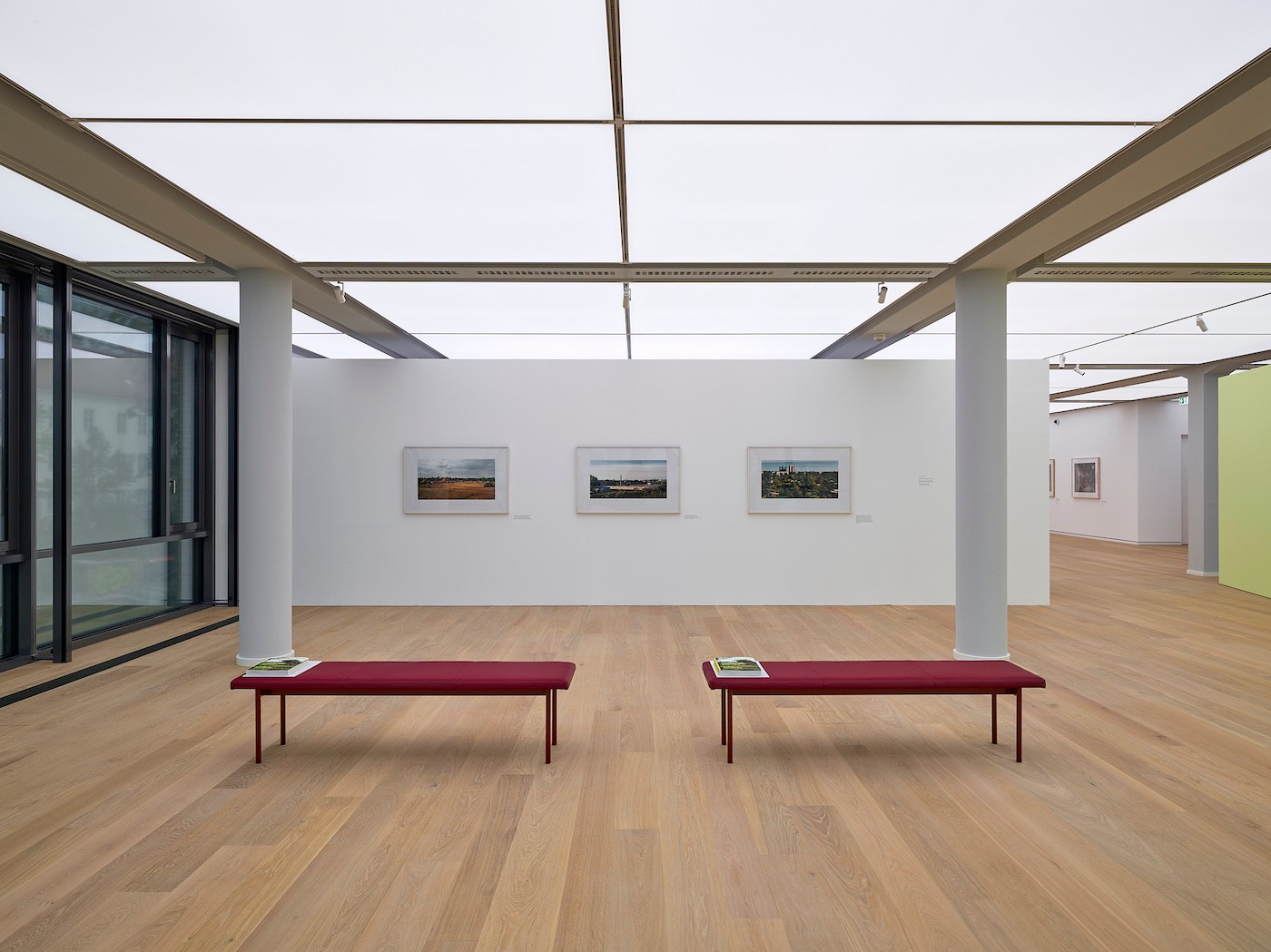
STAN DOUGLAS, INSTALLATION VIEW OF THE EXHIBITION STAN DOUGLAS: POTSDAMER SCHREBERGÄRTEN, DAS MINSK KUNSTHAUS IN POTSDAM 2022. © STAN DOUGLAS, COURTESY THE ARTIST, VICTORIA MIRO AND DAVID ZWIRNER; PHOTO: LADISLAV ZAJAC
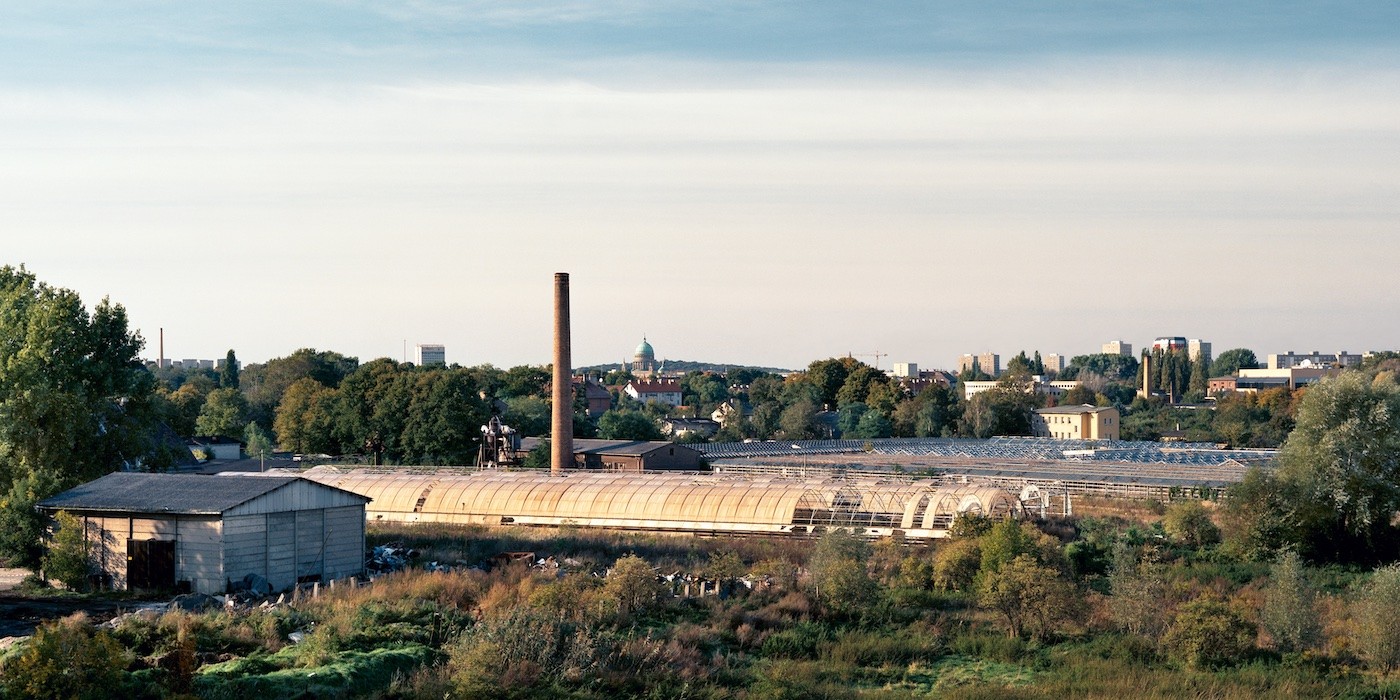
STAN DOUGLAS, ABANDONED GARTENBAUAMT GREENHOUSES, AM SCHLAATZ, 1994/95, FROM THE SERIES POTSDAMER SCHREBERGÄRTEN, 15 PARTS. HASSO PLATTNER COLLECTION, © STAN DOUGLAS, COURTESY THE ARTIST, VICTORIA MIRO AND DAVID ZWIRNER
In Suriname and other Afro-descendant cultures, the color blue symbolizes the divine and the transcendent. It was believed to offer protection against evil spirits. Yet, it also points to the darker side of history, as indigo production fueled colonialism and slavery in the 18th century.
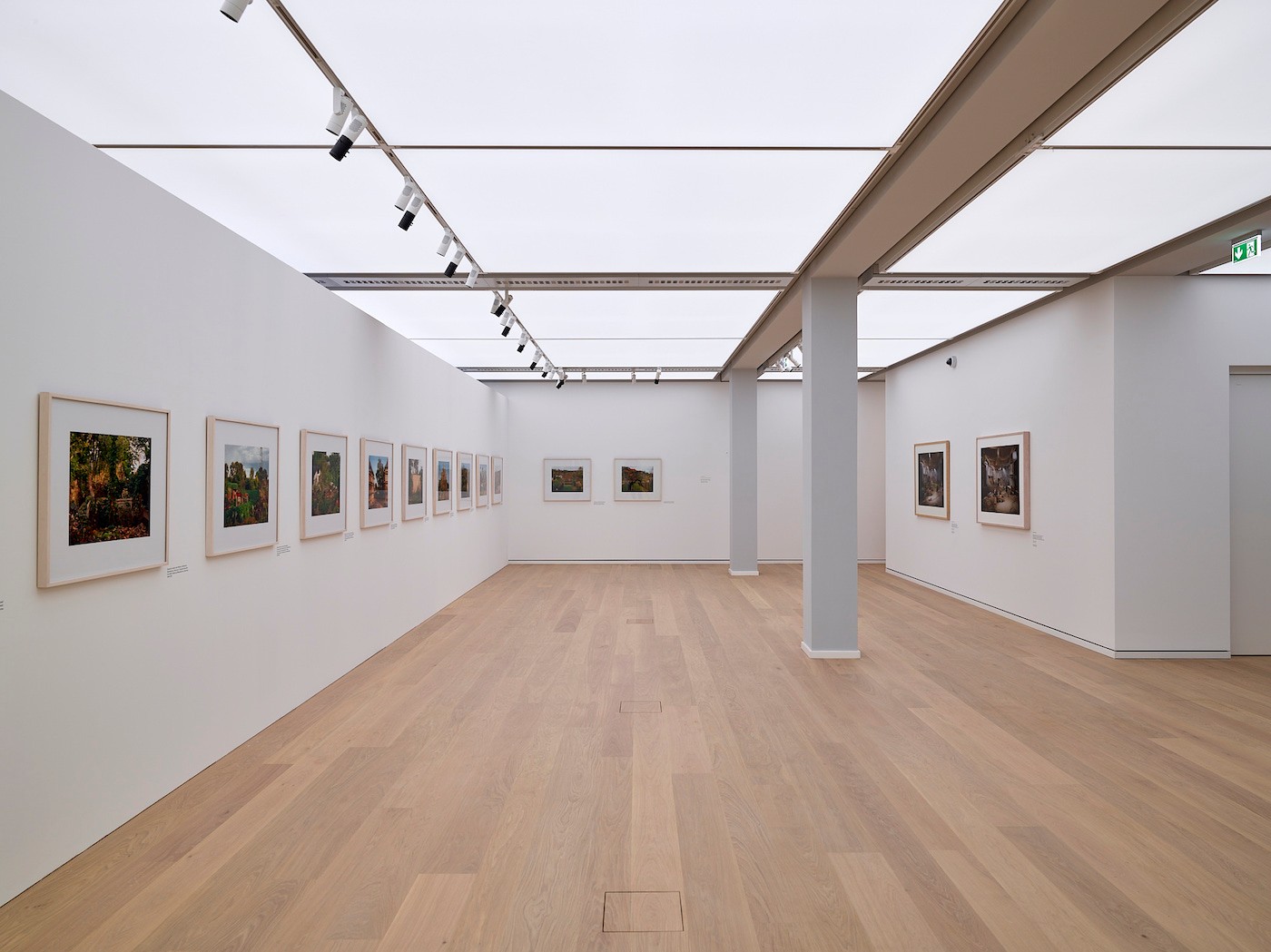
STAN DOUGLAS, INSTALLATION VIEW OF THE EXHIBITION STAN DOUGLAS: POTSDAMER SCHREBERGÄRTEN, DAS MINSK KUNSTHAUS IN POTSDAM 2022. © STAN DOUGLAS, COURTESY THE ARTIST, VICTORIA MIRO AND DAVID ZWIRNER; PHOTO: LADISLAV ZAJAC
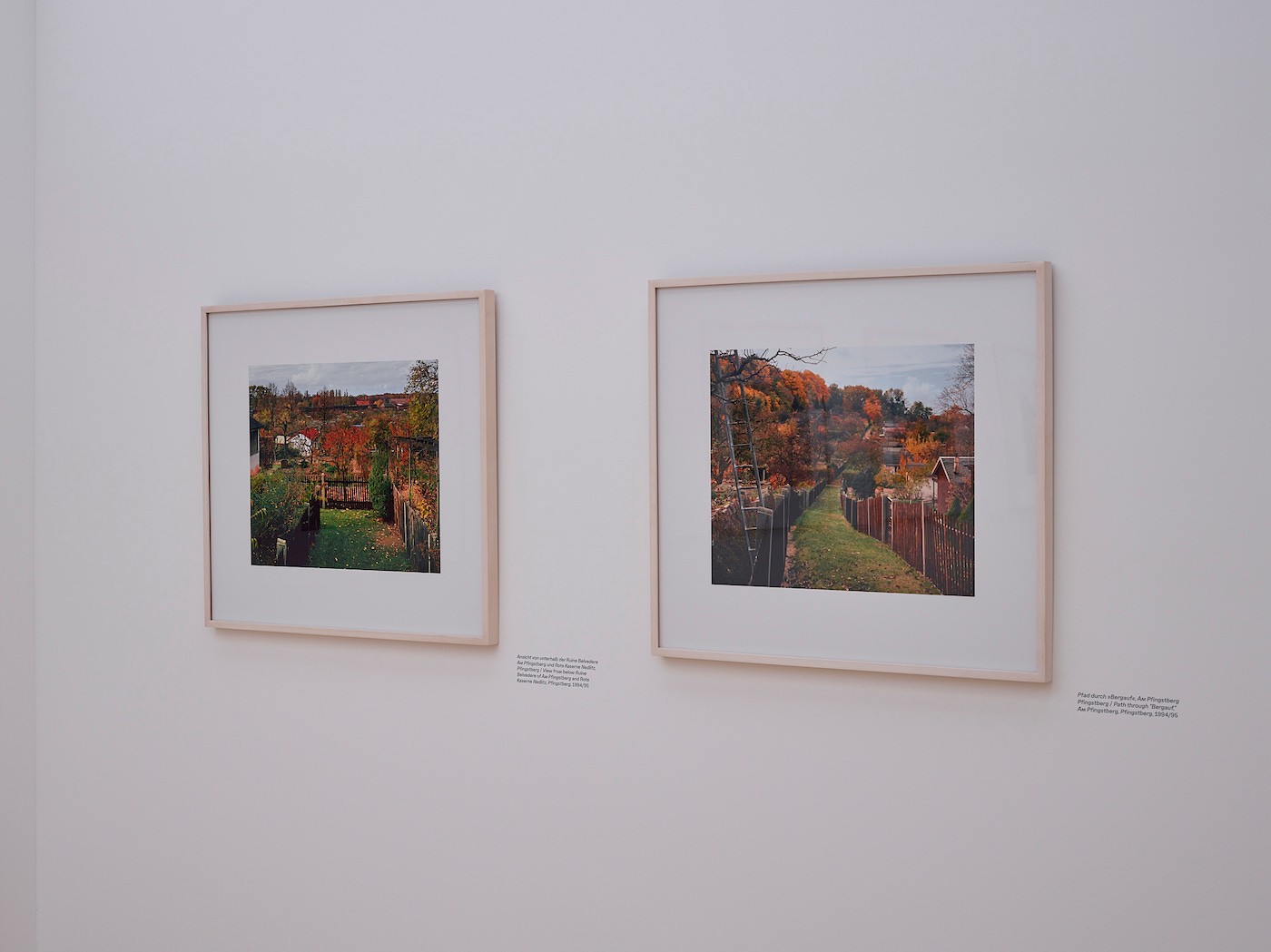
STAN DOUGLAS, INSTALLATION VIEW OF THE EXHIBITION STAN DOUGLAS: POTSDAMER SCHREBERGÄRTEN, DAS MINSK KUNSTHAUS IN POTSDAM 2022. © STAN DOUGLAS, COURTESY THE ARTIST, VICTORIA MIRO AND DAVID ZWIRNER; PHOTO: LADISLAV ZAJAC
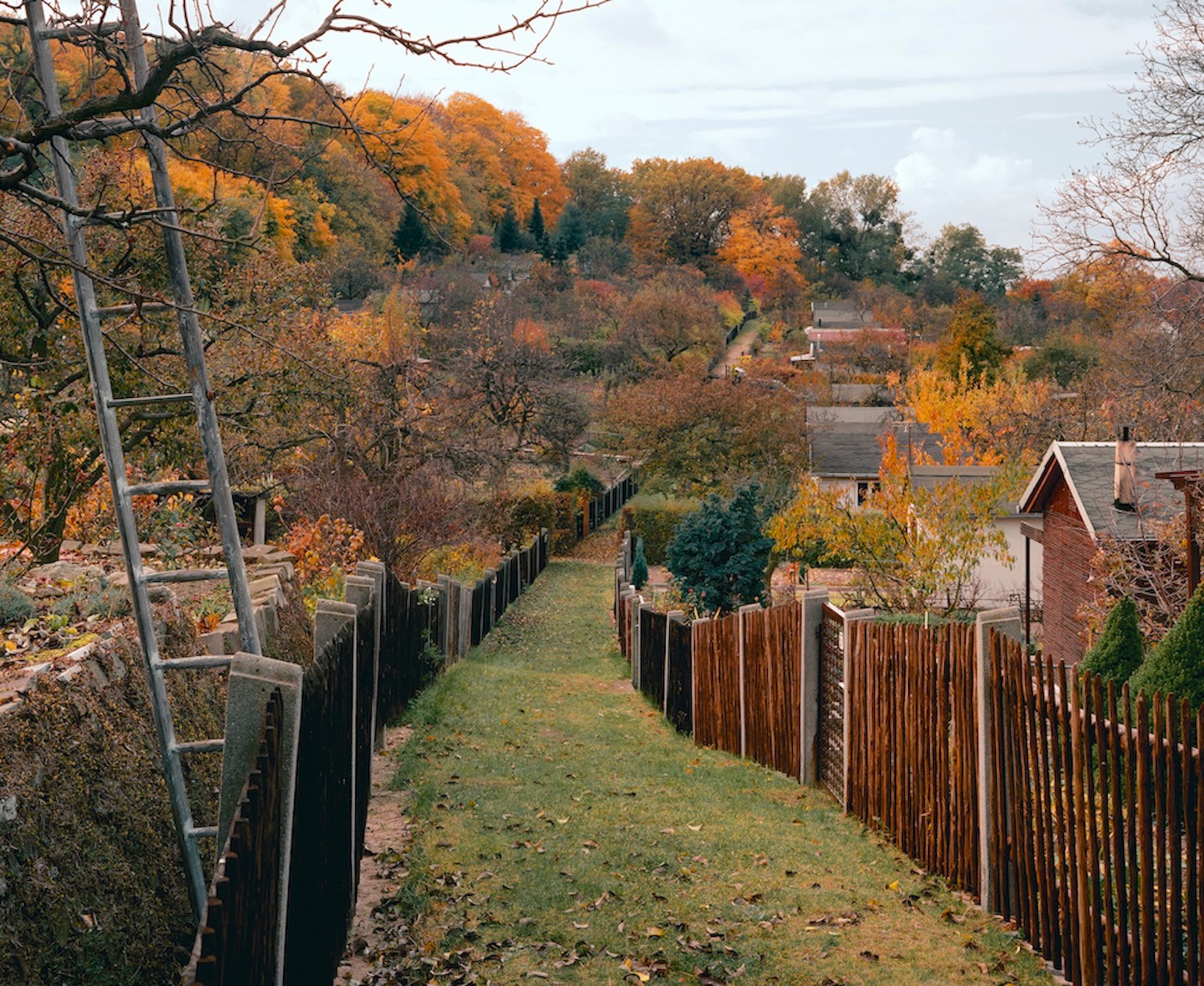
STAN DOUGLAS, PATH THROUGH “BERGAUF”, AM PFINGSTBERG, PFINGSTBERG, 1994/95, FROM THE SERIES POTSDAMER SCHREBERGÄRTEN, 15 PARTS. HASSO PLATTNER COLLECTION, © STAN DOUGLAS, COURTESY THE ARTIST, VICTORIA MIRO AND DAVID ZWIRNER
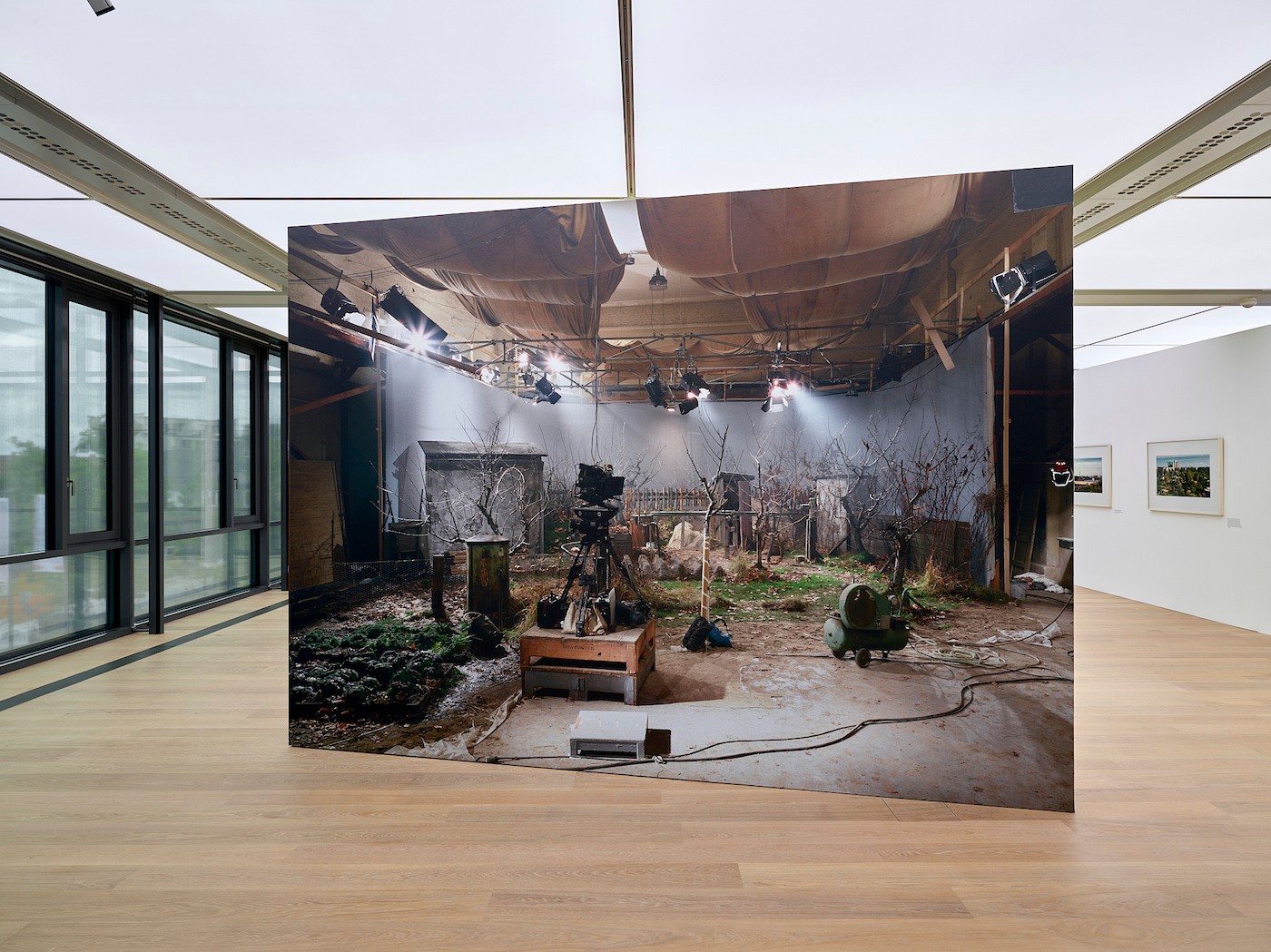
STAN DOUGLAS, INSTALLATION VIEW OF THE EXHIBITION STAN DOUGLAS: POTSDAMER SCHREBERGÄRTEN, DAS MINSK KUNSTHAUS IN POTSDAM 2022. © STAN DOUGLAS, COURTESY THE ARTIST, VICTORIA MIRO AND DAVID ZWIRNER; PHOTO: LADISLAV ZAJAC
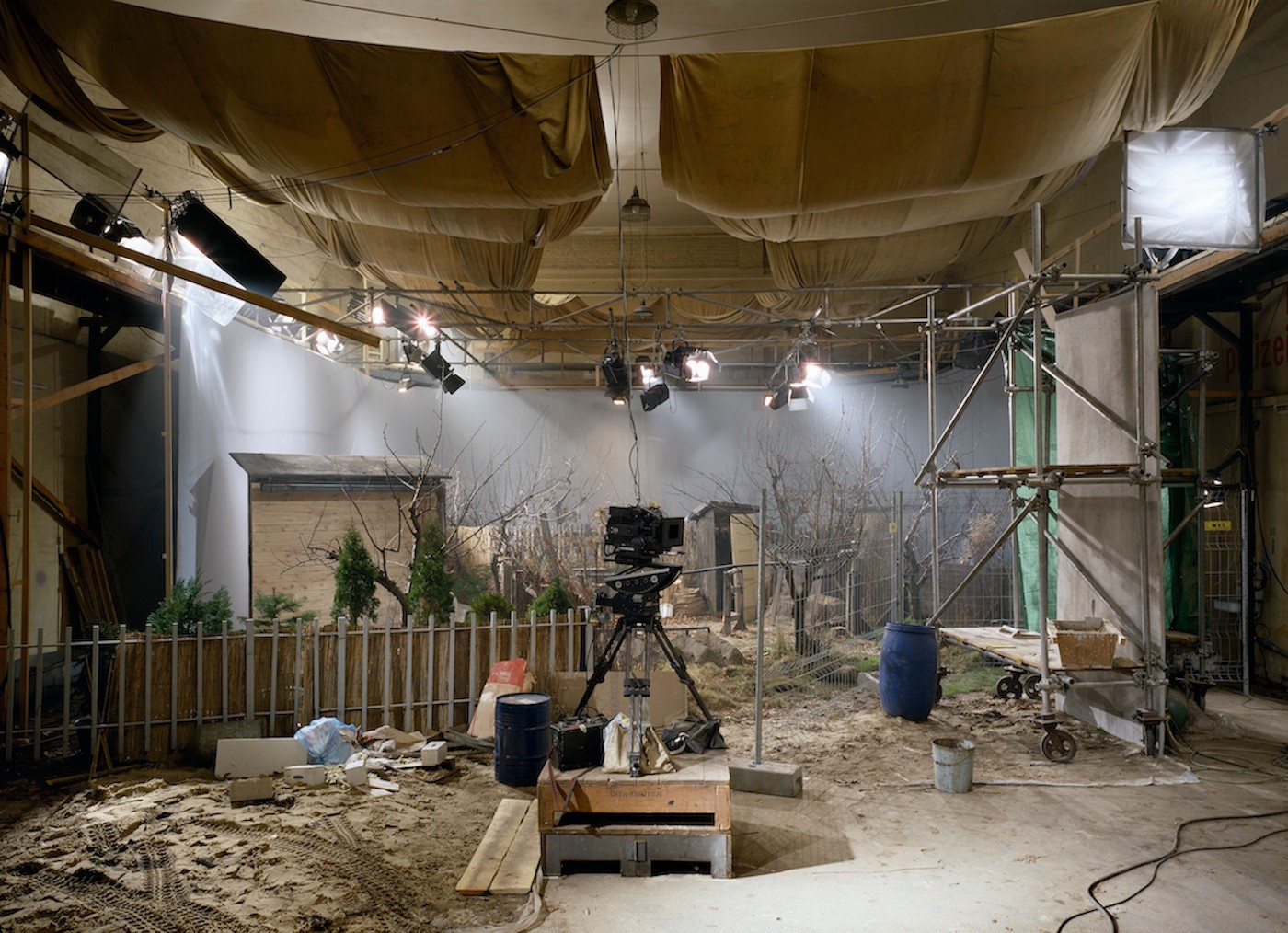
STAN DOUGLAS, DER SANDMANN SET PHOTOS: CONTEMPORARY SET, DOKFILM STUDIOS, POTSDAM, BABELSBERG, 1994. © STAN DOUGLAS, COURTESY THE ARTIST, VICTORIA MIRO AND DAVID ZWIRNER
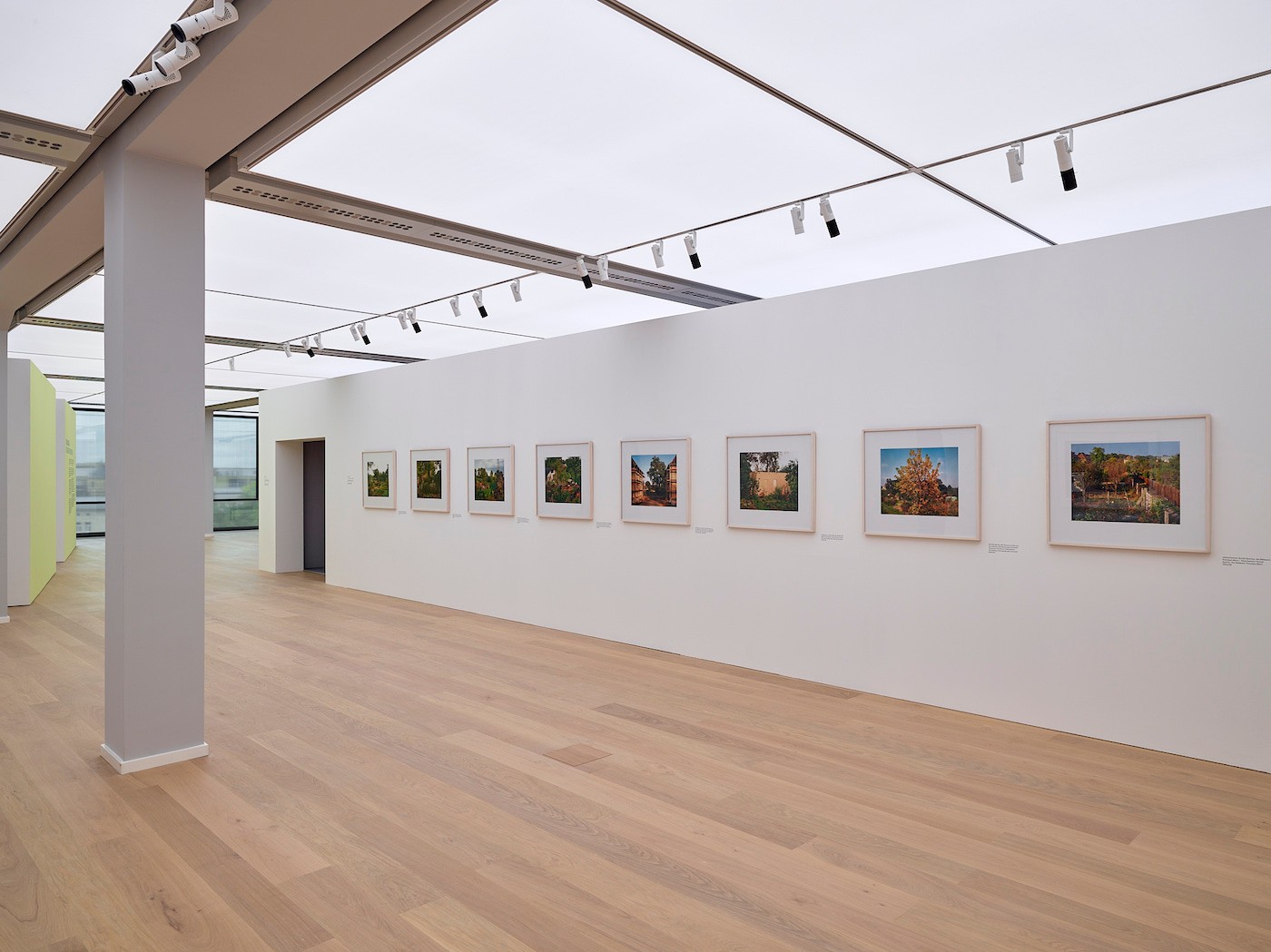
STAN DOUGLAS, INSTALLATION VIEW OF THE EXHIBITION STAN DOUGLAS: POTSDAMER SCHREBERGÄRTEN, DAS MINSK KUNSTHAUS IN POTSDAM 2022. © STAN DOUGLAS, COURTESY THE ARTIST, VICTORIA MIRO AND DAVID ZWIRNER; PHOTO: LADISLAV ZAJAC
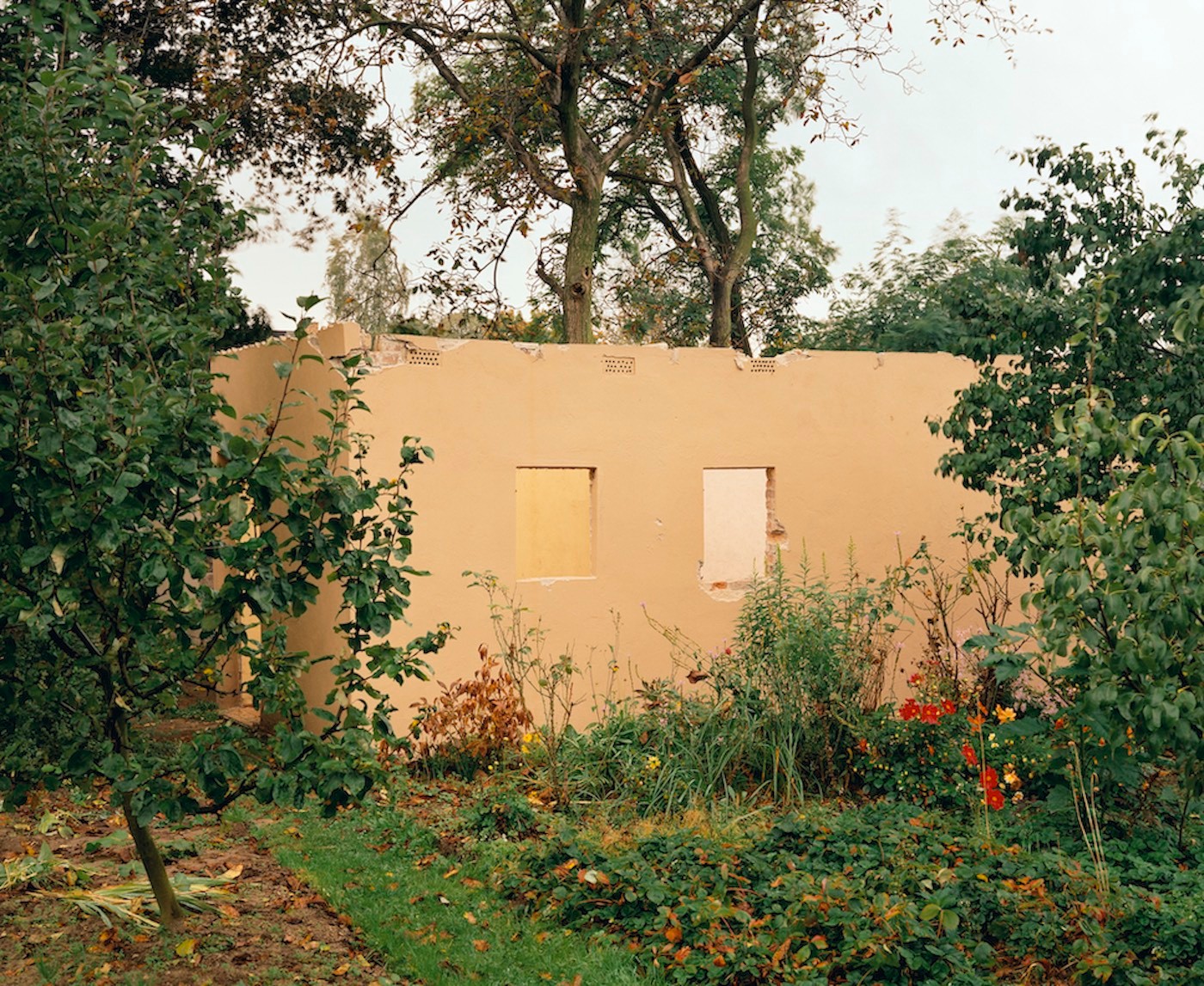
STAN DOUGLAS, ABANDONED LAUBE, BERLINER STRASSE 105, BERLINER VORSTADT, 1994/95, FROM THE SERIES POTSDAMER SCHREBERGÄRTEN, 15 PARTS. HASSO PLATTNER COLLECTION, © STAN DOUGLAS, COURTESY THE ARTIST, VICTORIA MIRO AND DAVID ZWIRNER
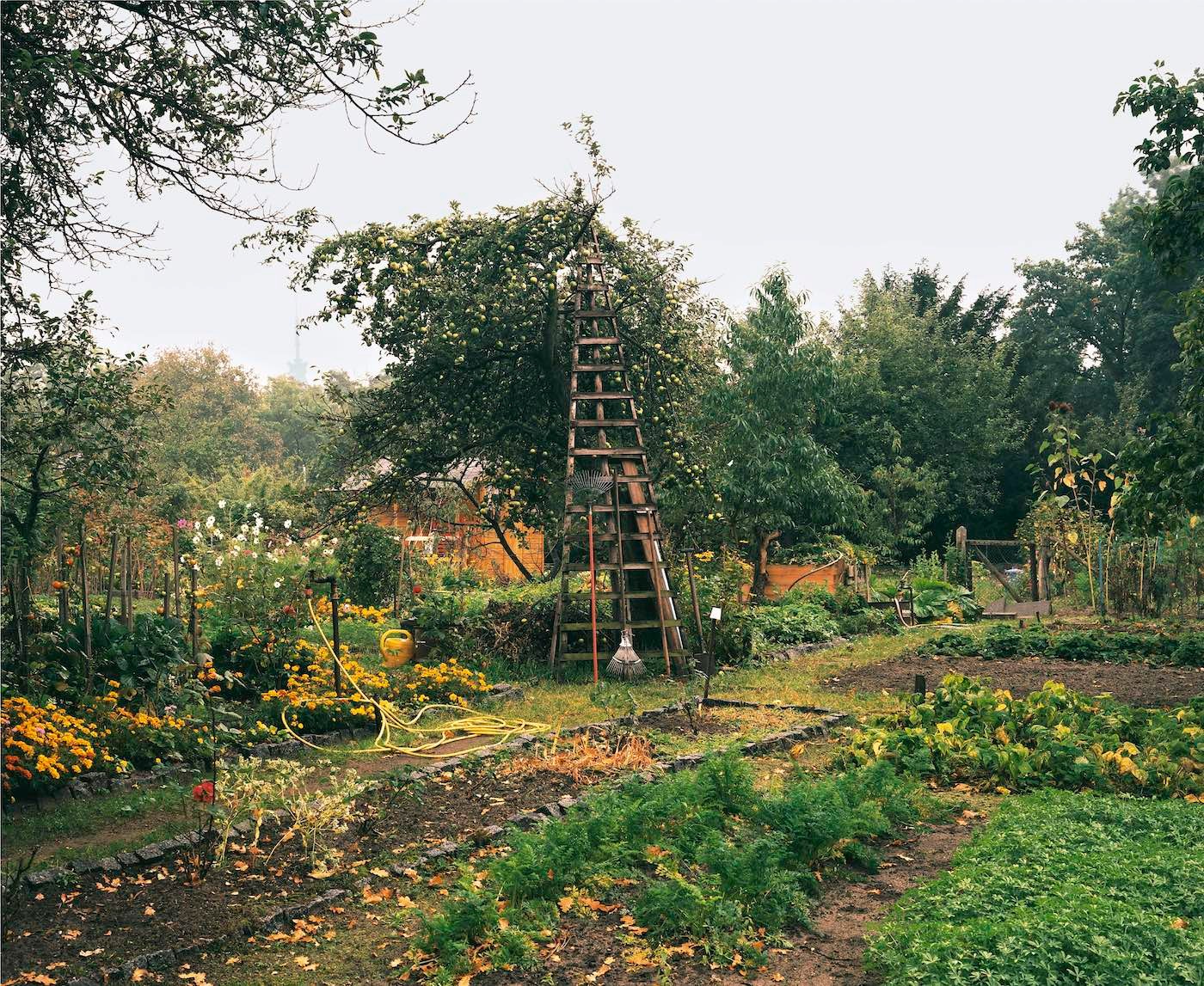
STAN DOUGLAS, GARDEN DESIGNED BY LENNÉ, HALBINSEL MEEDEHORN, SACROW, 1994/95, FROM THE SERIES POTSDAMER SCHREBERGÄRTEN, 15 PARTS. HASSO PLATTNER COLLECTION, © STAN DOUGLAS, COURTESY THE ARTIST, VICTORIA MIRO AND DAVID ZWIRNER
Installation View
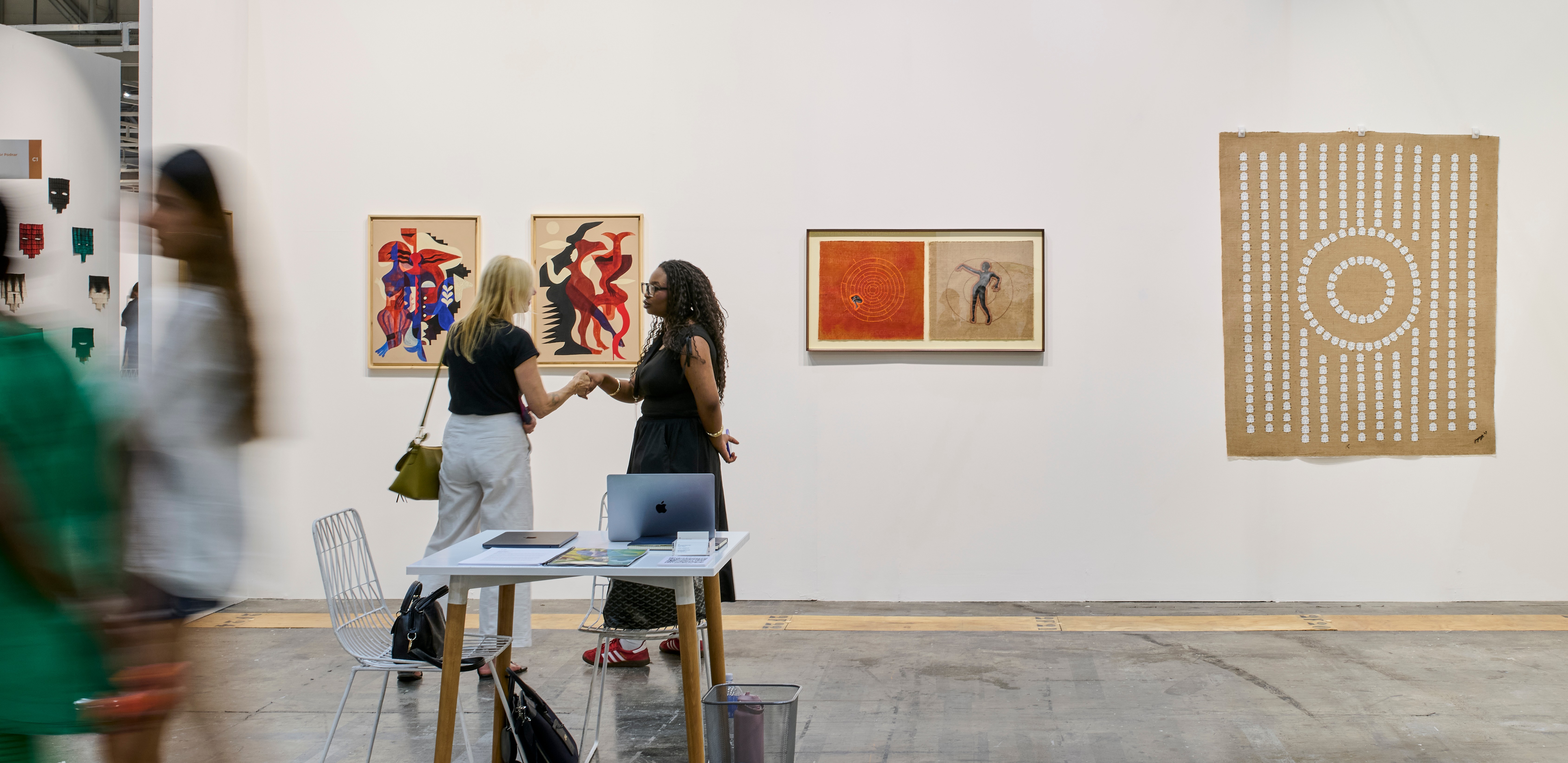
Investec Cape Town Art Fair 2026
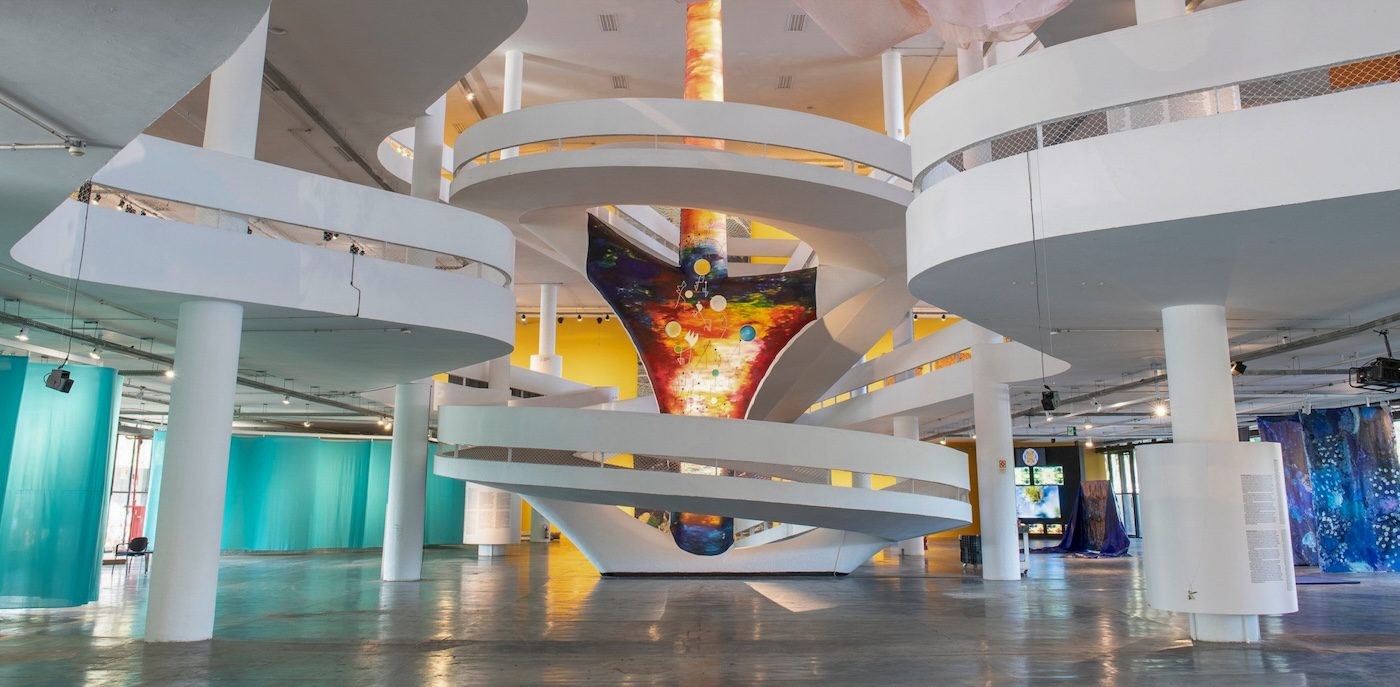
The 36th São Paulo Biennial
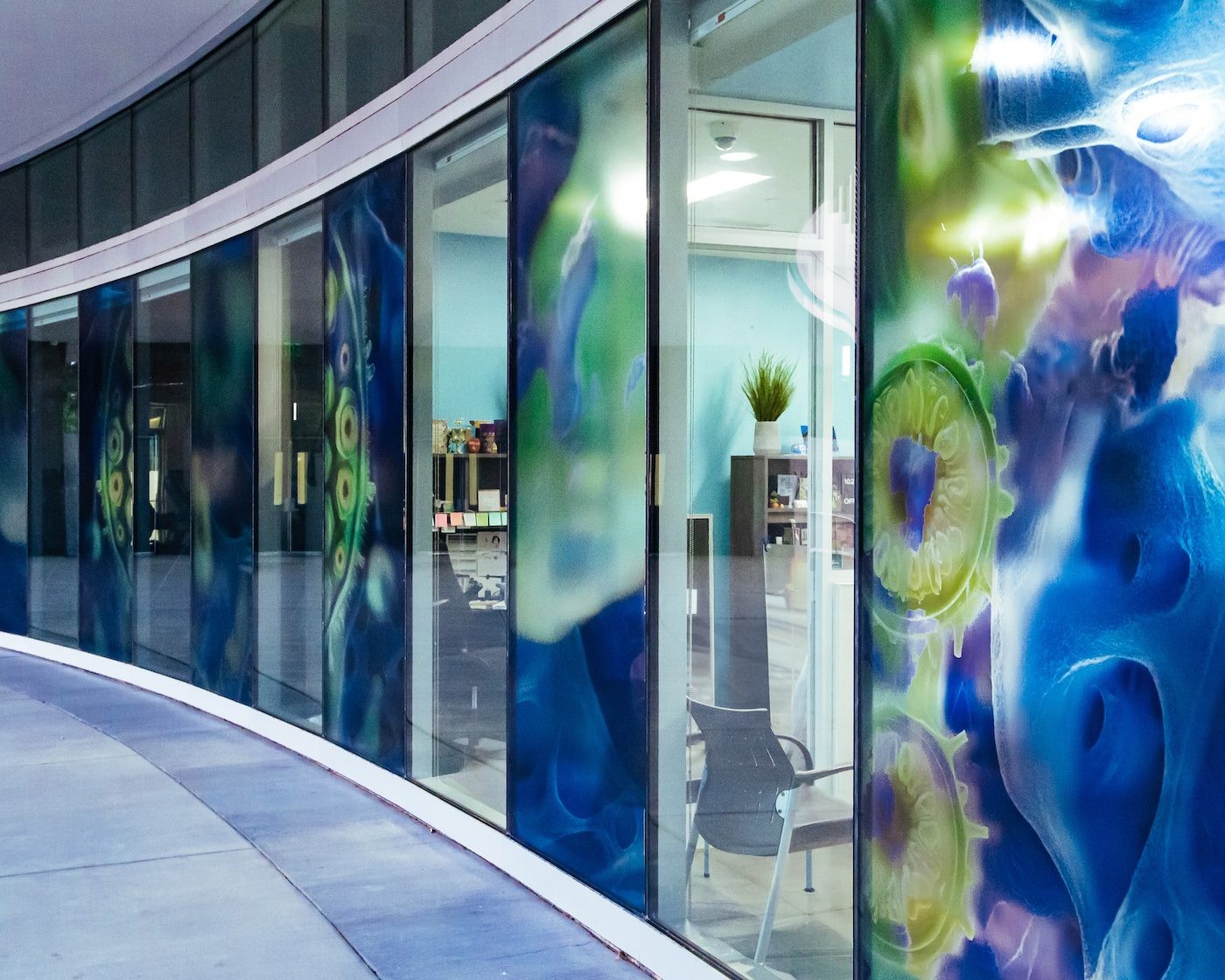
Jazsalyn’s A(spora): On the Gullah Geechee Corridor
Installation View
Investec Cape Town Art Fair 2026
The 36th São Paulo Biennial