On Ancestral Recipes and Diasporic Foodways
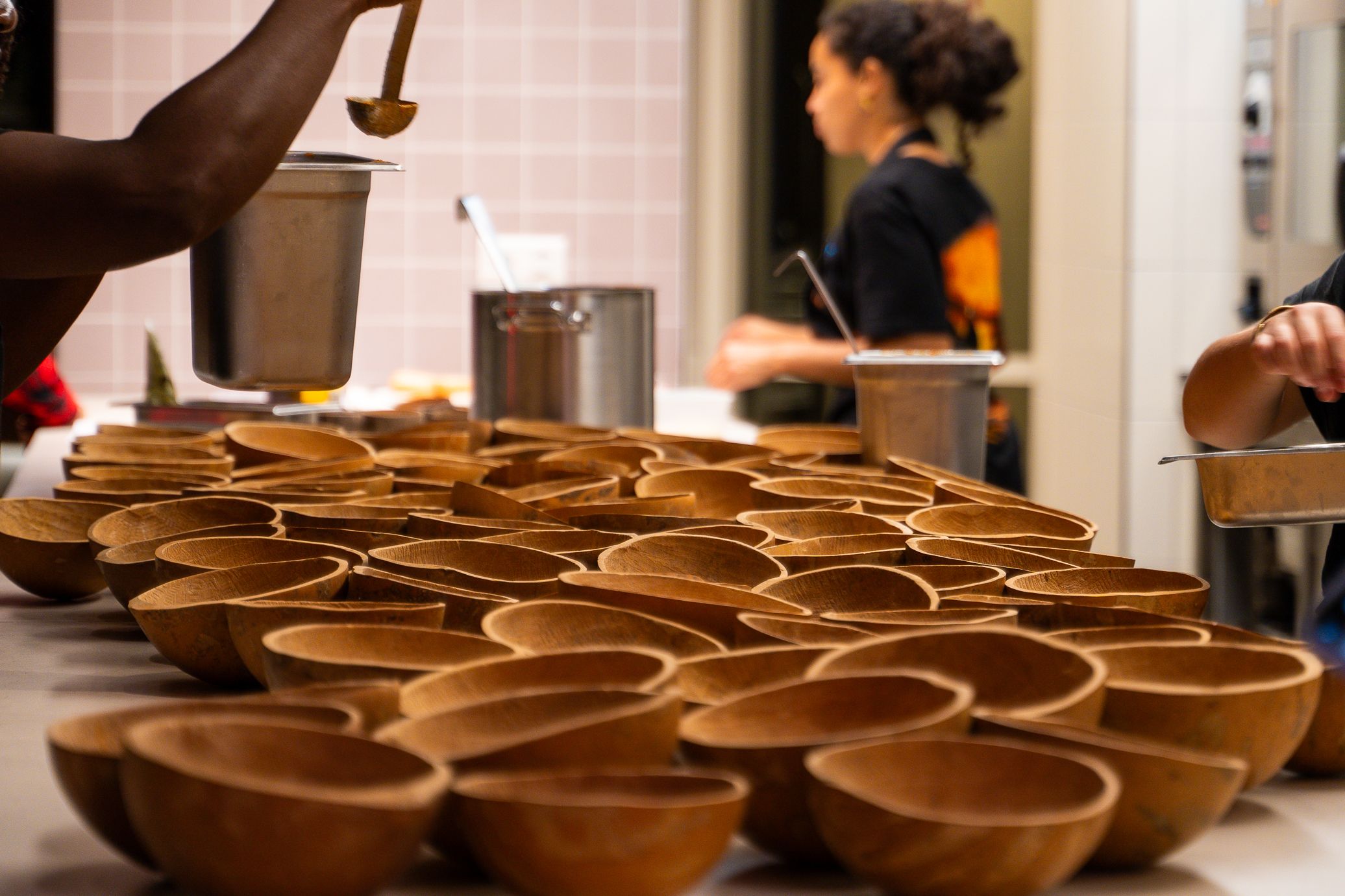
Black Achievement Month in 2023. Courtesy of Museum of Black Futures. Photographer Chris Tjong Ayong.
In collaboration, C& selects a series of podcast episodes by The Museum of Black Futures.
In collaboration, C& selects a series of podcast episodes by The Museum of Black Futures.
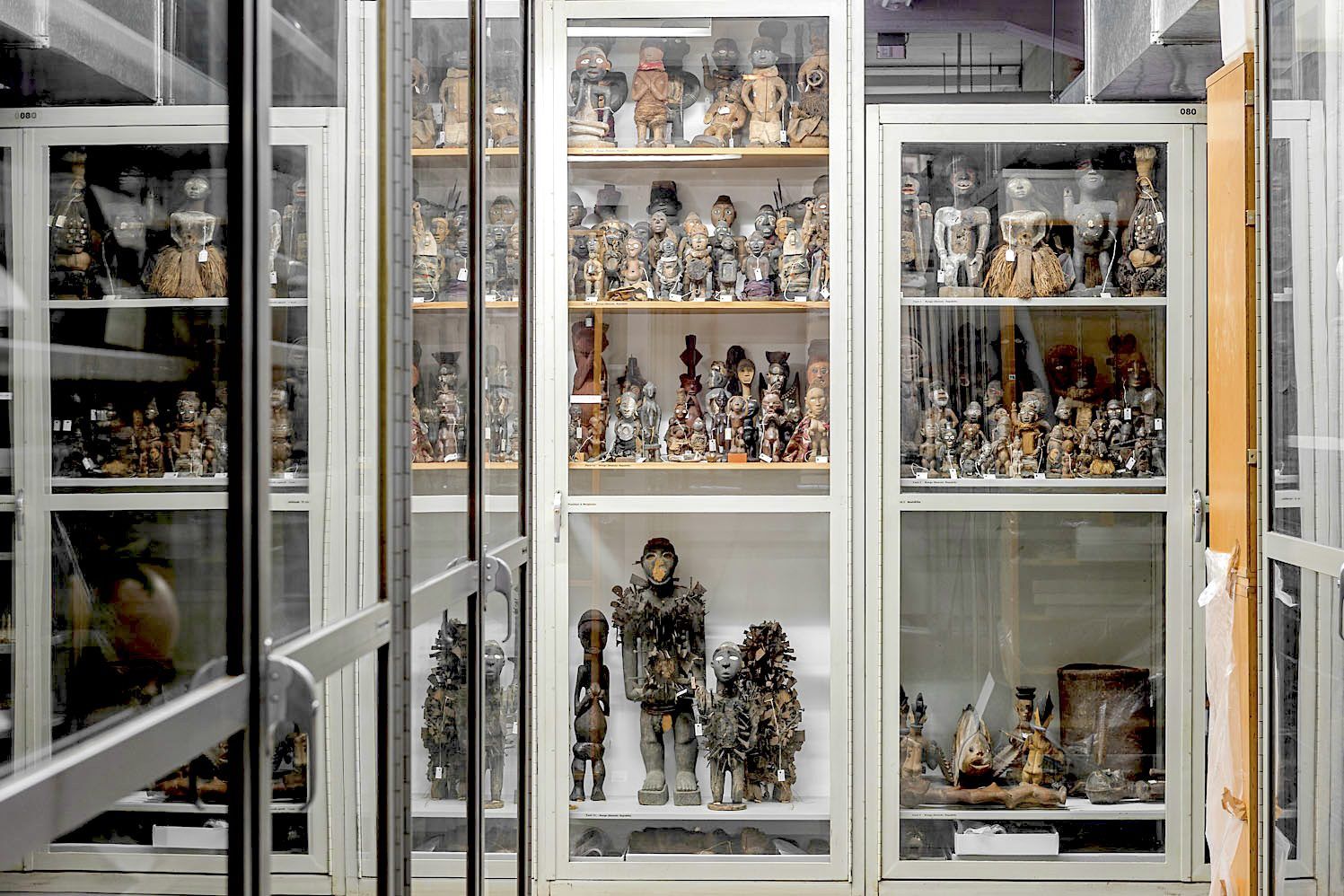
When we speak about repatriation, we often think of cultural objects, sacred items, artifacts returning to the communities that they once belonged to. In its fullest sense, repatriation is and must be more than the material. The concept of rematriation encompasses the immaterial, restoring spiritual balance by reconnecting people, places, and traditions. It invites ritual and ceremony to create safe passage for what is being returned.
This episode explores how these ideas take root in the work of chef, author, and food activist Lelani Lewis. Her cooking, lectures, writings, and workshops return us to the produce of the soil, the sacred mother, in ways that transcend recipes. Her work draws us back to the ingredients, practices, and foodways that have carried ancestral memory — such as cassava for example. It is a reminder that food is not just sustenance, but it is ceremony, archive, and purpose. When we treat this as a living practice — when we cook together, share the table, pass on the methods — it becomes a form of spiritual reparation.
Can a museum be a place where you taste history? Where exhibitions are also meals, and where recipes are treated as heritage documents? Where the return of culture also happens on the tongue, in the body, and in the soil?
This conversation speculates on what it would mean to design a museum experience where food is its beating heart.
Production & Sound design: Marcellino van Callias with La Fam Productions
Introduction Music: Oshunmare
Visuals: Illest Preacha
Trumpet: Peter Somuah
This text, originally published on The Museum of Black Futures channel, has been edited for clarity.
About the author
Richard Kofi
His multidisciplinary approach weaves together drawing, collage, video, performance, and public ritual to explore the layered entanglements between past, present, and future. Central to his work is a belief in art as a collective tool for collective reimagining and cultivating community-led futures.
‘Apprendre à Flamboyer’: Collective Joy in Practice at Palais de Tokyo
C& Magazine’s Highlights of 2023 You Might Want to Read Again
John Akomfrah: “If there is a problem with hybridity, for me, it is that it participates in this hierarchization of the world”
The Aftercycle: Speculations on Responsive Touch and Restituted Objects
On Rematriation and Spiritual Reparations