Melvin Edwards (1937–2026)
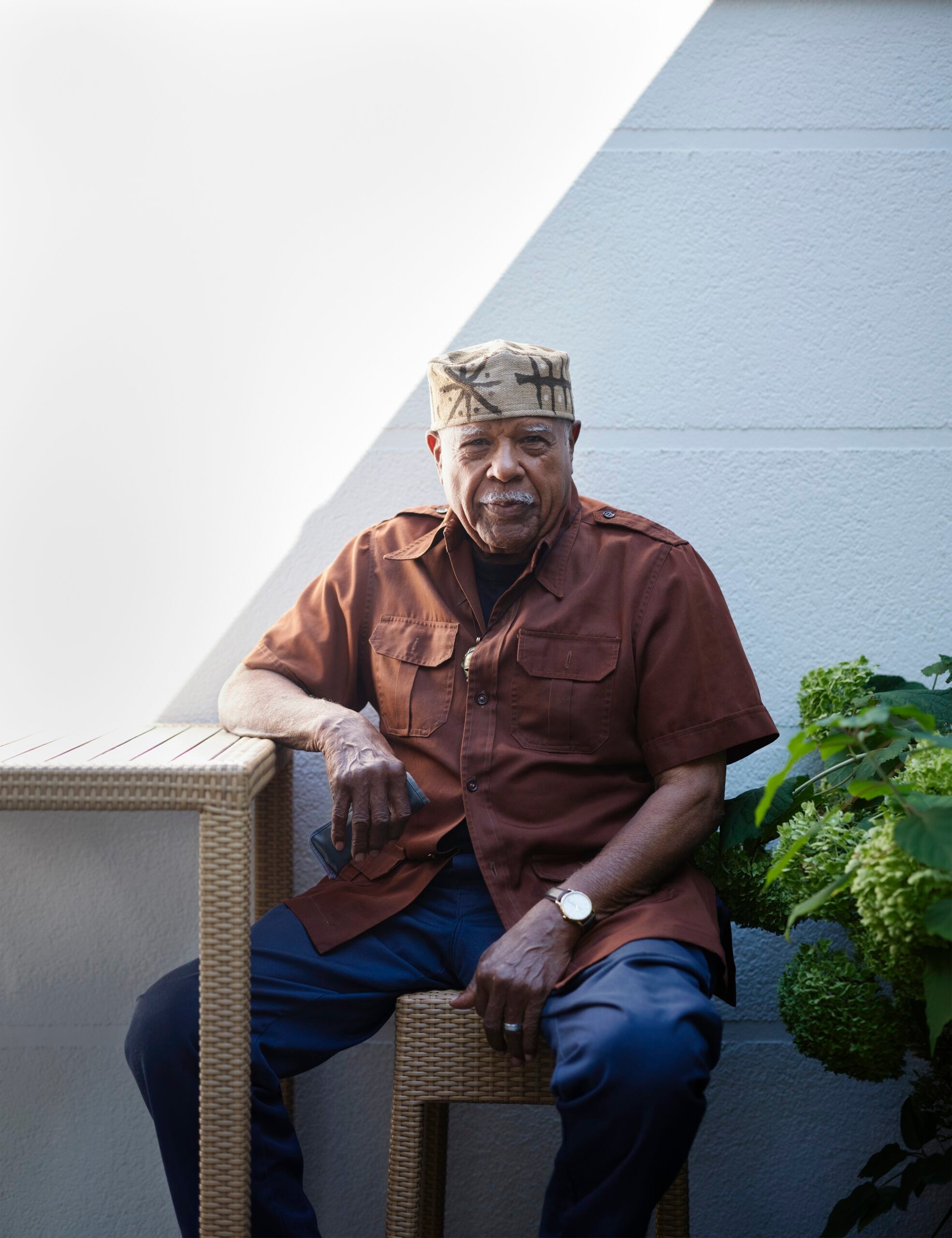
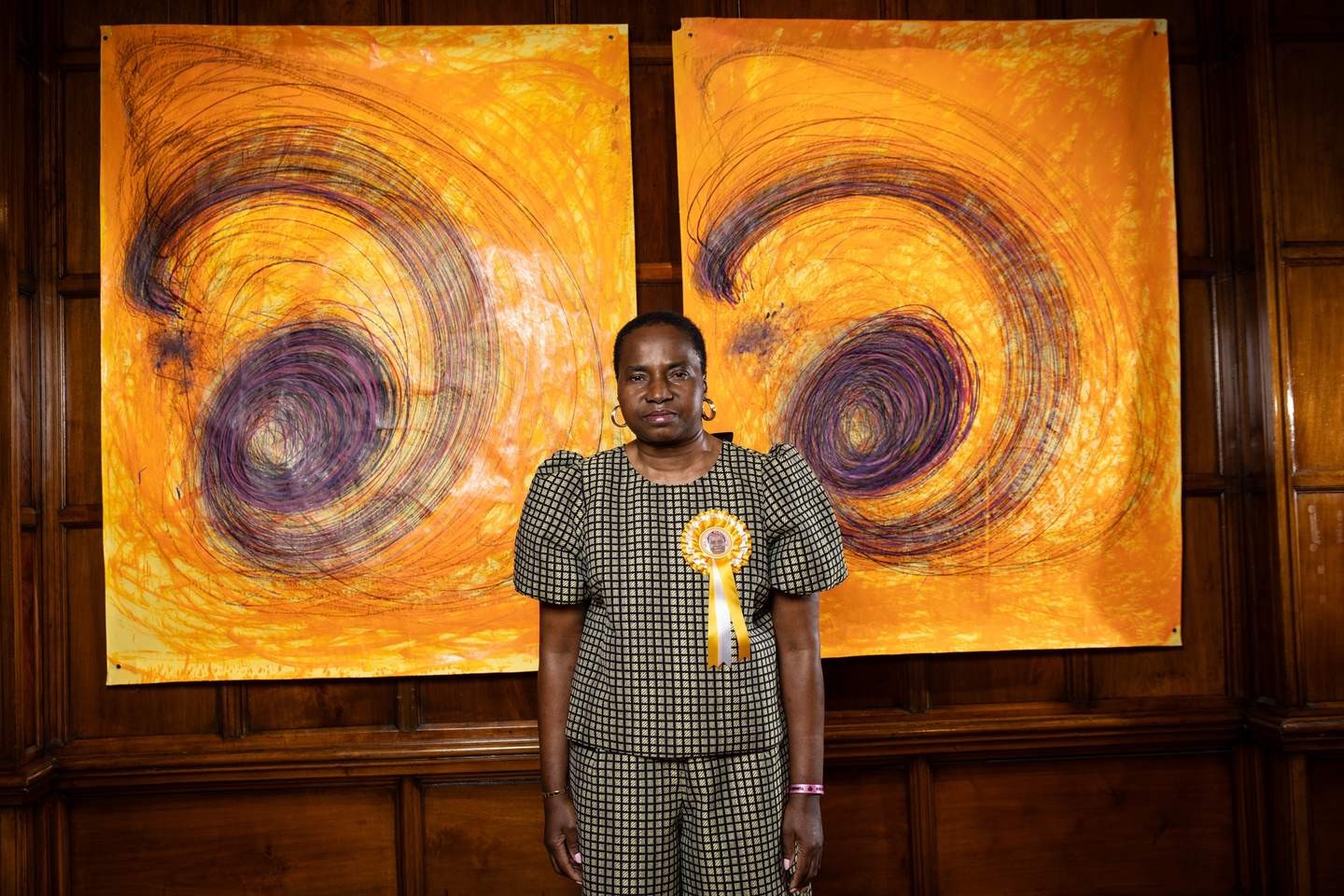
Melvin Edwards, 2023. Photographer Albrecht Fuchs.
Sculptor Melvin Edwards died peacefully at his home in Baltimore on 30 March 2026. He was 88. His death was confirmed by Alexander Gray Associates, the New York gallery that represented him. In their statement, the gallery recalled a phrase he returned to often: "Yesterday always proposes tomorrow."
Born in Houston, Texas, Edwards grew up under racial segregation before moving to Los Angeles in 1955. He enrolled at the University of Southern California on a football scholarship intending to study painting, but an encounter with a welding torch redirected him entirely. He learned to weld in 1959, and steel became his lifelong medium. His breakthrough came in 1965 with a solo exhibition at the Santa Barbara Museum of Art, inspired by jazz music.
His Lynch Fragments — wall-mounted relief sculptures made from found steel objects including chains, hammers, railroad spikes, and padlocks — began in 1963 and continued for the rest of his life. The series moved through three distinct periods: a response to racial violence during the civil rights movement in the 1960s; protest against the Vietnam War in the 1970s; and from 1978 onward, a deepening engagement with African culture, diaspora histories, and the lives of individuals he wished to honour.
In 1970, Melvin Edwards became the first Black sculptor to receive a solo exhibition at the Whitney Museum of American Art in New York — the same year he made his first journey to Africa, visiting Ghana, Togo, Dahomey (present-day Benin), and Nigeria with the poet Jayne Cortez. Writing in a 2016 issue of Black Renaissance Noire, Lydie Diakhaté reflects on how Edwards later made Senegal his home, establishing a house and studio in Dakar’s Grand Yoff neighbourhood by 2000, next door to the painter Souleymane Keita. There, he worked with local welders and craftsmen and collaborated with the Manufactures Sénégalaises des arts décoratifs in Thiès, extending his practice into tapestry. He also cultivated land, growing peanuts and cassava — a connection, he said, to his family history. He understood Dakar as a crossroads, a place from which to strengthen the link between West African and African American art.
Edwards taught at Orange County Community College, the University of Connecticut, and for over thirty years at Rutgers University, retiring in 2002. Recognition came late but arrived substantially. A major Public Art Fund survey at New York's City Hall Park in 2021 was followed by a solo show at Dia Beacon in 2022. In 2024, his first comprehensive institutional solo exhibition in Europe opened at the Fridericianum in Kassel, traveling to Kunsthalle Bern and Palais de Tokyo in 2025.
His work is held in the collections of the Los Angeles County Museum of Art, the Brooklyn Museum, the Metropolitan Museum of Art, MoMA, and the Smithsonian American Art Museum, among others.
He survived by his wife, Diala Touré, and his three daughters and stepson.
Announcement
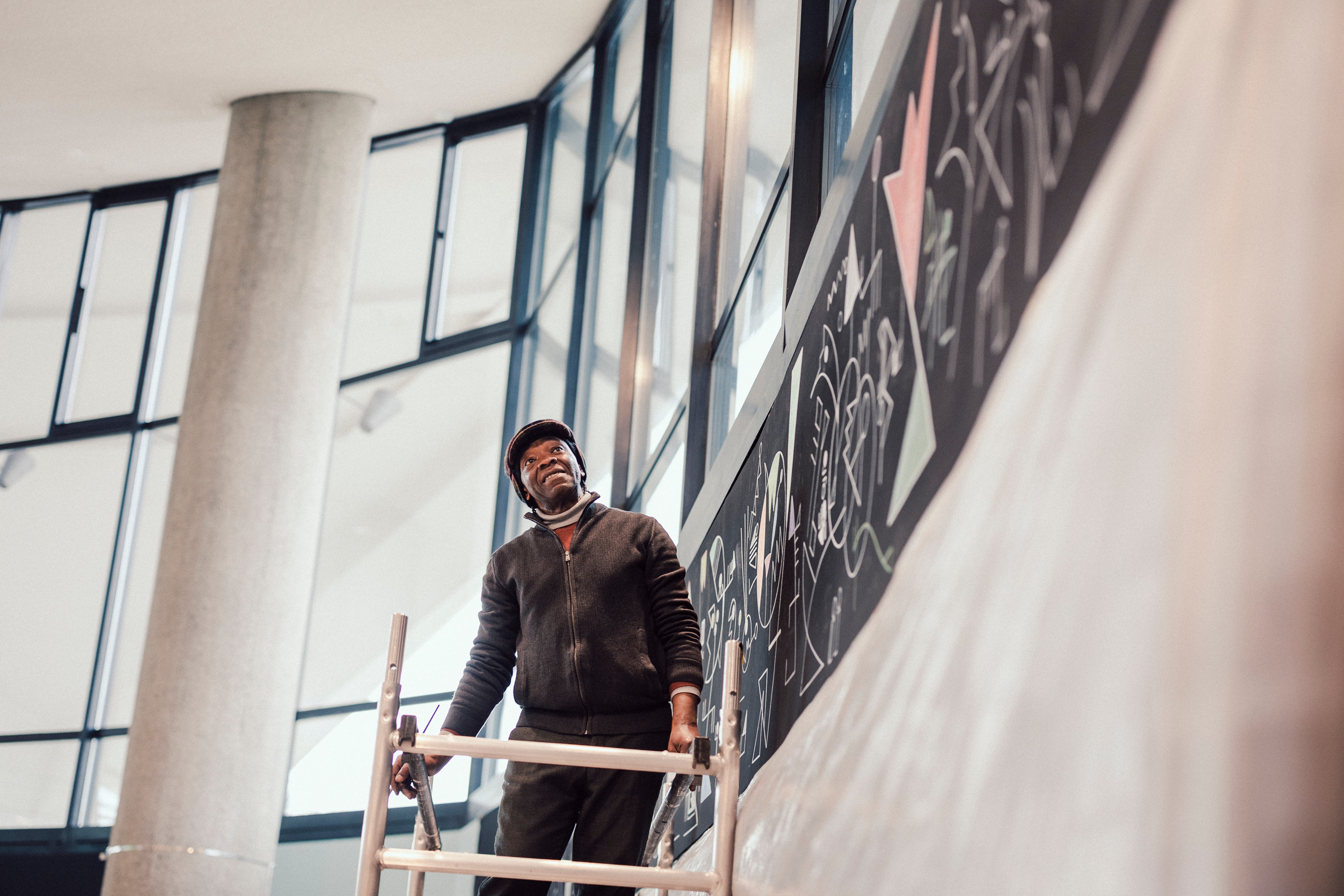
Tanka Fonta wins the Wi Di Mimba Wi Prize 2026
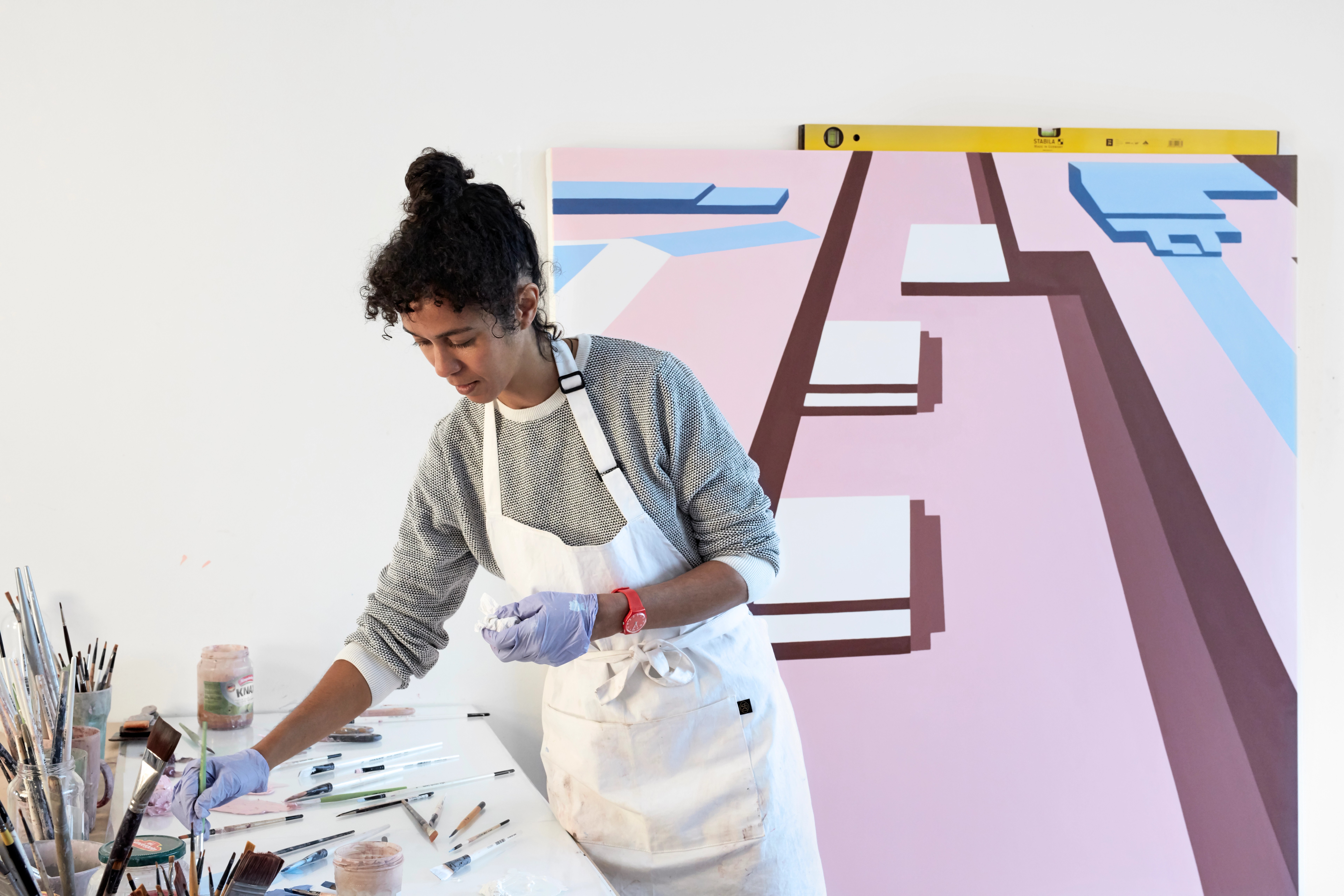
Pre-Sale! C& Artists’ Editions #6: Thenjiwe Niki Nkosi
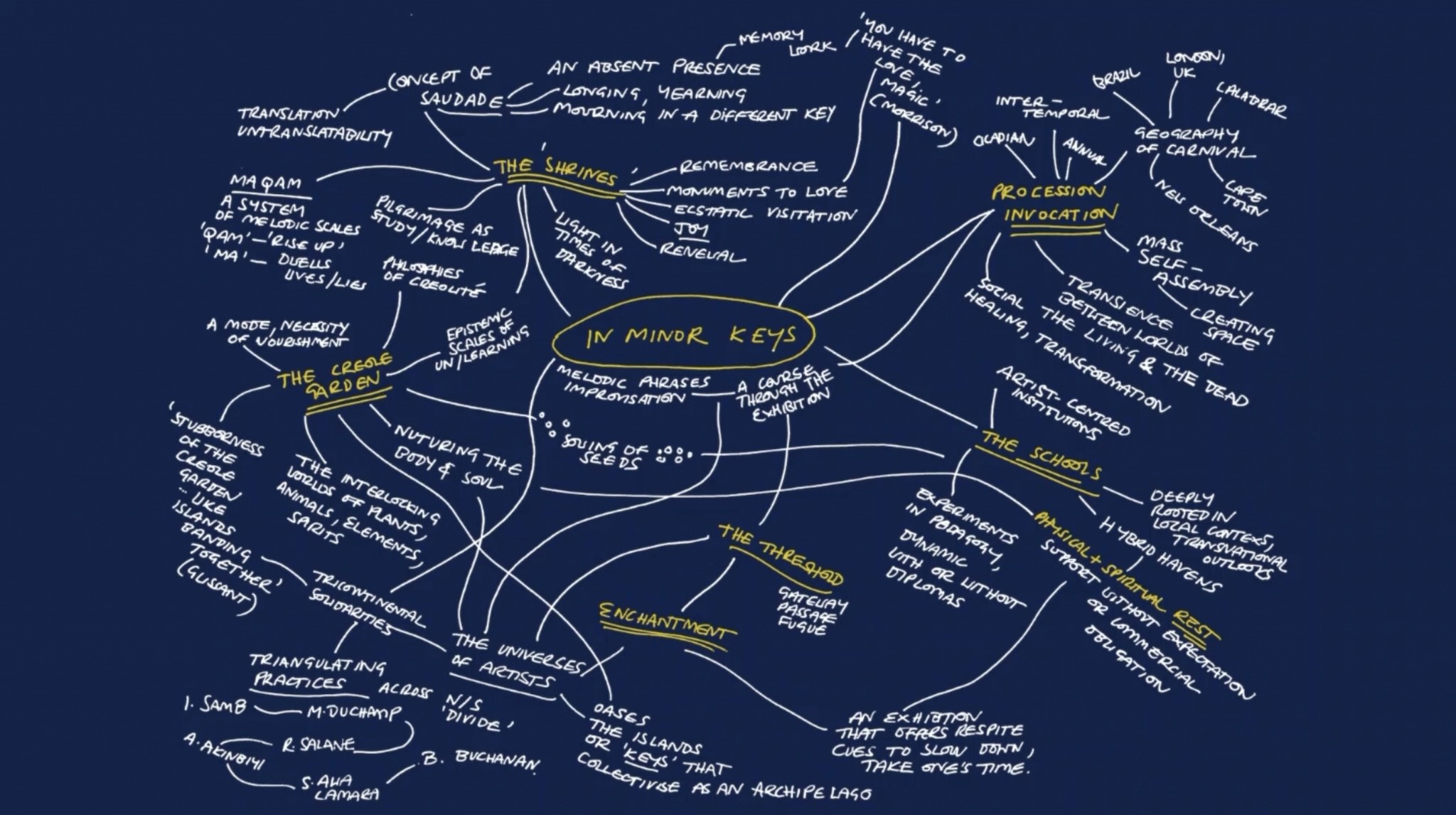
Artist-Led Organizations in Focus At The 61st Venice Art Biennale
Announcement
Nnena Kalu wins Turner Prize 2025
Coming Soon: APRIA Journal Issue #7 — Exhaustion