Black Orpheus: Who Gets to Frame a Black Cultural Canon?
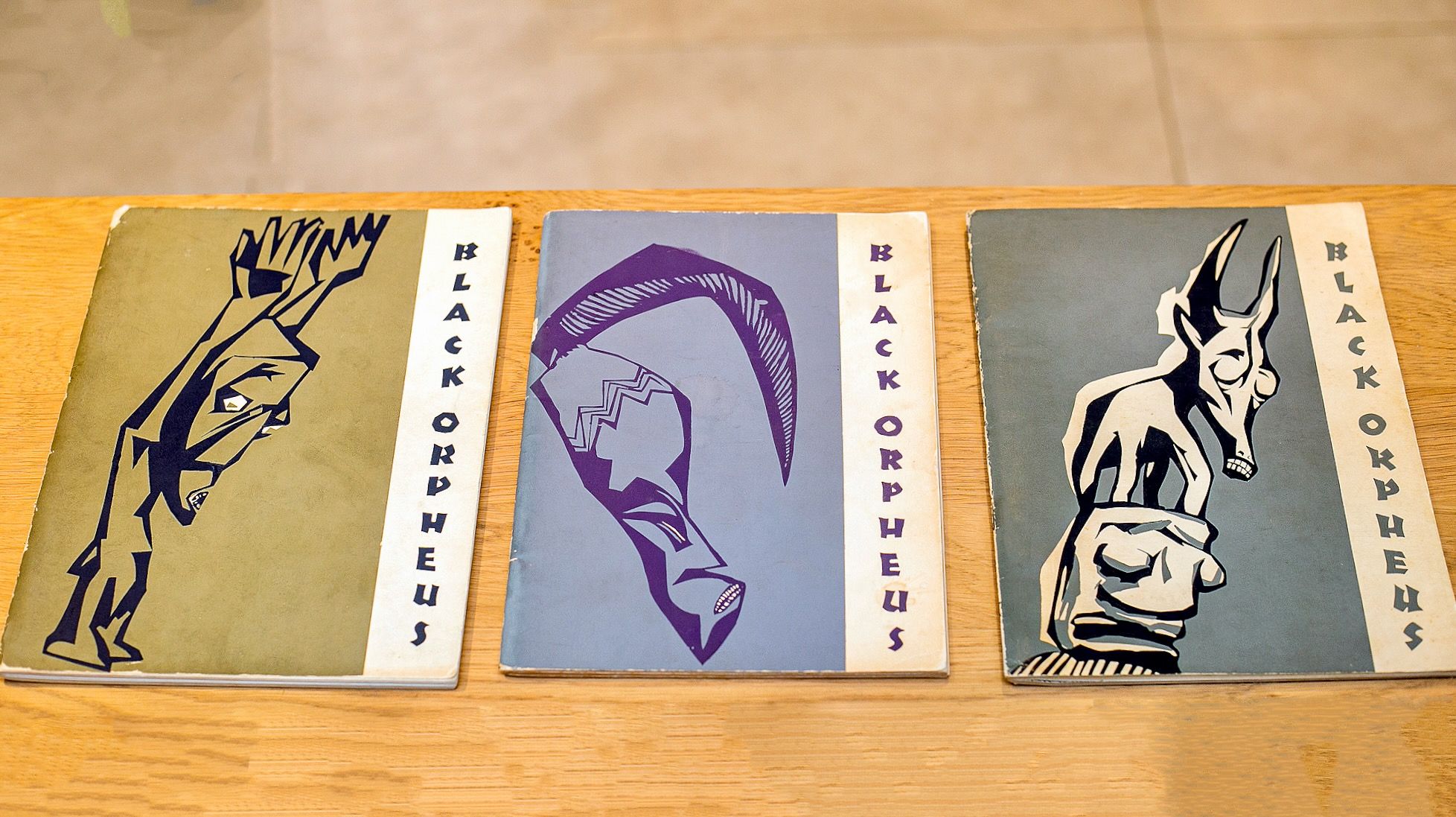
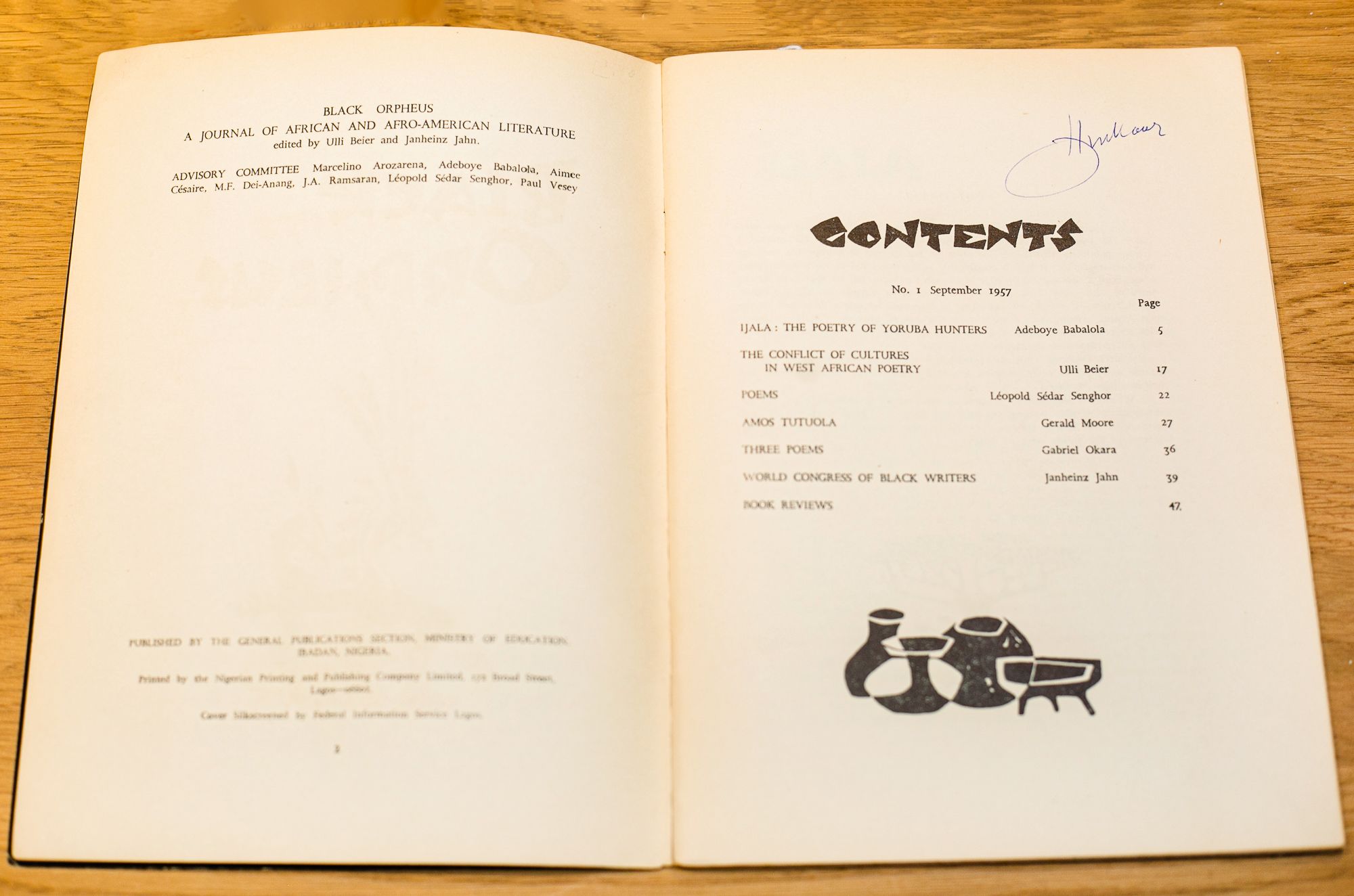
Black Orpheus Journal Collection, OlongoAfrica Collection housed at G.A.S. Library and Picton Archive, 2026. Photo by Sylvester Bayode and G.A.S. Foundation. Courtesy of OlongoAfrica.
In a letter to a co-conspirator, curator and writer E.N. Mirembe scripts a philosophical reckoning. Arriving in Lagos to research Black Orpheus (1957–75) — a journal of African and Afro-American Literature — Mirembe finds themselves unable to avoid a question posed in Yaba market: What do you do with Ulli Beier, the white German man who founded the publication? The answer requires going back further to Jean-Paul Sartre’s 1948 introduction to a poetry anthology by Léopold Sédar Senghor gave the journal its name and its burden. Drawing on Frantz Fanon's furious rebuttal, Mirembe asks what it means to untangle Black literary archives built on contentious terms. This text is part of the C& and Pro Helvetia Fieldnotes Arts Writing Exchange 2025–2026.
Dear Rosie,
I hardly slept the night before my flight to Lagos. Partly because of excitement. Partly because I found myself in a very “you’re probably wondering how I got here” situation that felt like a scene written by Lena Dunham. I was home at 4AM, packed my bags in a caffeinated frenzy, and took an Uber to the airport. Sometimes I am grateful for technology because checking in was over so quickly I wondered why I ever panicked. But I am African, of course I panicked with three hours to spare.
I was completely knocked out for the entire six-and-a-half-hour flight. Arriving in Lagos felt like arriving in a very familiar place, even though I have never been there. Thank God for Nollywood. Thank God for Nigerian literature. All my senses were tingling, as if meeting a friend I had not seen in a while. The sweat rising up my back was such a welcome contrast to the 12 degrees and questionable night I had left behind.
I was in Lagos because I have taken a keen interest in Black magazines of the twentieth century and the artistic, intellectual, and literary networks they facilitated. I am writing to you because this project feels like a conversation I don’t yet know how to have alone. I think of magazines as spaces where literature and visual culture are mutually constitutive. This is the wavelength on which we operate — we do not think one without the other. You gave me a term the other day that I have been turning over in my head: literary restitution. This is in the context of thinking about Yvonne Vera’s work as a writer and curator because of our exhibition in transit under another sky. When we bring a writer into our curatorial framework, it is not so much because a sentence works as it is an attempt at creating a (meta)physical world around their words, articulating them differently. I wanted to imagine, for example, that if you saw the exhibition Njabala: An Elegy, you could get a sense of Namwali Serpell’s novel The Furrows. Or that if you read that book you would feel some familiar recognition of the intangible grief unfurling in different directions with the artists’ work in Njabala: An Elegy. I try but I am not really sure I can get people to see it. That is the insurmountable curatorial task, isn’t it? To make something felt across forms.
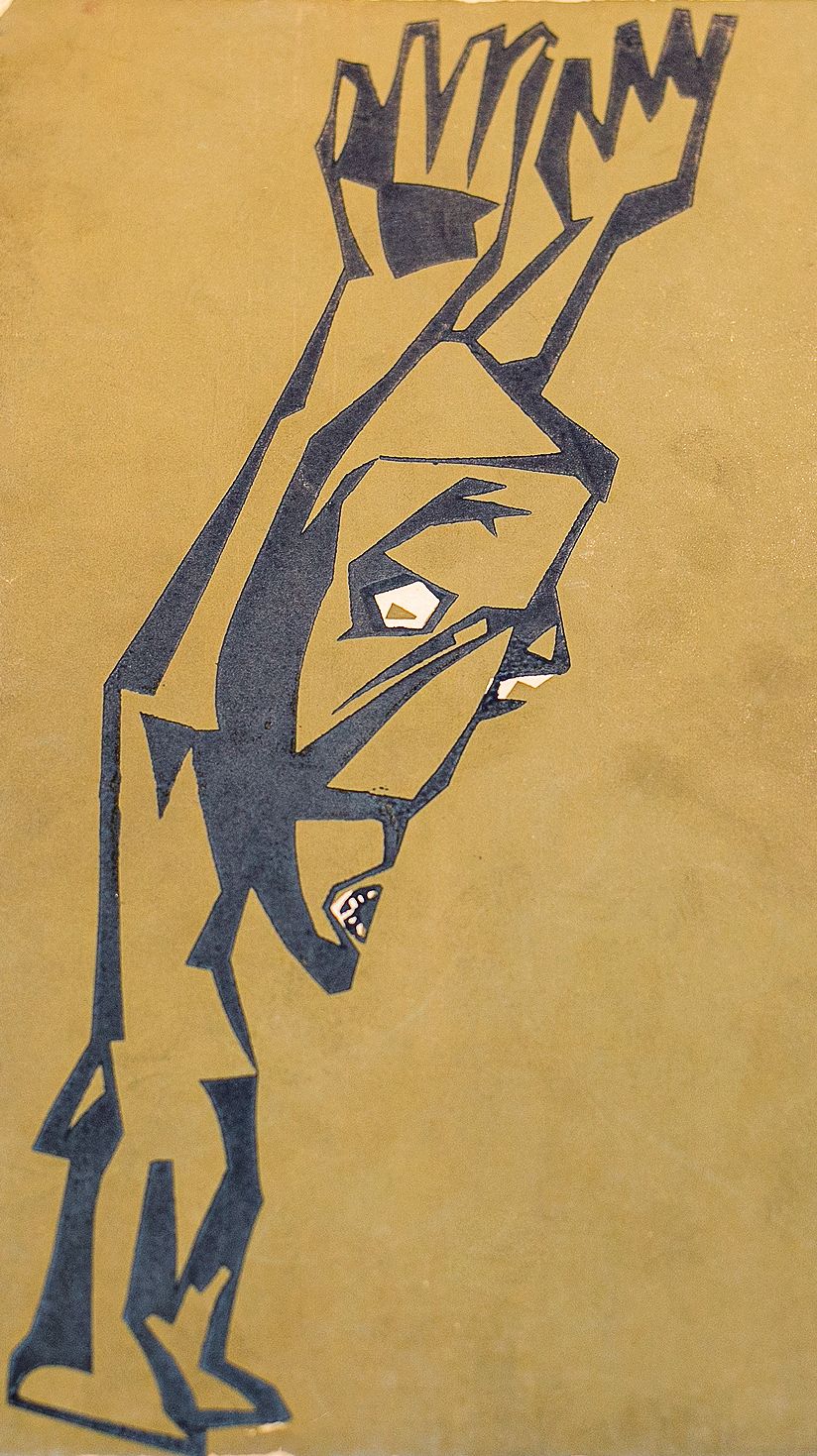
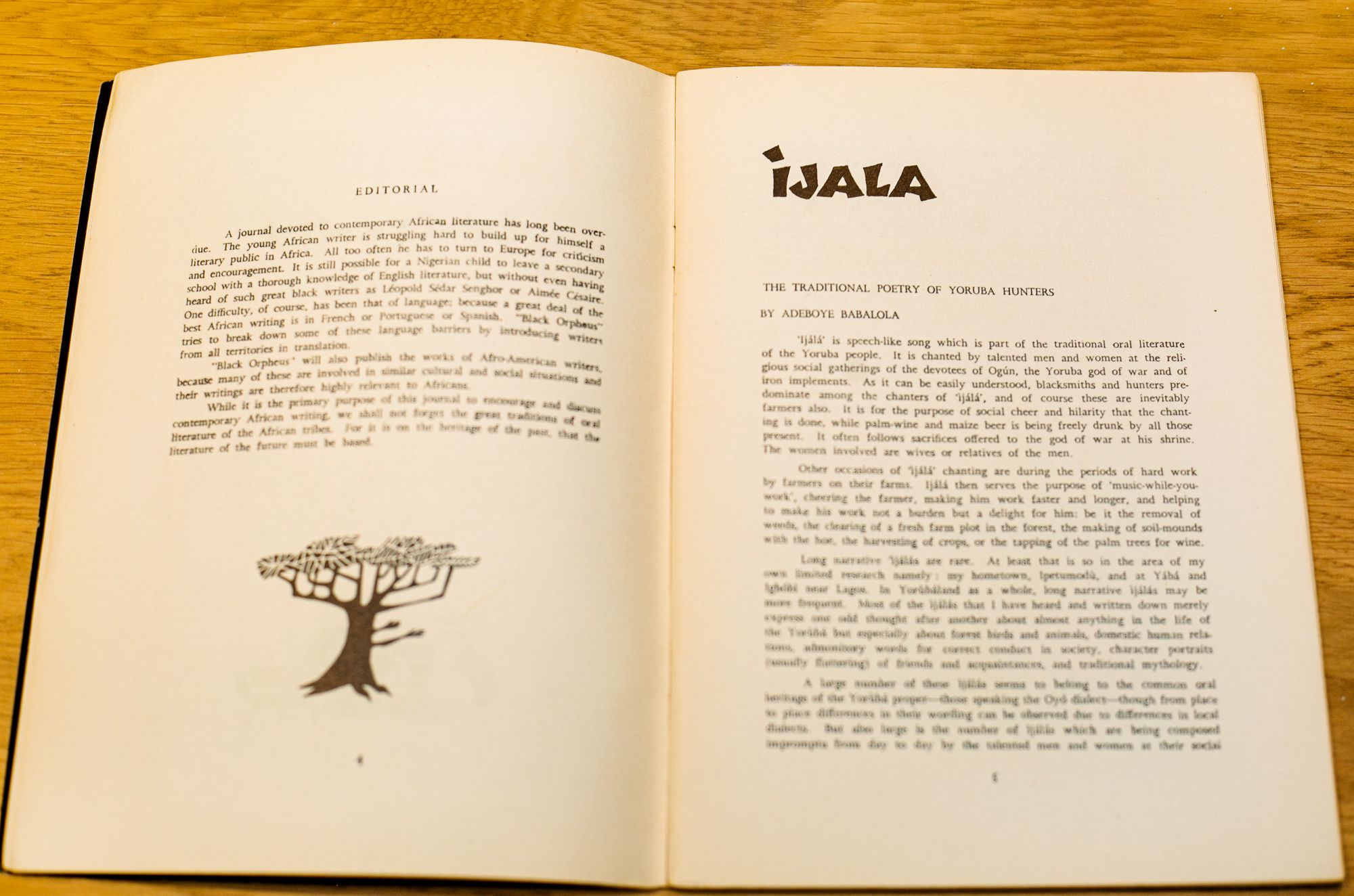
Black Orpheus Journal Collection, OlongoAfrica Collection housed at G.A.S. Library and Picton Archive, 2026. Photo by Sylvester Bayode and G.A.S. Foundation. Courtesy of OlongoAfrica.
One of the conditions for being a curator with a legible practice is to build the conditions that define it. That can take many forms, including but not limited to building a physical space. I find myself most invested in the work of constructing intellectual conditions: the frameworks through which a practice can be articulated, contested, and made legible. Because what’s at stake in our time is who has the possibility of defining and shifting attention toward particular ideas. I found it slightly overzealous when Koyo Kouoh looked at me and four other curators — part of the inaugural Zeitz MOCAA fellowship — and said, with utmost seriousness, “I am building an army.” It tickled me then. An army of curators. What would our weapons be? Spirit levels? But time is a teacher. Or, as my mama says in Lusoga, okule obone.
I am getting ahead of myself.
What I mean to say is this: Black magazines were/are sites where such intellectual conditions were/are actively produced, and my unending curiosity is informed by this infrastructure which in part orchestrated Africa’s and the diaspora’s liberation past-present-future.
Black magazines were/are sites where such intellectual conditions were/are actively produced, and my unending curiosity is informed by this infrastructure which in part orchestrated Africa’s and the diaspora’s liberation past-present-future.
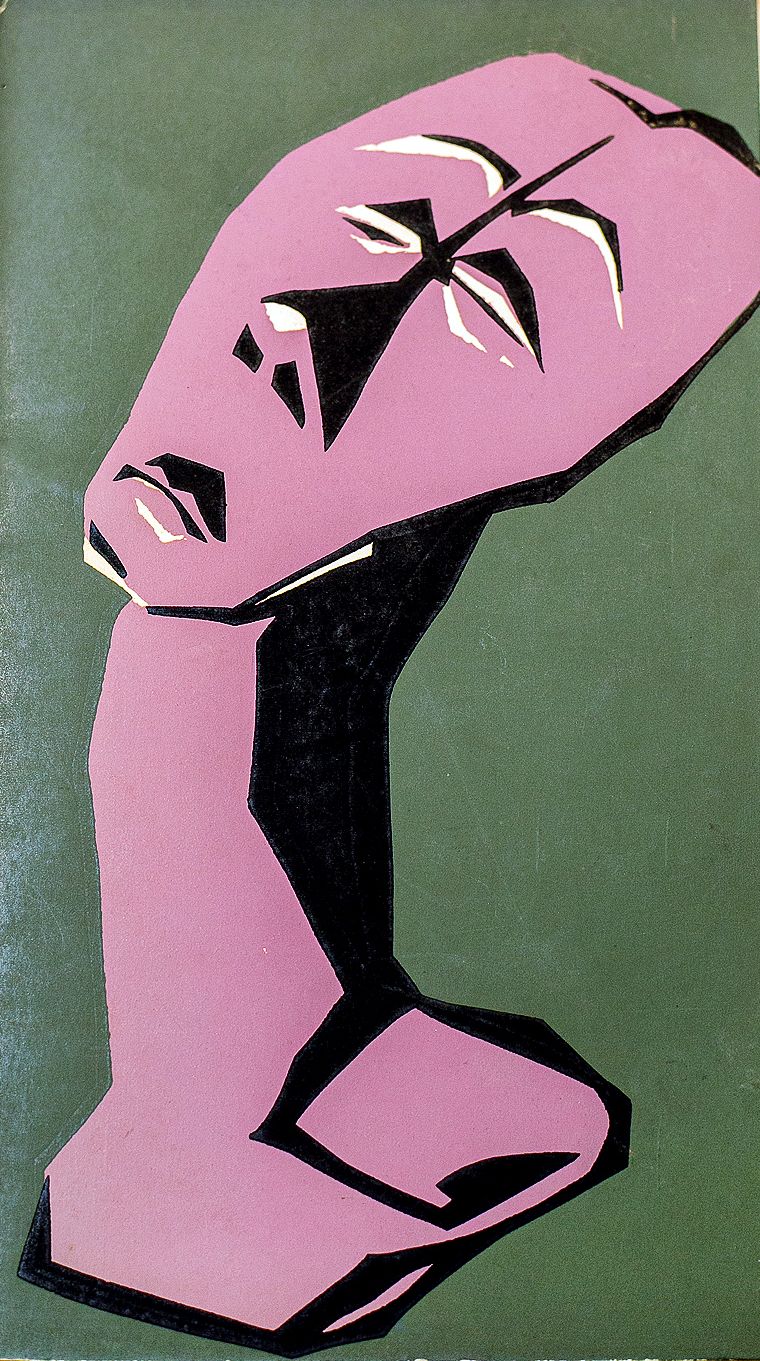
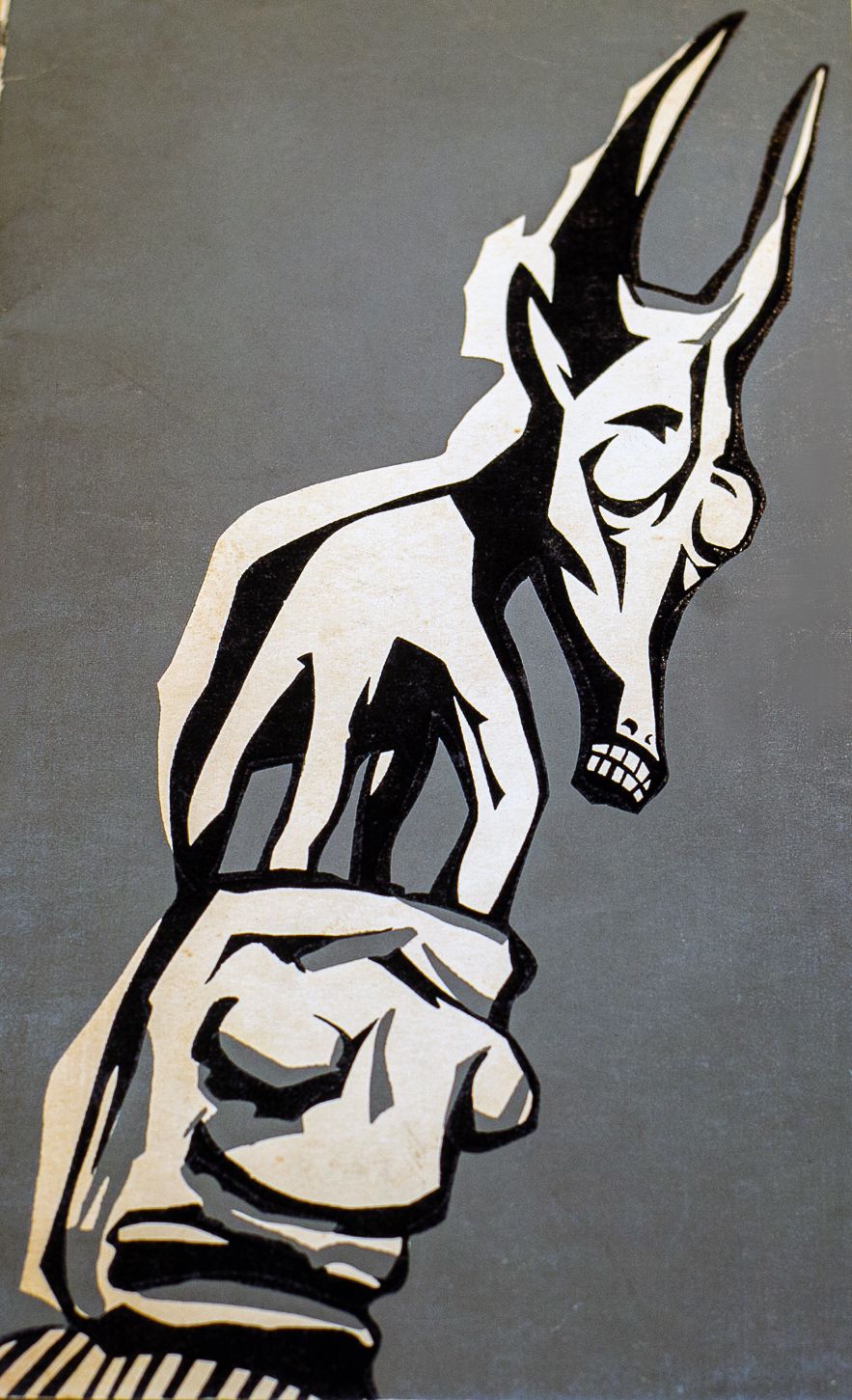
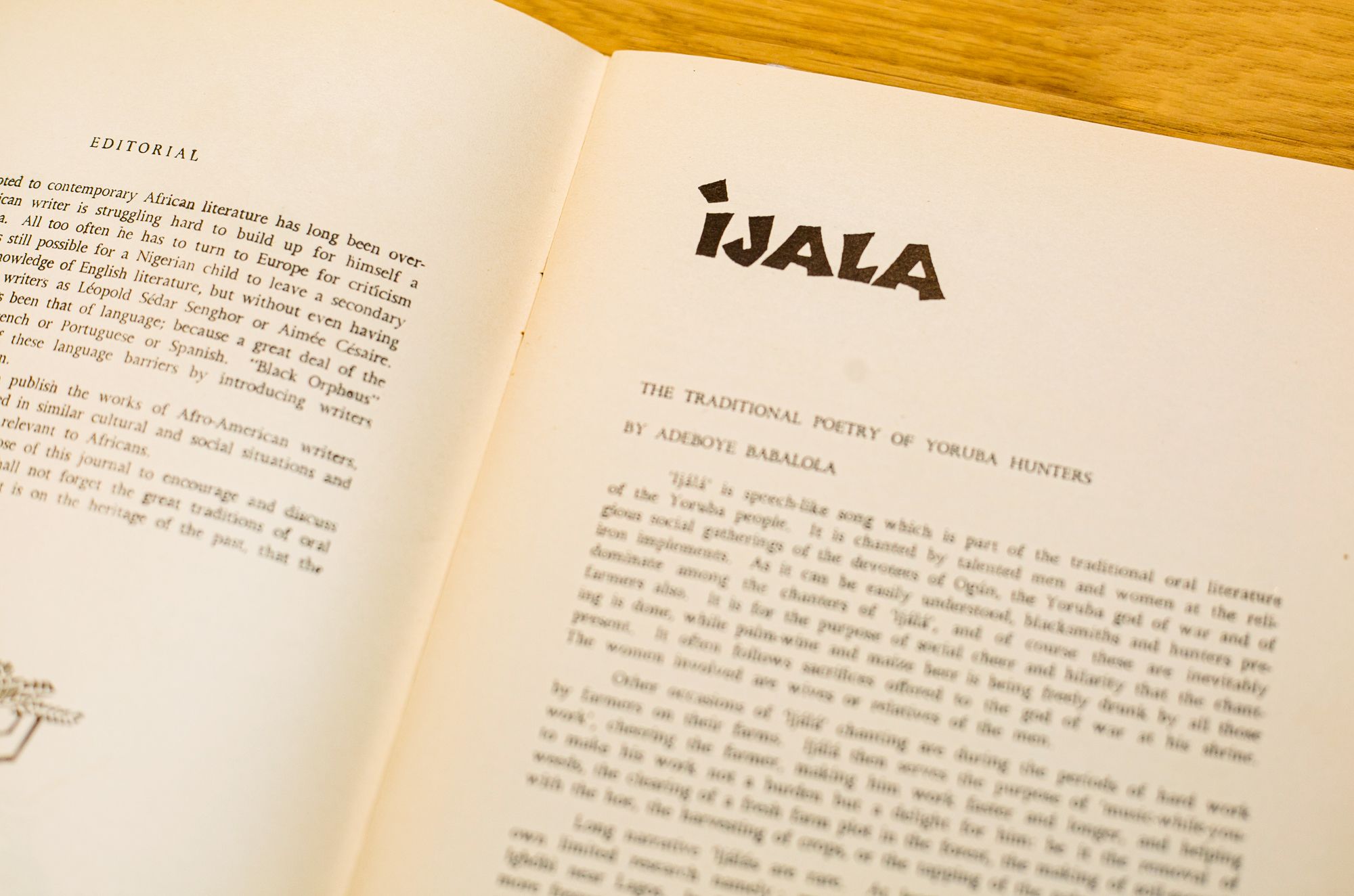
They reflect(ed) and shape(d) movements. So, arriving in Lagos and diving into the Black Orpheus journals in print (I even wore gloves!) was such a treat. At G.A.S. Foundation, a collaboration with OlongoAfrica has enabled the hosting of an expanded selection of Black Orpheus titles, complementing the Foundation’s existing Black Orpheus Collection donated by John Picton, emeritus professor of African art at the University of London, and Sue Picton. The collection itself is offered as an archive with space for propositions.
What is the foreign policy on curatorial intervention? Doesn’t all curatorial work always already embody a politics of interference?
There are many conversations to come to after reading all the issues, conversations I will continue to come back to. But first, after a long and hot afternoon in Yaba market, where I almost fainted because of the heat, Thuli Gamedze asked me: What are you going to do about Ulli Beier, this German founder? I told her I was not particularly interested in him, and that Black Orpheus, which he founded in 1957 in Ibadan, is much bigger than him. I maintain that position while I attend to the question of origins.
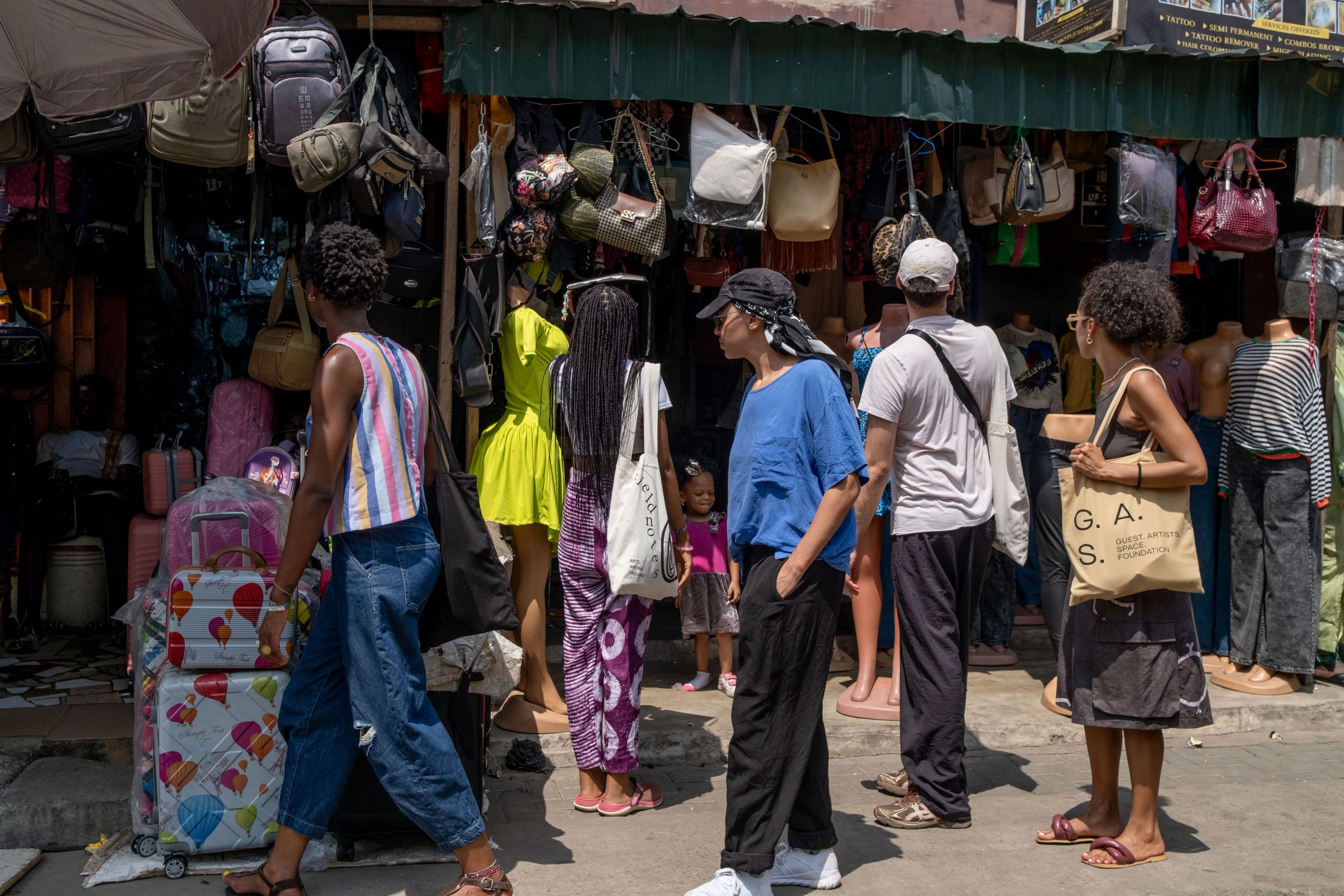
Fieldnotes Arts Writing Exchange participants at Yaba Market, Lagos, 2025. Courtesy of Pro Helvetia Johannesburg.
In 1948 poet and soon-to-be Senegalese president Léopold Sédar Senghor edited and published an anthology of sixteen poets, three from Senegal, three from Madagascar, and ten from the Caribbean. Senghor invited French philosopher Jean-Paul Sartre to write the introduction to Anthologie de la nouvellepoésie nègre etmalgache de langue française . Sartre’s essay, titled Orphée Noir, explicitly announces itself as addressed to white men. He writes,
“I should like to show in what way we can gain access to this world of jet; I should like to show that this poetry which seems racial at first — is actually a hymn by everyone for everyone. In a word, I am talking now to white men, and I should like to explain to them what black men already know: why it is necessarily through a poetic experience that the black man, in his present condition, must first become conscious of himself; and, inversely, why black poetry in the French language is, in our time, the only great revolutionary poetry.”
In Sartre’s metaphor, the Black poet becomes Orpheus, descending into himself to retrieve something wounded and buried. The metaphor casts an emergence of Black consciousness as a descent into a mystical depth, a return to something primordial. Black artistic expression becomes legible through a language of catharsis and psychic rupture. A return to a “black substratum.” This image might be seductive but its imposition of an almost mystical interiority on Black artistic production is also troubling.
This image might be seductive but its imposition of an almost mystical interiority on Black artistic production is also troubling.
A poet “rolling on the ground like a possessed man,” exhibiting wounds, becomes the site of revolutionary potential. It is fair to read this as essentialist, even if well-meaning. Sartre’s essay repeatedly oscillates between admiration and theoretical subsumption. At one moment he recognizes that Europe has lost its moral authority. At another, he reinscribes European philosophy as the framework through which Black consciousness must be interpreted. Negritude, in his formulation, is a dialectical stage: necessary but temporary, a moment that must ultimately dissolve into a universal revolutionary humanism. He writes:
“Thus, negritude is for destroying itself; it is a “crossing to” and not an “arrival at,” a means not and not an end.”
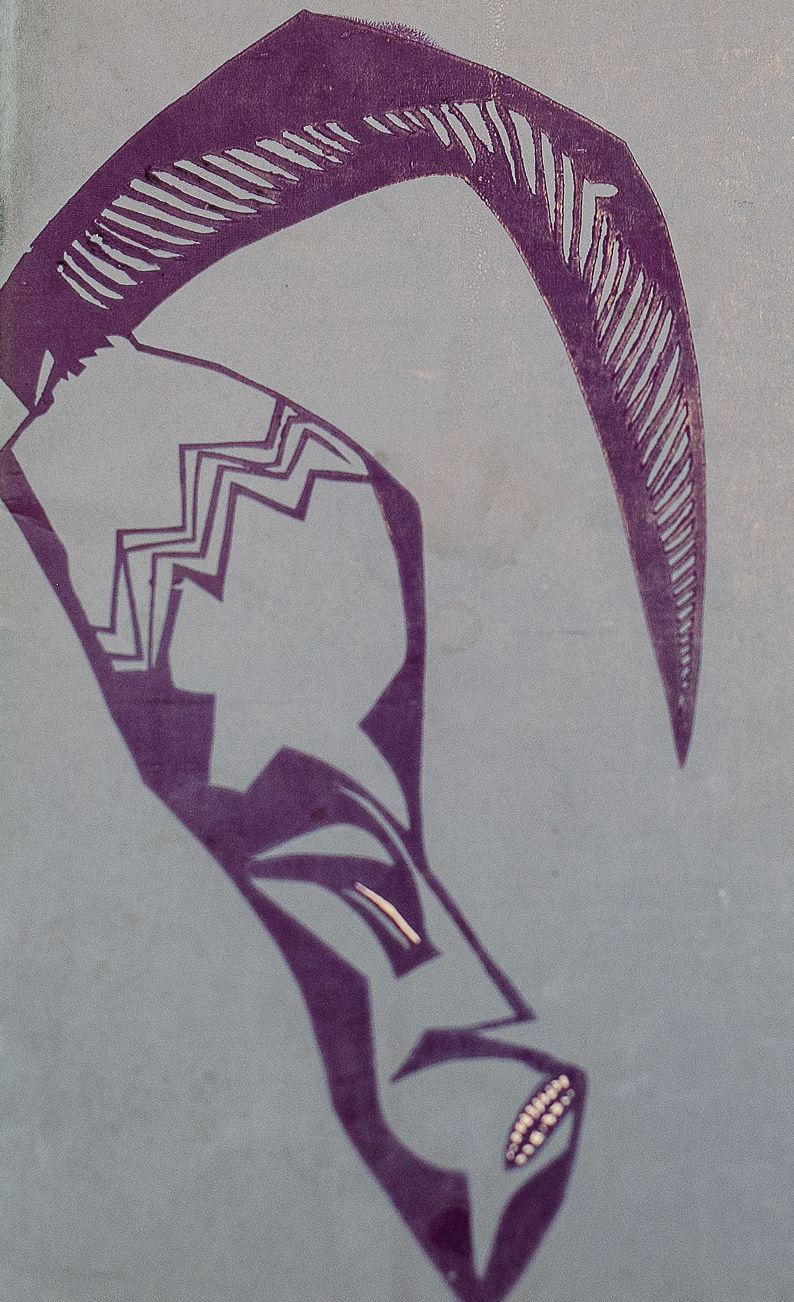
Black Orpheus Journal Collection, OlongoAfrica Collection housed at G.A.S. Library and Picton Archive, 2026. Photo by Sylvester Bayode and G.A.S. Foundation. Courtesy of OlongoAfrica.
Martinician philosopher-psychiatrist Frantz Fanon responds to this particular sentiment in his 1952 book Black Skin, White Masks:
“To counter rationalism he recalled the negative side, but he forgot that this negativity draws its value from a virtually substantial absoluity. Consciousness committed to experience knows nothing, has to know nothing, of the essence and determination of its being. Black Orpheus marks a date in the intellectualization of black existence. And Sartre’s mistake was not only to seek the source of the spring, but in a certain way to drain the spring dry.”
Fanon’s reading of Sartre (and negritude, really) insists that if negritude is only meaningful insofar as it leads to its own dissolution, then Black consciousness is denied its density in the present. Where Sartre situates Black consciousness within a teleological narrative, Fanon refuses to have it predetermined. The problem is not simply that Sartre misreads negritude. It is that he translates it into a structure that empties it of its unpredictability. Fanon’s critique exposes the persistence of mediation. Even in solidarity, Sartre remains the one who frames and situates the argument. The colonist, as Sartre himself admits, “is there — always there — even when he is absent.”
This tension does not remain in the realm of philosophy. It is, indeed, the question Thulile asks me to consider. What does it then mean when, after this critique, two Germans pick up Sartre’s framing and level it onto African cultural production?
In 1954, the writer Janheinz Jahn, who took an interest in African literature after meeting Senghor in Frankfurt, edited an anthology of African poetry titled Schwarzer Orpheus. Addressed to a German audience, the anthology extends Sartre’s framing almost seamlessly, installing the Orphic metaphor as a primary lens through which African literary production could be read. Reflecting on it, Jahn wrote:
“In 1954, Liberia was the only nominally independent country in sub-Saharan Africa; colonial rule was firmly established; local self-government granted here and there seemed to serve as a safety valve to further secure foreign rule; Mau Mau was almost completely suppressed; and when a scholar proposed a 30-year plan for the liberation of the Congo, it was considered highly revolutionary. Anyone who picked up Black Orpheus back then, however, was already able to glimpse the future: the political rebirth had been preceded by a spiritual one; the vision of a freely shaped future had already been magically conjured in compelling rhythms; forces were at work whose momentum was bound to have an impact on the political sphere.”
About the author
En Mirembe
E.N. Mirembe is a curator and writer whose practice attends to literary and visual cultures through a black studies lens. They studied History at the University of the Western Cape.
Public Fiction: How Art Drafts Realities
When We Gather: On the Not-Yet-Become in Lagos
The Aftercycle: Speculations on Responsive Touch and Restituted Objects

Sounding the Ocean: Spiral Networks of Remembrance and Elation
Notes on Editorial Dis/Continuities