Yinka Shonibare MBE: ‘Wind Sculpture VI’ in Lagos
1 December 2016
Magazine C&
2 min read
The British Council unveiled its first ever public sculpture project in Nigeria. Yinka Shonibare MBE’s Wind Sculpture VI will be on display in Ndubuisi Kanu Park in Ikeja, Lagos as part of the British Council’s UK/Nigeria 2015–16 season, which aims to build new audiences, create new collaborations and strengthen relationships between the two countries. Wind Sculpture …
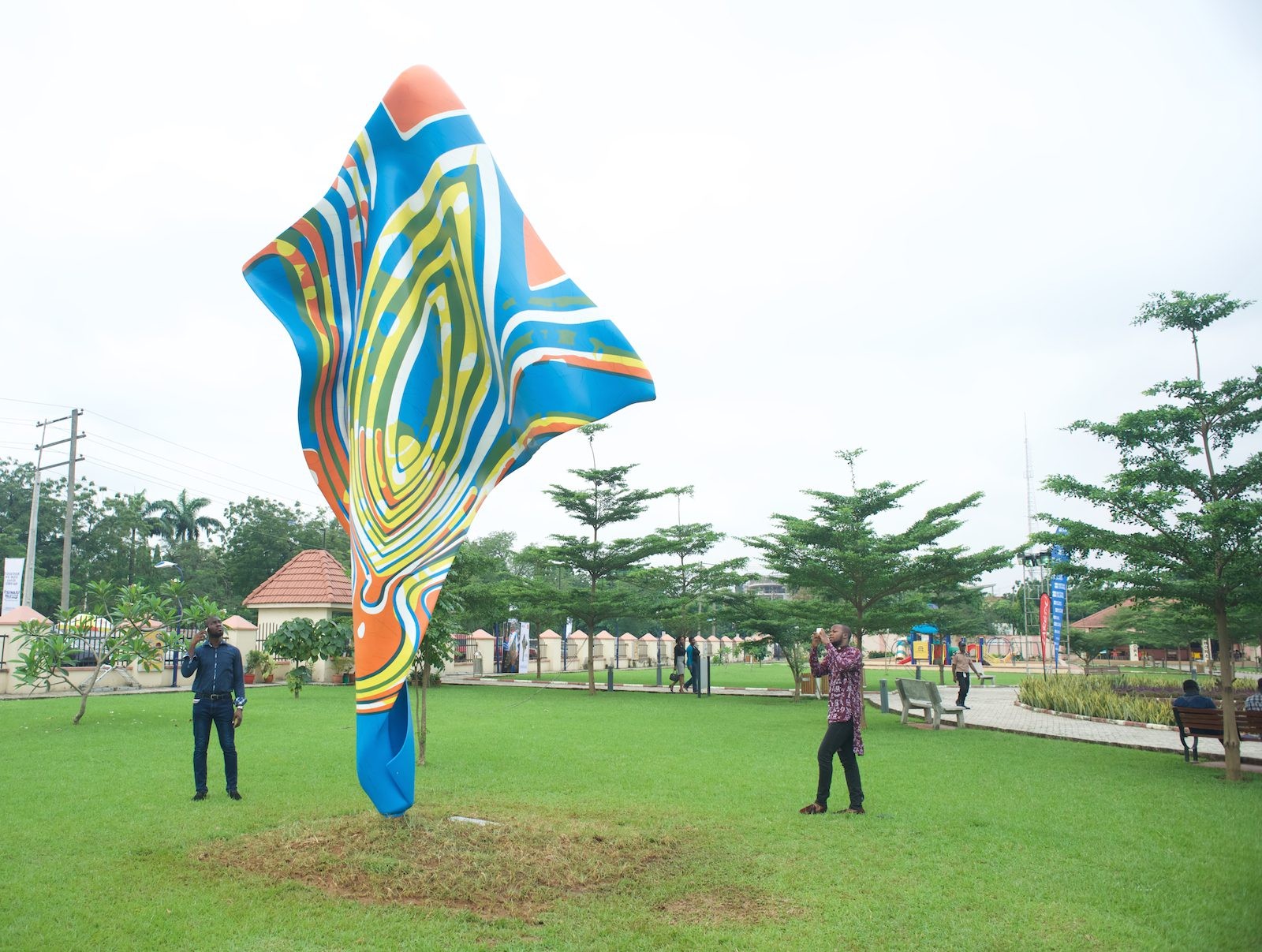
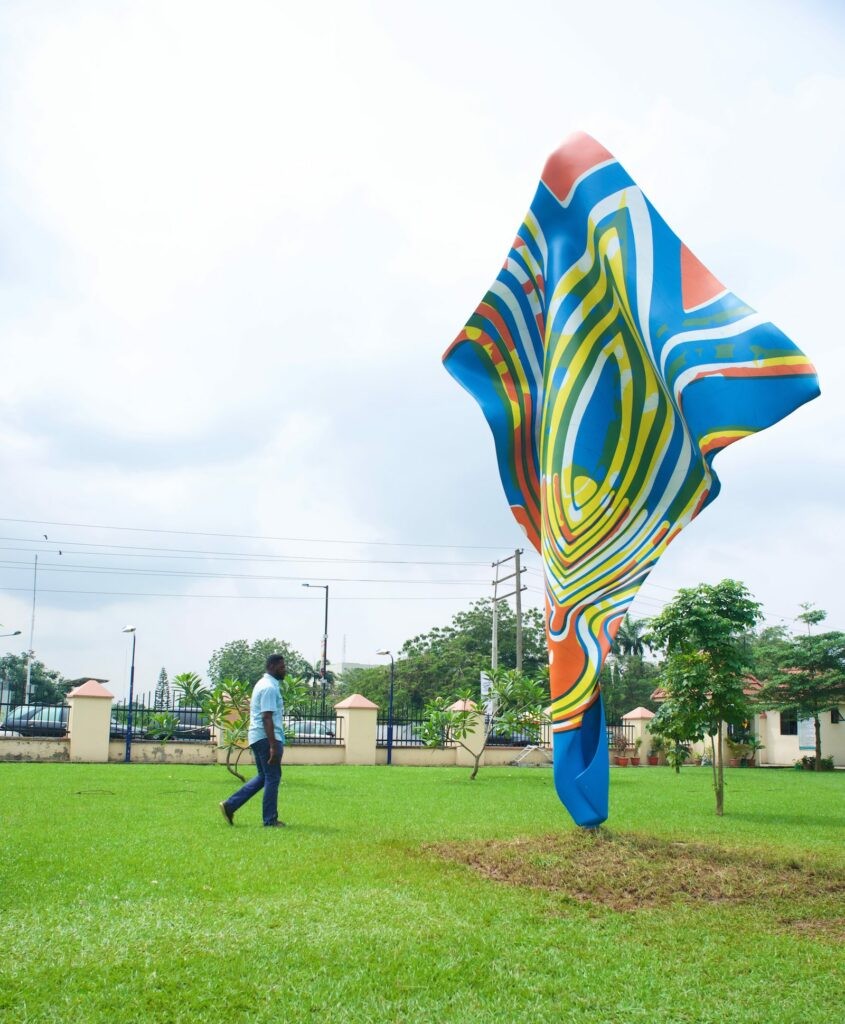
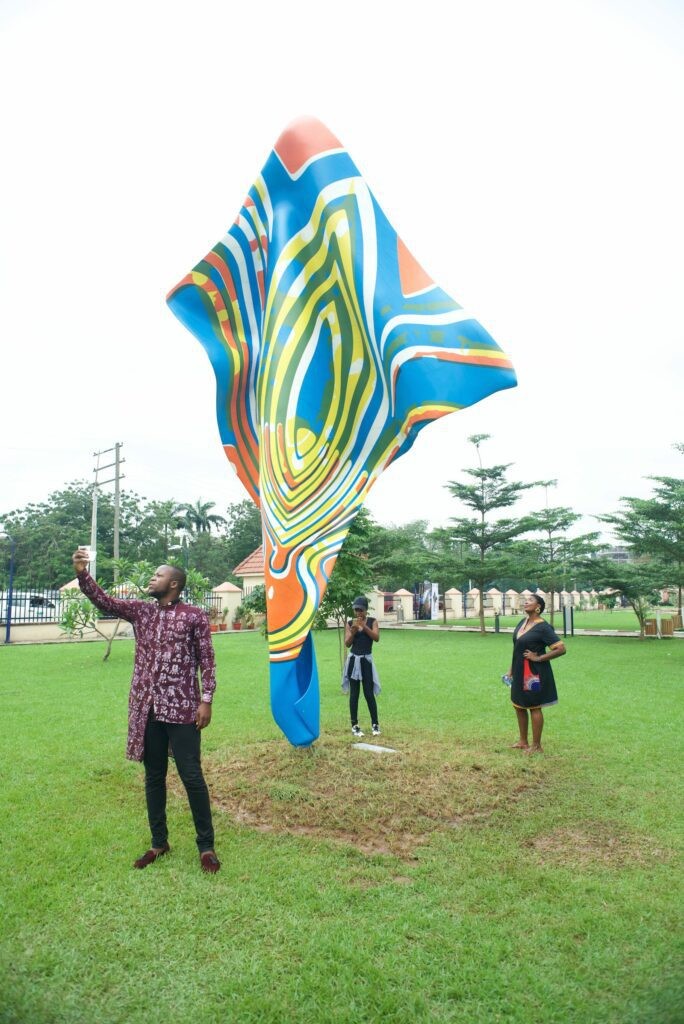
The British Council unveiled its first ever public sculpture project in Nigeria.Yinka Shonibare MBE’s Wind Sculpture VI will be on display in Ndubuisi Kanu Park in Ikeja, Lagos as part of the British Council’s UK/Nigeria 2015–16 season, which aims to build new audiences, create new collaborations and strengthen relationships between the two countries.
Wind Sculpture VI forms part of a series of important large-scale sculptures that demonstrates Yinka Shonibare MBE’s belief in the importance of public sculpture. This six metre tall sculpture appears to be an ephemeral billowing form, capturing a moment in time where wind passes through fabric, but is actually rendered in steel and fibreglass. The organic concave and convex shapes are mirrored in the hand painted patterns that replicate Shonibare’s signature Dutch wax batik fabrics on a dramatically grand scale. All of these elements together lend the work a magical and poetic quality that is immediately visually seductive.
Wind Sculpture VI will remain in Lagos for three months and over that period the park will be the venue for talks, workshops and other wraparound public activities.
<figcaption> Image: Mujib Waziri
<figcaption> Image: Mujib Waziri
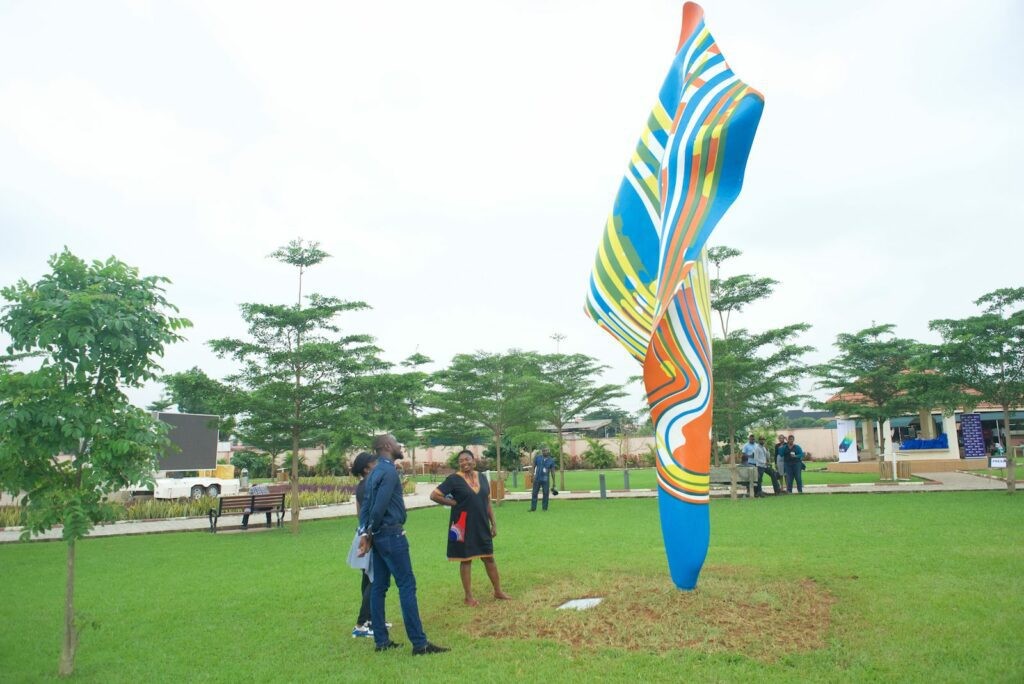
<figcaption> Image: Mujib Waziri
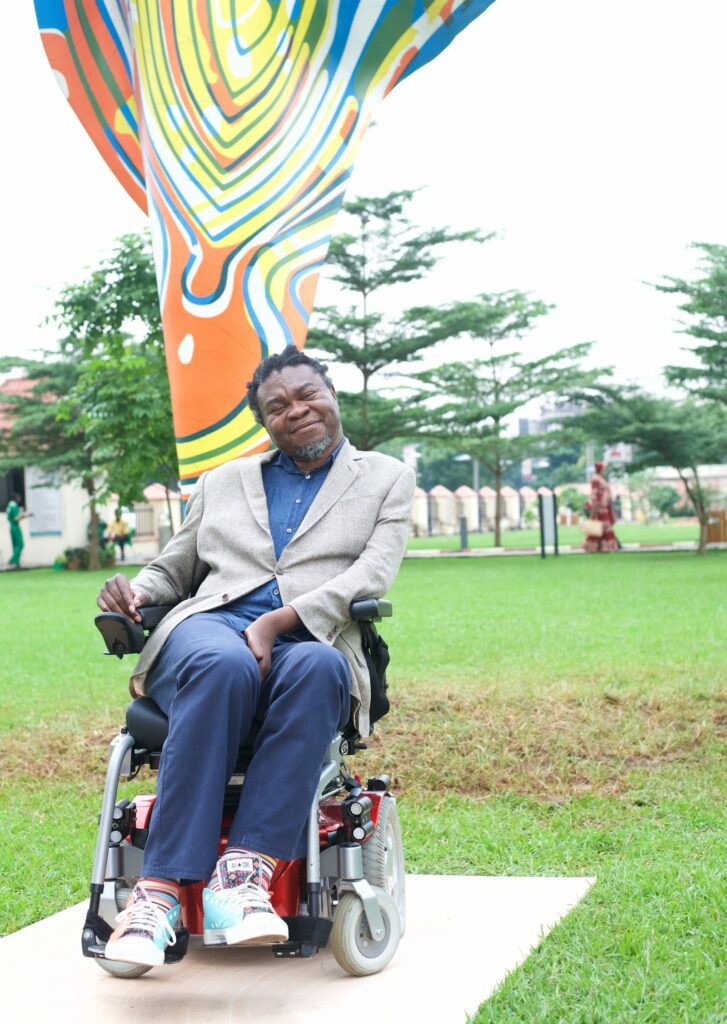
<figcaption> Yinka Shonibare MBE in front of Wind Sculpture VI. Image by Mujib Waziri
Installation View
Investec Cape Town Art Fair 2026
The 36th São Paulo Biennial
Jazsalyn’s A(spora): On the Gullah Geechee Corridor
Installation View
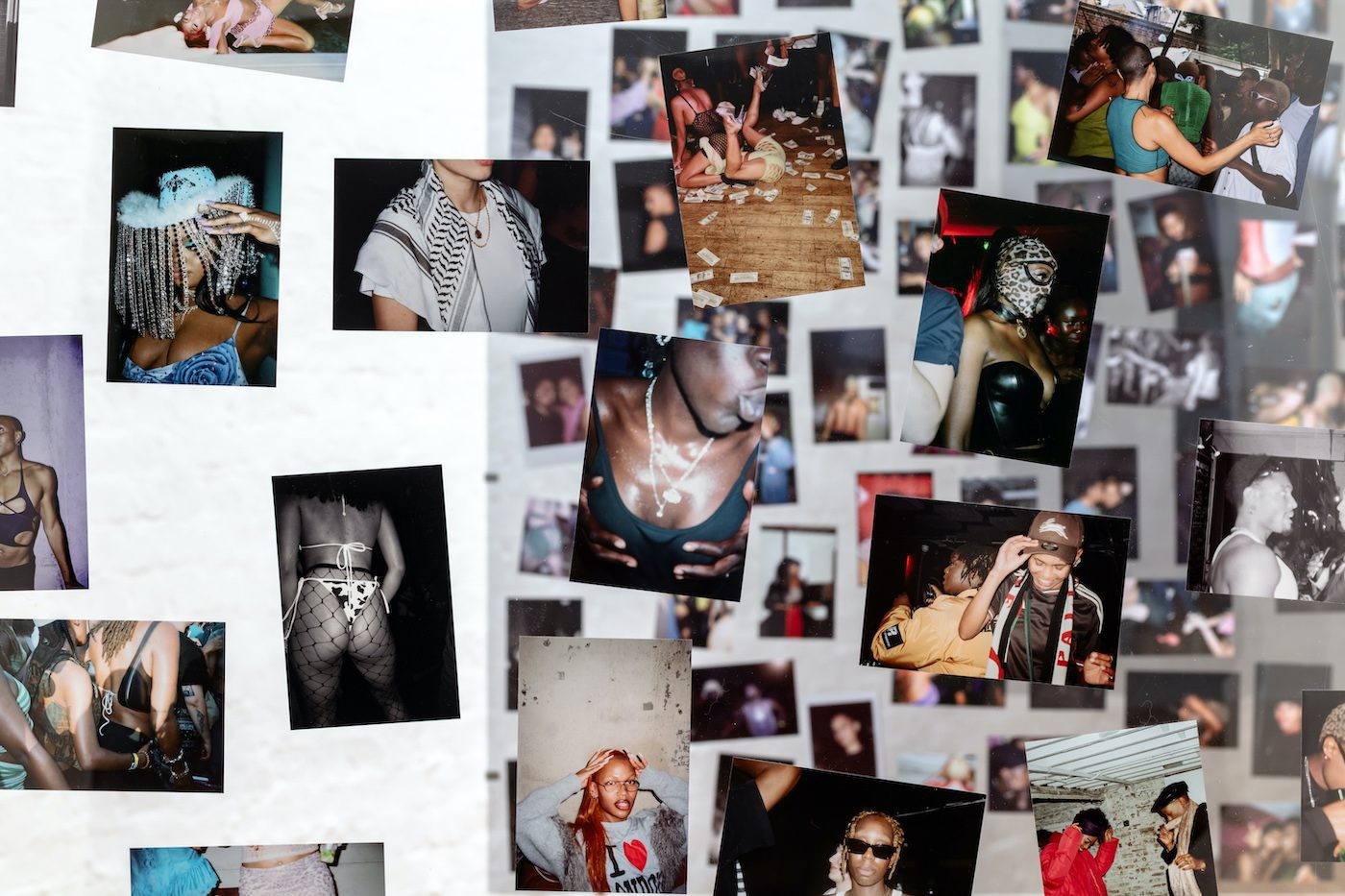
Bernice Mulenga’s LMK WHEN U REACH
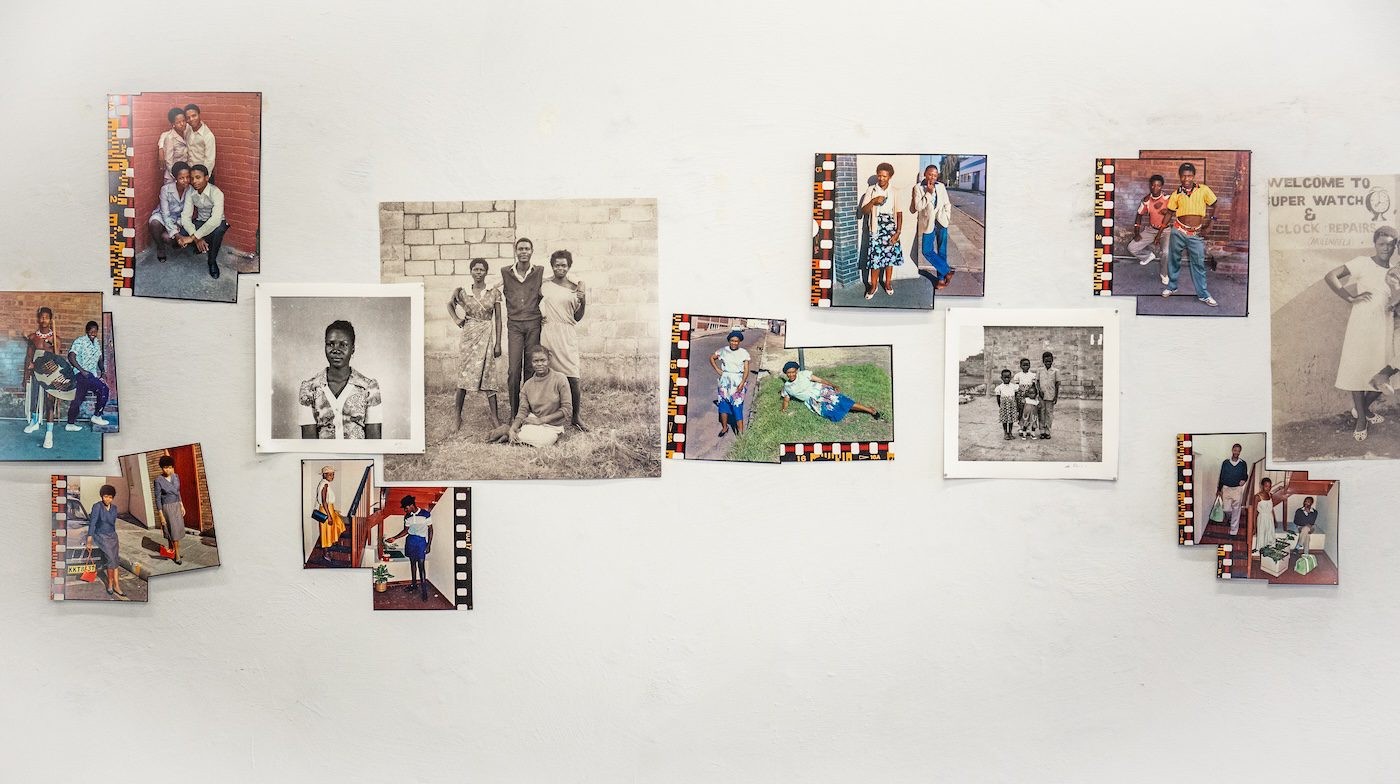
Alick Phiri and William Matlala: I’ll Be Your Mirror