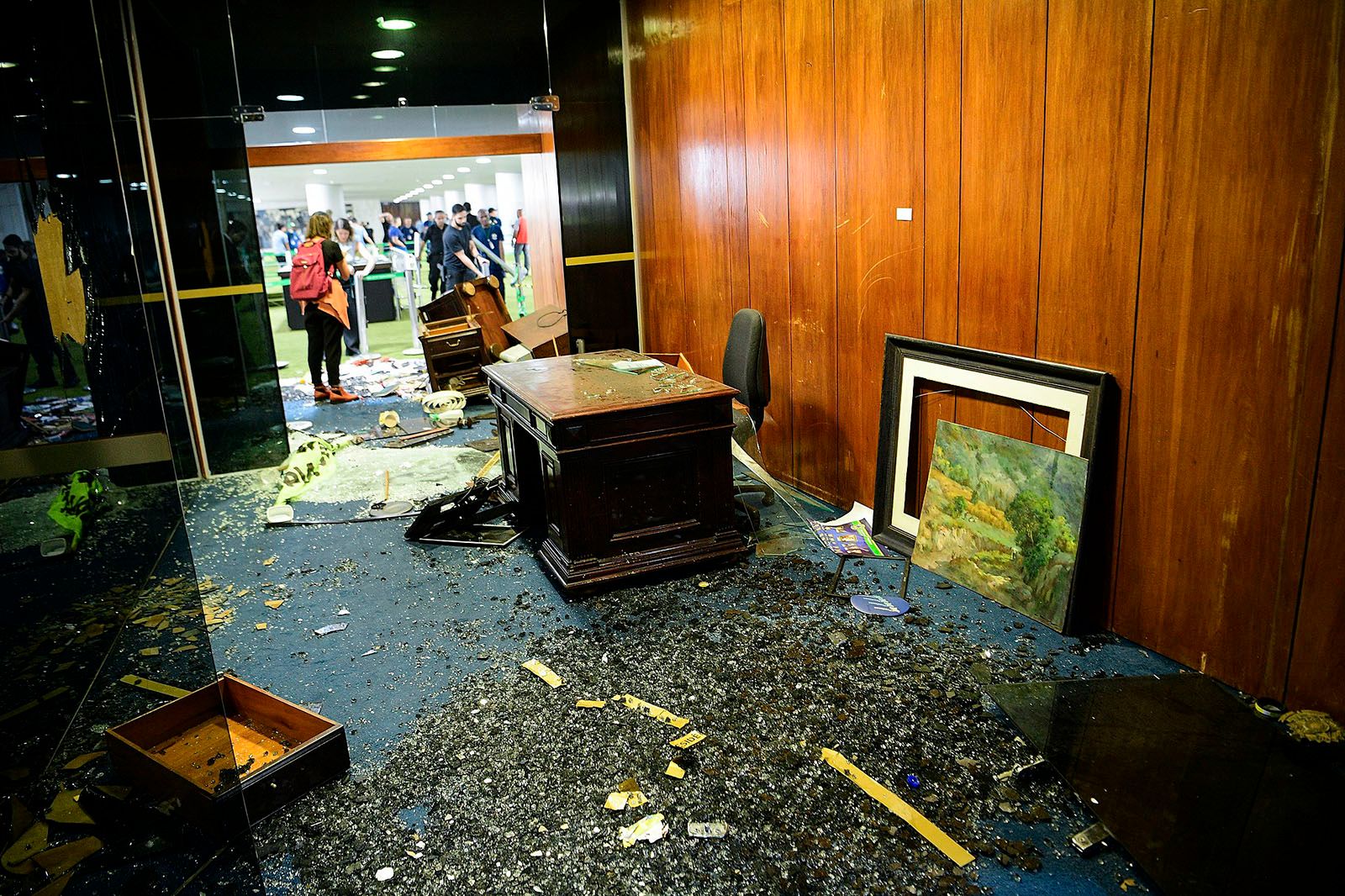
Sugar Island: A Film that Lays Bare the Colonial Legacies between Haiti and the Dominican Republic
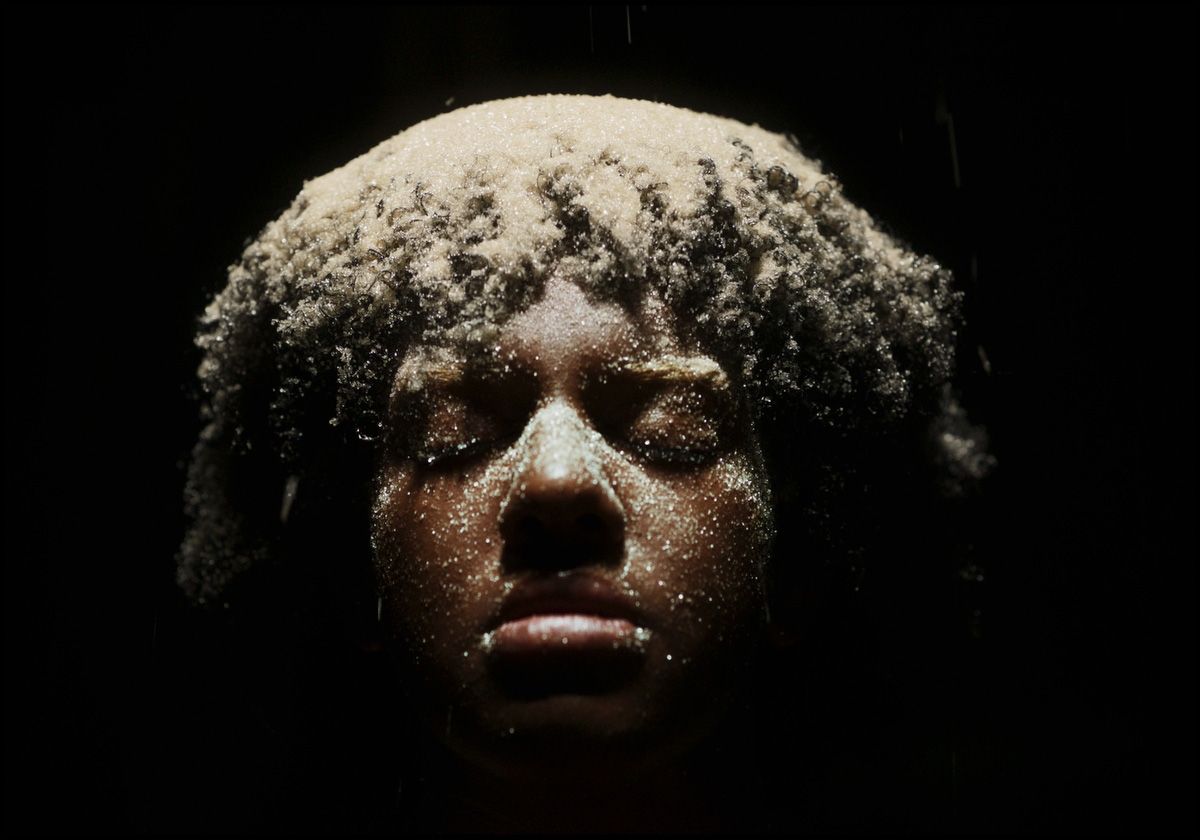
Still from the film Sugar Island, 2024, directed by Johanné Gómez Terrero. Courtesy of the film’s production.
This film by Johanné Gómez Terrero uses the hybrid language of documentary and fiction to tell the story of a teenage Dominican-Haitian girl. While the film exposes anti-Haitian violence, it does so without didacticism and, at the same time, it depicts community, affection, and ancestral spirituality as forms of resistance.
Some films give us an instant dopamine rush; they’re so exciting they give us goosebumps. Others touch us more deeply and require silence and time to digest so that what has been sown can germinate and grow until it ultimately becomes part of the ecosystem of knowledge. The film Sugar Island (2024), by Afro-Dominican filmmaker, professor and activist Johanné Gómez Terrero, inspired the latter in me. I saw it for the first time while pursuing my masters in documentary filmmaking at the International Film and Television School (EICTV) in Cuba at a screening in the Glauber Rocha Room. It was part of a program that included a discussion with the director.
Although the work began as a documentary, it has evolved into a hybrid creation of multiple cinematic languages. Through such fusion of metalanguages, the director weaves a narrative that harnesses fiction to depict the harsh realities that Haitians and Haitian descendants face in the Dominican Republic.
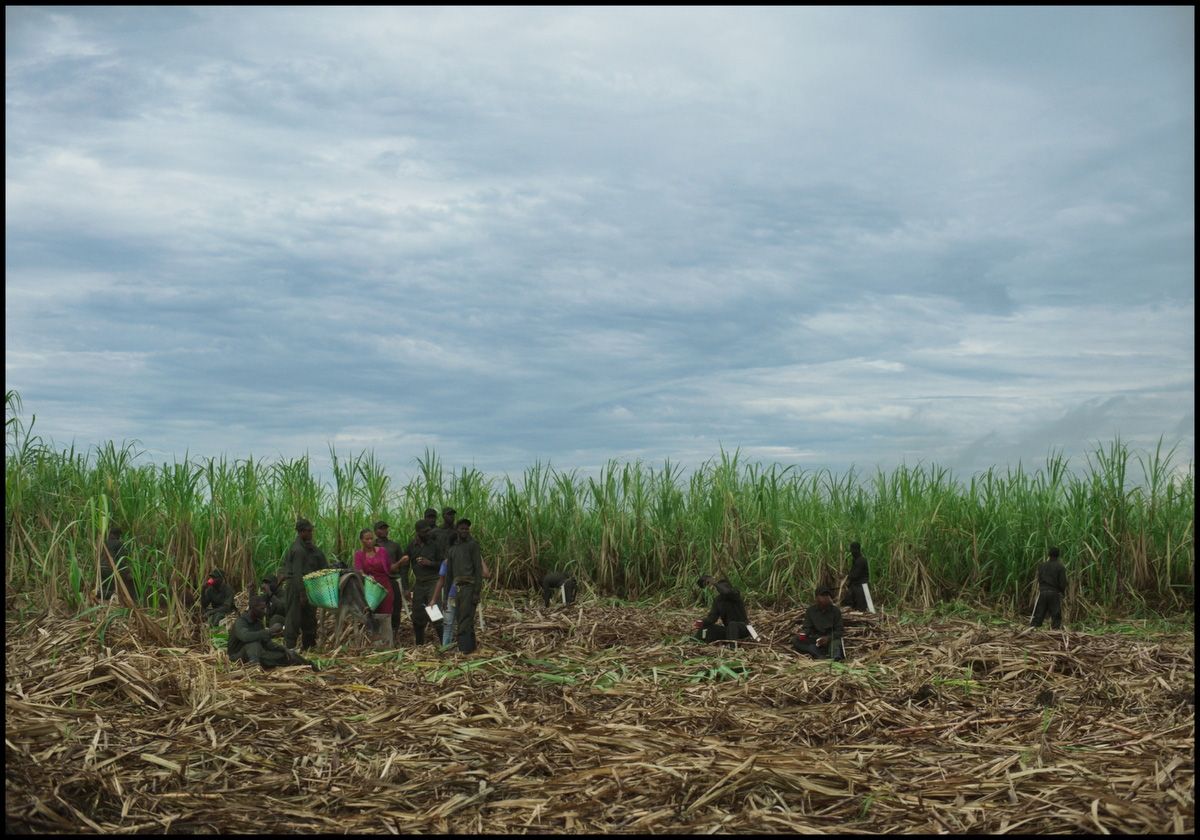
Still from the film Sugar Island, 2024, directed by Johanné Gómez Terrero. Courtesy of the film’s production.
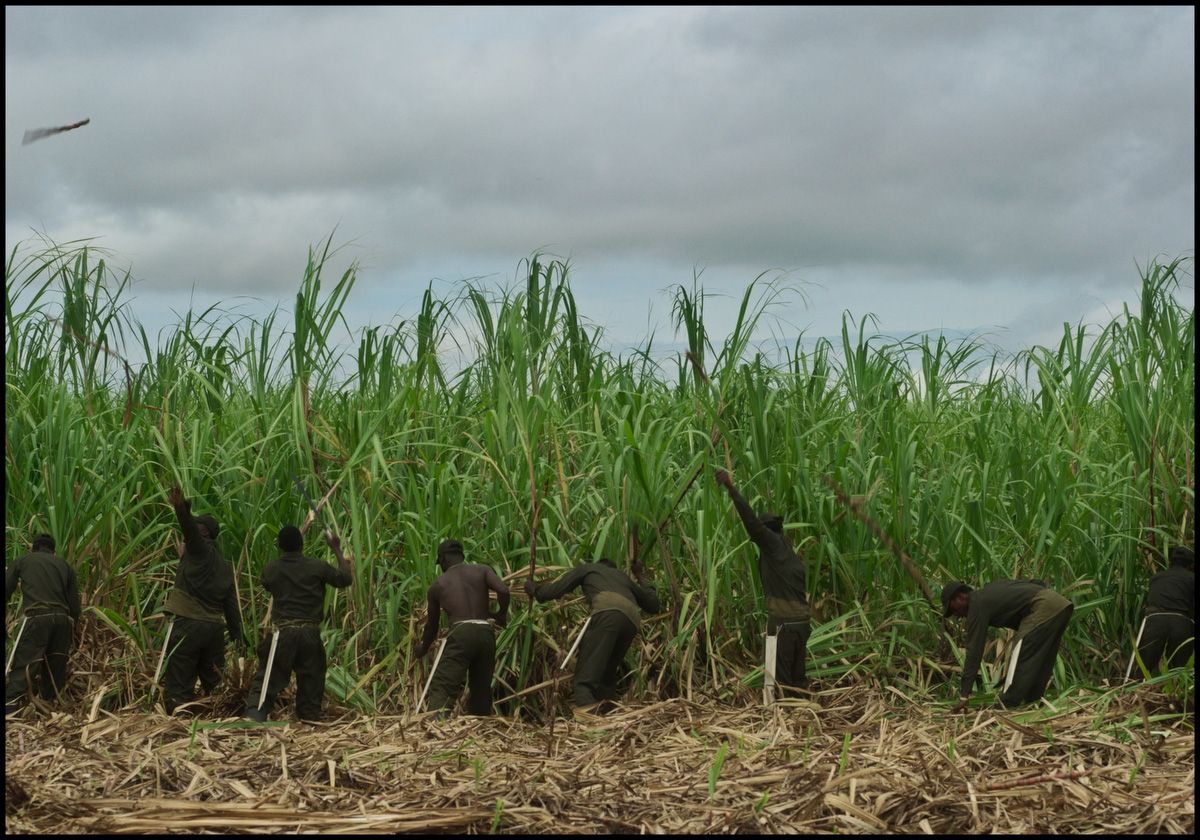
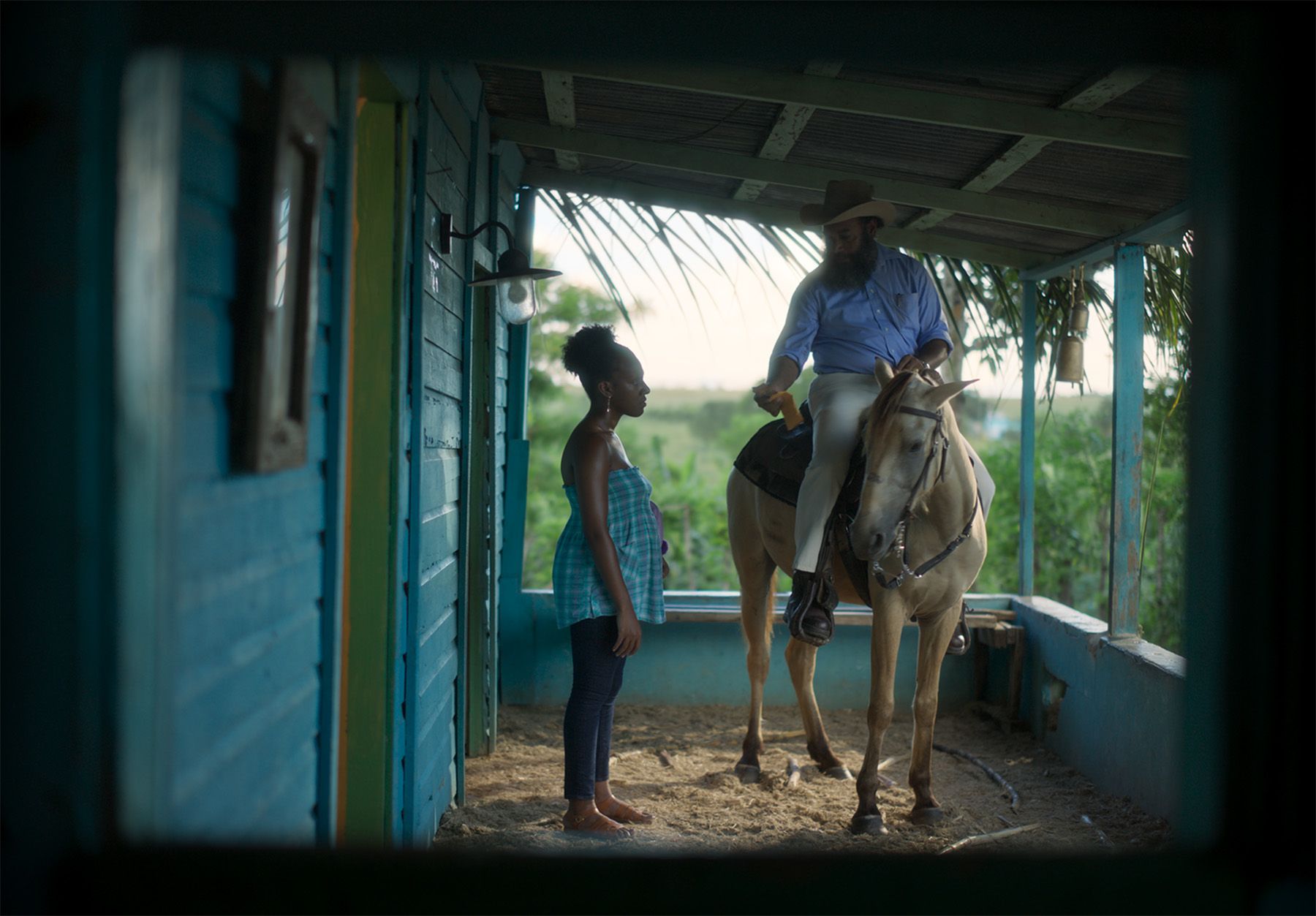
Sugar Island presents an intimate, reflective glance into the life of Makenya, a Dominican-Haitian teenager, the granddaughter of a sugarcane worker, whose pregnancy drives her personal, social, and spiritual awakening. Makenya is played by Dominican actress Yelidá Díaz who one of the few professional actresses in the film. Among the other actors are activists engaged in the fight against the undocumented status of people of Haitian descent, as well as sugarcane workers protesting for labor rights, particularly for the right to a pension after decades of exploitation.
Makenya lives with her mother and grandfather in a batey, which is a plantation community where sugarcane workers live. Oddly, the word “batey” originally comes from the Taíno people who lived in Puerto Rico, Haiti, the Dominican Republic and Cuba. The batey referred to a central square where the Taíno people gathered to hold ceremonies and play pelota. So, colonization altered the batey from a ceremonial and festive space to one of labor exploitation and social tension.
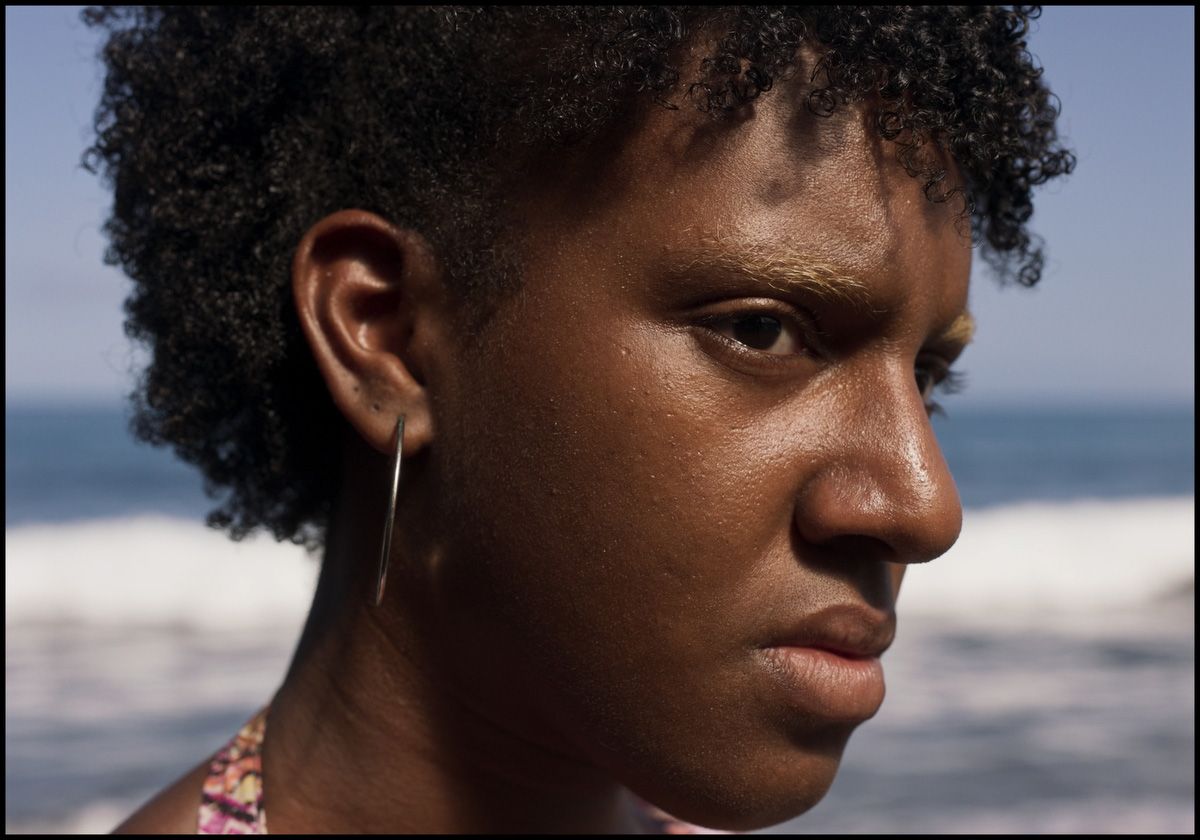
Still from the film Sugar Island, 2024, directed by Johanné Gómez Terrero. Courtesy of the film’s production.
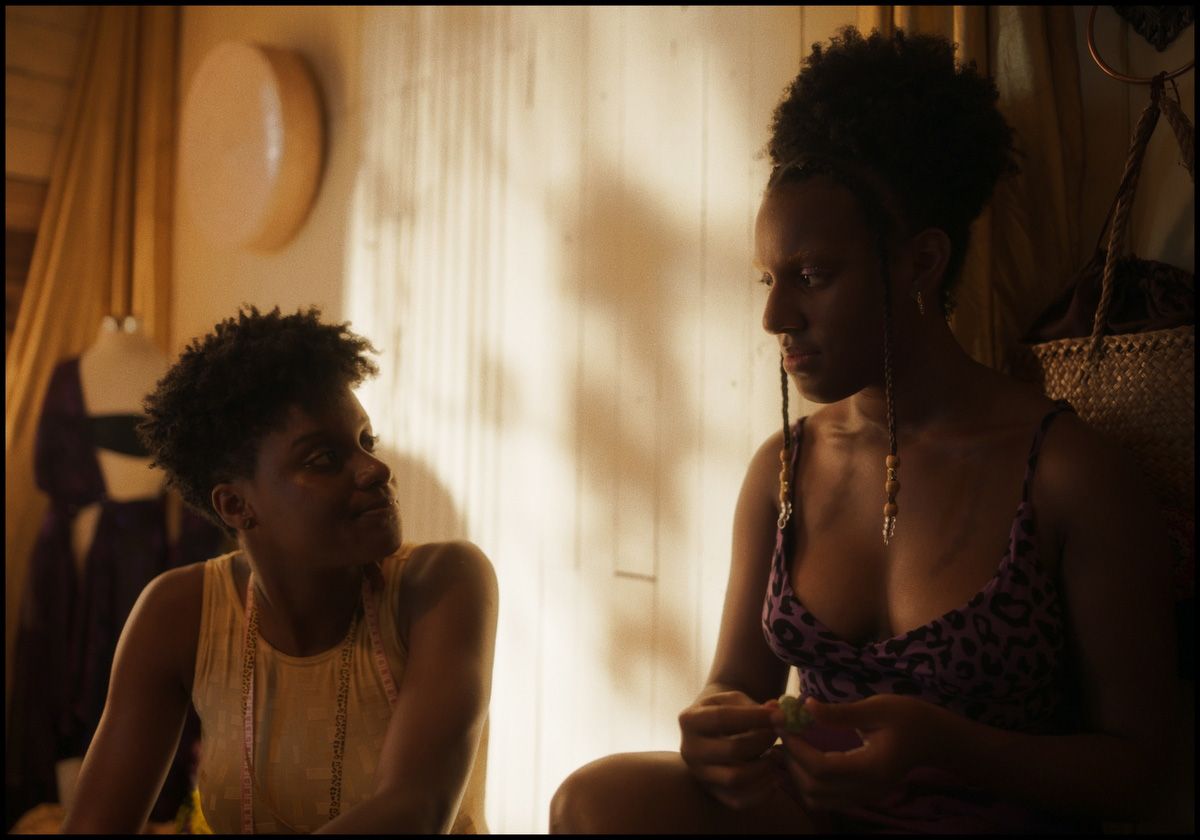
Johanné has confirmed that she was inspired by critical fabulation, a concept coined by African-American historian Saidiya Hartman (2008), that invites us to tell “impossible stories,” not only because they have been erased from the archives, but also because the place they were told from was one of complexity and novelty.
The first scene takes place in the ruins of the Boca de Nigua sugar mill, a symbolic location, since it was the setting of a slave rebellion where they ended up seizing power and establishing self-government under the leadership of a woman named Ana María, who was known as the Queen. The old sugar mill thus functions as a poetic space that is interwoven into the narrative, disrupting the linearity of time. It is where, for instance, letters of sale and purchase of Black women, based on research conducted by historians in the Dominican colonial archive, are read aloud. Another performative intervention in the film declares the marronage and the escapes of enslaved people as forms of disobedience and liberation against the oppression of the first sugar industry to be established in “La Hispaniola” (today Haiti and the Dominican Republic).
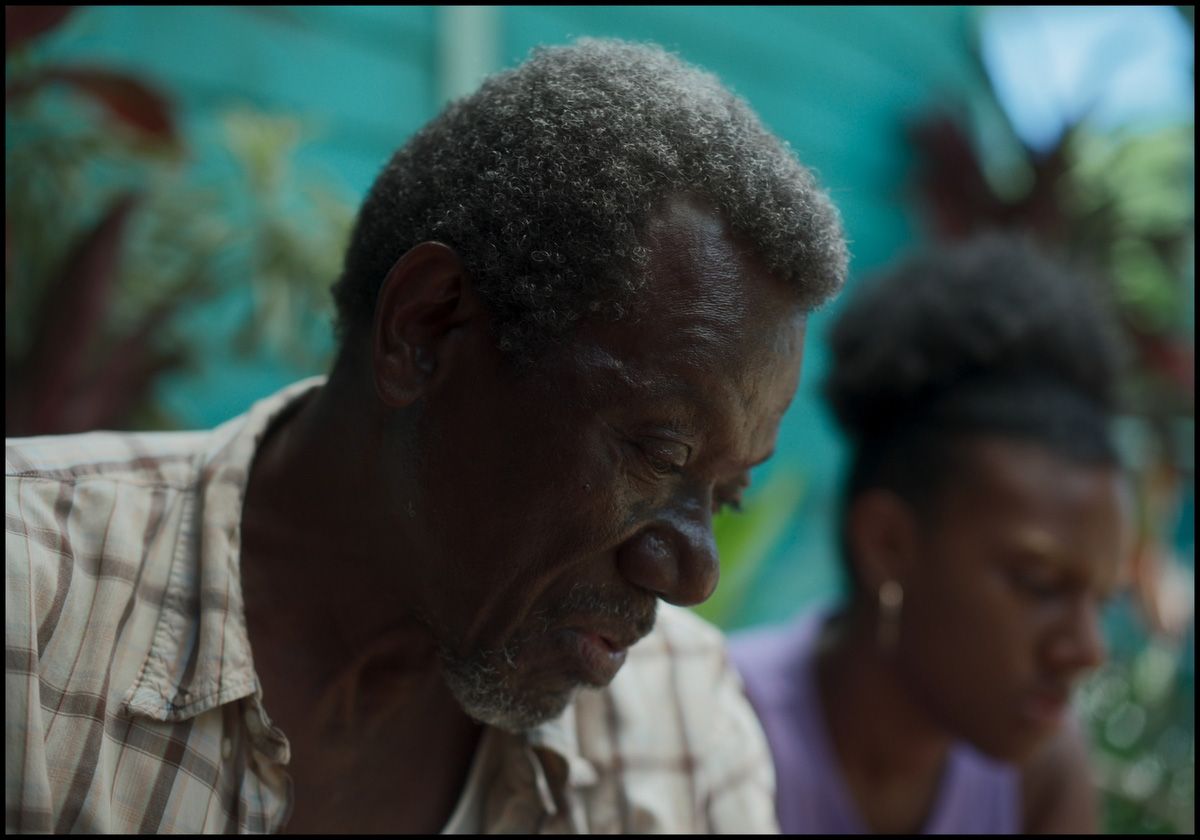
Still from the film Sugar Island, 2024, directed by Johanné Gómez Terrero. Courtesy of the film’s production.
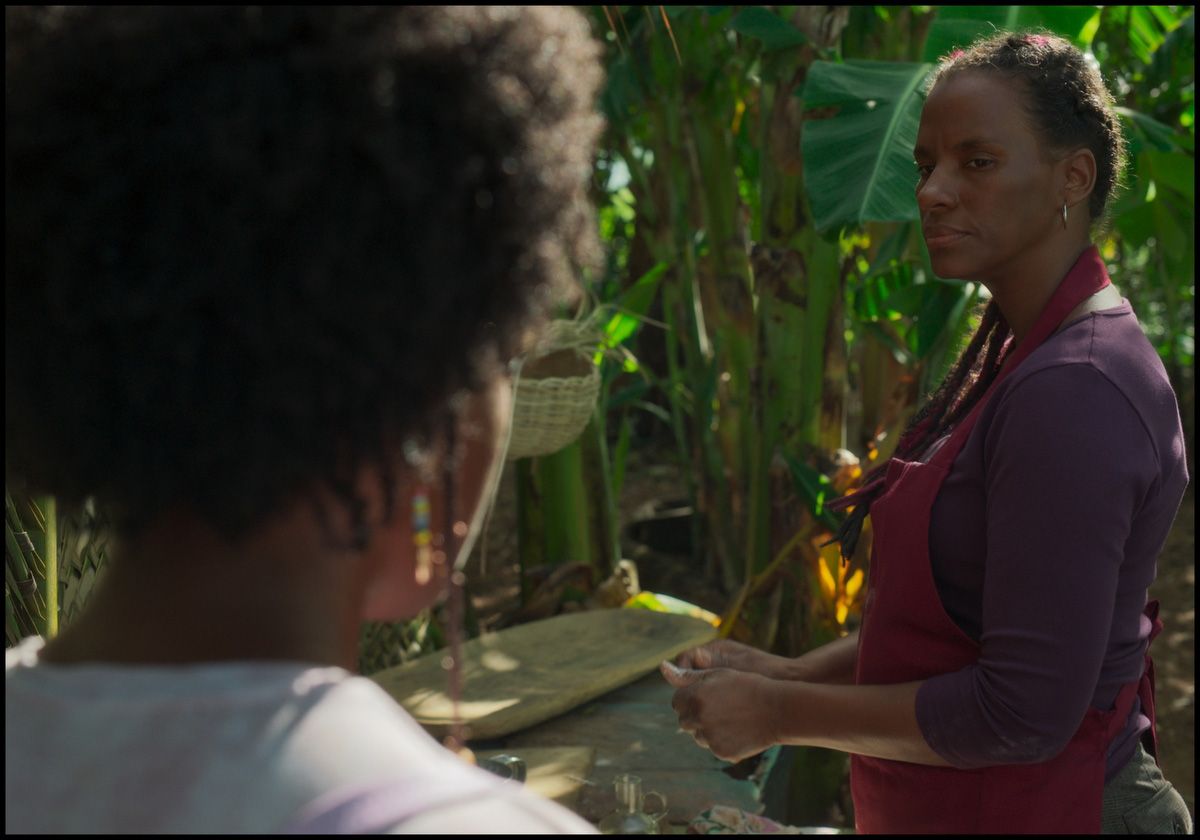
Johanné has pointed out in several interviews that there is an authorial dimension to the teenage pregnancy, in that it has affected a number of women of her generation. Sugar Island draws attention to the fact that unwanted pregnancy, resulting from a thirteen-year-old’s lack of sex education, is not an isolated case in the bateyes.Furthermore, in a country where abortion is a crime, the control of racialized, precarious bodies perpetuates a form of colonial violence.
Makenya, suddenly forced to become an adult, is made aware of her social position as an undocumented youth. As she attempts to break with this intergenerational injustice, driven by the desire to legally register her unborn child, she comes to understand that prejudice, racial exclusion and the lack of access to the Dominican national registry affect her entire community. However, it is in her community that she finds a network of support, affection and care. Throughout the film, she is accompanied and consoled by her best friend, her mother, and her grandfather.
Still from the film Sugar Island, 2024, directed by Johanné Gómez Terrero. Courtesy of the film’s production.
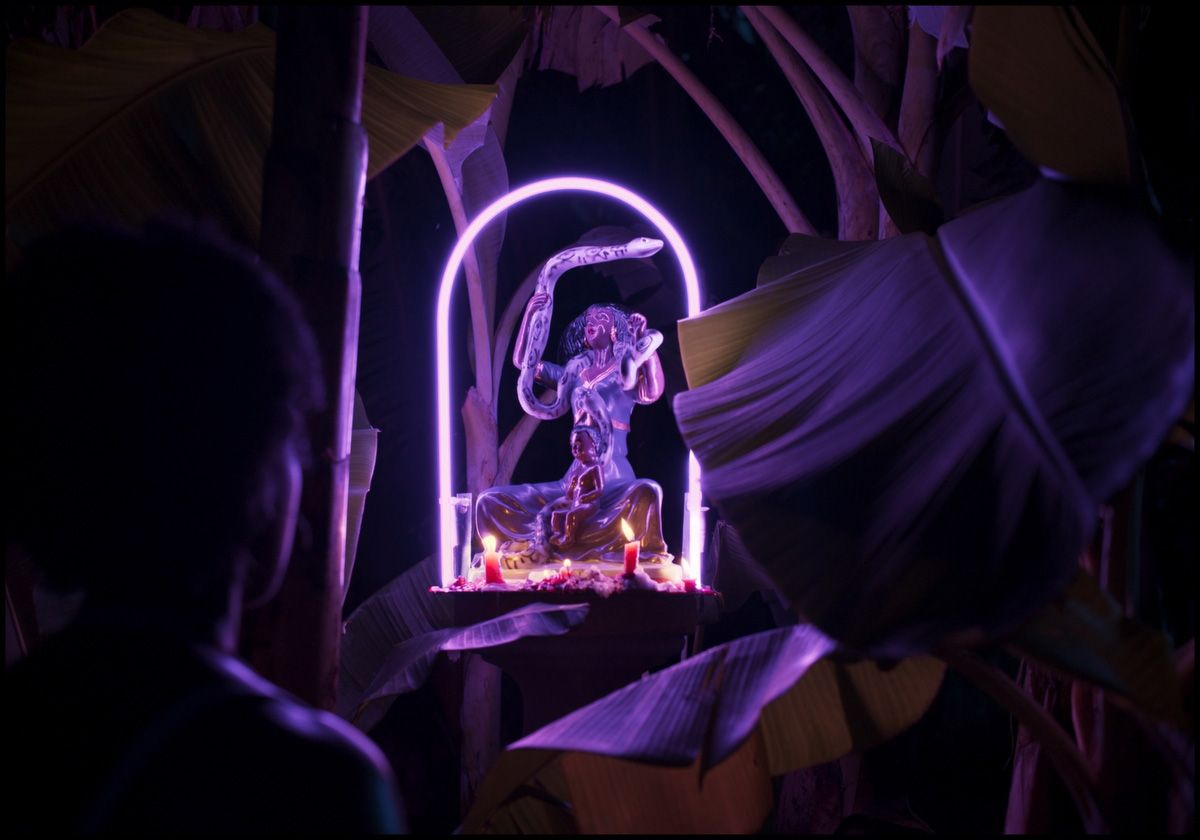
Furthermore, throughout the film there is a sense that she’s protected by spiritual and ancestral forces, a belief that is rooted in the Afrodiasporic worldview. That feeling is manifest in the altar dedicated to Saint Marta Lubaná, a Haitian Vodou deity who is also the patron saint of Makenya’s mother. It is also evident in the constant presence of the serpent, which represents her spiritual calling. In addition, Makenya’s consecration after she accepts her calling takes place in the middle of Gagá, a syncretic festival celebrated within bateyes during Holy Week.
Along with its juxtaposing temporalities, Sugar Island allows us to experience, with the protagonist, the contradictions of a land where the colonial legacy still determines people’s fates. Johanné Gómez invites us to recognize structural violence, but she also compels us to understand the power of community care and ancestral spiritualities as forms of support and liberation.
About the author
Mónica Garabito
Mónica Garabito is a Cuban-German artist and researcher based in Rio de Janeiro, Brazil. Her narratives dive into the genealogies of the imagination and the technologies of Afro-diasporic communities.
Bodies in a state of eruption: the performance and metamorphosis of Malu Avelar
Not for Sale: How Black and Indigenous artists are rewriting the rules of the art market
What’s Behind Decolonial Movements in Brazil?
Celebration and Resistance in Ventura Profana’s Films
The Art of Translating and Vice Versa