Reclaiming Space: Reverse Architecture in the Work of Wisrah C.V. da R. Celestino
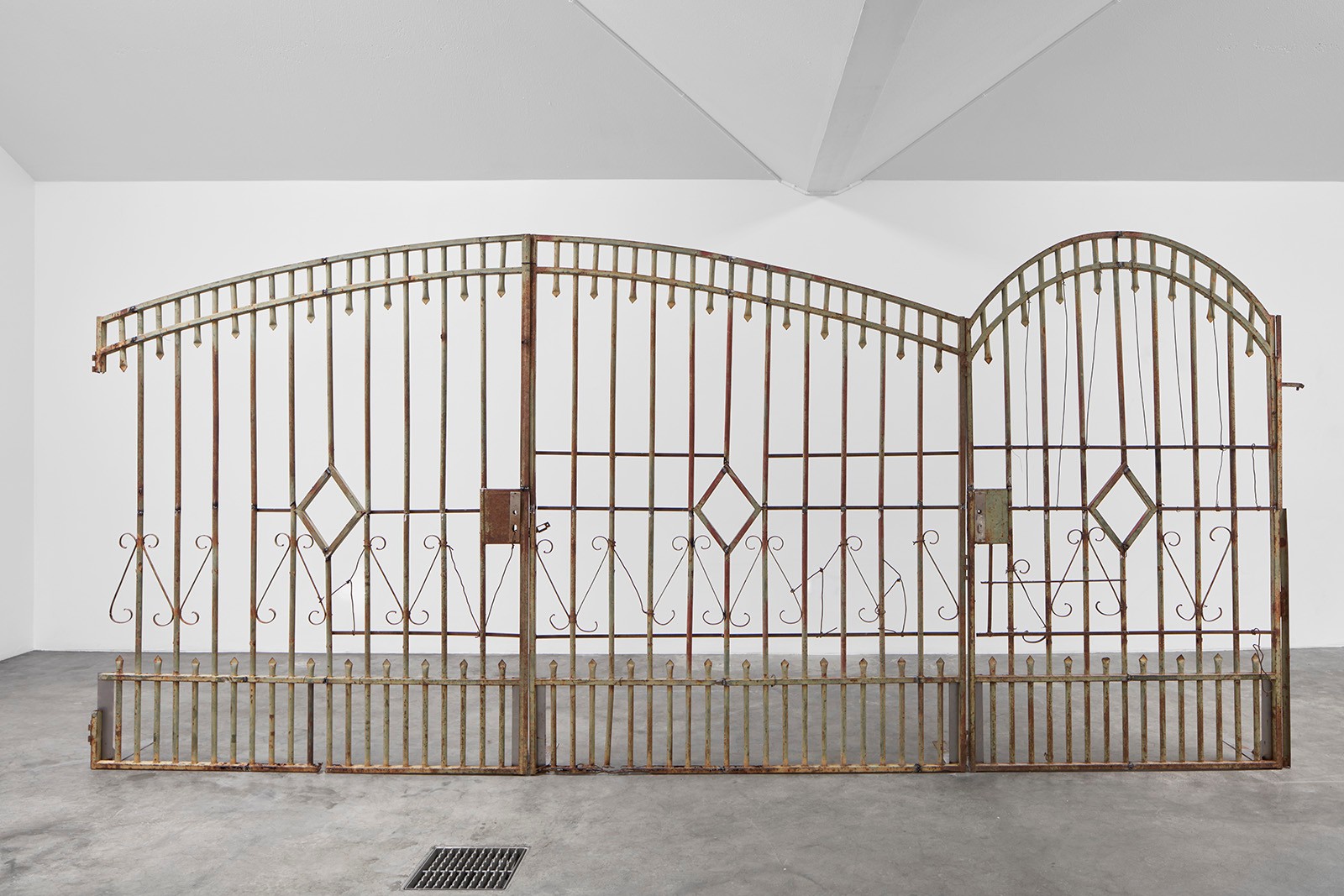
RENTAL/FATHER, 2023. One or more objects rented from the artist's father. Variable dimensions and materials. @ Simian, Copenhagen, Denmark.
An essay on the exhibition space as a set of economic and power relations in the work of Wisrah, an artist from Minas Gerais.
In Lot (2022), by Wisrah C.V. da R. Celestino, an artist from Minas Gerais, narrow lines demarcate a rectangular shape in the middle of a field of undergrowth. The contrast between the apparent disorder of shapes in the undergrowth, and the strong demarcation of the lines on the ground, accentuates the ordered nature of the space. The image of Lot (2022) shows the physical dimensions of space delimited by power, the piece of land owned as property, the land-based tracks of relations in the modern world. The outline, which corresponds to the exact size of the studio where Wisrah works, shows the limits of creation, and of the artist who resides in the space but never holds the power to negotiate their own work. Lot (2022) emerges as a sign of the dispossessed land of Wisrah, explaining the implications between spatiality, the art system and modern capitalism from a Global South perspective.
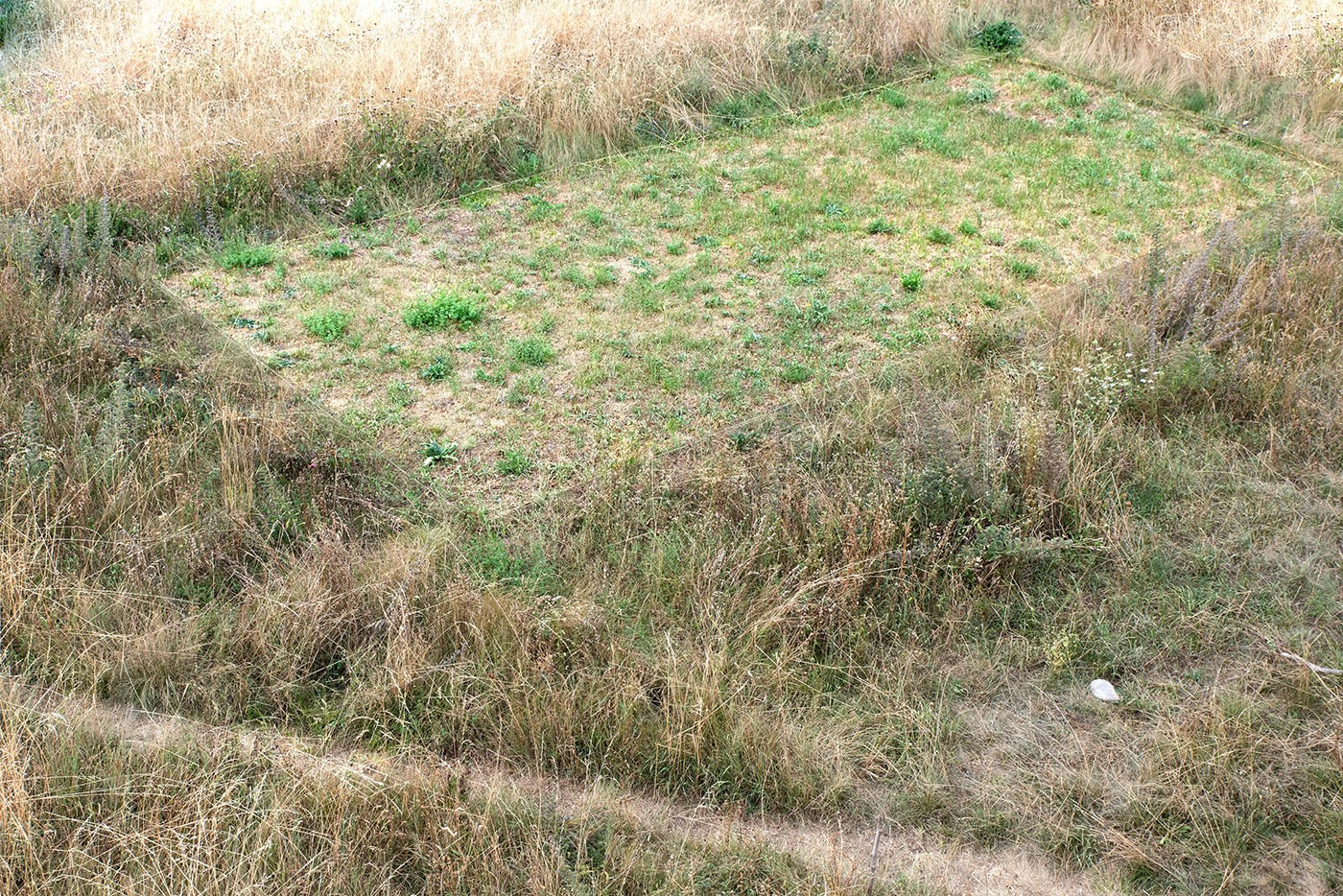
Lot, 2022. A lot in dimensions of the artist's current or previous studio. Variable dimensions and materials. @ La Becque, La Tour-de-Peilz, Switzerland.
In a related way, the rusty cast iron gate in RENTAL/FATHER (2023) doesn’t allow the marks of use and time to escape, structures typical of dilapidated materials dumped by the wayside in underdeveloped countries. With its handmade interferences, patches, and quick fixes, the work exposes the precariousness and insecurity imposed by economic forms of capital. On Wisrah's instructions, “rented objects” operate a microeconomic lifting of the monetary direction of the accumulation of wealth and expose precarity and instability, playing with speculative assumptions about their own place of origin. In their relationship with space, Wisrah operates what I call “reverse architecture”, a gesture that seeks, from spatiality, an opening to subjects subsumed in the spatial equation of modern capitalism. Blind transparency, so dear to the spatial procedures of the art system, is undermined in Wisrah's work by claiming exhibition space as an economic relationship.
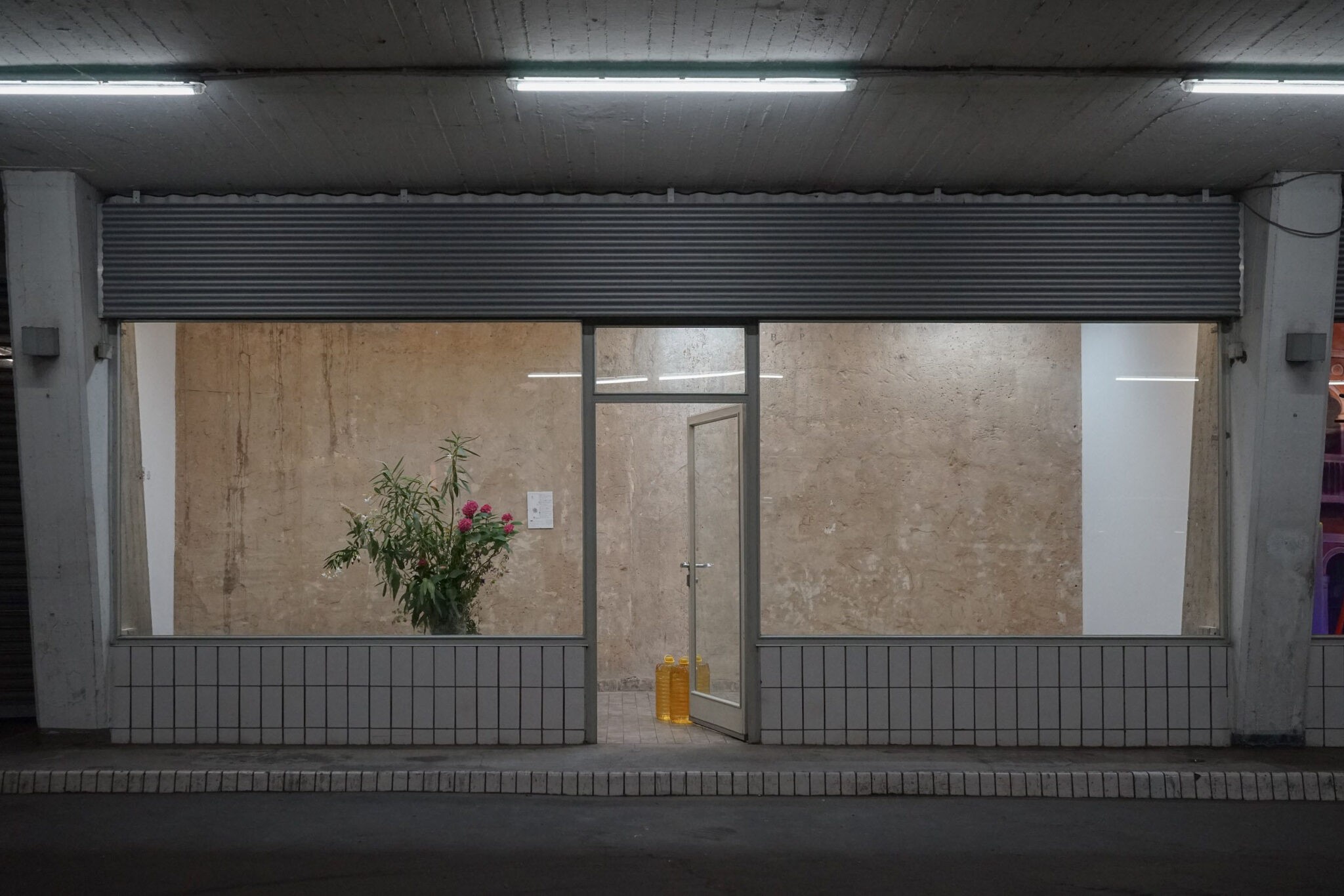
Set, 2022. Exhibition view. Solo show. @ BPA, Cologne, Germany.
By claiming the exhibition space as a set of economic and power relations, Wisrah splits the cognitive structuring of the exhibition space, undermining the nature of the white cube, in which economic and gender relations, and relations of domination seem to disappear in the name of a neutral visuality. The signs demarcating the spatiality of power, such as lots, keys, doors, and gates, are thus taken up by Wisrah, and express the relationship between the architecture of power and the exhibition space, fundamental to their artistic grammar. In this play between displacement, dispossession, possession, and accumulation, Wisrah has navigated their work, which considers relationships between merchandise, transit, and spatiality in discussion with the Global art system.
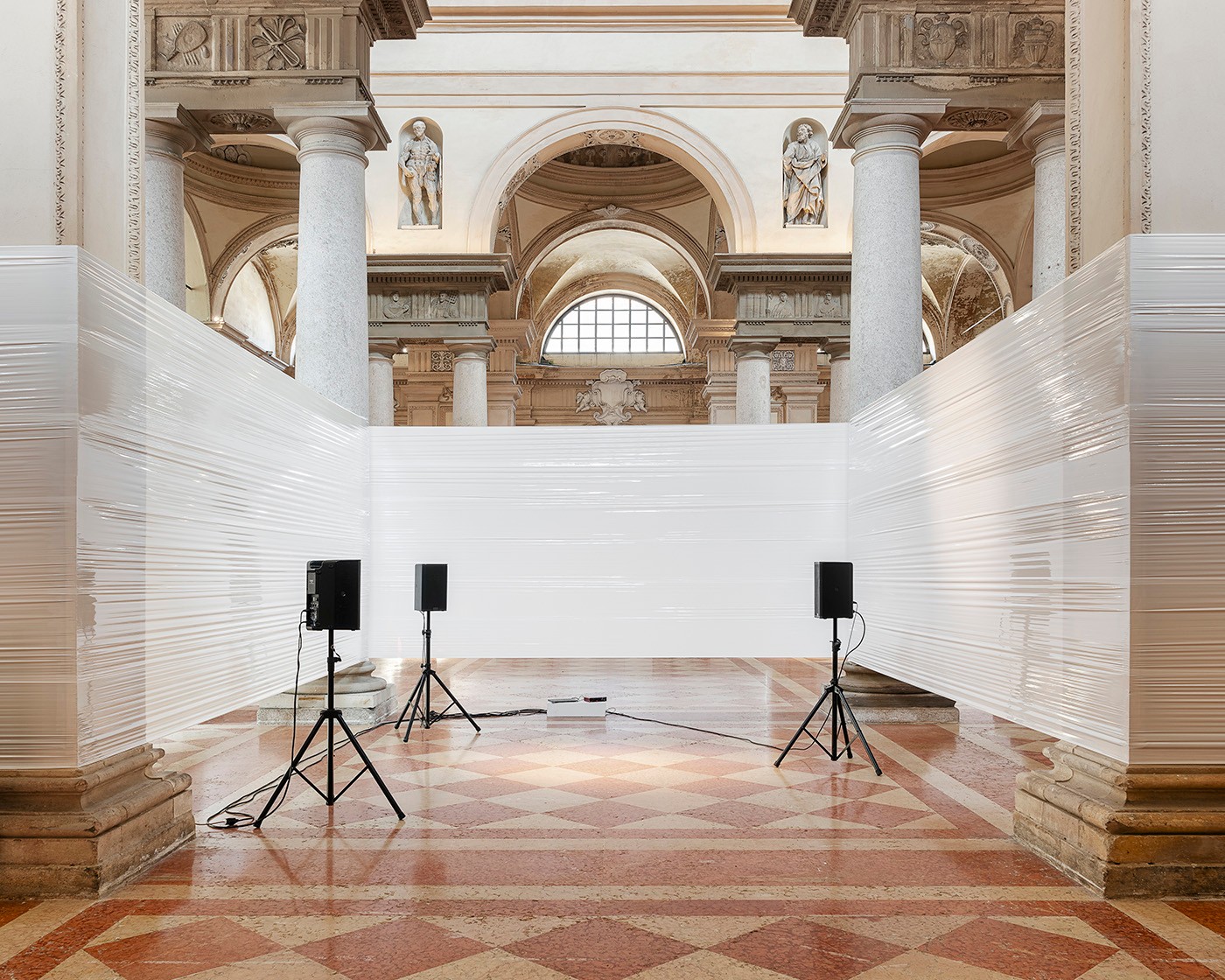
DOORS, 2022. 3-channel sound installation. 2min41s. @ Ducato Prize Finalists Exhibition, Piacenza, Italy. Listen here: https://soundcloud.com/asweleavethewindowopen/doors-2022-wisrah-villefort
In their work Doors (2022), which was awarded the Ducato Prize (2023), a three-channel installation proposes the drift of the body in the exhibition space. In the installation, we hear Wisrah's voice in tears, exhaling pleading verses from the lyrics of a pop song. “Bring me to life,” Wisrah blows in our ears, “Call my name,” rings in our eardrums as we try to find our way, “Save me from the dark.” Wisrah begs, as we try to follow their instructions. With this gesture, Wisrah imposes an unobtainable distance between voice and desire, which makes the invisible a structuring element in the installation experience. Their painful demands (Doors, 2022) raise the issue of invisibility and erasure of production relations. As an artist without the ability to save themself, Wisrah plants in the space the recognition of their invisible subjectivity and their own suffering as absent subjectivity.
In Keys (2021), the keys to the doors of the exhibition space hang on the wall. The instructions are clear: “A copy of each key for each lock in the exhibition space must be displayed on a stainless-steel key ring as specified by the artist.” The work, in which a score plays in the space, drives the principles of stability of the institution itself. From the doors that open in art spaces, Wisrah raises the power issues of their own condition of temporary possession; that is, of the instability and insecurity of criticism as a mechanism of its creation and circulation. Using keys, doors, and gates, Wisrah plays their scores, inviting us to think about other spaces and subjects in building a different architecture, from within and with the white cube.
Wisrah C. V. da R. Celestino (Buritizeiro, 1989) lives between Braunschweig, Germany, and São Paulo, Brazil. Through scores, sculpture, text, photography, sound, and video, their work addresses the remaining structures of the transatlantic colonial project, focusing on institutional critique, private property, and the relationship between nature and capital.
Maya Quilolo (b. 1994 in Brazil) is a Brazilian artist and researcher born in a quilombola community in Minas Gerais. A Ph.D. candidate at the Federal University of Minas Gerais, Quilolo is interested in multidisciplinary investigations addressing the Black body’s potentialities and the intersections between art, anthropology, and Indigenous heritage.
Translation: Zoë Perry
Review
C&AL’s Highlights of 2025 You Might Have Missed
2025 in Review
The Artists Forging Ecological Ties in Female Fugivity and Marronage
Review
Macuxi Jaider Esbell: An Indigenous Life Cut Short by Epistemic Extractivism

Paris Noir: Pan-African Surrealism, Abstraction and Figuration