With A Bird’s-Eye View
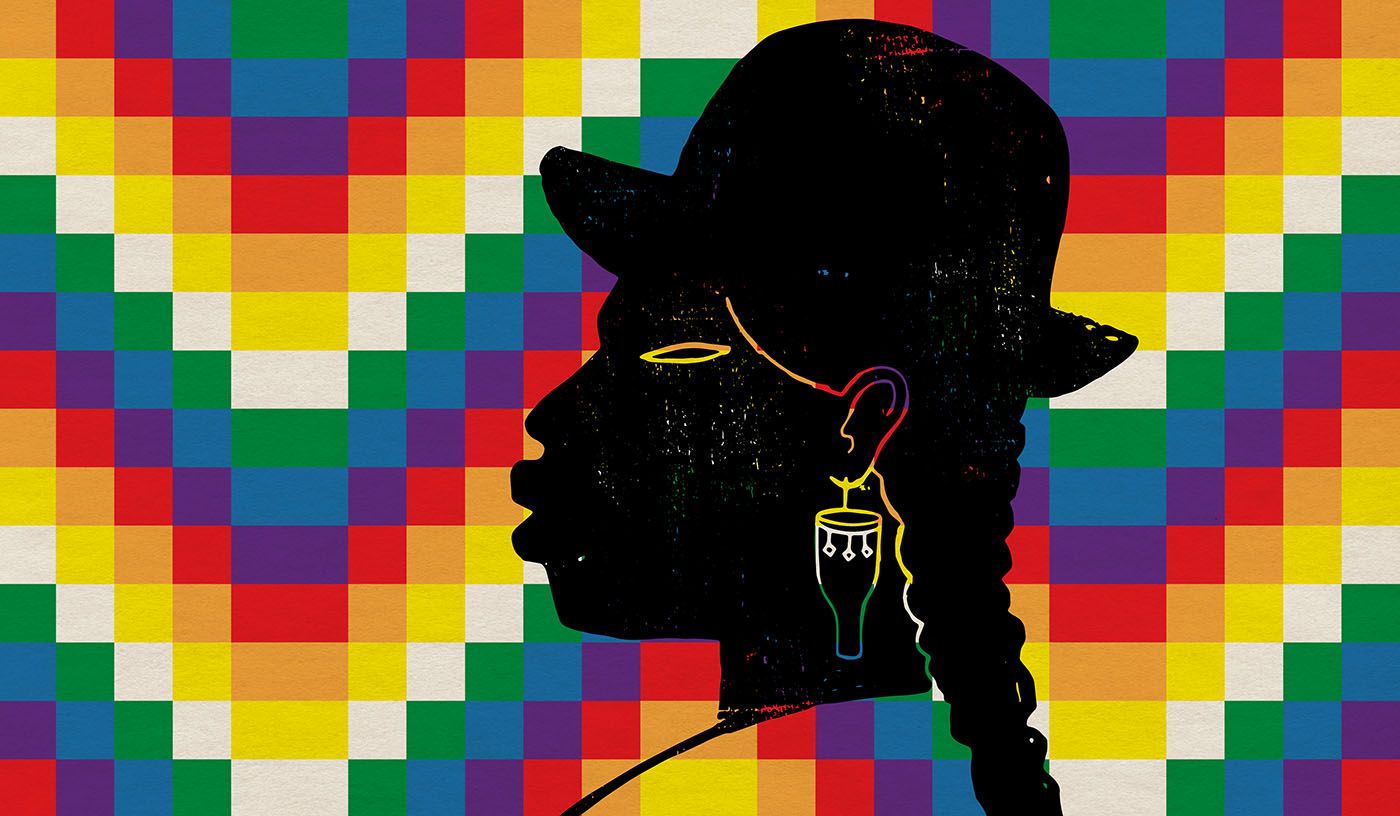
Ilustration: Edson Ikê
Columnist Keyna Eleison describes her experience curating the last International Art Biennial in Bolivia.
Night is a house,
night is a yearning,
night is a time,
night is a place,
night is free.
Night is a word. House is a word. Yearning is a word. Time is a word. Free. Free?
And I, dark as the night, was invited to be one of the curators of the 10th SIART, the International Art Biennial in Bolivia, which took place in the cities of La Paz, Cochabamba and Santa Cruz de La Sierra from November 2018 to April 2019. Artists from all over Latin America, including from Colombia, Uruguay, Venezuela, Argentina and Brazil, had their works exhibited.
Running a Biennial is an intense and complex task that cannot be done alone. It’s not only about researching differences, observing gestures, trying tastes, feeling smells and different colors. It made me realize something that I hadn’t imagined before: The possibility for power that Bolivian negritude has! Within this plurinational State, we have an Afro-Bolivian nation of undeniable historical presence. Which must be increasingly valued and disseminated.
We have Black thought in a country that calls itself plurinational. In other words, it is imperative to consider the Afro-Bolivian population as an integral part of the national culture. In this regard, we have all this history that is not easily accessible. The movement for recognition and change exists and being able to be part of this movement, sharing these existences, was something that opened up my eyes and ears.
Neighbors with shared histories
The origins of the night – that was the title of the Biennial, the theme, the main focus of the exhibition, taken from the awareness of the ways of thinking that are present in some of the exhibited works. A Biennial that included works by artists from neighboring countries that share the largest rainforest in the world. Countries with enormously diverse populations – ecosystems, colors, flavors, tastes, languages and peoples. Countries that share a history of European colonization whose development was based on the enslavement of African nations. Countries that share the pain and the intelligence of this body with me.
Its profile is not straightforward: The Afro-Bolivian nation belongs to this land; and its belonging must be taken as vital ownership. It is so complex, but even so, I, as a foreigner, began to understand local codes, to become aware of the importance of developing this theme and to build relationships to move forward.
Thinking about a plurinational State from a curator’s perspective brought up several questions. Now, months afterward, I can see the Wiphala – that rainbow flag from the Andes, a symbol of resistance and freedom – flying with the Afro-Bolivian population. From the heights of the city of La Paz, that very magical city that embraces us with its bird’s-eye view, I can look up and see how my feet are on the ground. And, when I forget, something inside reminds me: Sista! It’s your intelligent way of being in the world!
Tears on display
Now, all of a sudden, another coup. Who thinks about art when they are fighting for their existence in the world? What can curatorship achieve during a time of pain? How do we put tears on display in a text, or in a gallery, or even in a museum? Everything has broken down. The Wiphala set on fire, torn and burned. Who are its people, what is its language, its episteme? As a curator, I can see the pattern here; this moment has already happened and people seem to have forgotten. I am here hoping that Bolivian plurinationalism will rise up.
Keyna Eleison is a curator, with a degree in Philosophy and a Masters in Art History. A narrator, singer, and ancestral chronicler, she is a specialist in art education, storytelling, knowledge harvesting – orally, Griot heritage and shamanic ritual. She also contributes regularly to the column “For eyes that can see” in Contemporary And (C&) América Latina.
Translated from Portuguese by Sara Hanaburgh
Keyna Eleison
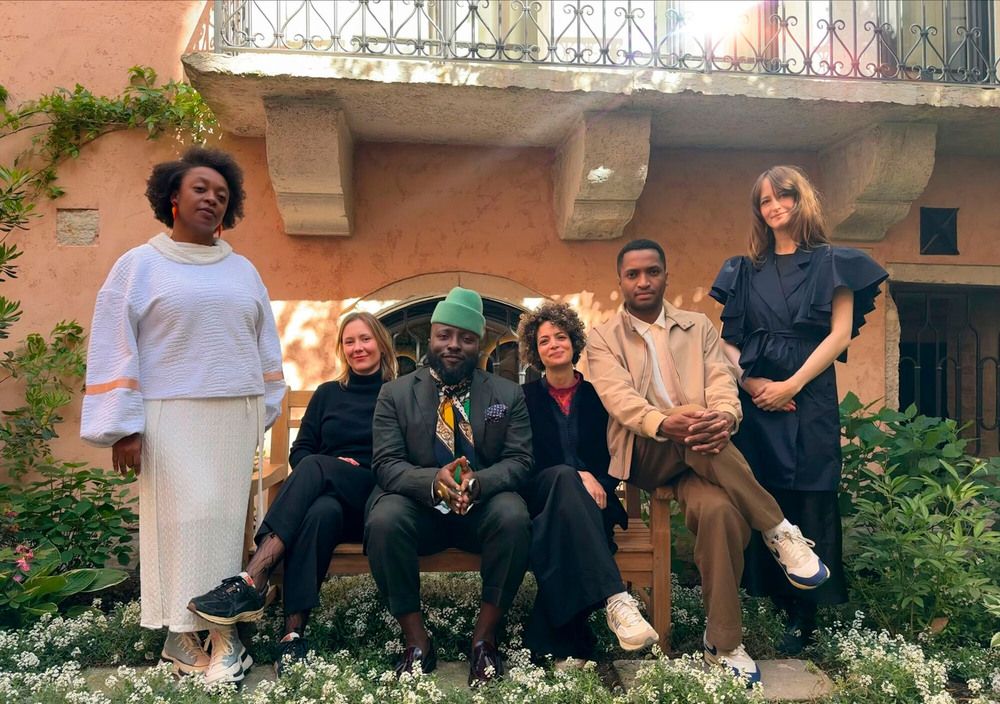
Conceptual Team for the 36th Bienal de São Paulo Announced
“For Eyes That Can See: A Question of Time”
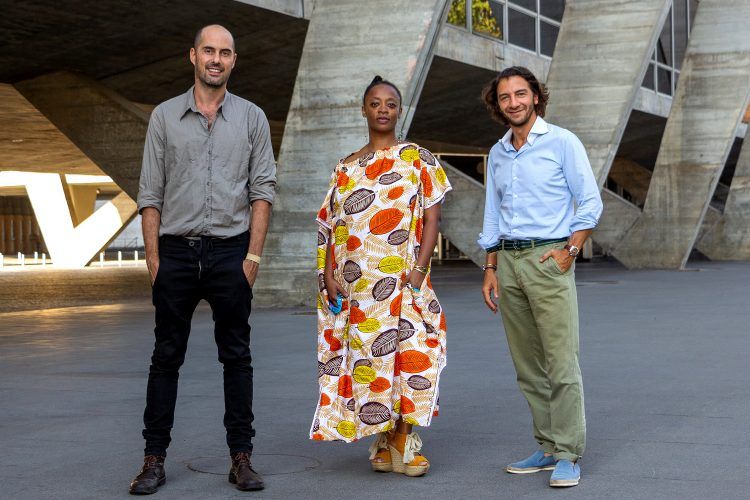
Keyna Eleison e Pablo Lafuente são os novos diretores artísticos do Museu de Arte Moderna do Rio de Janeiro
Curation
C&AL’s Highlights of 2025 You Might Have Missed
2025 in Review