Daniela Ortiz: Art as a Practice of International Solidarity
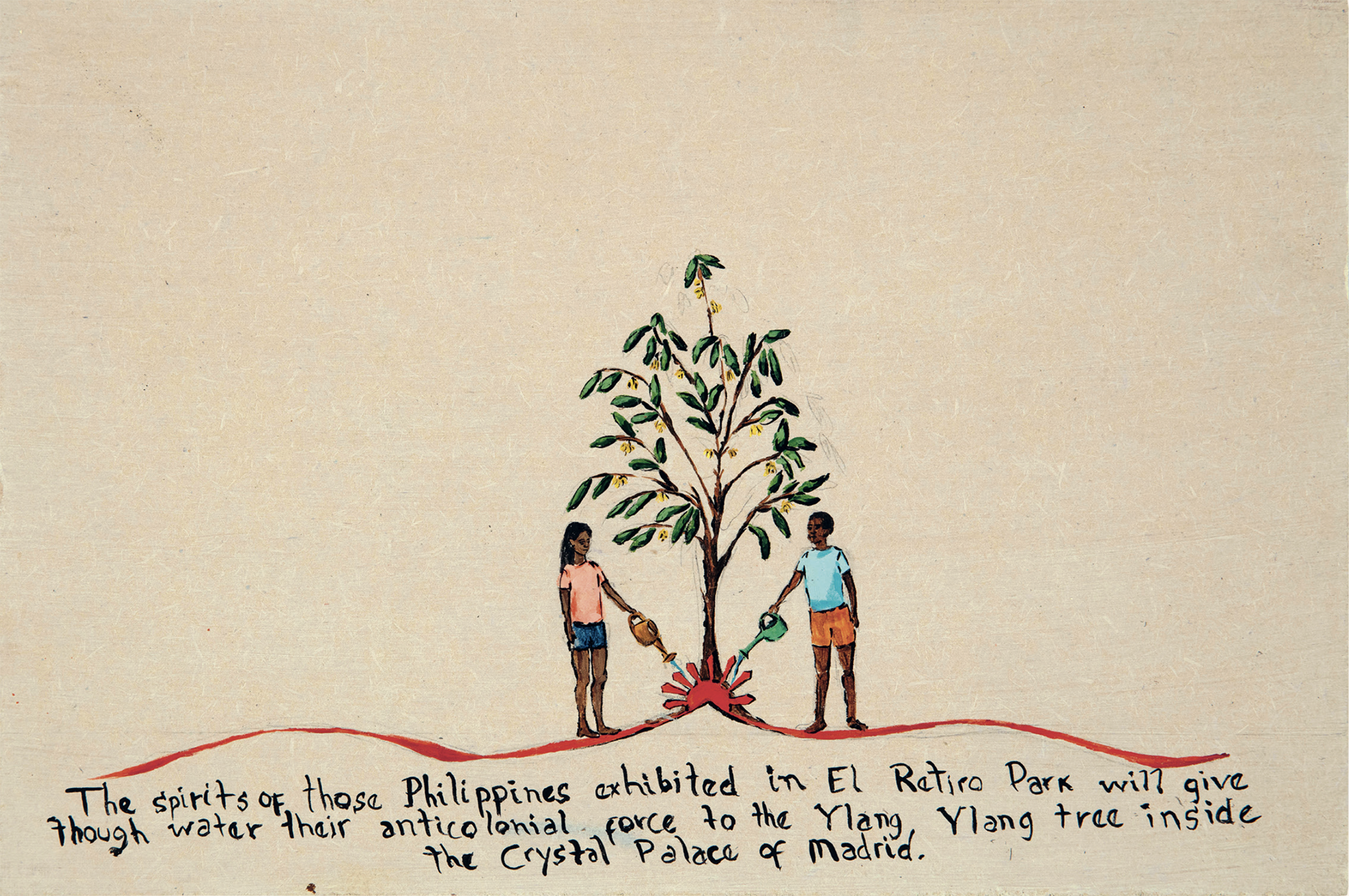
Daniela Ortiz, The Rebellion of the Roots, 2022. Courtesy of the artist
Having shifted her practice away from institutionalization and toward accessibility, the Peruvian artist grounds her artistic work in historical international struggles, viewing art as active political pedagogy.
The conversation with Daniela Ortiz unfolded against a backdrop of escalating repression within cultural institutions, where questions of colonialism, Palestine, and imperial violence are increasingly met with silence or sanction. Rather than offering defensiveness or abstraction, Daniela spoke with political precision, grounding her practice in history, internationalism, and a refusal of liberal euphemisms. What follows is a dialogue shaped by urgency, clarity, and an understanding of art as an active force within liberation struggles.
From the outset, Daniela made clear that censorship cannot be understood through the familiar moral frameworks of liberalism or social democracy. These frameworks, she insists, are not neutral; they have functioned as shields for supremacist, colonial, and imperialist ideologies. The Peruvian artist argues that the liberal idea of “freedom of expression,” far from being emancipatory, has repeatedly been mobilized to normalize racism, Islamophobia, and colonial violence. Within this logic, reactionary or fascist positions are protected, while states and movements that confront imperialism are branded authoritarian.
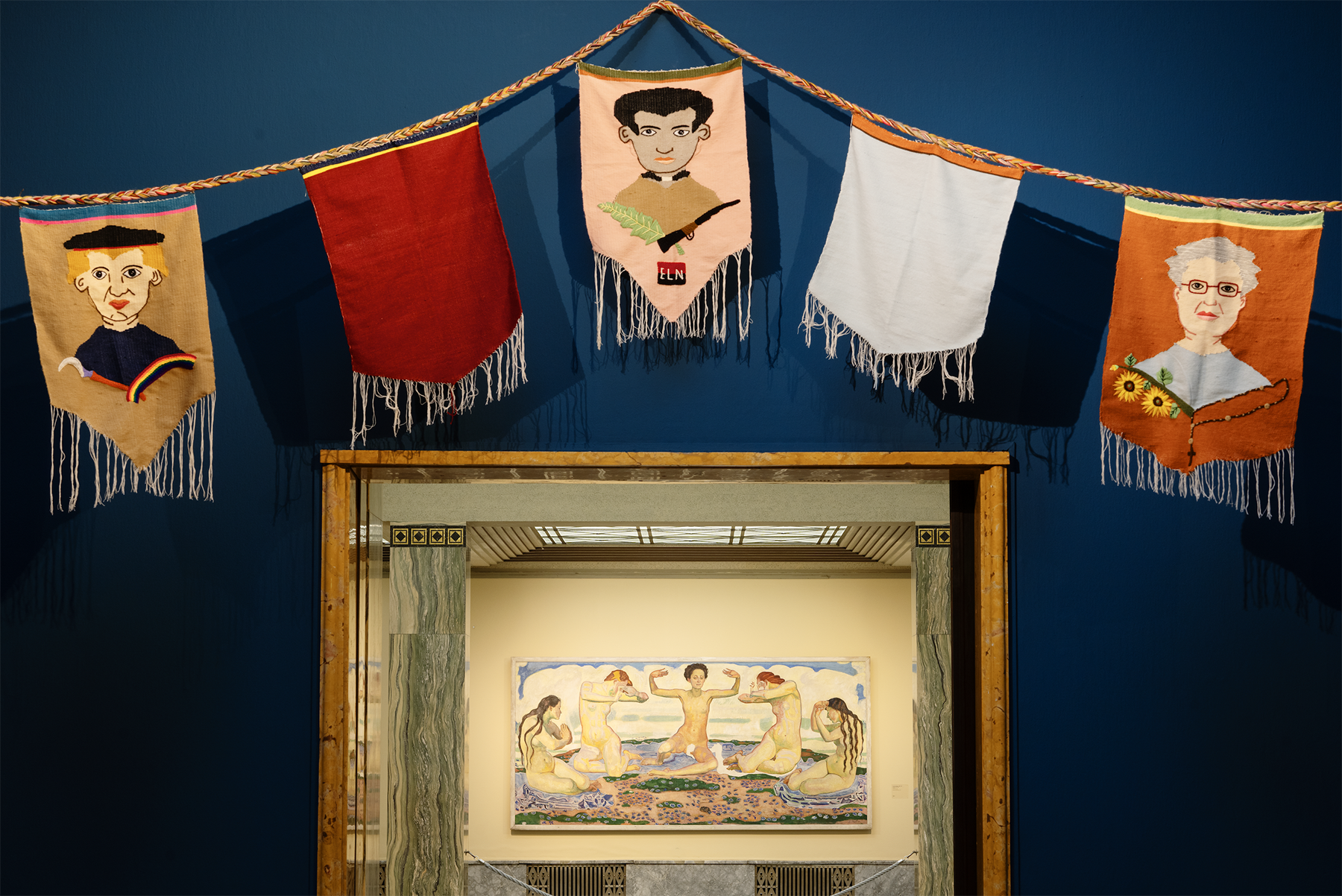
Installation view, Blessed Are Those Who Are Persecuted for Righteousness’ Sake, for Theirs Is the Kingdom of Heaven, Kunsthalle Zürich, 2022. Courtesy of the artist
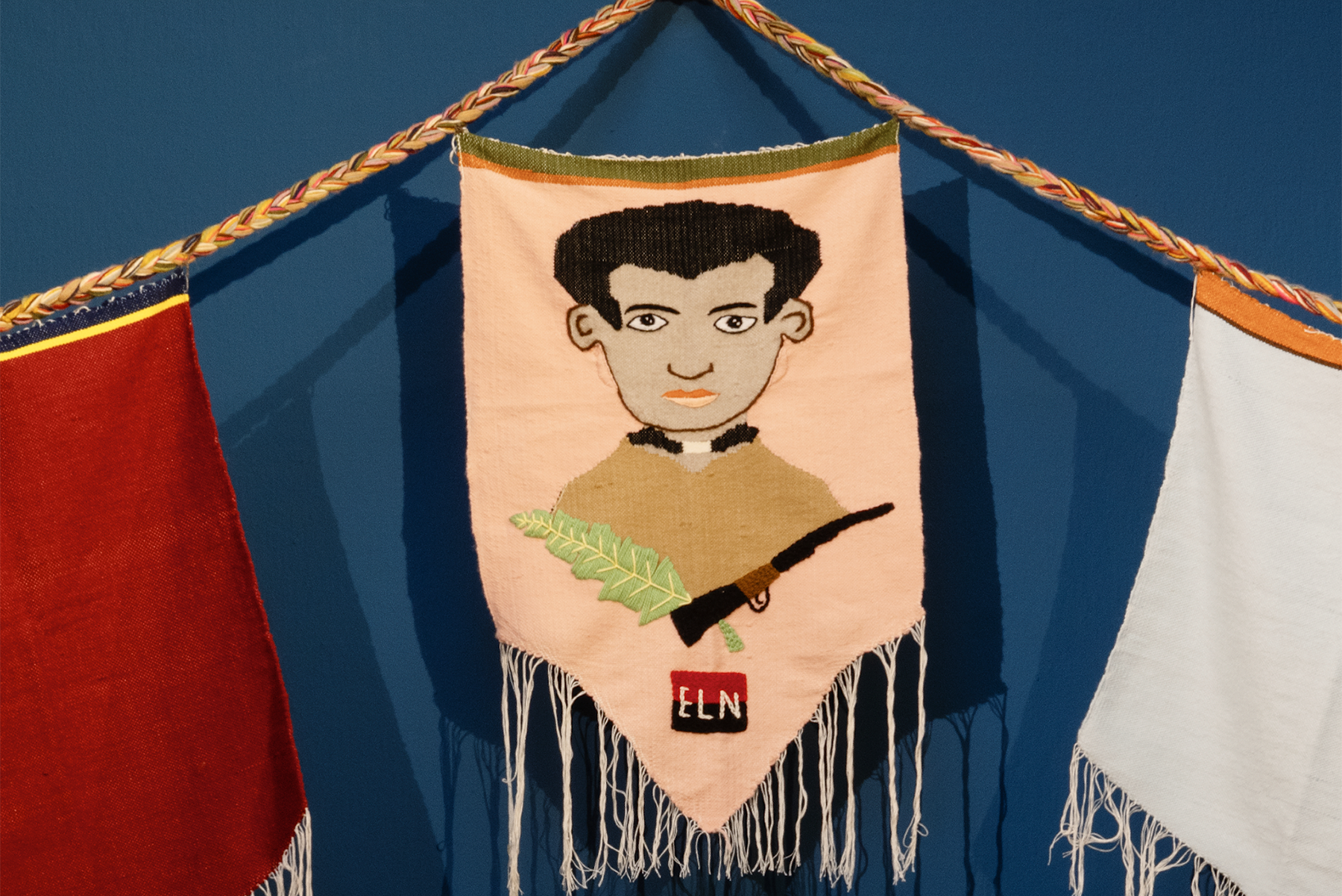
For Daniela, censorship is not an abstract moral problem but a concrete mechanism of political persecution. In the art world, this takes the form of exclusion from institutions, loss of work opportunities, media harassment, and legal prosecution. At the same time, Daniela resists framing her practice through victimhood. Rather than appealing for sympathy, she approaches repression strategically. “What we need,” she said, “is to develop languages, methodologies, and strategies that allow us to continue doing what they truly fear: political pedagogy.”
This insistence on pedagogy is inseparable from her understanding of history and generational rupture. Daniela describes our present as one marked by political orphanhood. The neoliberal cultural landscape in which many artists came of age, she argues, was built on the violent destruction of the previous generation of dissidents, for example during Operation Condor in South America.
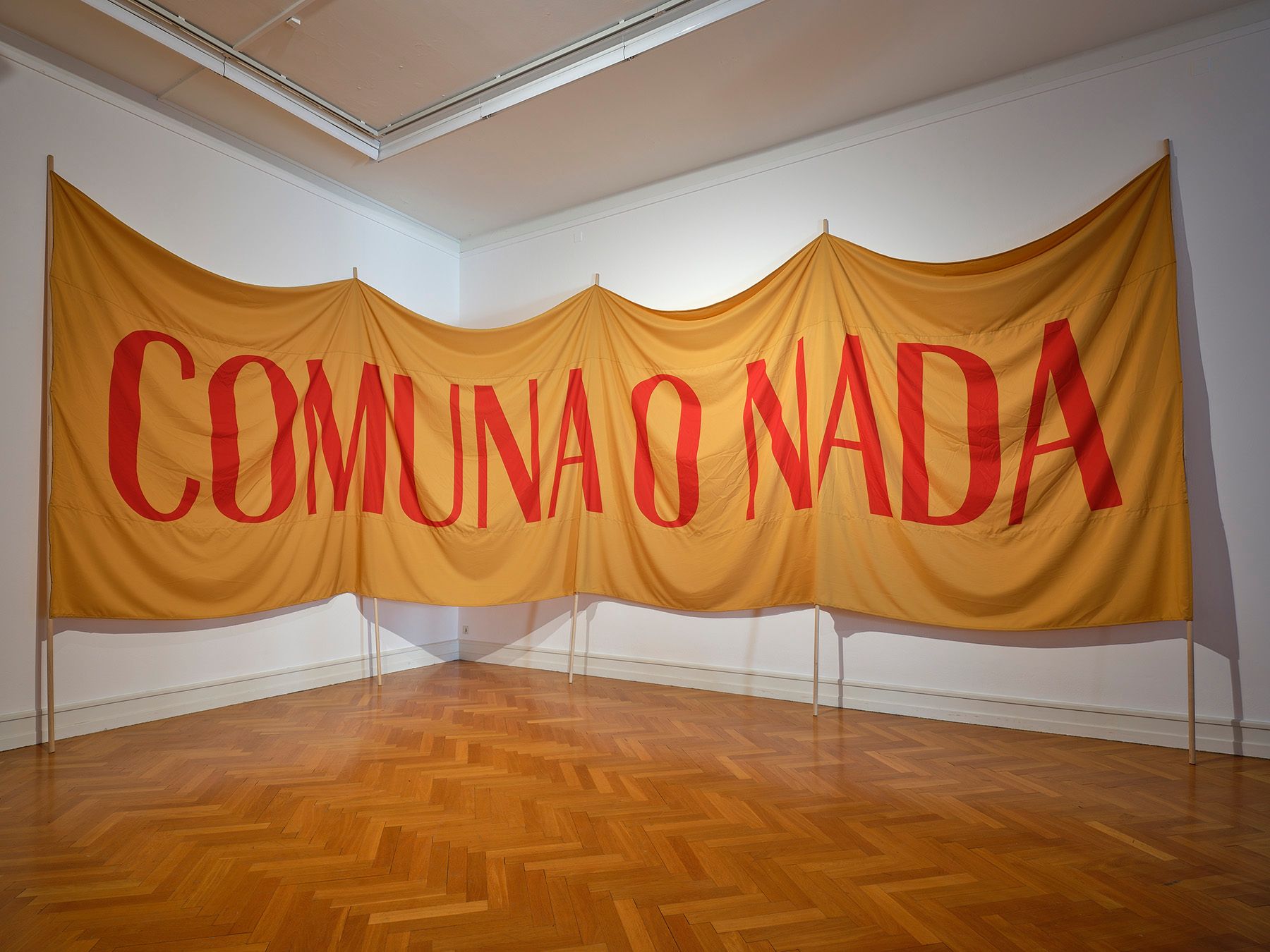
Installation view, Comuna o Nada, exhibition A Drop of Milk, Kunsthalle Bern, 2025. Courtesy of the artist
What we need is to develop languages, methodologies, and strategies that allow us to continue doing what they truly fear: political pedagogy.
From this perspective, her solidarity with Palestine is structural rather than symbolic. Daniela insists on recovering internationalist traditions that were central to liberation movements until the early 1980s. These traditions, she reminds us, were not only morally powerful but politically effective, producing concrete victories such as the Cuban Revolution, the independence of Angola and Mozambique, and the defeat of the United States in Vietnam.
Her commitment to reconnect with these histories has shaped her practice since returning to Peru from Europe and led her to embracing manual and accessible media, including ceramics, collage, and children’s books, in order to elevate consciousness. Rather it means aligning artistic language with revolutionary processes. She sees the search for accessible yet politically rigorous forms as central to anti-imperialist artistic practice today, as practiced by the likes of Mohammed El-Kurd, Taring Padi, and Tings Chak.
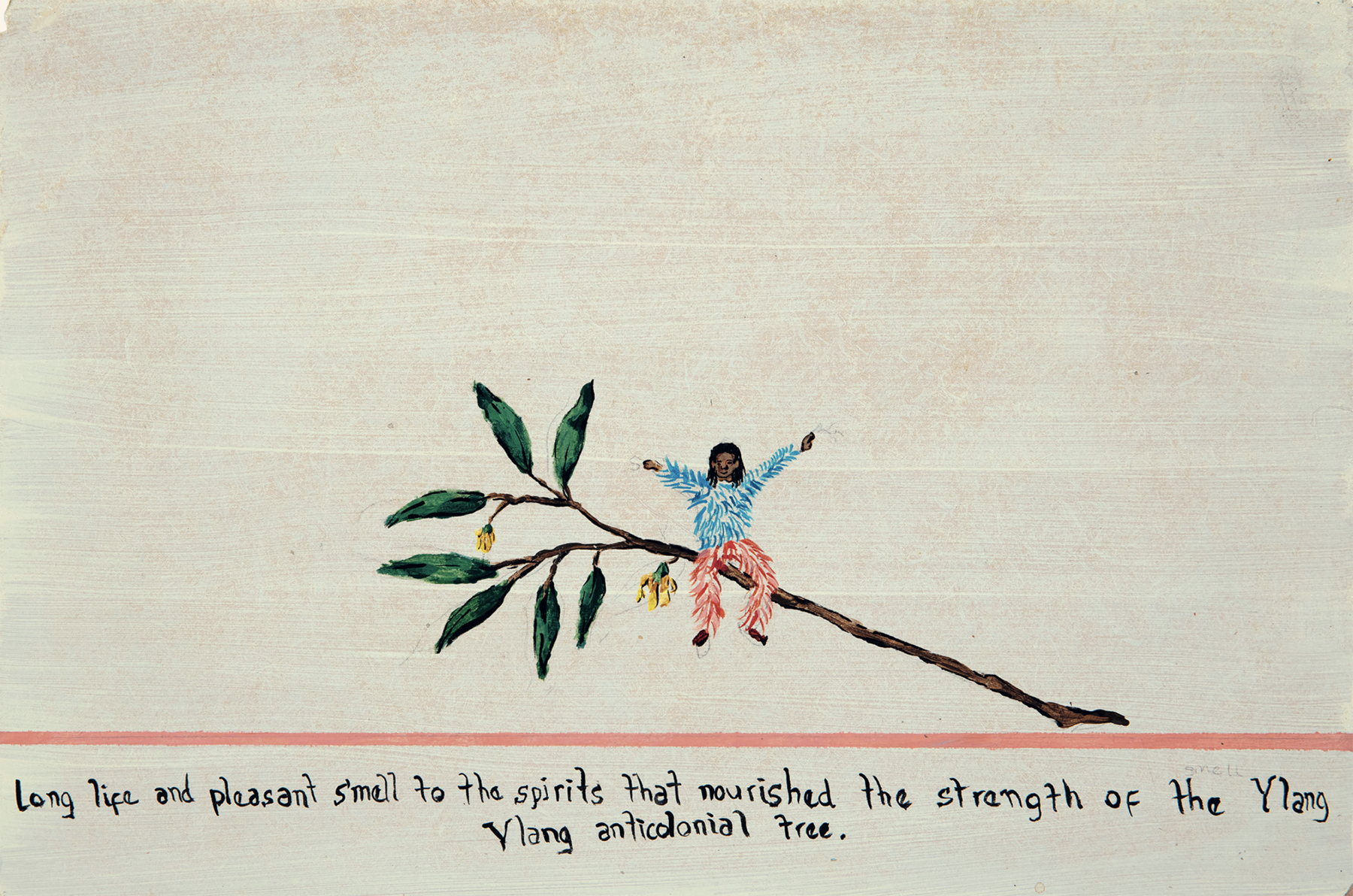
Daniela Ortiz, The Rebellion of the Roots, 2022. Courtesy of the artist
This emphasis on collectivity also shapes her visual language. Daniela often describes her work as being about “us” rather than “me,” For instance, after completing The Rebellion of the Roots (2022) a painting about Filipino resistance to Spanish colonialism, someone from the Philippines reached out to thank her for including a specific local plant. That recognition, she said, opened a space of identification and understanding, “a path toward anticolonial revindicación.”
Language plays a crucial role in this process. In her puppet performances, Daniela insists on working in the local language. When she first presented “The root you pull out is not a hole in my land, it is a tunnel!” in Belgrade, the piece which reclaimed Palestinian resistance, twentieth-century national liberation struggles, and the right to armed resistance was translated into Serbian. Daniela described the process as one of “political translation”—not dilution, but careful re-articulation. “It was a deeply powerful process,” she said, demonstrating how internationalism must be built through attention, care, and specificity.
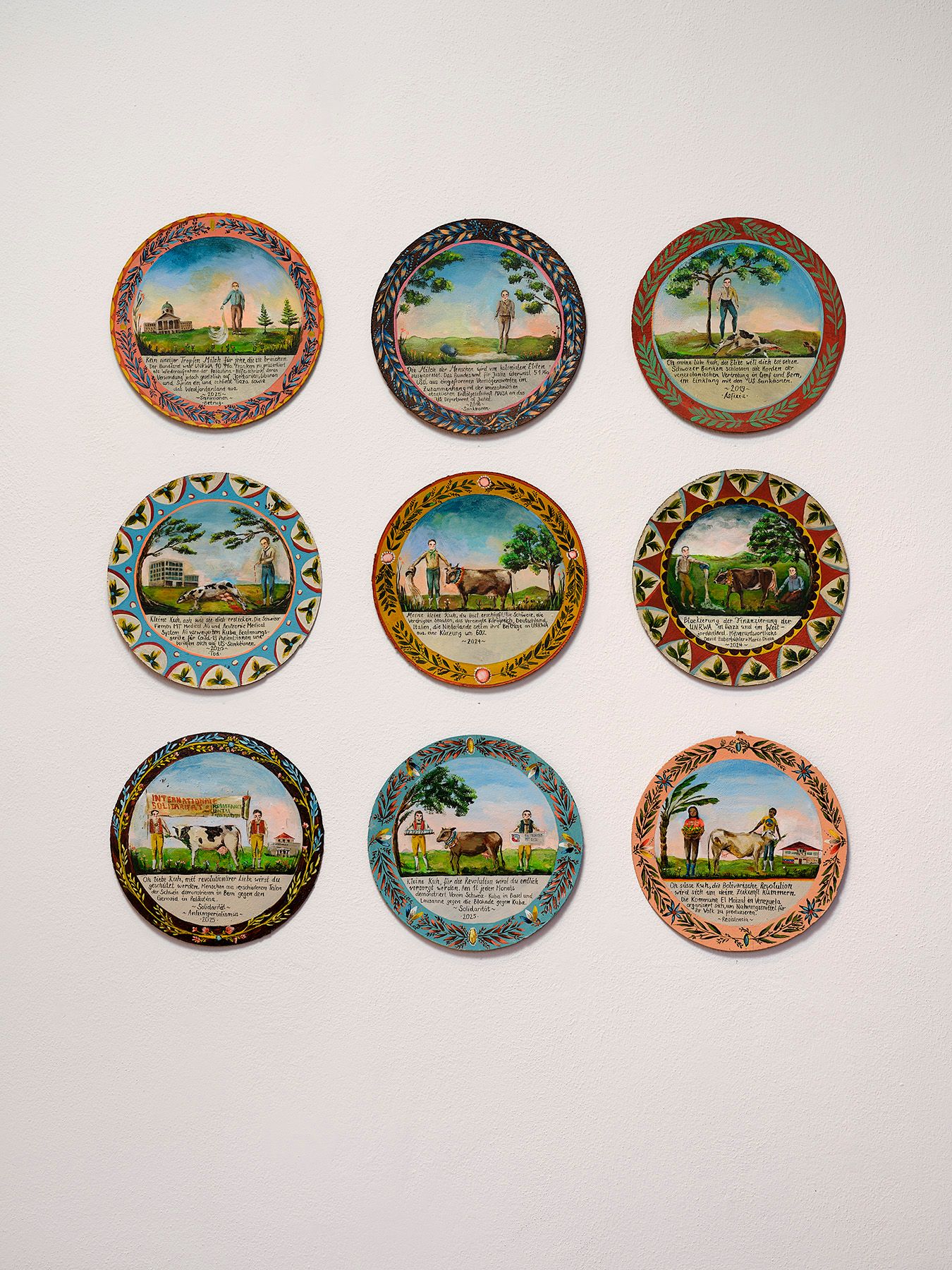
Installation view, Sanktionen, exhibition A Drop of Milk, Kunsthalle Bern, 2025. Courtesy of the artist
As our conversation turned to institutions, her critique sharpened. In Western contexts, Daniela argues, most public cultural institutions—built on working-class labor and colonial extraction—have been absorbed into the machinery of hegemonic cultural production, often neutralizing epistemologies that emerge from struggle. For the artist, this is not accidental. Many of the same institutions that speak the language of decolonization have persecuted pro-Palestinian artists or remained silently complicit while giving platforms to reactionary figures. This, while the U.S.A. bombs Venezuela and sanctions Cuba and Iran.
Major art institutions, she argues, have helped construct the cultural hegemony that legitimizes today’s brutality. Yet she insists the response should not be moral outrage or appeals to victimhood but rather to dispute those cultural spaces and resources. According to Daniela these institutions belong to the people — to migrant workers, the working class, and the looted Global South. The task is to reclaim them as tools for organization, liberation, and ideological formation, rather than allowing them to function as sites of entertainment and imperialist mental inoculation. In that struggle, Daniela understands art not as refuge, but as weapon, classroom, and collective memory.
Daniela Ortiz, A Drop of Milk was at Kunsthalle Bern, Switzerland, until February 8, 2026.
About the author
Noushin Afzali
Noushin Afzali is an Iranian writer and editor based in Berlin, whose research explores contemporary art and culture through the lenses of feminist and postcolonial studies. She is particularly interested in the intersections of creativity, social critique, and cultural discourse.
Chavis Mármol: Thinking Manually in the Age of Artificial Intelligence
Archivo Honduras Cuir: The Art of Trans Life and Friendship in Central America
Iahra: Addressing Marine Ecology Through Industrial Materialities
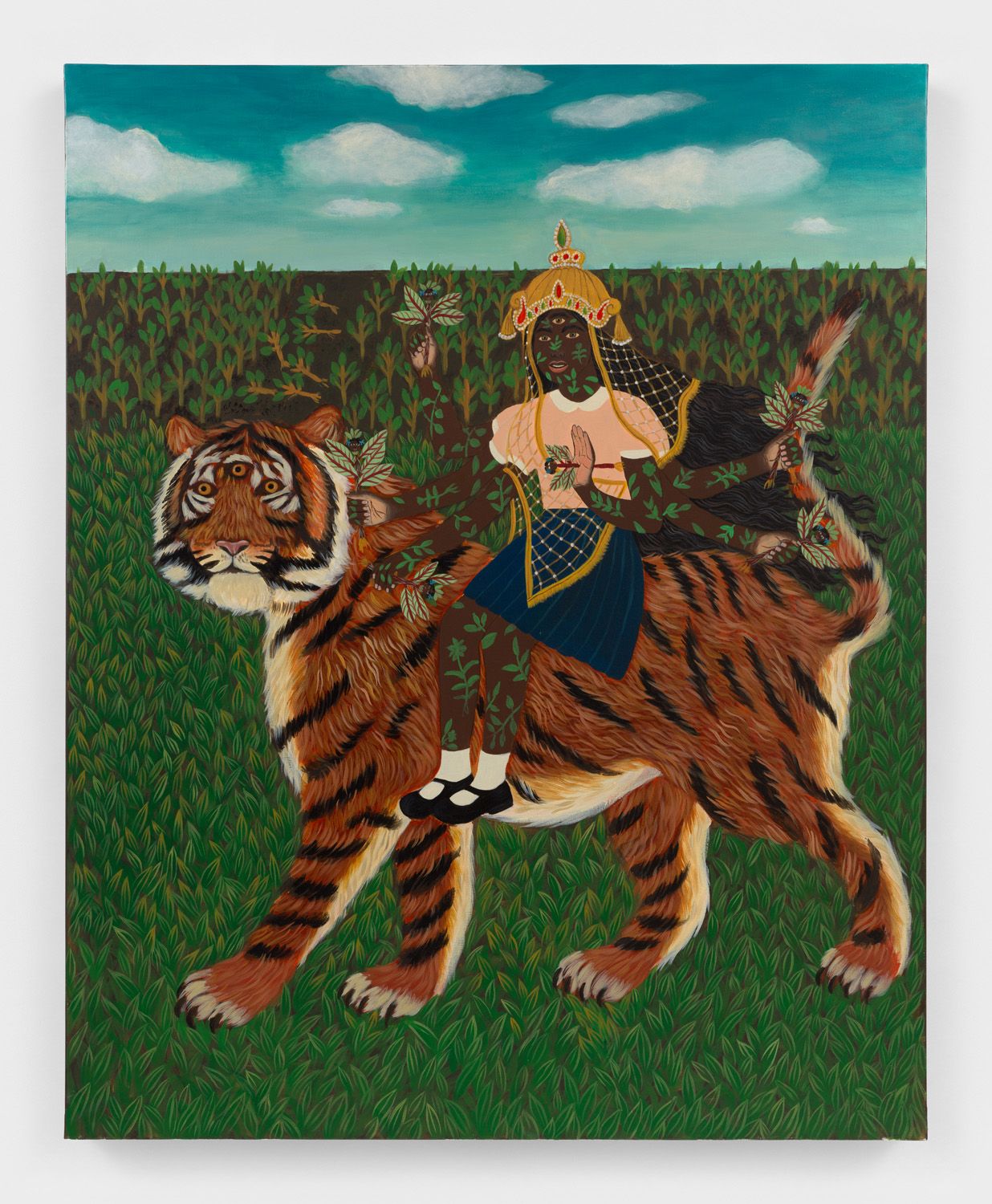
The Convergence of African and Indian Lives in Kelly Sinnapah Mary’s Paintings
Transforming Memories of State Violence through Poetic Justice