Black Image Memory
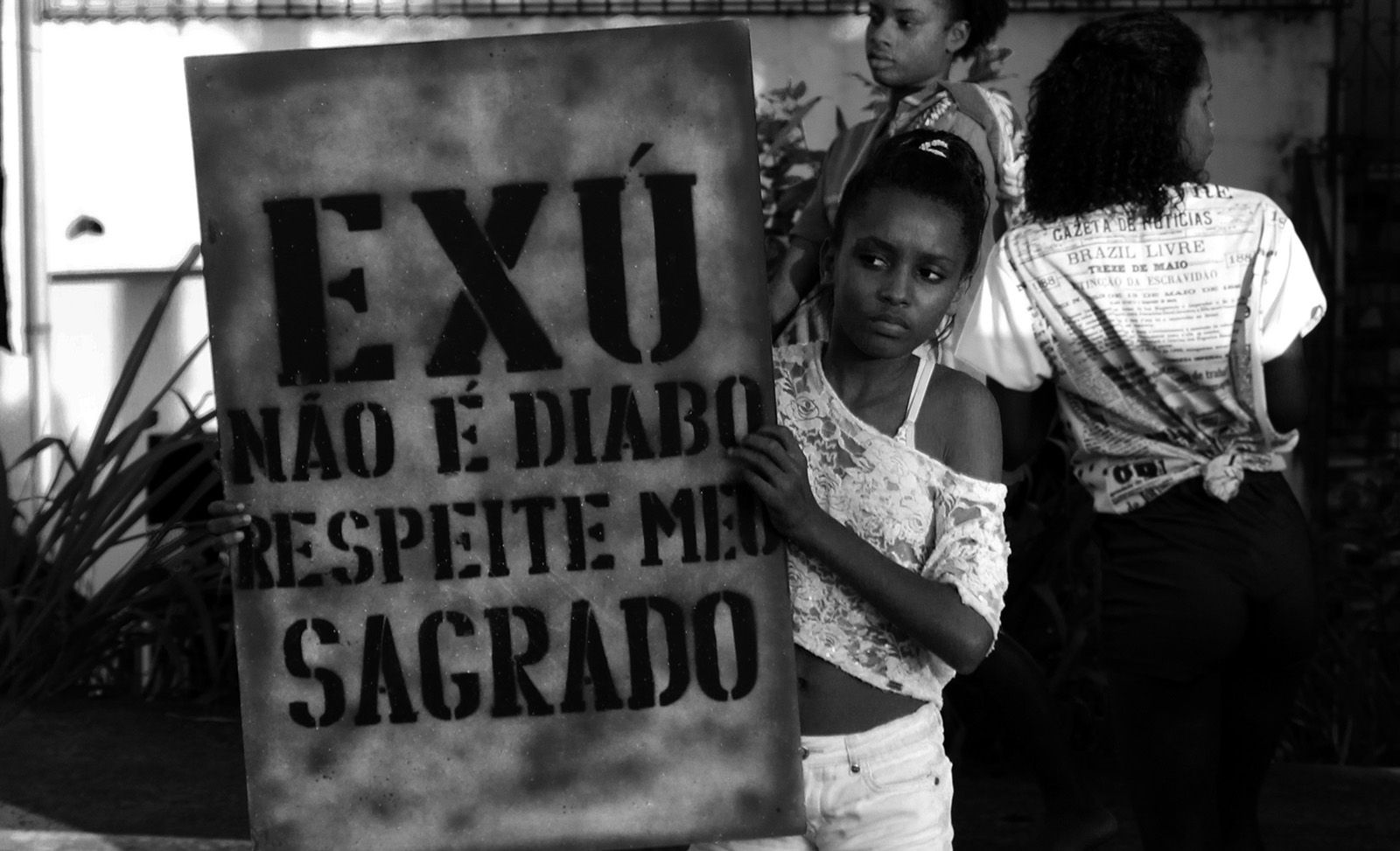
People’s demonstration against religious intolerance, 2019. Zumvi Archive. Photo: Lázaro Roberto.
Zumvi, a photographic archive dedicated exclusively to the memories of Black populations, has documented the history of Afro-Brazilian populations for three decades.
In 1988, during an event in the city of Salvador commemorating the centenary of the abolition of slavery in Brazil, a manifesto of accusation and collective activism marked an already emblematic day. A huge NO sign was spray painted across a picture of Princess Isabel, ensuring that she was not recognized as a “liberator” of enslaved bodies, but rather a supporter, maintainer, and defender of slavery, and that her ghost could no longer haunt the bodies fighting for their freedom.
Phrases upholding the protest, such as “the princess forgot to sign our work contracts” were stamped across banners, posters, and billboards throughout the city, proof that Black movements at that time—despite repression by the military dictatorship that had ended shortly before and attempts at silencing through the false idea of racial democracy—had not ceased to exist or to make history.
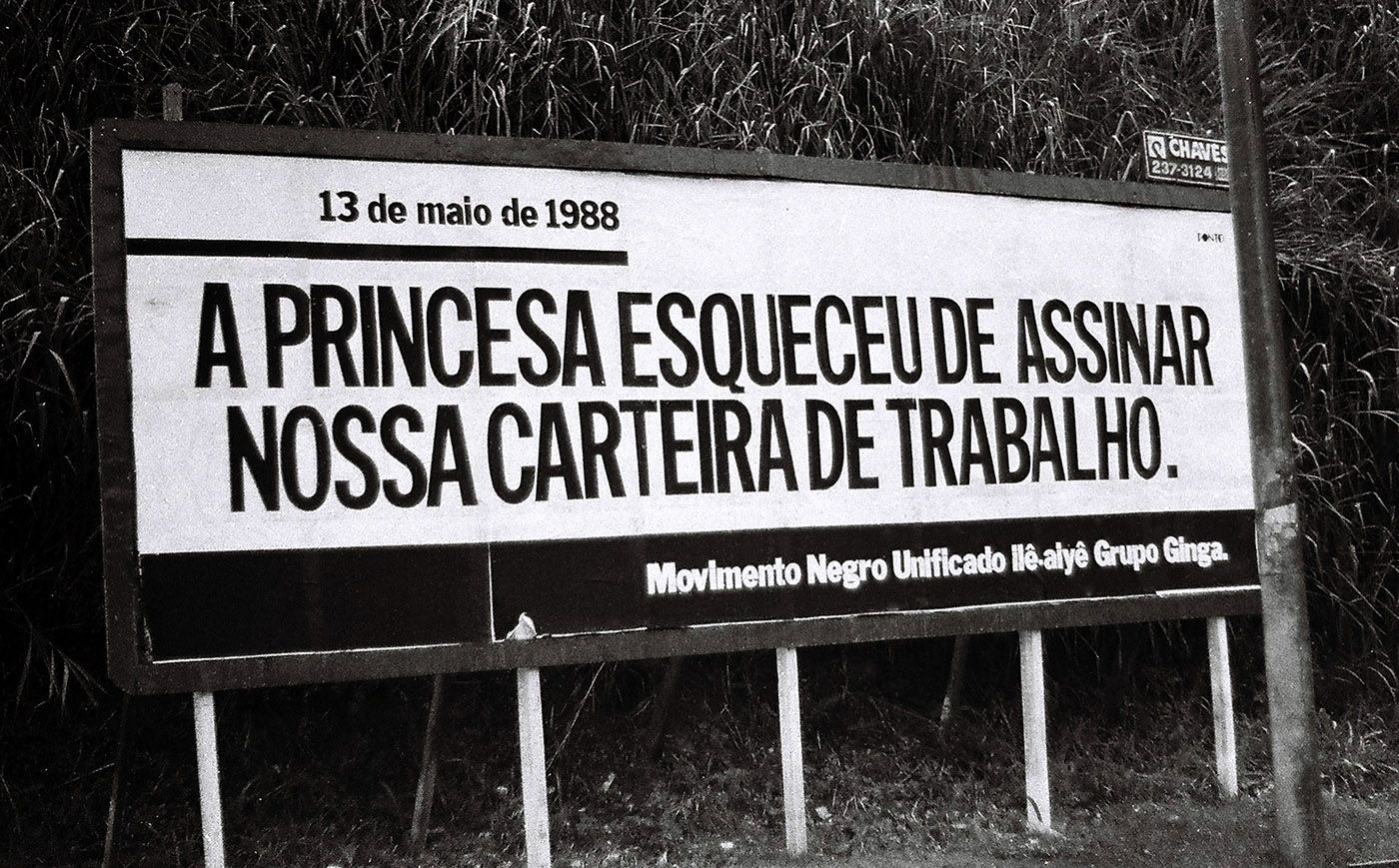
Protest by the Black Movement against the Centenary of the Abolition of Slavery, 1988. Zumvi Archive. Photo: Lazaro Roberto
The 1988 march was documented through the camera lens and eyes of Jonatas Conceição, a Black journalist who understood the importance of recording that moment and transforming it into visual and historical memory. Today, this material is part of Zumvi, a photographic archive dedicated exclusively to the memories of Black populations.
Young Black Man with a Camera
Zumvi was started in the mid-1990s, from the work of three young artists from the outskirts of Salvador: Lázaro Roberto, Ademar Marques, and Raimundo Monteiro. According to Roberto, the project's founder and director, the three of them began photographing cultural and artistic events in Salvador, where they lived. Years later, due to the difficulties of being Black and working with photography, Marques and Monteiro left the project.
Roberto stayed on, but says it wasn’t easy, since the experience of a young Black photographer isn’t seen as normal by Brazilian society. His first experiences were marked by frightened looks when people saw him holding a camera: they were expressions of “surprise and interrogation. How could a young Black person from the city’s outskirts be a professional photographer? That was probably the question behind those looks.”
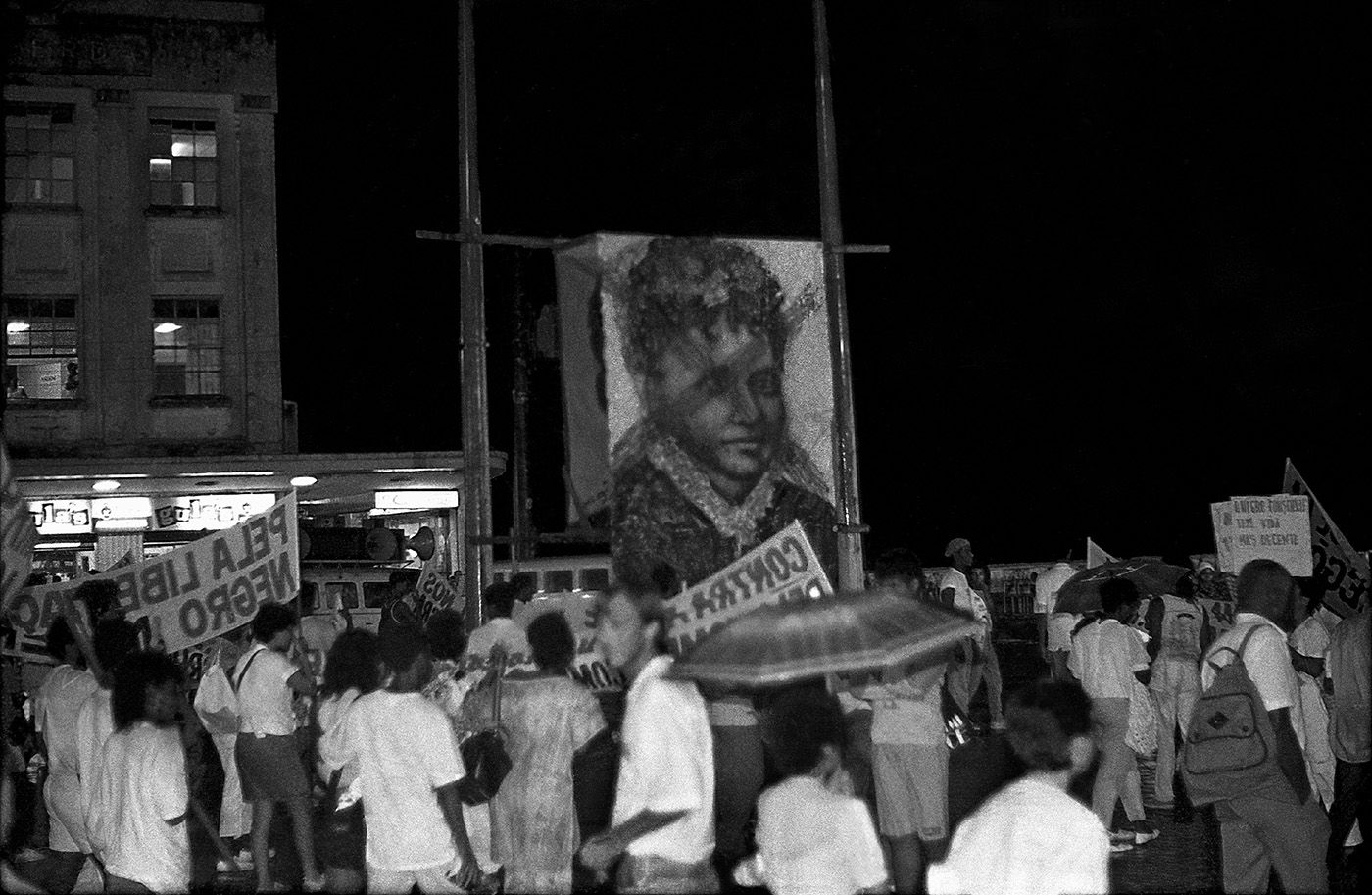
March against the farce of abolition in Brazil. Municipal Square, 1988. Arquivo Zumvi. Photo: Jônatas Conceição.
To this day, photography remains an elitist and racist field and, not by chance, agencies and artistic spaces devoted to it rarely hire black professionals. In this sense, Zumvi stands out as an example of action, outside this reasoning that defends and maintains racism and its structures. In its over three decades of existence, the archive has gathered almost 30,000 items, including physical and digital material (photographs, documents, posters, personal objects), authored by its members, as well as donations from other photographers.
All material is organized and stored independently at Lázaro Roberto's home. According to him, the archive needs more support for the preservation of this material: “In addition to the government’s role and support through public policies for the conservation and safeguarding of private collections, I would also like activists from the Black Movement to be more active in my agenda for Black imagery and memory.”
Aquilombamento: a way of being and existing in the world
As a pioneering group of Black professional photographers, Zumvi has always bet on a way of life that marks the trajectories of Afro-Brazilian and Diaspora populations: “aquilombamento”, or the formation of maroon settlements. The subject of study by intellectuals such as Beatriz Nascimento and Abdias Nascimento, among others, the act of forming these communities is not just a model of resistance, but above all a way of being and existing in the world.
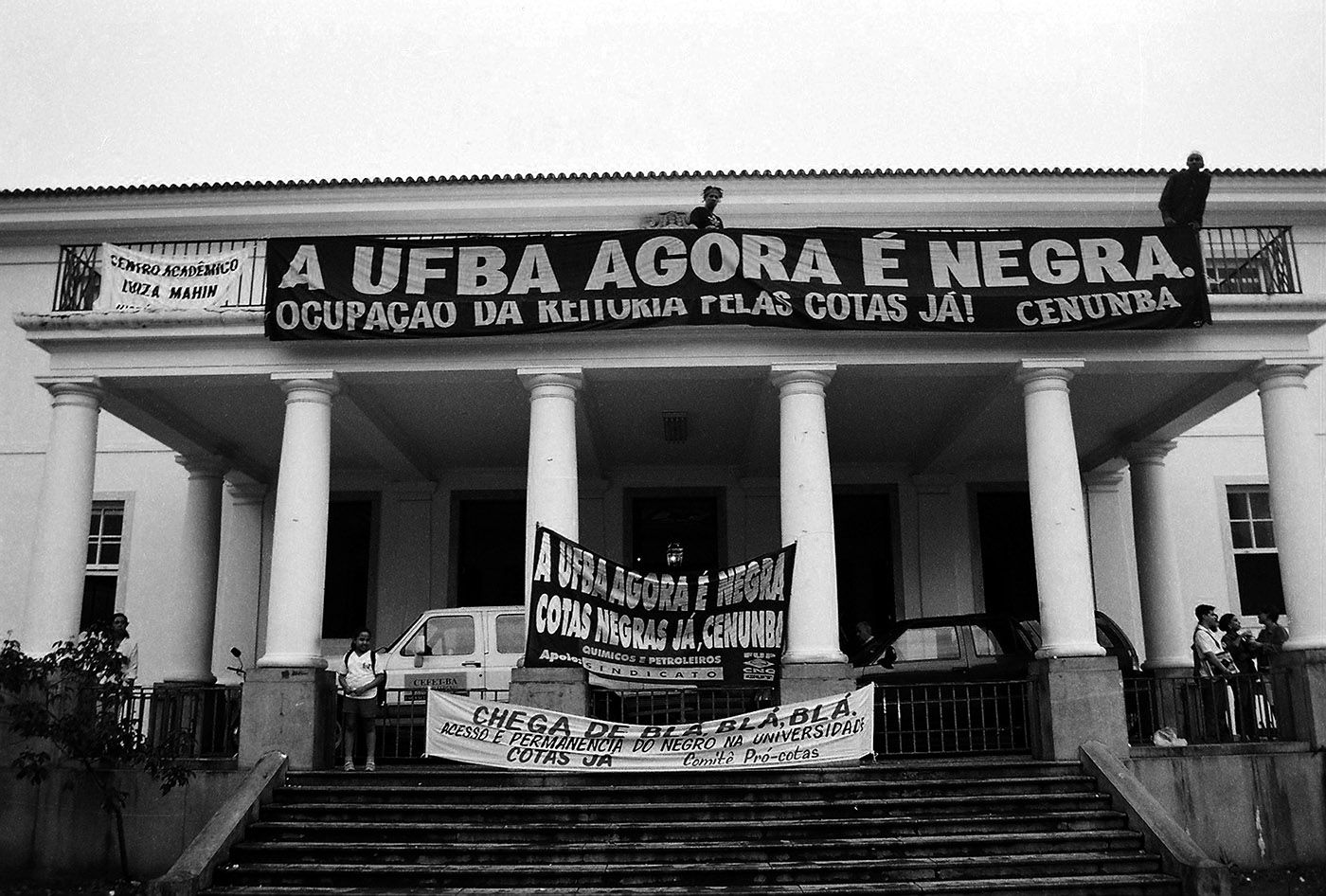
Demonstration for the approval of affirmative action policy at Federal University of Bahia, 2005. Zumvi Archive. Photo: Lazarus Roberto.
Acting as a rallying point, Zumbi challenged the premises of a society structured on the erasure and underestimation of Black professionals and Black bodies, establishing the right of Black people to eternalize themselves in image and memory, becoming subjects of their experiences. The archive’s contributions are multiple: one example is the emergence of other similar collectives, including Afrotometria, which has brought together Black photographers in the city of São Paulo since 2018. “In the field of Black authorship, I see a promising scenario. These young photographers are increasingly bringing perspectives that focus on Brazilian racial issues,” Roberto observes.
Billboards at FRESTAS
The collective, political, and artistic performance of the Zumvi Archive is part of the debate at the third edition of FRESTAS – Arts Triennial 2020/2021, held at SESC Sorocaba, and curated by Beatriz Lemos, Diane Lima and Thiago de Paula. The archive is participating through the presentation of photographs on billboards—a strategic choice by Black movements in previous decades, by the way.
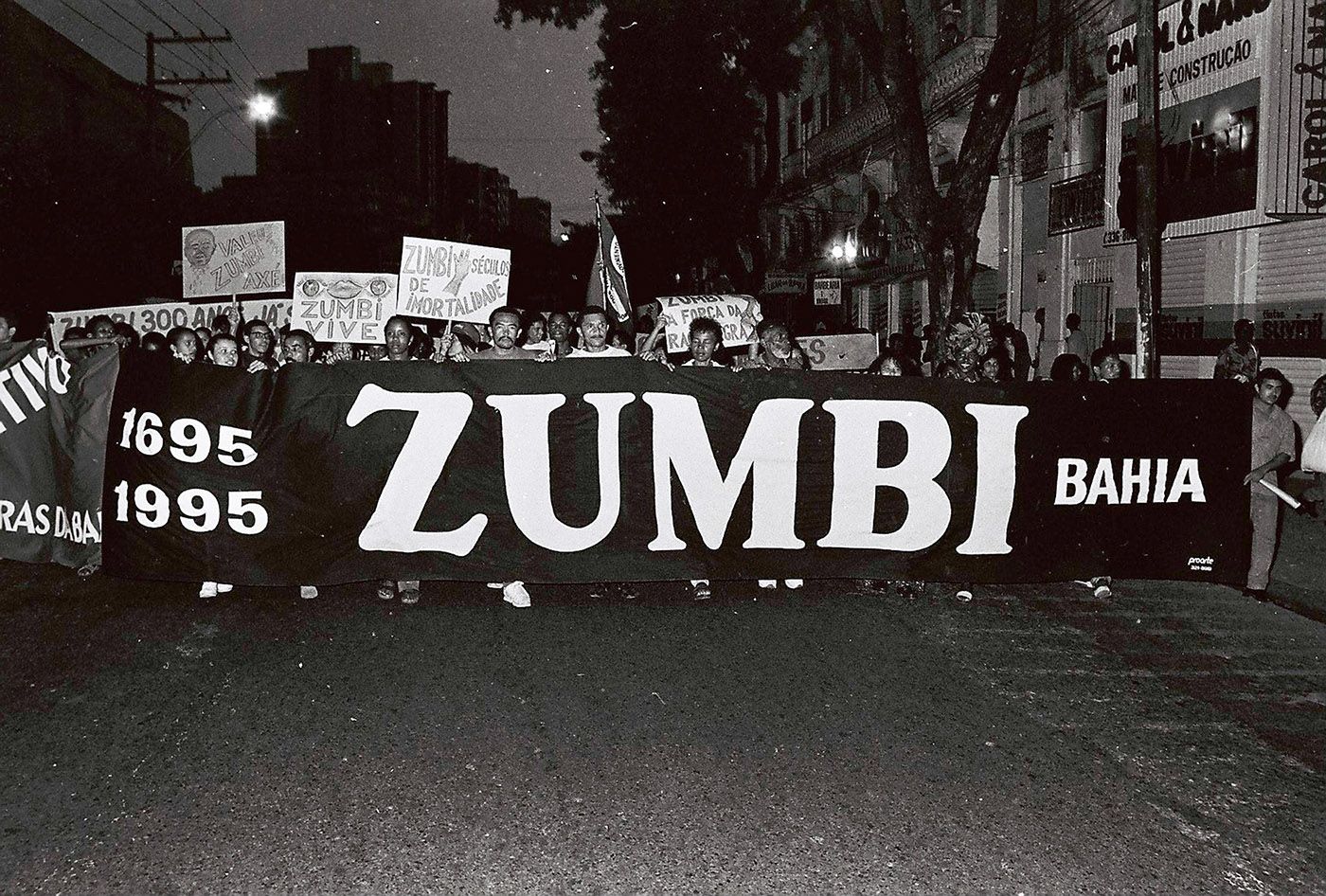
March in Honor of 300 years of Zumbi dos Palmares, 1995. Zumvi Archive. Photo: Lazaro Roberto
Seeking alternative avenues for funding, Zumvi recently launched a crowdfunding campaign and seeks to build a permanent support network. All interested parties are invited to contact the archive through the group's website or social media. “Engaging in the maintenance of memories is the path to a more conscious and committed society,” summarizes Lázaro Roberto.
Luciara Ribeiro is an educator, researcher, and curator. She holds a master's degree in Art History from the University of Salamanca (USAL, Spain, 2018) and the Postgraduate Program in Art History at the Federal University of São Paulo (UNIFESP, 2019). She is a content contributor for the Diaspora Galeria and a lecturer in the Department of Visual Arts at Faculdade Santa Marcelina.
Translation: Zoë Perry
Feature
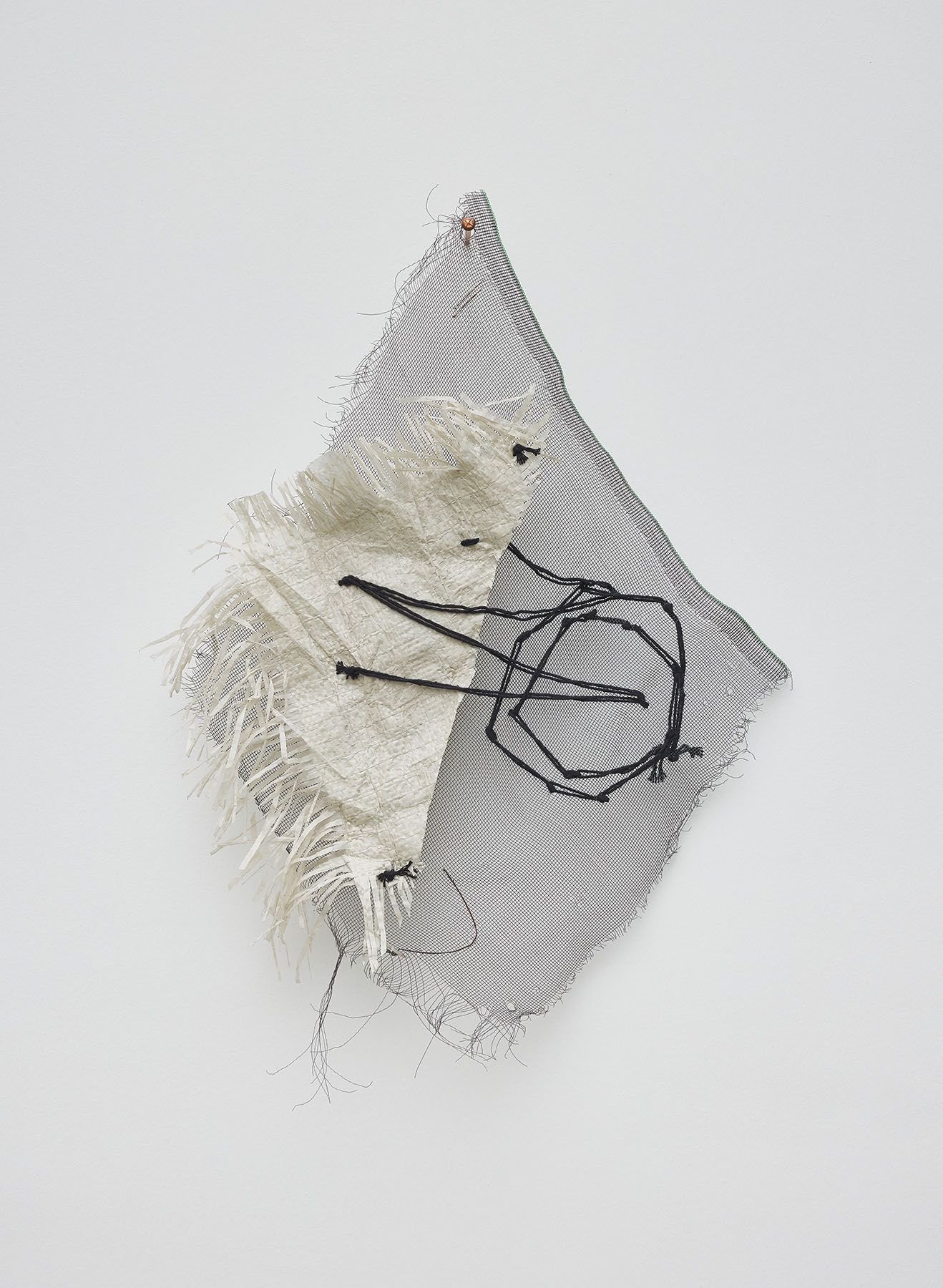
Iahra: Addressing Marine Ecology Through Industrial Materialities
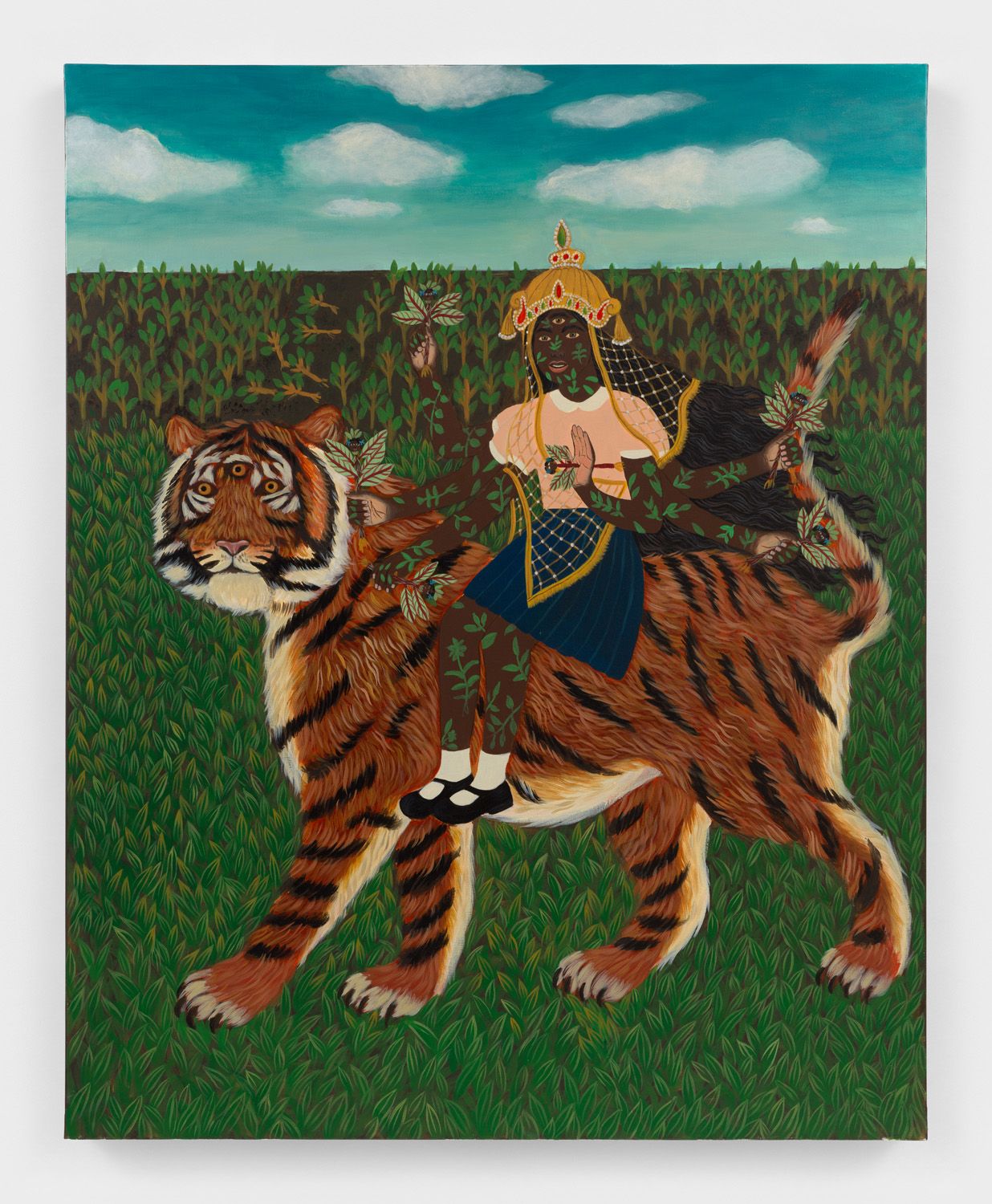
The Convergence of African and Indian Lives in Kelly Sinnapah Mary’s Paintings
Transforming Memories of State Violence through Poetic Justice
Feature
Seed Archives: Celebrating African and Caribbean Design and Culture in London
Manuel Tzoc: Art as Embodied and Relational Poetry