An Afro-Indigenous Reawakening: The Year in Review
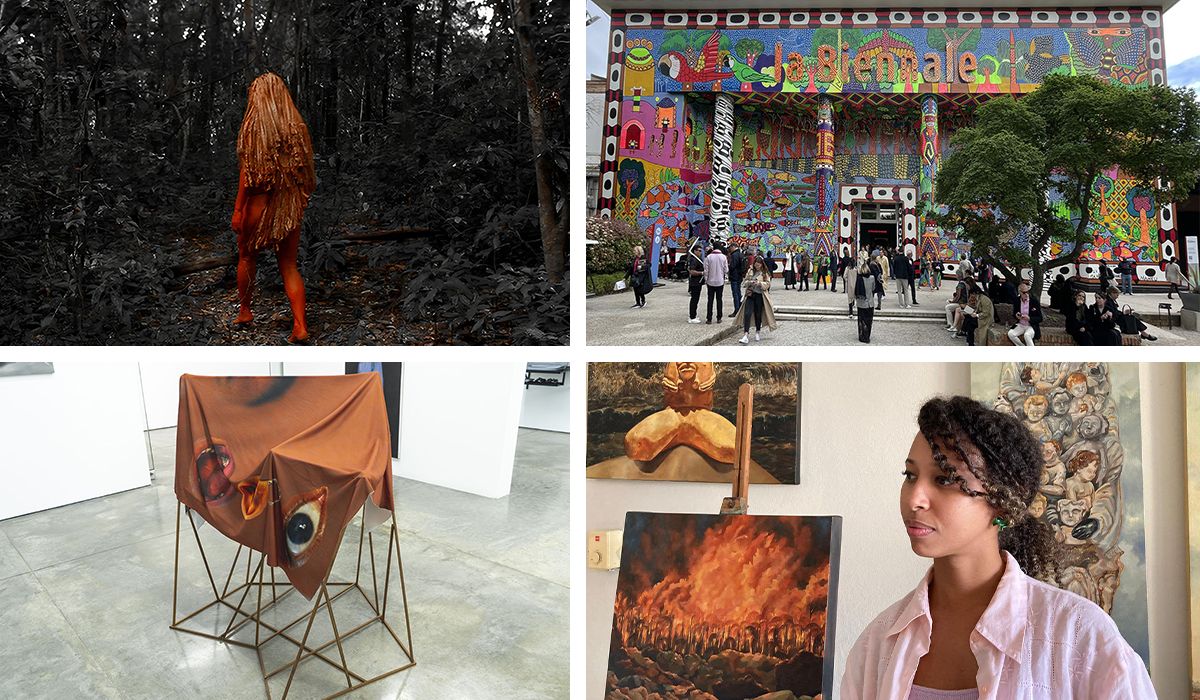
Clockwise from top left: Olinda Tupinambá, Balance, 2020. Video installation composed of soil and seeds. Courtesy of the artist;Collective MAHKU at the 60th Venice Biennale Foreigners Everywhere. Photo: C&AL; Studio of Julianny Ariza Volquez in Santo Domingo, DR. Photos: Marny Garcia Mommertz.;Johan Samboni, Essay on Gangs, Video Games, the Internet, and Palm Trees, exhibition at Program C. Courtesy of MAMM. Photo: juevesdoce
From the first indigenous Brazilian Pavilion in Venice to an Afro-indigenous reawakening, these are some of our 2024 highlights.
This was an eventful year for the art and culture of Abya Yala/Pindorama for all the exciting exhibitions at a time of deep change across many parts of the world. And as 2024 quickly comes to an end, this review highlights the people and moments caught in C& América Latina’s radar.
Let’s begin with the election of Claudia Sheinbaum as Mexico’s first female president from a centrist government, which came as a welcome surprise, given the political shifts brewing in the USA. Her refusal to invite the king of Spain to her inauguration ceremony, after he failed to apologize for the atrocities of the Spanish invasion of the Americas, was one of many subtle and not so subtle reminders of colonialism’s enduring nature in the present days.
This sentiment of decolonial refusal and resistance has also been present in the arts for a while, and 2024 was already poised to be a significant year for indigenous cultures. In 2023 the Bienal das Amazônias launched in Belém, Pará, and the MASP in São Paulo opened its first collective show dedicated to pan-indigenous artists. MASP’s director, Adriano Pedrosa, went on to curate the 60th Venice Biennale, provocatively titled Strangers Everywhere, in a country led by a far-right government. As hoped, he invited plenty of indigenous positions from the Americas, including several artists whom we’ve been championing for some time. As the first Latin American to curate the Italian biennial, it was bound to be a contested affair. It surely split audiences, many of whom couldn't wrap their heads around much of the art emanating from the Global Majority. One thing it certainly did was place indigenous artists firmly on the map of the “western art village” and, consequently, its art market.
![Glicéria Tupinambá, Manto tupinambá [Tupinambá Mantle], 2023. Courtesy of the artist. Foto: Glicéria Tupinambá](https://cdn.sanity.io/images/t4cb1ejj/production/7a54420525f71bb34f3f57d250de6bb99170361f-1200x700.jpg?q=80&auto=format&fit=max&w=2560)
Glicéria Tupinambá, Manto tupinambá [Tupinambá Mantle], 2023. Courtesy of the artist. Foto: Glicéria Tupinambá
Whether the commodification of indigenous culture production is wholly positive is an entirely different question that deserves its own PhD dissertation, especially when so much of indigenous epistemology is inherently anti-capitalist and community-driven. Regardless, there were marvelous sights at the 60th Venice Biennale including MAHKU’s larger than life installation on the façade of the Giardini international pavilion, which functioned as an emblematic gesture. The Brazilian pavilion itself was renamed Hãhãwpuá (the Pataxó name for the territory) to welcome its first ever indigenous representation. I personally interviewed curators Arissana Pataxó, Denilson Baniwa, and Gustavo Caboco Wapichana, who told me about the process behind selecting Glicéria Tupinambá, who herself invited others to join in. The curators spoke in a collective voice and memorably told me that above all: “community is more important than the work itself!”
Community building coupled with the decolonial movement taking hold across the continent is something that we at C&AL engage with faithfully. This year, we launched the series Afro-indigenous which looks at the long-overlooked intersection between these two identities in the context of Abya Yala/Pindorama. Some of these include a feature on the 79-year-old sculptor from Minas Gerais, Maria Lira Marques, written by Maya Quilolo; and my interview with 29-year old painter of digital worlds, Johan Samboni from Cali.
We carried out several critical writing workshops on the American continent including places such as Santo Domingo with Centro Cultural BanReservas and Universidad Autónoma de Santo Domingo; Kingston with Jamaica Art Society; and Dallas. In addition, we held our first Caribbean-focused workshop online together with the Caribbean Cultural Institute at the Pérez Art Museum Miami - in three languages!
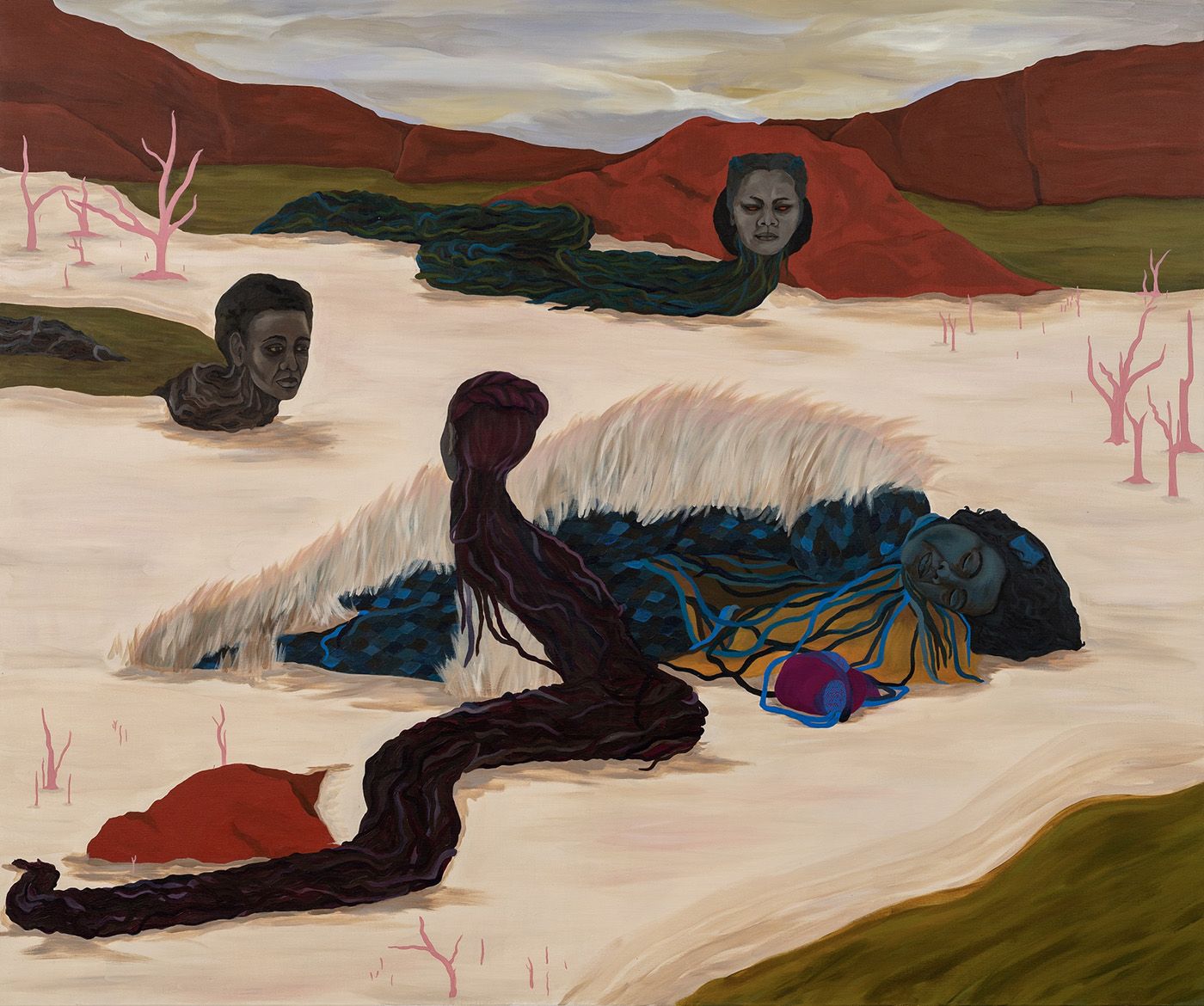
Tessa Mars, Une chanson pour une île en feu (A Song for an Island on Fire), 2024. Photo: Erik López
Our network on the continent is expanding rapidly and that’s something we want to cherish and hold up. For this reason, several of our articles are written by participants from our workshops. To name a few, these include a piece on Tessa Mars and Haitian spirituality by Ervenshy Hugo Jean Louis, on Ismael Davi and Exu by Matheus Morani, on carnival body and territory by Rachel Souza, and on Keila Sankofa and Afro-indigenous time-space construction by Kariny Martins.
Capitalizing on our extensive travels across Abya Yala/Pindorama, we launched the series Studio Visits where we visit artists in their creative spaces for an intimate exchange. So far you can experience the visit to the studios of Anaïs Cheleux, a Guadeloupean photographer, and Julianny Ariza Vólquez, a Dominican artist who explores Caribbean identity through Indigenous, Afro-descendant, and feminine lenses, both brought to you by our Managing Editor Marny Garcia Mommertz.
Speaking of the Caribbean, this year we sadly lost Caryl* Ivrisse Crochemar, the Martinican curator and founding director of espace d’art contemporain 14N 61W. He was a committed supporter of C&, connecting us to many across the region, and took part in our series of talks at 1-54 Forum in 2020. We will continue to salute and celebrate his life and work.
To finish off I’d like to remind you that when you support our work by becoming a Moon Member on the C& Patreon you’ll receive an exclusive C& Collector’s Box, featuring every single C& América Latina Magazine and C& Magazine print issue!
Will Furtado is C& América Latina’s (C&AL) Editor in Chief.
C&AL’s Highlights of 2025 You Might Have Missed
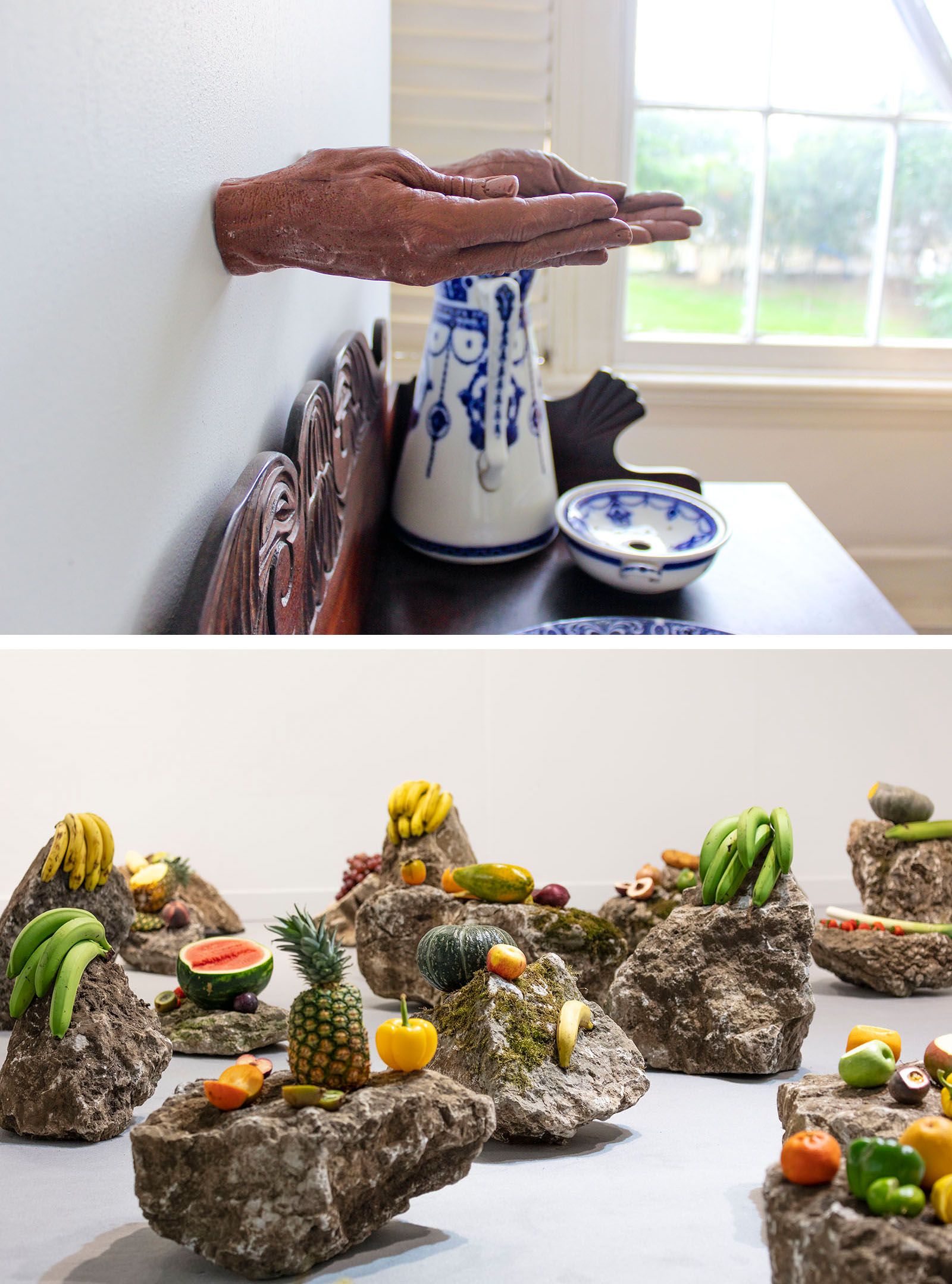
2025 in Review
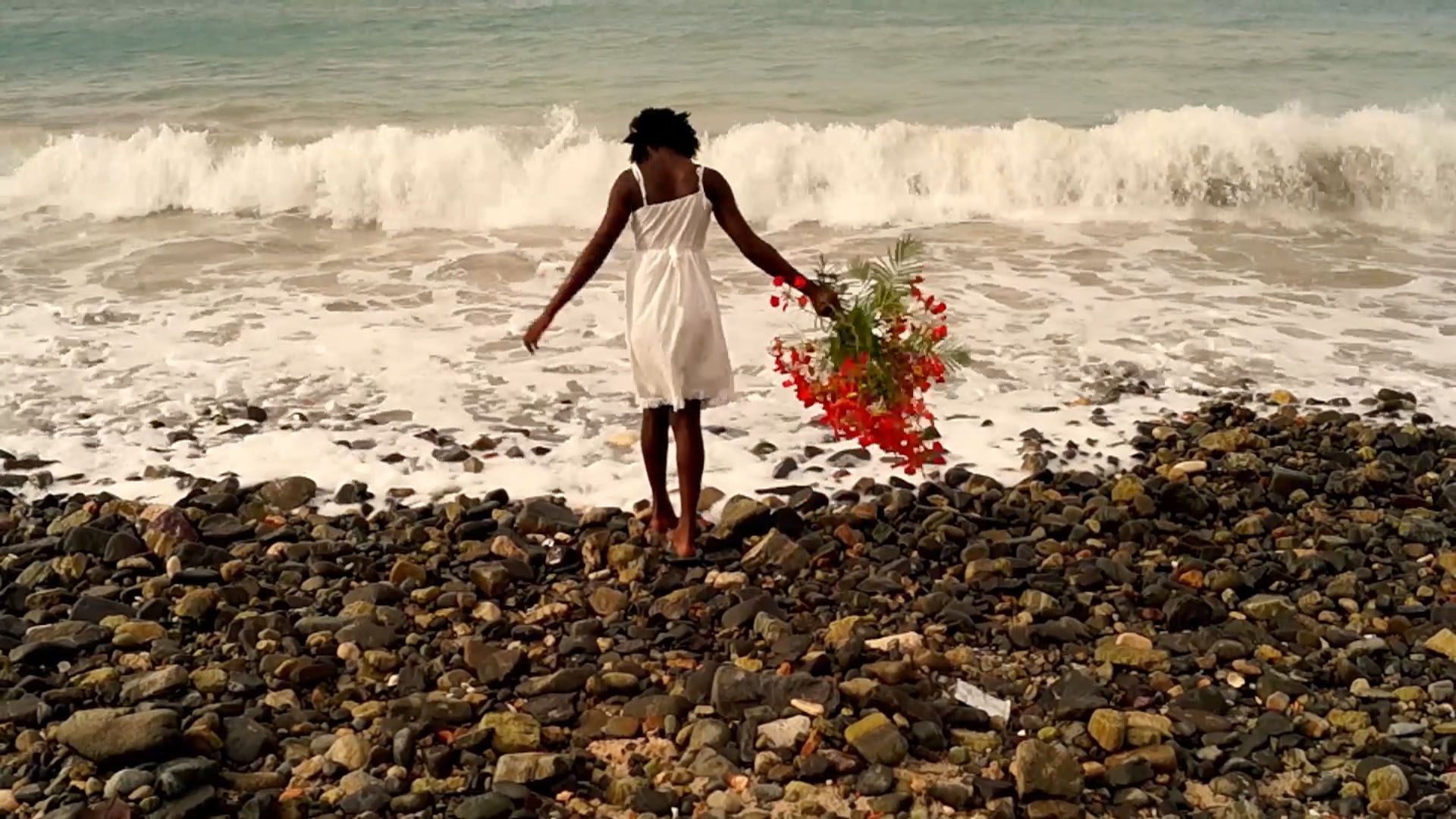
The Artists Forging Ecological Ties in Female Fugivity and Marronage
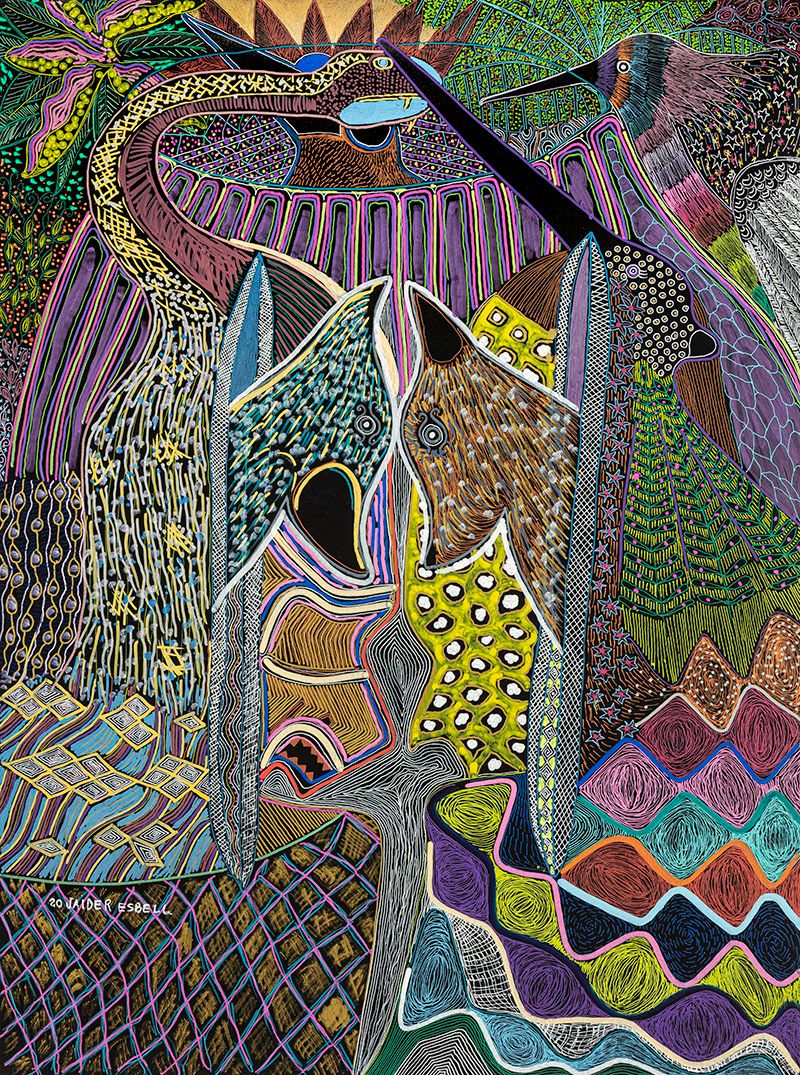
Macuxi Jaider Esbell: An Indigenous Life Cut Short by Epistemic Extractivism
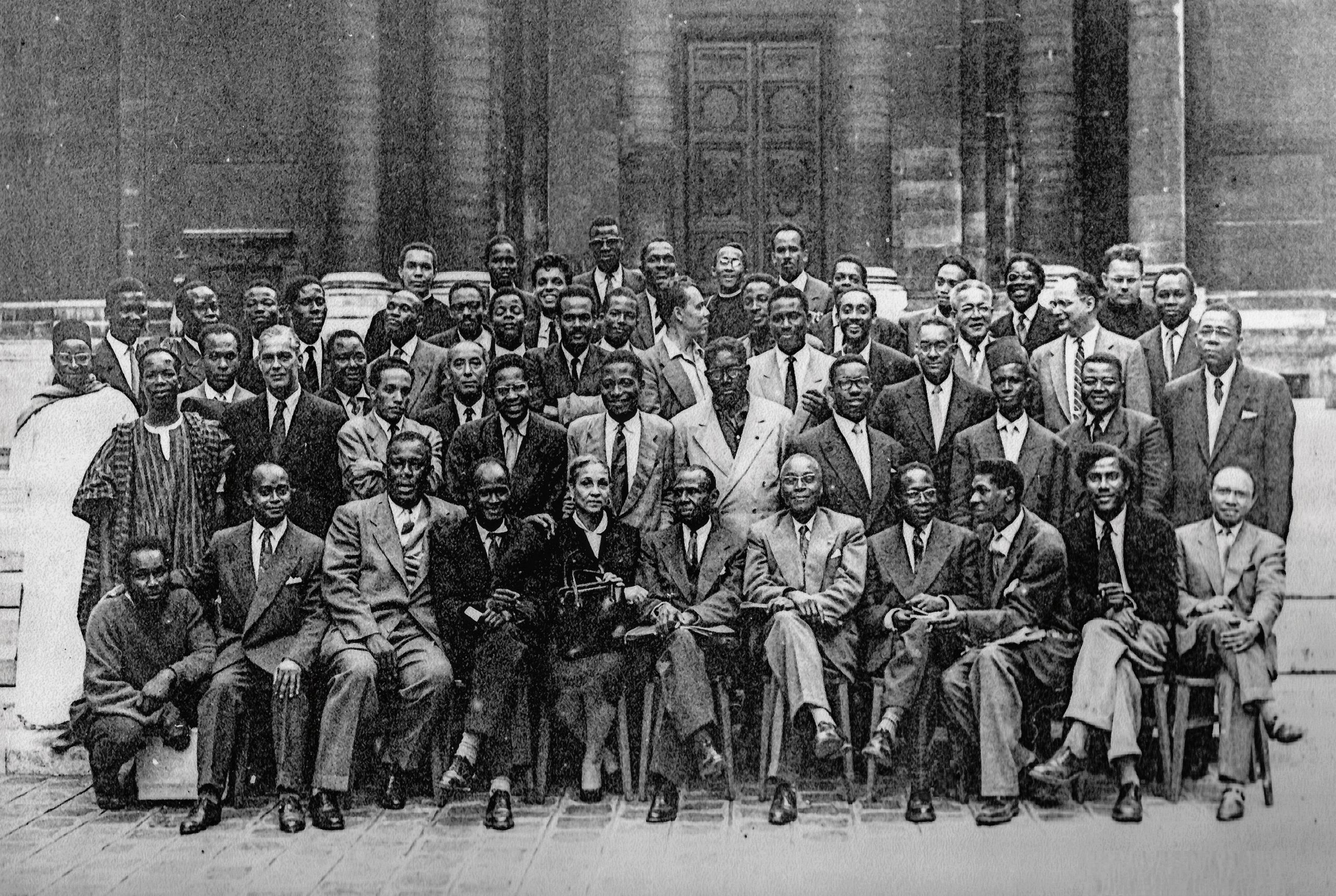
Paris Noir: Pan-African Surrealism, Abstraction and Figuration