2025 in Review
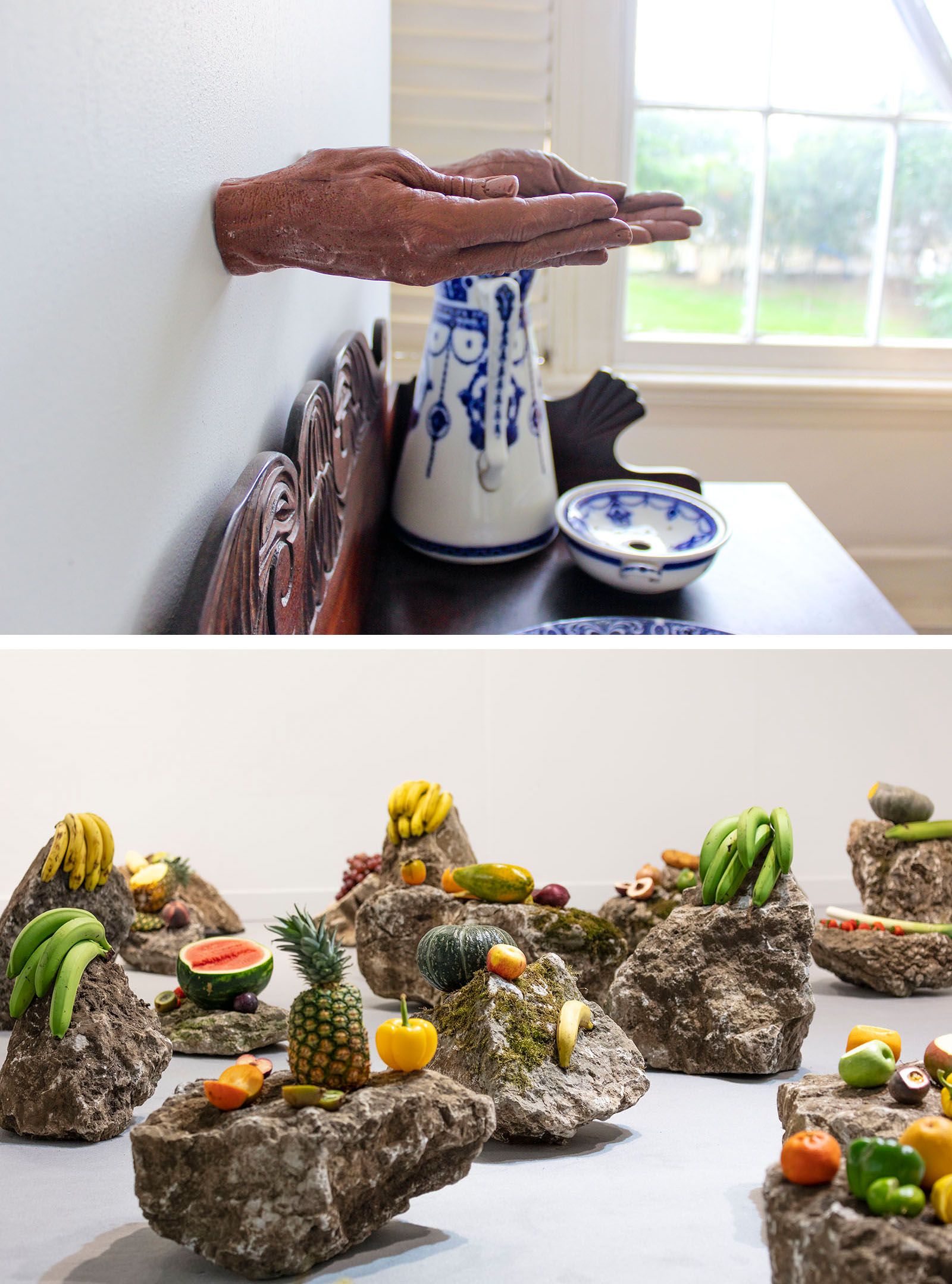
Above: Pure, 2016. Courtesy of the artist. Below: Edgar Calel, Installation view, Ru k’ox k’ob’el jun ojer etemab’el (The Echo of an Ancient Form of Knowledge), 2021. Fruits and rocks, Proyectos Ultravioleta - Frieze London. Courtesy the artist and Proyectos Ultravioleta, Guatemala City. Photo: Lisa Gordon
Looking back at the year that is about to end is not a mere task but a much-needed practice of world-building. For the people of Abya Yala/Pindorama, memory is a technology that has allowed us to stay grounded and in communion with our ancestors of past and future. Art is part of this technology, and art practitioners are the glue that connects people with their culture – material, spiritual, and otherwise.
This year we started a series on curators to foreground practitioners who are investing in local communities while expanding the realm of what art can be and can do. For instance, the practice of Esperanza de León functions as a hinge that connects pieces not by imposing narratives, but by opening pathways for memories — long displaced — to speak for themselves, wrote María Elena Ventura in her piece on the Guatemalan curator.
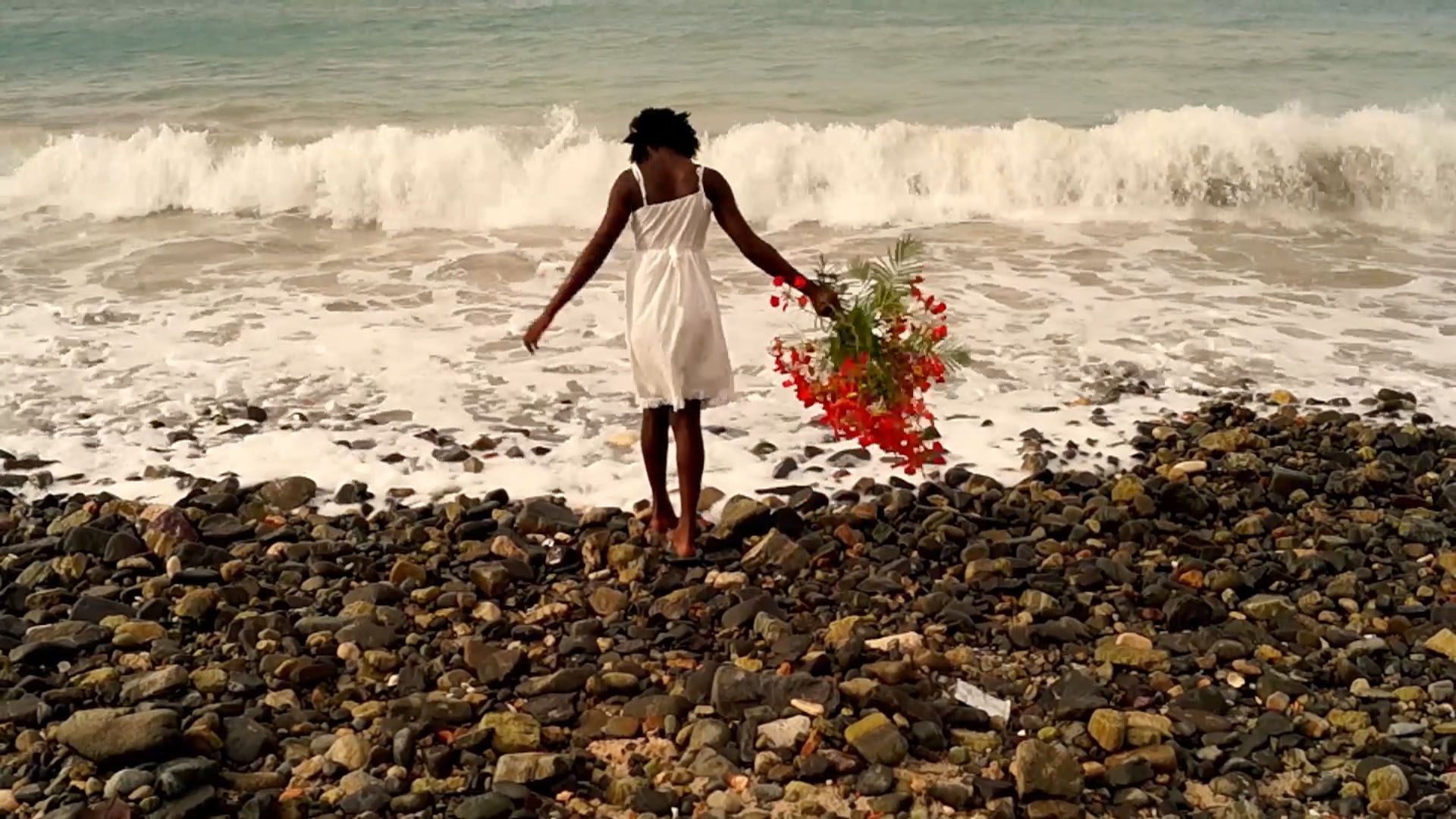
Subverting the neoliberalism that too many times destroys our communities was a topic that returned time and again. In a piece by Raquel Villar-Pérez, the writer analyzes the practice of Andrea Chung and how the artist’s love for ephemeral materials prevents the works from being commodified and, therefore, prevents stories of Black trauma from being commodified.
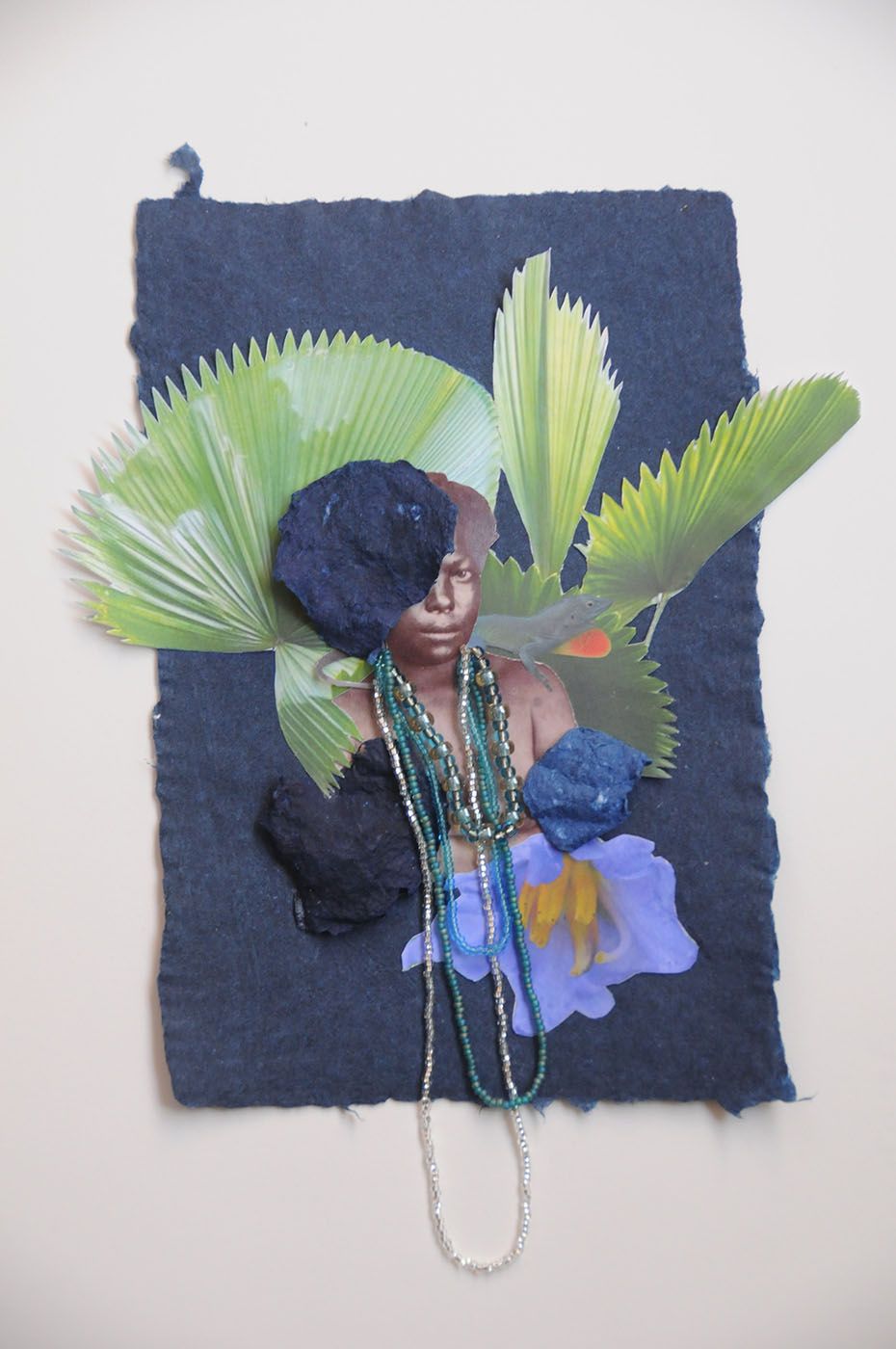
From Sisters of Two Waters, 2018. Courtesy of the artist.
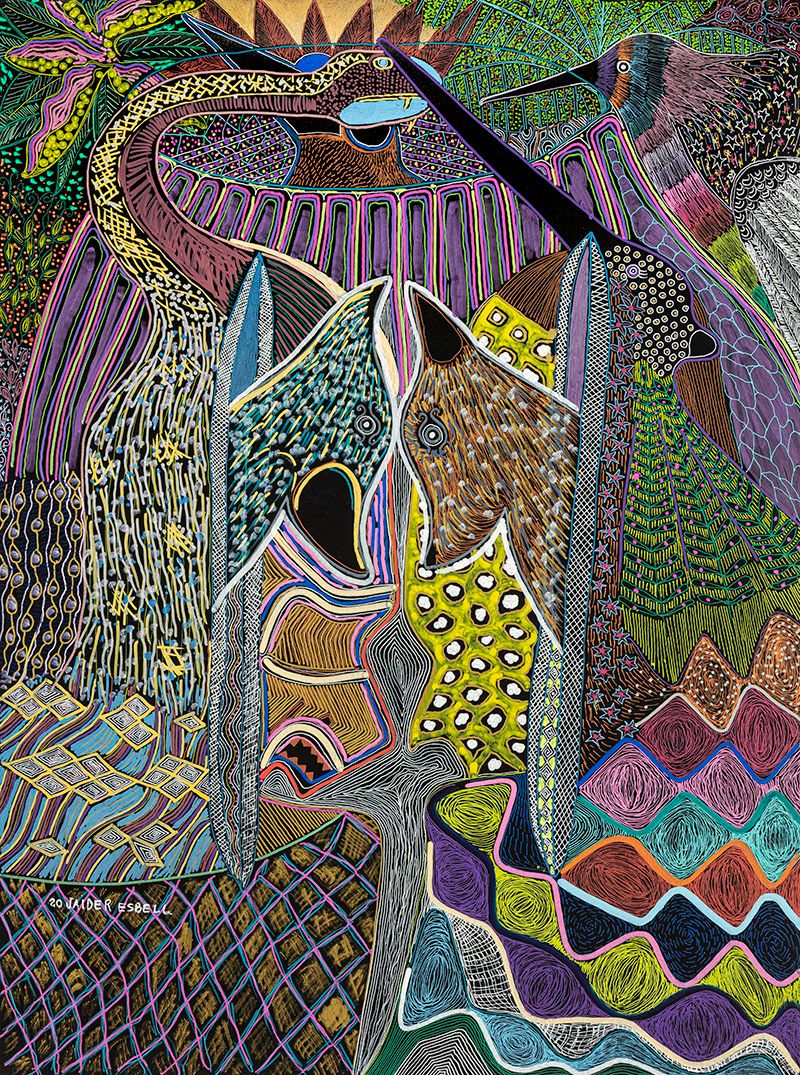
In two of my texts, I highlighted how Black and Indigenous artists such as Edgar Calel and Cameron Rowland are opening up possibilities for institutions and markets to account for their ongoing violent history, while encouraging other artists to find reconciliation and regeneration through their ancestral traditions. And in an obituary, on the fourth anniversary of his passing, we celebrated the life and oeuvre of Macuxi Jaider Esbell, who was killed by epistemic extractivism at the tender age of 41.
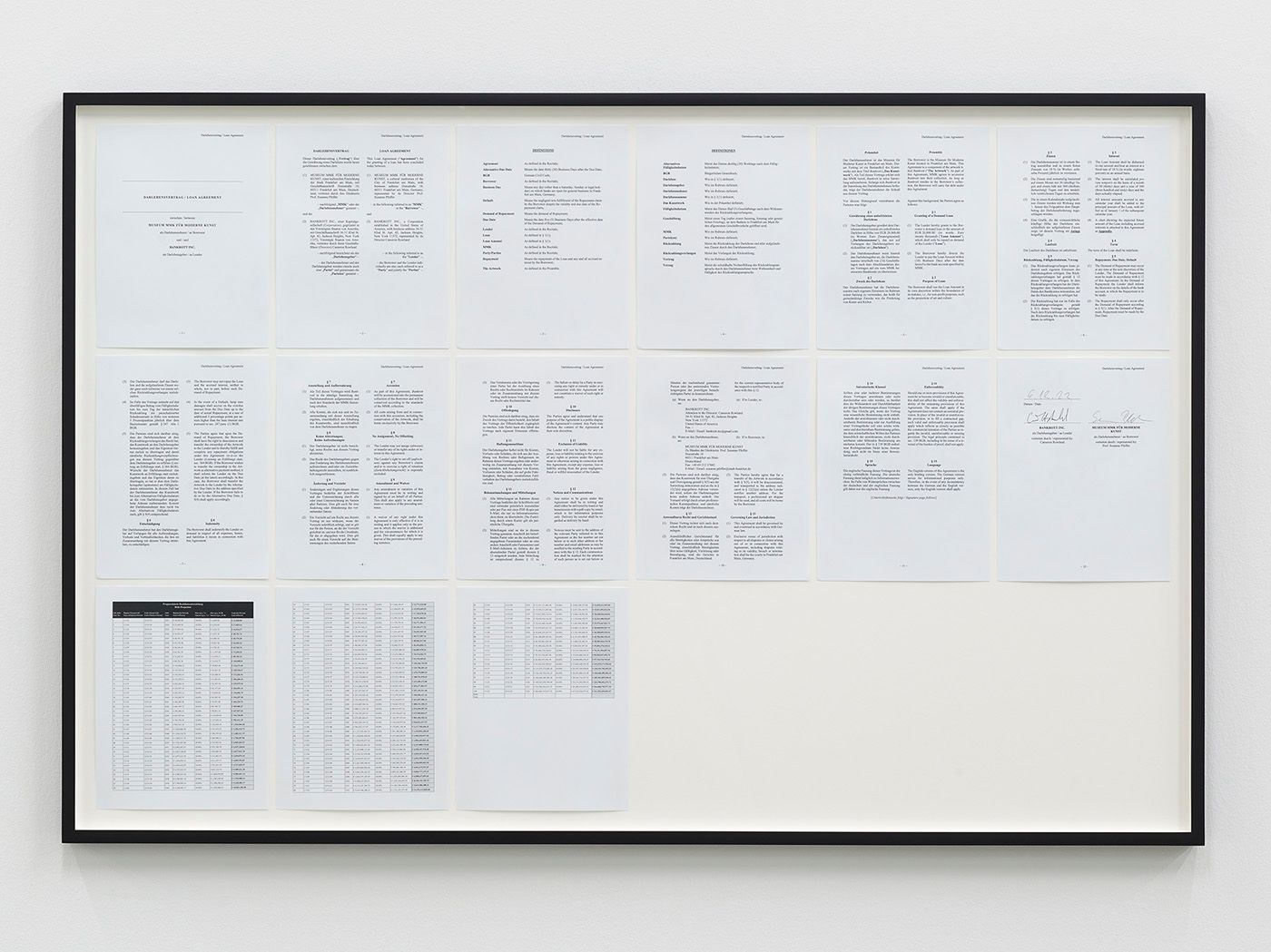
Cameron Rowland, Bankrott, 2023. Indefinite debt. Reparations were paid to slave owners. Compensated emancipation allowed slave owners to retain the value they had assigned to the lives of slaves in addition to the profits they had extracted from slaves’ labor. Compensated emancipation in Haiti, Brazil, Cuba, Washington D.C., the British colonies, the Danish colonies, the Dutch colonies, and German East Africa paid slave owners for their loss of enslaved property. Slave owners and their financiers were provided monetary compensation, high-interest debt obligations, and indentured servitude as repayment. British compensation payments fueled the growth of British financial institutions that held outstanding plantation mortgages including Barclays, Lloyds Bank, and the Royal Bank of Scotland. The Haitian compensation debt, originally paid by formerly enslaved people to French slave owners, has been bought and sold by numerous banks including Crédit Industriel et Commercial, Crédit du Nord, Citibank, and ODDO BHF. These compensation payments continue to grow within European banks alongside the profits of the slave economy. The value of slave life, labor, and reproductive capacity remains integral to European financial institutions, corporations, universities, museums, and governments. Frankfurt am Main is the monetary center of the eurozone and houses offices of nearly every major European financial firm. The concentration of financial firms in Frankfurt am Main has enriched the city since the 17th century. A loan of 20,000 euros was issued to the Museum MMK für Moderne Kunst from Bankrott Inc., a company created for the purpose of holding an indefinite debt. Because it is a demand loan, no payments can be made until the lender demands repayment. Bankrott Inc. will never demand repayment. The debt will accrue interest indefinitely. It will increase at a rate of 18 percent each year, the highest rate legally allowable. The Museum MMK für Moderne Kunst is a city government department, Amt 45 i. For this reason this debt is owed by the city of Frankfurt am Main. As reparation, this debt is a restriction on the continued accumulation derived from slavery. As a negation of value, it does not seek to redistribute the wealth derived from slave life but seeks to burden its inheritors.
As we often remember at C&AL, the key is community- and people-oriented practices. Rogério Felix portrayed the Simões Filho Art Museum (MASF), a community-based initiative in the Brazilian state of Bahia, created by artist Augusto Leal in 2023. And Nicolás Vizcaíno Sánchez had a conversation with the team of the Corredor Afro in Puerto Rico on the importance of Yoruba ancestry, community, and networks of solidarity. In the interview, Marta Moreno Vega recalls: “I remember when I was working to establish El Museo del Barrio. I went to the Arts Council in Washington, D.C., and presented the project. I explained that El Museo del Barrio means the museum of the community, right? The head of the culture program looked at me and said, ‘You are not a museum. Why are you calling yourselves that? Who told you that you were a museum?’ And I said, ‘Why are you asking me that? I’m telling you — it is a museum.’ And he replied, ‘Well, that doesn’t fit our definition of a museum, and for that reason, we can’t support you.’ Now, if I had accepted the definition they gave me, I would’ve shut the doors on our project and turned it into another school program created by our community. But I knew that El Museo del Barrio was the beating heart of our people — of our communities, our mothers, and fathers. And if we couldn’t get official backing, then the support would come from our community, from our people.”
It’s precisely this energy that we want to foment and amplify. As we continue this work, we invite you to stand with us.
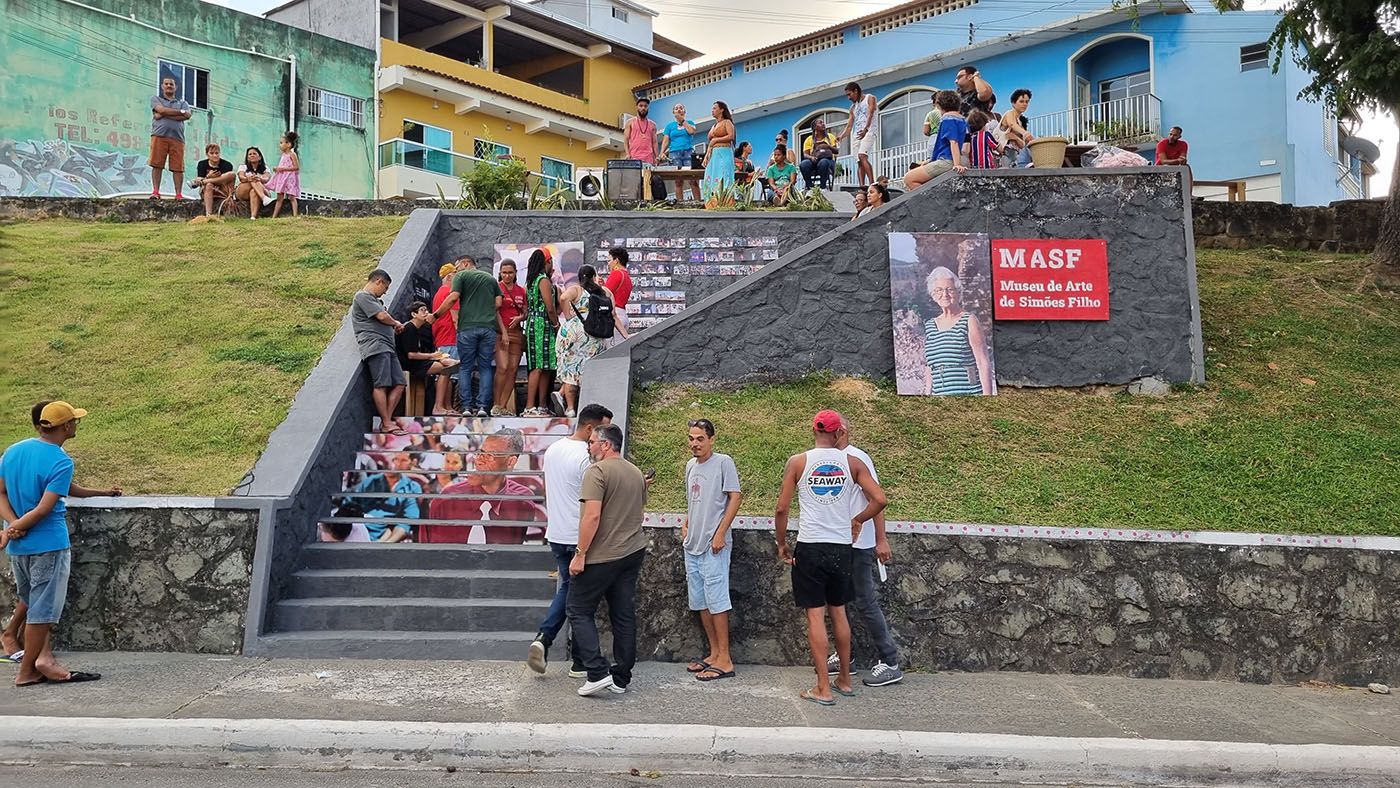
Exhibition Diney Araújo, a lente generosa (2023). Foto: Augusto Leal
It’s precisely this energy that we want to foment and amplify. As we continue this work, we invite you to stand with us.
C& remains free for all because we believe access to culture and ideas should never depend on privilege or geography. Sustaining and expanding this work depends on community — on those who recognize its value. Please consider making a donation today; click here to donate. Your support ensures that C& can continue to thrive — for the artists, the thinkers, and the communities we serve. Together, we can keep building a future in which our stories, our knowledge, and our networks remain accessible to all.
With gratitude and axé,
Will Furtado and the C&AL team
About the author
Will Furtado
Will Furtado is the Editor-in-Chief of C&AL.
The Indigenous Sci-fi Love Story about the Climate Crisis and the Power of Language: Itu Ninu
The Power of Fabulation in the Black Cinema of Zózimo Bulbul
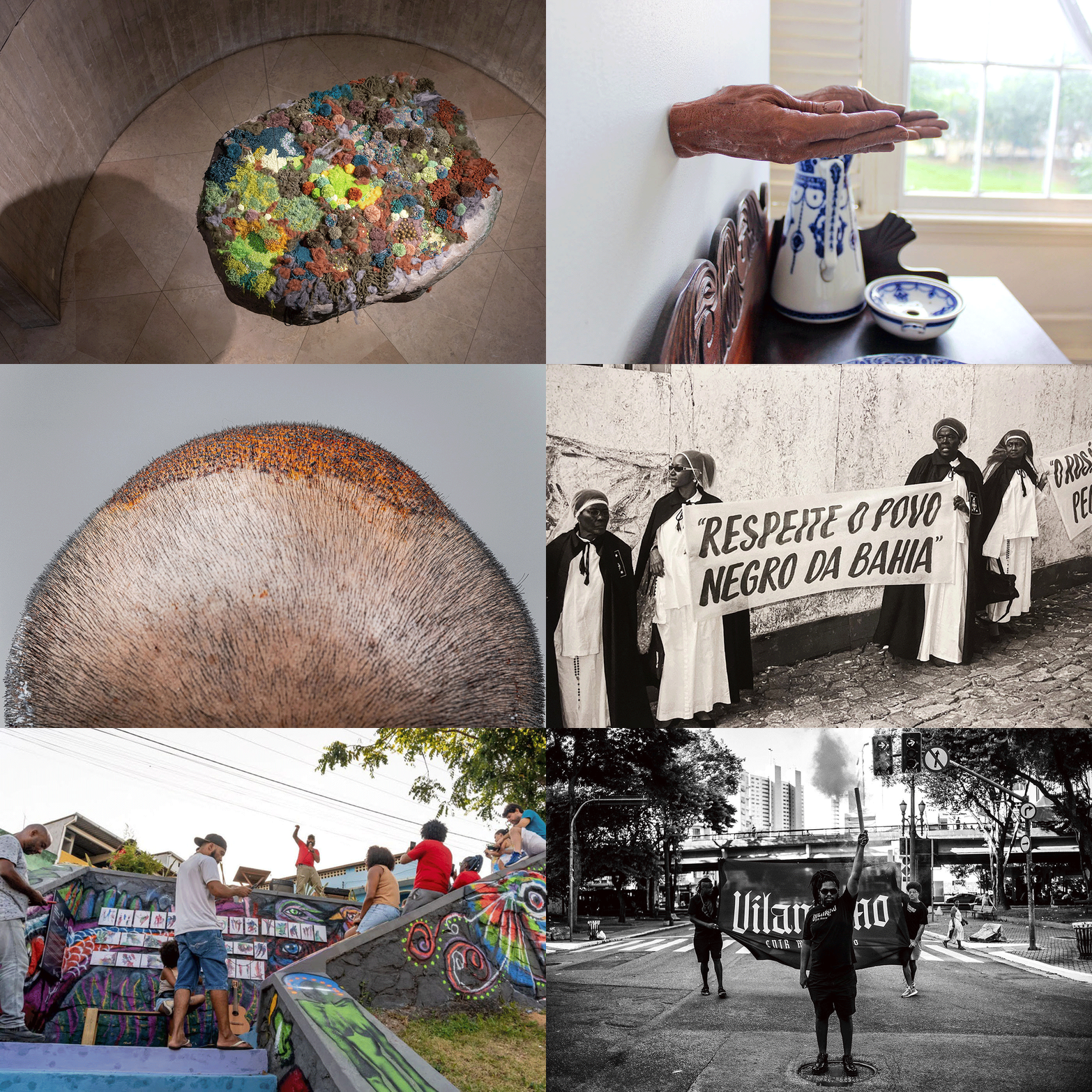
C&AL’s Highlights of 2025 You Might Have Missed
The Artists Forging Ecological Ties in Female Fugivity and Marronage
Macuxi Jaider Esbell: An Indigenous Life Cut Short by Epistemic Extractivism